

Image of 1929 Dodge Senior, Note: These illustrations use artistic license and may differ from actual historical models.
Performance Metrics
Fundamental Metrics
Emotional Appeal
MMP Rating
| Engine Specifications | |
|---|---|
| Engine: | Inline 6 |
| Displacement: | 208 cubic inches |
| Horsepower: | Estimated 68 HP |
| Torque: | Not available |
| Compression Ratio: | Not available |
| Ignition System: | Battery and coil |
| Cooling System: | Water-cooled |
| Performance Specifications | |
| 0-60 Time: | Not available |
| 1/4 Mile Time: | Not available |
| Top Speed: | 60 mph |
| Transmission and Drive | |
| Drive Type: | Rear-wheel drive |
| Transmission Type: | 3-speed manual |
| Fuel and Efficiency | |
| Fuel System Type: | Carburetor |
| MPG: | Not available |
| Dimensions and Brakes | |
| Brakes: | Mechanical drum brakes |
| Wheelbase: | 114 inches |
| Weight: | 2,890 lbs |
Note: Specifications for classic cars are given to the best of our ability, considering the limited and variant data available.
1929 Dodge Senior: The Big Six at a Turning Point
The 1929 Dodge Senior brought a long hood, a substantial six-cylinder engine, and the solid, no-nonsense character Dodge had built its reputation on just as the company entered a new era. It was a larger, more finely appointed Dodge than the entry-level models, aimed at buyers who wanted room and presence without stepping up to an ultra-expensive luxury marque.
The car came from Dodge Brothers, the company founded by Horace and John Dodge. After the brothers’ deaths, their company was sold to Chrysler Corporation in 1928. The Senior therefore belongs to an interesting transition: it reflects the engineering and identity of Dodge Brothers while appearing just after Chrysler took control. Chrysler paid about $170 million for Dodge, one of the most consequential acquisitions in American automotive history.
One detail that makes the Senior especially appealing today is that it combined a traditional, upright prewar appearance with four-wheel hydraulic brakes, a modern feature for the period. It was not a radical-looking car, but beneath its conservative styling sat technology that helped distinguish it from many earlier automobiles.
Long Hood, Rich Trim, and Comfortable Cabin
The Senior’s exterior had the handsome proportions expected of a late-1920s American touring car. Its tall, upright radiator sat between sweeping front fenders, while a long hood and separate running boards emphasized the car’s length. Large round headlamps, wire or disc-style wheels depending on equipment, and a rear-mounted spare gave it a purposeful, formal look. The design was more restrained than flashy, but its scale and brightwork made it an unmistakable presence on the road.
Inside, the Senior offered a roomier and more carefully finished cabin than a basic transportation car. Closed models commonly used durable cloth or mohair upholstery, with wood-grain detailing and metal trim adding a more upscale touch. Open models could be ordered with leather seating. Instrumentation was straightforward and legible, with the driver facing a simple gauge panel rather than a crowded dashboard. Exact materials and trim varied by body style and equipment.
Paint choices depended on the body and factory specification. Period Dodge color schemes included dark, dignified shades such as black, deep blue, green, and maroon, with contrasting colors or pinstriping available on some combinations. Black remained a familiar choice, while richer two-tone treatments helped dress up closed and open bodies. On surviving cars, repainting over the decades means original color evidence is worth checking carefully.
The Senior line was offered in several body styles, with availability varying across the model range. Buyers could find closed sedans and coupes as well as open touring-style bodies, including roadster or phaeton forms. The four-door sedan is among the most recognizable and practical today, while open cars tend to attract extra attention at shows because they display the car’s long proportions so clearly.
Six-Cylinder Power and Period Engineering
The 1929 Dodge Senior Six is generally listed with a 212.3-cubic-inch L-head inline-six producing about 60 horsepower. Power went through a conventional three-speed manual transmission to the rear wheels. These figures sound modest now, but the engine’s smooth six-cylinder delivery was well suited to a substantial car of its era.
Four-wheel hydraulic brakes were a significant practical feature. Hydraulic systems used fluid pressure to apply the brakes at each wheel, giving a more even, controlled action than the mechanical linkages common on many earlier cars. The Senior also used a conventional ladder-type chassis and solid axles, a durable arrangement familiar to mechanics of the time.
Equipment and exact specifications can differ between individual cars, so buyers researching a particular example should verify its body tag, engine, and original literature. Production-year descriptions sometimes blur together, and restorations may include replacement parts or later changes.
Why the Dodge Senior Mattered
The Senior did not invent the six-cylinder touring car, but it helped show how a high-volume manufacturer could offer a spacious, well-equipped automobile with useful modern braking at a price below the prestige-class marques. Its appeal rested on a practical mix: a strong six, a long wheelbase, multiple body choices, and engineering that felt current without being exotic.
Its historical importance also comes from its timing. Dodge was moving from the independent identity established by the Dodge brothers into Chrysler’s growing corporate family. The Senior represents the continuity of Dodge’s reputation for sturdy construction even as ownership and product strategy changed. Its upright styling and separate fenders would soon give way to more streamlined forms, making the car a clear snapshot of the transition from the brass-and-wood era to the more modern 1930s automobile.
Compared with smaller four-cylinder cars, the Senior offered more room and smoother power. Against more expensive luxury cars, it made a case for value and dependability rather than hand-built exclusivity. That middle ground was central to its character and remains part of its appeal to collectors.
How a 1929 Dodge Senior Drives
Period performance figures are not as standardized as modern test results. A well-maintained Senior may reach roughly 60 to 65 mph, depending on body, gearing, condition, and road surface. A modern 0-to-60-mph comparison is less useful: expect acceleration to be leisurely, likely measured in many seconds rather than anything resembling a modern family car. The engine was designed to move the car steadily, not to deliver brisk launches.
Behind the wheel, the driver works a manual gearbox, operates comparatively heavy controls, and plans stops well in advance. The six produces a measured mechanical rumble, with gear changes and engine sounds more present than they would be in a modern car. At a comfortable cruising pace, the Senior feels purposeful and composed, but it rewards anticipation rather than hurried inputs.
Its long wheelbase helps it settle over broad, gentle undulations, while the solid axles and period suspension can transmit sharper bumps more directly. On winding roads, the car’s size, high center of gravity, and relatively narrow tires call for smooth steering and conservative cornering. Crosswinds can be noticeable, particularly in an open body. Hydraulic brakes were a welcome improvement for the era, but stopping distances remain long by modern standards.
Ownership, Maintenance, and Reliability
Today, the Dodge Senior is best suited to touring, club events, local parades, and car shows rather than everyday commuting. It can cover distance at a relaxed pace, but modern traffic moves faster, and the car lacks contemporary safety equipment. Owners generally choose quieter back roads and allow generous space around the vehicle.
The basic mechanical layout is comparatively understandable to a capable vintage-car owner. The engine, manual transmission, rear-wheel-drive system, and chassis use familiar prewar principles, and many routine jobs do not require modern diagnostic equipment. That does not mean every repair is simple: parts availability, worn components, prior repairs, and the quality of an old restoration can complicate even straightforward work.
Before buying, pay particular attention to the engine’s condition, cooling system, brakes, steering, chassis corrosion, and the fit of body panels. Hydraulic brakes should be inspected thoroughly, including lines, wheel cylinders, and the master cylinder. A car that starts and moves is not necessarily roadworthy. A good specialist inspection can prevent a low purchase price from turning into a costly mechanical project.
Facts, Myths, and Collector Appeal
There is no widely recognized 1929 Dodge Senior speed or endurance record that defines the model, and no single celebrity ownership story is essential to its history. Its strongest claim is more grounded: it was part of a major corporate turning point and offered four-wheel hydraulic braking in a substantial, mainstream automobile of its day.
Model-specific production totals are difficult to pin down from commonly available summaries. Dodge produced cars in substantial numbers in this period, but body-style breakdowns and surviving records are not always complete. A reasonable working estimate is that production of the Senior Six across its available bodies may have reached the tens of thousands, perhaps around 20,000 to 40,000. That is an informed estimate, not a confirmed factory total. Surviving, correctly identified cars are much scarcer than the original production figures suggest.
A common criticism is that the Senior can feel slow and physically demanding beside later classics. Its steering, braking, and ride require a different rhythm from modern driving. Another challenge is that restorations may be difficult to judge: shiny paint and upholstery do not guarantee sound mechanical work or correct details. On the positive side, its traditional appearance, useful six-cylinder power, and relatively straightforward engineering make it approachable for enthusiasts who enjoy hands-on ownership.
1929 Dodge Senior Values and Availability
Collector values depend heavily on body style, originality, restoration quality, mechanical condition, and documented history. As a broad U.S. market guide, a project or incomplete car might fall around $8,000 to $18,000. A sound driver could bring roughly $18,000 to $35,000, while a high-quality restored example may reach $35,000 to $60,000 or more. Particularly desirable open bodies in exceptional condition can exceed that range, while a rare body style is not automatically valuable if its condition or provenance is weak.
These figures are estimates rather than guaranteed sale prices. Asking prices can differ sharply from completed transactions, and the market for prewar cars is selective. Values have generally been stable to modestly firmer for well-restored, correctly presented examples, while projects and cars needing expensive work can be harder to sell. As with many prewar classics, condition and authenticity matter more than simply waiting for the market to rise.
Availability is limited but not impossible. Sedans and coupes are more likely to appear than especially desirable open models, and a buyer may need patience to find the right combination of body style, originality, and mechanical health. Clubs, marque specialists, and auction archives can help confirm whether a car is genuinely a Senior and whether its components match the period specification.
A Sturdy Dodge from a New Era
The 1929 Dodge Senior is a substantial, characterful six-cylinder car that captures Dodge at a pivotal moment. Its long, upright styling recalls the road-going formality of the 1920s, while its hydraulic brakes and practical engineering point toward a more modern automobile. It is not a fast or effortless classic by today’s standards, but it offers a direct connection to an era when comfort, durability, and mechanical simplicity were powerful selling points.
For collectors, the Senior’s appeal lies in that balance: handsome without being ostentatious, advanced without being complicated, and historically significant without needing a famous owner to make its story interesting. It is a Dodge built for the open road of its own time, and a memorable reminder of how quickly American motoring was changing.
1929 Dodge Senior Catalog of Parts
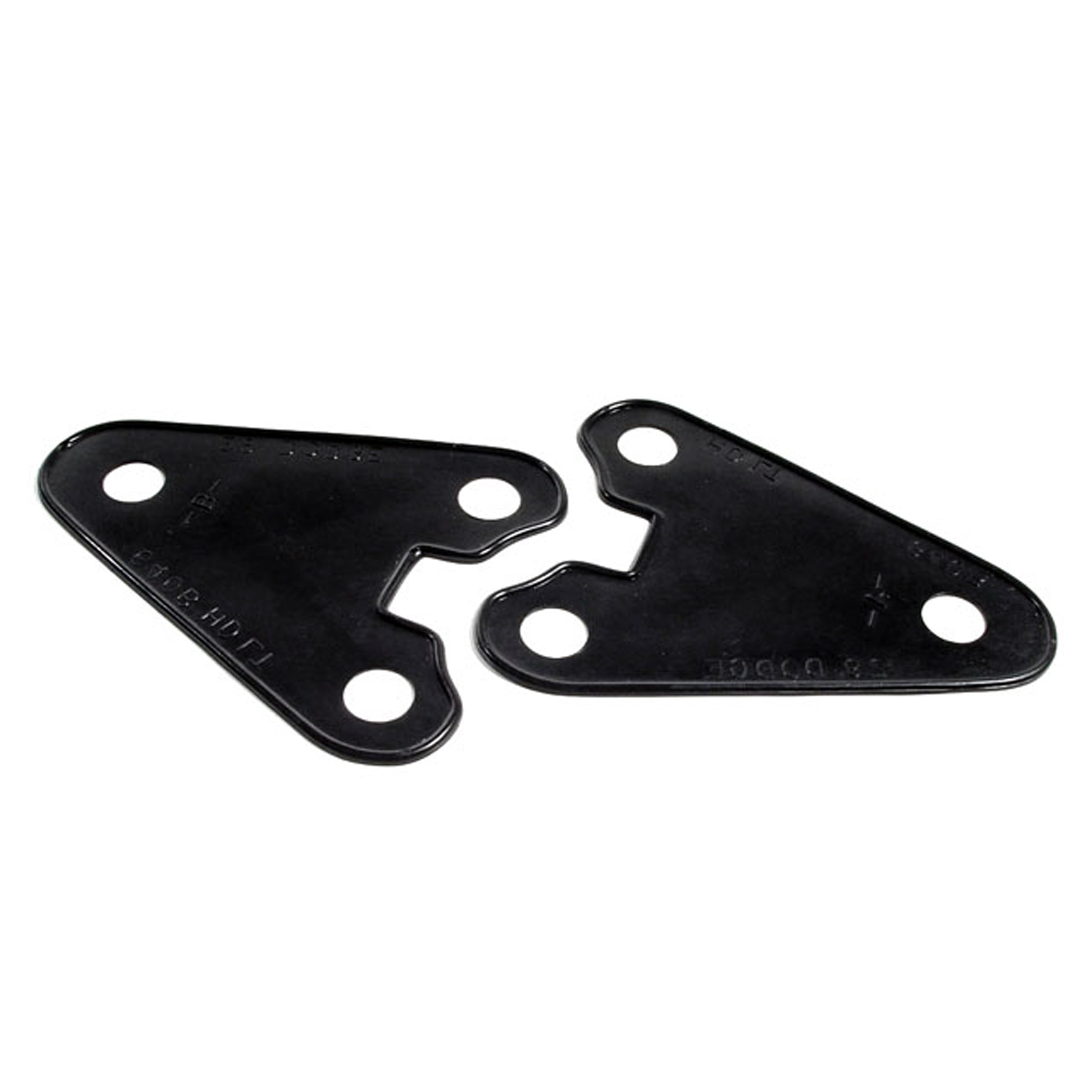 1929 Dodge SENIOR Headlight Bracket Pads. 4" wide X 5-1/8" long. Pair R&L-MP 640-BHeadlight Bracket Pads. 4" wide X 5-1/8" long. Pair R&L
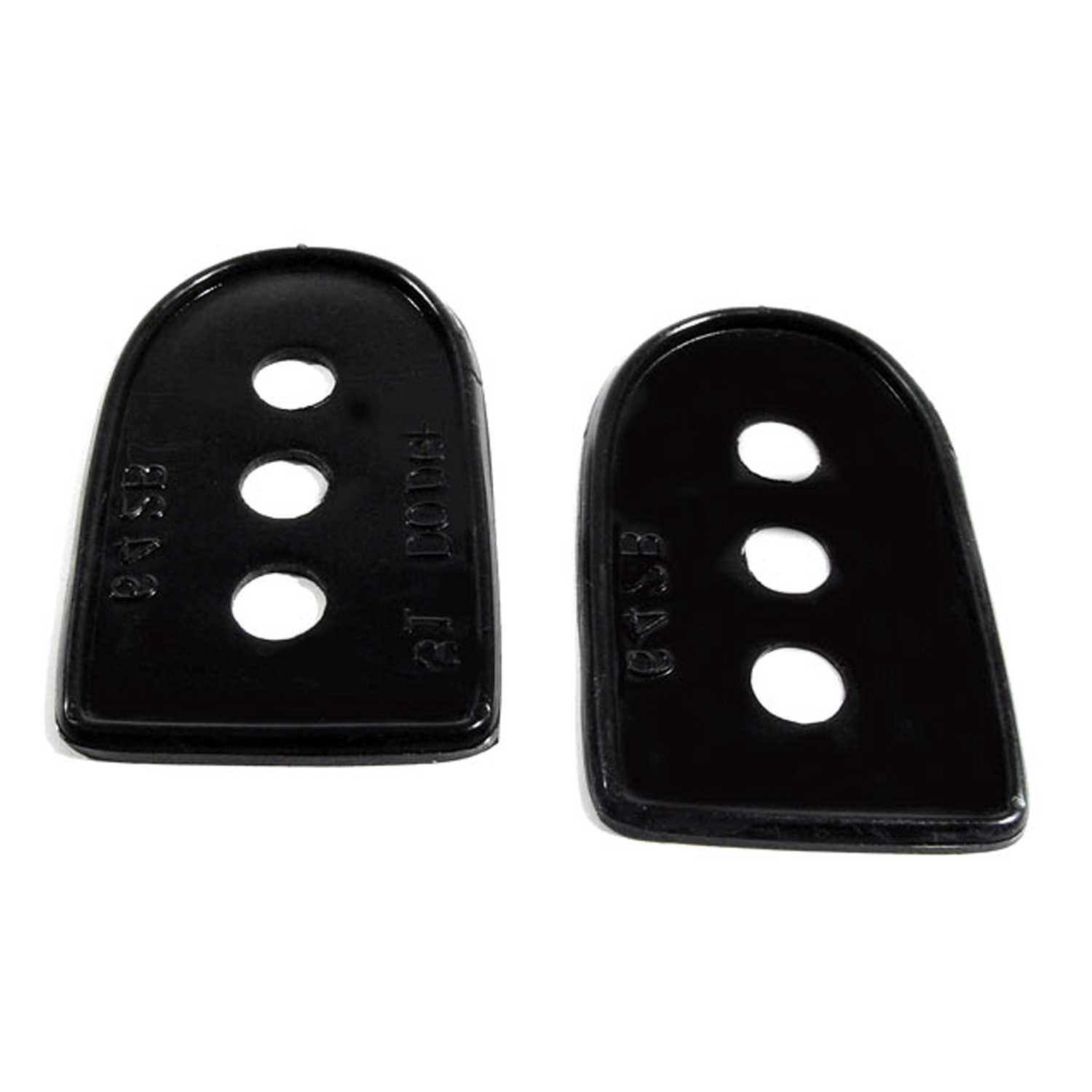 1929 Dodge SENIOR Headlight Bar Pads. 2" wide X 3-1/4" long. Pair-MP 642-BHeadlight Bar Pads. 2" wide X 3-1/4" long. Pair
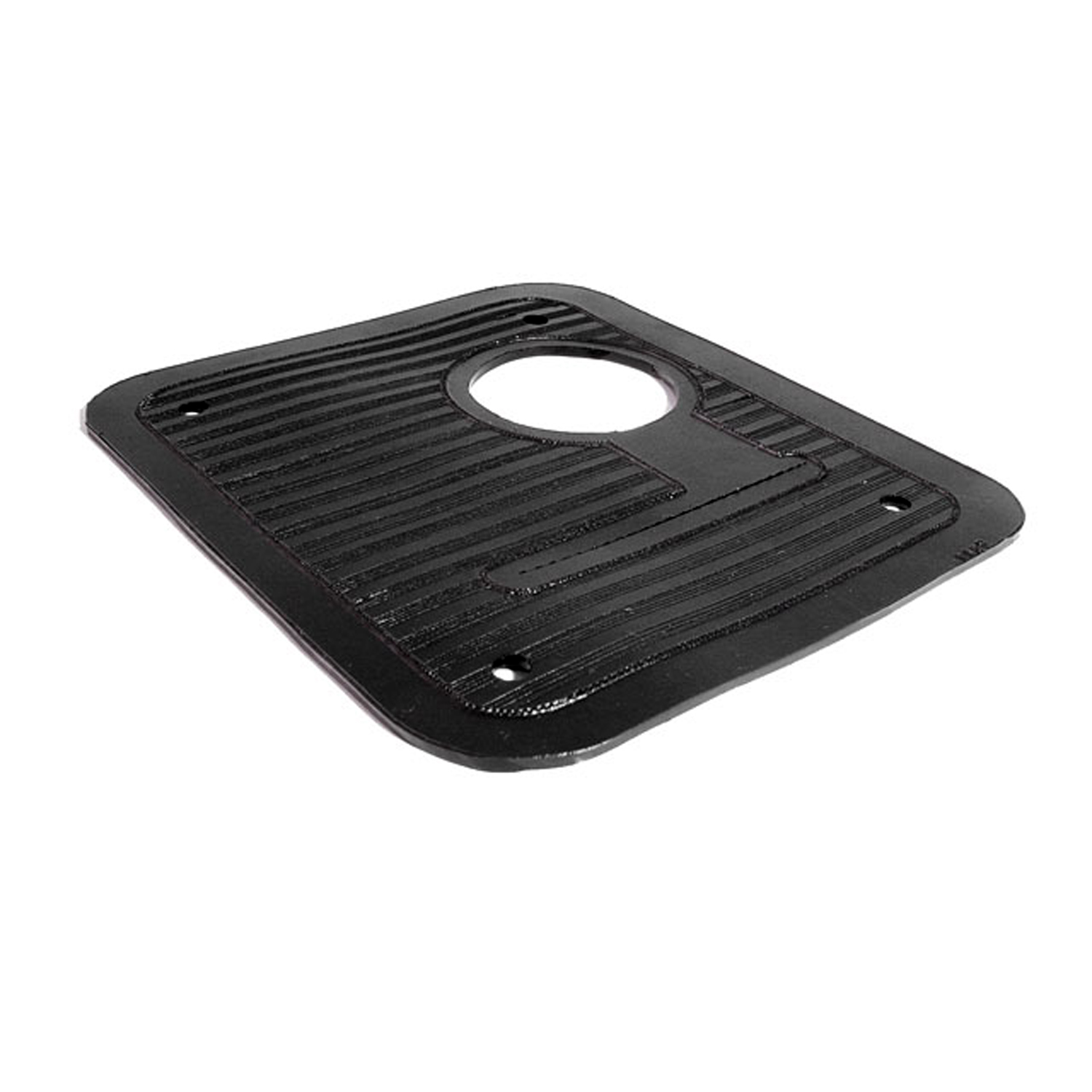 1929 Dodge SENIOR Gear Shift Pad. 7-7/8" X 7-7/8". Each-SC 14Gear Shift Pad. 7-7/8" X 7-7/8". Each
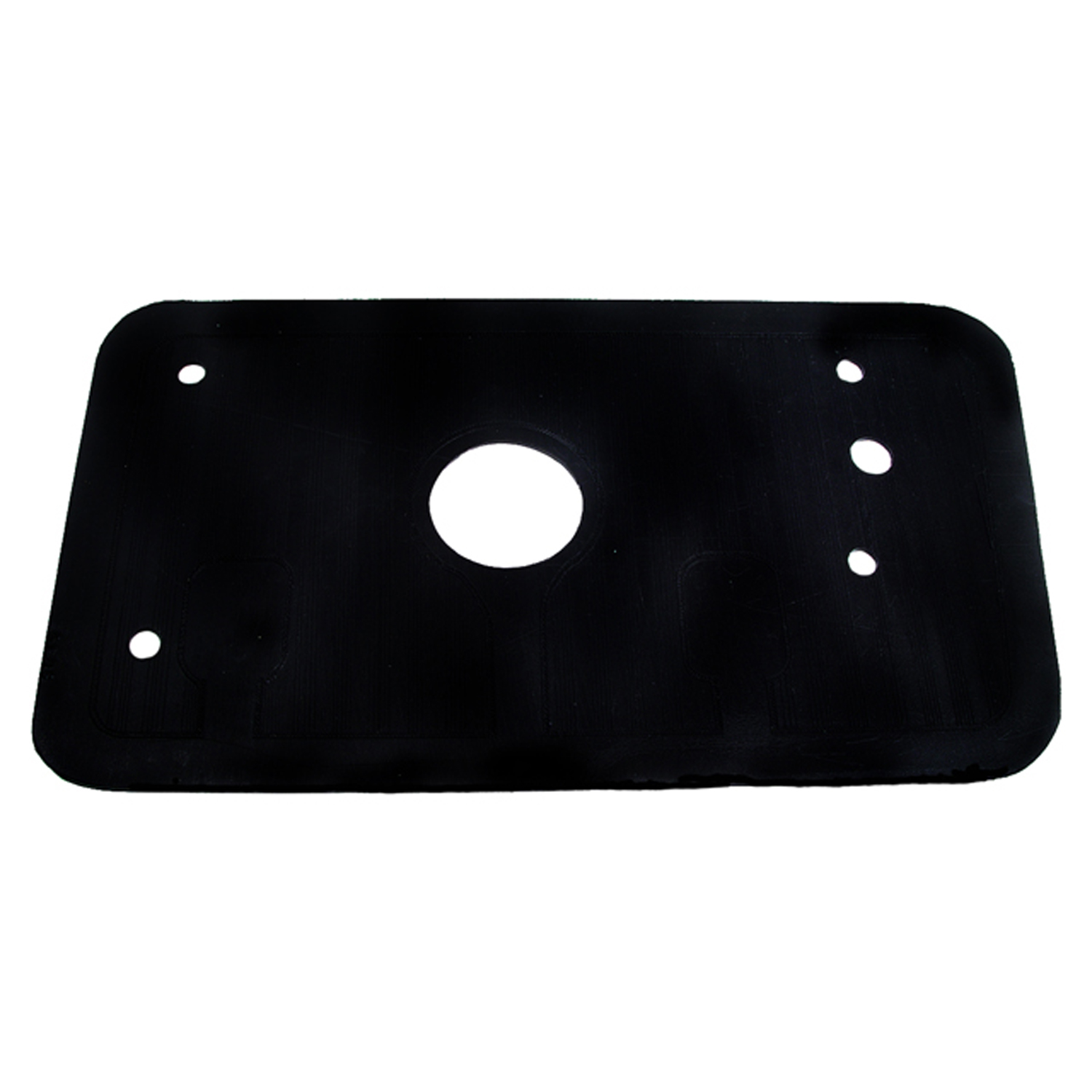 1929 Dodge SENIOR Steering Column Pad. Good Detail. No metal backing-SC 15Steering Column Pad. Good Detail. No metal backing. 10-1/2" x 6". Each
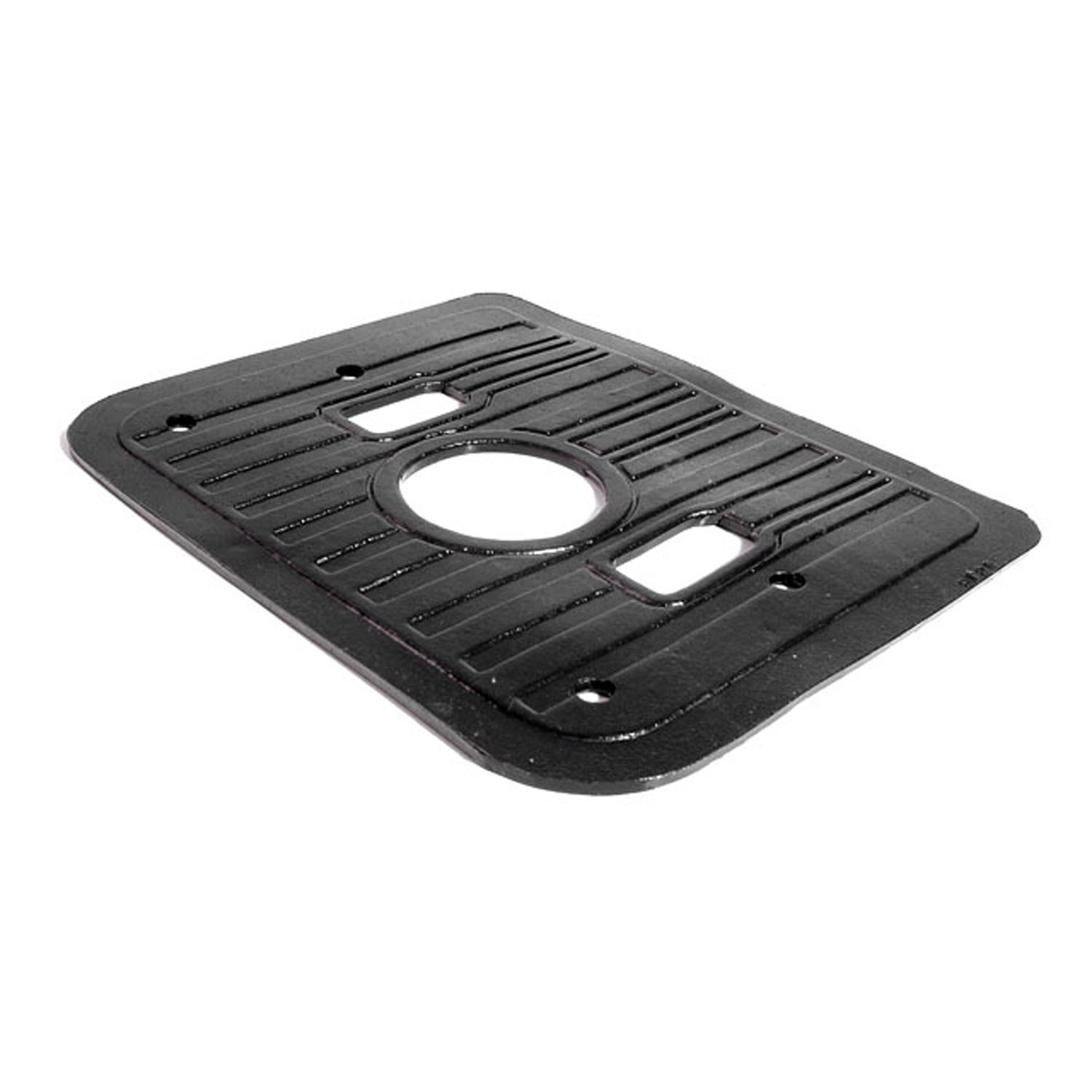 1929 Dodge SENIOR Steering Column Pad. 8-1/4" X 6-5/8". Each-SC 16Steering Column Pad. 8-1/4" X 6-5/8". Each
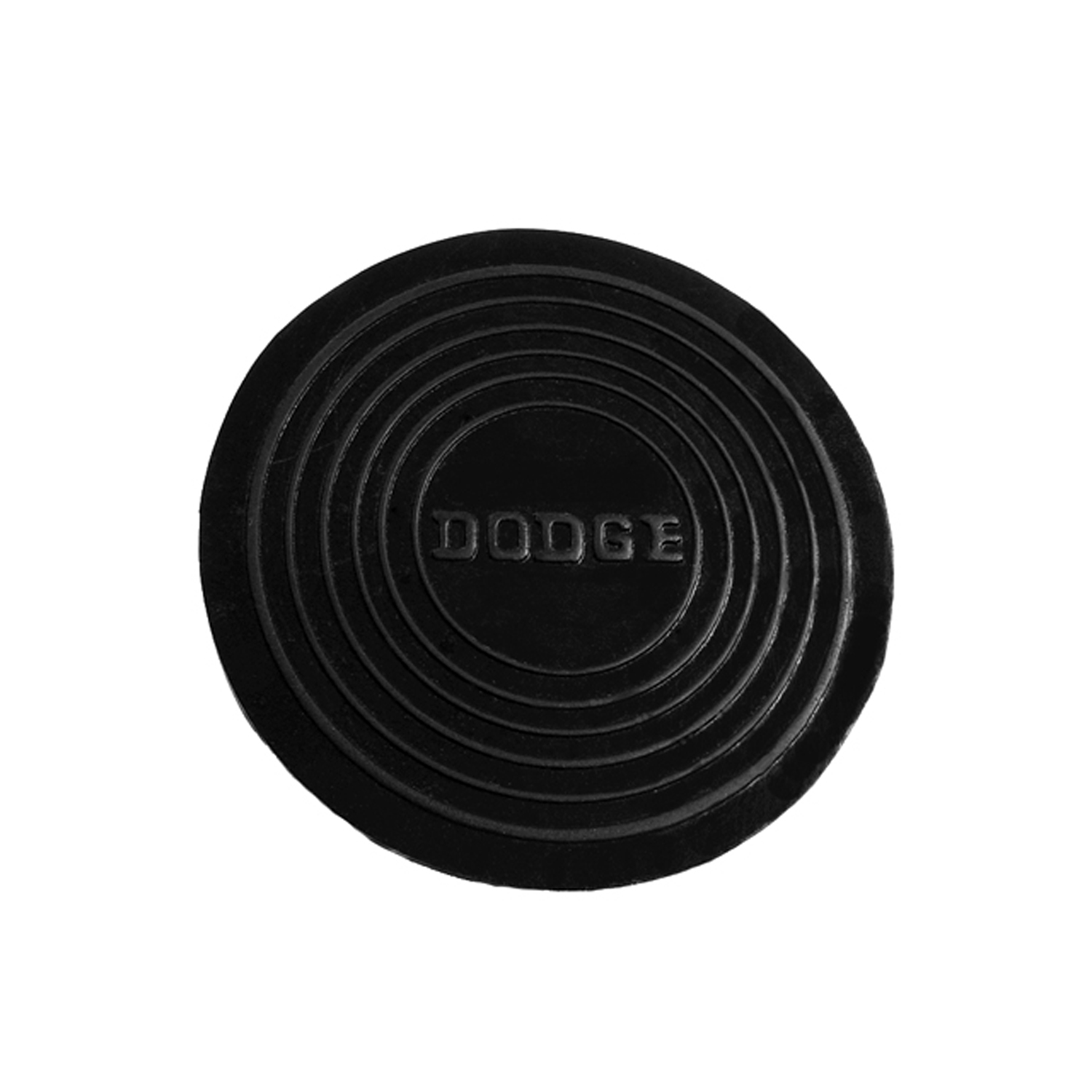 1929 Dodge SENIOR Step Plate Pad. Rubber face only. 4-1/4" O.D. Each-SP 18Step Plate Pad. Rubber face only. 4-1/4" O.D. Each
Why Choose Metro?
For over 100 years, Metro Moulded Parts has been the pinnacle of quality in classic car restoration parts. Our commitment to precision and authenticity in every component ensures a perfect fit and an OEM-level appearance.
- Expert Craftsmanship & Quality: Each part is a testament to our dedication to reliability and perfection, crafted from original designs and thoroughly tested.
- Advanced Technology: We use cutting-edge techniques to create flawless, long-lasting parts that surpass others in performance.
- SuperSoft Sponge – The Ultimate Door Seal: Not only are our door seals 30% softer than competitors', but they're also guaranteed to never leak. They effectively reduce wind and road noise, enhancing your classic car's comfort and driving experience.
- Proudly American: Our parts are a product of American craftsmanship, made in the USA with a spirit of excellence and heritage.
- Unrivaled Warranty: We back our products with a 30-year industry-leading warranty, a testament to our confidence in their quality.
Join us in preserving the legacy of classic cars with parts that are crafted for perfection, not just made.