
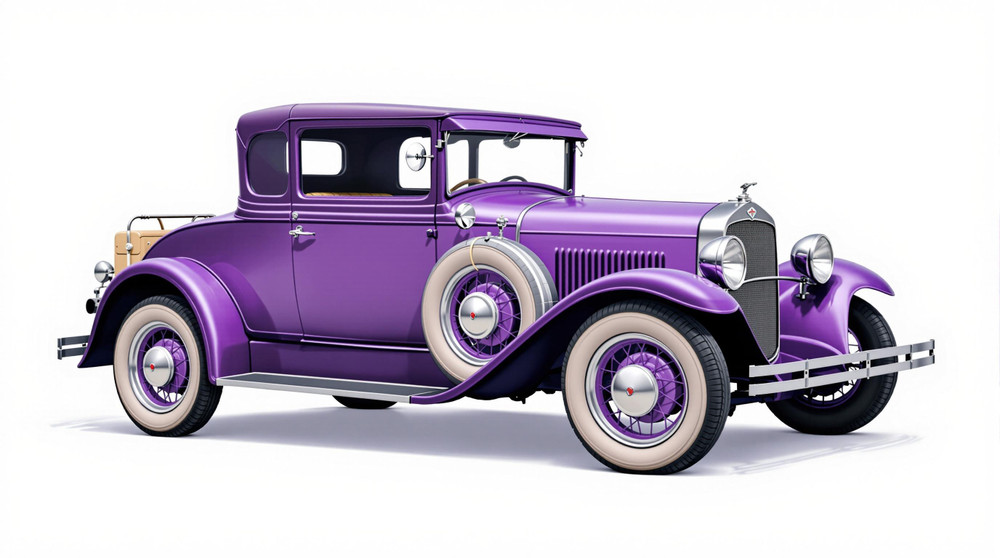
Image of 1929 Dodge Series Db, Note: These illustrations use artistic license and may differ from actual historical models.
Performance Metrics
Fundamental Metrics
Emotional Appeal
MMP Rating
| Engine Specifications | |
|---|---|
| Engine: | Inline 4 |
| Displacement: | 208 cubic inches |
| Horsepower: | Estimated 35-40 HP |
| Torque: | Not available |
| Compression Ratio: | Not available |
| Ignition System: | Battery and coil |
| Cooling System: | Water-cooled |
| Performance Specifications | |
| 0-60 Time: | Not available |
| 1/4 Mile Time: | Not available |
| Top Speed: | 50-55 mph |
| Transmission and Drive | |
| Drive Type: | Rear-wheel drive |
| Transmission Type: | 3-speed manual |
| Fuel and Efficiency | |
| Fuel System Type: | Carburetor |
| MPG: | Not available |
| Dimensions and Brakes | |
| Brakes: | Mechanical drum brakes |
| Wheelbase: | 112 inches |
| Weight: | 2,690 lbs |
Note: Specifications for classic cars are given to the best of our ability, considering the limited and variant data available.
1929 Dodge Series DB: A Practical Six with Style
The 1929 Dodge was built for motorists who wanted the substance of a well-engineered six-cylinder car without stepping into the luxury-car price bracket. It arrived during a turning point for the company: Chrysler had acquired Dodge Brothers in 1928, and the marque was beginning a new chapter under its powerful parent while retaining the sturdy, independent character that had made its name.
There is a small naming wrinkle for today’s researchers. Many factory references and marque histories identify the principal 1929 Dodge Six as the Series DA, while “Series DB” appears in some later listings and descriptions. Names and specifications can vary across market and body-style records, so owners should confirm a particular car’s identification using its serial number and original documentation. This guide describes the 1929 Dodge Six commonly associated with the DB designation.
One detail makes the car especially interesting: it belongs to the first full model year after Chrysler took control of Dodge Brothers. The change did not instantly erase Dodge’s own engineering identity. Instead, the 1929 cars carried forward the brand’s reputation for solid construction while bringing it into a larger corporate family.
Classic Dodge Styling and Body Choices
The Dodge’s styling is confident rather than flamboyant. Its tall, upright radiator and broad, separately mounted fenders give the front end a strong, formal presence. Large headlamps sit out on either side, while a long hood leads back to a passenger compartment with a nearly vertical windscreen. From the side, the high beltline and substantial running boards make the car look planted and purposeful. It has the unmistakable proportions of a late-1920s automobile, but its lines are tidier and more integrated than those of many earlier brass-era designs.
Buyers could choose from a range of open and closed bodies, depending on the market and catalog. Common forms included sedans, coupes, roadsters, phaetons and touring cars. Closed sedans suited families and year-round travel, while coupes offered a more personal, sporting look. Open touring models and roadsters had the greatest visual drama, with folded tops, exposed seating and plenty of period charm. Body availability and naming could differ between catalogs, so not every style was offered in every market.
Paint choices also depended on body style and production details. Dark shades such as black, deep blue, maroon and green are typical of the period, and some cars used contrasting colors or trim. Black is a familiar choice on surviving examples, but it was not the only possibility. A restoration based on factory paint evidence, rather than assumptions from period fashion, is the best way to establish a car’s original colors.
Cabin Materials and Period Equipment
Inside, the Dodge favors durability and straightforward function. Closed cars generally used durable cloth upholstery, while open models could be trimmed in leather or other weather-resistant materials. The dashboard is arranged for easy reading, with clear, period-style instruments and simple controls. Depending on body style and specification, details such as wood-grain finishes, carpeting and trim varied. It is a practical cabin, not a modern luxury interior, but well-kept examples can feel surprisingly welcoming.
By the standards of 1929, the Dodge offered useful engineering rather than novelty for novelty’s sake. Six-cylinder power brought smoother running than the four-cylinder engines still found in many affordable cars. Three-speed manual transmission was typical, and four-wheel hydraulic brakes were an important feature on Dodge cars of this era. Hydraulic braking gave the driver more consistent, balanced stopping than early mechanical systems, although the feel and upkeep of an original system depend heavily on its condition today.
Why the 1929 Dodge Mattered
The 1929 Dodge’s significance lies in its combination of accessible pricing, six-cylinder refinement and robust engineering. It was not the first car with any one of these features, but it helped make a more substantial motoring experience attainable for a broad range of buyers. Dodge had built its reputation on dependable, well-made cars, and the 1929 model carried that identity into the rapidly changing late 1920s.
It also represents a bridge between eras. The car retained the upright proportions and separate fenders of traditional coachbuilt automobiles, yet it offered more integrated styling and equipment than older designs. Its hydraulic brakes and smoother six-cylinder engine reflect the industry’s steady move toward safer, more comfortable everyday motoring. After Chrysler’s purchase, Dodge could draw on the resources of a larger company while continuing to serve as a distinct, durable mid-priced marque.
Engine, Speed and Road Manners
Specifications vary according to the exact model designation and source. Period Dodge Sixes associated with the 1929 range are commonly described as using a side-valve, or L-head, inline-six of roughly 175 to 184 cubic inches, producing around 60 to 63 horsepower. A three-speed manual gearbox sends power to the rear wheels. These figures should be treated as a guide until a specific car’s engine and serial numbers are checked.
A healthy example can generally manage a top speed in the neighborhood of 60 to 65 mph, though that is not a speed most owners would want to sustain in a century-old car. A period Dodge is not quick by modern standards. A rough estimate for 0 to 60 mph is about 30 to 40 seconds, and the exact result depends on the engine, gearing, body weight, road surface and mechanical condition. There was no modern standardized acceleration test for these cars, so any figure is an approximation rather than a factory-certified statistic.
On the road, the Dodge feels substantial and deliberate. The six-cylinder engine produces a steady, low-pitched mechanical hum, while the manual gearbox asks the driver to make unhurried, well-timed shifts. The steering is heavier at parking speeds than a modern car, and the brakes need to be operated with period-appropriate anticipation. On bumps, the tall tires and traditional suspension absorb smaller imperfections, but the body can move noticeably over rough roads. On winding routes, measured steering inputs and modest speeds suit the car better than sharp, modern-style cornering.
Living with a 1929 Dodge
Today, most 1929 Dodges are driven for touring, club events, local shows and occasional weekend outings. A carefully sorted car can handle short trips and scenic drives, but using one as a daily driver would require patience, mechanical attention and a willingness to travel at a different pace. Modern traffic, long highway stretches and limited visibility can be challenging.
The basic mechanical layout is comparatively straightforward, which is one reason these cars remain approachable for hands-on owners. A mechanically inclined enthusiast can service ignition, lubrication, fuel and brake systems with ordinary workshop skills. The bigger challenge is often sourcing correct parts, finding a specialist familiar with vintage Dodge components, and tracking down trim or body hardware. Brake work deserves particular care: old hydraulic components, hoses and seals should be inspected and rebuilt as needed before the car is driven regularly.
Reliability depends less on the badge than on the quality of previous maintenance. A car that has been stored for decades may need extensive recommissioning even if it looks excellent. Before purchase, inspect the frame, wood in the body structure where applicable, engine condition, cooling system, transmission, differential and brakes. A well-maintained Dodge can be dependable for vintage use, but it should not be expected to behave like a modern commuter car.
Interesting Details and Common Criticisms
The most notable historical backdrop is Dodge’s transition into Chrysler ownership. Chrysler’s acquisition of Dodge Brothers in 1928 was one of the major corporate moves of the American automobile industry, giving Chrysler a much broader manufacturing and dealer network. The 1929 Dodge is a tangible reminder of that transition: a familiar Dodge product from a newly expanded company.
Reliable production figures for every 1929 body style and designation are difficult to pin down. A reasonable broad estimate is that Dodge built on the order of tens of thousands of cars in the relevant six-cylinder line, with total annual Dodge output potentially around 100,000 or more depending on how the records are grouped. That is an estimate, not a confirmed Series DB production total. Surviving cars are much less common than the original production suggests, especially in complete, correctly identified condition.
The model is not especially associated with a single famous celebrity owner, land-speed record or landmark competition victory. Its appeal is more grounded: it represents the dependable family and touring car that helped build a major American marque. Common criticisms are typical of cars from the period. The cabin can feel cramped by modern standards, braking distances are long compared with contemporary vehicles, and maintaining original upholstery, brightwork and body fittings can be costly. Some owners also find the manual controls and slower cruising pace take time to get used to.
Collector Values and Availability
Collector values depend strongly on body style, originality, restoration quality and documentation. As a general current-market estimate, a project car may fall around $8,000 to $15,000. A usable driver or older restoration might bring roughly $15,000 to $30,000, while a high-quality, correctly restored example could reach $30,000 to $50,000 or more. Desirable open cars, particularly well-documented roadsters or touring models, can command higher prices. These are broad estimates, not a formal appraisal, and regional auction results can vary substantially.
Well-presented examples appear from time to time through classic-car dealers, auctions and marque-club networks, but the right car may take patience to find. A sedan is generally easier to locate than a particularly desirable open body style. Before paying a premium, confirm the model identification, inspect the mechanical condition and compare the car with documented examples of the same body style.
Values for sound, usable prewar cars have generally been supported by their rarity, craftsmanship and appeal at vintage events, but the market is selective. Exceptional restorations can hold strong interest, while incomplete projects and cars with uncertain history may be harder to sell. Over the long term, the best prospects are usually authentic, well-maintained cars with clear provenance, rather than heavily modified examples.
The 1929 Dodge’s Lasting Appeal
The 1929 Dodge Six combines substantial late-1920s styling with practical engineering, smoother six-cylinder power and period-advanced hydraulic braking. It was built during a pivotal moment in Dodge history, just after Chrysler’s acquisition, and it captures the shift toward safer, more comfortable and more capable everyday automobiles.
It may not be the fastest or most famous car of its era, but it tells an important story about how American motoring matured. For collectors, the 1929 Dodge offers more than a handsome prewar silhouette: it is a sturdy, engaging link between the independent Dodge Brothers tradition and the Chrysler-era future.
1929 Dodge Series Db Catalog of Parts
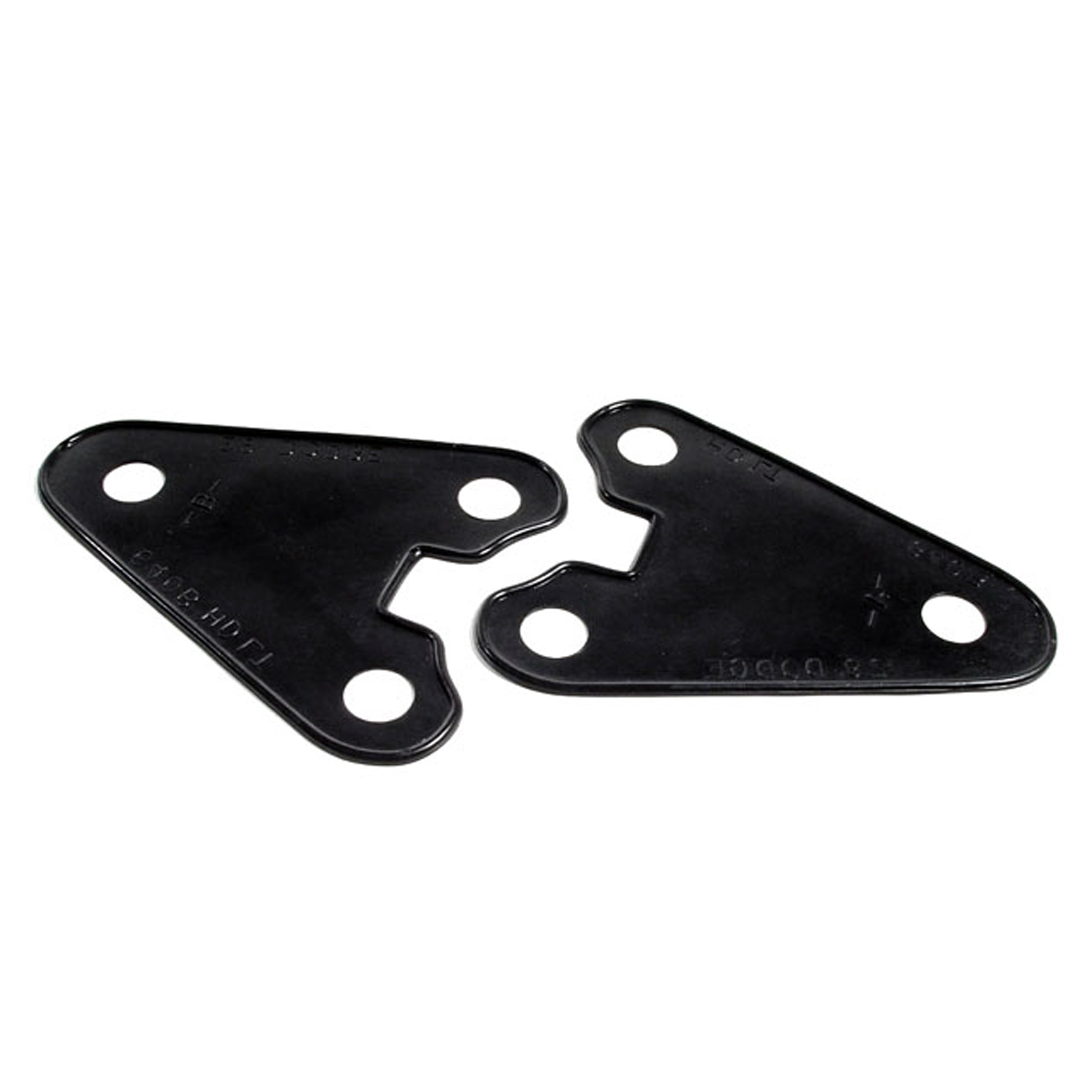 1929 Dodge SERIES DB Headlight Bracket Pads. 4" wide X 5-1/8" long. Pair R&L-MP 640-BHeadlight Bracket Pads. 4" wide X 5-1/8" long. Pair R&L
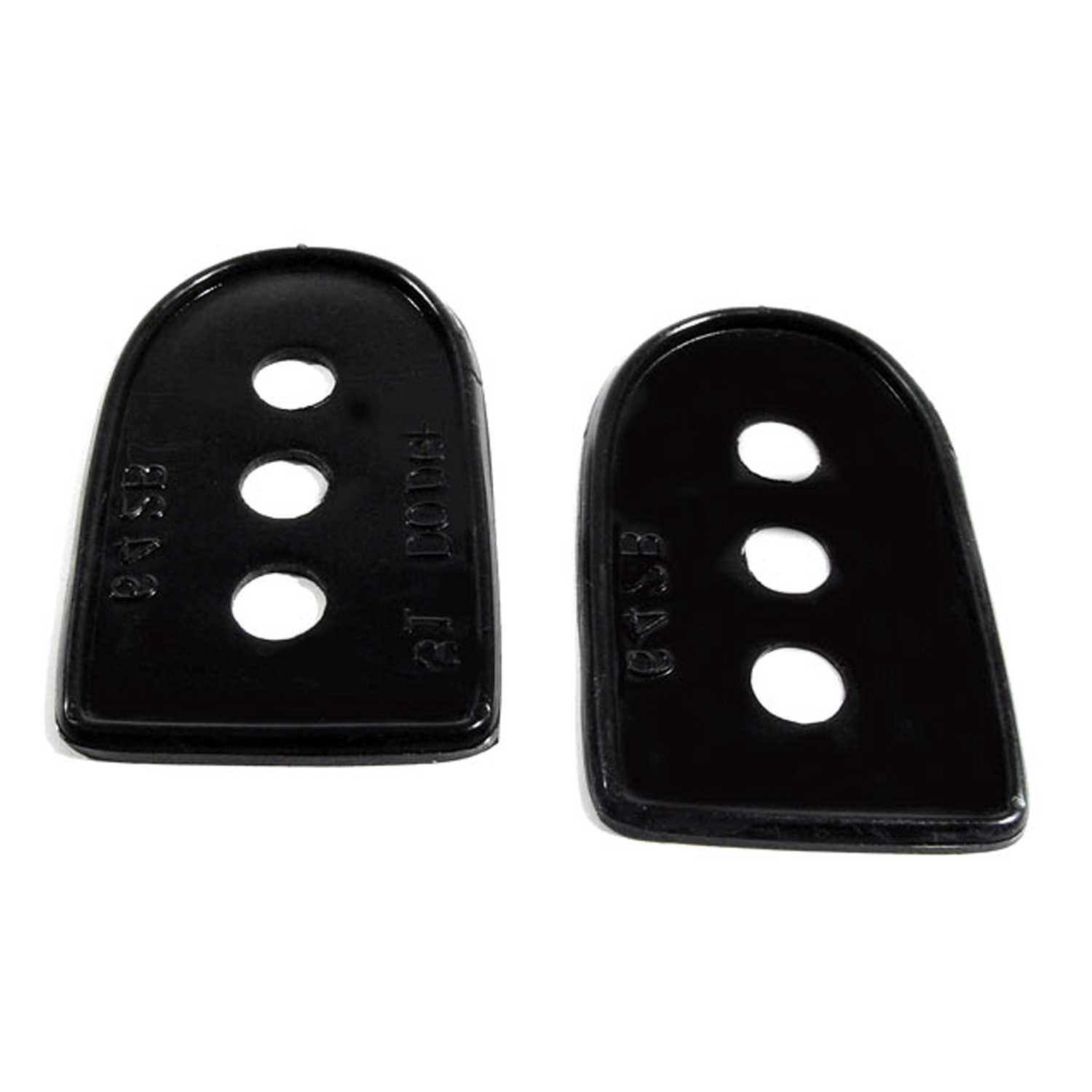 1929 Dodge SERIES DB Headlight Bar Pads. 2" wide X 3-1/4" long. Pair-MP 642-BHeadlight Bar Pads. 2" wide X 3-1/4" long. Pair
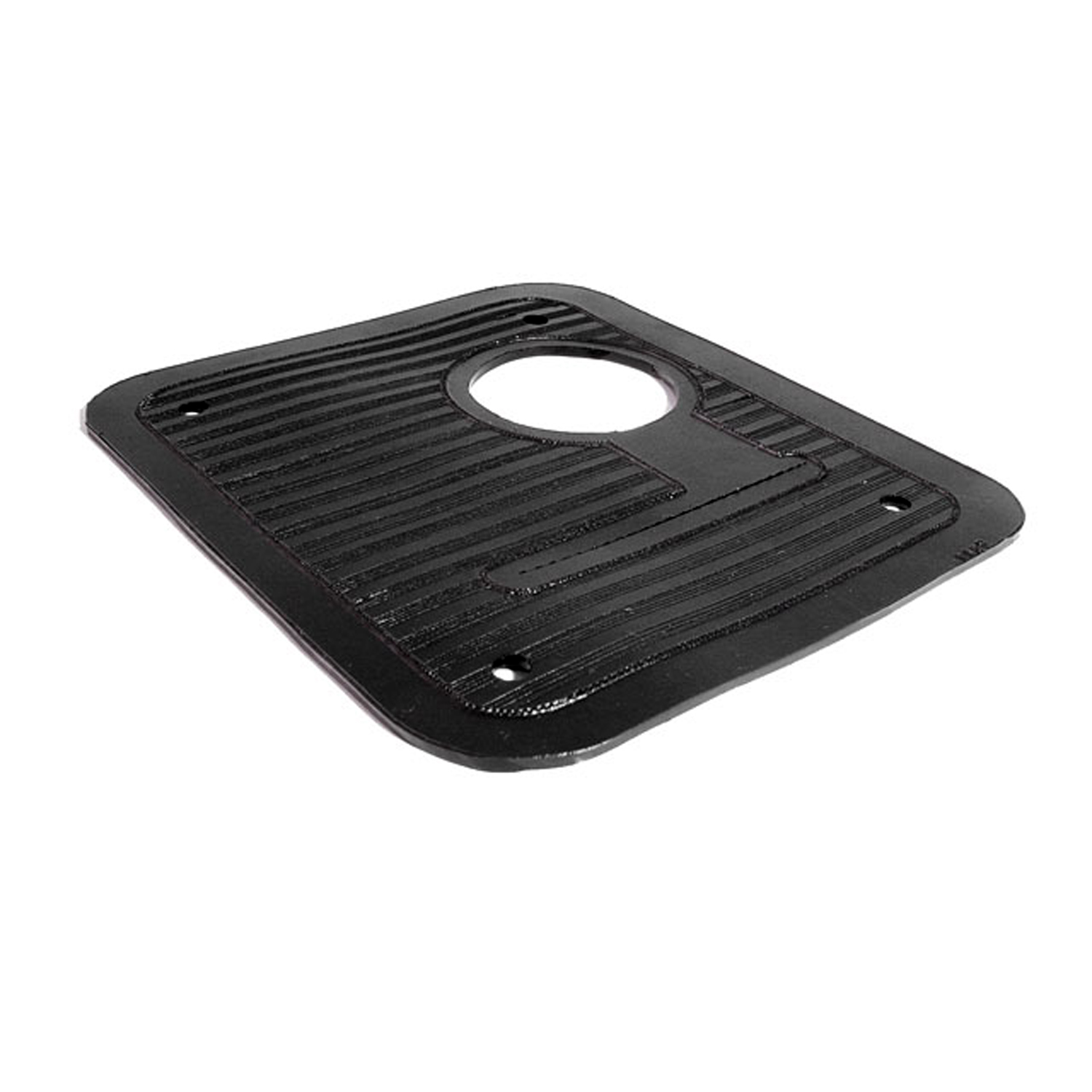 1929 Dodge SERIES DB Gear Shift Pad. 7-7/8" X 7-7/8". Each-SC 14Gear Shift Pad. 7-7/8" X 7-7/8". Each
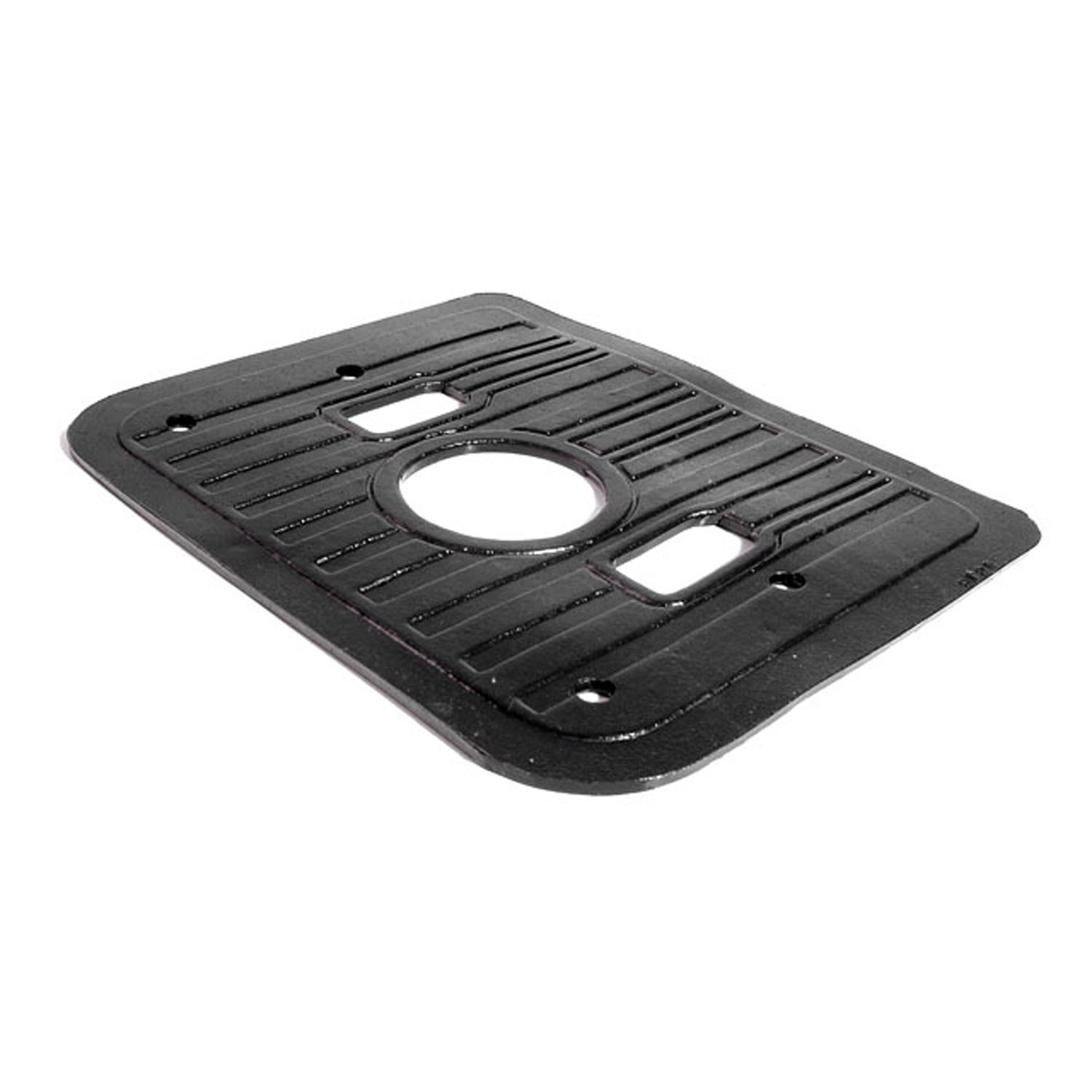 1929 Dodge SERIES DB Steering Column Pad. 8-1/4" X 6-5/8". Each-SC 16Steering Column Pad. 8-1/4" X 6-5/8". Each
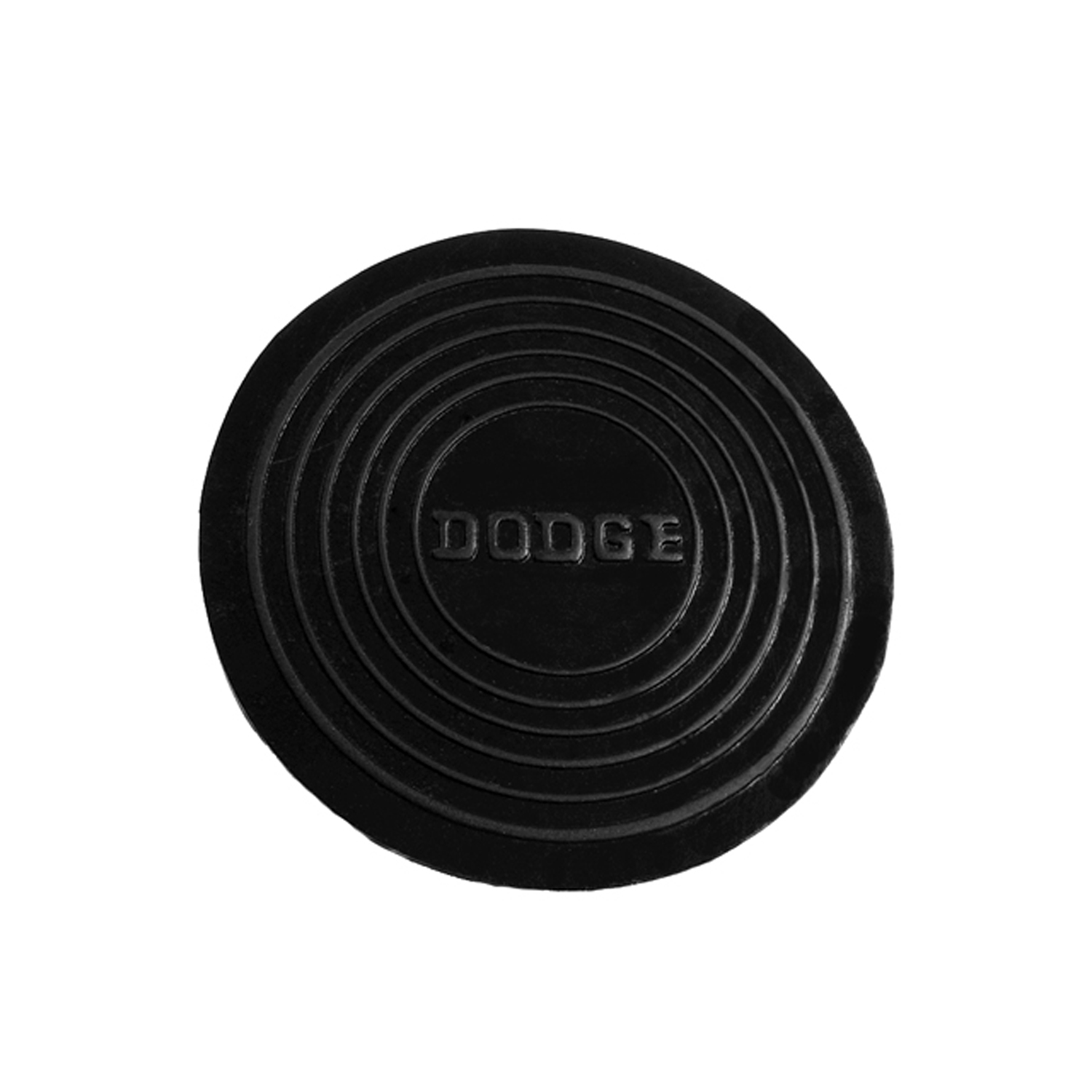 1929 Dodge SERIES DB Step Plate Pad. Rubber face only. 4-1/4" O.D. Each-SP 18Step Plate Pad. Rubber face only. 4-1/4" O.D. Each
Why Choose Metro?
For over 100 years, Metro Moulded Parts has been the pinnacle of quality in classic car restoration parts. Our commitment to precision and authenticity in every component ensures a perfect fit and an OEM-level appearance.
- Expert Craftsmanship & Quality: Each part is a testament to our dedication to reliability and perfection, crafted from original designs and thoroughly tested.
- Advanced Technology: We use cutting-edge techniques to create flawless, long-lasting parts that surpass others in performance.
- SuperSoft Sponge – The Ultimate Door Seal: Not only are our door seals 30% softer than competitors', but they're also guaranteed to never leak. They effectively reduce wind and road noise, enhancing your classic car's comfort and driving experience.
- Proudly American: Our parts are a product of American craftsmanship, made in the USA with a spirit of excellence and heritage.
- Unrivaled Warranty: We back our products with a 30-year industry-leading warranty, a testament to our confidence in their quality.
Join us in preserving the legacy of classic cars with parts that are crafted for perfection, not just made.