
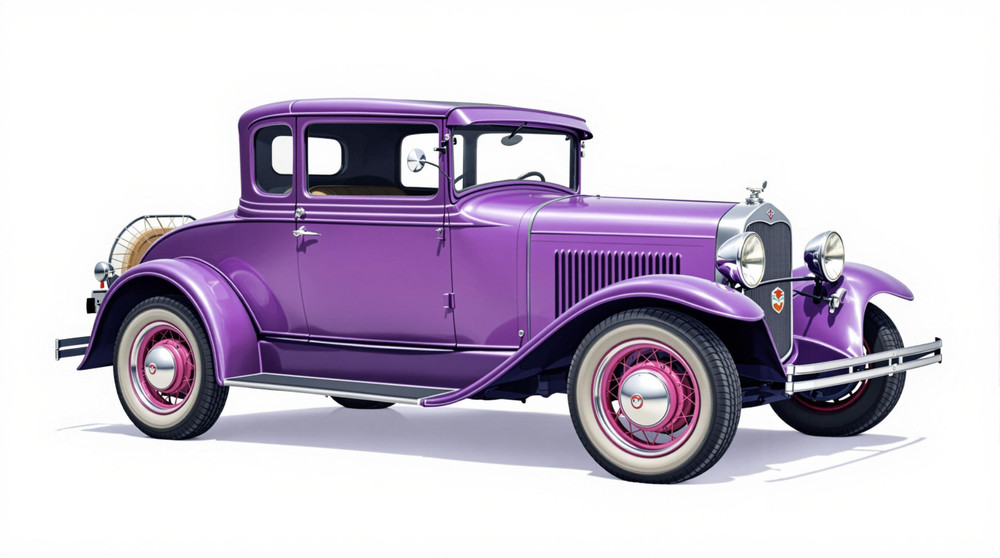
Image of 1929 Dodge Standard, Note: These illustrations use artistic license and may differ from actual historical models.
Performance Metrics
Fundamental Metrics
Emotional Appeal
MMP Rating
| Engine Specifications | |
|---|---|
| Engine Options: | Inline 6 |
| Displacement Range: | 208 cubic inches |
| Horsepower Range: | Estimated 68 HP |
| Torque: | Not available |
| Compression Ratio: | Not available |
| Ignition System: | Distributor and coil |
| Cooling System: | Water-cooled |
| Performance Specifications | |
| 0-60 Time: | Not available |
| 1/4 Mile Time: | Not available |
| Top Speed: | 60 mph |
| Transmission and Drive | |
| Drive Type: | Rear-wheel drive |
| Transmission Type: | 3-speed manual |
| Fuel and Efficiency | |
| Fuel System Type: | Carburetor |
| MPG: | Not available |
| Dimensions and Brakes | |
| Brakes: | Mechanical drum brakes |
| Wheelbase: | 114 inches |
| Weight: | 2,690 lbs |
Note: Specifications for classic cars are given to the best of our ability, considering the limited and variant data available.
1929 Dodge Standard: A Dependable Six in a Changing America
The 1929 Dodge Standard was built for motorists who wanted the smoothness of a six-cylinder engine without stepping up to a luxury car. Known in Dodge’s model line as the Standard Six, it arrived during a major turning point for the company: Chrysler had recently acquired Dodge Brothers, yet the car still carried the sturdy, practical character that had made the Dodge name famous.
Dodge Brothers began producing automobiles in 1914, after establishing a reputation as an important supplier of engines and components to other manufacturers. By the late 1920s, Dodge was one of America’s established automakers. Chrysler purchased the company in 1928, bringing Dodge into a larger corporation with more resources and a broader model range. The 1929 Standard Six represents that transition, combining Dodge’s conservative engineering with the expanding ambitions of the new owner.
One intriguing detail is how quickly the Standard Six could become part of everyday life. It was not conceived as an exotic machine or a luxury showpiece. It was a family car, business car, and long-distance tourer at a time when paved roads were spreading but motoring could still mean dust, mud, and rough surfaces.
Classic Dodge Styling and Body Choices
The Standard Six wore the upright, purposeful look typical of late-1920s American cars. Its tall radiator shell, separate rounded fenders, exposed headlamps, and narrow running boards gave it a formal profile. The hood stretched forward from the passenger compartment, while a prominent windshield and high seating position helped create the open, airy look of the period. Compared with the more streamlined cars that would follow in the 1930s, the Dodge looks distinctly mechanical, with its major components clearly expressed rather than hidden beneath flowing bodywork.
Inside, the cabin was practical and generously trimmed by the standards of an affordable car. Buyers could expect a broad steering wheel, a simple instrument panel, upright seats, and durable upholstery. Materials and trim depended on the body style and equipment level, but the emphasis was on wear resistance rather than modern luxury. Closed models offered protection from weather, while open cars provided the fresh-air motoring that many buyers still enjoyed.
Body availability varied by market and catalog, but the range included closed sedans and coupes as well as open touring-style bodies. The four-door sedan was the sensible choice for families and business use. Coupes appealed to drivers who wanted a smaller, more personal car, while open roadster and touring forms offered the most period character. Today, open-body examples tend to attract special attention because they are less commonly encountered than sedans.
Paint choices were more varied than the all-black stereotype suggests. Depending on body and trim, buyers could find dark blues, greens, browns, and other subdued colors, often paired with contrasting trim or pinstriping. Black remained a familiar and practical choice, but richer colors gave a well-kept Standard Six a more distinctive appearance. Exact combinations depended on the specific body and production details.
Engineering That Mattered in 1929
At the heart of the Standard Six was a side-valve, or L-head, inline-six engine of about 201 cubic inches. Period specifications commonly list output at roughly 63 horsepower, delivered through a three-speed manual transmission to the rear wheels. That was respectable power for an affordable family car of the time. The six-cylinder layout also provided smoother running than the four-cylinder engines still common in the lower-priced market.
Four-wheel hydraulic brakes are associated with the model, a meaningful safety and convenience feature for its era. Hydraulic systems applied braking force through fluid pressure, helping distribute braking effort more evenly than many mechanical arrangements. Dodge also benefited from the broader industry move toward more durable, steel-bodied construction. These were not futuristic inventions in 1929, but they helped make the car feel substantial and modern to buyers comparing it with older designs.
Where the Standard Six Fit in History
The Standard Six’s significance lies less in a single radical invention than in its combination of features. It offered six-cylinder smoothness, enclosed body styles, and modern braking technology at a price and scale aimed at ordinary motorists. That balance helped establish a formula that would become central to the American market: a comfortable, dependable car that could serve both family and business needs.
It also arrived at a competitive moment. The Ford Model A and Chevrolet’s six-cylinder offerings were fighting for the same broad audience. Dodge’s established reputation for robust construction gave the Standard Six a useful advantage, while Chrysler ownership promised stronger engineering and manufacturing support. The car helped carry the Dodge identity into a new corporate era without abandoning its practical roots.
Performance and Road Manners
A healthy Standard Six could reach an estimated top speed in the neighborhood of 60 to 65 mph, with exact performance depending on body style, gearing, mechanical condition, and road surface. There is no single dependable factory figure for 0-to-60-mph acceleration. A realistic modern estimate is roughly 30 to 40 seconds, and it should be treated as an approximation rather than a measured specification. The car was built for steady travel, not rapid acceleration.
On a period road, the engine’s character would have been a gentle, even six-cylinder rumble, accompanied by the mechanical sounds of a carburetor, clutch, and unsynchronized-era driving technique. The driver changed gears manually and needed to plan overtakes well ahead. Steering was unassisted, so low-speed maneuvering required more effort than in a modern car. At cruising speed, however, the six-cylinder engine offered a smoother, less strained feel than many four-cylinder competitors.
The suspension was designed for the roads of its day, which often meant broken pavement, gravel, and ruts. The car’s weight and tall tires helped it absorb some roughness, but it should not be expected to glide over potholes like a modern vehicle. On winding roads, narrow tires, a high center of gravity, and period steering geometry called for measured inputs. A Standard Six is best enjoyed at a relaxed pace, with room to brake and time to appreciate the view.
Living With a 1929 Dodge
Most surviving Standard Sixes are now used as show cars, touring cars, museum pieces, or occasional weekend drivers. Some owners take them on local rallies and vintage-car events, where their straightforward design and approachable scale are part of the appeal. Regular modern commuting is possible only with substantial preparation and a willingness to work around the limitations of a nearly century-old car.
Routine service is relatively understandable for an owner comfortable with basic mechanical work. The engine is conventional, and many jobs can be handled with ordinary hand tools. However, age brings challenges: worn bearings, tired wiring, old rubber components, brake-system deterioration, and hard-to-find trim or body parts. The hydraulic brakes deserve particular attention. A car that has been sitting should not be driven until the brake system, tires, steering, and fuel lines have all been inspected and made safe.
Parts availability is mixed. Common mechanical items can often be sourced through vintage-Dodge specialists and antique-car suppliers, while correct interior materials, lamps, and body-specific pieces may take more searching. As with most prewar cars, a complete, well-documented example is usually a better purchase than an inexpensive project missing major components.
Facts, Myths, and Period Character
The 1929 Standard Six is sometimes discussed alongside Dodge’s broader reputation for sturdy construction and dependable engineering. It is important, though, not to confuse the Standard Six with larger or more powerful Dodge models from the same period. The Standard was the more accessible member of the range, with a smaller engine and more modest performance.
No widely recognized speed, endurance, or production record belongs specifically to the Standard Six, and there is no dependable, well-documented celebrity association that defines the model. Its historical role is more interesting than a celebrity anecdote: it represents the kind of practical car that helped make automobile ownership increasingly ordinary in the United States.
Common criticisms are predictable for a car of its age. It is slow by modern standards, requires frequent attention compared with a contemporary vehicle, and lacks modern safety equipment such as seat belts, crash protection, and power-assisted controls. Its brakes and handling demand respect, especially in traffic. Those limitations are part of the ownership experience, not flaws that can be corrected without changing the car’s character.
Collector Values and Availability
There is no consistently published production total for every 1929 Standard Six body style. As a broad estimate, total Standard Six production may have reached roughly 100,000 to 200,000 cars, but that is a reasoned range rather than a verified model-by-model factory count. The surviving population is much smaller, and availability depends heavily on body style, condition, and completeness. Sedans are generally easier to find than desirable open cars.
As a rough U.S. market guide in 2026, a project car may sell for around $4,000 to $10,000, depending on whether it is complete and how much restoration it needs. A usable driver could fall in the $12,000 to $25,000 range. A high-quality restoration may bring approximately $25,000 to $45,000 or more, with condition, provenance, and body style playing a major role. These are broad estimates, not guaranteed sale prices; local demand and auction presentation can move the result considerably.
Values have generally been steady within the niche prewar-car market, with the best-restored and most attractive examples holding the strongest appeal. The Standard Six is not typically a fast-appreciating investment car. Its value is more closely tied to condition, originality, and the quality of its restoration than to speculative demand. As interest in approachable prewar cars continues, complete examples with sound mechanicals may remain easier to sell than ambitious projects.
Why the 1929 Dodge Standard Still Matters
The 1929 Dodge Standard brought together a smooth six-cylinder engine, practical body choices, solid construction, and period-advanced braking in a car designed for everyday motorists. It was not the fastest or most luxurious automobile of its day, but it captured a crucial stage in American motoring, when dependable six-cylinder cars were becoming attainable and the automobile industry was rapidly consolidating.
Nearly a century later, the Standard Six offers something more rewarding than speed: a direct connection to the roads, engineering, and everyday ambitions of 1929. It is a sturdy, engaging reminder that automotive history was shaped not only by icons, but also by the practical cars people relied on every day.
1929 Dodge Standard Catalog of Parts
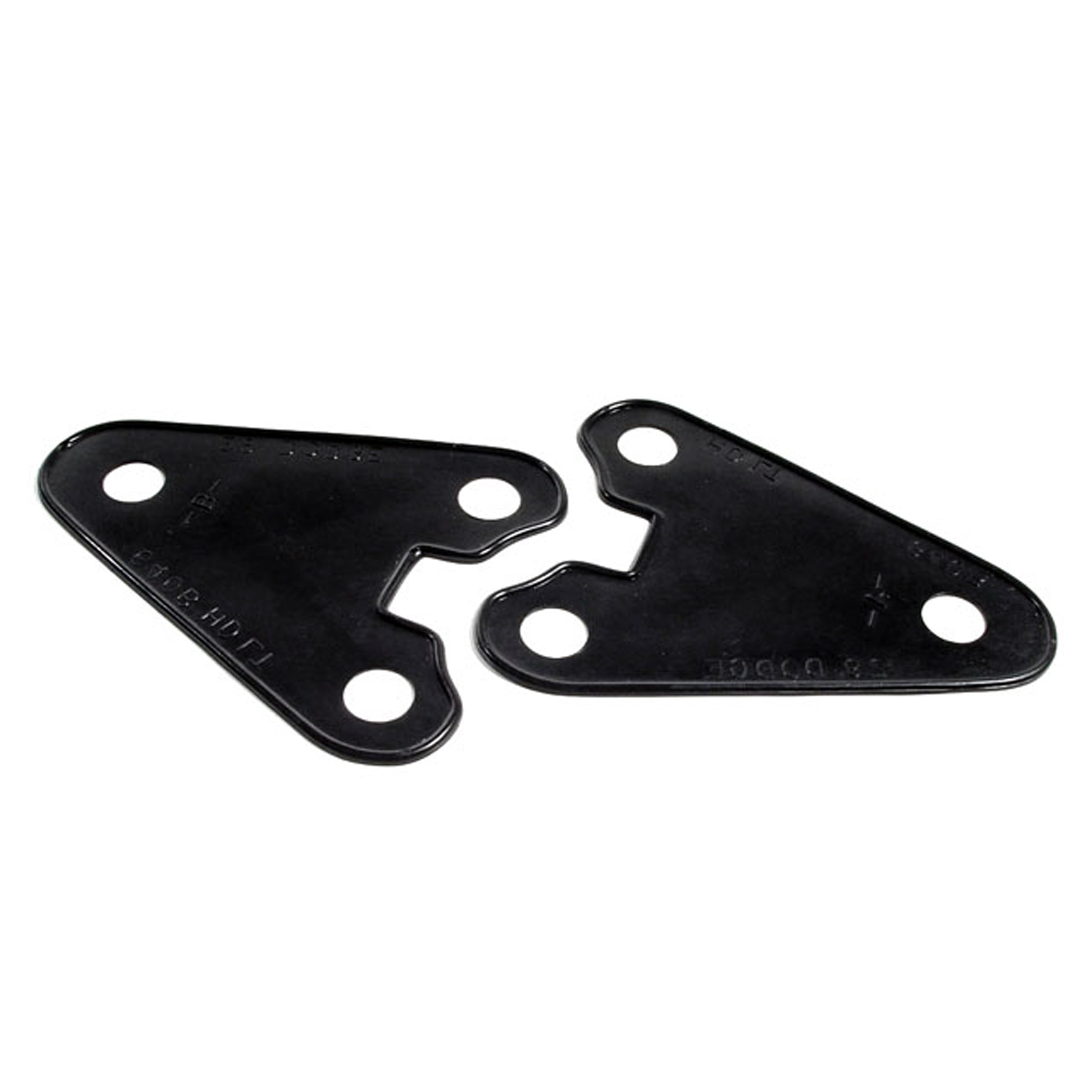 1929 Dodge STANDARD Headlight Bracket Pads. 4" wide X 5-1/8" long. Pair R&L-MP 640-BHeadlight Bracket Pads. 4" wide X 5-1/8" long. Pair R&L
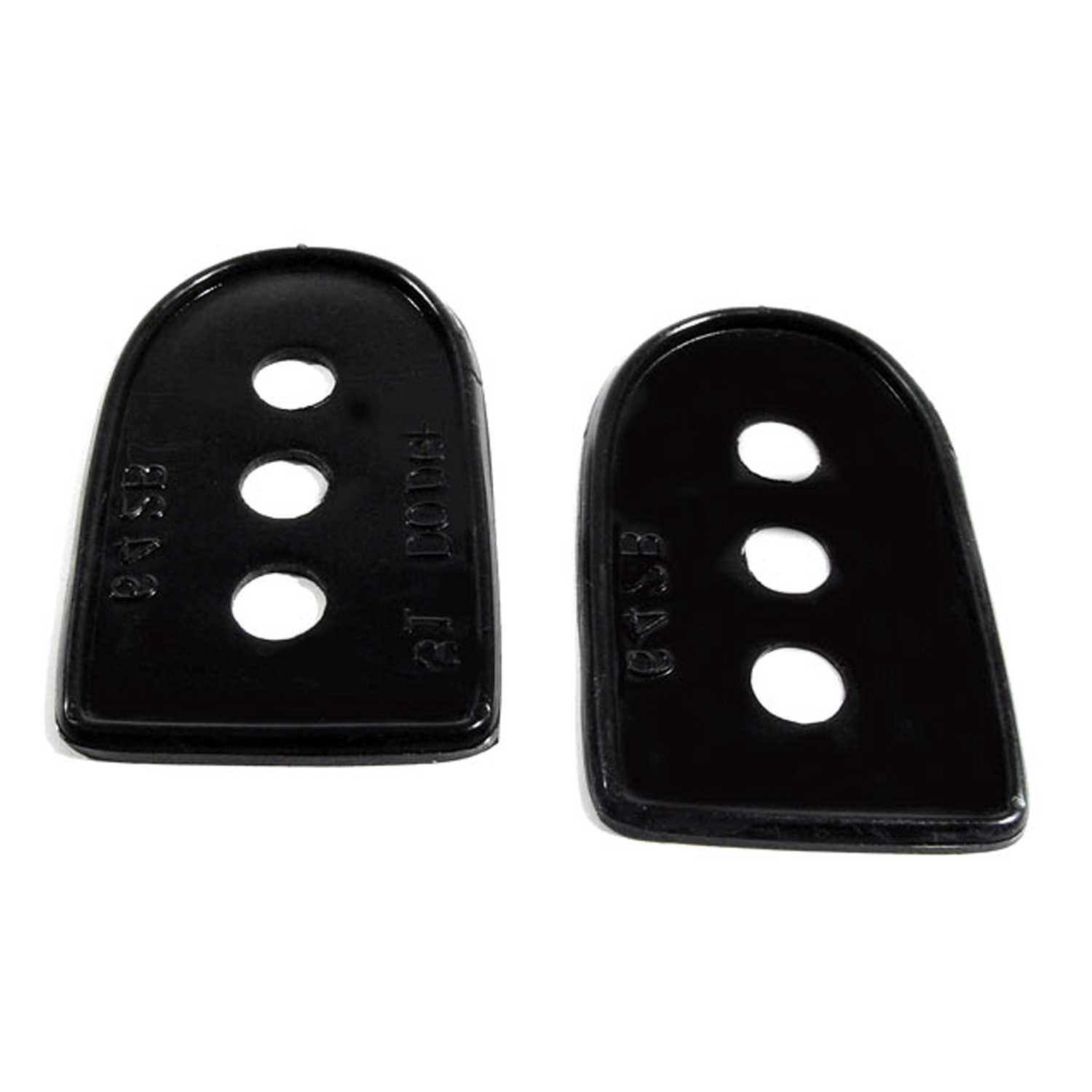 1929 Dodge STANDARD Headlight Bar Pads. 2" wide X 3-1/4" long. Pair-MP 642-BHeadlight Bar Pads. 2" wide X 3-1/4" long. Pair
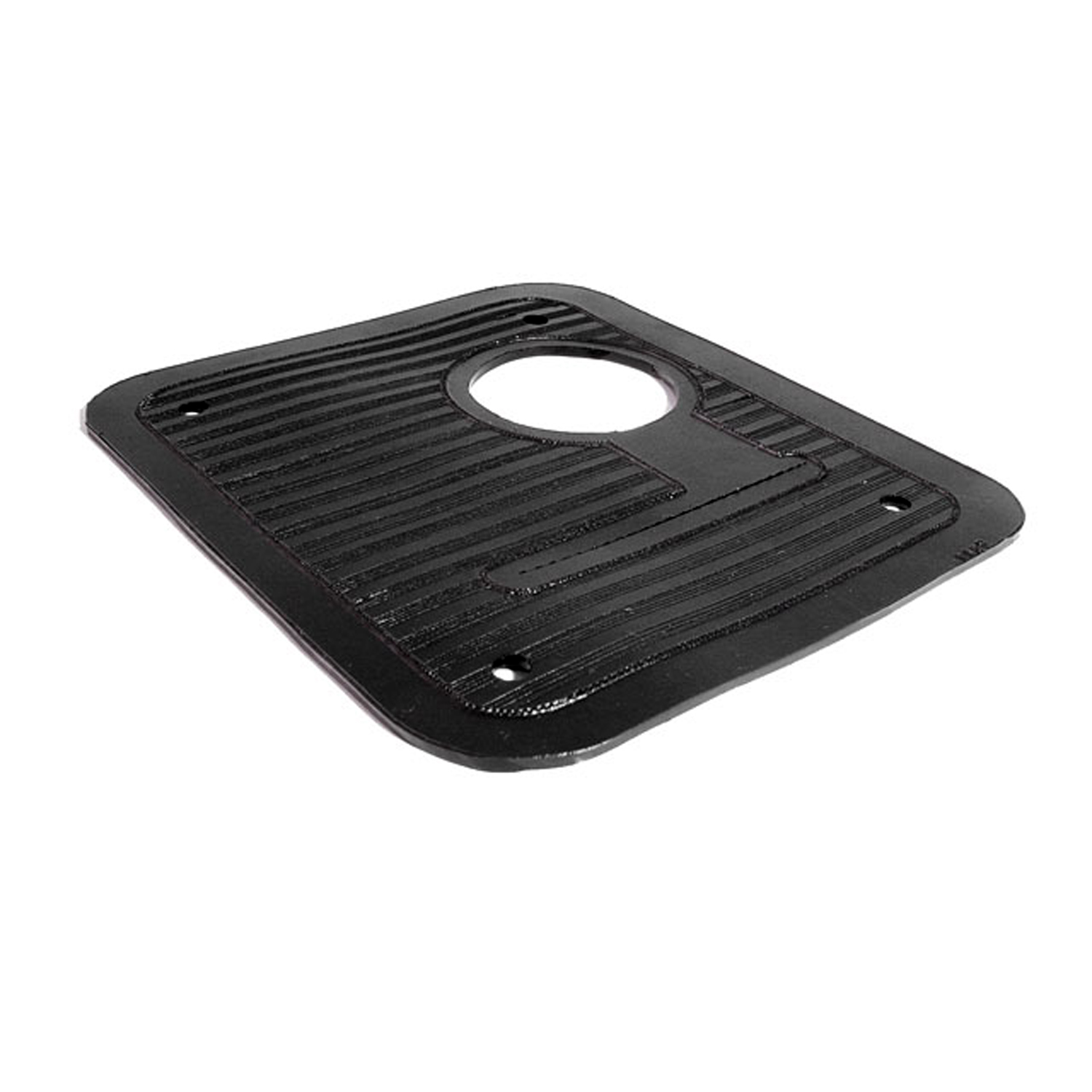 1929 Dodge STANDARD Gear Shift Pad. 7-7/8" X 7-7/8". Each-SC 14Gear Shift Pad. 7-7/8" X 7-7/8". Each
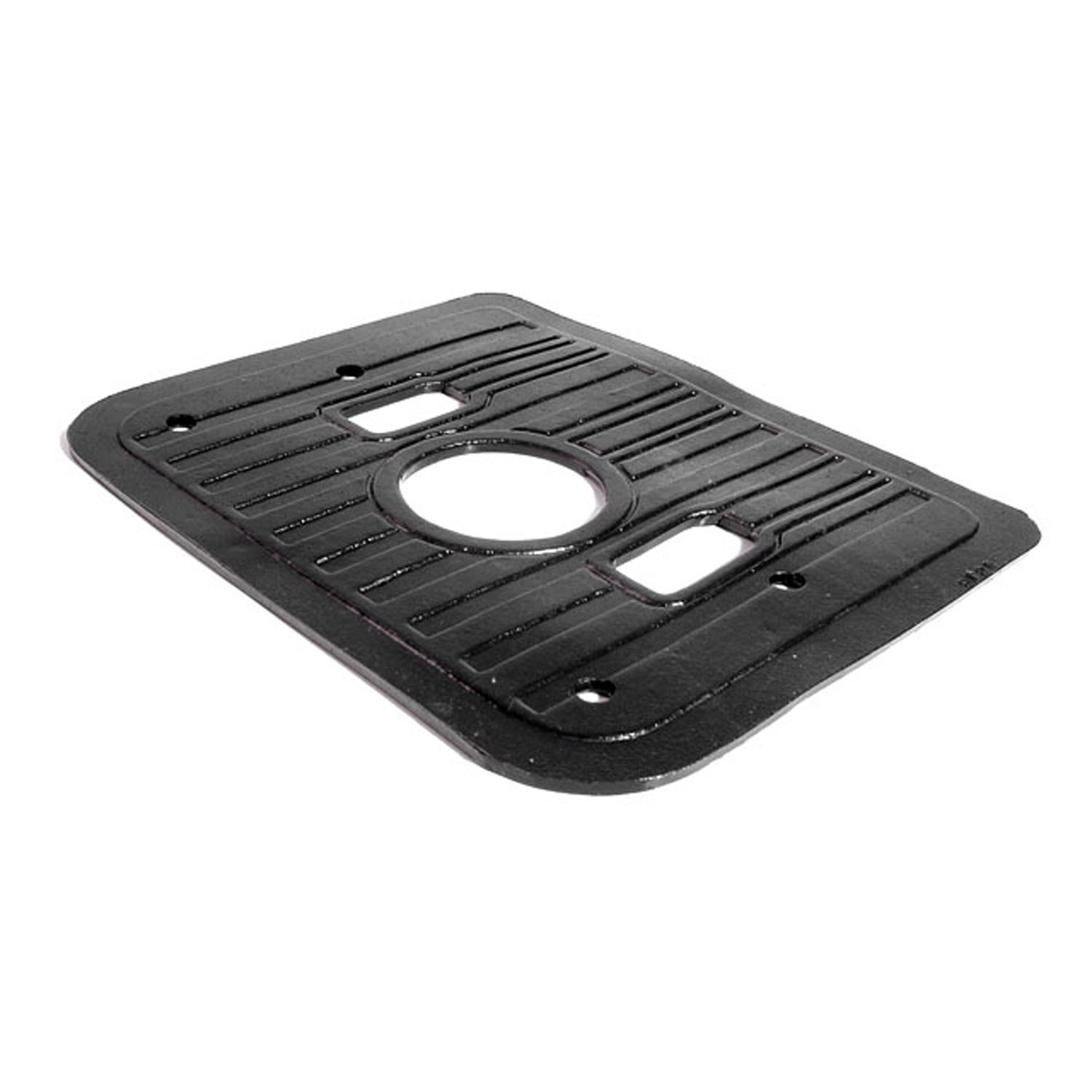 1929 Dodge STANDARD Steering Column Pad. 8-1/4" X 6-5/8". Each-SC 16Steering Column Pad. 8-1/4" X 6-5/8". Each
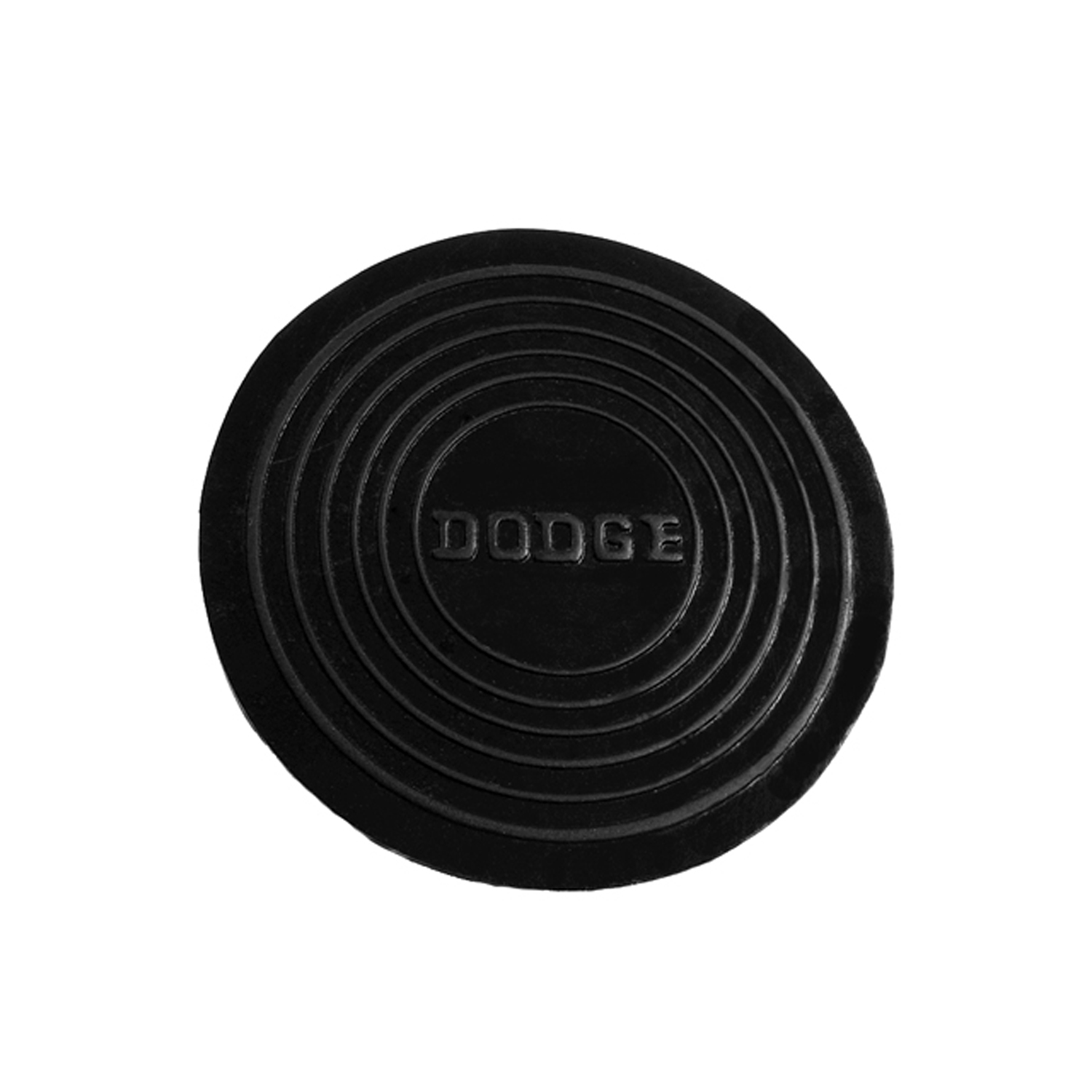 1929 Dodge STANDARD Step Plate Pad. Rubber face only. 4-1/4" O.D. Each-SP 18Step Plate Pad. Rubber face only. 4-1/4" O.D. Each
Why Choose Metro?
For over 100 years, Metro Moulded Parts has been the pinnacle of quality in classic car restoration parts. Our commitment to precision and authenticity in every component ensures a perfect fit and an OEM-level appearance.
- Expert Craftsmanship & Quality: Each part is a testament to our dedication to reliability and perfection, crafted from original designs and thoroughly tested.
- Advanced Technology: We use cutting-edge techniques to create flawless, long-lasting parts that surpass others in performance.
- SuperSoft Sponge – The Ultimate Door Seal: Not only are our door seals 30% softer than competitors', but they're also guaranteed to never leak. They effectively reduce wind and road noise, enhancing your classic car's comfort and driving experience.
- Proudly American: Our parts are a product of American craftsmanship, made in the USA with a spirit of excellence and heritage.
- Unrivaled Warranty: We back our products with a 30-year industry-leading warranty, a testament to our confidence in their quality.
Join us in preserving the legacy of classic cars with parts that are crafted for perfection, not just made.