

Image of 1929 Dodge Victory, Note: These illustrations use artistic license and may differ from actual historical models.
Performance Metrics
Fundamental Metrics
Emotional Appeal
MMP Rating
| Engine Specifications | |
|---|---|
| Engine: | Inline 6 |
| Displacement: | 208 cubic inches |
| Horsepower: | Estimated 68 HP |
| Torque: | Not available |
| Compression Ratio: | Not available |
| Ignition System: | Distributor and coil |
| Cooling System: | Water-cooled |
| Performance Specifications | |
| 0-60 Time: | Not available |
| 1/4 Mile Time: | Not available |
| Top Speed: | 60 mph |
| Transmission and Drive | |
| Drive Type: | Rear-wheel drive |
| Transmission Type: | 3-speed manual |
| Fuel and Efficiency | |
| Fuel System Type: | Carburetor |
| MPG: | Not available |
| Dimensions and Brakes | |
| Brakes: | Mechanical drum brakes |
| Wheelbase: | 112 inches |
| Weight: | 2,690 lbs |
Note: Specifications for classic cars are given to the best of our ability, considering the limited and variant data available.
1929 Dodge Victory Six: A New Kind of Dodge
The 1929 Dodge Victory Six brought six-cylinder power and four-wheel hydraulic brakes to a marque long associated with sturdy, straightforward transportation. Built during a pivotal change in the company’s history, it was one of the first Dodge cars to reach customers after Chrysler Corporation acquired Dodge Brothers in 1928. The result was a practical, well-equipped car that helped Dodge move into a more modern era without abandoning its reputation for durability.
The Victory Six was introduced in 1928 and continued into 1929. Its name marked an important step for Dodge: a smoother six-cylinder engine replaced the four-cylinder power that had served the company for years. A notable feature was its hydraulic braking system, which applied braking force at all four wheels. That technology was still far from universal, especially among cars in Dodge’s price range.
Streamlined Style, Solid Craftsmanship
The Victory Six wore the upright, formal shape typical of late-1920s American cars, but its proportions gave it a purposeful presence. A tall radiator and squared-off hood led the eye toward separate front fenders, running boards and a roomy passenger cabin. Large headlamps flanked the radiator, while the spare tire, often mounted on a fender or at the rear depending on body style, added to the car’s unmistakable period silhouette.
Inside, the cabin favored comfort and durability over ornament for its own sake. Buyers could expect a broad bench seat, a simple instrument panel and substantial trim materials for the period. Upholstery and trim varied by body style and specification, with cloth commonly used in closed cars and more weather-resistant materials suited to open models. The overall effect was handsome and practical rather than luxurious.
Factory paint and trim combinations varied by year, body and equipment. Dark, conservative shades such as black, deep green, maroon and blue suited the car’s formal styling, while contrasting details could brighten the fenders and bodywork. Buyers should check the specific body’s sales literature or restoration references before treating any one color as standard across the entire range.
The Victory Six was offered in a selection of closed and open body styles. Sedans and coupes suited everyday family and business use, while touring, roadster and phaeton-style bodies offered more open-air motoring. Exact offerings depended on the catalog and production period. The four-door sedan is among the most recognizable versions today, thanks to its practical layout and the number of surviving examples.
Hydraulic Brakes and a New Six
The Victory Six mattered because it paired a modern six-cylinder engine with braking technology that gave the driver more consistent control than the mechanical systems common on many cars of the era. Hydraulic brakes used fluid pressure to operate the wheel brakes, rather than relying solely on a network of rods and levers. They were not maintenance-free, but they represented a significant step forward in everyday usability.
Under the hood was a side-valve, or L-head, inline six of about 3.2 liters. Period specifications commonly list output at roughly 58 horsepower, sent to the rear wheels through a three-speed manual transmission. The engine’s smoothness was a clear improvement over a typical four-cylinder of the time, making the Victory Six better suited to longer trips and relaxed cruising.
The car also arrived at a turning point for its maker. Chrysler’s 1928 acquisition of Dodge Brothers brought the established Dodge name into a larger automotive organization. The Victory Six reflects that transition: it retained the rugged, no-nonsense character Dodge buyers expected while adopting features that made the car more competitive with other six-cylinder offerings.
Road Manners and Period Performance
A healthy Victory Six could reach roughly 60 to 65 mph, depending on its body, gearing, condition and load. A precise factory 0-to-60-mph figure is difficult to establish, and standardized acceleration testing was not then reported as it is today. As a modern estimate, expect a leisurely sprint of around 25 to 30 seconds, not the sharp acceleration of a contemporary car.
The three-speed gearbox calls for deliberate shifts, and the engine rewards steady throttle rather than hard revving. On a level road, the six-cylinder delivers a measured, even pull. The engine makes a low mechanical hum, accompanied by the sounds of the gearbox, tires and open cabin that define driving a car from this period.
On rough roads, the Victory Six’s substantial chassis and period suspension provide a soft, rolling ride, but bumps still make themselves known. The tall body and narrow tires also call for attention on winding roads. Steering is not power-assisted, and the driver must work the wheel at low speeds. Hydraulic brakes were a welcome advantage, though they do not offer the light pedal feel or stopping performance of modern brakes. Safe driving means leaving generous space and planning stops well ahead.
Living with a Victory Six
Today, most Victory Sixes are collector cars, parade vehicles or occasional touring machines rather than daily drivers. Their comfortable cabins and steady road manners make them enjoyable for local outings, but their speed, braking distances and lack of modern safety equipment are best suited to quieter roads and moderate traffic.
Routine work is generally approachable for an owner with mechanical experience. The engine is a straightforward design, and many service tasks can be handled with ordinary tools and period-style procedures. The main challenge is not complexity so much as sourcing correct parts and finding specialists familiar with early Dodge components. Hydraulic brakes deserve particular attention: hoses, seals and wheel cylinders should be inspected and serviced before road use.
Originality can affect restoration costs. Correct trim, lamps, instruments, upholstery and body-specific parts may take time to locate. Before buying a project, inspect the frame, body structure, engine and brake system carefully. A car that appears complete can still require substantial work to make it safe and dependable.
Notable Facts and Common Myths
The Victory Six is a useful snapshot of Dodge’s transition from its earlier four-cylinder identity to the six-cylinder era. Its hydraulic brakes are one of its most significant talking points, though they should not be described as effortless or maintenance-free. Like any early hydraulic system, they need regular inspection and correctly maintained components.
There is no widely recognized speed or endurance record associated specifically with the 1929 Victory Six, nor is it best known as a factory racing model. Its significance lies in the broader changes it brought to ordinary motoring: smoother power, improved braking technology and a more modern position in the market. Period body styles and special-order specifications can be less common than the standard closed cars, but rarity varies greatly by region and surviving condition.
A common criticism is that the car feels slow and demands more driver attention than a modern vehicle. That is fair, but it is also part of its character. The Victory Six was designed for roads and traffic of its time, and its strengths are durability, mechanical simplicity and a relaxed, hands-on driving experience.
Collector Values and Availability
Exact production figures for the 1929 Victory Six are not consistently separated from broader Dodge production totals, so a precise model-year count is difficult to verify. A reasonable broad estimate is that roughly 150,000 to 200,000 Victory Six cars were built across the model’s 1928–1929 run. That is an estimate, not a confirmed factory total, and surviving cars represent only a small fraction of original production.
As a general U.S. market guide, a project car may fall around $8,000 to $15,000, while a running driver in fair to good condition might bring about $18,000 to $35,000. A well-restored example can range from roughly $35,000 to $60,000 or more. Particularly attractive open-body cars, highly original examples or exceptional restorations can command higher prices. Body style, completeness, provenance and mechanical condition make a major difference, so these figures are broad estimates rather than appraisals.
Victory Sixes appear occasionally in the classic-car market, but finding the right body style or a well-preserved example can take patience. Values have generally been supported by the car’s history and appeal to prewar Dodge enthusiasts, though prices depend heavily on condition and buyer interest. As with many early classics, excellent examples tend to hold attention better than costly projects, while inflation and restoration expenses can make nominal price increases misleading.
A Dodge at the Crossroads
The 1929 Dodge Victory Six combined a smooth six-cylinder engine, four-wheel hydraulic brakes and practical body choices in a car built during a defining moment for Dodge. It was not a speed machine or a luxury showpiece. Its importance is more grounded: it helped bring contemporary engineering to everyday Dodge motoring and marked the beginning of a new chapter under Chrysler.
More than a handsome survivor from the brass-and-nickel age, the Victory Six is a reminder that automotive progress often arrives one practical improvement at a time. Its blend of sturdy construction and forward-looking technology still makes it a rewarding classic for the enthusiast willing to drive at its pace.
1929 Dodge Victory Catalog of Parts
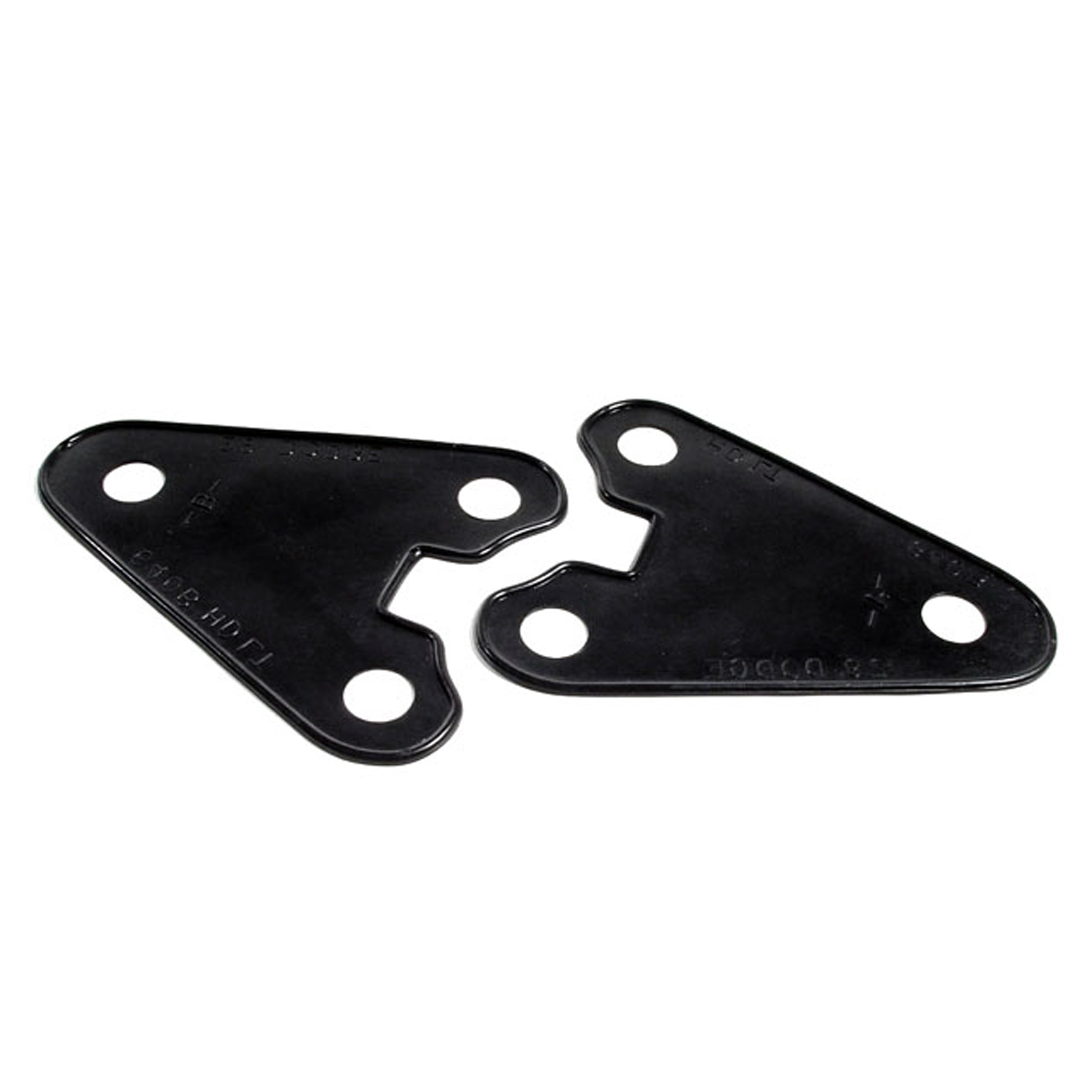 1929 Dodge VICTORY Headlight Bracket Pads. 4" wide X 5-1/8" long. Pair R&L-MP 640-BHeadlight Bracket Pads. 4" wide X 5-1/8" long. Pair R&L
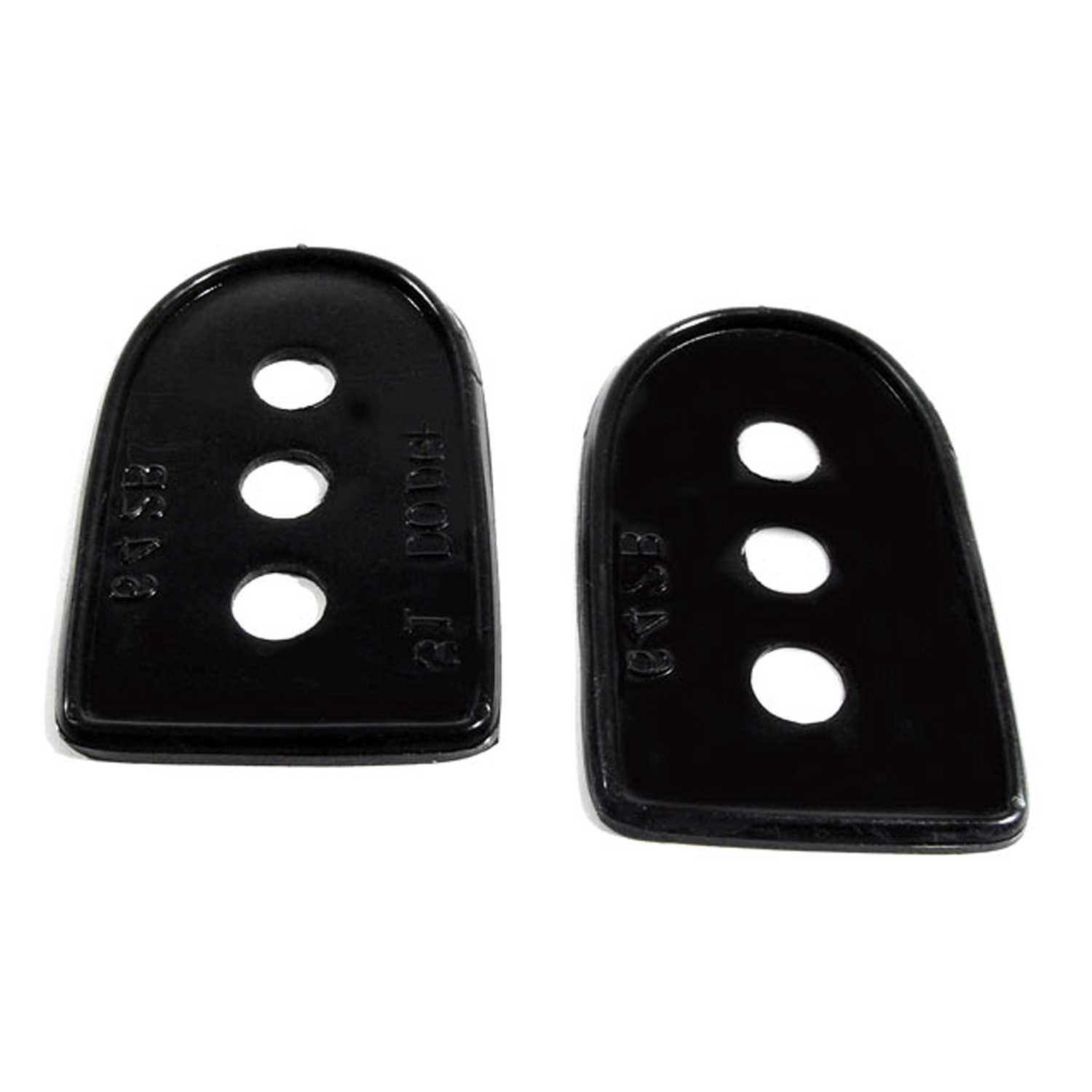 1929 Dodge VICTORY Headlight Bar Pads. 2" wide X 3-1/4" long. Pair-MP 642-BHeadlight Bar Pads. 2" wide X 3-1/4" long. Pair
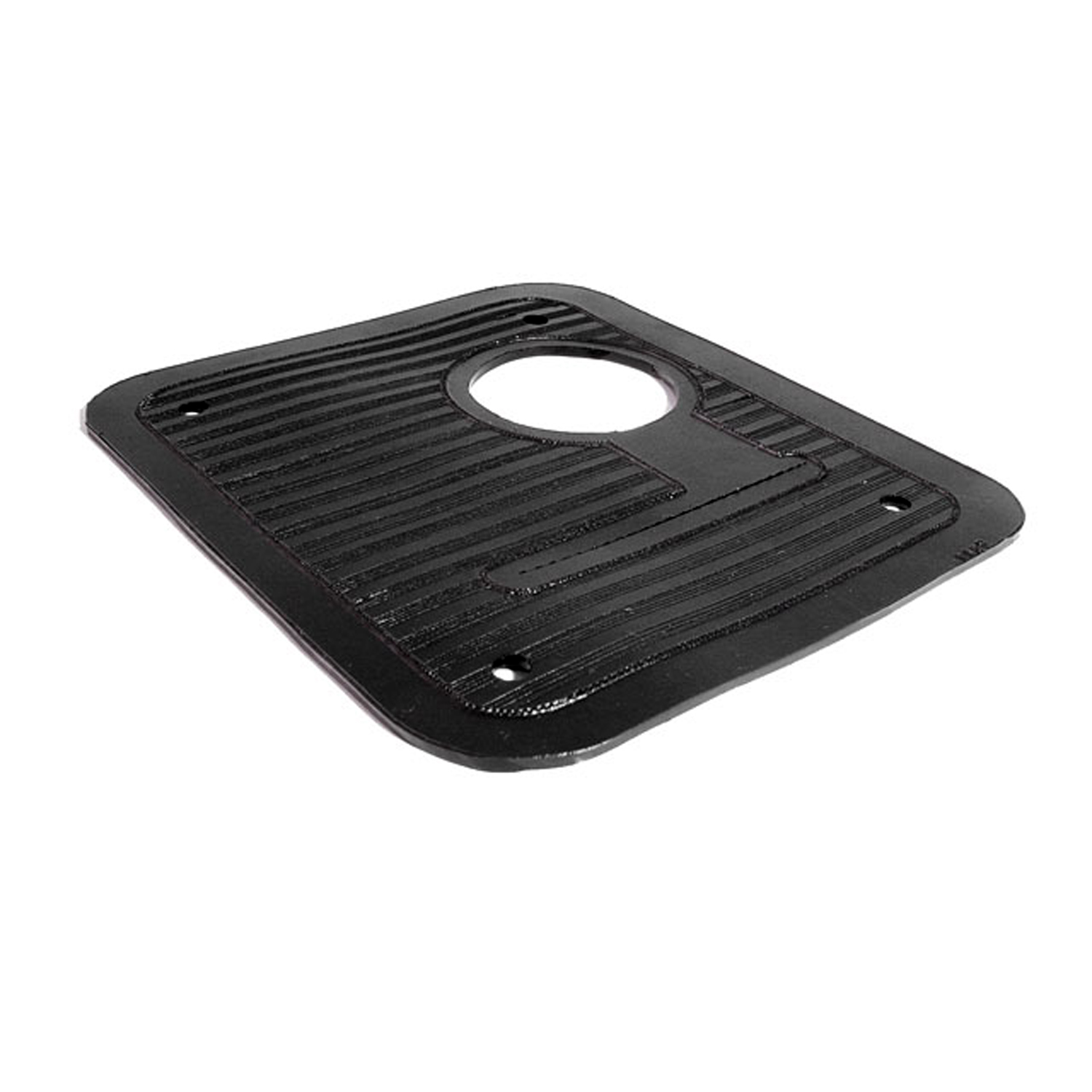 1929 Dodge VICTORY Gear Shift Pad. 7-7/8" X 7-7/8". Each-SC 14Gear Shift Pad. 7-7/8" X 7-7/8". Each
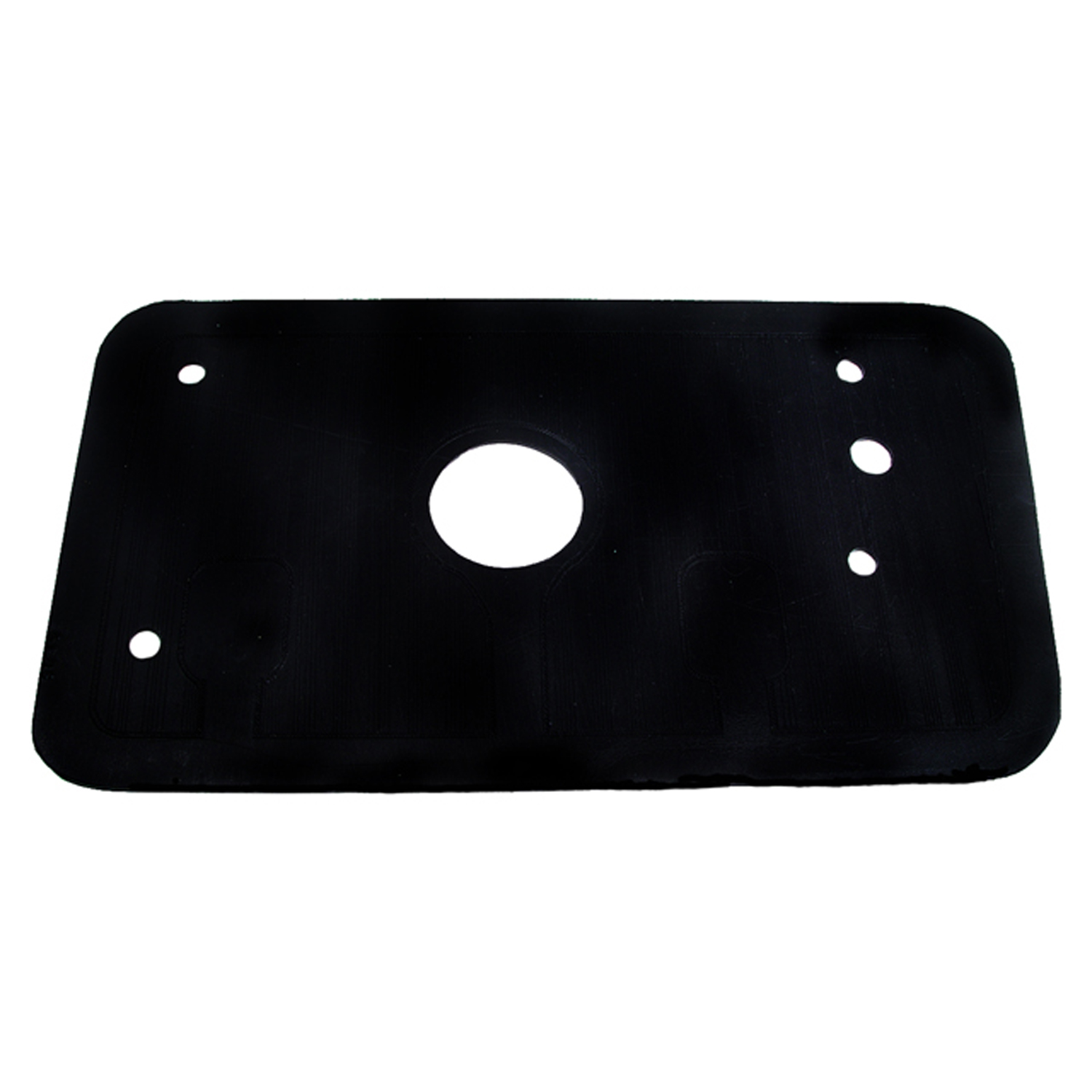 1929 Dodge VICTORY Steering Column Pad. Good Detail. No metal backing-SC 15Steering Column Pad. Good Detail. No metal backing. 10-1/2" x 6". Each
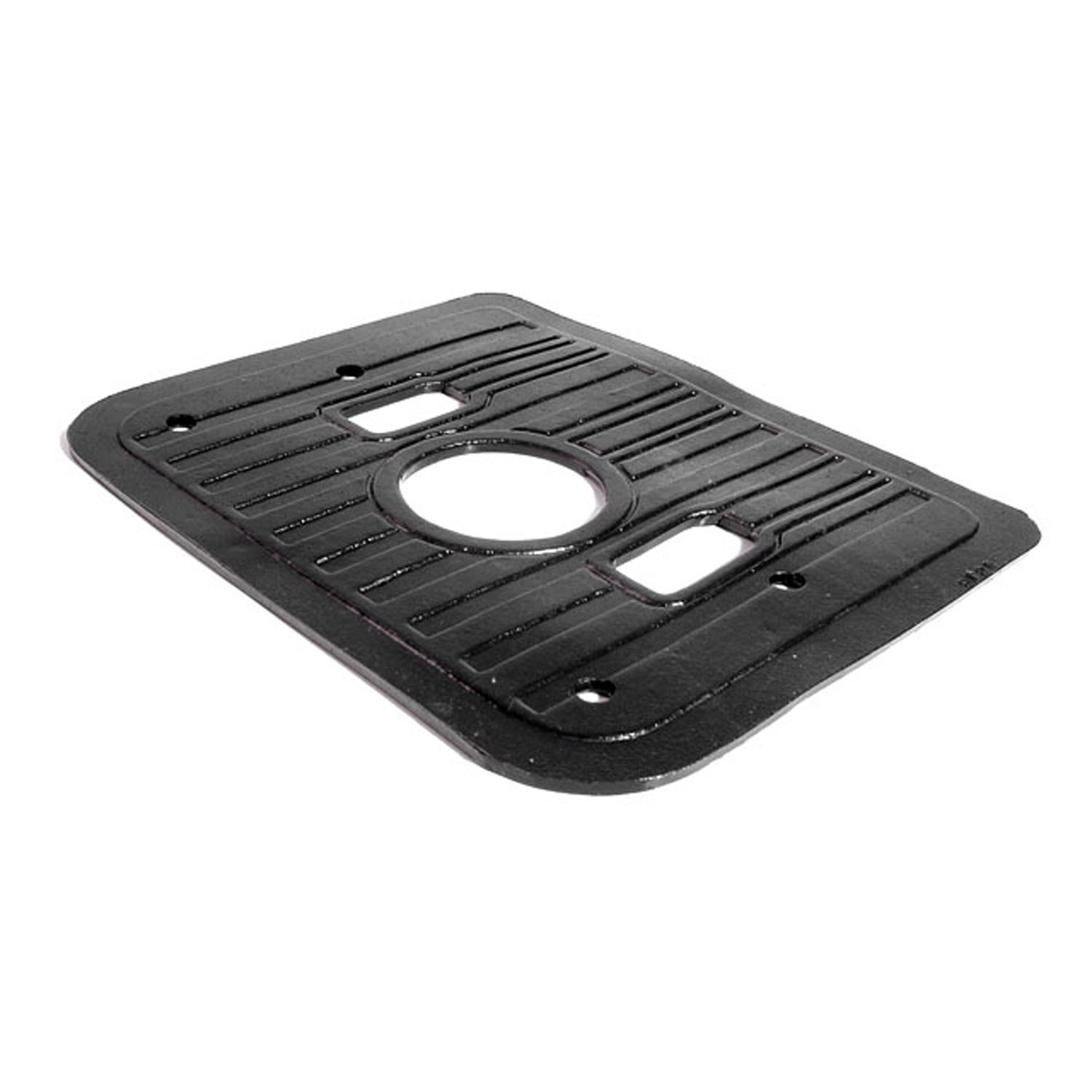 1929 Dodge VICTORY Steering Column Pad. 8-1/4" X 6-5/8". Each-SC 16Steering Column Pad. 8-1/4" X 6-5/8". Each
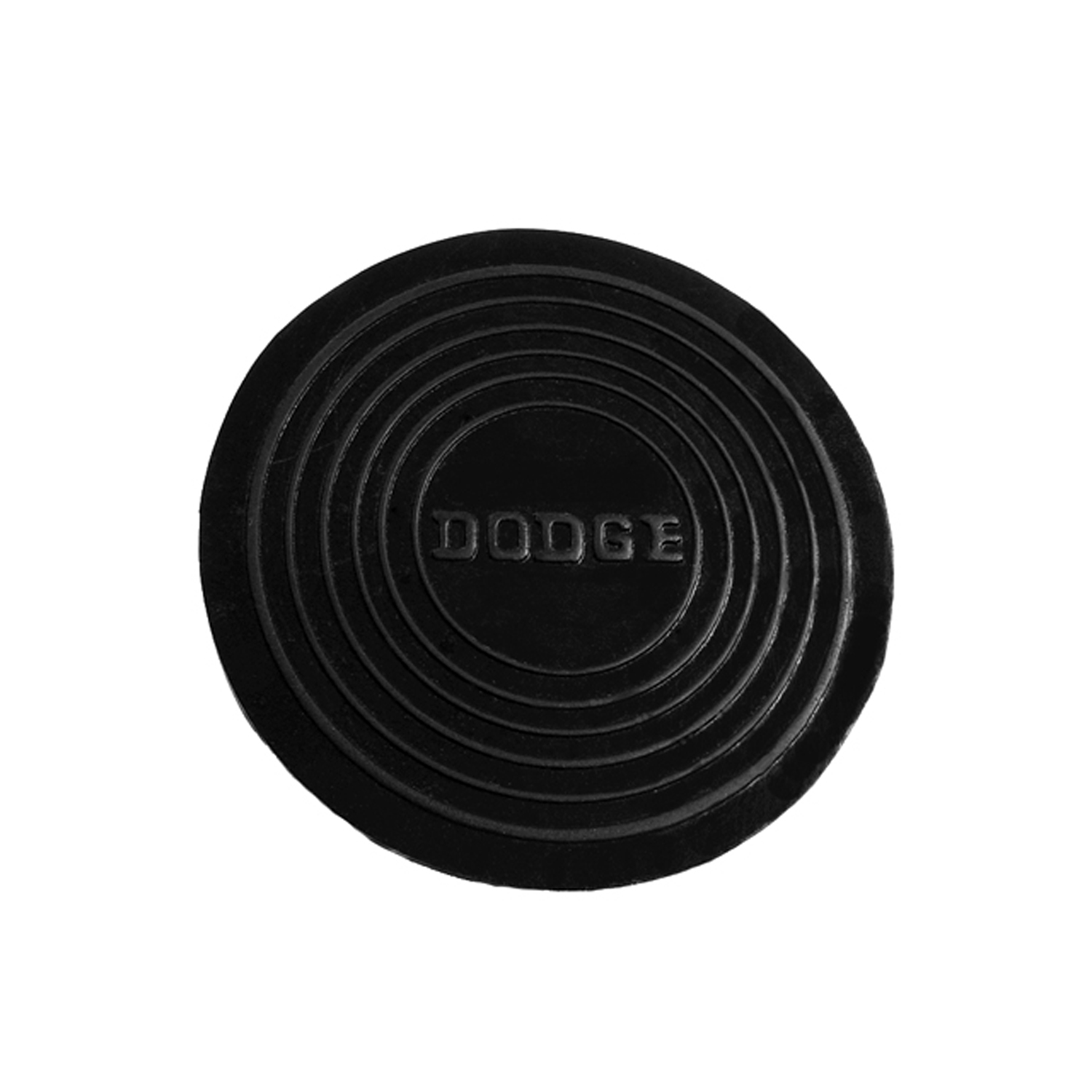 1929 Dodge VICTORY Step Plate Pad. Rubber face only. 4-1/4" O.D. Each-SP 18Step Plate Pad. Rubber face only. 4-1/4" O.D. Each
Why Choose Metro?
For over 100 years, Metro Moulded Parts has been the pinnacle of quality in classic car restoration parts. Our commitment to precision and authenticity in every component ensures a perfect fit and an OEM-level appearance.
- Expert Craftsmanship & Quality: Each part is a testament to our dedication to reliability and perfection, crafted from original designs and thoroughly tested.
- Advanced Technology: We use cutting-edge techniques to create flawless, long-lasting parts that surpass others in performance.
- SuperSoft Sponge – The Ultimate Door Seal: Not only are our door seals 30% softer than competitors', but they're also guaranteed to never leak. They effectively reduce wind and road noise, enhancing your classic car's comfort and driving experience.
- Proudly American: Our parts are a product of American craftsmanship, made in the USA with a spirit of excellence and heritage.
- Unrivaled Warranty: We back our products with a 30-year industry-leading warranty, a testament to our confidence in their quality.
Join us in preserving the legacy of classic cars with parts that are crafted for perfection, not just made.