

Image of 1940 Dodge Series D14, Note: These illustrations use artistic license and may differ from actual historical models.
Performance Metrics
Fundamental Metrics
Emotional Appeal
MMP Rating
| Engine Specifications | |
|---|---|
| Engine: | Inline 6 |
| Displacement: | 217.8 cu in (3.6 L) |
| Horsepower: | 87 hp |
| Torque: | Not available |
| Compression Ratio: | Not available |
| Ignition System: | Battery and coil |
| Cooling System: | Liquid-cooled |
| Performance Specifications | |
| 0-60 Time: | Not available |
| 1/4 Mile Time: | Not available |
| Top Speed: | 75 mph |
| Transmission and Drive | |
| Drive Type: | Rear-wheel drive |
| Transmission Type: | 3-speed manual |
| Fuel and Efficiency | |
| Fuel System Type: | Carburetor |
| MPG: | Not available |
| Dimensions and Brakes | |
| Brakes: | Hydraulic drum brakes |
| Wheelbase: | 119.5 in (3,035 mm) |
| Weight: | 3,125 lbs |
Note: Specifications for classic cars are given to the best of our ability, considering the limited and variant data available.
1940 Dodge Series D14: The Everyday Classic That Helped Define Dodge
With its broad chrome grille, rounded fenders, and dependable six-cylinder engine, the 1940 Dodge Series D14 brought a dose of prewar style to the American family car. Built by the Dodge Division of Chrysler Corporation, the D14 was part of a lineup aimed at buyers who wanted room, comfort, and sturdy engineering without moving into the costlier luxury-car class.
The D14 belongs to a particularly interesting moment in automotive history. American manufacturers were refining the streamlined shapes of the 1930s just as the country’s attention was turning toward the growing conflict overseas. Civilian car production continued in 1940, but the model sits close to the end of an era: by 1942, U.S. automakers had largely shifted their factories to wartime production.
One appealing detail for today’s enthusiasts is that Dodge offered its Fluid Drive system during this period. It was not a modern automatic transmission, but it did use a fluid coupling to soften the connection between engine and drivetrain. Paired with a conventional manual gearbox, it gave drivers a smoother option while preserving the mechanical character of the car.
Distinctive D14 Styling and Cabin Comfort
The D14’s exterior has the confident, upright look of a late-1930s American sedan, softened by the flowing lines that were becoming popular as the new decade began. Its tall, chrome-edged grille anchors the front end, while separate rounded fenders frame the wheels. Chrome trim, bright bumpers, and carefully shaped hood and body panels add visual polish without making the Dodge look overly ornate.
Inside, the D14 was designed for practical comfort. The cabin offered generous seating for its class, a broad dashboard, and straightforward controls that were easy to read and operate. Upholstery and trim depended on body style and specification, but buyers could expect period-appropriate cloth or other trim materials, with a more richly finished appearance in better-equipped versions. It was a comfortable family environment, not a bare-bones utility interior.
Factory paint choices varied by model and production details. Period Dodge colors included restrained shades such as black, gray, blue, green, and maroon, with availability changing over the model year. Darker colors suit the car’s formal profile, while lighter or brighter colors show off the rounded fenders and chrome. Today, deep blue, burgundy, and classic black are especially popular restoration choices.
Dodge offered the D14 in several passenger-car body configurations, including sedan and coupe forms. Exact availability depended on the model and trim specification, and surviving cars are not evenly distributed across all body styles. The four-door sedan is among the most recognizable and practical versions, while coupes tend to attract collectors looking for a more sporting profile. Convertible examples, where correctly identified and documented, are generally much scarcer and more valuable.
Engineering for the Road, Not the Racetrack
Power came from a Chrysler-built L-head inline-six displacing about 218 cubic inches, or 3.6 liters. In typical D14 specification, it produced roughly 87 horsepower. The flathead layout placed the valves beside the cylinders rather than in the cylinder head, a proven design of the era that favored durability and straightforward servicing over high-revving performance.
A three-speed manual transmission was the standard arrangement. Fluid Drive was available on some Dodge models and specifications, providing smoother take-up through a fluid coupling, but it should not be confused with a fully automatic transmission. The driver still had gears to select. This was a useful comfort innovation at a time when most cars required the driver to manage a conventional clutch and gear lever.
The D14’s engineering emphasized steady road manners and passenger comfort. Its substantial body and long wheelbase helped it feel composed on ordinary roads, while the suspension absorbed bumps better than the rougher roads of the period might suggest. Like other cars of its age, it has slower steering response and more body movement than a modern vehicle, particularly on winding roads. A well-maintained example feels secure and deliberate; worn suspension parts, old tires, or loose steering can make one feel vague.
What a 1940 Dodge D14 Feels Like to Drive
Performance figures vary with body style, gearing, mechanical condition, and testing method. As a general period-car estimate, a D14 could reach roughly 70 to 75 mph, with a 0-to-60-mph time in the neighborhood of 20 to 25 seconds. Those numbers are best understood as approximate, not as guaranteed factory test results for every D14.
Driving one is less about acceleration and more about the rhythm of an older car. The flathead six produces a mellow mechanical hum, the manual gearbox asks for deliberate shifts, and the steering gives the driver a direct connection to the road without modern power assistance. The Dodge cruises comfortably at modest highway speeds, but it is happiest when driven with room to anticipate traffic and time to enjoy the scenery.
On a bumpy road, the suspension and weight give the D14 a relaxed, traditional ride, though modern radial tires can change its feel from original specification. On a windy route, the driver needs to plan ahead and avoid abrupt inputs. It is a capable touring car when maintained properly, but it is not a sports sedan and should not be driven as one.
Why the D14 Matters to Dodge History
The Series D14 represents Dodge’s role as a maker of sturdy, well-equipped cars for mainstream American buyers. It offered more than basic transportation, combining a useful cabin, substantial construction, and contemporary styling at a price point below many prestige marques. That balance helped sustain Dodge’s reputation for practical engineering.
Its significance is not tied to a single revolutionary feature. Instead, the D14 shows how automakers were bringing comfort and refinement to everyday cars through smoother drivetrains, improved interiors, and increasingly streamlined bodies. Fluid Drive is a good example of that gradual evolution. It did not eliminate the manual transmission, but it offered a more refined driving experience and foreshadowed the growing demand for easier-to-operate cars.
Compared with some contemporaries, the Dodge was often valued for its solid, sensible character rather than dramatic styling or headline-grabbing speed. That same quality is part of its appeal now. The D14 captures a moment when American cars were becoming more comfortable and modern while still relying on mechanical systems that a skilled owner could understand and repair.
Living With a Prewar Dodge
Most D14s today are used for vintage touring, local shows, museum displays, and occasional weekend drives. They can be driven regularly by an owner who understands the requirements of an older car, but they are not ideal modern daily drivers. Braking distances, lighting, tire technology, crash protection, and highway performance are all far removed from current standards.
Routine maintenance is familiar to many classic-car mechanics: regular attention to ignition components, cooling-system condition, lubrication, brakes, and fuel delivery is essential. Parts availability is generally manageable for common service items, though trim, body panels, and model-specific pieces can take more searching. The flathead six is comparatively accessible to work on, making many basic repairs approachable for a competent home mechanic with the right tools and a factory service manual.
Reliability depends heavily on the quality of restoration and ongoing care. A sound cooling system and correctly maintained electrical system matter especially on a car that may spend long periods in storage. Before buying, check for rust in the body and frame, signs of poor structural repairs, engine overheating, worn steering components, and incomplete or improvised wiring.
D14 Trivia, Strengths, and Criticisms
The D14’s Fluid Drive option is a frequent source of confusion. It made starts and low-speed operation smoother, but the driver still used a conventional transmission. Calling it an automatic overstates what the system did, although it was an important step toward making cars less demanding to operate.
The D14 was not built to set speed or endurance records, and it is not widely associated with a landmark racing victory or a famous celebrity owner. Its historical interest comes instead from its place in the American prewar market and from the engineering and styling choices it shares with other Chrysler Corporation cars of the period.
Common criticisms are much the same as for other prewar automobiles: modest acceleration, heavy controls by modern standards, limited crash protection, and the need for frequent maintenance compared with a contemporary car. Some owners also find the parts hunt frustrating when a restoration requires rare trim or body components. For enthusiasts, those compromises are part of the experience rather than reasons to dismiss the car.
1940 Dodge D14 Values and Rarity
Exact production totals for an individual D14 body style can be difficult to establish from commonly available summaries. As a broad estimate, total D14 production was likely in the tens of thousands and may have been around 100,000 to 150,000 cars, depending on which variants and production records are included. That is an informed estimate, not a verified model-by-model factory count. Surviving cars are far less common, and condition, originality, body style, and documentation make a major difference.
As a general U.S. collector-market guide, a project car may sell for roughly $5,000 to $12,000. A running, usable example in driver condition might fall around $12,000 to $25,000, while a high-quality restoration can bring approximately $25,000 to $40,000 or more. Rare body styles, exceptional originality, and excellent restoration work can push prices higher. These are broad estimates rather than a guaranteed appraisal, and regional demand can change the result substantially.
Values for prewar American cars tend to be selective rather than uniformly rising. Well-presented cars with a documented history and desirable body styles attract the strongest interest, while cars needing extensive restoration can remain difficult to sell because restoration costs often exceed the finished car’s market value. The D14 is best approached as an enthusiast purchase, with likely long-term enjoyment taking priority over a quick investment return.
A Prewar Dodge With Lasting Character
The 1940 Dodge Series D14 combines streamlined prewar styling, a durable flathead six, a comfortable cabin, and practical Chrysler engineering. It was not the fastest or most technically radical car of its day, but it delivered the qualities many buyers wanted: useful space, steady road manners, and a feeling of substance.
For today’s collector, the D14 offers an engaging way to experience the final years of the prewar American automobile. Its appeal lies in the details: the soft note of the six-cylinder engine, the deliberate action of the gearbox, and the unmistakable shape of a car built for a very different road.
1940 Dodge Series D14 Catalog of Parts
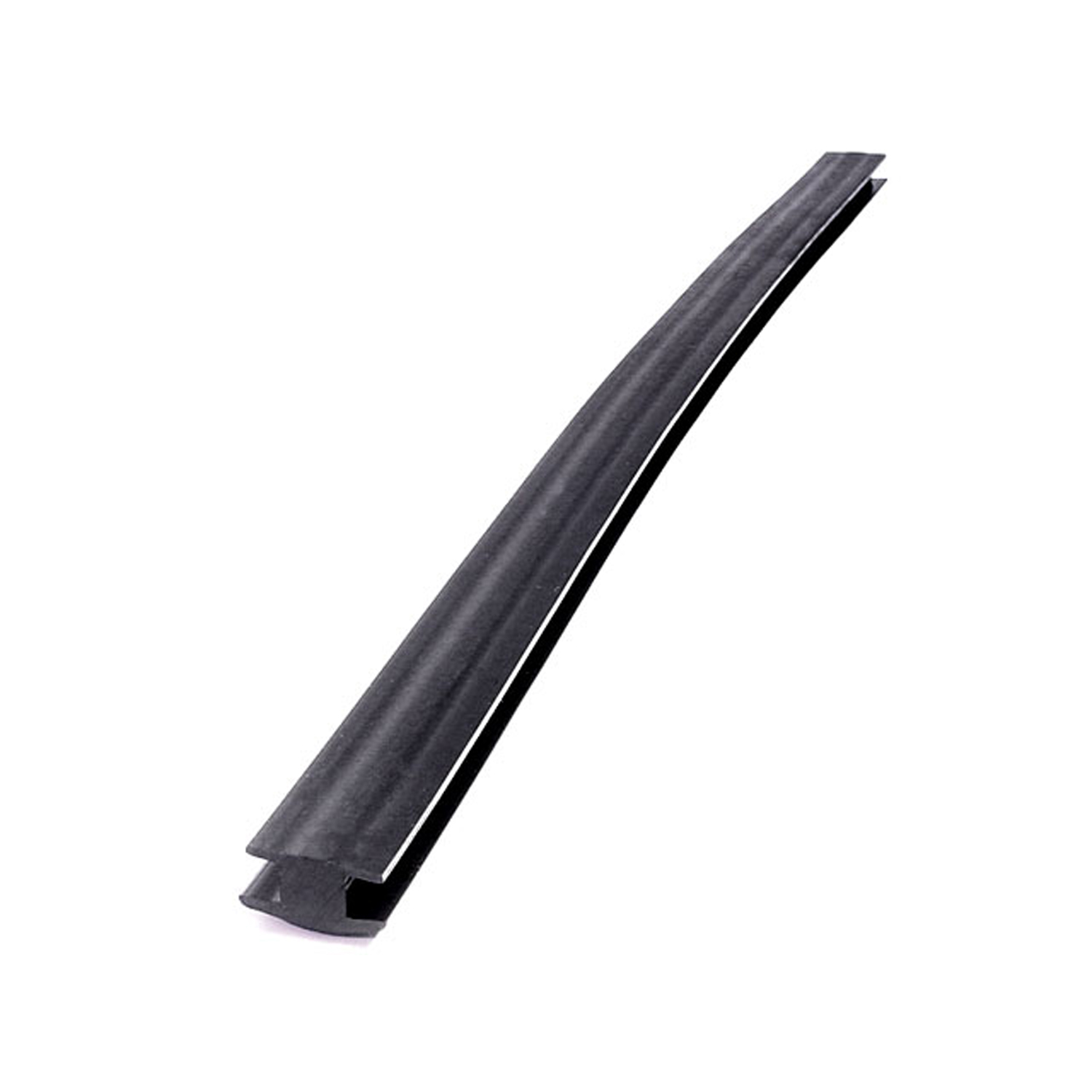 1940 Dodge SERIES D14 Windshield Center Bar Gasket. 20" long. Each-DP 12Windshield Center Bar Gasket. 20" long. Each
 1940 Dodge SERIES D14 Gas Filler Grommet. 2-3/4" I.D., 4-1/2" oblong length-GF 30Gas Filler Grommet. 2-3/4" I.D., 4-1/2" oblong length. Each
 1940 Dodge SERIES D14 Hood Corners. Fits flat corners-HC 19Hood Corners. Fits flat corners. 80° angle, 1/4" to 3/8" corner radius. 1-3/8" wide. Pair
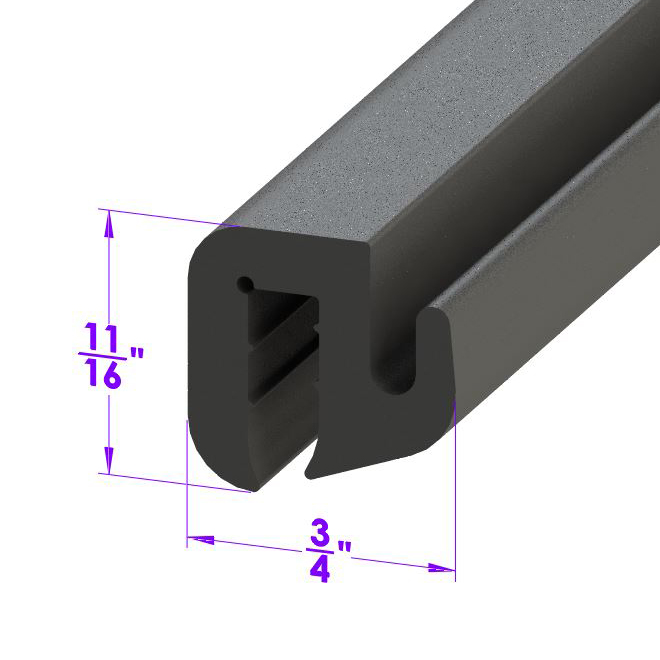 1940 Dodge SERIES D14 Windshield and Rear Window Seal. Sold by the foot-LP 30-AWindshield and Rear Window Seal. Sold by the foot
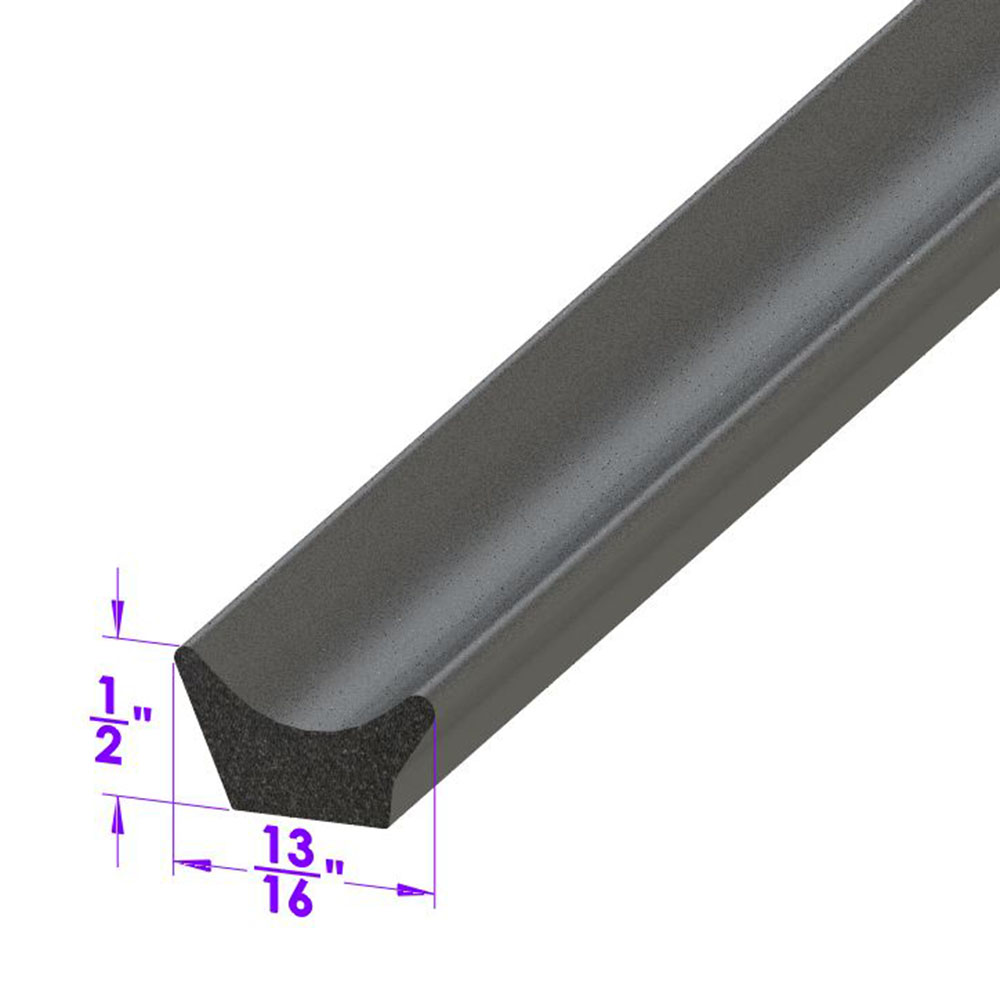 1940 Dodge SERIES D14 Door side seal. Same as LP 40, but for a lighter seal-LP 40-ADoor side seal. Same as LP 40, but for a lighter seal. Fits many domestic passenger cars and trucks. Universal seal for street rods and customs. Used in Cobra kit cars as door weatherstrip. Per foot.
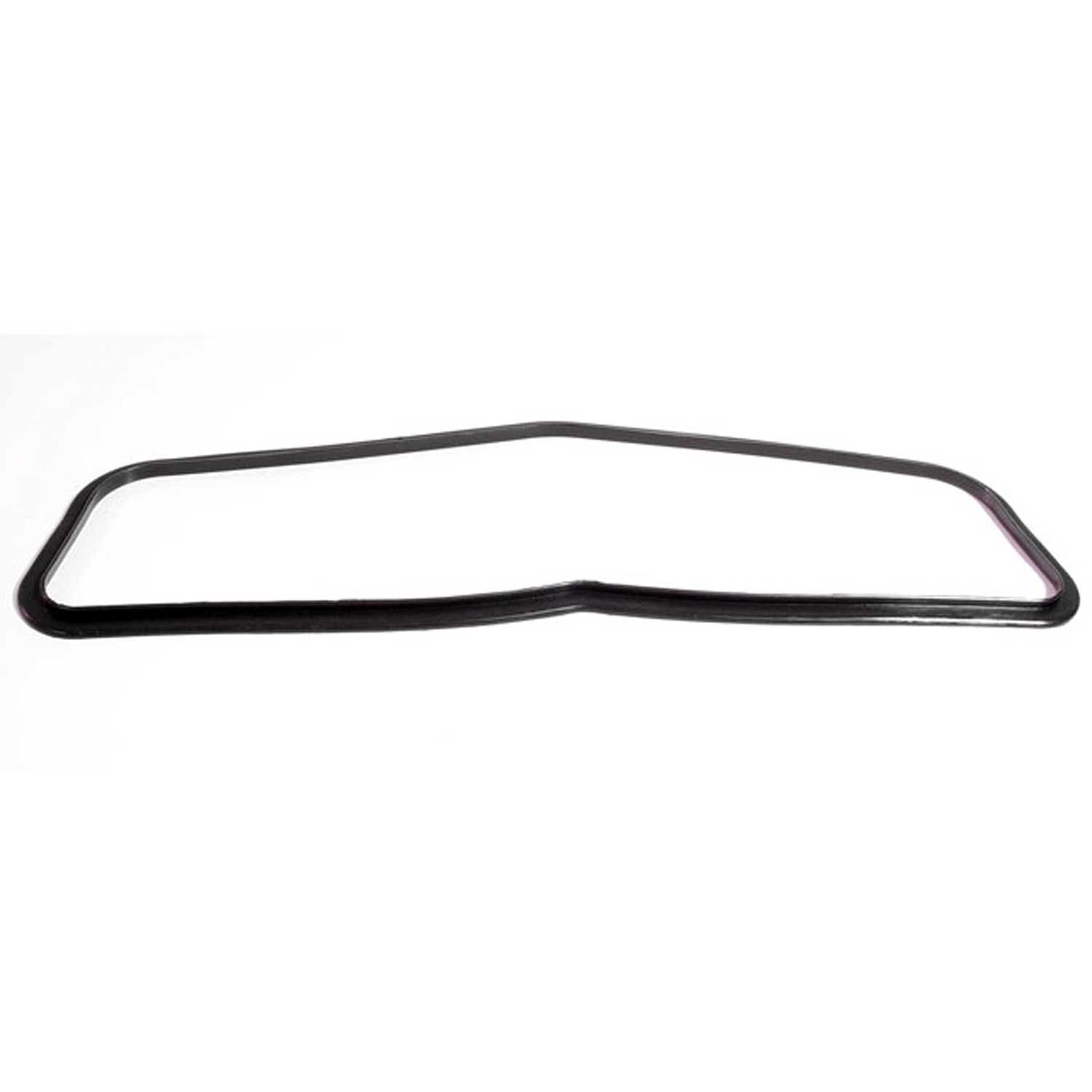 1940 Dodge SERIES D14 Cowl Vent Seal. 4" wide X 18" long. Each-RP 100-QCowl Vent Seal. 4" wide X 18" long. Each
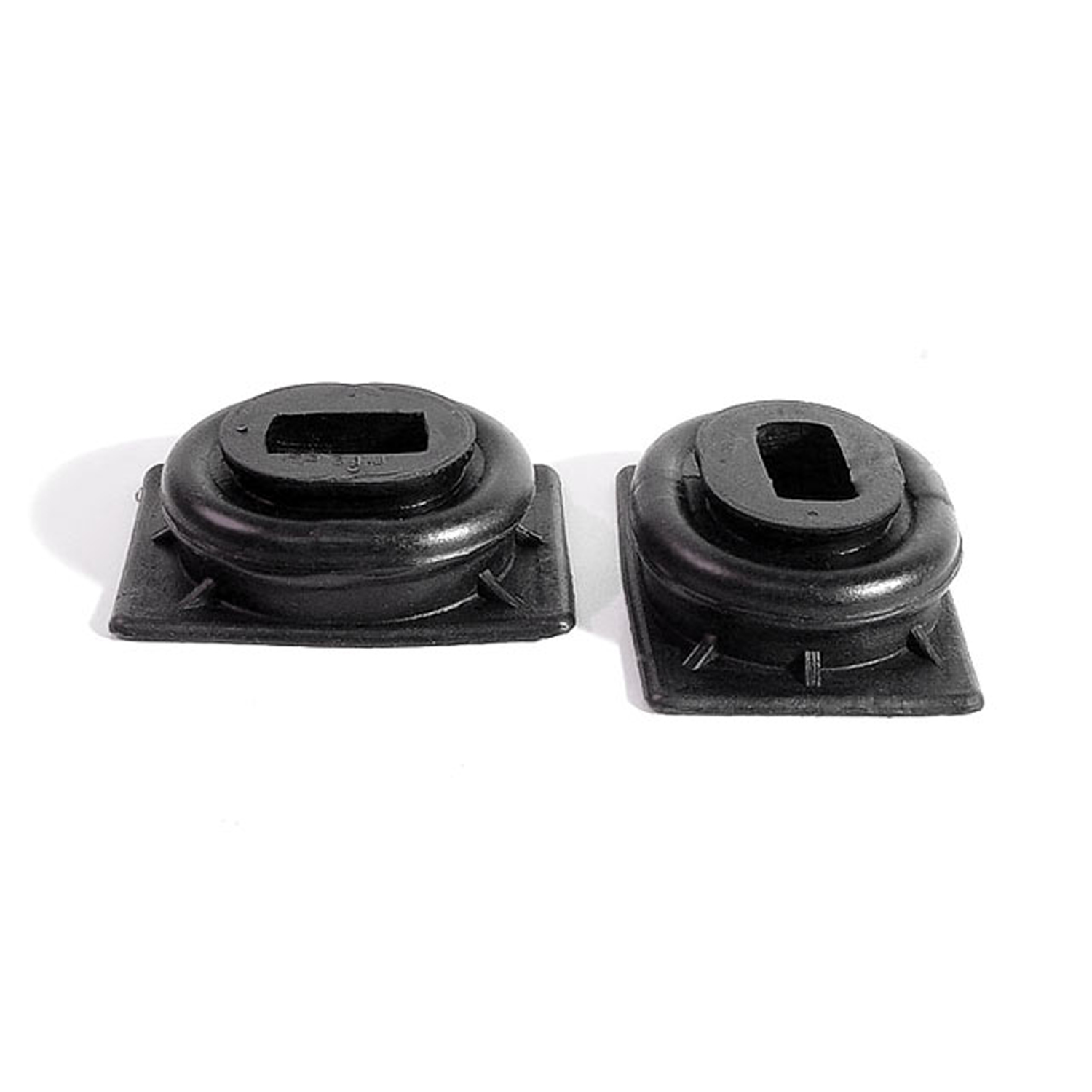 1940 Dodge SERIES D14 Clutch and Brake Seals. Replaces OEM #889473. Pair-RP 31-JClutch and Brake Seals. Replaces OEM #889473. Pair
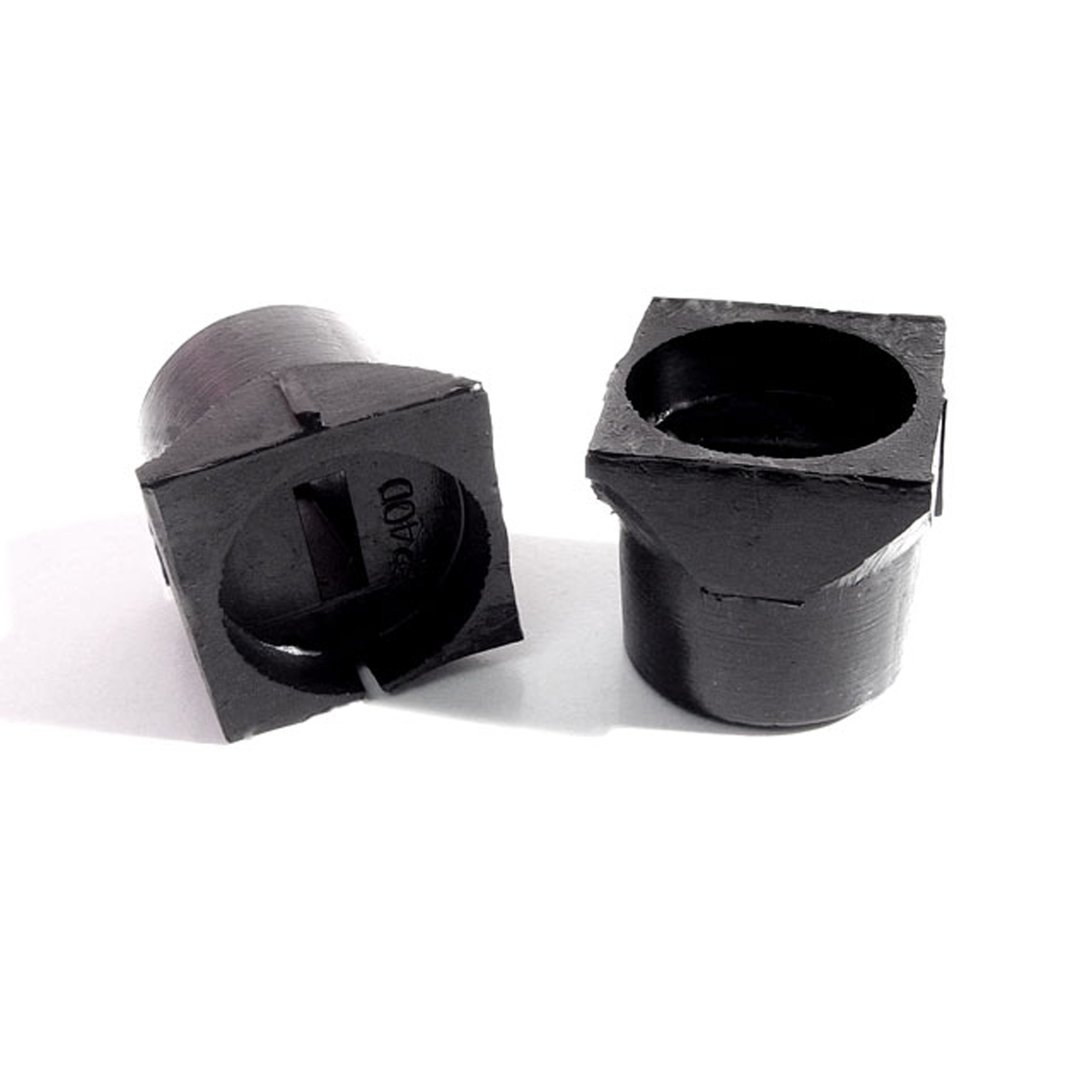 1940 Dodge SERIES D14 Door Check Rubber Cushion. Each-RP 40-DDoor Check Rubber Cushion. Each
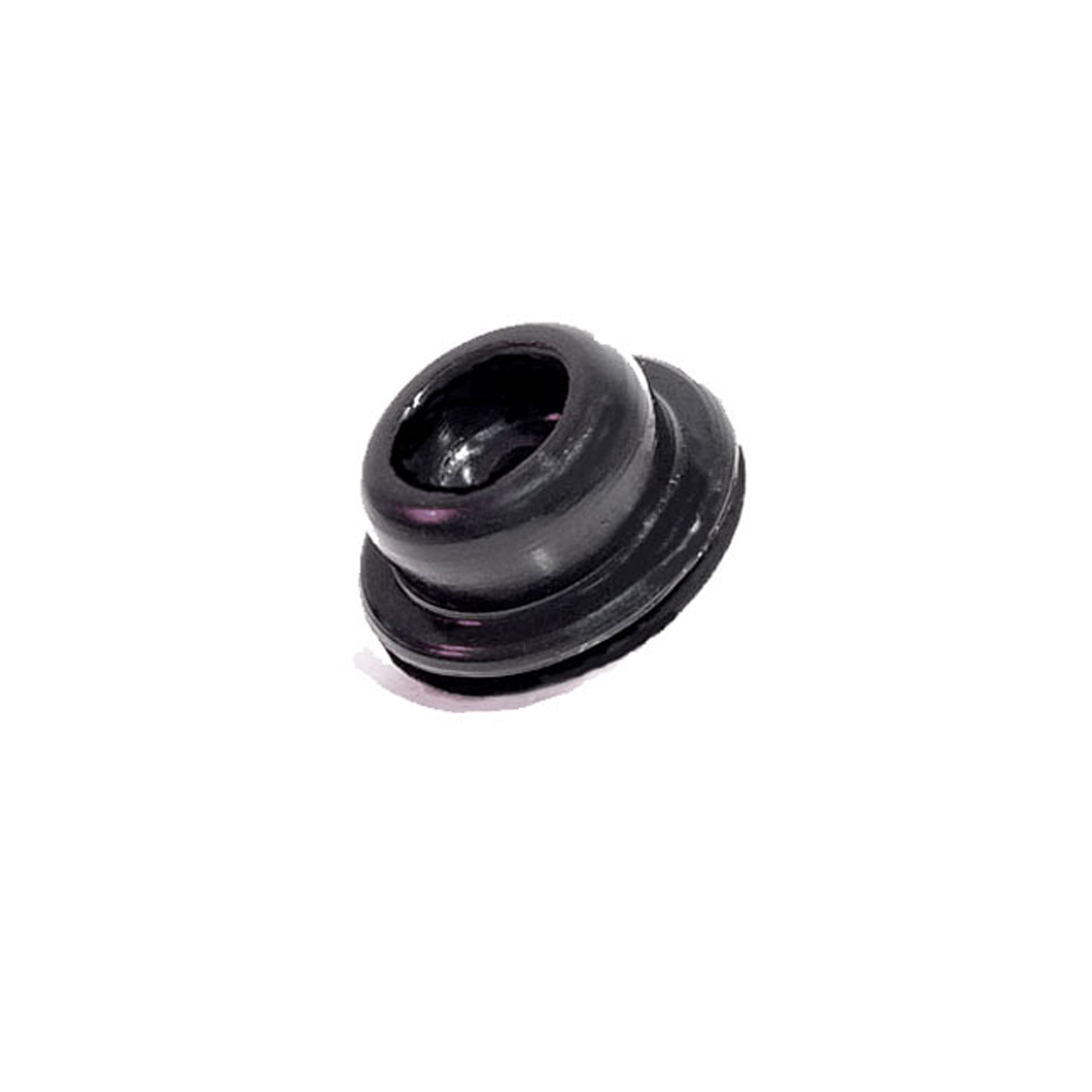 1940 Dodge SERIES D14 Accelerator Rod Grommet-SM 43-BAccelerator Rod Grommet. For accelerator rod through floorboard. Each
 1940 Dodge SERIES D14 Front Vent Window Seals. Replaces OEM #761708-9. Pair R&L-WR 2301Front Vent Window Seals. Replaces OEM #761708-9. Pair R&L
 1940 Dodge SERIES D14 Rear vent window seals-WR 2301-RRear vent window seals. Fits listed 4-door sedans and limousines with swing-out rear vent windows. May fit some GM models. Replaces OEM# #849153/4. Pair. R&L.
Why Choose Metro?
For over 100 years, Metro Moulded Parts has been the pinnacle of quality in classic car restoration parts. Our commitment to precision and authenticity in every component ensures a perfect fit and an OEM-level appearance.
- Expert Craftsmanship & Quality: Each part is a testament to our dedication to reliability and perfection, crafted from original designs and thoroughly tested.
- Advanced Technology: We use cutting-edge techniques to create flawless, long-lasting parts that surpass others in performance.
- SuperSoft Sponge – The Ultimate Door Seal: Not only are our door seals 30% softer than competitors', but they're also guaranteed to never leak. They effectively reduce wind and road noise, enhancing your classic car's comfort and driving experience.
- Proudly American: Our parts are a product of American craftsmanship, made in the USA with a spirit of excellence and heritage.
- Unrivaled Warranty: We back our products with a 30-year industry-leading warranty, a testament to our confidence in their quality.
Join us in preserving the legacy of classic cars with parts that are crafted for perfection, not just made.