
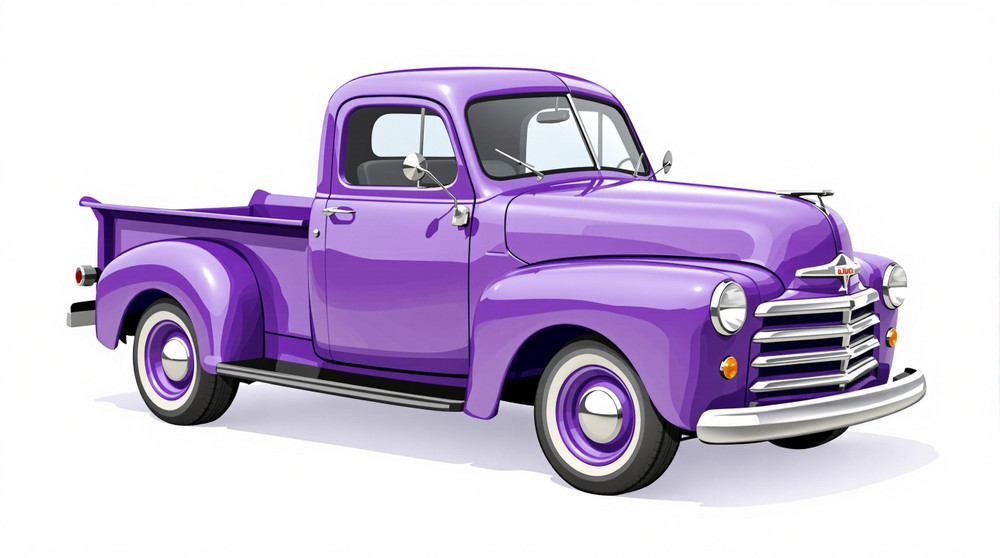
Image of 1949 Dodge Truck, Note: These illustrations use artistic license and may differ from actual historical models.
Performance Metrics
Fundamental Metrics
Emotional Appeal
MMP Rating
| Engine Specifications | |
|---|---|
| Engine: | Inline 6 |
| Displacement: | 230 cubic inches |
| Horsepower: | Estimated 103-108 hp |
| Torque: | 190 lb-ft |
| Compression Ratio: | Estimated 7.0:1 |
| Ignition System: | Distributor and coil |
| Cooling System: | Liquid-cooled |
| Performance Specifications | |
| 0-60 Time: | Information not available |
| 1/4 Mile Time: | Information not available |
| Top Speed: | 70 mph |
| Transmission and Drive | |
| Drive Type: | Rear-wheel drive |
| Transmission Type: | 3-speed manual |
| Fuel and Efficiency | |
| Fuel System Type: | Carburetor |
| MPG: | Estimated 10-15 mpg |
| Dimensions and Brakes | |
| Brakes: | Drum brakes |
| Wheelbase: | 108 inches |
| Weight: | 3,400 lbs |
Note: Specifications for classic cars are given to the best of our ability, considering the limited and variant data available.
1949 Dodge Truck: The Pilot-House Pickup That Went to Work
With its rounded fenders, broad grille, and upright cab, the 1949 Dodge truck looks ready to leave the farm or jobsite and head straight into a classic-car show. It belongs to Dodge’s postwar B-series, introduced in 1948 as part of the company’s “Job-Rated” truck lineup. Built by the Dodge division of Chrysler, the B-series was designed to offer buyers a truck matched to the work they actually did, from light-duty hauling to heavier commercial service.
The 1949 model sat at an important turning point in American motoring. The country was expanding rapidly after World War II, and farms, small businesses, construction firms, and local delivery companies all needed dependable vehicles. Dodge answered with a more spacious, carefully engineered truck than its prewar designs. One especially memorable feature was the cab, soon widely known as the “Pilot-House,” a name that reflected its improved visibility and commanding driving position.
Rounded Fenders and a Roomier Cab
The 1949 Dodge wears the soft, rounded forms typical of late-1940s trucks, but its design is more than nostalgic decoration. Bulging front fenders frame the headlights, while a wide, upright grille gives the nose a sturdy, unmistakably Dodge appearance. The hood is long and gently rounded, and the cab sits farther forward than on many earlier trucks. The overall effect is substantial without looking unnecessarily bulky.
Inside, the cabin is practical rather than luxurious. The dash is mostly painted metal, with clear, straightforward gauges and simple controls that a driver could operate while wearing work gloves. A wide bench seat accommodates two or three people, depending on the cab and seating arrangement. Materials are durable and easy to clean: painted steel, vinyl or cloth upholstery, and a rubber floor mat were more appropriate to daily labor than plush trim.
Visibility was a major part of the cab’s appeal. The raised seating position and generous glass made it easier to judge the road and the truck’s corners than in many older, more cramped work vehicles. Equipment remained basic by modern standards. Expect manual steering, drum brakes, a traditional manual transmission, and a six-volt electrical system, rather than power accessories or advanced driver aids.
Paint choices varied by model, market, and order, so there is no single color that defines every 1949 Dodge truck. Period examples are often seen in working shades such as green, red, blue, gray, and black, along with fleet or business colors. A restored truck in a deep green or red tends to emphasize the contrast between its paintwork, bright grille, and dark tires, though originality matters more to many collectors than a particular shade.
Dodge offered the B-series in a range of configurations, including pickups, chassis-cab trucks, stake bodies, and commercial delivery versions. The pickup is the most recognizable today. Half-ton models are especially popular with collectors because they combine the classic short-bed look with a size that is relatively manageable on modern roads. Heavier versions were aimed at owners who needed greater payload capacity, not just a handsome truck for weekend drives.
Job-Rated Engineering in a Postwar Market
Dodge marketed the B-series as “Job-Rated,” emphasizing that customers could select a truck suited to a particular workload. That approach was central to its identity: the lineup included different capacities, wheelbases, and body configurations instead of treating every buyer as if they needed the same basic pickup. The design also brought the cab forward and made it roomier, helping drivers spend long workdays in a more comfortable and visible workspace.
The Dodge was not alone in reshaping the postwar pickup. Ford’s F-Series arrived in 1948, while Chevrolet’s Advance-Design trucks had appeared in 1947. The Dodge’s contribution was a clear focus on practical variety and a distinctive cab-forward feel. Its styling and layout helped establish the modern postwar work truck: a vehicle that could serve a business all week and still function as a family’s general-purpose transportation.
Its influence was less about introducing a single revolutionary technology and more about putting useful details together in a durable package. The roomy cab, clear sightlines, broad model range, and work-oriented engineering reflected how American buyers were using trucks. That combination helped make pickups more comfortable and versatile without turning them into luxury vehicles.
Flathead Six Performance and Road Manners
Many half-ton 1949 Dodge pickups used a 218-cubic-inch L-head inline-six, commonly rated at about 95 horsepower. Larger or heavier-duty models could use different engine and drivetrain specifications, so the exact equipment depends on the truck’s model designation and original configuration. The six-cylinder engine was built for steady pulling and long service, not quick acceleration. A three-speed manual transmission was common, with gearing chosen to favor useful low-speed work over relaxed highway cruising.
Period performance figures are not as consistent or widely documented as those for passenger cars. As a general estimate, a stock half-ton might reach roughly 60 to 65 mph under suitable conditions, though gearing, tire size, engine condition, and load all make a difference. A 0-to-60-mph run could take around 25 to 30 seconds, and a tired or heavily loaded truck would be slower. These are estimates, not factory-certified figures.
On the road, the Dodge feels like the working machine it is. The flathead six produces a mellow mechanical rumble, and the manual gearbox asks the driver to take deliberate shifts rather than rush through them. Steering is typically heavy at low speed, particularly when parking, and the drum brakes require more anticipation than modern disc brakes. A sound example can cruise comfortably at moderate speeds, but it is happiest when the driver resists the urge to keep up with modern highway traffic.
The truck’s suspension is designed for carrying loads, so an empty pickup can feel firm and bouncy over broken pavement. Add cargo and the ride settles down. On winding roads, tall tires, a solid rear axle, and relatively slow steering call for a relaxed pace. In crosswinds, the upright cab and vintage chassis can wander more than a modern pickup. The reward is a direct, engaging driving experience: the driver hears the engine, feels the road, and takes an active role in every maneuver.
Living With a 1949 Dodge
Today, a 1949 Dodge is most often used as a weekend driver, show truck, parade vehicle, or centerpiece in a private collection. Some owners still put them to light work, but regular hauling should be approached with care. A seventy-plus-year-old chassis may have seen decades of repairs, and the condition of the brakes, steering, tires, and frame matters more than the truck’s nostalgic appearance.
Mechanical repairs are generally approachable for an owner comfortable with older vehicles. The flathead six is relatively uncomplicated, and routine service does not require modern diagnostic equipment. Parts support is available through classic-Dodge suppliers, specialty vendors, and owner communities, though some trim, body, and interior pieces can take time to find. Rust, previous collision repairs, worn steering components, and neglected brake hydraulics are common inspection points.
Before buying, check the frame and cab corners, floorboards, fenders, bed, and the area around the windshield for corrosion. Confirm that the truck’s model and engine match the configuration being represented, and inspect the cooling system and charging system during a road test. A pickup that starts and moves under its own power is not necessarily roadworthy; old tires, aged hoses, and compromised brakes can turn an apparently simple project into a major one.
1949 Dodge Truck Facts Collectors Enjoy
The “Pilot-House” nickname is one of the most enduring labels associated with these trucks. It captures the feeling of sitting high in a broad, work-ready cab, with a better view of the road than many earlier commercial vehicles offered. Another appealing detail is the range of B-series body styles: Dodge built trucks for farms, trades, delivery routes, and municipal work, so surviving examples can look very different from one another.
There is no widely recognized land-speed or endurance record attached to the 1949 Dodge pickup. Its legacy is a practical one: trucks like it helped businesses and communities move materials during the postwar building boom. Nor is there a single famous celebrity-owner story that defines the model. Its appeal comes instead from its everyday history, including decades of work on farms, in shops, and on local roads.
Common criticisms are part of the ownership picture. The cab is basic, the ride can be harsh when the bed is empty, and the truck’s brakes, steering, and cruising speed feel dated beside a modern vehicle. Rust and hard-working past lives can also make restoration expensive. For many enthusiasts, however, those limitations are inseparable from its character. The Dodge was designed to earn its keep, not to pamper its driver.
Collector Values and Availability
Exact production totals for each 1949 B-series pickup configuration are not consistently available, and body styles and model designations complicate the count. A reasonable broad estimate is that Dodge built tens of thousands of B-series pickups around this period, but that should not be mistaken for a confirmed production figure for one specific model. Surviving trucks are available, though condition and completeness vary considerably.
As a general 2026 U.S. market guide, a rough project may sell for about $5,000 to $12,000. A usable driver with solid fundamentals often falls around $15,000 to $30,000, while a well-restored example can bring approximately $35,000 to $60,000 or more. Exceptional restorations, rare configurations, and unusually original trucks can exceed that range. These are broad estimates, not formal appraisals; local demand, documentation, mechanical condition, and bodywork have a major effect on price.
Classic pickups have attracted sustained interest, and the best restored examples have generally held their appeal. That does not mean every truck is appreciating quickly. Restoration costs can outrun resale value, especially when a project needs extensive metalwork or hard-to-find parts. Buyers tend to pay a premium for a straight, complete truck with quality workmanship and a believable history, while unfinished projects remain sensitive to the cost of labor and materials.
Why the 1949 Dodge Still Matters
The 1949 Dodge truck combines postwar utility with unmistakable late-1940s styling. Its rounded body, spacious Pilot-House cab, straightforward flathead-six power, and range of work-ready configurations tell the story of a time when a pickup was expected to serve farms, businesses, and families alike. It is not fast or refined by modern standards, but it is understandable, repairable, and full of personality.
More than a handsome old pickup, the 1949 Dodge is a reminder of how American trucks earned their place in everyday life. Its appeal is strongest when the engine is humming, the bed is carrying something useful, and the driver is taking the long way home.
1949 Dodge Truck Catalog of Parts
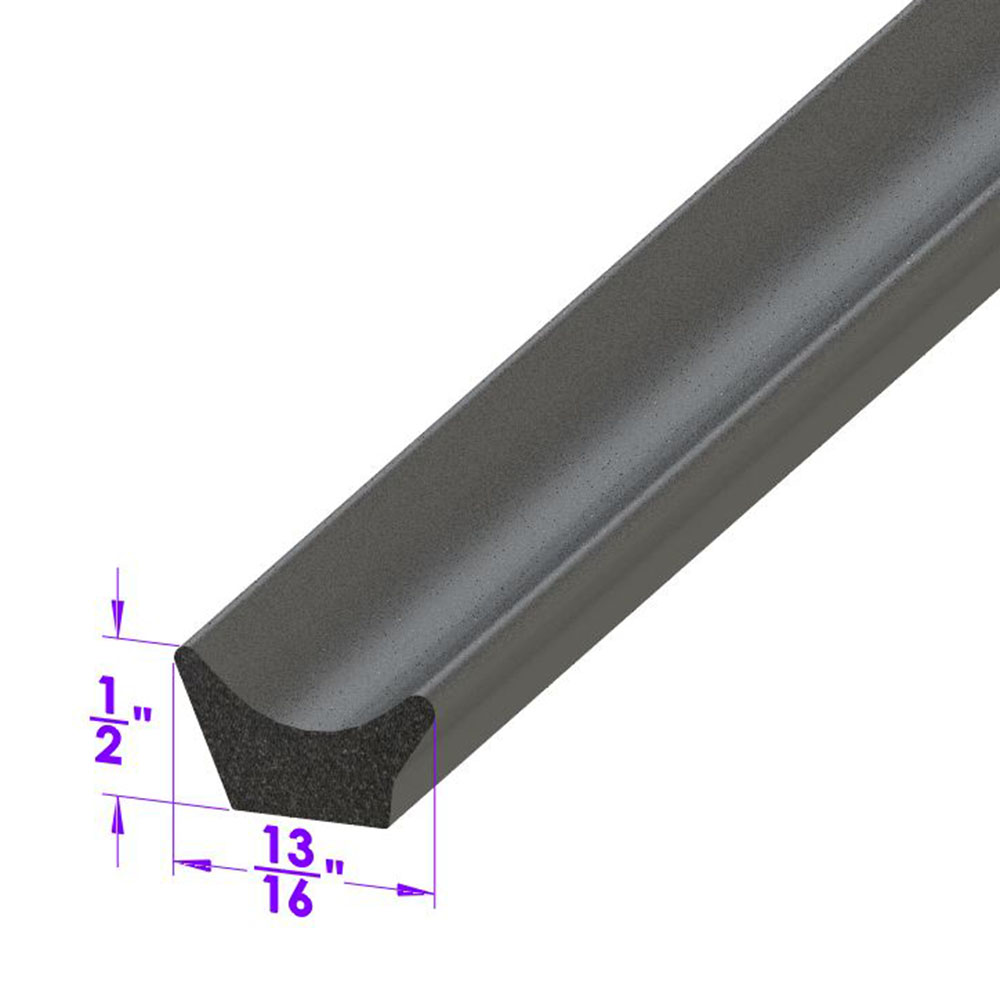 1949 Dodge Truck Door side seal. Same as LP 40, but for a lighter seal-LP 40-ADoor side seal. Same as LP 40, but for a lighter seal. Fits many domestic passenger cars and trucks. Universal seal for street rods and customs. Used in Cobra kit cars as door weatherstrip. Per foot.
Why Choose Metro?
For over 100 years, Metro Moulded Parts has been the pinnacle of quality in classic car restoration parts. Our commitment to precision and authenticity in every component ensures a perfect fit and an OEM-level appearance.
- Expert Craftsmanship & Quality: Each part is a testament to our dedication to reliability and perfection, crafted from original designs and thoroughly tested.
- Advanced Technology: We use cutting-edge techniques to create flawless, long-lasting parts that surpass others in performance.
- SuperSoft Sponge – The Ultimate Door Seal: Not only are our door seals 30% softer than competitors', but they're also guaranteed to never leak. They effectively reduce wind and road noise, enhancing your classic car's comfort and driving experience.
- Proudly American: Our parts are a product of American craftsmanship, made in the USA with a spirit of excellence and heritage.
- Unrivaled Warranty: We back our products with a 30-year industry-leading warranty, a testament to our confidence in their quality.
Join us in preserving the legacy of classic cars with parts that are crafted for perfection, not just made.