

Image of 1950 Dodge Coronet, Note: These illustrations use artistic license and may differ from actual historical models.
Performance Metrics
Fundamental Metrics
Emotional Appeal
MMP Rating
| Engine Specifications | |
|---|---|
| Engine: | Inline 6 |
| Displacement: | 230 cubic inches (3.8 L) |
| Horsepower: | 103 hp |
| Torque: | 190 lb-ft |
| Compression Ratio: | 7.0:1 |
| Ignition System: | Battery and coil |
| Cooling System: | Liquid-cooled |
| Performance Specifications | |
| 0-60 Time: | Estimated 20 seconds |
| 1/4 Mile Time: | Estimated 21 seconds |
| Top Speed: | 90 mph |
| Transmission and Drive | |
| Drive Type: | Rear-wheel drive |
| Transmission Type: | 3-speed manual, 4-speed semi-automatic |
| Fuel and Efficiency | |
| Fuel System Type: | Carburetor |
| MPG: | Estimated 15-20 mpg |
| Dimensions and Brakes | |
| Brakes: | Drum brakes |
| Wheelbase: | 123.5 inches |
| Weight: | 3,400 lbs |
Note: Specifications for classic cars are given to the best of our ability, considering the limited and variant data available.
1950 Dodge Coronet: A Postwar American Classic
The 1950 Dodge Coronet brought big-car comfort and handsome postwar styling to American roads, with a smooth six-cylinder engine and a distinctly Dodge approach to easy cruising. Built by the Dodge division of Chrysler Corporation, the Coronet sat near the top of Dodge’s passenger-car range, above the Meadowbrook and the more modest Wayfarer.
The Coronet name had debuted for the 1949 model year, when Dodge introduced a thoroughly redesigned postwar lineup. The 1950 version refined that new generation rather than reinventing it. Its appeal came from a blend of substantial construction, roomy seating and practical engineering at a time when American families were buying cars in growing numbers.
One detail that makes the Coronet especially interesting is its available Fluid Drive and Gyro-Matic transmission. The combination promised less clutch work than a conventional manual, but it was not a modern automatic. It gave drivers a glimpse of the convenience technology that would soon become a major selling point across the industry.
Rounded Fenders and a Roomy Cabin
The Coronet’s exterior wears the confident, rounded look of early-1950s American design. Its long hood flows into bulbous front fenders, while a broad chrome grille, substantial bumpers and bright trim give the car a formal, upscale face. The tall roof and generous glass area make the cabin look airy by the standards of the period. A hood ornament and polished details complete the stately appearance without making the car as flamboyant as some of its rivals.
Inside, the Coronet emphasizes comfort and durability. A wide bench seat, expansive dashboard and simple, clearly arranged controls make the cabin feel welcoming and straightforward. Materials varied with body style and trim, but cloth upholstery and durable interior finishes were common. The convertible used more upscale trim, and buyers could choose colors and interior combinations that suited a more personal or luxurious look.
Factory paint choices varied by production date and body style. Period palettes included dark blues and greens, maroon, black and lighter cream or gray tones. Solid colors were common, while two-tone treatments on selected versions added extra visual interest. Deep, glossy colors tend to suit the Coronet’s chrome and rounded bodywork particularly well.
Dodge offered the Coronet in several forms, including a four-door sedan, two-door club coupe, business coupe, convertible and Diplomat hardtop. The Sierra station wagon was another practical, high-trim body style associated with the Coronet range. The four-door sedan was a natural family choice, while the Diplomat hardtop stands out today for its pillarless roofline and clean profile. The convertible is among the most instantly recognizable versions.
What Made the Coronet Stand Out
The 1950 Coronet was not a radical design experiment. Its significance lies in how it combined the familiar virtues of a traditional American car with engineering aimed at making motoring easier. Dodge offered a solid, spacious automobile with a smooth six-cylinder powerplant and optional transmission technology that reduced the effort of stop-and-go driving.
Fluid Drive used a fluid coupling between the engine and the clutch, helping soften starts and reduce the chance of stalling. When paired with Gyro-Matic, the driver could shift between ranges and let the transmission handle gear changes within those ranges. It still required more driver involvement than a later fully automatic transmission, but it helped bridge the gap between manual gearboxes and the increasingly popular automatic.
Against contemporaries, the Coronet’s appeal was less about headline-grabbing horsepower than comfort, sturdy construction and a composed ride. Its restrained styling and practical cabin made it a credible family car, while its upscale trim and varied body styles gave buyers room to choose something more distinctive. The nameplate also endured: Dodge would continue using Coronet on later generations, though those cars would differ considerably from the 1950 model.
Six-Cylinder Pace and Easygoing Road Manners
Power came from a 230-cubic-inch flathead inline-six, rated at about 103 horsepower. A three-speed manual transmission was the basic arrangement, with Fluid Drive and Gyro-Matic equipment available depending on configuration. The drivetrain was designed for smooth, steady travel rather than quick acceleration.
Period performance figures vary with transmission, body style, gearing and vehicle condition. As a practical estimate, a healthy Coronet takes roughly 20 to 23 seconds to reach 60 mph and can approach about 80 to 85 mph under favorable conditions. Those numbers sound modest today, but the car’s intended pace was relaxed highway cruising, not modern traffic sprints.
On a smooth road, the Coronet feels substantial and comfortable. Its suspension absorbs ordinary bumps with the soft, floating character typical of a large American car of the era. On winding roads, the tall body and soft suspension encourage a measured approach: the car leans through corners and responds more slowly than a modern sedan. Crosswinds and rough pavement can remind the driver that this is a heavy, pre-radial-tire automobile.
Behind the wheel, the flathead six produces a mellow mechanical hum rather than a sharp, high-revving note. The bench seat, large steering wheel and broad view over the hood create a distinctly old-fashioned driving position. Steering and braking require more effort than in a modern car, and a manual-transmission example rewards smooth, deliberate inputs. With Fluid Drive, starts can feel gentler, though owners still need to understand how the system operates.
Living With a Coronet Today
Today, most 1950 Coronets are enjoyed as weekend cruisers, show cars and pieces of automotive history rather than everyday transportation. A well-sorted example can handle local drives and relaxed outings, but age, traffic speeds and the absence of modern safety equipment make frequent daily use less appealing.
The flathead six is mechanically straightforward, and many routine jobs are accessible to an experienced home mechanic. The car’s age still matters: cooling-system condition, fuel delivery, ignition components, brakes, wiring and suspension wear deserve close attention. A neglected example can need extensive work even if its engine starts and runs.
Parts availability is generally better for common mechanical service items than for model-specific trim, body panels and interior pieces. Before buying, inspect the frame and body for rust, check the brakes and steering carefully, and confirm that any Fluid Drive or Gyro-Matic equipment operates correctly. For an owner comfortable with basic mechanical work, the Coronet can be rewarding to maintain, but restoration-grade trim and upholstery may require patience and specialist help.
Coronet Trivia and Common Complaints
The Coronet’s transmission story is a useful reminder that “automatic” did not always mean what it does today. Fluid Drive and Gyro-Matic reduced clutch use, but drivers still had to select ranges and operate the car with more involvement than a modern automatic requires. The system is part of the car’s charm, though it can be unfamiliar to new owners and may need specialist knowledge if it develops problems.
No major speed or endurance record is commonly associated with the 1950 Coronet. Its historical importance is more everyday than spectacular: it represents the kind of comfortable, durable family car that helped define postwar American motoring. Its broad range of body styles also means the Coronet could serve as a family sedan, personal coupe, convertible or wagon.
Common criticisms are predictable. The six-cylinder engine is leisurely, the car is large and heavy, and its drum brakes and period handling require more anticipation than modern drivers may expect. Rust, aging electrical systems and hard-to-find decorative parts can also turn an inexpensive project into a costly restoration.
Collector Values and Availability
Exact production totals for individual 1950 Coronet body styles can be difficult to pin down, so a precise model-by-model figure should be treated cautiously. Dodge built roughly 340,000 passenger cars for the 1950 model year across its lineup. A reasonable broad estimate is that Coronet production reached the low hundreds of thousands, perhaps around 150,000 to 200,000 cars across its various body styles. That is an estimate, not a verified total.
Survivors are available, but condition and body style make a major difference. Four-door sedans are generally easier to encounter than convertibles or well-preserved hardtops. As a rough U.S. market guide, a project car may sell for about $5,000 to $12,000, while a usable driver might fall around $15,000 to $30,000. Good restorations can range from roughly $30,000 to $55,000, with exceptional convertibles or rare, highly finished examples potentially reaching $60,000 to $85,000 or more.
These are broad estimates, not appraisals. Rust, originality, restoration quality, paperwork, mechanical condition and local demand all affect value. Like many prewar and early postwar classics, the Coronet’s market is selective: excellent, correct cars attract the most interest, while ordinary sedans may appreciate more slowly. Prices can rise over time, but restoration costs often exceed the increase in resale value, so buyers should choose a car they genuinely want to own.
A Classic Built for the Long Way Home
The 1950 Dodge Coronet captures a moment when American automakers were refining the postwar family car. Its rounded styling, spacious cabin, flathead-six character and innovative-for-its-time transmission options make it more than a handsome old sedan. It is a reminder that automotive progress often came through practical improvements as much as dramatic breakthroughs.
For collectors, the Coronet offers a welcoming entry into early-1950s motoring, especially in sedan form. For anyone who appreciates the slower rhythm of a classic car, its appeal is simple: start the six, settle into the broad bench seat and let a piece of postwar America take the scenic route.
1950 Dodge Coronet Catalog of Parts
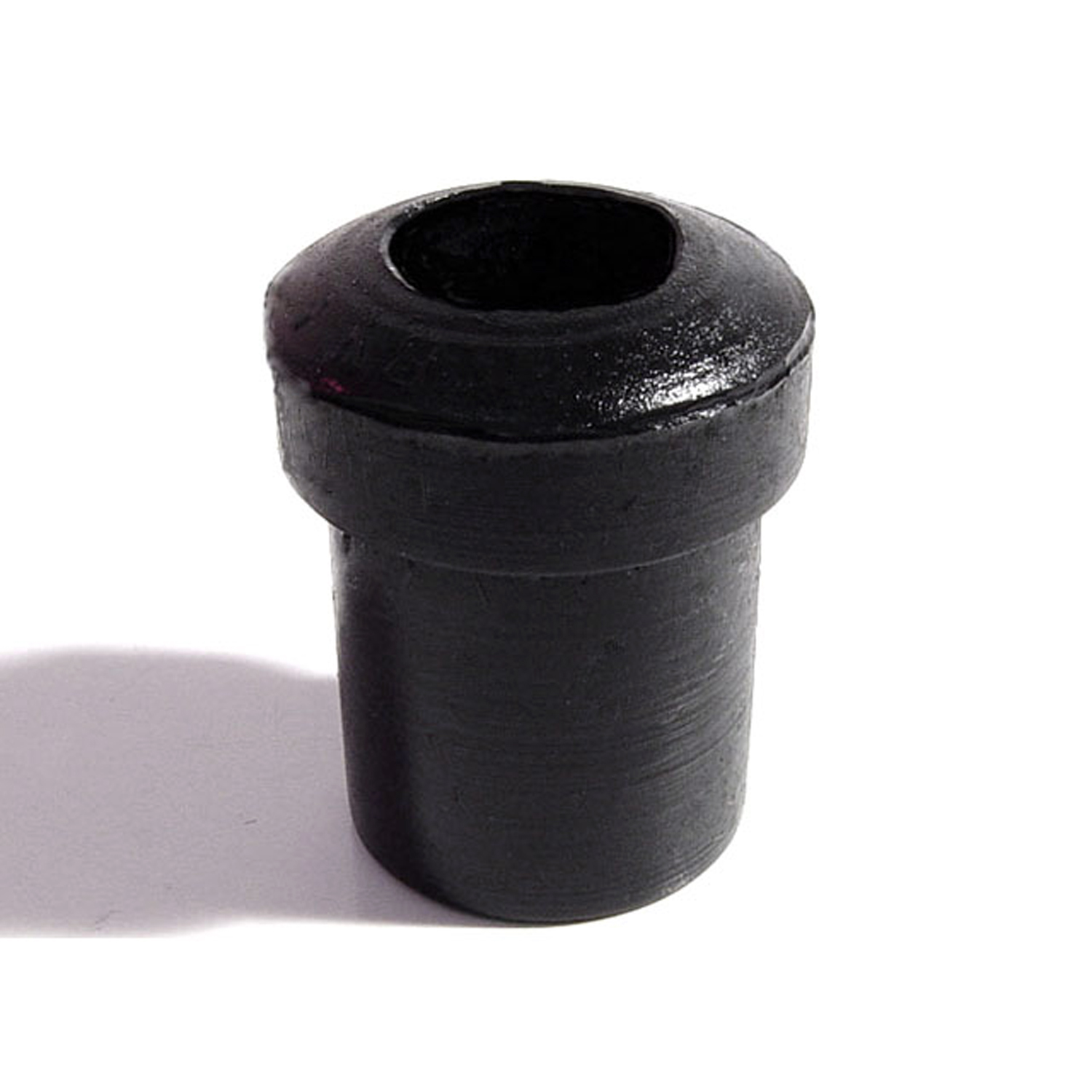 1950 Dodge Coronet Spring and Shackle Bushing. 7/8" bottom O.D-BN 16Spring and Shackle Bushing. 7/8" bottom O.D. X 1-1/8" high, with 1/2" I.D. Each
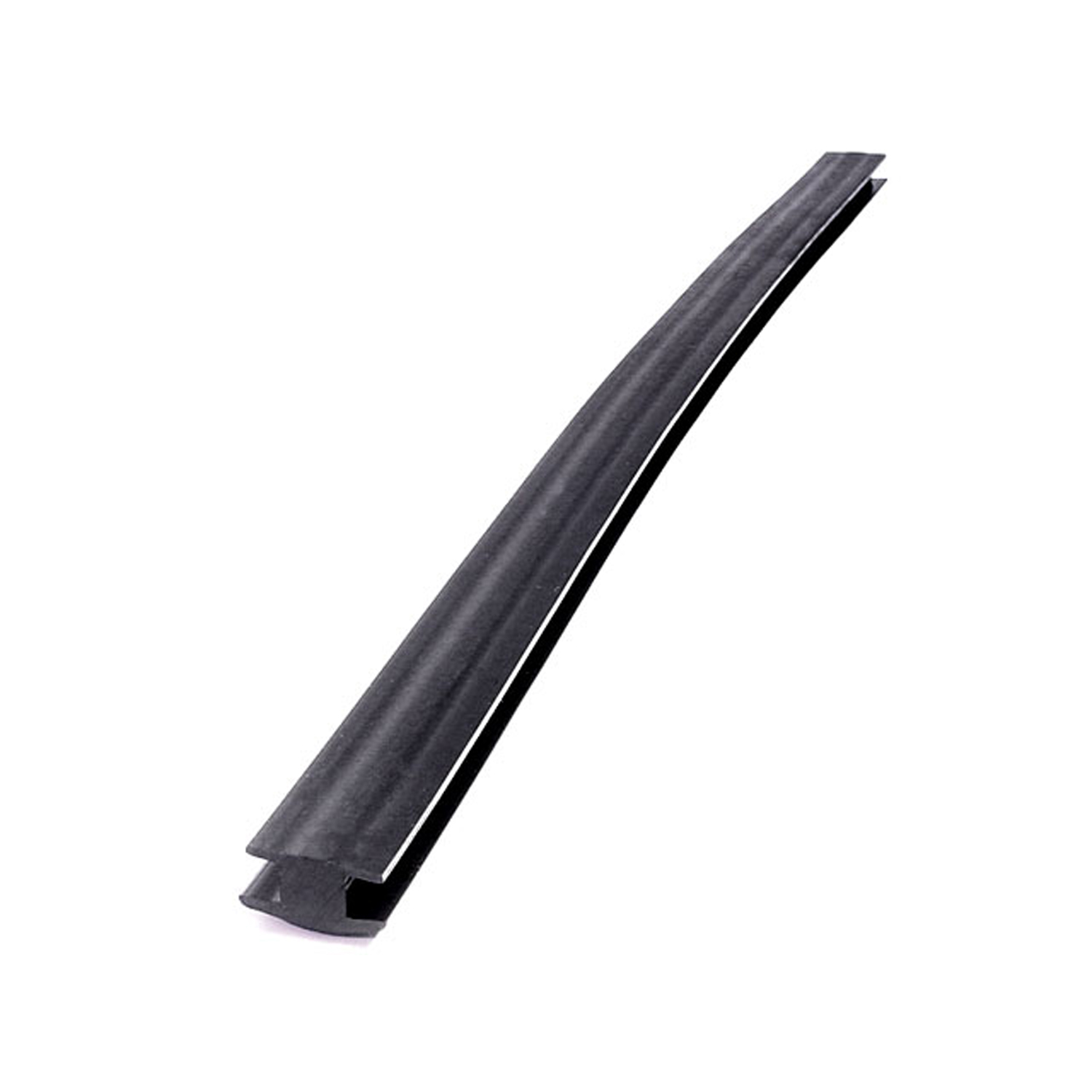 1950 Dodge Coronet Windshield Center Bar Gasket. 20" long. Each-DP 12Windshield Center Bar Gasket. 20" long. Each
 1950 Dodge Coronet Gas Filler Grommet. 2-3/4" I.D., 4-1/2" oblong length-GF 30Gas Filler Grommet. 2-3/4" I.D., 4-1/2" oblong length. Each
 1950 Dodge Coronet Hood Corners. Fits flat corners-HC 19Hood Corners. Fits flat corners. 80° angle, 1/4" to 3/8" corner radius. 1-3/8" wide. Pair
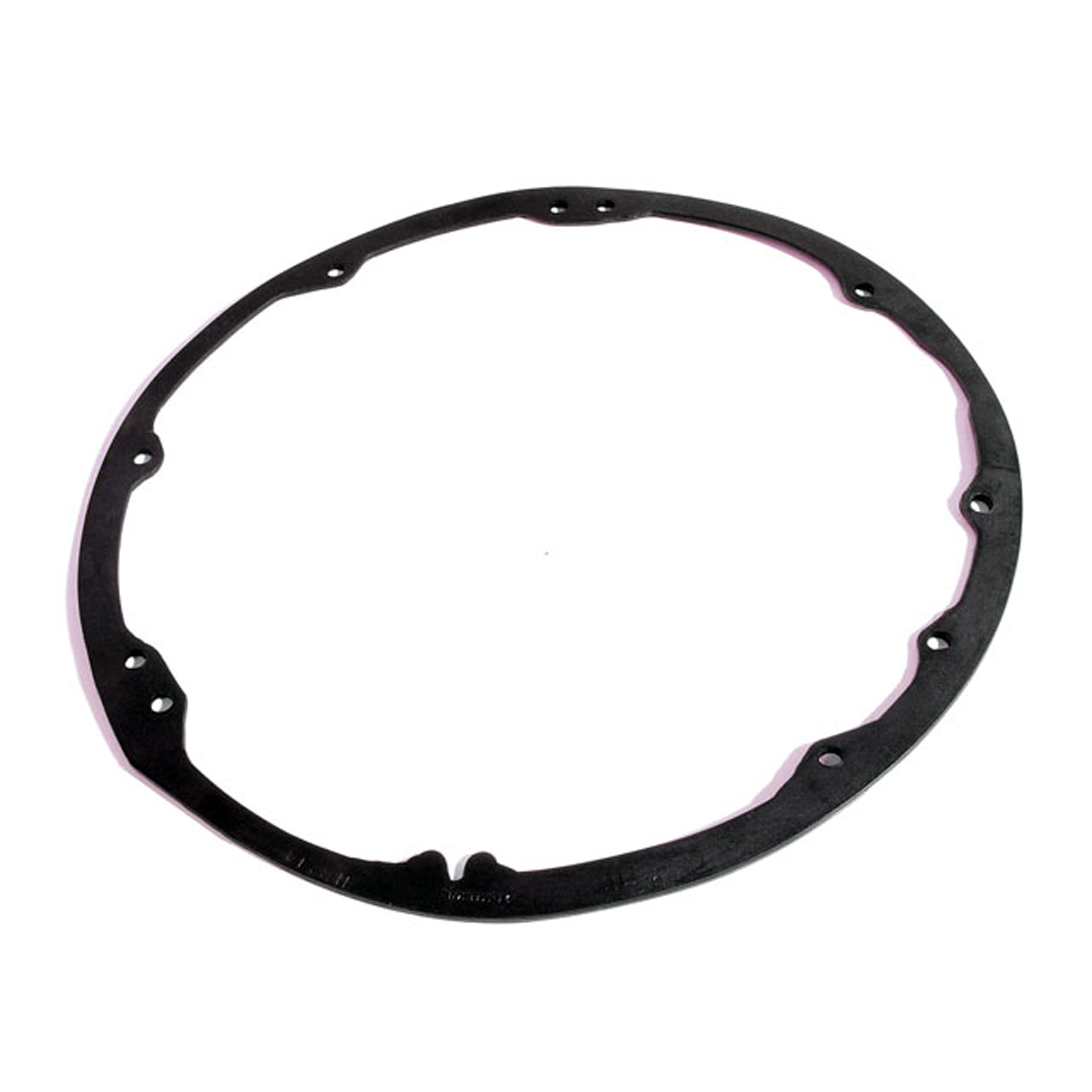 1950 Dodge Coronet Headlight Ring Seal. 8-3/8" O.D., 7-3/4" I.D. Pair-HR 14Headlight Ring Seal. 8-3/8" O.D., 7-3/4" I.D. Pair
 1950 Dodge Coronet Cowl Vent Seal. 3-1/2" wide X 17" long. Each-RP 100-PCowl Vent Seal. 3-1/2" wide X 17" long. Each
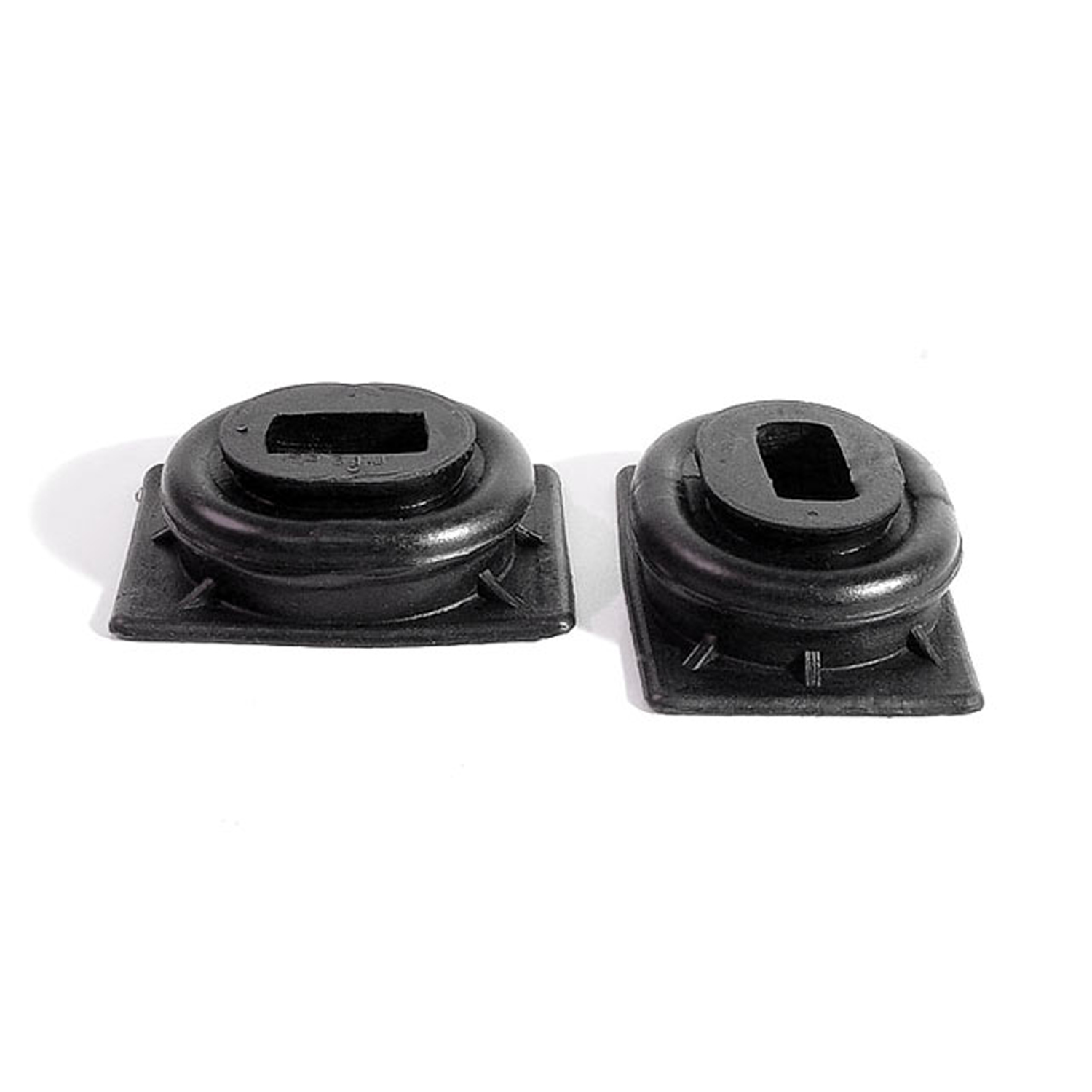 1950 Dodge Coronet Clutch and Brake Seals. Replaces OEM #889473. Pair-RP 31-JClutch and Brake Seals. Replaces OEM #889473. Pair
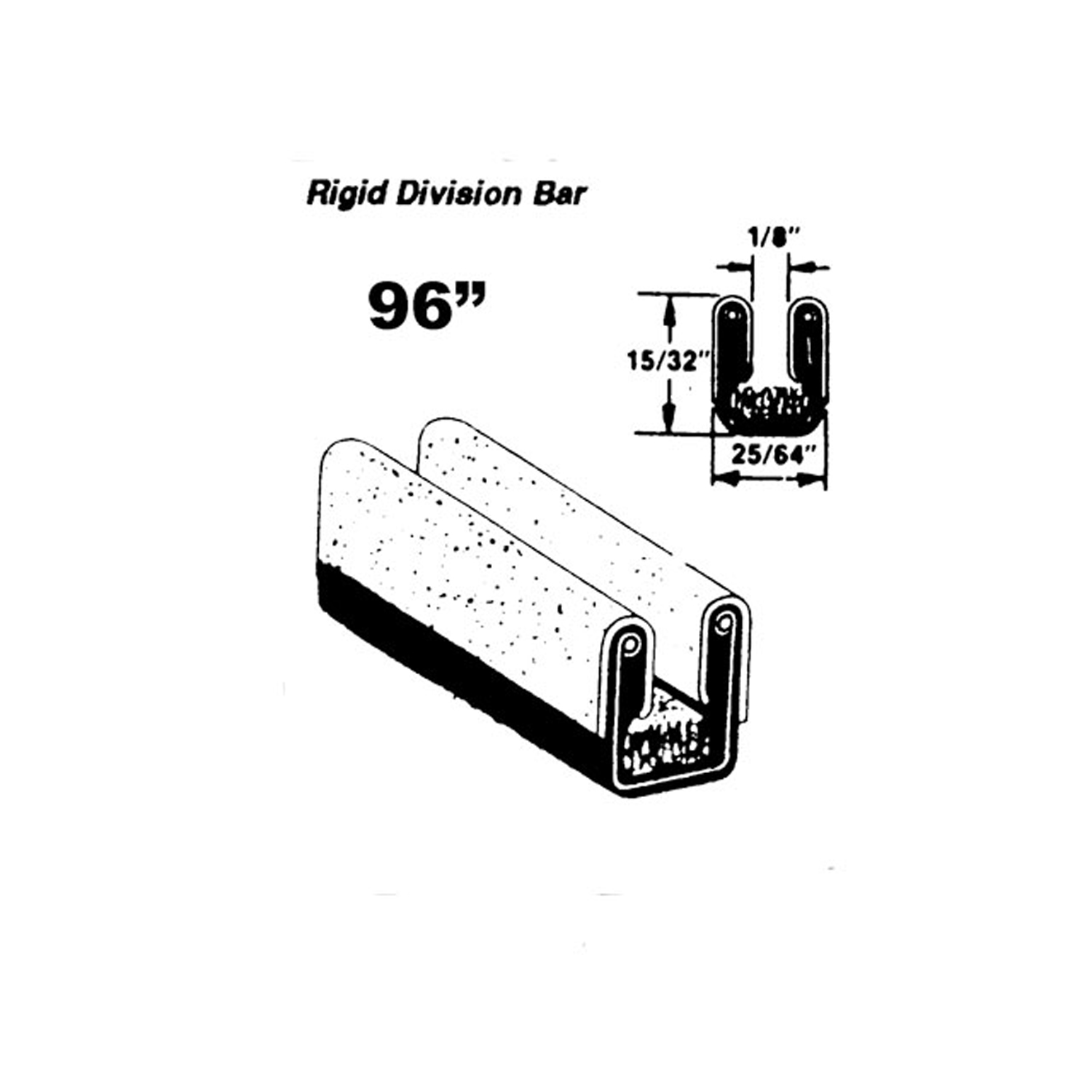 1950 Dodge Coronet Rigid division-bar run channel-WC 31-96Rigid division-bar run channel. Made with very soft felt lining. Used on front and rear door side windows. 96 in. long. Each. NOTE: $20 special shipping charge applies for domestic orders. Call or email for overseas shipping costs. Part can be sectioned in two or three equal lengths to reduce overseas shipping costs.
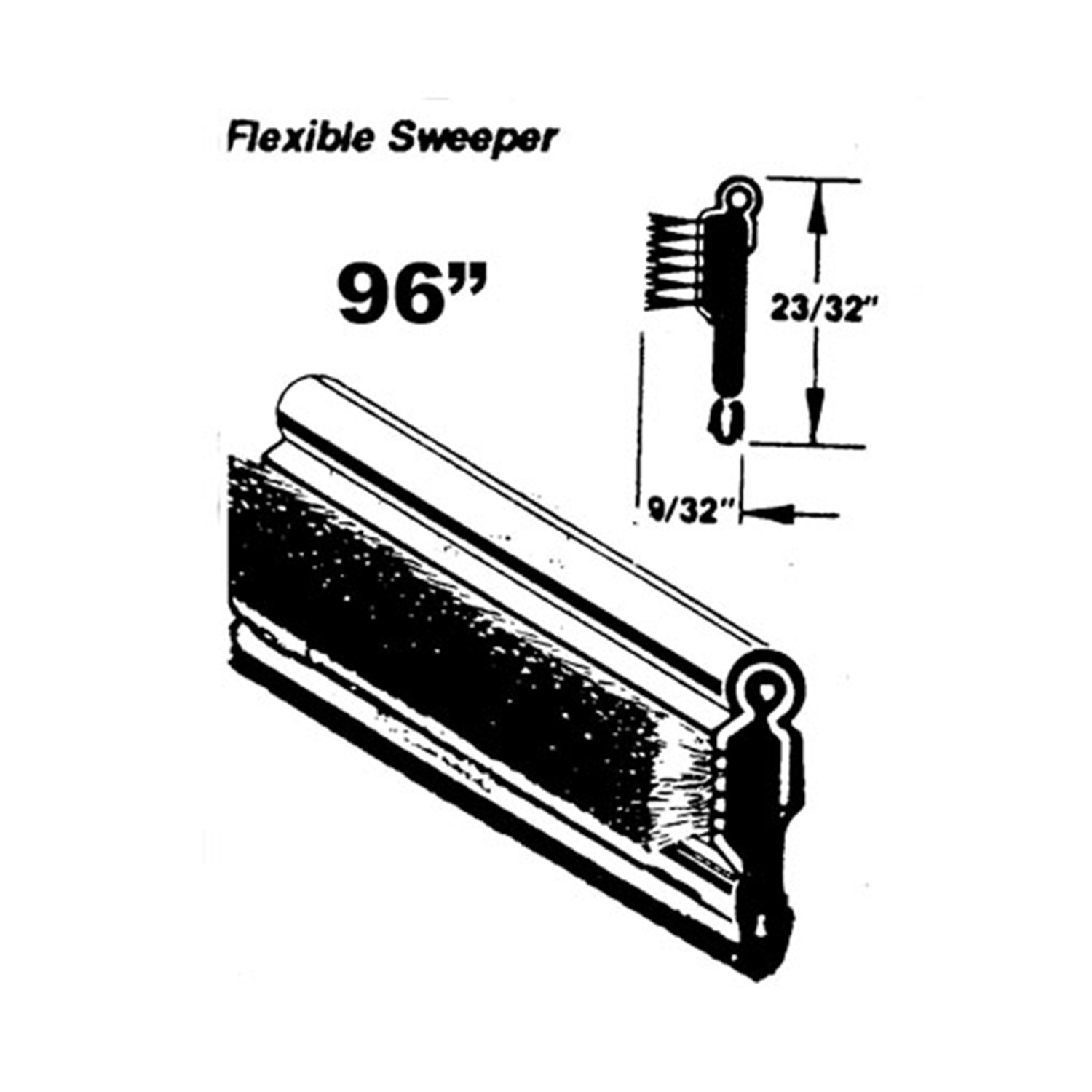 1950 Dodge Coronet Flexible window sweeper. Made with stainless steel bead-WC 4-96Flexible window sweeper. Made with stainless steel bead. 96 in. long. Each. NOTE: $20 special shipping charge applies for domestic orders. Call or email for overseas shipping costs. Part can be sectioned in two or three equal lengths to reduce overseas shipping costs.
 1950 Dodge Coronet Rear Vent Window Seals. Replaces OEM #1243378. Pair R&L-WR 2302-RRear Vent Window Seals. Replaces OEM #1243378. Pair R&L
 1950 Dodge Coronet Front Vent Window Seals-WR 2704Front Vent Window Seals. For all convertibles and '50-'52 2-door hardtops. Pair R&L
Why Choose Metro?
For over 100 years, Metro Moulded Parts has been the pinnacle of quality in classic car restoration parts. Our commitment to precision and authenticity in every component ensures a perfect fit and an OEM-level appearance.
- Expert Craftsmanship & Quality: Each part is a testament to our dedication to reliability and perfection, crafted from original designs and thoroughly tested.
- Advanced Technology: We use cutting-edge techniques to create flawless, long-lasting parts that surpass others in performance.
- SuperSoft Sponge – The Ultimate Door Seal: Not only are our door seals 30% softer than competitors', but they're also guaranteed to never leak. They effectively reduce wind and road noise, enhancing your classic car's comfort and driving experience.
- Proudly American: Our parts are a product of American craftsmanship, made in the USA with a spirit of excellence and heritage.
- Unrivaled Warranty: We back our products with a 30-year industry-leading warranty, a testament to our confidence in their quality.
Join us in preserving the legacy of classic cars with parts that are crafted for perfection, not just made.