

Image of 1951 Dodge Meadowbrook, Note: These illustrations use artistic license and may differ from actual historical models.
Performance Metrics
Fundamental Metrics
Emotional Appeal
MMP Rating
| Engine Specifications | |
|---|---|
| Engine: | Inline 6 |
| Displacement: | 230 cubic inches |
| Horsepower: | 103 hp |
| Torque: | 190 lb-ft |
| Compression Ratio: | 7.0:1 |
| Ignition System: | Distributor and coil |
| Cooling System: | Liquid-cooled |
| Performance Specifications | |
| 0-60 Time: | Estimated 20 seconds |
| 1/4 Mile Time: | Estimated 21 seconds |
| Top Speed: | 75 mph |
| Transmission and Drive | |
| Drive Type: | Rear-wheel drive |
| Transmission Type: | 3-speed manual |
| Fuel and Efficiency | |
| Fuel System Type: | Carburetor |
| MPG: | Estimated 15-20 mpg |
| Dimensions and Brakes | |
| Brakes: | Drum brakes |
| Wheelbase: | 123.5 inches |
| Weight: | 3,400 lbs |
Note: Specifications for classic cars are given to the best of our ability, considering the limited and variant data available.
1951 Dodge Meadowbrook: A Practical Postwar Classic
The 1951 Dodge Meadowbrook brought comfortable, substantial American motoring within reach of buyers who wanted more than a basic runabout. Built by the Dodge division of the Chrysler Corporation, it occupied the middle of Dodge’s passenger-car range, above the economical Wayfarer and below the better-appointed Coronet. Its rounded postwar styling, roomy cabin, and durable flathead six made it a familiar sight on American roads during a period of rapid change.
The Meadowbrook name first appeared for the 1949 model year, as automakers moved from wartime production back to building civilian cars. By 1951, the United States was entering the Korean War era, and drivers still valued practical engineering, comfort, and dependable transportation. One appealing detail is that buyers could pair the Meadowbrook’s conventional six-cylinder power with Dodge’s Fluid Drive and Gyro-Matic transmission system, a distinctive alternative to an ordinary manual gearbox.
Rounded Styling and a Comfortable Cabin
The Meadowbrook’s exterior has the confident, full-bodied look associated with early-1950s American sedans. Its broad hood, rounded front fenders, upright windshield, and flowing rear quarters give it a substantial profile without the dramatic tailfins that would arrive later in the decade. A broad chrome grille and brightwork across the body add just enough polish to distinguish it from a strictly utilitarian car. The overall effect is handsome and restrained, with a strong sense of postwar optimism.
Inside, the Meadowbrook favored space and straightforward comfort over sports-car flair. Its wide bench seats, generous headroom, and large windows made it easy to settle in for a long trip. Upholstery and trim varied by equipment and color, with cloth and vinyl materials used in different combinations. The dashboard kept the main controls within reach and presented its instruments clearly, while chrome accents lent the cabin a little extra shine. This was a family sedan designed for everyday use, not a luxury car, but it offered a welcoming and well-finished environment for its class.
Exterior paint choices varied by production run and market. Buyers could choose from period shades that included dark and light tones, with colors such as black, blue, green, gray, and cream represented in Dodge’s early-1950s palette. Exact paint names and availability depended on the factory and build date. A dark, single-tone finish emphasizes the car’s formal lines, while lighter colors show off its generous chrome trim.
The Meadowbrook was principally offered as a two-door or four-door sedan. The four-door sedan is the familiar and most commonly encountered configuration today, thanks to its practicality and broad appeal. Dodge’s other series covered additional body styles and equipment levels, so a convertible or station wagon should not automatically be mistaken for a Meadowbrook.
Engineering in the Early 1950s
Power came from Dodge’s 230.2-cubic-inch L-head inline-six, commonly known as a flathead six. In 1951 Meadowbrook specification, it was rated at about 103 horsepower. The engine used a simple, durable layout: its valves sat in the block beside the cylinders rather than above them. That design was not cutting-edge by 1951, but it was proven, relatively easy to service, and well suited to a large sedan intended for steady road use.
Transmission choices included a conventional three-speed manual and, on cars equipped with it, Dodge’s Fluid Drive and Gyro-Matic arrangement. Fluid Drive used a fluid coupling to soften the connection between engine and transmission, while Gyro-Matic provided a semi-automatic shifting experience. It was not a modern fully automatic transmission, and drivers still had to understand its operating procedure, but it reduced the need for constant clutch work in ordinary driving.
The Meadowbrook’s significance lies less in a single breakthrough than in how it brought Chrysler engineering to a broad audience. It paired a durable six-cylinder engine and available semi-automatic driveline with the comfort and size American buyers expected. Its upright proportions and rounded fenders also capture a transitional moment in design: the car still looked connected to prewar styling, even as the industry was moving toward lower, more integrated bodies and the dramatic forms of the later 1950s.
Performance, Ride, and Road Manners
With around 103 horsepower moving a heavy sedan, the Meadowbrook was built for relaxed travel rather than quick acceleration. Depending on transmission, axle ratio, vehicle condition, and test method, a sound example might reach 0 to 60 mph in roughly 20 to 23 seconds. Period-style estimates put top speed in the neighborhood of 80 to 85 mph. Those figures are best treated as practical approximations, not guaranteed factory performance numbers for every surviving car.
The suspension was tuned for comfort, and the Meadowbrook’s long wheelbase helped it take ordinary road bumps in stride. On rough pavement, its soft ride is part of the charm, though the body can lean more than drivers accustomed to modern cars may expect. On winding roads, a careful driver will notice the car’s weight, slower steering response, and period bias-ply tires. It rewards smooth inputs rather than sharp cornering.
From behind the wheel, the flathead six delivers a steady, unhurried hum rather than a sharp performance-car bark. The bench seat, broad hood, and large steering wheel create a distinctly old-school driving position. Manual cars ask for deliberate clutch and gear changes; Gyro-Matic-equipped cars offer a more relaxed routine once the driver learns the system. Either way, the Meadowbrook feels most at home cruising at a moderate pace, where its quiet strength and comfortable suspension can shine.
Living With a Meadowbrook
Today, a 1951 Meadowbrook is most often used as a weekend cruiser, a show car, or a rolling piece of family and local history. It can be driven regularly, but its size, period braking and steering, and modest acceleration make it a different proposition from a modern daily driver. It is better suited to relaxed routes than to fast, crowded traffic.
The flathead six is generally approachable for a mechanically minded owner, and routine work such as ignition service, carburetor adjustment, and basic tune-ups is familiar to many classic-car specialists. Mechanical components can be easier to source than Meadowbrook-specific trim, though availability varies. Before buying, inspect the frame and body carefully for rust, especially around floors, rocker panels, wheel openings, and lower body seams. Original chrome, interior pieces, glass, and correct small fittings can take more time and money to find than basic engine parts.
Reliability depends heavily on maintenance and restoration quality. A well-kept car can be a pleasant touring classic, but an old cooling system, tired wiring, worn brakes, or neglected tires can quickly turn a short outing into a roadside repair. A thorough inspection and sensible upgrades to safety-critical components can make ownership more enjoyable while preserving the car’s character.
Meadowbrook Facts and Misconceptions
The Meadowbrook was Dodge’s middle-ground series, giving buyers a step up from the Wayfarer without the price and appointments of the Coronet. Its six-cylinder powerplant was the practical choice for smooth, economical cruising by the standards of a full-size early-1950s car. It was not a racing model, and there is no widely recognized speed or endurance record associated specifically with the 1951 Meadowbrook.
There is also no single famous celebrity owner or signature historical event that defines the model’s story. Its place in history is more everyday than headline-making: Meadowbrooks served families, businesses, and communities during the early postwar years. That ordinary service is part of their appeal today, since surviving cars offer a vivid look at the kind of automobile many Americans actually drove.
A frequent criticism is that the Meadowbrook can feel slow and heavy beside later cars, while its upright styling may seem conservative next to the fins and bright colors of the late 1950s. Those observations are fair, but they also explain its appeal. It represents a less flamboyant era, when comfort, durability, and straightforward engineering mattered more than dramatic styling or high horsepower.
Collector Values and Availability
Exact production figures for an individual body style can be difficult to pin down, so a sensible estimate for 1951 Meadowbrook production is roughly 100,000 to 130,000 cars across the series. This is an informed estimate rather than a verified count for every configuration. The Meadowbrook is not as scarce as a rare convertible or specialty model, but four-door sedans in original, complete condition are becoming less common as time takes its toll.
Market value depends on condition, originality, documentation, and the quality of any restoration. As a broad current guide, a project car might sell for about $3,000 to $8,000, a usable driver for roughly $8,000 to $18,000, and a well-restored example for around $20,000 to $30,000. Exceptional cars with high-quality restorations or unusually strong originality may bring more, while rust, missing trim, and mechanical needs can push values lower. Local markets and auction results vary.
Values have generally been steady rather than explosive. The Meadowbrook attracts enthusiasts who appreciate approachable postwar American cars, but it does not command the prices of the most famous muscle cars, convertibles, or premium luxury models. A solid, correctly restored car may appreciate gradually, especially as good examples become harder to find. Buying the best condition you can afford is usually wiser than assuming a rough project will be inexpensive to complete.
Why the 1951 Dodge Meadowbrook Still Matters
The 1951 Dodge Meadowbrook combines the sturdy character of Dodge’s flathead six, the comfort of a full-size sedan, and the distinctive engineering of Fluid Drive and Gyro-Matic-equipped cars. Its styling sits at an appealing crossroads between prewar influence and the more expressive designs that followed. While it was never intended to be a speed machine or a show-stopping luxury car, it delivered dependable transportation to a generation of American drivers.
For today’s owner, the Meadowbrook offers something increasingly rare: a classic that tells its story through practical details rather than extravagant claims. Take one out for a relaxed drive, listen to the six-cylinder engine settle into its steady rhythm, and the car’s significance becomes clear. It is a durable, honest snapshot of postwar motoring, with enough personality to make every trip feel like a small step back in time.
1951 Dodge Meadowbrook Catalog of Parts
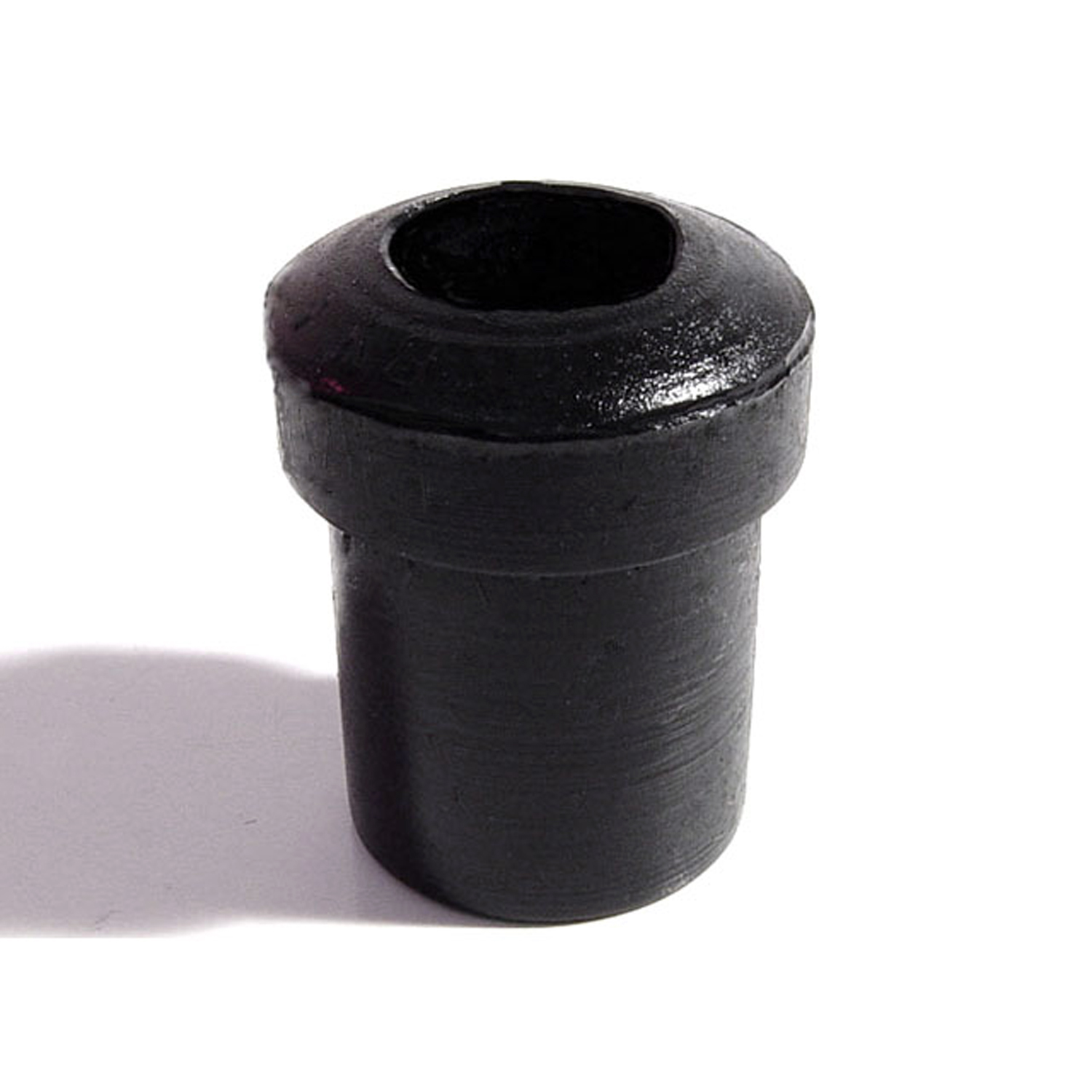 1951 Dodge Meadowbrook Spring and Shackle Bushing. 7/8" bottom O.D-BN 16Spring and Shackle Bushing. 7/8" bottom O.D. X 1-1/8" high, with 1/2" I.D. Each
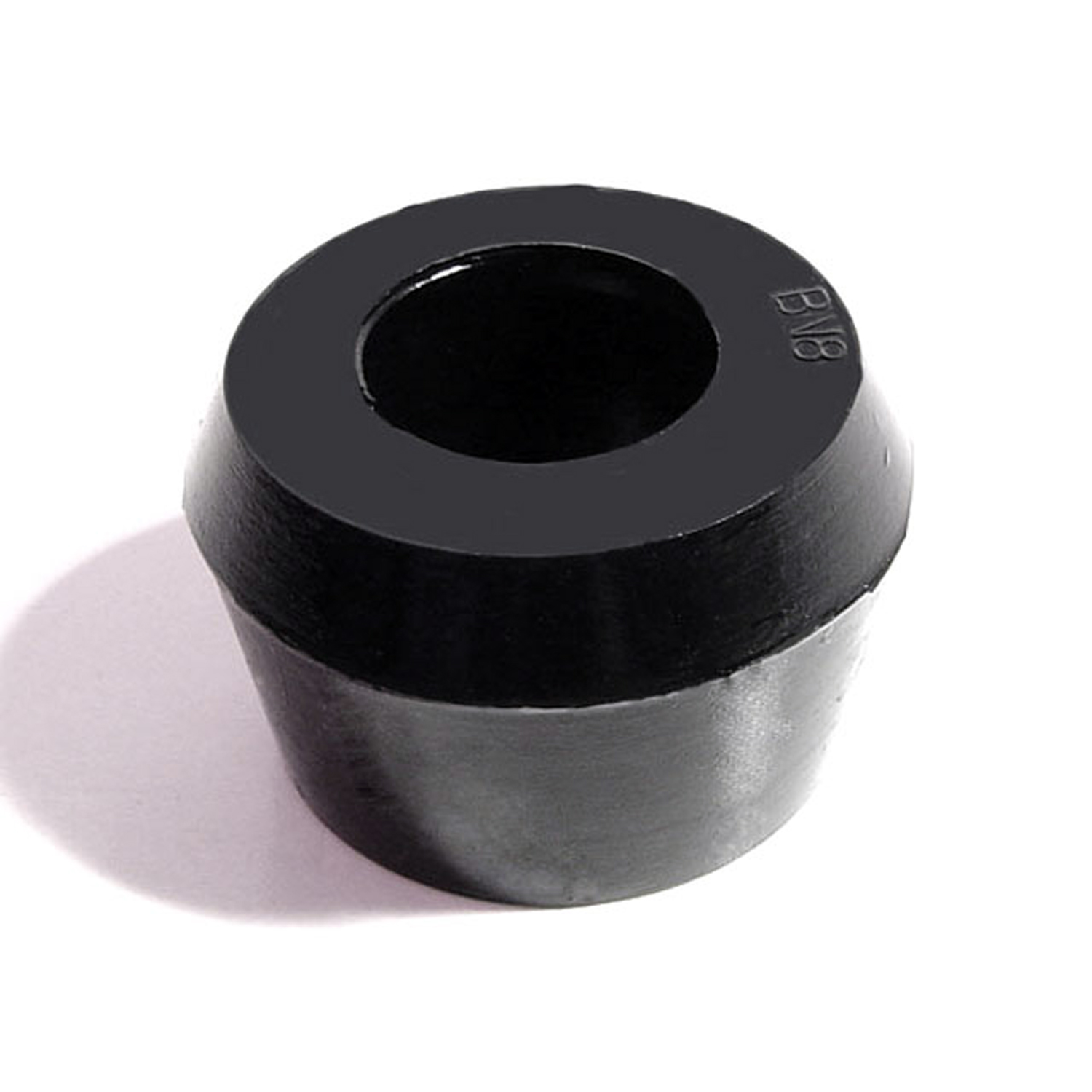 1951 Dodge Meadowbrook Shock Absorber Grommet. 1-1/4" bottom O.D-BN 8Shock Absorber Grommet. 1-1/4" bottom O.D., 1" high, with 3/4" I.D. Each
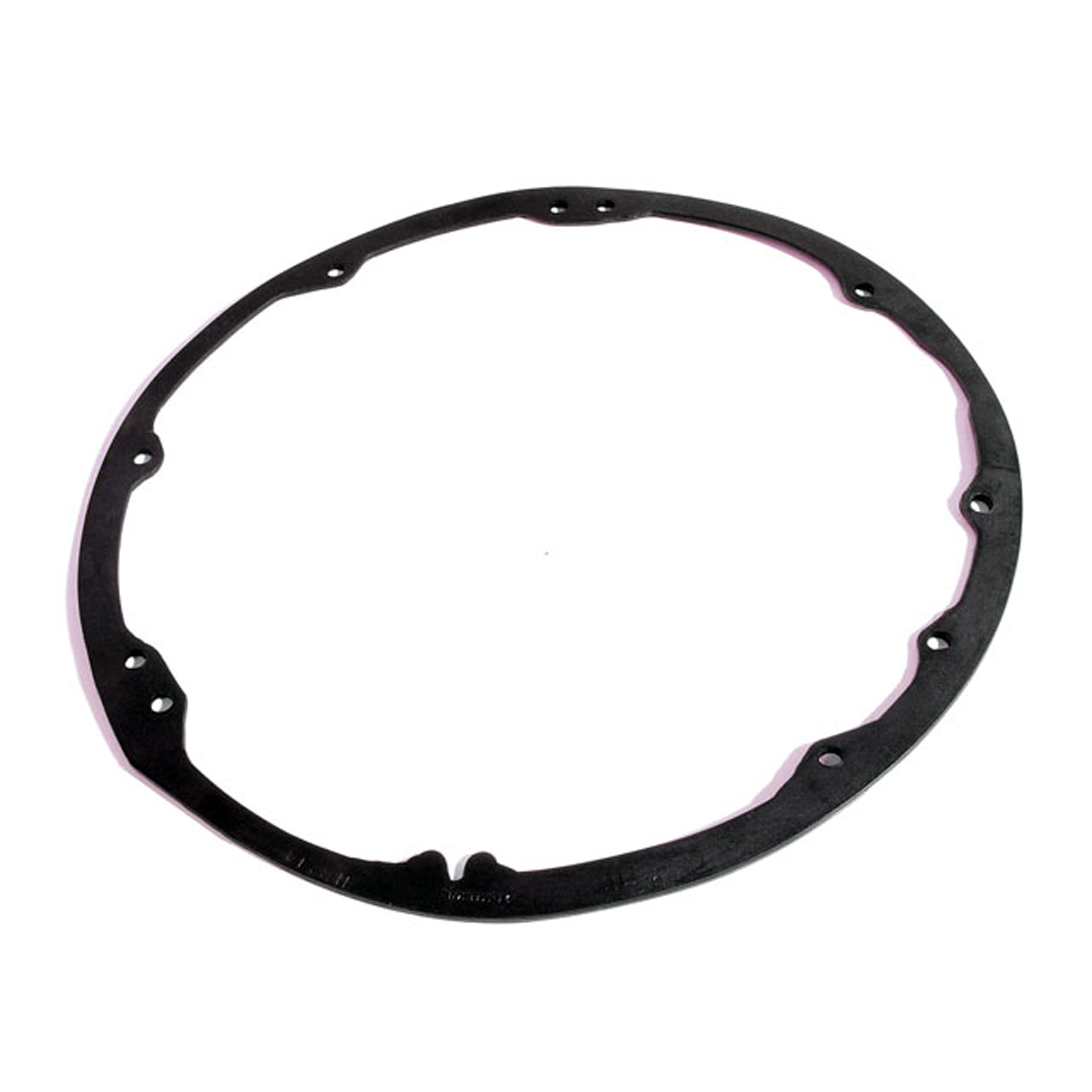 1951 Dodge Meadowbrook Headlight Ring Seal. 8-3/8" O.D., 7-3/4" I.D. Pair-HR 14Headlight Ring Seal. 8-3/8" O.D., 7-3/4" I.D. Pair
 1951 Dodge Meadowbrook Cowl Vent Seal. 3-1/2" wide X 17" long. Each-RP 100-PCowl Vent Seal. 3-1/2" wide X 17" long. Each
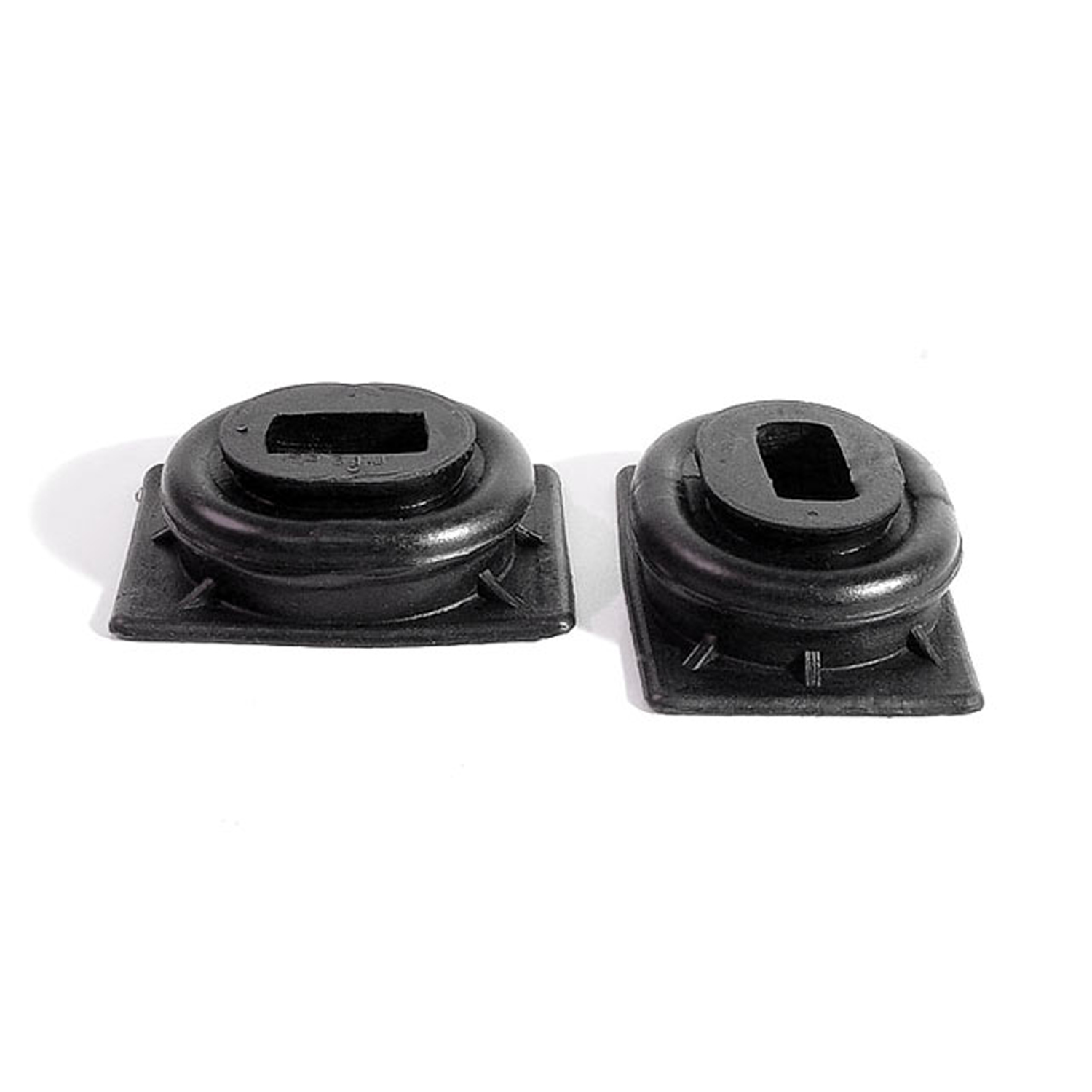 1951 Dodge Meadowbrook Clutch and Brake Seals. Replaces OEM #889473. Pair-RP 31-JClutch and Brake Seals. Replaces OEM #889473. Pair
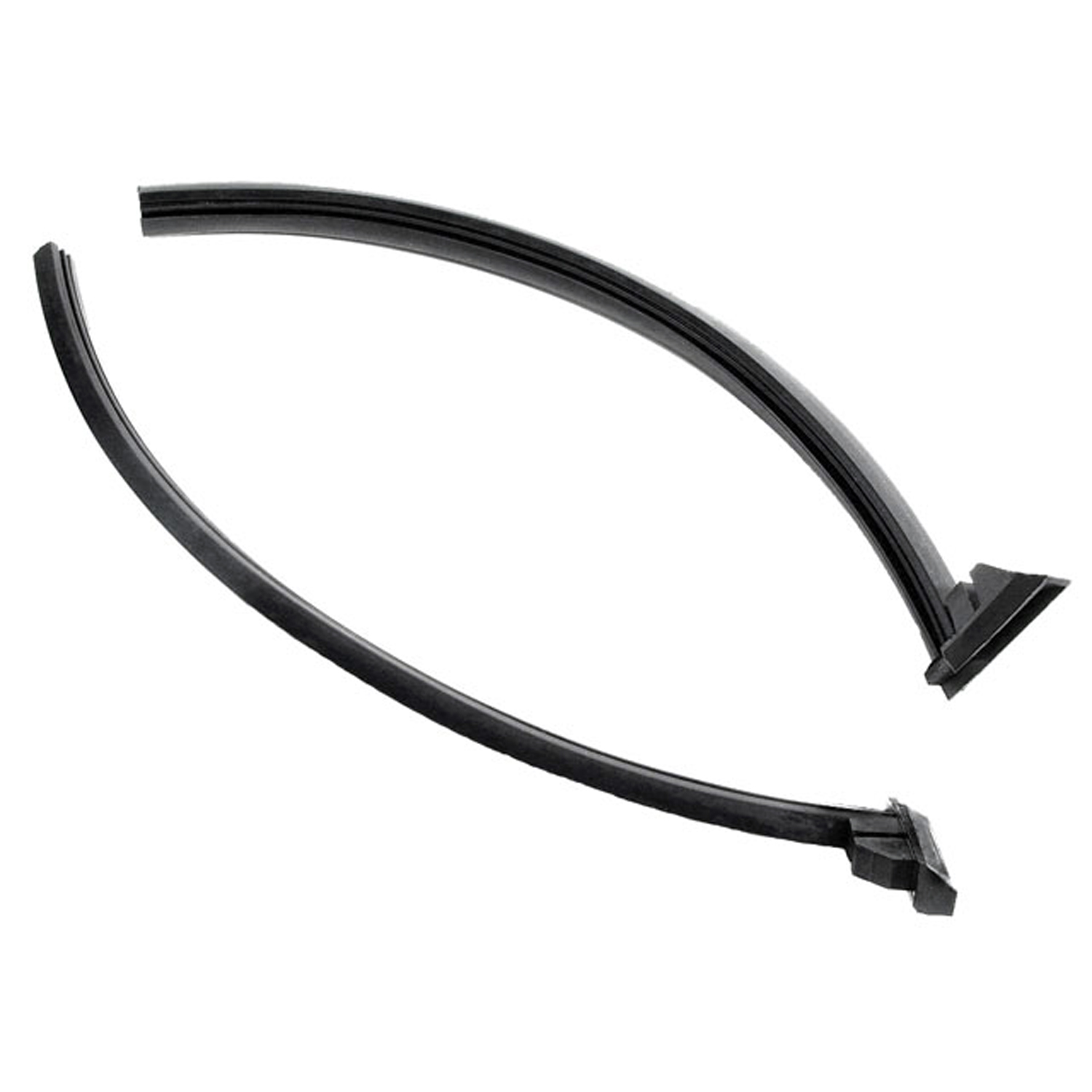 1951 Dodge Meadowbrook Rear Roll-Up Side Quarter Window Seals. Each piece 15" long-VS 3-BRear Roll-Up Side Quarter Window Seals. Each piece 15" long. Pair R&L
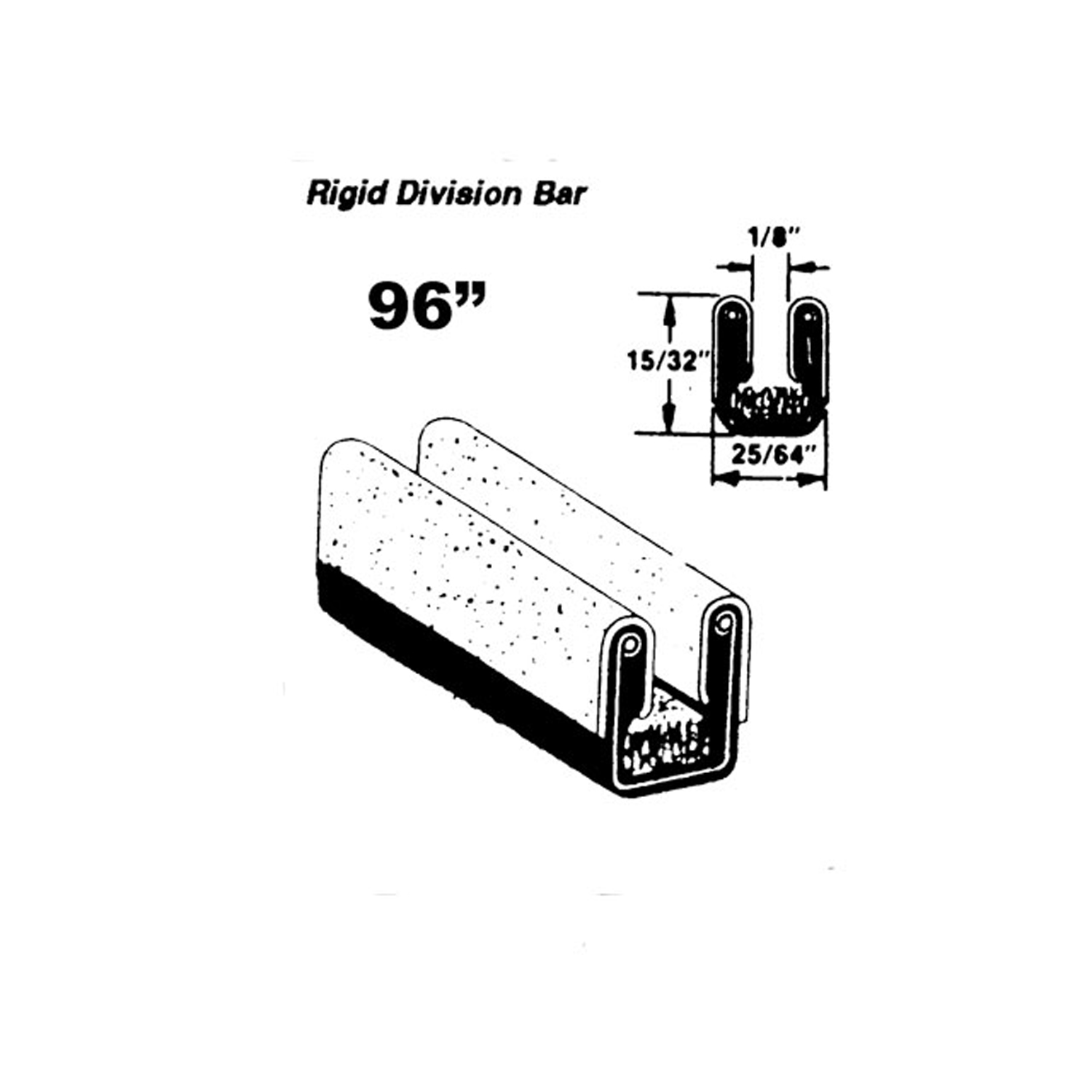 1951 Dodge Meadowbrook Rigid division-bar run channel-WC 31-96Rigid division-bar run channel. Made with very soft felt lining. Used on front and rear door side windows. 96 in. long. Each. NOTE: $20 special shipping charge applies for domestic orders. Call or email for overseas shipping costs. Part can be sectioned in two or three equal lengths to reduce overseas shipping costs.
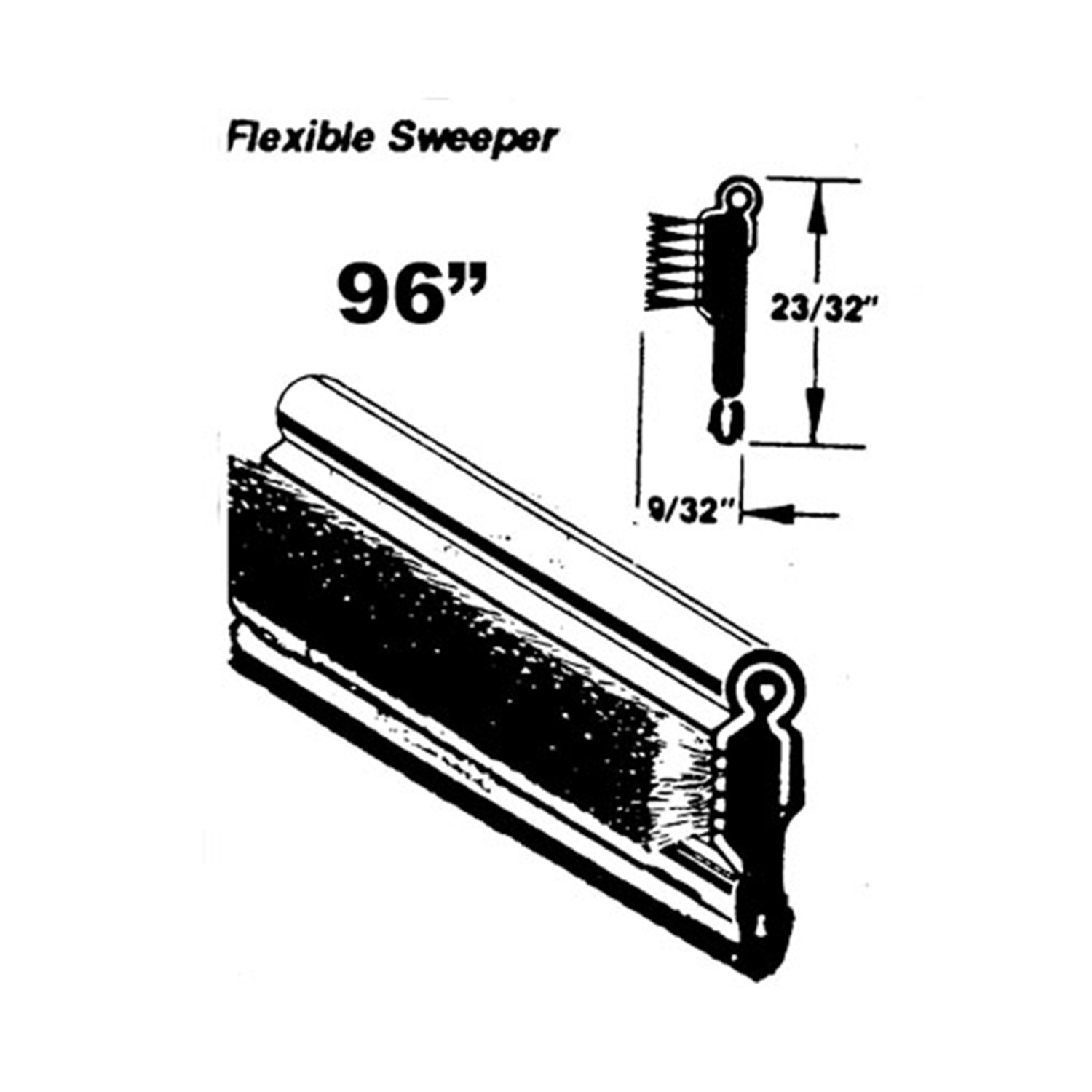 1951 Dodge Meadowbrook Flexible window sweeper. Made with stainless steel bead-WC 4-96Flexible window sweeper. Made with stainless steel bead. 96 in. long. Each. NOTE: $20 special shipping charge applies for domestic orders. Call or email for overseas shipping costs. Part can be sectioned in two or three equal lengths to reduce overseas shipping costs.
 1951 Dodge Meadowbrook Rear Vent Window Seals. Replaces OEM #1243378. Pair R&L-WR 2302-RRear Vent Window Seals. Replaces OEM #1243378. Pair R&L
 1951 Dodge Meadowbrook Front Vent Window Seals-WR 2704Front Vent Window Seals. For all convertibles and '50-'52 2-door hardtops. Pair R&L
Why Choose Metro?
For over 100 years, Metro Moulded Parts has been the pinnacle of quality in classic car restoration parts. Our commitment to precision and authenticity in every component ensures a perfect fit and an OEM-level appearance.
- Expert Craftsmanship & Quality: Each part is a testament to our dedication to reliability and perfection, crafted from original designs and thoroughly tested.
- Advanced Technology: We use cutting-edge techniques to create flawless, long-lasting parts that surpass others in performance.
- SuperSoft Sponge – The Ultimate Door Seal: Not only are our door seals 30% softer than competitors', but they're also guaranteed to never leak. They effectively reduce wind and road noise, enhancing your classic car's comfort and driving experience.
- Proudly American: Our parts are a product of American craftsmanship, made in the USA with a spirit of excellence and heritage.
- Unrivaled Warranty: We back our products with a 30-year industry-leading warranty, a testament to our confidence in their quality.
Join us in preserving the legacy of classic cars with parts that are crafted for perfection, not just made.