
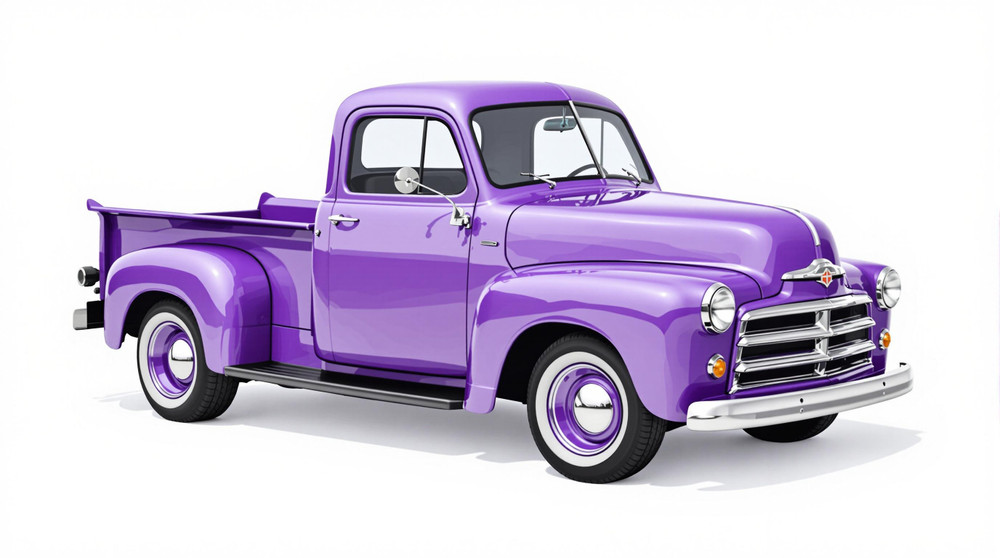
Image of 1954 Dodge C-1 Truck, Note: These illustrations use artistic license and may differ from actual historical models.
Performance Metrics
Fundamental Metrics
Emotional Appeal
MMP Rating
| Engine Specifications | |
|---|---|
| Engine: | Inline 6 |
| Displacement: | 3.8L (230 cubic inches) |
| Horsepower: | 100-110 hp |
| Torque: | 185-195 lb-ft |
| Compression Ratio: | 7.0:1 |
| Ignition System: | Distributor and coil |
| Cooling System: | Liquid-cooled |
| Performance Specifications | |
| 0-60 Time: | Estimated 20-25 seconds |
| 1/4 Mile Time: | Not available |
| Top Speed: | 70-75 mph |
| Transmission and Drive | |
| Drive Type: | Rear-wheel drive |
| Transmission Type: | 3-speed manual |
| Fuel and Efficiency | |
| Fuel System Type: | Carburetor |
| MPG: | Estimated 10-15 mpg |
| Dimensions and Brakes | |
| Brakes: | Drum brakes |
| Wheelbase: | 108 inches |
| Weight: | 3,200-3,500 lbs |
Note: Specifications for classic cars are given to the best of our ability, considering the limited and variant data available.
1954 Dodge C-1 Truck: A New Chapter for Dodge
The 1954 Dodge C-1 brought a fresh cab, cleaner lines, and the option of a Hemi V8 to a truck built for honest work. It was the first model year of Dodge’s C-series light-duty trucks, replacing the earlier Pilot-House-era pickups with a more modern-looking design. Built by the Dodge division of Chrysler, the C-1 sat in a fast-changing postwar market where trucks were expected to work hard but were increasingly being asked to serve as family transportation, too.
One detail that makes the C-1 especially interesting is its place at the start of a short-lived design generation. The cab introduced for 1954 remained part of the C-series through 1956, giving the C-1 a distinctive first-year status. Selected models could also be ordered with Dodge’s 241-cubic-inch Red Ram Hemi V8, an unusual performance-minded option in a work truck of the period.
Fresh Sheet Metal and a Practical Cab
The C-1’s styling traded the upright, rounded look of earlier Dodge pickups for a more integrated, contemporary shape. Its cab had a broad windshield, a gently curved roof, and a wide front end framed by rounded fenders. The hood and grille gave the truck a sturdy, purposeful face without the heavy ornamentation seen on some passenger cars. Viewed from the side, the rounded front fenders flowed into a simple, straight-sided cargo bed, making the truck look ready for a job rather than dressed up for one.
Inside, the C-1 was straightforward and durable. The dashboard and much of the cab structure were painted steel, while the bench seat was generally finished in practical upholstery suited to daily use. Rubber floor coverings and simple trim made muddy boots and routine cleanup less of a concern than they would be in a modern vehicle. Comfort was basic: the driver got a large steering wheel, clear-enough gauges, and controls designed to be used with work gloves, not a collection of luxury conveniences.
Factory paint choices varied with body style, equipment, and ordering details. Period Dodge trucks were offered in a range of solid colors, often with contrasting colors available for selected trim or commercial applications. Red, blue, green, cream, and dark utility shades are common sights on restored examples, but a particular truck’s original color is best confirmed through its build information or traces of factory paint. Today, traditional two-tone paint and bold work-truck colors are popular restoration choices.
Body Styles and Truck Configurations
The pickup is the C-1 most people picture, with an open cargo bed, separate front fenders, and a practical tailgate. Buyers could select different wheelbase and payload configurations, and bed length depended on the specific model. Dodge also offered the C-series in other commercial forms, including chassis-cab and platform or stake configurations. Body availability varied across the range, so not every style appeared in every weight class.
The half-ton pickup is arguably the most iconic version today. It has the familiar proportions collectors want, while remaining small enough to use on modern roads and in a home garage. Heavier-duty C-series trucks are less common in hobby circles, but they show the broader purpose of the range: the same basic design could support farm, delivery, construction, and municipal work.
Engines, Gearing, and Period Technology
Most C-1s were built around a durable inline six-cylinder engine. Displacement and output depended on the exact model and application, with Dodge’s L-head sixes providing steady low-speed pulling power rather than high-revving performance. Selected trucks could be equipped with the 241-cubic-inch Red Ram Hemi V8, rated at about 140 horsepower in period specifications. The V8 was a notable alternative for buyers who wanted more power, but six-cylinder trucks remained the practical choice for many working owners.
A manual transmission was the normal arrangement, typically a three-speed unit, with gearing selected for the truck’s intended load and use. The C-1 was not packed with modern driver aids: power steering, power brakes, air conditioning, and electronic systems were not part of its everyday character. Its technology was in the fundamentals, including a modernized cab, conventional body-on-frame construction, and a range of engines and chassis configurations to suit different jobs.
Why the C-1 Mattered
The 1954 Dodge C-1 was part of the shift toward pickups that could do more than haul materials from one job site to another. Its updated cab and more polished exterior reflected changing expectations for truck comfort and appearance. Buyers still valued payload, durability, and ease of service, but a truck was increasingly expected to be usable for everyday transportation as well.
The available Hemi V8 also helped distinguish Dodge from the idea that a pickup had to be a slow, purely utilitarian machine. The C-1 was not a sports truck, and the Hemi option was not common enough to define the entire range, but it demonstrated that advanced passenger-car engine thinking was finding its way into commercial vehicles. Its combination of work-ready construction and more contemporary styling helped set the tone for the Dodge C-series that followed.
Performance and Driving Feel
There is no single reliable acceleration or top-speed figure for every 1954 C-1. Engine choice, axle ratio, tire size, body style, and load all affect performance, and period factory specifications are not the same as a modern instrumented road test. As a general estimate, a six-cylinder half-ton in sound condition might reach roughly 55 to 65 mph, with 0-to-60-mph acceleration taking around 25 to 35 seconds. A lighter truck with the optional V8 could be quicker, while a heavily geared or loaded work truck could be slower. These figures should be treated as practical estimates, not guaranteed test results.
On the road, the C-1 feels unmistakably like a mid-century truck. The steering is relatively heavy by modern standards, especially at parking speeds, and the manual gearbox rewards deliberate shifts. The six-cylinder engine makes a steady, mechanical rumble, while the optional V8 adds a deeper note and stronger acceleration. The ride can be firm when the truck is unloaded, since its suspension was designed to carry cargo. On rough pavement, the solid-axle setup and period tires transmit bumps more directly than a modern pickup’s suspension.
On winding roads, the C-1 is best driven with anticipation rather than urgency. Its tall stance, vintage tires, and slower steering response call for modest cornering speeds. In crosswinds, a light or empty pickup can feel more affected than a modern truck, particularly at highway speed. The reward is an involving, unfiltered driving experience: the driver hears the engine, feels the road, and operates the truck directly instead of relying on electronic assistance.
Living With a 1954 Dodge C-1
Most surviving C-1s are now hobby vehicles, used for weekend drives, local shows, parades, and light hauling. A well-sorted example can be driven regularly, but it is not an effortless modern daily driver. Braking distances, steering effort, crash protection, lighting, and highway comfort all reflect the standards of the 1950s. Owners who use one frequently often keep trips moderate and avoid treating it like a contemporary commuter pickup.
Mechanical repairs are generally approachable for an owner with basic tools and experience. The engines are conventional, many components can be serviced without specialized electronics, and the body-on-frame layout offers good access to major systems. The larger challenge is often finding correct parts, especially for body trim, cab details, glass, and model-specific pieces. Rust around the cab, floor, fenders, and bed should be examined carefully. Before regular road use, inspect the brakes, tires, steering linkage, fuel system, wiring, and cooling system rather than assuming that an old truck is safe simply because it starts.
Notable Details and Common Criticisms
The C-1’s strongest historical talking point is its optional Hemi V8. Dodge’s Red Ram name connected the truck to the company’s growing Hemi identity, making a C-1 V8 an appealing find for collectors. The first-year 1954 designation is another point of interest, since the cab design marked the beginning of the C-series generation.
There is no widely recognized production record or major speed achievement associated with the C-1, and exact production totals for individual body and engine combinations are difficult to pin down. Nor is there a reliable, well-documented celebrity-ownership story that defines the model. Its historical importance is more grounded: these trucks earned their reputations through ordinary work on farms, businesses, and local roads.
Common criticisms are straightforward. The ride is stiff when unloaded, the cabin is noisy by current standards, and the brakes and steering require more effort than modern drivers expect. The six-cylinder versions are not quick, and rust or hard commercial use can make restoration expensive. Those drawbacks are part of the truck’s working character, but they should be considered before buying one as a frequent-use vehicle.
Collector Value, Rarity, and Market Outlook
There is no dependable, widely published production count for every 1954 C-1 configuration. As a broad estimate rather than a factory-record figure, total C-1 pickup production may have been in the tens of thousands, perhaps roughly 20,000 to 40,000 trucks. That estimate does not mean that many survive today. Original, unmodified examples are much harder to find, and particular engine, cab, and body combinations can be considerably scarcer than the basic pickup.
In the current U.S. collector market, a project truck may sell for roughly $5,000 to $12,000, depending on completeness and rust. A usable driver commonly falls around $15,000 to $30,000. Nicely restored examples can bring approximately $35,000 to $60,000, while exceptional restorations, rare configurations, or trucks with a documented Hemi V8 may exceed that range. Condition, originality, restoration quality, and local demand have a much greater effect on price than the model year alone.
Values have generally benefited from interest in postwar pickups and usable classic trucks, but the market is selective. A clean, correctly restored C-1 is more likely to hold or gain value than a poorly executed project, and restoration costs can quickly exceed the value of an average finished truck. In other words, buy the example you genuinely want to own, and treat future appreciation as a bonus rather than a guarantee.
The Last Word on the 1954 Dodge C-1
The 1954 Dodge C-1 combines a distinctive first-year cab design, sturdy work-truck construction, simple mechanicals, and the intriguing possibility of a Hemi V8. It is slower, louder, and less comfortable than a modern pickup, but that is also what makes it so engaging. For collectors, it represents an important step in Dodge truck design; for drivers, it offers the pleasure of a classic machine that still looks ready to get the job done.
1954 Dodge C-1 Truck Catalog of Parts
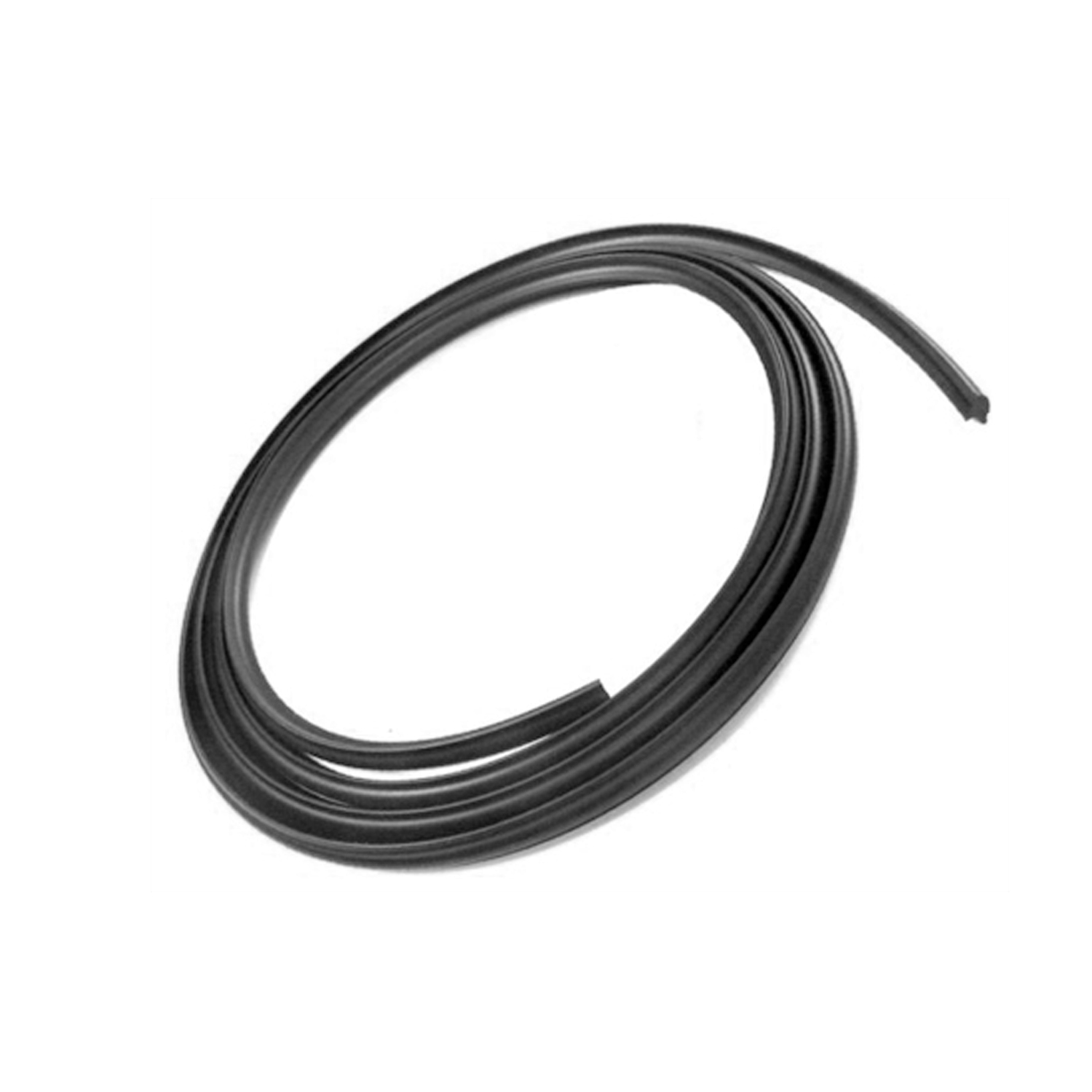 1954 Dodge C-1 Truck Lockstrip Seal, 54-93 Mopar Full Size Truck, Van & SUV, Chromed Plastic Type-LS 2-VLockstrip Seal, 54-93 Mopar Full Size Truck, Van & SUV, Chromed Plastic Type, Each. Works with Metro p/n VWS 2706.
Why Choose Metro?
For over 100 years, Metro Moulded Parts has been the pinnacle of quality in classic car restoration parts. Our commitment to precision and authenticity in every component ensures a perfect fit and an OEM-level appearance.
- Expert Craftsmanship & Quality: Each part is a testament to our dedication to reliability and perfection, crafted from original designs and thoroughly tested.
- Advanced Technology: We use cutting-edge techniques to create flawless, long-lasting parts that surpass others in performance.
- SuperSoft Sponge – The Ultimate Door Seal: Not only are our door seals 30% softer than competitors', but they're also guaranteed to never leak. They effectively reduce wind and road noise, enhancing your classic car's comfort and driving experience.
- Proudly American: Our parts are a product of American craftsmanship, made in the USA with a spirit of excellence and heritage.
- Unrivaled Warranty: We back our products with a 30-year industry-leading warranty, a testament to our confidence in their quality.
Join us in preserving the legacy of classic cars with parts that are crafted for perfection, not just made.