
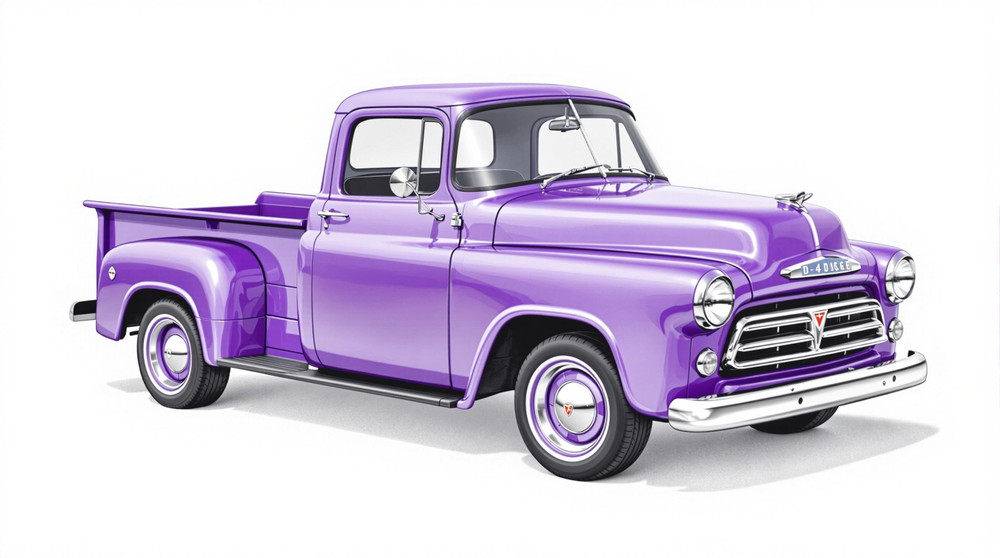
Image of 1956 Dodge C-4, Note: These illustrations use artistic license and may differ from actual historical models.
Performance Metrics
Fundamental Metrics
Emotional Appeal
MMP Rating
| Engine Specifications | |
|---|---|
| Engine: | 230 cubic inch flathead six, 315 cubic inch Red Ram V8 |
| Displacement: | 230-315 cubic inches |
| Horsepower: | 120-218 hp |
| Torque: | 210-330 lb-ft |
| Compression Ratio: | 7.0:1 - 8.4:1 |
| Ignition System: | Distributor and coil |
| Cooling System: | Liquid-cooled |
| Performance Specifications | |
| 0-60 Time: | Estimated 10-12 seconds |
| 1/4 Mile Time: | Estimated 17-19 seconds |
| Top Speed: | 90-100 mph |
| Transmission and Drive | |
| Drive Type: | Rear-wheel drive |
| Transmission Type: | 3-speed manual, 2-speed PowerFlite automatic |
| Fuel and Efficiency | |
| Fuel System Type: | Carburetor |
| MPG: | Estimated 10-15 mpg |
| Dimensions and Brakes | |
| Brakes: | Drum brakes |
| Wheelbase: | 120 inches |
| Weight: | 3,200-3,600 lbs |
Note: Specifications for classic cars are given to the best of our ability, considering the limited and variant data available.
1956 Dodge C-4: A Job-Rated Pickup with V8 Ambition
The 1956 Dodge C-4 has the stance of a hardworking farm truck and the face of a machine ready for its close-up. Built by the Dodge division of Chrysler, it belongs to the C-series pickup generation introduced in 1954, when Dodge brought more modern styling and comfort to its “Job-Rated” truck range. The C-4 designation identifies the 1956 model-year series. It does not mean the truck had a four-wheel-drive system or a four-cylinder engine.
The C-4 arrived during a lively period in American truck history. Pickups were moving beyond strictly utilitarian roles, finding work on farms and construction sites while also becoming increasingly popular as personal vehicles. Dodge answered with a truck that combined practical chassis engineering with a bolder, more car-like appearance. One useful bit of context for collectors: 1956 was the final model year of this C-series generation before Dodge moved to a new truck design for 1957.
Bold Grille, Practical Cab
The C-4 wears its mid-1950s character proudly. Its broad hood, upright cab, rounded front fenders, and prominent grille give it a substantial, almost locomotive-like look. Bright trim and carefully shaped hood details add a little flash without disguising the truck’s working purpose. The cab’s curved windshield and large side glass help make the cabin feel lighter and more open than earlier, more upright truck designs.
Inside, the C-4 is straightforward and durable. Expect painted metal surfaces, a broad bench seat, simple door panels, and clear, functional gauges rather than the plush materials found in a passenger car. Upholstery and trim varied with the original order and have often been replaced over the decades, so surviving interior details can differ considerably. The overall impression is honest and workmanlike: the driver gets the essentials, arranged to be easy to see and use.
Dodge offered factory paint choices that varied by model and order. Solid colors were common, while contrasting two-tone combinations gave some trucks extra visual punch. Red with a light-colored roof or body section, and blue or green paired with white, are especially appealing combinations seen on restored examples. Exact colors should be checked against the truck’s data and period paint references, since a fresh restoration may not match its original specification.
Body Styles and C-4 Options
The C-4 series covered more than one kind of work truck. Buyers could find pickup configurations with different wheelbases and bed lengths, as well as chassis-cab and other commercial versions across the broader Dodge truck range. The conventional pickup is the best-known and most recognizable C-4 today, particularly in a clean, short-bed configuration. Equipment and body availability depended on the specific model and intended job.
Powertrain choices could include Dodge’s 230-cubic-inch flathead inline-six or a 315-cubic-inch V8, depending on configuration. The six-cylinder was the practical, familiar workhorse; the V8 gave buyers a more energetic alternative. A manual transmission was typical, while additional transmission and equipment choices could depend on the truck’s specification. For a particular example, its serial number, engine markings, and original sales or build paperwork are more reliable than assuming every C-4 shared the same equipment.
Why the 1956 Dodge Truck Matters
The C-4 is a snapshot of a turning point in pickup design. Its styling brought a degree of polish to a vehicle still expected to haul, tow, and survive rough use. That balance became increasingly important as more owners began using trucks for personal transportation as well as work. The C-4’s broad glass, distinctive front-end design, and optional V8 power helped make a pickup feel less like a bare commercial appliance.
It also carries the appeal of the last year of its generation. Collectors often enjoy final-year models because they represent a design at its most developed, just before a major styling change. The 1956 Dodge is not as universally recognized as some competing pickups, which can make it a refreshing choice at a show or cruise night. Its identity is unmistakable to enthusiasts, but it still tends to draw questions from people more familiar with the era’s best-known Ford and Chevrolet trucks.
Performance and Road Manners
Period truck performance figures are not as consistent or widely documented as passenger-car specifications, and a 70-year-old example may have different gearing, tires, engine condition, or modifications. As a practical guide, a healthy six-cylinder C-4 might reach roughly 60 to 70 mph, while a V8 truck in good tune could manage around 65 to 75 mph. Approximate 0-to-60-mph times might fall in the 20-to-25-second range for a six and the high teens to low 20s for a V8. Treat those as broad estimates, not factory guarantees. These are vintage work trucks, not modern performance pickups.
On the road, the C-4 feels substantial and direct. Its suspension is built to carry a load, so an empty truck can feel firm and busy over sharp bumps. Add cargo and the ride generally settles down. The steering requires more effort and attention than modern power-assisted systems, especially at low speeds, and the truck’s size and age reward smooth inputs on winding roads. In crosswinds, tall sides and older steering geometry make a measured pace sensible.
The engine supplies much of the driving experience. The flathead six has a steady, unhurried thrum, while the V8 adds a deeper note and more eager response. Expect mechanical sounds, a visible dance of the hood over rough pavement, and a bench seat that puts the driver close to the action. Driving a C-4 is less about speed than about feeling the machinery work beneath you.
Living with a C-4 Dodge
Today, C-4 pickups are most often used as weekend drivers, show trucks, parade vehicles, or carefully maintained farm and property vehicles. A stock example can be enjoyable on local roads, but busy highways demand realistic expectations. Modern traffic moves quickly, and the truck lacks contemporary braking, crash protection, and steering assistance.
Mechanical repairs are approachable for an owner with basic tools and patience. The engine bay is relatively accessible, and the truck’s mechanical systems are generally less electronically complicated than those of a modern vehicle. The main challenges are finding correct parts, dealing with decades of previous repairs, and locating rust in the cab, floor, bed, and frame. Before buying, inspect the frame and suspension mounts, check for coolant or oil leaks, and verify that the brakes stop the truck straight and consistently. A well-maintained stock truck is usually a more rewarding starting point than a poorly documented restoration.
Trivia, Reputation, and Common Criticisms
The C-4’s model-year code is easy to misread. It marks the 1956 series rather than a four-wheel-drive package. Dodge’s four-wheel-drive Power Wagon is a separate and much older truck line, so a C-4 pickup should not automatically be described as a 4x4. Another point of interest is its end-of-generation status: 1956 closes out this C-series design before Dodge’s next major truck redesign.
There is no widely recognized C-4 speed or endurance record, and model-specific production totals are not consistently published in the way collectors might hope. The truck’s reputation rests more on its sturdy, work-focused construction and distinctive styling than on a headline-grabbing competition history. Common criticisms are practical ones: parts can be less plentiful than for more popular rivals, the ride is firm when unloaded, and its brakes and road manners feel dated beside a modern pickup. Those drawbacks are part of the ownership calculation, not surprises to discover after purchase.
1956 Dodge C-4 Values and Collectibility
Values depend heavily on body style, originality, rust, engine, and restoration quality. As a broad 2026 market estimate in the United States, a project truck might sell for about $5,000 to $12,000. A usable driver or older restoration could bring roughly $15,000 to $30,000, while a high-quality restoration may reach $35,000 to $60,000 or more. Exceptional, unusually original, or particularly well-equipped examples can exceed that range, but condition and documentation matter more than optimistic asking prices.
Exact production figures for the C-4 pickup alone are difficult to pin down. A reasonable working estimate is somewhere in the thousands to low tens of thousands of pickups, perhaps around 10,000 to 20,000, but that should be treated as an informed estimate rather than a verified factory total. Surviving trucks are less common than the most popular American pickups of the era, and the best original examples are increasingly hard to find.
Prices have generally benefited from growing interest in vintage pickups, especially for clean, usable examples. The C-4 is not usually a fast-flipping investment, and its market is smaller than that of the most famous rivals. Still, good trucks have held attention as collectors look for distinctive alternatives. Originality, sound metal, and correct details tend to support value better than expensive modifications with limited buyer appeal.
Why the C-4 Still Turns Heads
The 1956 Dodge C-4 combines mid-century styling, practical engineering, and the character of a truck built for real work. Its rounded cab and bold front end make it visually distinctive, while its final-year status gives it a special place in Dodge’s C-series story. It is not the quickest or softest-riding classic pickup, but that is hardly the point. A well-kept C-4 delivers something more lasting: the satisfying feeling of driving a handsome old truck that earned its reputation one job at a time.
1956 Dodge C-4 Catalog of Parts
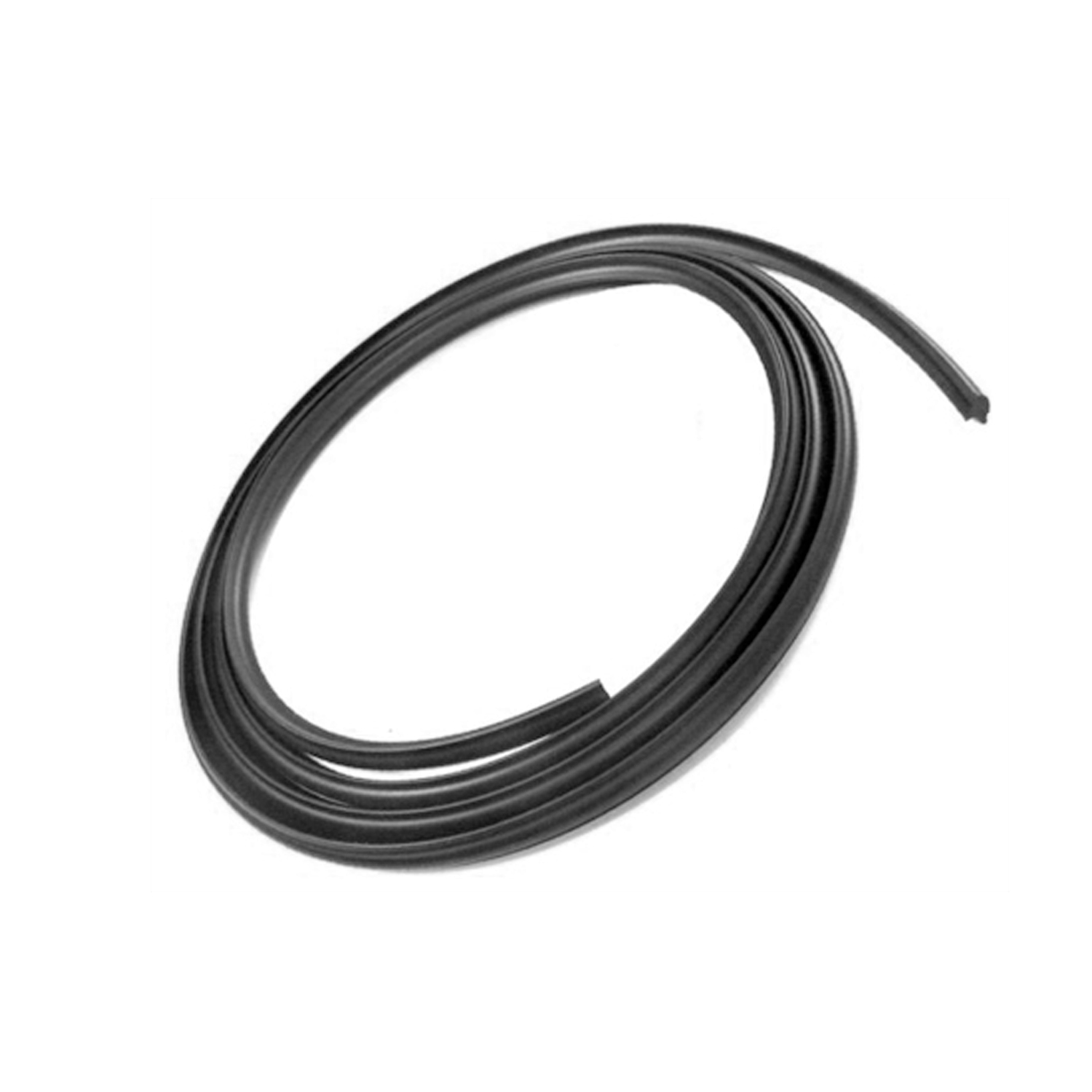 1956 Dodge C-4 Lockstrip Seal, 54-93 Mopar Full Size Truck, Van & SUV, Chromed Plastic Type-LS 2-VLockstrip Seal, 54-93 Mopar Full Size Truck, Van & SUV, Chromed Plastic Type, Each. Works with Metro p/n VWS 2706.
Why Choose Metro?
For over 100 years, Metro Moulded Parts has been the pinnacle of quality in classic car restoration parts. Our commitment to precision and authenticity in every component ensures a perfect fit and an OEM-level appearance.
- Expert Craftsmanship & Quality: Each part is a testament to our dedication to reliability and perfection, crafted from original designs and thoroughly tested.
- Advanced Technology: We use cutting-edge techniques to create flawless, long-lasting parts that surpass others in performance.
- SuperSoft Sponge – The Ultimate Door Seal: Not only are our door seals 30% softer than competitors', but they're also guaranteed to never leak. They effectively reduce wind and road noise, enhancing your classic car's comfort and driving experience.
- Proudly American: Our parts are a product of American craftsmanship, made in the USA with a spirit of excellence and heritage.
- Unrivaled Warranty: We back our products with a 30-year industry-leading warranty, a testament to our confidence in their quality.
Join us in preserving the legacy of classic cars with parts that are crafted for perfection, not just made.