

Image of 1956 Dodge Custom, Note: These illustrations use artistic license and may differ from actual historical models.
Performance Metrics
Fundamental Metrics
Emotional Appeal
MMP Rating
| Engine Specifications | |
|---|---|
| Engine: | 230 cubic inch flathead six, 270 cubic inch Red Ram V8, 315 cubic inch Super Red Ram V8 |
| Displacement: | 230-315 cubic inches |
| Horsepower: | 120-260 hp (approximately) |
| Torque: | 212-350 lb-ft (approximately) |
| Compression Ratio: | 7.6:1 - 8.5:1 (approximately) |
| Ignition System: | Conventional points ignition |
| Cooling System: | Liquid-cooled |
| Performance Specifications | |
| 0-60 Time: | 10-12 seconds (estimated) |
| 1/4 Mile Time: | 17-19 seconds (estimated) |
| Top Speed: | 100-120 mph (estimated) |
| Transmission and Drive | |
| Drive Type: | Rear-wheel drive |
| Transmission Type: | 2-speed automatic, 3-speed manual |
| Fuel and Efficiency | |
| Fuel System Type: | Carburetor |
| MPG: | 10-15 mpg (estimated) |
| Dimensions and Brakes | |
| Brakes: | Drum brakes |
| Wheelbase: | 120 inches |
| Weight: | 3,200-3,600 lbs (approximately) |
Note: Specifications for classic cars are given to the best of our ability, considering the limited and variant data available.
1956 Dodge Custom: The Forward Look Arrives
The 1956 Dodge looked as if it were already moving while parked. With rising tailfins, a low, sweeping profile, and bright trim that caught the light, it marked a bold step into the space-age styling era. Built by the Dodge Division of Chrysler Corporation, the car belonged to a lineup that included the Coronet, Royal, and top-trim Custom Royal.
“1956 Dodge Custom” is often used as a general description, but Custom Royal was the official name of Dodge’s premium series. That distinction matters when comparing specifications, production figures, and collector prices. The Custom Royal paired the year’s dramatic styling with upscale trim, while Dodge’s new D-500 performance package gave buyers a genuinely potent alternative to a conventional family sedan.
The 1956 model year was a turning point for the brand. Chrysler design chief Virgil Exner’s “Forward Look” was reaching its stride, and the new Dodge appeared lower, longer, and more flamboyant than the cars it replaced. One especially memorable feature was the optional D-500 package, which brought a high-performance Hemi V8 and competition-minded hardware to a full-size Dodge.
Forward Look Styling and Cabin
The 1956 Dodge’s most obvious signature was its tailfin. The rear fenders swept upward into pointed, blade-like fins, visually extending the car’s length and giving it a distinctly modern silhouette. At the front, a broad grille, sculpted hood, and substantial chrome bumper established a confident face. Two-door hardtops, marketed as Lancers, had a particularly clean roofline, with no fixed center pillar interrupting the side windows when the glass was lowered.
Inside, the Custom Royal offered a more decorated and comfortable environment than lower Dodge trims. Upholstery combined patterned cloth and vinyl in coordinated colors, with bright metal accents, padded surfaces, and a wide dashboard designed to feel substantial. The steering wheel and instrument panel reflected mid-1950s tastes: plenty of chrome-like trim, clear gauges, and a broad horizontal layout. Materials and condition vary considerably today, so an original, well-preserved interior is a major part of a car’s appeal.
Dodge offered a wide range of factory colors, including solid hues and striking two-tone combinations. Some cars wore contrasting roof and body colors, while select combinations used additional accent colors. Popular choices included light-and-dark pairings that highlighted the fins and body contours. Paint names and precise combinations differed by trim and body style, so a factory data plate or build record is the best way to verify an individual car’s original colors.
The lineup covered several body styles, including sedans, Lancer hardtops, convertibles, and station wagons, with availability varying by series. The two-door Lancer hardtop is often the most visually iconic today: its pillarless roof and sweeping side profile make the Forward Look design easy to appreciate. Custom Royal buyers seeking open-air motoring could choose a convertible, now among the most sought-after versions.
Technology That Made an Impression
One of the 1956 Dodge’s most recognizable features was its push-button automatic transmission. Instead of a conventional floor lever, drivers selected gears using buttons mounted on the dashboard. The system operated Chrysler’s two-speed PowerFlite automatic and gave the cabin a futuristic touch, although drivers accustomed to a modern column or console shifter may need a little practice to get comfortable with it.
Power came from Dodge’s Red Ram V8 family, with engine choices and output varying by trim and equipment. The standout was the D-500: a factory performance package featuring a 315-cubic-inch Hemi V8, four-barrel carburetion, and performance-oriented chassis components. It turned a large, well-appointed Dodge into a serious high-performance car by mid-1950s standards. A three-speed manual transmission was also available, while PowerFlite was a popular choice.
Why the 1956 Dodge Mattered
The 1956 Dodge helped bring the Forward Look from a design concept into the American mainstream. Its fins were not merely decorative add-ons. They formed part of a larger styling strategy that made the car look lower and longer, expressing the postwar public’s excitement about jets, rockets, and the future. The design also helped distinguish Dodge from more conservative rivals in a market where visual impact mattered enormously.
Its other important contribution was the way it combined family-car practicality with accessible performance. The D-500 package offered a Hemi-powered Dodge that could be driven on ordinary roads, rather than being limited to a stripped-down racing special. That approach helped establish a template for later American performance cars: strong V8 power, upgraded suspension, and a comfortable cabin in one package.
The 1956 Dodge was not the only car with fins or a powerful V8, but it brought both ideas together with unusual confidence. Its lasting influence is clearest in the way collectors and designers still recognize the Forward Look as one of Chrysler’s defining styling eras.
V8 Performance and Road Manners
Performance depends heavily on the engine, transmission, axle ratio, body style, and condition of the car. A standard V8 Dodge is a brisk cruiser by 1950s standards, while a properly tuned D-500 can feel surprisingly forceful. Period road-test results and modern estimates vary, but a healthy D-500-equipped car may reach 0 to 60 mph in roughly 9 to 11 seconds, with top speed in the neighborhood of 110 mph. Less powerful versions are generally slower, and figures for surviving cars can differ substantially from new-car performance.
The car’s suspension was designed for comfortable American-road travel rather than sharp cornering. On smooth highways, the Dodge feels broad, relaxed, and stable. It absorbs ordinary road imperfections well, though worn shocks, tired springs, old tires, or loose steering components can make a surviving example feel floaty. On winding roads, the car’s size and weight are obvious: it rewards smooth inputs, not abrupt changes of direction.
From behind the wheel, a V8 Custom Royal delivers a familiar mid-century soundtrack: a deep idle, a rounded exhaust note, and a stronger growl as the engine works through the gears. The automatic transmission encourages unhurried cruising, while the push-button controls add a memorable point of interaction. The steering is less precise than that of a modern car, and braking distances require respect, especially if the car retains original-style drum brakes. In good mechanical condition, however, it makes an engaging and comfortable classic for scenic drives.
Living With a 1956 Dodge
Most surviving examples are used as weekend cruisers, show cars, or occasional tour cars rather than daily transportation. A well-sorted Dodge can handle local trips and highway outings, but it lacks modern safety equipment, fuel efficiency, and climate-control performance. Owners should also account for its full-size dimensions when parking or driving in tight urban spaces.
Basic maintenance is straightforward for an experienced hobbyist. The V8 is mechanically conventional, and routine work such as ignition service, fluid changes, and brake inspection is manageable with period-correct manuals and tools. The bigger challenge is often sourcing trim, interior pieces, glass, and model-specific body parts. Mechanical components may be shared with other Chrysler products of the era, but rare exterior details can take time and money to find.
Reliability depends more on the car’s restoration quality and maintenance history than on its age alone. Before buying, inspect the frame and body for rust, check the cooling and charging systems, and test the transmission carefully. Old wiring, deteriorated hoses, leaking seals, and neglected brakes are common restoration concerns. A thorough pre-purchase inspection is especially important for a D-500, where original performance parts can be costly to replace.
1956 Dodge Facts and Common Criticisms
The D-500 badge is one of the most interesting details in the 1956 Dodge story. It identified a factory performance package with a Hemi V8, linking a comfortable production car to Dodge’s competition ambitions. The push-button PowerFlite is another conversation starter: it looks unusual today, but it was a practical example of the era’s appetite for futuristic controls.
There is no single dependable production figure for every Custom Royal body and equipment combination in common reference sources. Dodge built approximately 286,000 cars across its full 1956 lineup, but that total includes multiple series and body styles. Custom Royal totals were only a portion of that number, and D-500 production was smaller still. Treat exact figures for a specific configuration cautiously unless they are supported by factory documentation.
Common criticisms are familiar to anyone who drives a 1950s American car. The Dodge is large, heavy, thirsty, and less nimble than a modern vehicle. Drum brakes and vintage tires demand greater following distances, while the steering and suspension can feel loose if worn. The spectacular fins also make the rear bodywork vulnerable in tight parking spaces. These drawbacks are part of the ownership equation, not surprises to discover after purchase.
Collector Values and Availability
Values vary widely with body style, originality, rust, restoration quality, and mechanical specification. As a broad 2026 market estimate, a project or rough driver might sell for about $8,000 to $20,000. A solid, presentable driver or older restoration may fall around $20,000 to $40,000, while a high-quality restored Custom Royal can bring roughly $40,000 to $75,000. Convertibles, especially well-restored examples, can exceed those figures, and documented D-500 cars may command a significant premium. Exceptional examples can sell for more than $100,000, though such prices are not typical.
These are general ranges, not a formal appraisal. Regional demand and the quality of the work matter greatly. A shiny repaint cannot compensate for hidden rust, poor-quality repairs, or missing trim. Originality, documentation, and a correctly identified engine can make a major difference, particularly for a car advertised as a D-500.
The 1956 Dodge is available on the collector market, but the most desirable combinations are less common than ordinary sedans. A buyer may find a project or driver with patience, while a top-condition convertible or verified D-500 requires a more focused search. Overall, values have generally been firm to modestly rising for exceptional cars, with the best examples attracting stronger interest. In inflation-adjusted terms, not every car has appreciated, and restoration costs can easily exceed the eventual sale price.
A Finned Dodge With Lasting Presence
The 1956 Dodge brings together the defining elements of its era: dramatic Forward Look styling, comfortable full-size proportions, V8 power, and inventive details such as push-button shifting. The Custom Royal added premium trim, while the D-500 showed that this was more than a stylish cruiser. It was a car with genuine performance ambitions.
For collectors, its appeal lies in the combination of presence and personality. The fins catch the eye, the cabin recalls a different idea of luxury, and the Hemi-powered versions add real historical substance. More than seven decades later, a 1956 Dodge still makes the future look wonderfully old-fashioned.
1956 Dodge Custom Catalog of Parts
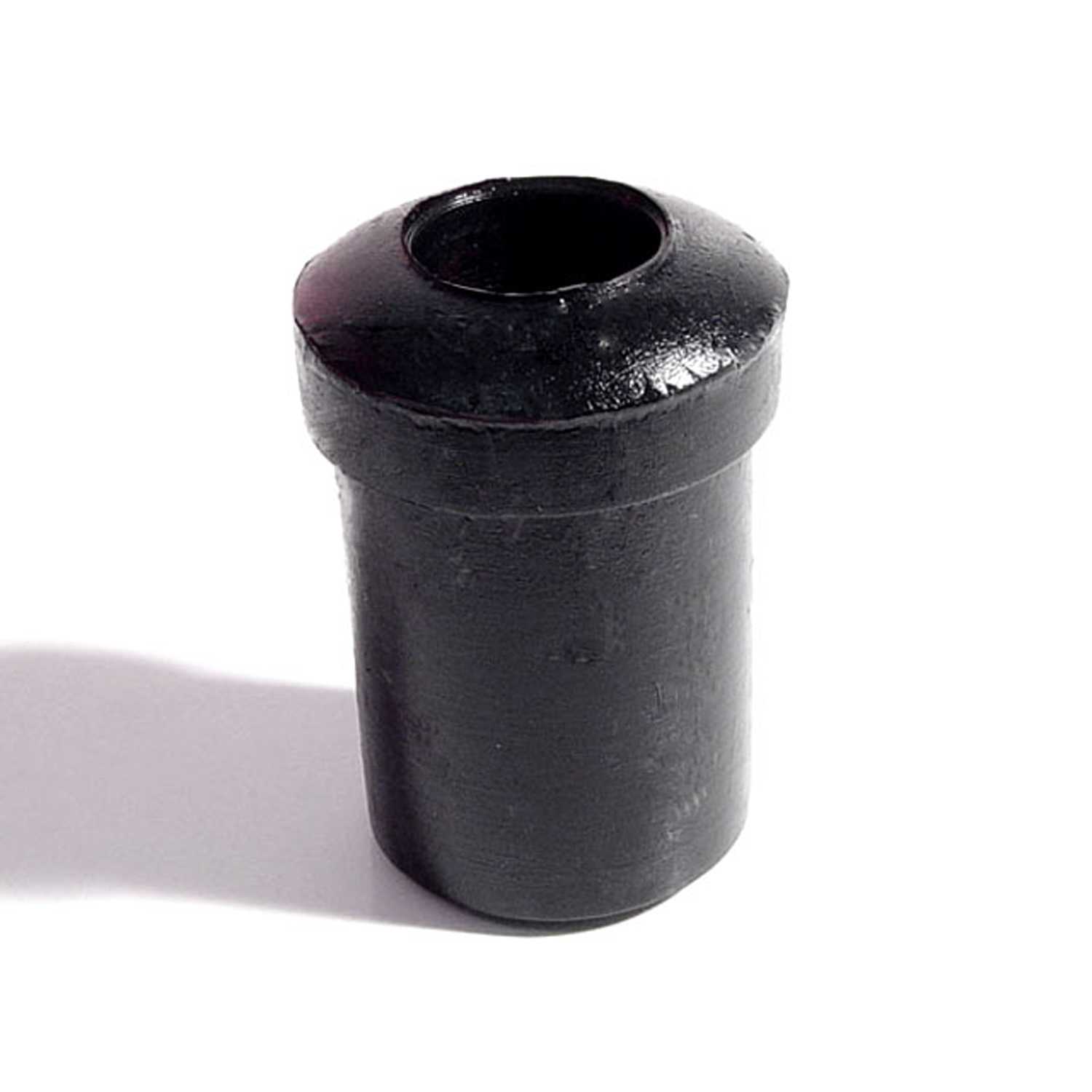 1956 Dodge Custom Spring and Shackle Bushing. 1" bottom O.D-BN 20Spring and Shackle Bushing. 1" bottom O.D. X 1-5/8" high, with 9/16" I.D. Each
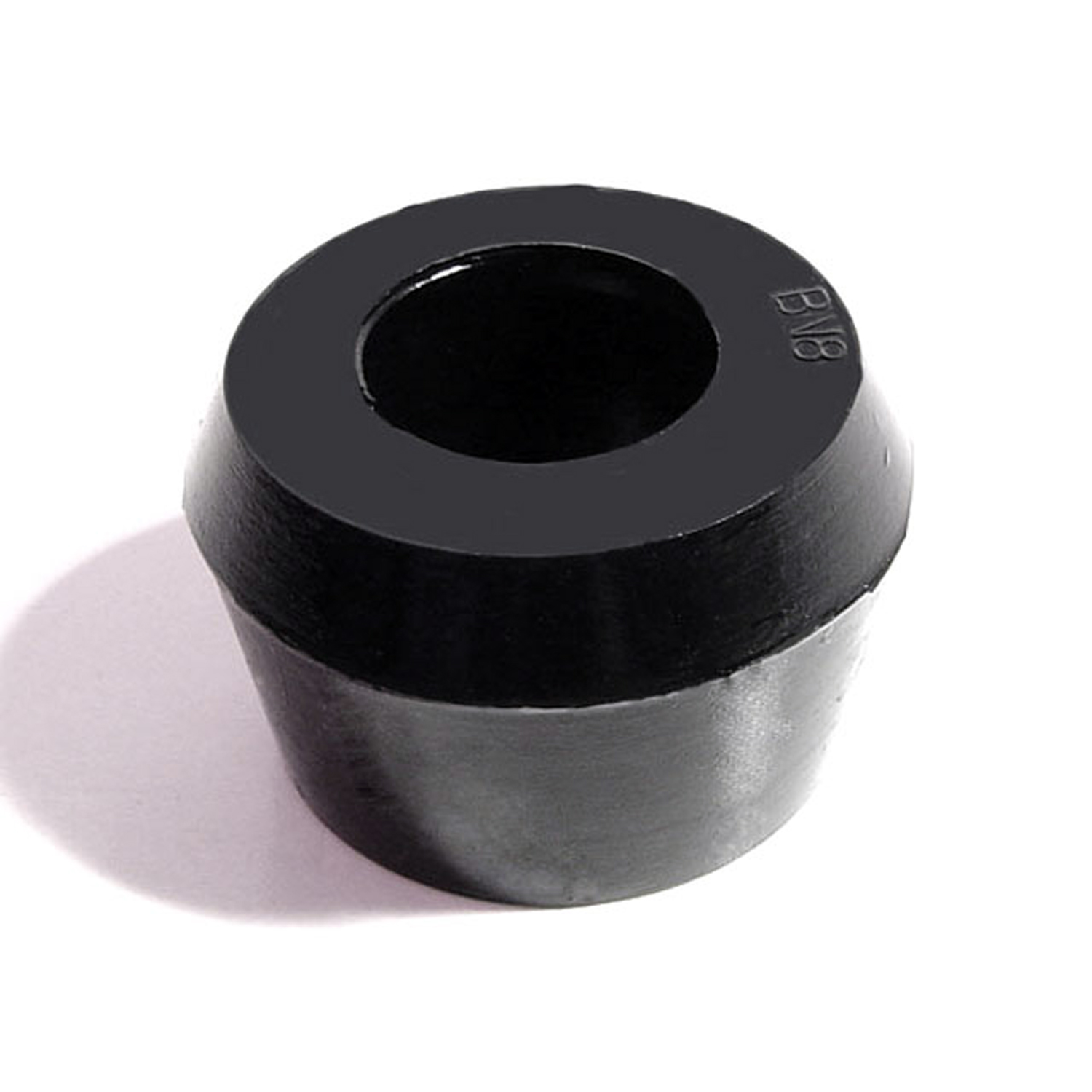 1956 Dodge Custom Shock Absorber Grommet. 1-1/4" bottom O.D-BN 8Shock Absorber Grommet. 1-1/4" bottom O.D., 1" high, with 3/4" I.D. Each
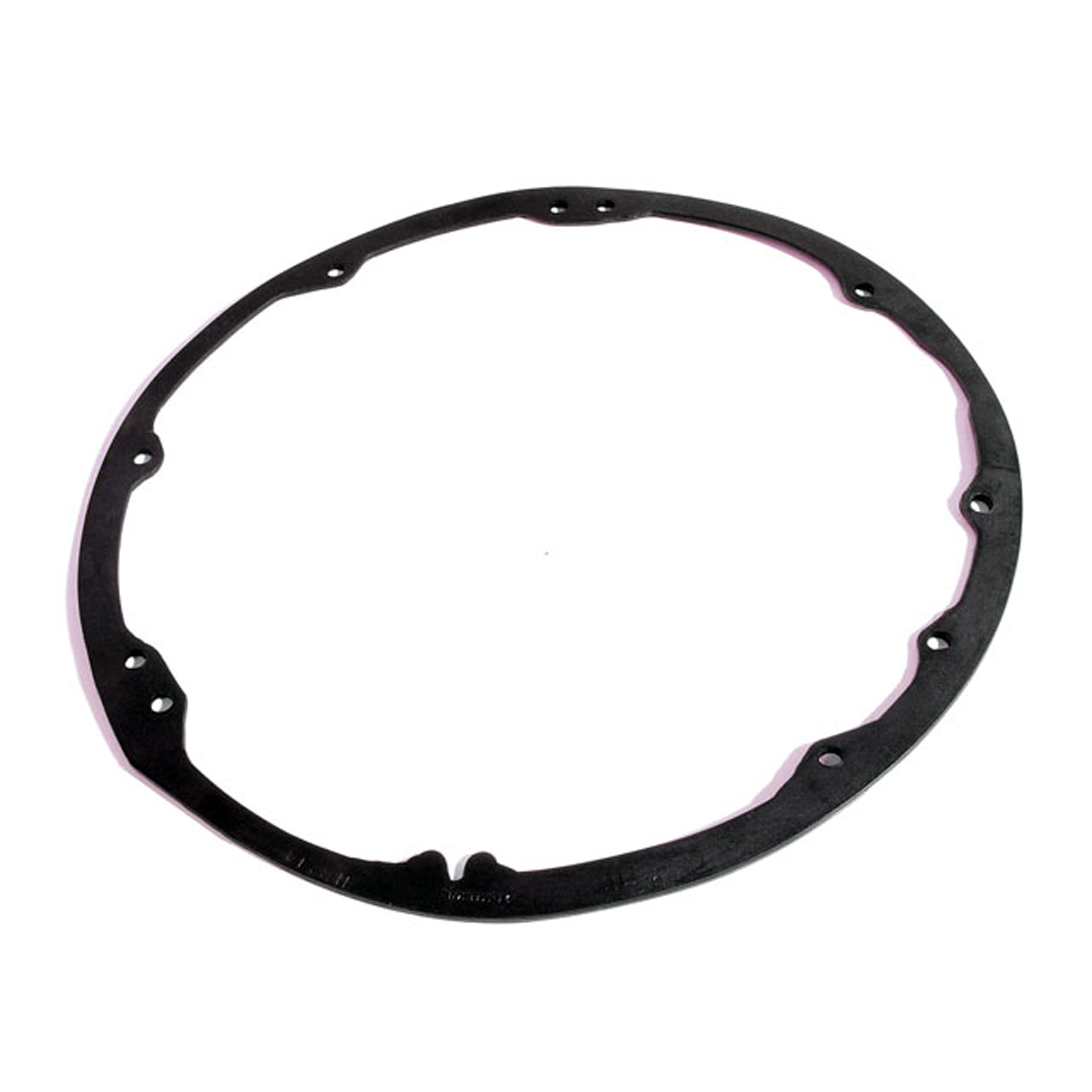 1956 Dodge Custom Headlight Ring Seal. 8-3/8" O.D., 7-3/4" I.D. Pair-HR 14Headlight Ring Seal. 8-3/8" O.D., 7-3/4" I.D. Pair
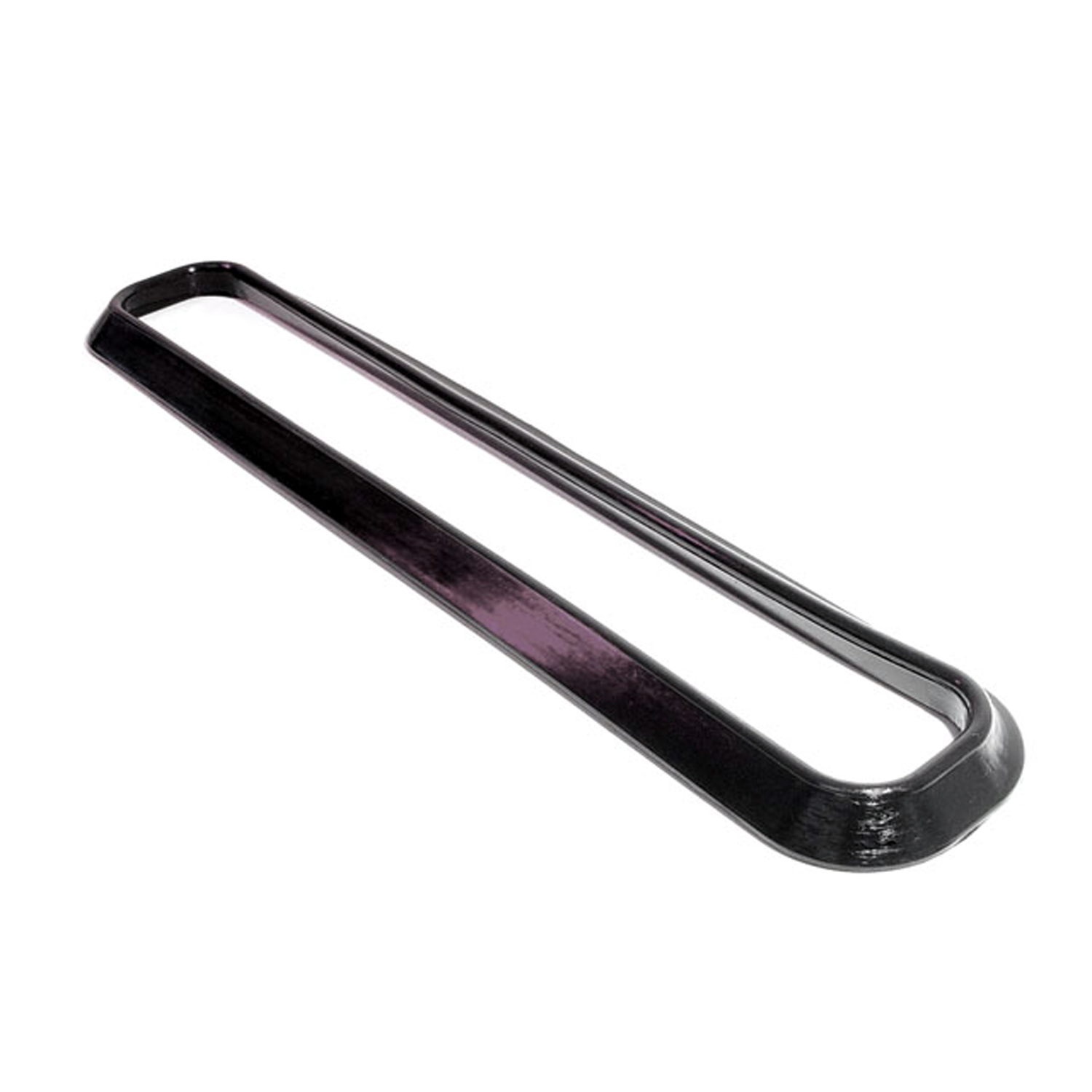 1956 Dodge Custom Cowl Vent Seal. 3-1/4" wide X 16-7/8" long-RP 100-WCowl Vent Seal. 3-1/4" wide X 16-7/8" long. Replaces OEM #1593468. Each
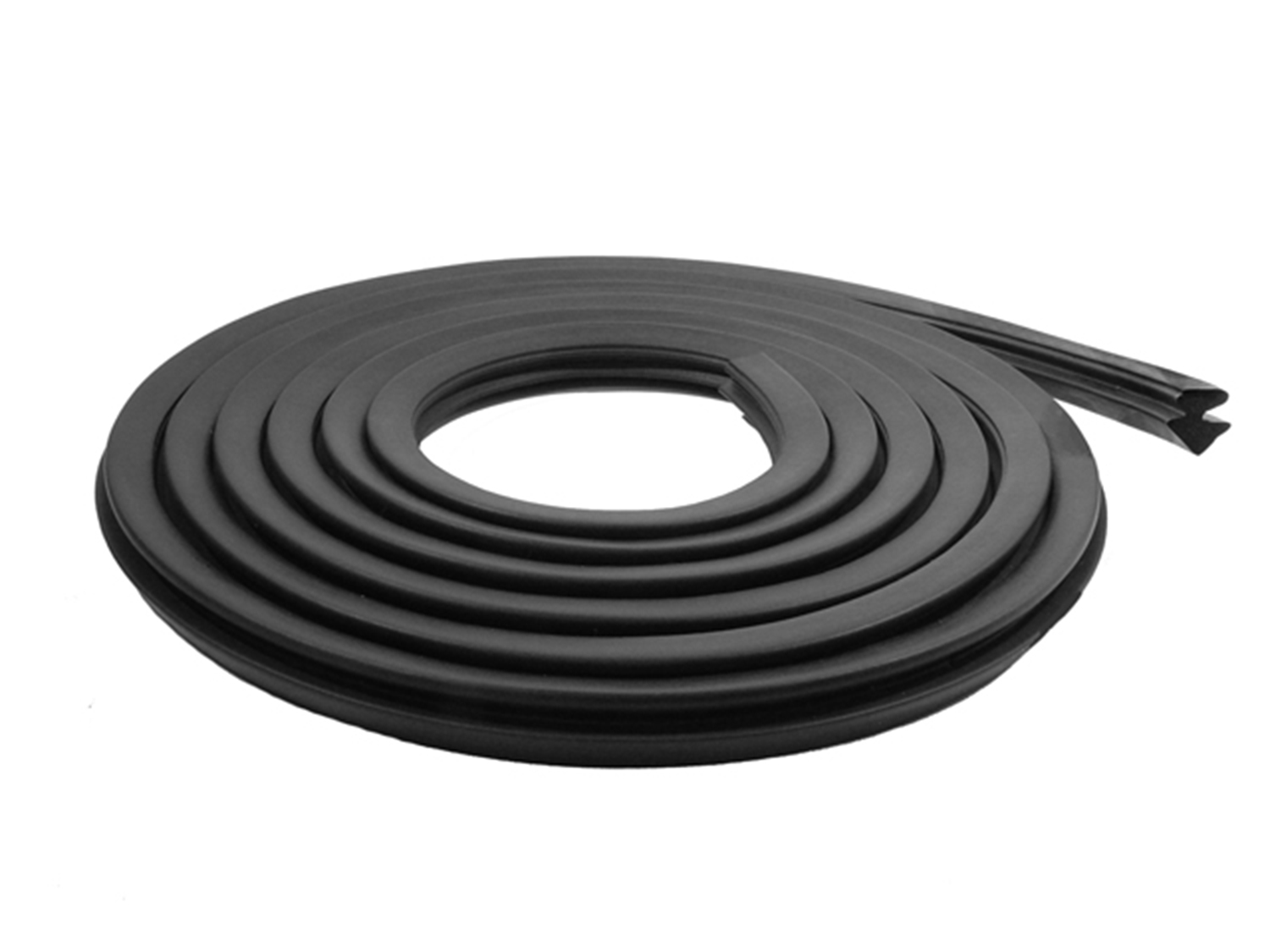 1956 Dodge Custom Trunk Seal. Each-TK 64-16Trunk Seal. Each
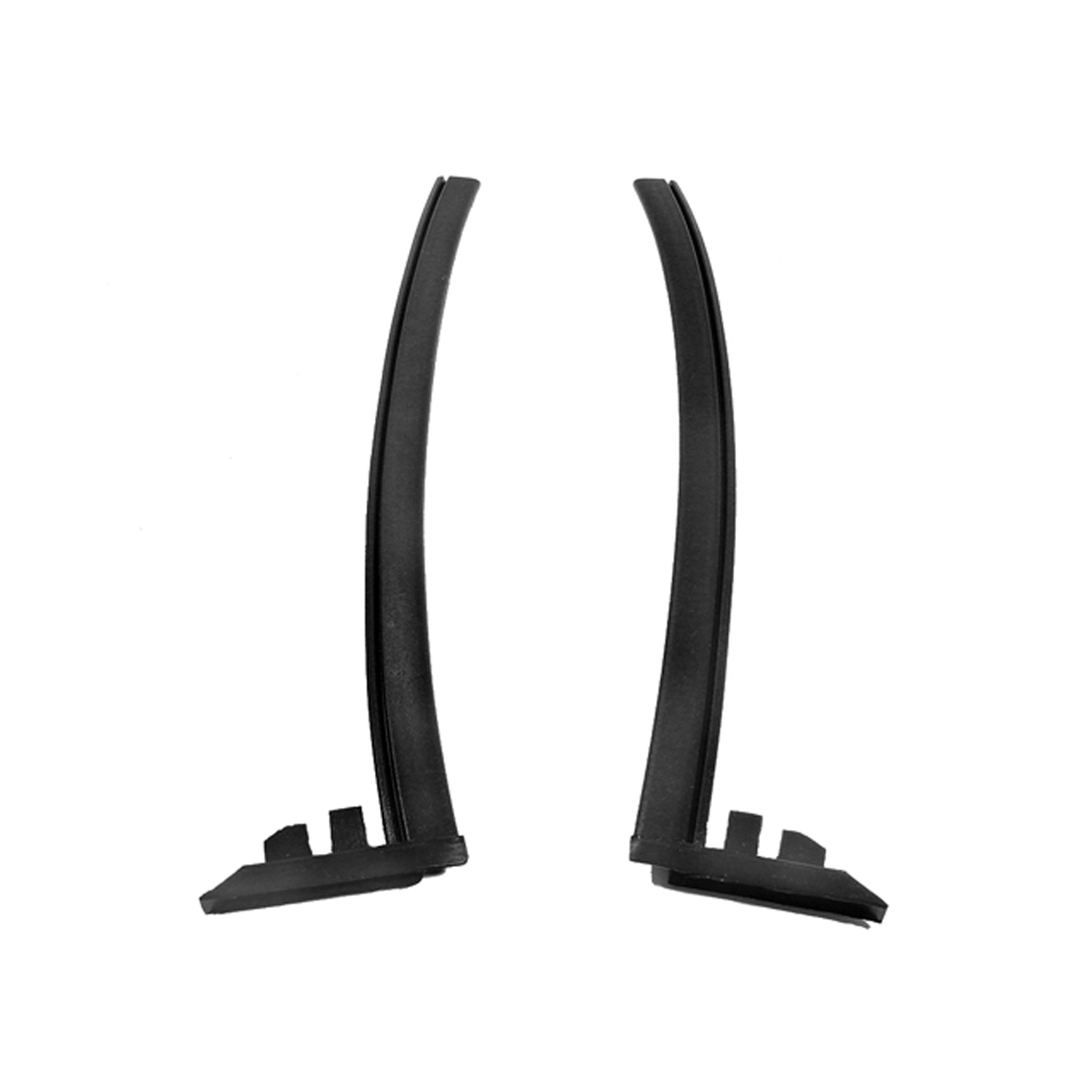 1956 Dodge Custom Rear Roll-Up Side Quarter Window Seals (fits some models)-VS 7-BRear Roll-Up Side Quarter Window Seals (fits some models). Pair R&L
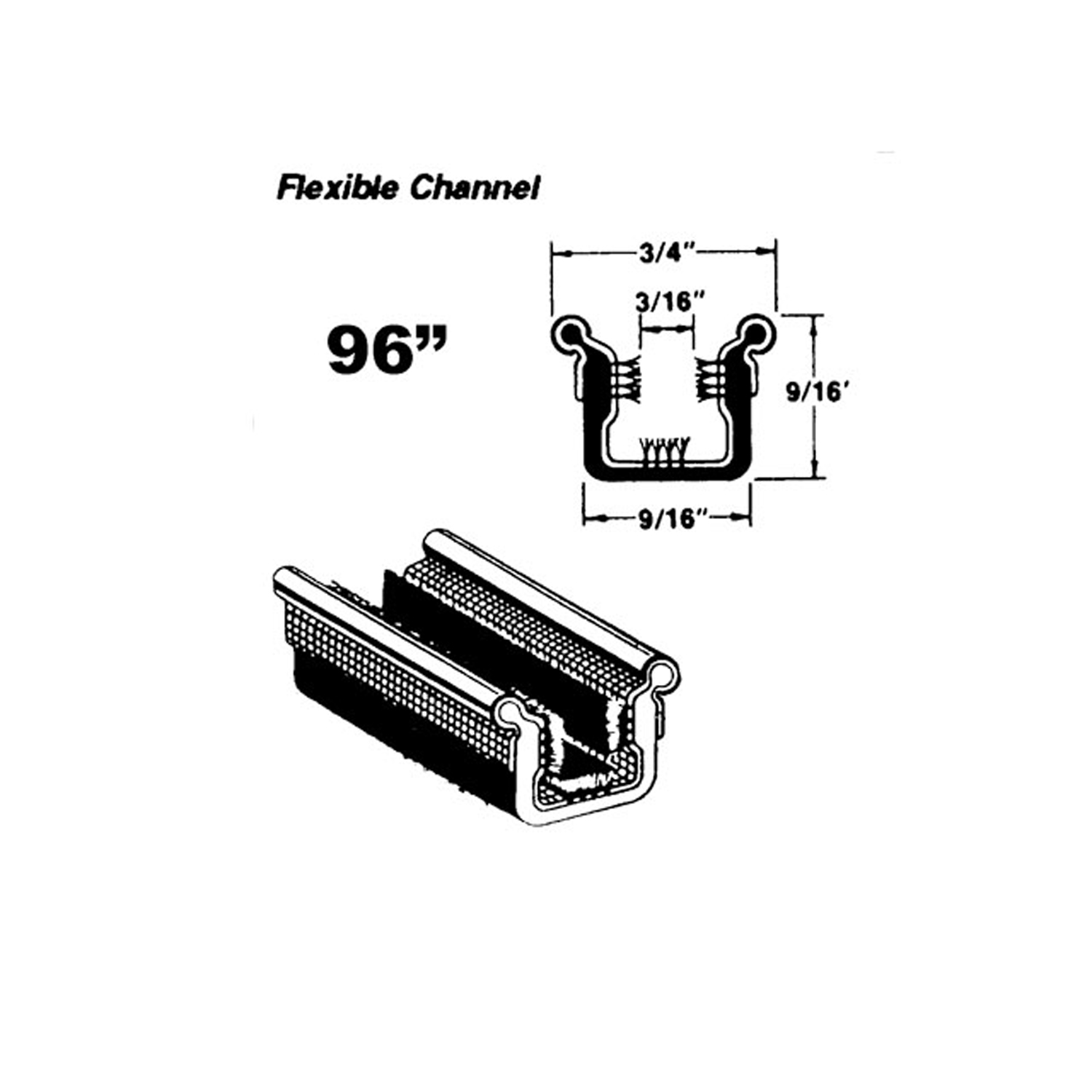 1956 Dodge Custom Flexible window channel-WC 10-96Flexible window channel. Rubber covered with mohair lining and stainless steel bead. 96 in. long. Each. NOTE: $20 special shipping charge applies for domestic orders. Call or email for overseas shipping costs. Part can be sectioned in two or three equal lengths to reduce overseas shipping costs.
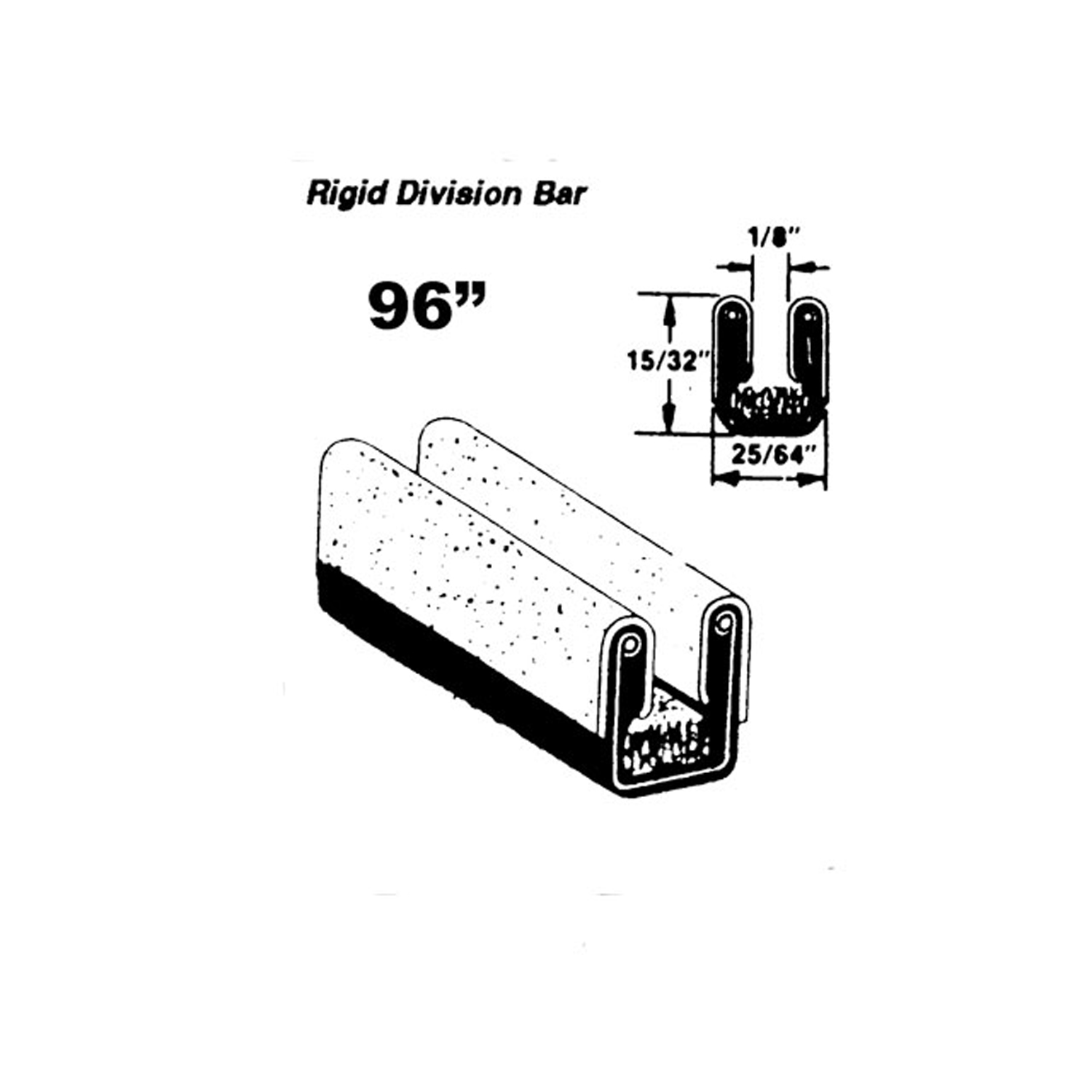 1956 Dodge Custom Rigid division-bar run channel-WC 31-96Rigid division-bar run channel. Made with very soft felt lining. Used on front and rear door side windows. 96 in. long. Each. NOTE: $20 special shipping charge applies for domestic orders. Call or email for overseas shipping costs. Part can be sectioned in two or three equal lengths to reduce overseas shipping costs.
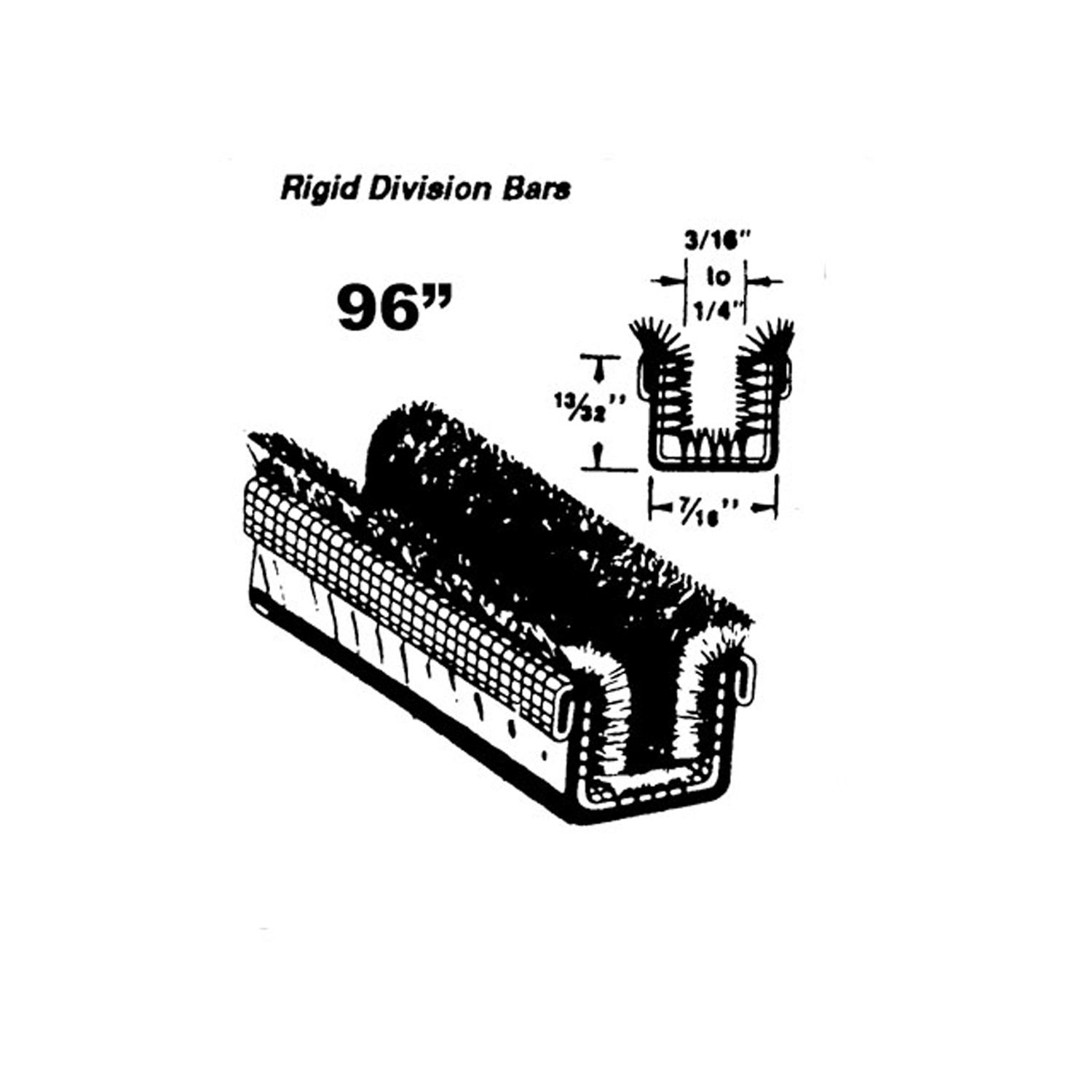 1956 Dodge Custom Rigid division-bar channel. Unbeaded. 96 in. long. Each-WC 41-96Rigid division-bar channel. Unbeaded. 96 in. long. Each. NOTE: $20 special shipping charge applies for domestic orders. Call or email for overseas shipping costs. Part can be sectioned in two or three equal lengths to reduce overseas shipping costs.
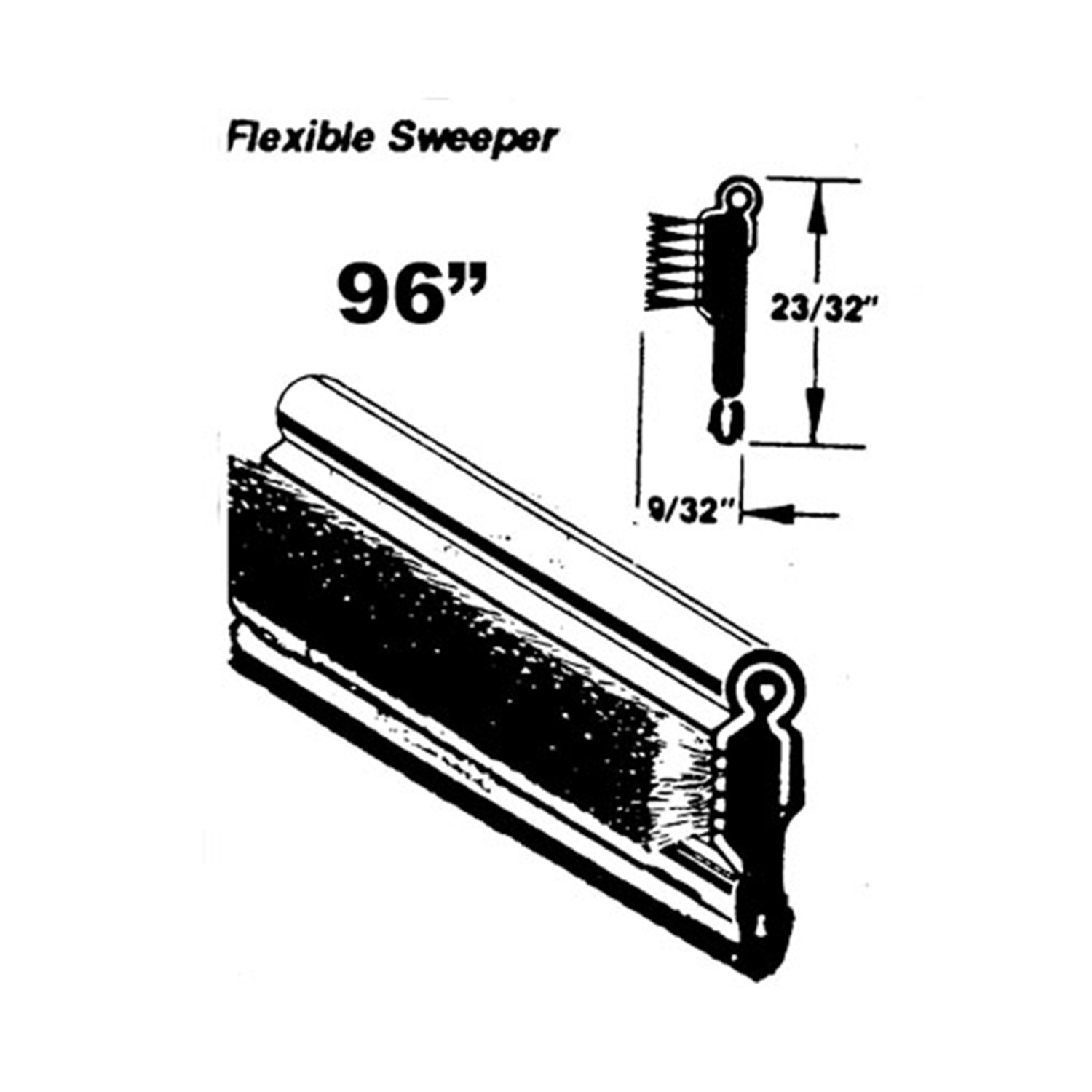 1956 Dodge Custom Flexible window sweeper. Made with stainless steel bead-WC 4-96Flexible window sweeper. Made with stainless steel bead. 96 in. long. Each. NOTE: $20 special shipping charge applies for domestic orders. Call or email for overseas shipping costs. Part can be sectioned in two or three equal lengths to reduce overseas shipping costs.
Why Choose Metro?
For over 100 years, Metro Moulded Parts has been the pinnacle of quality in classic car restoration parts. Our commitment to precision and authenticity in every component ensures a perfect fit and an OEM-level appearance.
- Expert Craftsmanship & Quality: Each part is a testament to our dedication to reliability and perfection, crafted from original designs and thoroughly tested.
- Advanced Technology: We use cutting-edge techniques to create flawless, long-lasting parts that surpass others in performance.
- SuperSoft Sponge – The Ultimate Door Seal: Not only are our door seals 30% softer than competitors', but they're also guaranteed to never leak. They effectively reduce wind and road noise, enhancing your classic car's comfort and driving experience.
- Proudly American: Our parts are a product of American craftsmanship, made in the USA with a spirit of excellence and heritage.
- Unrivaled Warranty: We back our products with a 30-year industry-leading warranty, a testament to our confidence in their quality.
Join us in preserving the legacy of classic cars with parts that are crafted for perfection, not just made.