

Image of 1956 Dodge Truck, Note: These illustrations use artistic license and may differ from actual historical models.
Performance Metrics
Fundamental Metrics
Emotional Appeal
MMP Rating
| Engine Specifications | |
|---|---|
| Engine: | 230 cubic inch flathead six, 315 cubic inch V8 |
| Displacement: | 230-315 cubic inches |
| Horsepower: | 120-200 hp |
| Torque: | 215-285 lb-ft |
| Compression Ratio: | 7.0:1 - 8.4:1 |
| Ignition System: | Distributor and coil |
| Cooling System: | Liquid-cooled |
| Performance Specifications | |
| 0-60 Time: | Estimated 15-20 seconds |
| 1/4 Mile Time: | Estimated 20-25 seconds |
| Top Speed: | 70-85 mph |
| Transmission and Drive | |
| Drive Type: | Rear-wheel drive |
| Transmission Type: | 3-speed manual, 4-speed manual |
| Fuel and Efficiency | |
| Fuel System Type: | Carburetor |
| MPG: | Estimated 10-15 mpg |
| Dimensions and Brakes | |
| Brakes: | Drum brakes |
| Wheelbase: | 108-126 inches |
| Weight: | 3,500-4,500 lbs |
Note: Specifications for classic cars are given to the best of our ability, considering the limited and variant data available.
1956 Dodge Truck: The Last of the C-Series
The 1956 Dodge truck pairs a purposeful work-truck attitude with the rounded, confident styling of mid-century America. Built by the Dodge division of Chrysler, it belongs to the C-series generation introduced in 1954, a new family of trucks designed to look more modern and feel more comfortable than the earlier Pilot-House models. The 1956 model year was the C-series’ final chapter before Dodge moved to its redesigned D-series trucks for 1957.
Dodge marketed its trucks as “Job-Rated,” emphasizing that buyers could choose a truck configured for the work at hand. That approach mattered in an era when pickups, delivery vehicles, farm trucks, and heavy-duty haulers were essential tools for businesses and households. A particularly interesting detail is that the C-series’ brief three-year run makes 1956 a neat transition point: it is the last model year for this cab and styling, just before Dodge’s next major truck redesign.
Rounded Fenders and a Work-Ready Cab
The 1956 Dodge truck has the substantial look typical of the decade, but its lines are more integrated than those of many earlier work trucks. The front fenders flow into a broad hood, while a prominent grille gives the nose a strong, upright face. The shape is rounded without looking delicate. Depending on trim and model, brightwork adds polish, but the truck still looks built for loading, hauling, and getting dusty.
The C-series cab was a significant step forward from the older Pilot-House design. It offered a more modern windshield and a more carlike driving position, although this was still a straightforward commercial vehicle rather than a luxury pickup. Inside, expect a steel dashboard, simple round gauges, a broad bench seat, and durable vinyl or cloth upholstery depending on specification. Materials were chosen for serviceability and everyday use, not plushness. A surviving truck may have been retrimmed, so the interior’s present condition does not always reflect its original trim.
Equipment varied with model and buyer order. The basic truck emphasized essential controls and clear instrumentation, while options could add convenience or trim. The engine and transmission depended on the truck’s weight class and intended job. Common choices included a dependable flathead six-cylinder and, on some models, a Dodge V8. Three-speed and four-speed manual transmissions were typical options, with availability varying by model and configuration.
Factory paint choices varied by series and body style, and many trucks were finished in practical solid colors. Red, green, blue, cream, and neutral shades are frequently seen on restored examples, but not every color was available for every truck. Fleet buyers could also order vehicles to suit business colors. For an accurate restoration, check the truck’s original paint information and period sales literature rather than relying on what looks most familiar today.
Pickup, Panel, and Power Wagon Choices
The half-ton pickup is the version most people picture when they hear “1956 Dodge truck.” It combines the C-series cab with a conventional open cargo box and is now the most familiar choice at shows and in the collector market. Dodge also offered trucks in other working forms, including chassis-cab configurations and commercial bodies such as stake or delivery setups, depending on series and equipment.
The four-wheel-drive Power Wagon deserves its own mention. It was a heavier, more specialized truck with a lineage rooted in Dodge’s military vehicles, and it was intended for demanding off-road and industrial work rather than suburban errands. Power Wagons are related to the wider Dodge truck story, but they are distinct from the everyday C-series pickup in construction, capability, and collector appeal.
Why the 1956 Dodge Truck Matters
The C-series did not invent the modern pickup, but it helped move Dodge trucks toward a more comfortable, contemporary design. Its newer cab, improved visibility, and more integrated styling reflected a broader postwar shift: trucks were still tools, but manufacturers increasingly recognized that owners spent long hours behind the wheel and wanted a less austere place to work.
What set the Dodge apart was the combination of practical model variety and a distinctive Chrysler-era look. Chevrolet and Ford were formidable rivals, and each had a large following. Dodge’s Job-Rated approach gave buyers a broad range of configurations, while the C-series cab offered a clear visual break from the older Pilot-House trucks. Its influence is less about one revolutionary feature than about helping establish the expectation that a working truck could be functional, capable, and reasonably comfortable.
The 1956 model also carries added appeal as the final C-series year. For collectors, that end-of-generation status gives it a satisfying place in Dodge truck history, even though it is not necessarily rarer or more valuable than every earlier or later model.
Engine, Speed, and Road Manners
Performance varied considerably with engine, gearing, body, load, and condition. Many trucks used a 230-cubic-inch flathead inline-six, valued for straightforward construction and steady low-speed work. Some configurations offered a 315-cubic-inch Dodge V8, which provided stronger acceleration and more power for heavier duties. Exact output depended on the engine and truck rating, so buyers should verify the engine code and original specification rather than assume every 1956 Dodge had the same equipment.
There is no single reliable factory 0-to-60-mph figure that applies to every 1956 Dodge truck. As a broad real-world estimate, a six-cylinder pickup may take roughly 20 to 30 seconds to reach 60 mph, with a V8 and light load potentially improving on that. A plausible top-speed range for a roadworthy light-duty truck is about 60 to 75 mph, but gearing, tire size, engine condition, and safety all matter. These estimates describe likely capability, not a recommendation to cruise an unrestored vintage truck at modern highway speeds.
On the road, the Dodge feels like a truck from its era. The steering is slower and heavier than a modern pickup’s, and the solid-axle suspension can bounce or hop over sharp bumps, especially with an empty bed. A loaded truck generally rides more calmly. On winding roads, drivers need to plan ahead: the steering takes more effort, the brakes require more attention, and the tall, narrow proportions encourage a measured pace.
The driving experience is part of the appeal. The six has a steady mechanical hum and a relaxed, work-focused character; the V8 brings a deeper exhaust note and livelier response. The bench seat, thin sound insulation, and direct feel of the controls keep the driver connected to the machinery. This is not a quiet, effortless modern daily driver. It is an engaging old truck that rewards smooth inputs and sensible speeds.
Living With a 1956 Dodge
Today, owners use these trucks as weekend drivers, farm and property vehicles, vintage business displays, show entries, and restoration projects. A well-sorted example can handle local trips comfortably, but regular modern-highway use requires careful attention to brakes, tires, steering, cooling, lighting, and charging systems. Original drum brakes and period tires do not provide the stopping or cornering performance of contemporary equipment.
Routine mechanical work is often approachable for an experienced home mechanic. The engines and chassis are comparatively simple, and many service tasks do not require specialized diagnostic electronics. The challenge is frequently finding the correct parts, locating sound sheet metal, and distinguishing original components from decades of repairs. Rust around cab corners, floors, lower fenders, and the bed can turn an apparently inexpensive project into a major restoration.
Reliability depends more on maintenance and restoration quality than on the badge alone. A well-maintained flathead six can be durable, but old fuel systems, electrical connections, cooling parts, and worn steering components deserve inspection. Before buying, check for structural corrosion, uneven tire wear, engine smoke, transmission noise, brake pull, and evidence of improvised repairs.
1956 Dodge Truck Trivia
The 1956 model is the final year of the 1954–56 C-series styling, making it a natural choice for buyers who want the last version of that cab before the 1957 D-series redesign. It also sits in the middle of a period when American truck makers were rapidly broadening their offerings, from basic work vehicles to more comfortable personal-use pickups.
The Power Wagon is the most famous name in the wider Dodge truck family, thanks to its rugged four-wheel-drive reputation and military roots. It should not be confused with an ordinary two-wheel-drive pickup, however. Power Wagon specifications and values can differ substantially from those of a standard C-series truck.
There is no widely recognized land-speed or production record associated specifically with the 1956 Dodge truck. Nor is a single exact production total commonly cited for every body style and weight class combined. Its historical importance is better measured by its role in Dodge’s postwar truck lineup and by the way surviving examples document the era’s working vehicles.
Common criticisms are familiar to owners of many 1950s trucks: modest acceleration, heavy steering, limited braking by modern standards, and a firm ride when unladen. Parts availability can also be less convenient than for more common Chevrolet or Ford pickups. Those drawbacks are part of the ownership calculation, not surprises to discover after purchase.
Collector Values and Availability
Values depend heavily on body style, originality, rust, mechanical condition, and the quality of any restoration. As a broad U.S. market guide in 2026, a project or rough driver might sell for about $5,000 to $15,000. A usable, presentable pickup commonly falls around $15,000 to $30,000, while a high-quality restored example can reach roughly $30,000 to $55,000 or more. Exceptional trucks, rare commercial bodies, and desirable Power Wagons can exceed those ranges.
These are general estimates, not a formal appraisal. A clean, original truck may be worth more to the right collector than a heavily modified one, while rust and incomplete restoration work can quickly reduce value. Local market, documentation, and the quality of workmanship make a substantial difference.
There is no dependable consolidated production figure for all 1956 Dodge truck series and body styles. A reasonable broad estimate is that Dodge built tens of thousands of trucks across its 1956 range, possibly approaching or exceeding 100,000 when the full lineup is counted. That is a rough estimate, not a confirmed model-by-model factory total. The number of surviving examples is much smaller, and certain body styles or well-preserved configurations can be difficult to find.
Well-restored, driver-quality examples have generally become more desirable as interest in vintage pickups has grown, though prices can vary with the wider classic-vehicle market. The best long-term prospects usually belong to sound, correctly identified trucks with documented restoration work. Buyers should prioritize condition and authenticity over speculative claims of rarity.
A Lasting Dodge Workhorse
The 1956 Dodge truck is a practical piece of postwar automotive history: a tough, simply engineered vehicle with a more modern cab and a distinctive mid-century shape. Its C-series design, broad range of working configurations, and place as the final year before the D-series make it especially appealing to Dodge enthusiasts.
It may not be fast, quiet, or effortless by modern standards, but that is not why it endures. The 1956 Dodge offers an honest connection to the era when a truck was expected to earn its keep, and its sturdy character still turns an ordinary drive into a small event.
1956 Dodge Truck Catalog of Parts
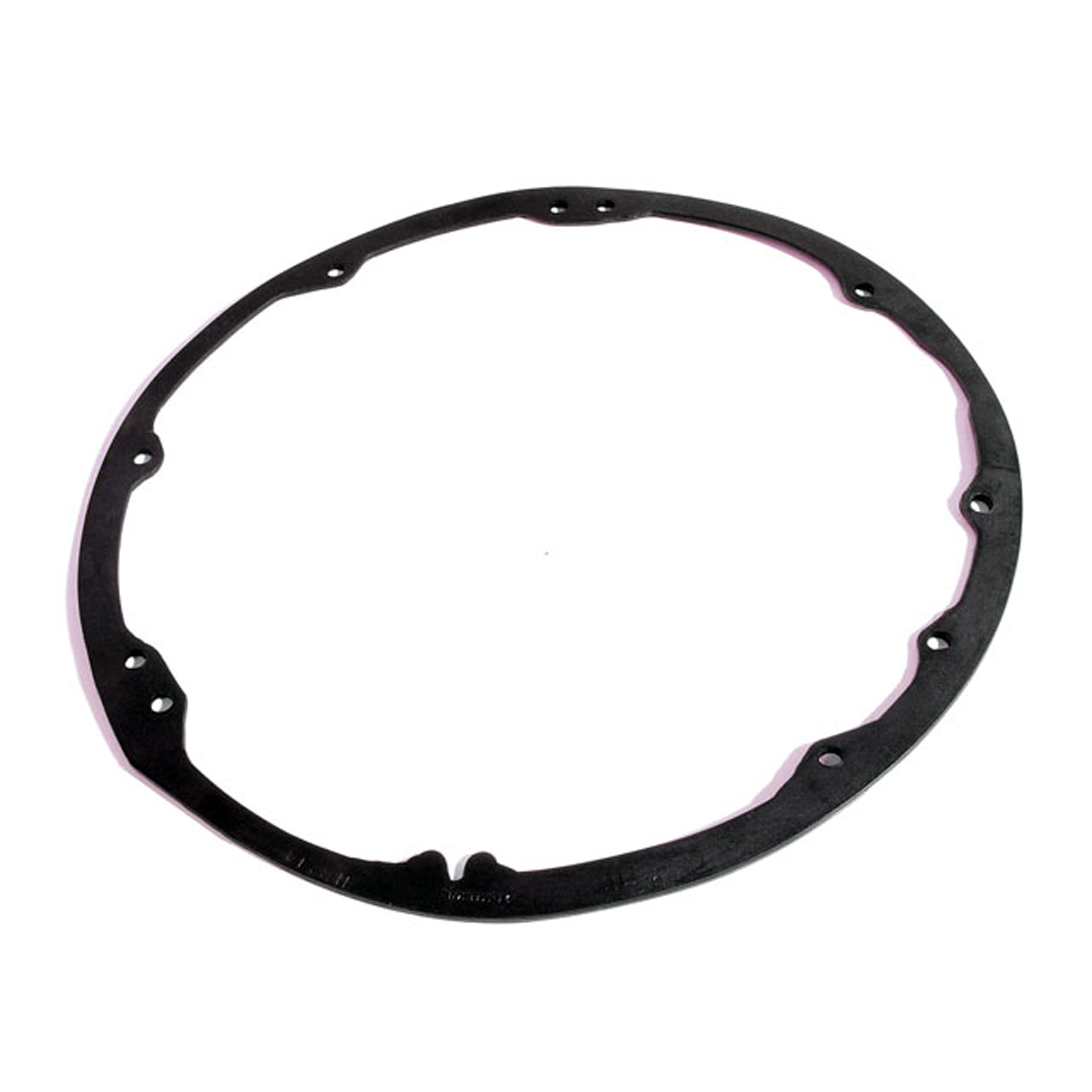 1956 Dodge Truck Headlight Ring Seal. 8-3/8" O.D., 7-3/4" I.D. Pair-HR 14Headlight Ring Seal. 8-3/8" O.D., 7-3/4" I.D. Pair
 1956 Dodge Truck Lockstrip Seal, 54-93 Mopar Full Size Truck, Van & SUV, Chromed Plastic Type-LS 2-VLockstrip Seal, 54-93 Mopar Full Size Truck, Van & SUV, Chromed Plastic Type, Each. Works with Metro p/n VWS 2706.
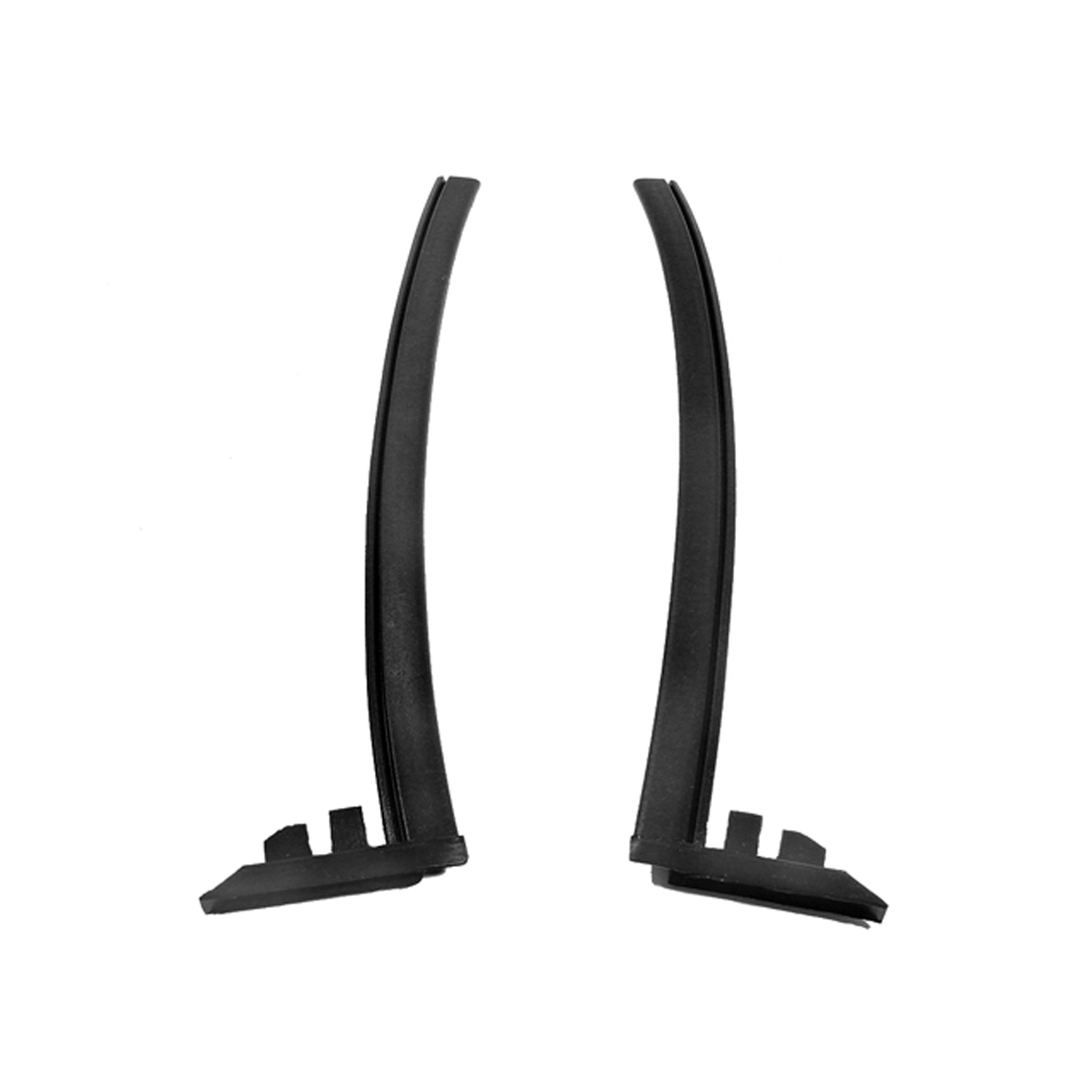 1956 Dodge Truck Rear Roll-Up Side Quarter Window Seals (fits some models)-VS 7-BRear Roll-Up Side Quarter Window Seals (fits some models). Pair R&L
Why Choose Metro?
For over 100 years, Metro Moulded Parts has been the pinnacle of quality in classic car restoration parts. Our commitment to precision and authenticity in every component ensures a perfect fit and an OEM-level appearance.
- Expert Craftsmanship & Quality: Each part is a testament to our dedication to reliability and perfection, crafted from original designs and thoroughly tested.
- Advanced Technology: We use cutting-edge techniques to create flawless, long-lasting parts that surpass others in performance.
- SuperSoft Sponge – The Ultimate Door Seal: Not only are our door seals 30% softer than competitors', but they're also guaranteed to never leak. They effectively reduce wind and road noise, enhancing your classic car's comfort and driving experience.
- Proudly American: Our parts are a product of American craftsmanship, made in the USA with a spirit of excellence and heritage.
- Unrivaled Warranty: We back our products with a 30-year industry-leading warranty, a testament to our confidence in their quality.
Join us in preserving the legacy of classic cars with parts that are crafted for perfection, not just made.