

Image of 1957 Dodge Custom, Note: These illustrations use artistic license and may differ from actual historical models.
Performance Metrics
Fundamental Metrics
Emotional Appeal
MMP Rating
| Engine Specifications | |
|---|---|
| Engine: | 325 cu in (5.3 L) Red Ram V8, 354 cu in (5.8 L) FirePower V8 |
| Displacement: | 325-354 cu in |
| Horsepower: | 245-310 hp |
| Torque: | 345-390 lb-ft |
| Compression Ratio: | 8.5:1 |
| Ignition System: | Conventional points ignition system |
| Cooling System: | Liquid-cooled |
| Performance Specifications | |
| 0-60 Time: | Estimated 10-12 seconds |
| 1/4 Mile Time: | Estimated 17-19 seconds |
| Top Speed: | 105-115 mph |
| Transmission and Drive | |
| Drive Type: | Rear-wheel drive |
| Transmission Type: | 3-speed TorqueFlite automatic transmission |
| Fuel and Efficiency | |
| Fuel System Type: | Carburetor |
| MPG: | Estimated 10-12 mpg |
| Dimensions and Brakes | |
| Brakes: | Drum brakes |
| Wheelbase: | 122 inches |
| Weight: | 3500-3700 lbs |
Note: Specifications for classic cars are given to the best of our ability, considering the limited and variant data available.
1957 Dodge Custom: The Forward Look Arrives
The 1957 Dodge looks ready to move even when it is standing still. Its swept-back fins, bold grille and long, low profile announced a new direction for American car design, making Dodge one of the most eye-catching brands of the late 1950s.
Built by the Dodge division of Chrysler Corporation, the 1957 Dodge belonged to the company’s dramatic “Forward Look” era, led by design chief Virgil Exner. Dodge offered three main series that year: Coronet, Royal and Custom Royal. The name “Dodge Custom” is often used casually for a well-equipped 1957 car, but Custom Royal is the specific series name most buyers and collectors mean.
The 1957 redesign was more than a styling exercise. Dodge introduced its Torsion-Aire front suspension, pairing torsion bars with conventional rear leaf springs for a lower stance and more controlled ride. A distinctive detail for the period was the available high-performance D-500 package, which put Dodge’s new 325-cubic-inch V8 and competition-minded hardware into a full-size family car.
Forward Look Styling and Cabin
Exner’s design gave the Dodge a long hood, a low roofline and rear fins that swept sharply upward from the quarter panels. The front end was equally assertive, with a wide, complex grille and quad headlamps on many versions. Compared with the rounded forms of the early 1950s, the 1957 Dodge looked crisp, horizontal and futuristic. Its fins were dramatic without being as exaggerated as some later cars from the tail-fin era.
Inside, the Custom Royal was trimmed to feel like a step above the basic Coronet. Depending on body style and equipment, buyers found patterned cloth and vinyl upholstery, a wide front bench seat, bright metal trim and a broad dashboard with a large speedometer. The cabin was roomy by the standards of the day, although the low roof and heavy trim could make it feel more enclosed than a modern car.
Available colors ranged from restrained solid shades to vivid two-tone and three-tone combinations. Popular choices included combinations of white with turquoise, red, green or other contrasting colors. On a finned Dodge, contrasting paint could emphasize the car’s shape, which is why well-preserved multi-tone examples remain especially eye-catching at shows.
The range included sedans, four-door hardtops, two-door hardtops, convertibles and station wagons, with availability depending on series. The Custom Royal Lancer two-door hardtop is among the most recognizable versions, thanks to its pillarless roof and sweeping side profile. The Custom Royal convertible is another standout, particularly when equipped with the D-500 package.
1957 Dodge Technology and Equipment
One of the most memorable cabin features was Chrysler’s pushbutton-operated TorqueFlite automatic transmission. Instead of a conventional gear selector, the driver selected a range using buttons on the dashboard. TorqueFlite was smooth and modern for its time, and its distinctive controls remain a favorite conversation starter among owners.
The new Torsion-Aire front suspension was a significant mechanical change. Torsion bars replaced traditional front coil springs, helping Dodge achieve a lower front end while improving wheel control. Power steering and power brakes were available, as were conveniences such as a heater, radio and air conditioning, though equipment varied by car and market.
Engine choices centered on Dodge’s 325-cubic-inch “Red Ram” V8. Output depended on carburetion and equipment, with regular versions generally rated in the mid-200-horsepower range. The D-500 performance option raised the stakes with a higher-output 325 V8, a four-barrel carburetor and chassis upgrades. Exact specifications vary by configuration, so a car’s engine tag and factory documentation are more reliable than a generic model description.
Why the 1957 Dodge Matters
The 1957 Dodge helped establish the Forward Look as a defining chapter in postwar American design. Chrysler’s cars appeared lower and more modern than many rivals, and the Dodge’s fins, glass area and crisp body lines made it instantly recognizable. The styling helped reinforce the idea that a family car could also be a bold expression of modernity.
Its engineering mattered, too. Torsion-bar front suspension and the TorqueFlite automatic showed Chrysler investing in features that affected the way the car drove, not just the way it looked. The D-500 option added a performance identity to the lineup, connecting a spacious road car with the growing interest in factory-built high-performance vehicles.
The 1957 redesign also had a downside. Its complex body shapes and trim could be costly to repair, and rust can hide in structural areas and around body seams. The model’s lasting appeal comes from the same qualities that made it attention-grabbing when new: dramatic styling, substantial size and a distinctly 1950s blend of comfort and performance.
V8 Performance and Road Manners
Performance depends heavily on the engine, transmission, axle ratio and body style. A standard V8 Custom Royal is generally a roughly 10-to-12-second car from 0 to 60 mph, with a top speed in the neighborhood of 105 to 115 mph under suitable conditions. A D-500-equipped car can be appreciably quicker, with period-style estimates putting 0-to-60 mph in roughly the 8-to-10-second range and top speed around 115 to 120 mph. These are broad estimates rather than guaranteed figures for every surviving car.
On the road, the Dodge feels large and relaxed. The V8 delivers a deep, steady burble, and the TorqueFlite automatic shifts without demanding much attention. The long wheelbase helps the car settle into a comfortable highway stride, while the torsion-bar front suspension gives it a more composed feel than its size and age might suggest.
It is still a late-1950s full-size car, not a modern sports sedan. On broken pavement, the body moves and the soft suspension absorbs bumps with a noticeable float. On winding roads, drivers need to plan ahead: the steering is not as quick as a modern rack-and-pinion setup, and the car’s weight and drum brakes reward smooth inputs. Crosswinds can push the broad body around, particularly at highway speeds. A well-maintained example feels confident and comfortable, but it prefers open roads to tight corners.
Living With a 1957 Dodge
Today, most 1957 Dodges serve as show cars, weekend cruisers or occasional-use classics. Their roomy cabins and automatic transmission make them pleasant for relaxed outings, while the Custom Royal Lancer and D-500 versions attract extra attention at classic-car events. Some owners drive them regularly, but using one as a daily driver means accepting vintage fuel economy, slower braking and the occasional need for age-related repairs.
Routine maintenance is straightforward for an owner familiar with carbureted V8s. Oil changes, ignition service, brake work and many engine repairs use familiar mechanical principles, and the pushbutton transmission itself is not mysterious to a specialist. Parts availability is mixed: service items and some mechanical components are attainable, while correct trim, interior pieces and body-specific parts can take patience and careful searching.
Reliability depends more on condition and restoration quality than on the nameplate. Check the cooling system, charging system, wiring, brakes and transmission operation before regular use. Rust deserves special attention in the floors, trunk, rocker panels, lower fenders and around the windshield. A car that has sat for years may need substantial recommissioning even if it starts and moves under its own power.
1957 Dodge Facts and Talking Points
The D-500 option gave the 1957 Dodge a genuine performance angle. It was named for Chrysler’s famed proving grounds in Chelsea, Michigan, and combined a hotter V8 setup with supporting chassis equipment. Dodge also promoted its performance credentials in the competitive world of stock-car racing, where production-based cars helped build a brand’s reputation for speed.
The pushbutton TorqueFlite is another detail that often surprises people seeing the car for the first time. It looks unusual by modern standards, but it was a practical expression of Chrysler’s effort to make automatic driving feel contemporary. The 1957 Dodge’s bold appearance could also divide opinion: admirers love the fins and chrome, while critics find the styling busy or the trim excessive.
There is no single production figure for every version people call a “1957 Dodge Custom.” Dodge built roughly 360,000 cars across its 1957 lineup, and a reasonable estimate for the Custom Royal series is around 100,000 to 120,000 cars. That estimate covers a broad family of body styles, not a precise count of a specific Lancer, convertible or D-500 configuration. Surviving high-performance and open-top examples are far less common than the overall production total suggests.
Collector Values and Availability
Values vary widely with body style, originality, rust, restoration quality and documentation. As a broad current-market guide, a project or rough driver might sell for about $8,000 to $18,000. A presentable, usable car often falls around $20,000 to $40,000, while a high-quality restoration can bring roughly $40,000 to $75,000 or more. Convertibles, especially documented Custom Royal D-500 examples, can exceed $100,000 in exceptional condition.
These figures are estimates, not fixed price tags. A rare specification does not automatically mean a high value: buyers also look for sound bodywork, correct components, quality workmanship and proof of the car’s history. The market for striking 1950s American cars has generally supported well-preserved examples, but prices can vary with collector demand and restoration costs. Ordinary sedans may be relatively affordable, while desirable hardtops, convertibles and D-500 cars tend to draw stronger interest.
Availability is moderate for the model family, but finding a specific combination of body style, equipment and condition is harder. Before buying, verify the series and engine details using the car’s identification information and any surviving build records. That distinction matters when comparing a standard Custom Royal with a genuine D-500 car.
A Fin-Tailed Dodge With Lasting Presence
The 1957 Dodge Custom Royal brought together Forward Look styling, a modern-for-its-day suspension, pushbutton automatic convenience and strong V8 power. It was spacious enough to serve as a family car, yet bold enough to stand out in a row of classics decades later.
For collectors, the best examples combine sound structure with the details that make the car special: its swept fins, bright trim, vivid paint and effortless V8 character. The 1957 Dodge is more than a snapshot of the tail-fin era. It is a reminder that Detroit once treated the family automobile as a place to show off what the future might look like.
1957 Dodge Custom Catalog of Parts
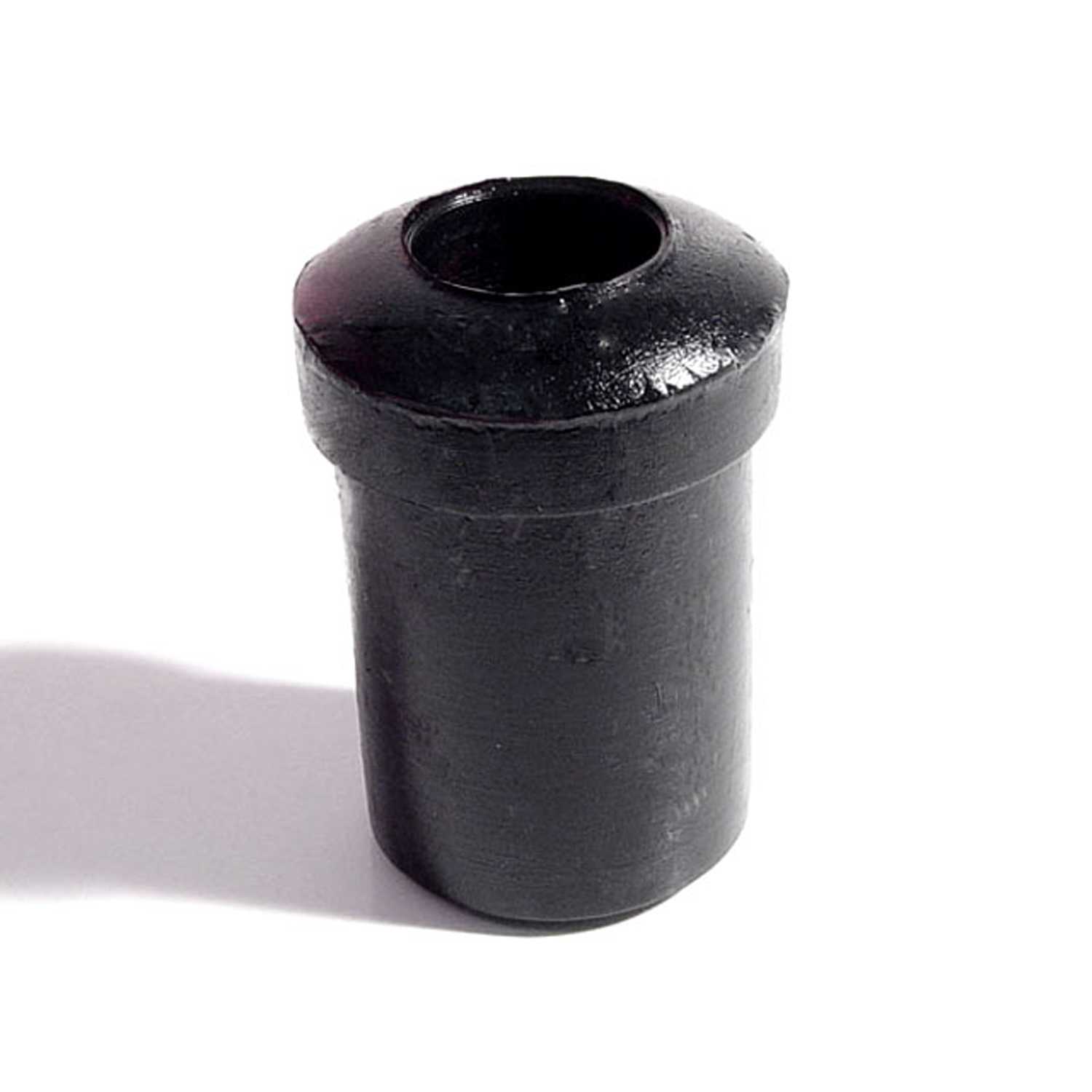 1957 Dodge Custom Spring and Shackle Bushing. 1" bottom O.D-BN 20Spring and Shackle Bushing. 1" bottom O.D. X 1-5/8" high, with 9/16" I.D. Each
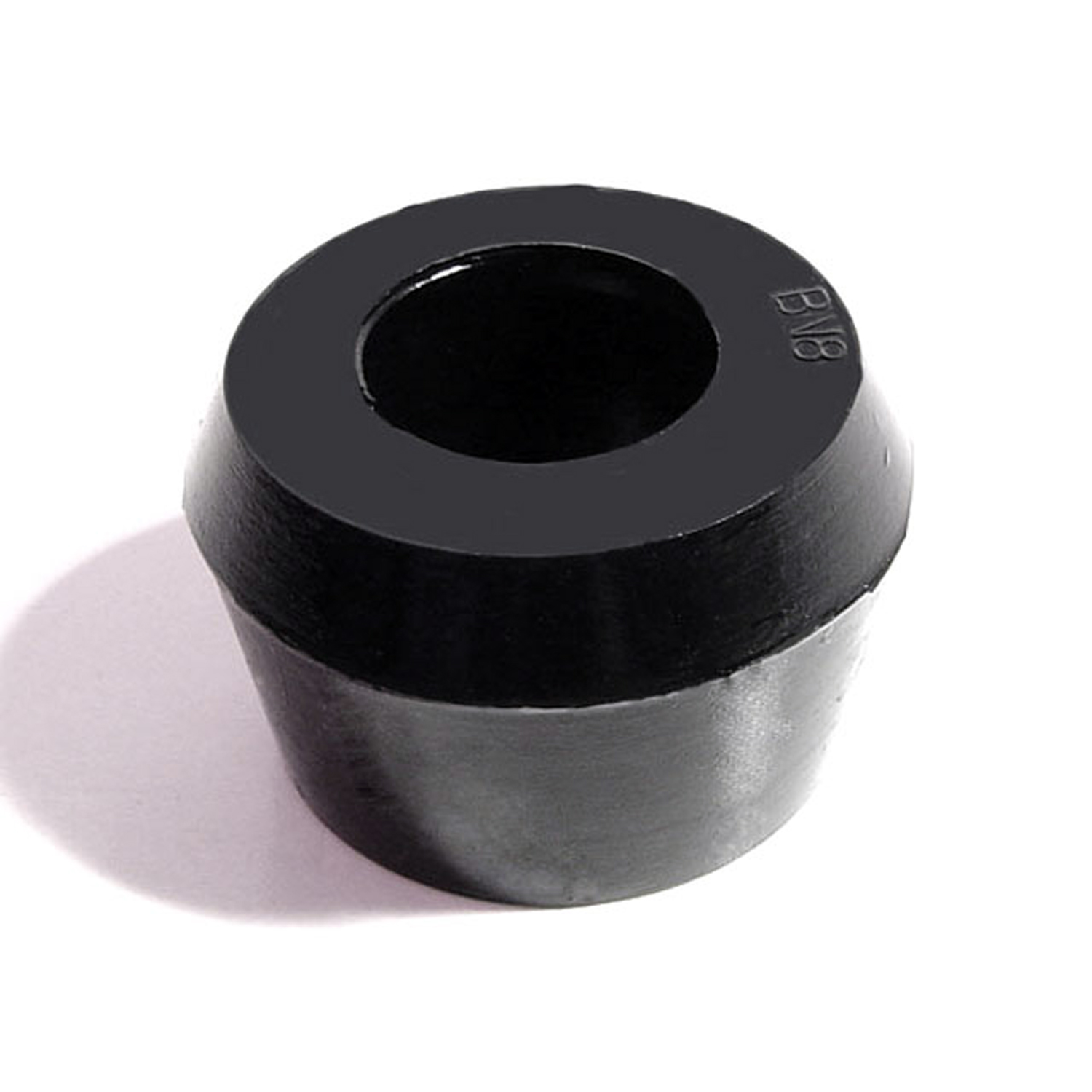 1957 Dodge Custom Shock Absorber Grommet. 1-1/4" bottom O.D-BN 8Shock Absorber Grommet. 1-1/4" bottom O.D., 1" high, with 3/4" I.D. Each
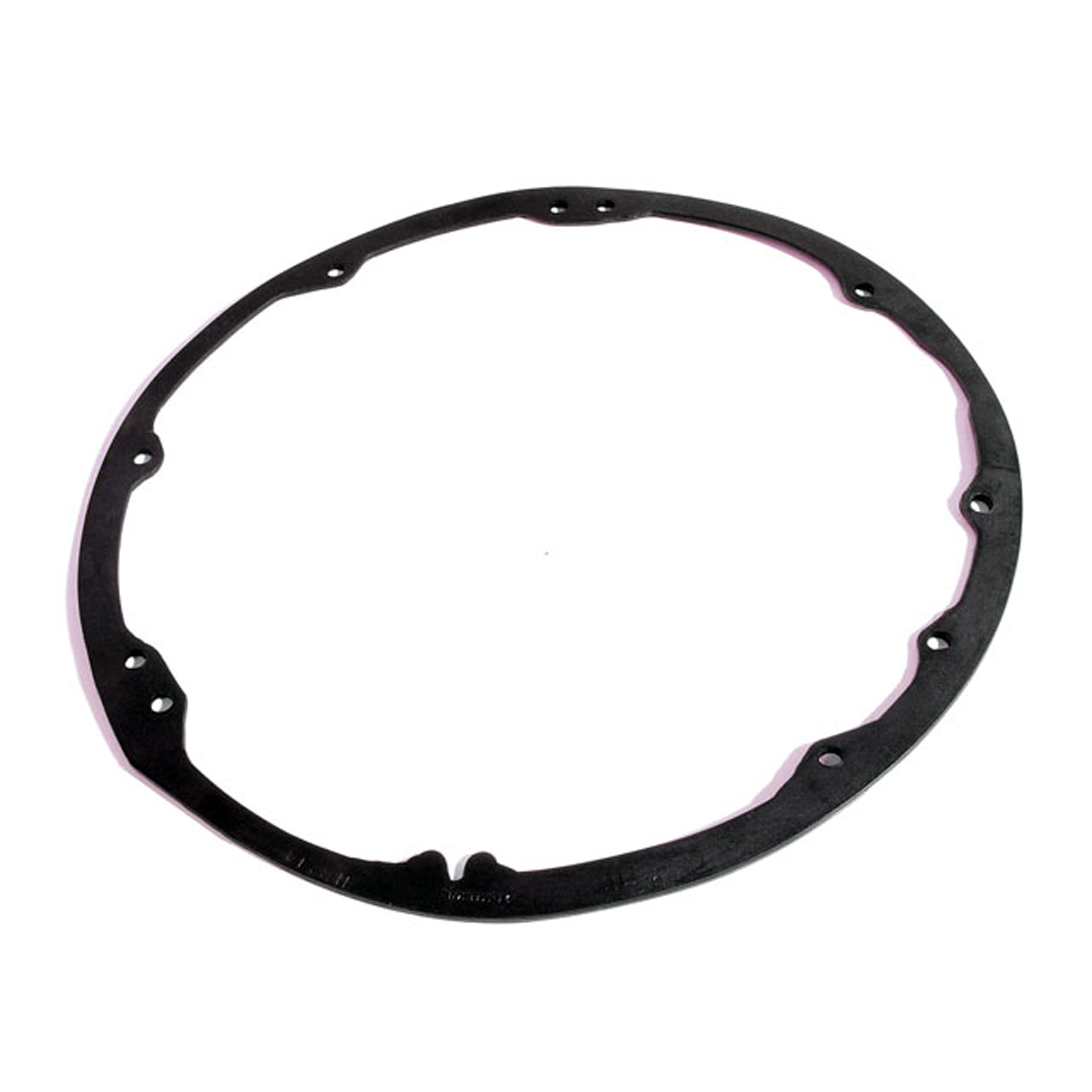 1957 Dodge Custom Headlight Ring Seal. 8-3/8" O.D., 7-3/4" I.D. Pair-HR 14Headlight Ring Seal. 8-3/8" O.D., 7-3/4" I.D. Pair
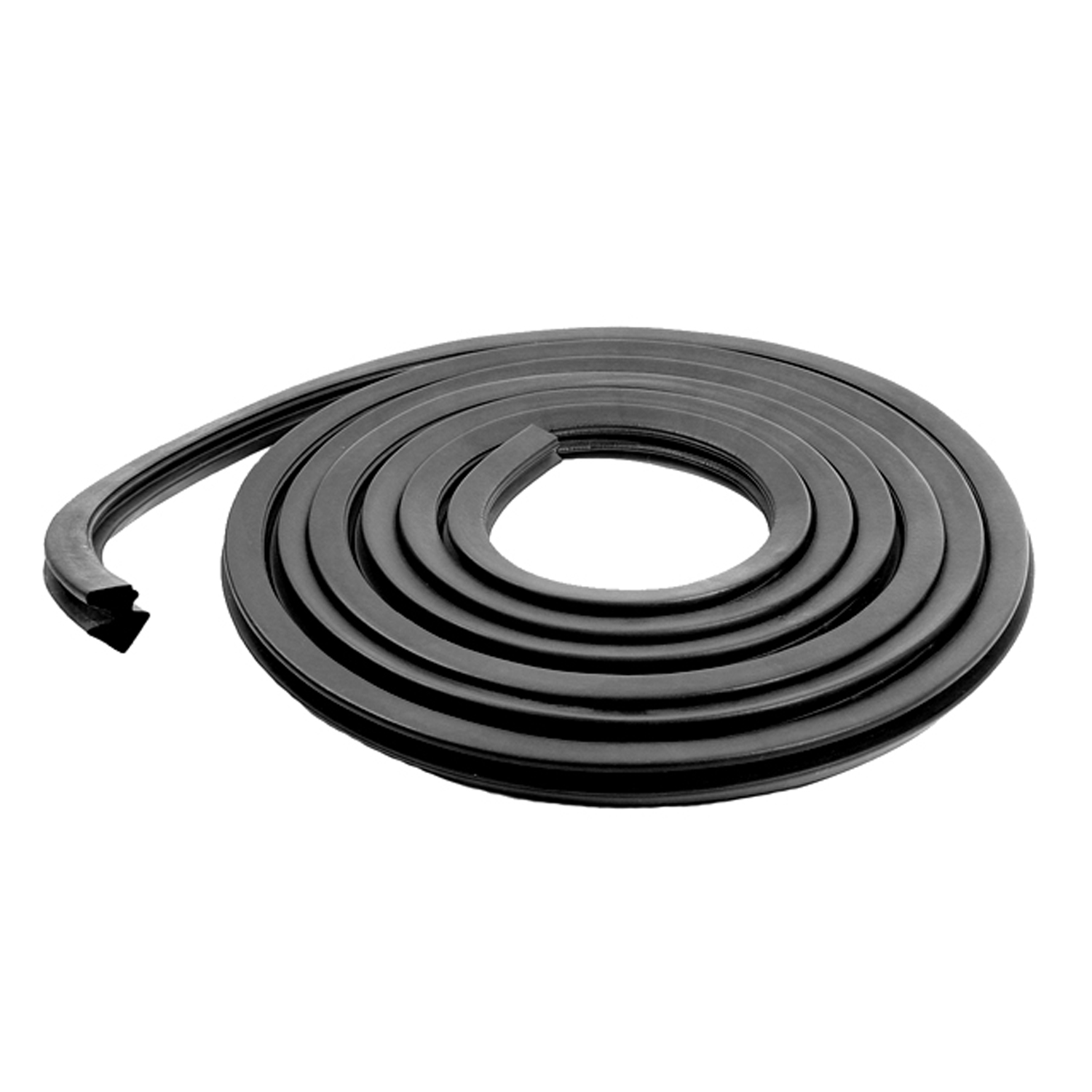 1957 Dodge Custom Trunk Seal. Each-TK 64-17Trunk Seal. Each
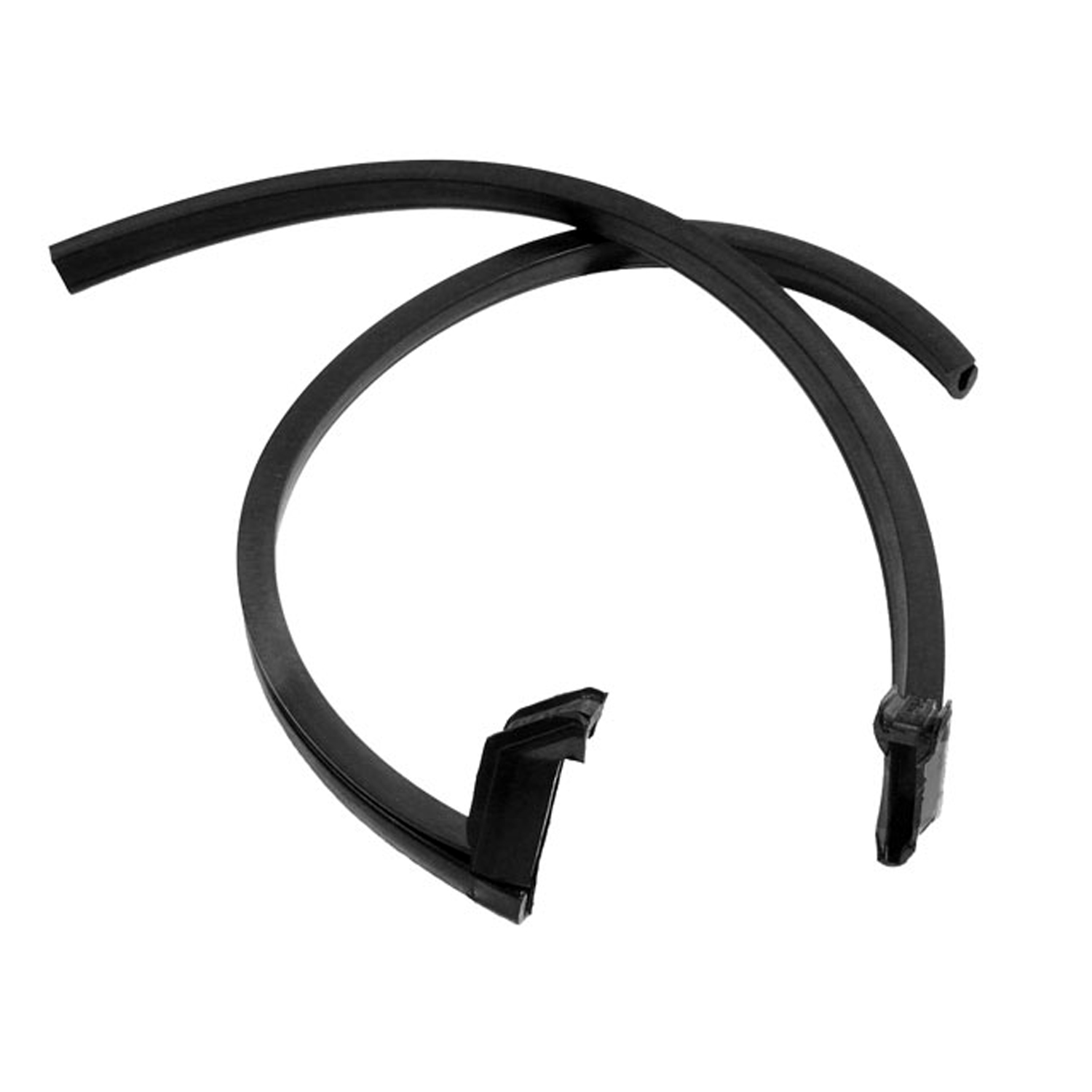 1957 Dodge Custom Rear Roll-Up Window Seals-VS 7-GRear Roll-Up Window Seals. For leading edge of rear quarter window. Made with molded ends. 18-1/2" long. Pair R&L
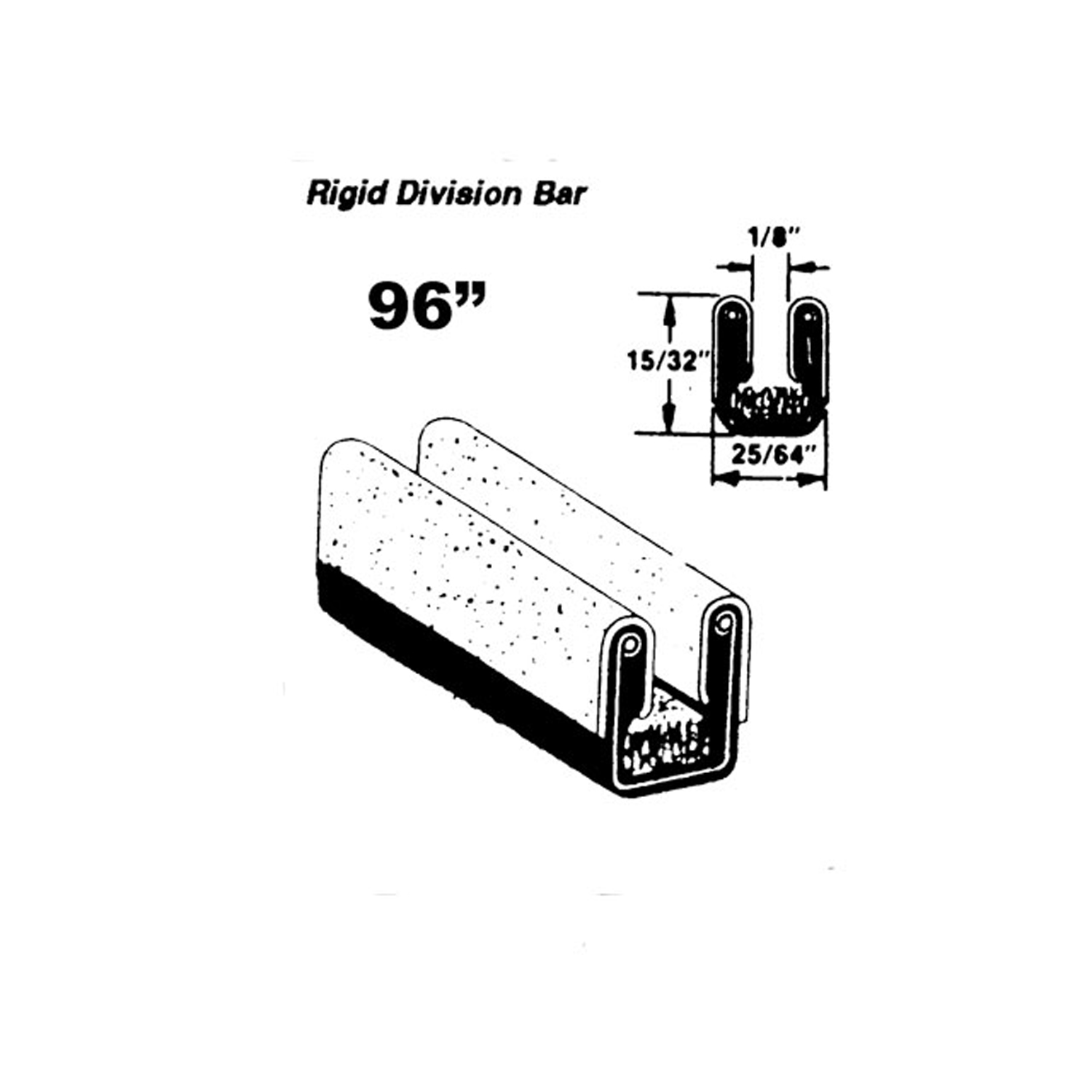 1957 Dodge Custom Rigid division-bar run channel-WC 31-96Rigid division-bar run channel. Made with very soft felt lining. Used on front and rear door side windows. 96 in. long. Each. NOTE: $20 special shipping charge applies for domestic orders. Call or email for overseas shipping costs. Part can be sectioned in two or three equal lengths to reduce overseas shipping costs.
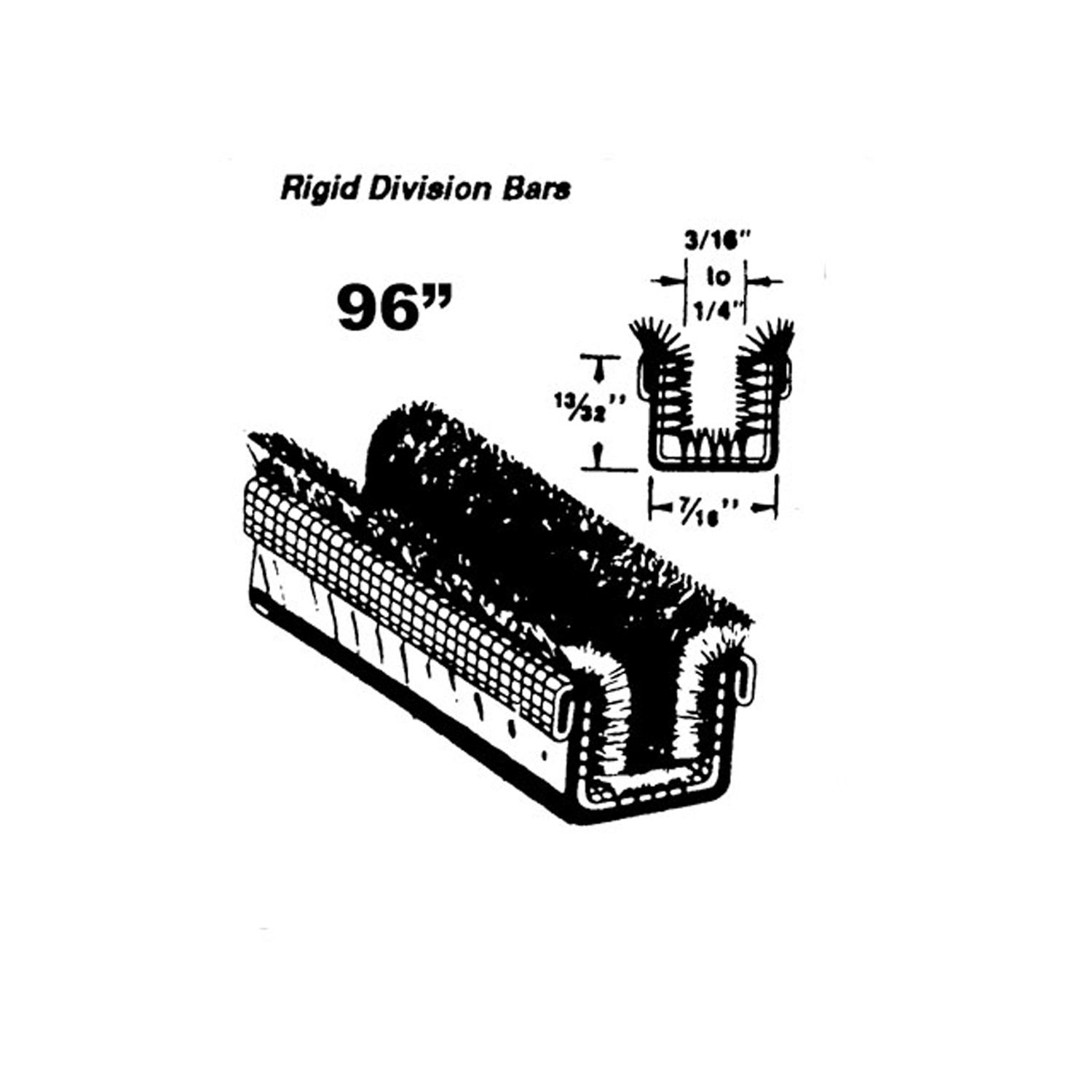 1957 Dodge Custom Rigid division-bar channel. Unbeaded. 96 in. long. Each-WC 41-96Rigid division-bar channel. Unbeaded. 96 in. long. Each. NOTE: $20 special shipping charge applies for domestic orders. Call or email for overseas shipping costs. Part can be sectioned in two or three equal lengths to reduce overseas shipping costs.
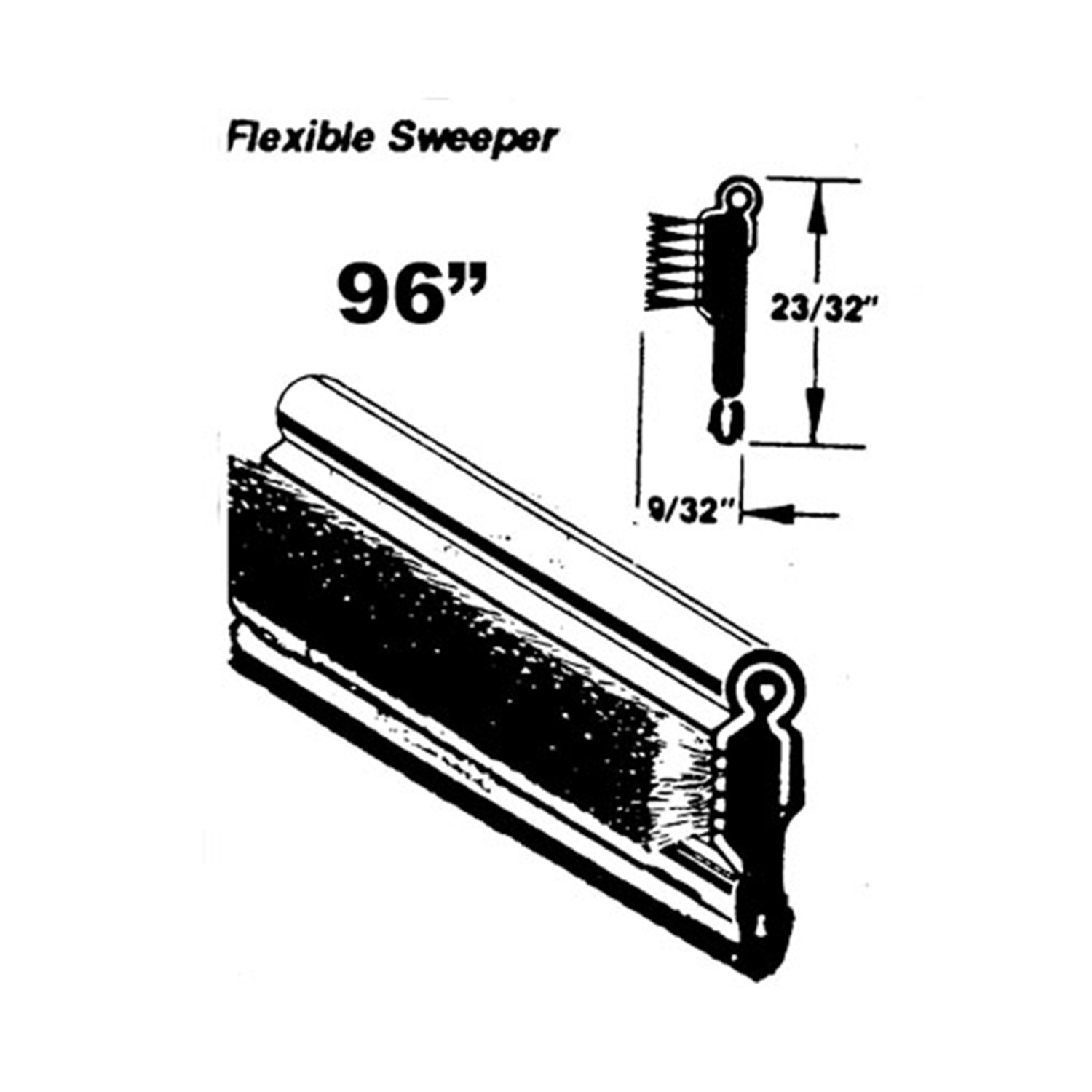 1957 Dodge Custom Flexible window sweeper. Made with stainless steel bead-WC 4-96Flexible window sweeper. Made with stainless steel bead. 96 in. long. Each. NOTE: $20 special shipping charge applies for domestic orders. Call or email for overseas shipping costs. Part can be sectioned in two or three equal lengths to reduce overseas shipping costs.
Why Choose Metro?
For over 100 years, Metro Moulded Parts has been the pinnacle of quality in classic car restoration parts. Our commitment to precision and authenticity in every component ensures a perfect fit and an OEM-level appearance.
- Expert Craftsmanship & Quality: Each part is a testament to our dedication to reliability and perfection, crafted from original designs and thoroughly tested.
- Advanced Technology: We use cutting-edge techniques to create flawless, long-lasting parts that surpass others in performance.
- SuperSoft Sponge – The Ultimate Door Seal: Not only are our door seals 30% softer than competitors', but they're also guaranteed to never leak. They effectively reduce wind and road noise, enhancing your classic car's comfort and driving experience.
- Proudly American: Our parts are a product of American craftsmanship, made in the USA with a spirit of excellence and heritage.
- Unrivaled Warranty: We back our products with a 30-year industry-leading warranty, a testament to our confidence in their quality.
Join us in preserving the legacy of classic cars with parts that are crafted for perfection, not just made.