

Image of 1957 Dodge D500, Note: These illustrations use artistic license and may differ from actual historical models.
Performance Metrics
Fundamental Metrics
Emotional Appeal
MMP Rating
| Engine Specifications | |
|---|---|
| Engine: | 325 cu in (5.3 L) Red Ram Hemi V8 |
| Displacement: | 325 cu in (5.3 L) |
| Horsepower: | 285 hp |
| Torque: | 345 lb-ft |
| Compression Ratio: | 8.5:1 |
| Ignition System: | Conventional points ignition system |
| Cooling System: | Liquid-cooled |
| Performance Specifications | |
| 0-60 Time: | Estimated 8.5 seconds |
| 1/4 Mile Time: | Estimated 16 seconds |
| Top Speed: | 130 mph |
| Transmission and Drive | |
| Drive Type: | Rear-wheel drive |
| Transmission Type: | 3-speed TorqueFlite automatic transmission |
| Fuel and Efficiency | |
| Fuel System Type: | Carburetor |
| MPG: | Estimated 10-12 mpg |
| Dimensions and Brakes | |
| Brakes: | Drum brakes |
| Wheelbase: | 120 inches |
| Weight: | 3,500 lbs |
Note: Specifications for classic cars are given to the best of our ability, considering the limited and variant data available.
1957 Dodge D-500: The Fin-Winged Muscle Car
The 1957 Dodge D-500 arrived with towering tailfins, a Hemi under the hood, and enough horsepower to make the era’s family sedans feel like unlikely performance cars. It was built by the Dodge division of the Chrysler Corporation during a bold period of postwar automotive competition, when American manufacturers were using distinctive styling and bigger engines to win buyers.
One point matters when identifying one today: the D-500 was not a separate Dodge model with its own body. It was a high-performance package available on selected 1957 Dodge models, pairing a powerful V8 with performance-oriented equipment. Its more specialized companion, the D-500-1, took the idea further with competition-minded engine upgrades. The distinction is important to collectors, since a D-500 badge by itself does not prove that a car has its original equipment.
The D-500’s story is part of Chrysler designer Virgil Exner’s “Forward Look” era. For 1957, Dodge adopted a dramatically lower, longer profile and elaborate fins, while the D-500 added genuine performance credentials to the visual drama. It helped establish that a big American sedan could be both a statement of style and a serious high-speed machine.
Forward Look Styling and Cabin
The 1957 Dodge is instantly recognizable from the side. Its long hood flows into a low roof and a high rear deck, where the tailfins rise sharply above the rear fenders. The front end is equally bold, with a wide, chrome-heavy grille and distinctive quad headlamps on many examples. The effect is more jet-age sculpture than conservative family car, and it made the Dodge look fast even when parked.
Trim and ornament varied by series, but the D-500 package kept the car’s dramatic appearance while adding performance identity. Depending on the model and equipment, buyers could have a two-door hardtop, convertible, four-door sedan, four-door hardtop, or station wagon. The two-door hardtop is often the most visually striking choice today: its open-looking roofline shows off the long profile and fins particularly well. Convertibles are especially appealing to collectors, though they are scarcer and typically command a premium.
Inside, the Dodge was designed for comfort as well as show. The broad dashboard, large steering wheel, bench seating, and bright trim gave the cabin a distinctly 1950s character. Upholstery combinations used cloth and vinyl, with more elaborate materials and color treatments available higher in the model range. Condition and originality vary widely now, so surviving factory-correct upholstery and trim can be a significant part of a well-preserved car’s appeal.
Paint choices depended on model and trim, but buyers could choose from a lively palette that included combinations of white, black, red, blue, turquoise, green, and metallic shades. Two-tone paint was a popular way to emphasize the body’s sculpted sides and fins. There was no single color that defined every D-500; a correct factory color combination for a particular car is best confirmed through its documentation or original paint traces.
Hemi Power and 1957 Technology
The heart of the standard 1957 D-500 was Dodge’s 325-cubic-inch Hemi V8. Its hemispherical combustion chambers helped the engine breathe efficiently, and the D-500 version was rated at about 285 horsepower. The more specialized D-500-1 used a hotter specification, including dual four-barrel carburetors, and was rated at roughly 310 horsepower. Exact equipment could vary, so a car’s engine, carburetors, and identification details should be checked against its original specification.
Transmission choices included a three-speed manual and Chrysler’s push-button-controlled TorqueFlite automatic. The buttons were mounted on the dashboard, replacing a conventional gearshift lever and giving the cabin a distinctly futuristic touch. The arrangement was more than a styling flourish: TorqueFlite offered smooth, convenient shifting, although it feels very different from a modern automatic and requires an owner familiar with its operating and service procedures.
Another important feature was Dodge’s Torsion-Aire front suspension, which used torsion bars rather than conventional front coil springs. The design helped provide a controlled ride and was a notable piece of engineering for a large American car. It worked with rear leaf springs, a setup well suited to the car’s size and intended use. The D-500 also benefited from performance-oriented chassis equipment, though details depended on the specific package and configuration.
Why the D-500 Mattered
The D-500 stood apart from many contemporary sedans by combining full-size comfort with factory-installed performance hardware. In the 1950s, high horsepower was increasingly becoming a selling point, but the D-500 was not simply a standard Dodge with decorative badges. Its Hemi engine and supporting performance equipment gave it real sporting intent.
It also captured a turning point in American car design. The 1957 Dodge made the Forward Look unmistakable, using lower bodywork, more elaborate trim, and soaring fins to suggest speed and modernity. The D-500 gave that visual message mechanical substance. It helped pave the way for later performance packages that blended everyday practicality with upgraded engines and chassis components.
Dodge’s racing ambitions added to the car’s reputation. The D-500 name became associated with high-performance Dodges and competition-minded engineering, while the D-500-1 was the more specialized choice for buyers seeking extra output. The model’s lasting influence is less about one isolated design feature than about the formula it represented: an imposing production car that could also deliver serious V8 performance.
Performance and Road Manners
Period test results varied with body style, transmission, axle ratio, tires, and vehicle condition. As a practical estimate, a healthy standard D-500 can reach 60 mph in roughly eight to nine seconds, with a top speed in the neighborhood of 115 to 120 mph under suitable conditions. Those are approximate figures, not guarantees for every car, and a D-500-1 or a differently geared example may perform differently.
On the road, the D-500 feels substantial. The Hemi delivers a deep, authoritative V8 note, and the automatic-equipped cars build speed with a smooth surge rather than the sharp, high-revving character of a modern sports car. The long hood and broad body make the car feel large in tight spaces, while the steering and brakes demand more planning and effort than a contemporary driver may expect.
The torsion-bar front suspension helps the car absorb ordinary road imperfections, but it is still a late-1950s full-size automobile. Over broken pavement, the body moves more than a modern car, and on winding roads it rewards a measured approach. Period tires, drum brakes, and the car’s considerable weight are important limits. The D-500 can be brisk, but it is not a modern performance car, and safe driving means leaving generous room for stopping and cornering.
Living With a 1957 Dodge D-500
Today, most D-500s are weekend drivers, show cars, or collector vehicles rather than daily transportation. A well-sorted example can handle local cruising and occasional longer trips, but regular use calls for close attention to cooling, brakes, tires, suspension components, and electrical connections. A car that has sat for years should be inspected and recommissioned before being driven at speed.
Many mechanical jobs are approachable for an experienced home mechanic, and the pushrod V8 layout is familiar to classic-car specialists. However, originality can make repairs more involved. Correct Hemi parts, D-500-specific components, interior trim, and body pieces may take time to locate, and previous modifications can complicate restoration. The TorqueFlite transmission and torsion-bar suspension are serviceable, but they benefit from a mechanic who understands period Chrysler systems.
As with any old performance car, condition matters more than a badge. Check for rust in the floors, trunk, lower body panels, and structural areas; inspect the engine and transmission; and verify that the identification and equipment match the claimed D-500 specification. A professional pre-purchase inspection is especially valuable because a convincing-looking clone can be mistaken for an authentic package car.
D-500 Facts and Common Myths
The D-500’s name refers to a performance designation, not a 500-cubic-inch engine. Its standard 1957 powerplant was a 325-cubic-inch V8. The D-500-1 was a more specialized, higher-output version, and the two should not be treated as interchangeable when discussing originality or value.
There is no widely accepted factory production total that neatly counts every 1957 D-500 across all Dodge series and body styles. A reasonable estimate is that roughly 3,000 to 6,000 D-500-equipped cars were built, with D-500-1 examples likely numbering only in the low hundreds. These are informed estimates rather than verified production figures, so collectors should be wary of claims that give an exact total without supporting documentation.
The car’s racing association is another part of its appeal, but it is easy to overstate. The D-500 name was tied to Dodge’s performance and competition efforts, yet not every D-500 was a race car, and a badge does not establish a particular car’s competition history. Likewise, famous ownership claims should be supported by reliable records rather than repeated as fact.
Common criticisms are familiar to owners of large 1950s cars: fuel consumption is high, braking distances are long by modern standards, and the dimensions make city driving less convenient. The elaborate trim and distinctive bodywork can also make restoration expensive. For many enthusiasts, those drawbacks are part of the bargain for owning one of the decade’s most unmistakable designs.
Collector Value and Availability
Values depend heavily on body style, condition, originality, documentation, and whether the car is a standard D-500 or a genuine D-500-1. As a broad U.S. market guide, a project car might sell for about $15,000 to $30,000, while a usable driver could fall around $35,000 to $70,000. A highly restored or exceptionally original standard D-500 may bring roughly $75,000 to $125,000 or more. Rare body styles and well-documented D-500-1 cars can exceed those ranges substantially.
These are estimates rather than fixed prices. Auction results, regional demand, restoration quality, and the strength of a car’s authenticity records can all change the final figure. Since D-500 production numbers are not firmly established, availability is best described as limited but not impossibly rare. Cars do appear in the collector market, though finding one with correct equipment, solid bodywork, and a clear history takes patience.
Over the long term, well-presented Forward Look Dodges have benefited from renewed interest in distinctive 1950s styling and early American performance. Values have generally held better for authentic, high-quality examples than for modified or poorly documented cars. The market can fluctuate, but an original, correctly identified D-500 is more likely to attract lasting interest than a standard Dodge wearing performance badges.
The Dodge That Made Fins Fly
The 1957 Dodge D-500 brought together a powerful Hemi V8, innovative torsion-bar front suspension, push-button convenience, and some of the most memorable styling of the Forward Look era. It offered real performance in a comfortable full-size package and helped define Dodge’s identity during a fiercely competitive decade.
More than a finned curiosity, the D-500 is a bold expression of what American automakers could do when design ambition met engineering confidence. Its combination of speed, scale, and unmistakable style still makes it one of the most compelling Dodges of the 1950s.
1957 Dodge D500 Catalog of Parts
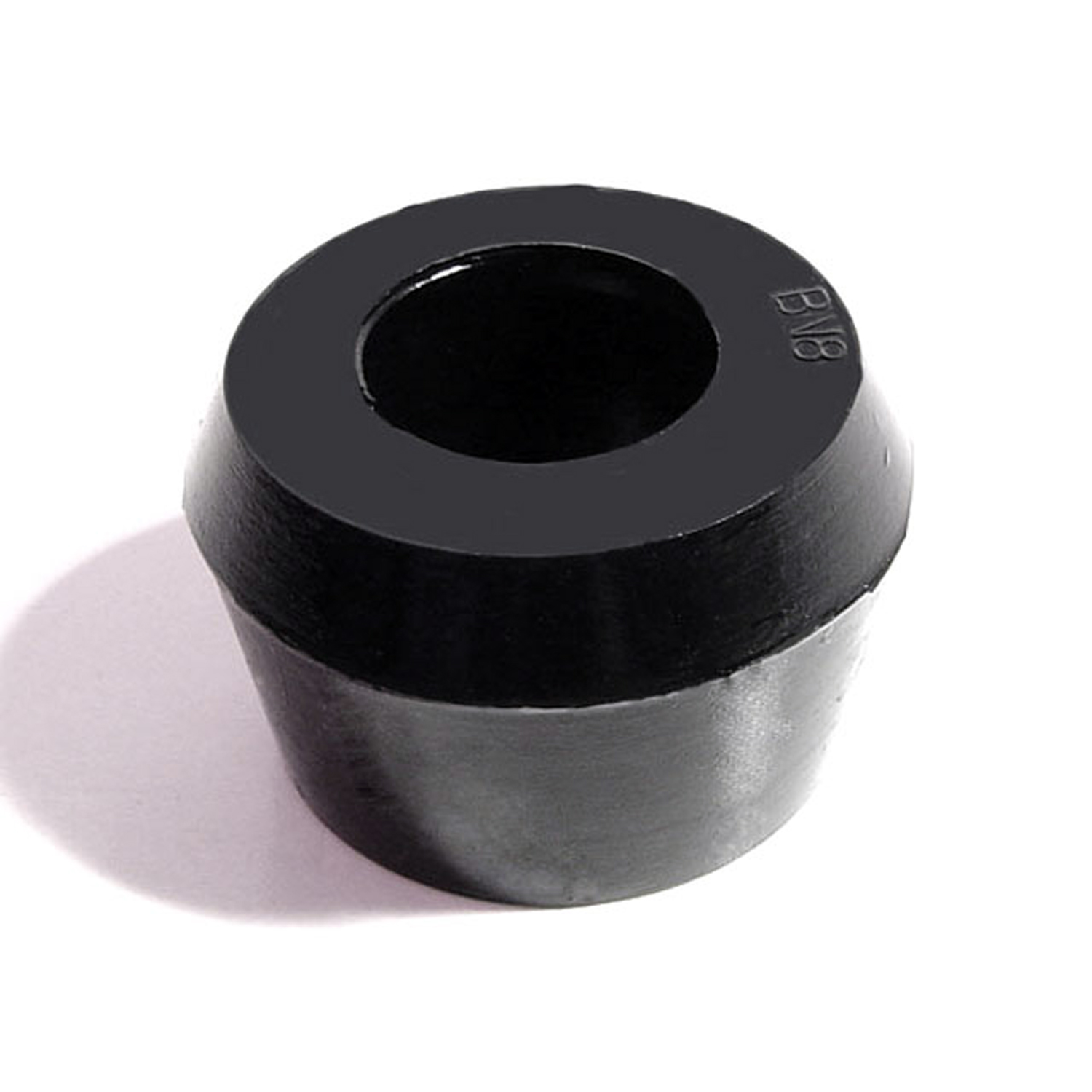 1957 Dodge D500 Shock Absorber Grommet. 1-1/4" bottom O.D-BN 8Shock Absorber Grommet. 1-1/4" bottom O.D., 1" high, with 3/4" I.D. Each
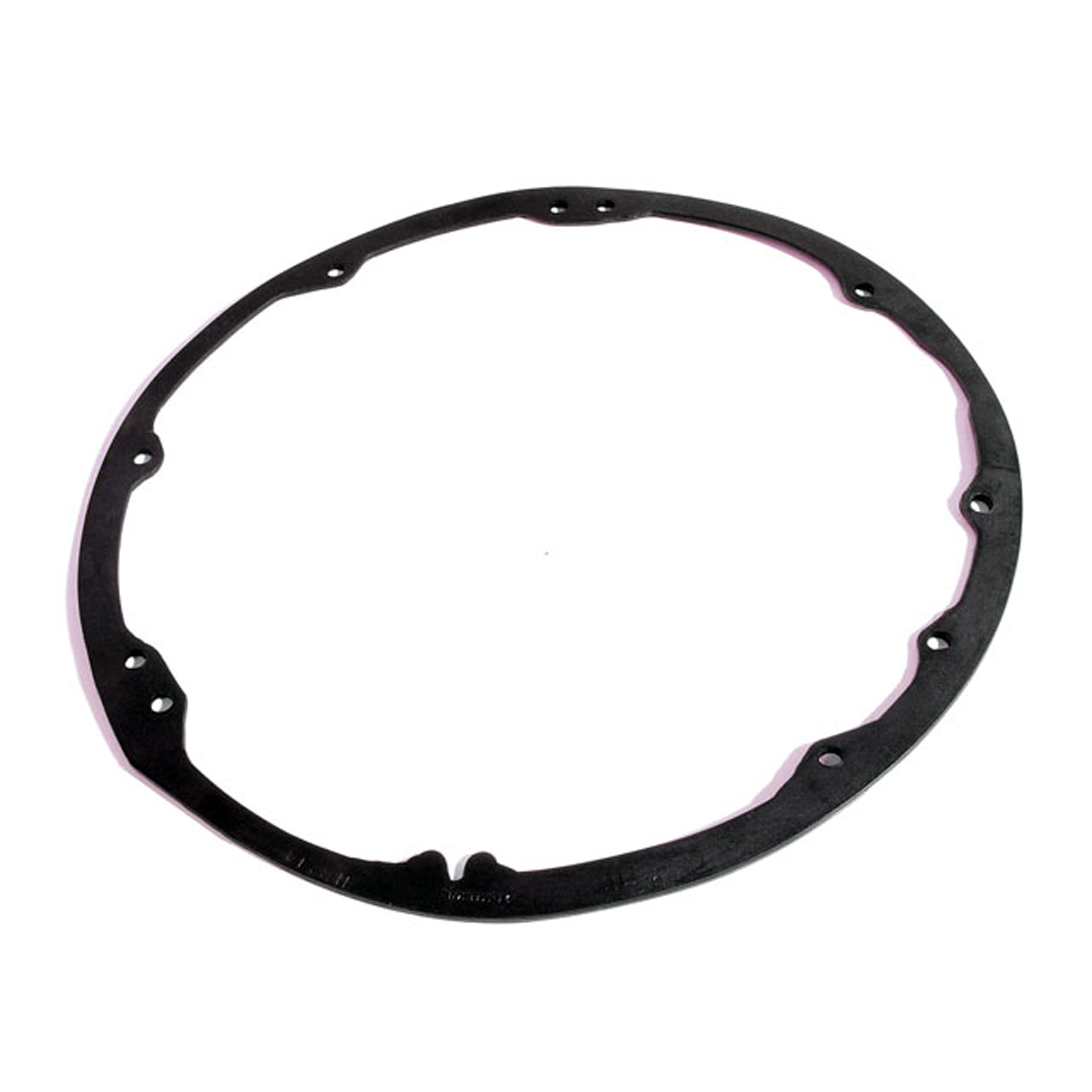 1957 Dodge D500 Headlight Ring Seal. 8-3/8" O.D., 7-3/4" I.D. Pair-HR 14Headlight Ring Seal. 8-3/8" O.D., 7-3/4" I.D. Pair
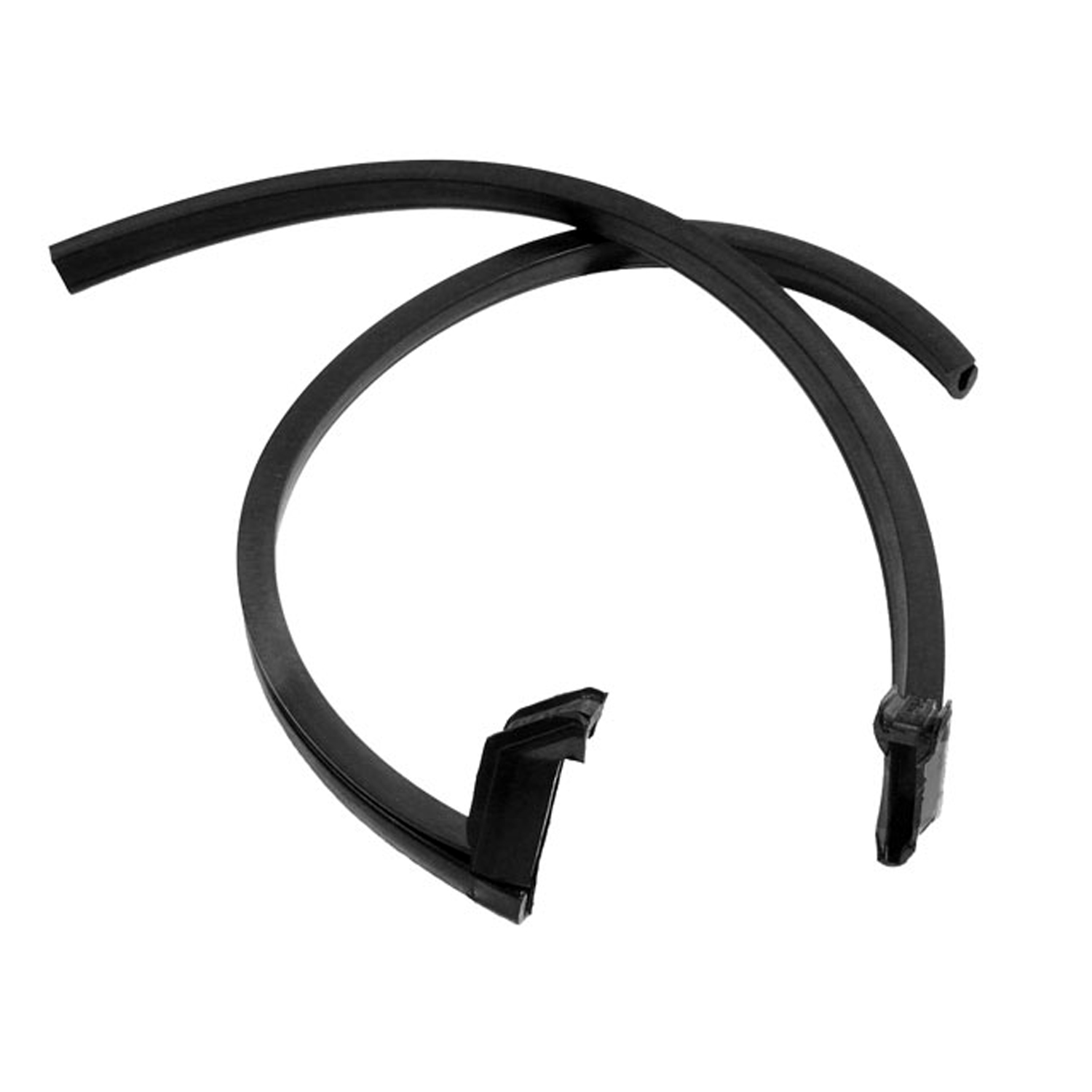 1957 Dodge D500 Rear Roll-Up Window Seals-VS 7-GRear Roll-Up Window Seals. For leading edge of rear quarter window. Made with molded ends. 18-1/2" long. Pair R&L
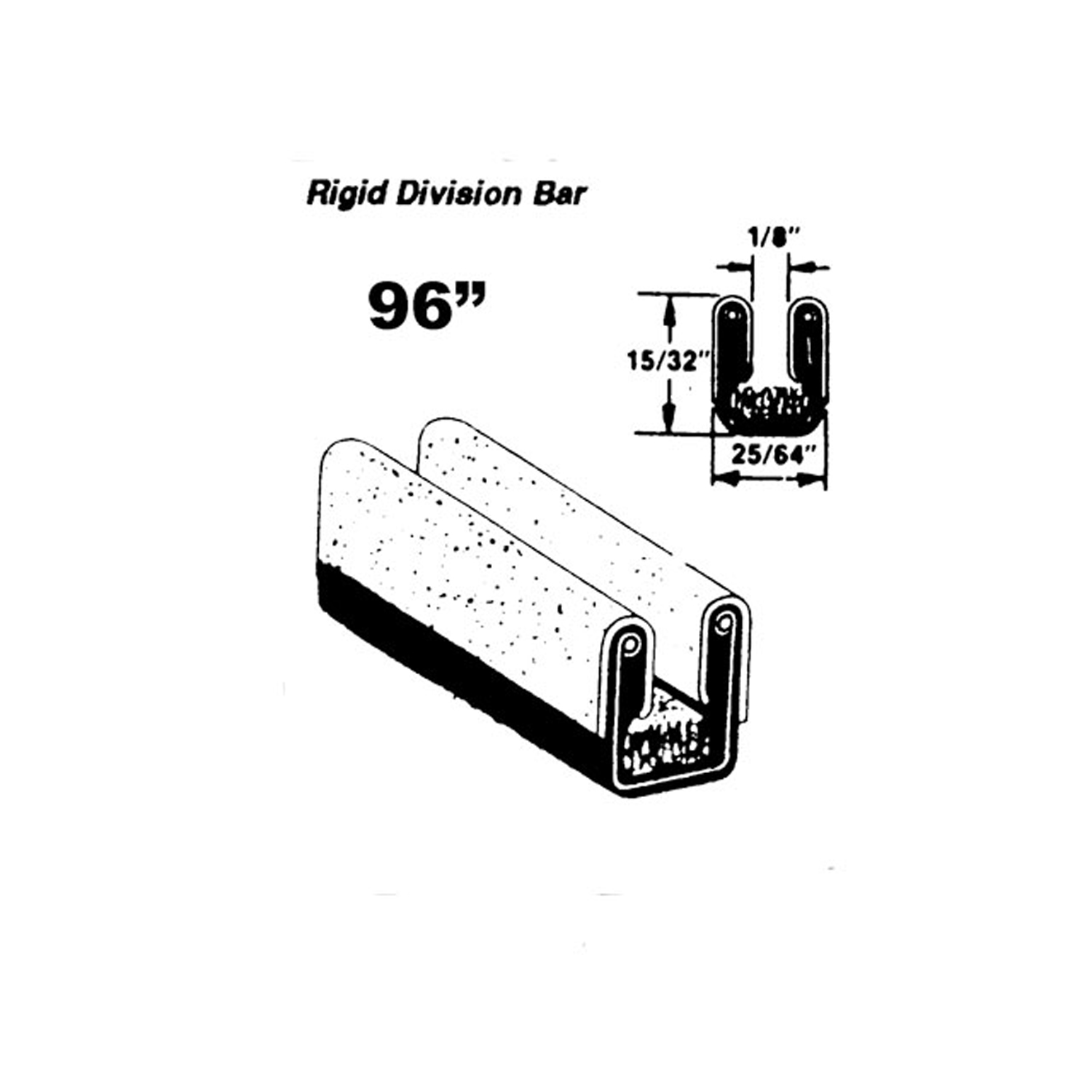 1957 Dodge D500 Rigid division-bar run channel-WC 31-96Rigid division-bar run channel. Made with very soft felt lining. Used on front and rear door side windows. 96 in. long. Each. NOTE: $20 special shipping charge applies for domestic orders. Call or email for overseas shipping costs. Part can be sectioned in two or three equal lengths to reduce overseas shipping costs.
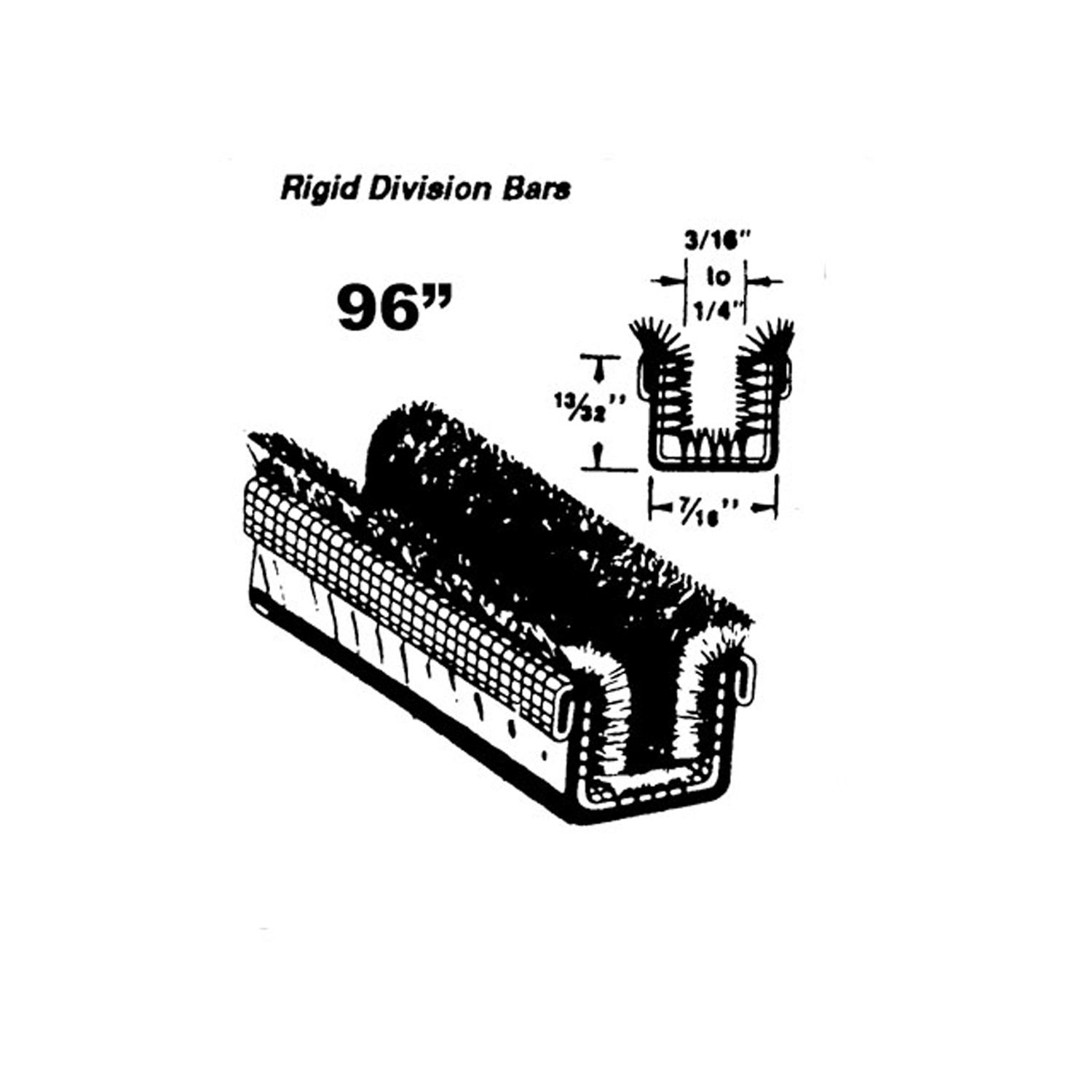 1957 Dodge D500 Rigid division-bar channel. Unbeaded. 96 in. long. Each-WC 41-96Rigid division-bar channel. Unbeaded. 96 in. long. Each. NOTE: $20 special shipping charge applies for domestic orders. Call or email for overseas shipping costs. Part can be sectioned in two or three equal lengths to reduce overseas shipping costs.
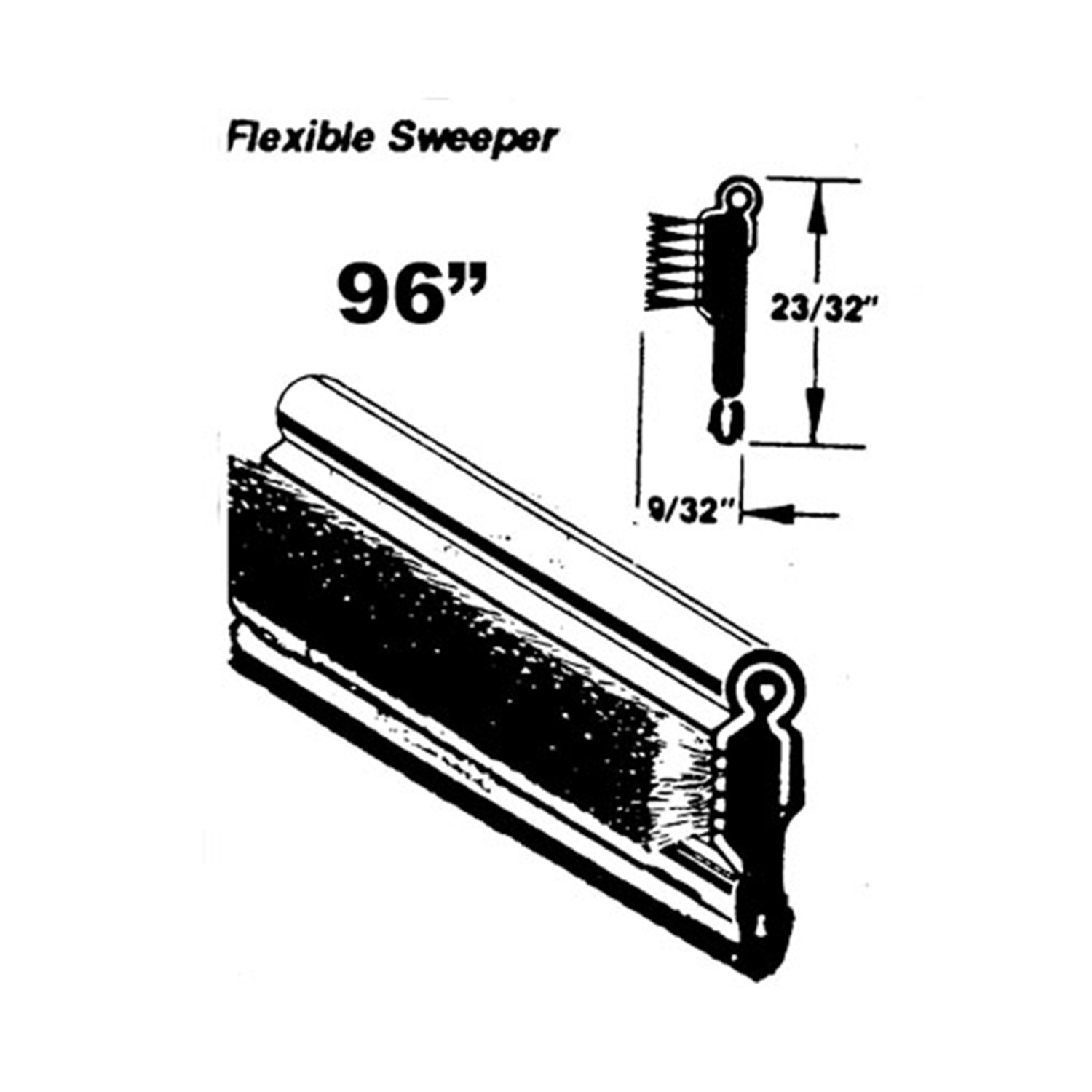 1957 Dodge D500 Flexible window sweeper. Made with stainless steel bead-WC 4-96Flexible window sweeper. Made with stainless steel bead. 96 in. long. Each. NOTE: $20 special shipping charge applies for domestic orders. Call or email for overseas shipping costs. Part can be sectioned in two or three equal lengths to reduce overseas shipping costs.
Why Choose Metro?
For over 100 years, Metro Moulded Parts has been the pinnacle of quality in classic car restoration parts. Our commitment to precision and authenticity in every component ensures a perfect fit and an OEM-level appearance.
- Expert Craftsmanship & Quality: Each part is a testament to our dedication to reliability and perfection, crafted from original designs and thoroughly tested.
- Advanced Technology: We use cutting-edge techniques to create flawless, long-lasting parts that surpass others in performance.
- SuperSoft Sponge – The Ultimate Door Seal: Not only are our door seals 30% softer than competitors', but they're also guaranteed to never leak. They effectively reduce wind and road noise, enhancing your classic car's comfort and driving experience.
- Proudly American: Our parts are a product of American craftsmanship, made in the USA with a spirit of excellence and heritage.
- Unrivaled Warranty: We back our products with a 30-year industry-leading warranty, a testament to our confidence in their quality.
Join us in preserving the legacy of classic cars with parts that are crafted for perfection, not just made.