

Image of 1957 Dodge D501, Note: These illustrations use artistic license and may differ from actual historical models.
Performance Metrics
Fundamental Metrics
Emotional Appeal
MMP Rating
| Engine Specifications | |
|---|---|
| Engine: | 354 cu in (5.8 L) Hemi V8 |
| Displacement: | 354 cu in (5.8 L) |
| Horsepower: | 340 hp |
| Torque: | 375 lb-ft |
| Compression Ratio: | 10.0:1 |
| Ignition System: | Conventional points ignition system |
| Cooling System: | Liquid-cooled |
| Performance Specifications | |
| 0-60 Time: | Estimated 7 seconds |
| 1/4 Mile Time: | Estimated 15 seconds |
| Top Speed: | 130 mph |
| Transmission and Drive | |
| Drive Type: | Rear-wheel drive |
| Transmission Type: | 3-speed TorqueFlite automatic |
| Fuel and Efficiency | |
| Fuel System Type: | Carburetor |
| MPG: | Estimated 10-12 mpg |
| Dimensions and Brakes | |
| Brakes: | Drum brakes |
| Wheelbase: | 122 in (3,099 mm) |
| Weight: | 3,650 lbs |
Note: Specifications for classic cars are given to the best of our ability, considering the limited and variant data available.
1957 Dodge D-501: The Hemi Sleeper with Forward Look Style
The 1957 Dodge D-501 paired one of the era’s boldest, finned designs with a purpose-built Hemi V-8, creating a rare performance model that looked almost like a regular Dodge Coronet. Built by the Dodge division of Chrysler Corporation, it was a factory hot rod aimed at drivers who wanted serious power without giving up the comfort and style of a full-size American car.
The D-501 arrived during a remarkable period of change. Virgil Exner’s “Forward Look” design language gave 1957 Dodges dramatic tailfins and a lower, longer appearance, while Detroit’s horsepower race was heating up. The D-501’s most intriguing detail was under its hood: instead of using the more familiar Dodge V-8, it received a 354-cubic-inch Chrysler FirePower Hemi, a high-performance engine adapted to a Dodge chassis.
Production is generally reported at about 100 or 101 cars, making the D-501 exceptionally scarce. The exact count can vary among enthusiast and reference sources, but there is no doubt that it was built in tiny numbers compared with ordinary 1957 Dodges.
Forward Look Design and a Purposeful Interior
The D-501 wore the sweeping shape that made 1957 Dodges instantly recognizable. Its long hood flowed into a broad, low body, while the rear fenders rose into tall, sharply pointed fins. A wide grille, substantial chrome trim, and the new-for-1957 quad-headlamp look gave the car a confident, almost futuristic face. Details could vary with body and trim, but the overall effect was unmistakably Forward Look.
Inside, the D-501 remained a Dodge passenger car rather than a stripped-out competition special. Depending on the car’s original trim and options, buyers could find patterned cloth and vinyl upholstery, a wide bench seat, a large steering wheel, and a broad dashboard with bright metal accents. The cabin was made for cruising, with the period’s typical emphasis on comfort and decorative trim. Today, original upholstery, dashboard components, and small interior fittings can be challenging to source, particularly for a documented D-501.
There was no separate, exclusive D-501 color palette. Buyers could order from the available Dodge colors and two-tone combinations, so surviving cars may appear in a range of period shades. Bright two-tone finishes suit the fins especially well, but an original paint and trim combination is more important to collectors than any single “best” color.
The D-501 was a performance package based on Dodge passenger-car hardware, not a wholly separate body design. Accounts most often describe two-door hardtops as the typical configuration, with a four-door sedan sometimes noted among the rare production examples. In either form, it kept the substantial body and trim of a road-going Dodge while gaining specialized mechanical equipment.
Why the D-501 Mattered
The D-501 showed how far a manufacturer could go in turning a production car into a low-volume performance machine. Its 354 Hemi, heavy-duty chassis components, and competition-minded setup set it apart from ordinary Dodge models. The model also reflected a broader industry trend: American manufacturers were using lessons from racing to build powerful street cars that could still carry passengers in comfort.
It is important to separate the D-501’s significance from the styling story around it. The fins and body shape were part of Exner’s wider Forward Look program, not an innovation unique to the D-501. What made this model distinctive was the unlikely combination of dramatic 1950s styling and a serious Hemi powertrain in a Dodge package.
Dodge’s Hemi-powered racers helped establish the brand’s performance reputation during the period, but a D-501 road car should not automatically be described as a NASCAR winner. Competition cars were prepared and configured for racing, and their achievements do not prove that a particular street D-501 took part in a specific event. The model’s importance is its connection to that performance era and its unusually direct transfer of high-output hardware to a production-based car.
354 Hemi Performance and Road Manners
The D-501’s headline component was a 354-cubic-inch (5.8-liter) Hemi V-8, commonly rated at 340 horsepower and equipped with two four-barrel carburetors. That was formidable output for a full-size American car in 1957. Heavy-duty suspension, braking, and driveline equipment helped distinguish the package from a standard Dodge, though specifications and equipment should be verified against the individual car’s build documentation.
Exact acceleration and top-speed figures are difficult to pin down because period tests and modern references do not always describe the same configuration. As a practical guide, a properly tuned D-501 is often estimated to reach 0 to 60 mph in roughly 7 to 8 seconds, with a top speed in the neighborhood of 120 to 125 mph. Those are estimates, not guaranteed factory test figures. Tire condition, gearing, transmission, tune, and the car’s weight all have a substantial effect.
On the road, the Hemi’s character is more important than the numbers. At idle, the dual-carburetor V-8 has a deep, purposeful rumble. Press the throttle and it answers with a forceful surge, accompanied by the induction sound of two four-barrel carburetors working hard. The car is large and heavy by modern standards, so it feels more like a powerful grand tourer than a nimble sports car.
The suspension was built to cope with speed better than standard passenger-car equipment, but the D-501 still has the ride and dimensions of a 1950s American automobile. It can feel composed on open roads, while broken pavement calls for respect and a firm grip on the wheel. On winding roads, its size, body roll, and period tires reward smooth inputs rather than fast, abrupt cornering. Brakes and steering condition are especially important on a car this powerful.
Living with a 1957 Dodge D-501
Today, most D-501s are treasured as collector cars, shown at events, or driven on occasional cruises. Their rarity and value make regular commuting an unusual choice, although a carefully restored example can be driven. Owners generally benefit from treating the car as a high-performance classic rather than an ordinary old Dodge.
Routine service is familiar in principle: maintain the ignition, fuel system, cooling system, brakes, and lubrication, and inspect the chassis regularly. The challenge is finding and correctly rebuilding the specialized Hemi and D-501-specific components. A general classic-car mechanic may be able to handle basic work, but engine, carburetor, transmission, and authenticity questions are best taken to a shop experienced with early Chrysler Hemi cars.
Reliability depends heavily on restoration quality and maintenance. A sound engine and properly set-up dual-carburetor system can provide rewarding driving, but old fuel lines, aging wiring, overheating, and poorly synchronized carburetors can turn a rare car into a frustrating one. Before buying, check the engine identification, major drivetrain parts, body condition, and paperwork. A car described as a D-501 should be supported by credible documentation, not just a Hemi under the hood.
Rare D-501 Facts and Common Misconceptions
The D-501 is notable for combining a Dodge body with a Chrysler 354 Hemi rather than the more typical Dodge engine of the period. Its reported production of around 100 cars makes it far rarer than the vast majority of 1957 Dodges. That rarity also means that claims about exact production totals, surviving examples, and individual cars deserve careful verification.
It is sometimes tempting to attach a racing record or a dramatic speed claim to every D-501. The safer distinction is that the model was built with competition in mind and belongs to the same high-performance environment as Chrysler’s racing efforts, but a street car’s specifications are not the same as a race car’s. No widely recognized production record should be assumed without reliable documentation.
Common criticisms are the car’s size, fuel consumption, and the difficulty of finding correct parts. Its power can also make a tired chassis or worn brakes a serious concern. For collectors, originality and documentation matter enormously: an attractive Hemi-powered Dodge is not necessarily a genuine D-501.
Collector Value and Market Outlook
The D-501 occupies a very small corner of the collector-car market, so prices depend on condition, originality, provenance, and the quality of the restoration. As a broad 2026 estimate, a project or incomplete example might fall around $50,000 to $100,000, while a solid, correctly presented car could bring roughly $100,000 to $175,000. A highly original or expertly restored example with strong documentation could reach approximately $175,000 to $250,000 or more.
These are guide ranges, not a substitute for a current appraisal. With so few cars available, one public sale can influence expectations, and a rare car’s asking price may be far removed from its final selling price. Values for exceptional examples have generally benefited from growing interest in rare factory performance cars, but the market is selective. Correct identity and condition can matter more than a flashy restoration.
Availability is limited. A D-501 may not appear on the market for long stretches, and the handful that do surface can vary greatly in completeness and authenticity. Buyers should budget for specialist inspections and be prepared to wait for the right car rather than relying on a quick search.
A Rare Hemi at the Edge of the Forward Look
The 1957 Dodge D-501 brought together two defining forces of its era: Exner’s dramatic Forward Look design and Chrysler’s Hemi engineering. It was fast, imposing, and built in numbers so small that every genuine example carries a remarkable story. More than a rare Dodge, the D-501 is a vivid snapshot of the moment when Detroit’s styling revolution met the horsepower race.
1957 Dodge D501 Catalog of Parts
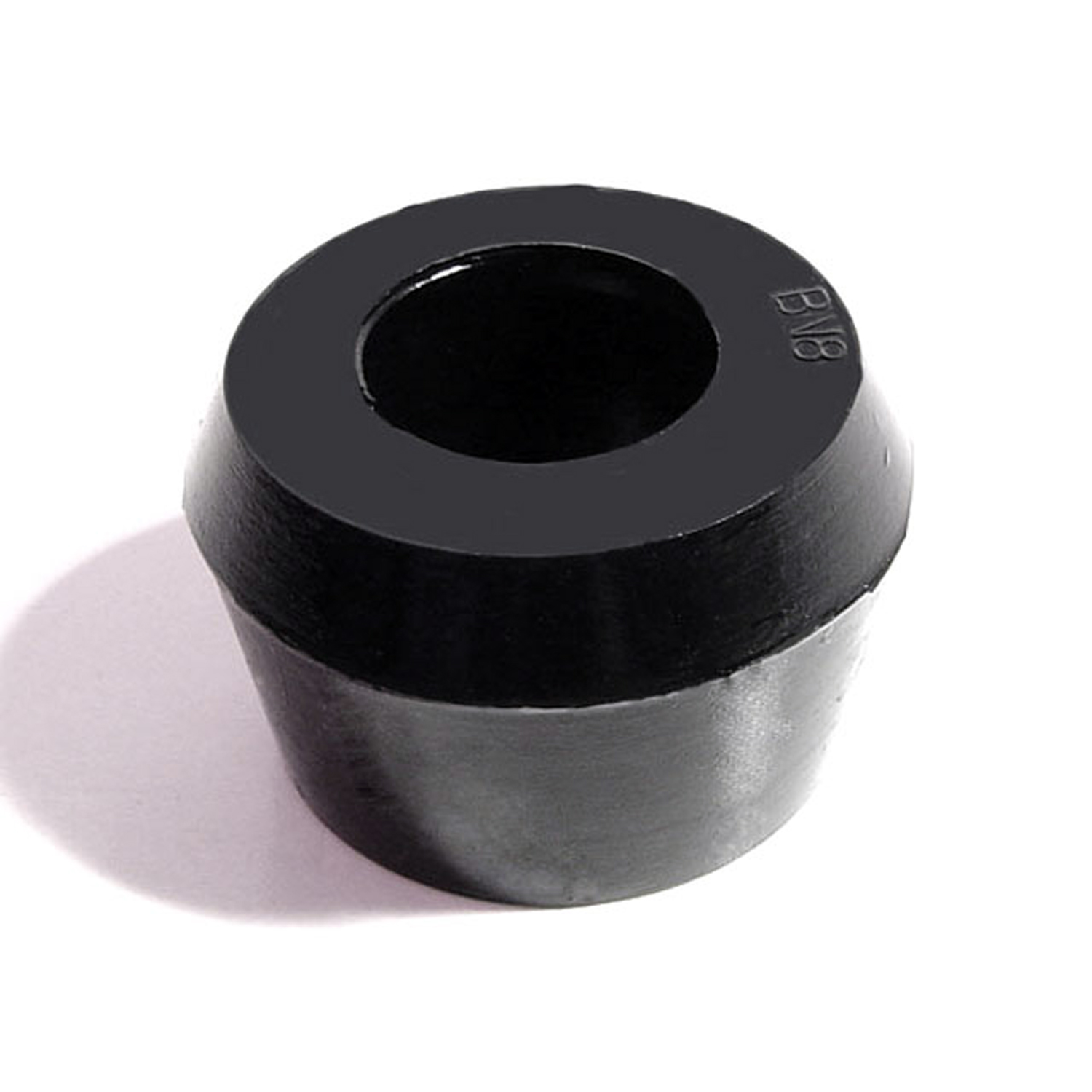 1957 Dodge D501 Shock Absorber Grommet. 1-1/4" bottom O.D-BN 8Shock Absorber Grommet. 1-1/4" bottom O.D., 1" high, with 3/4" I.D. Each
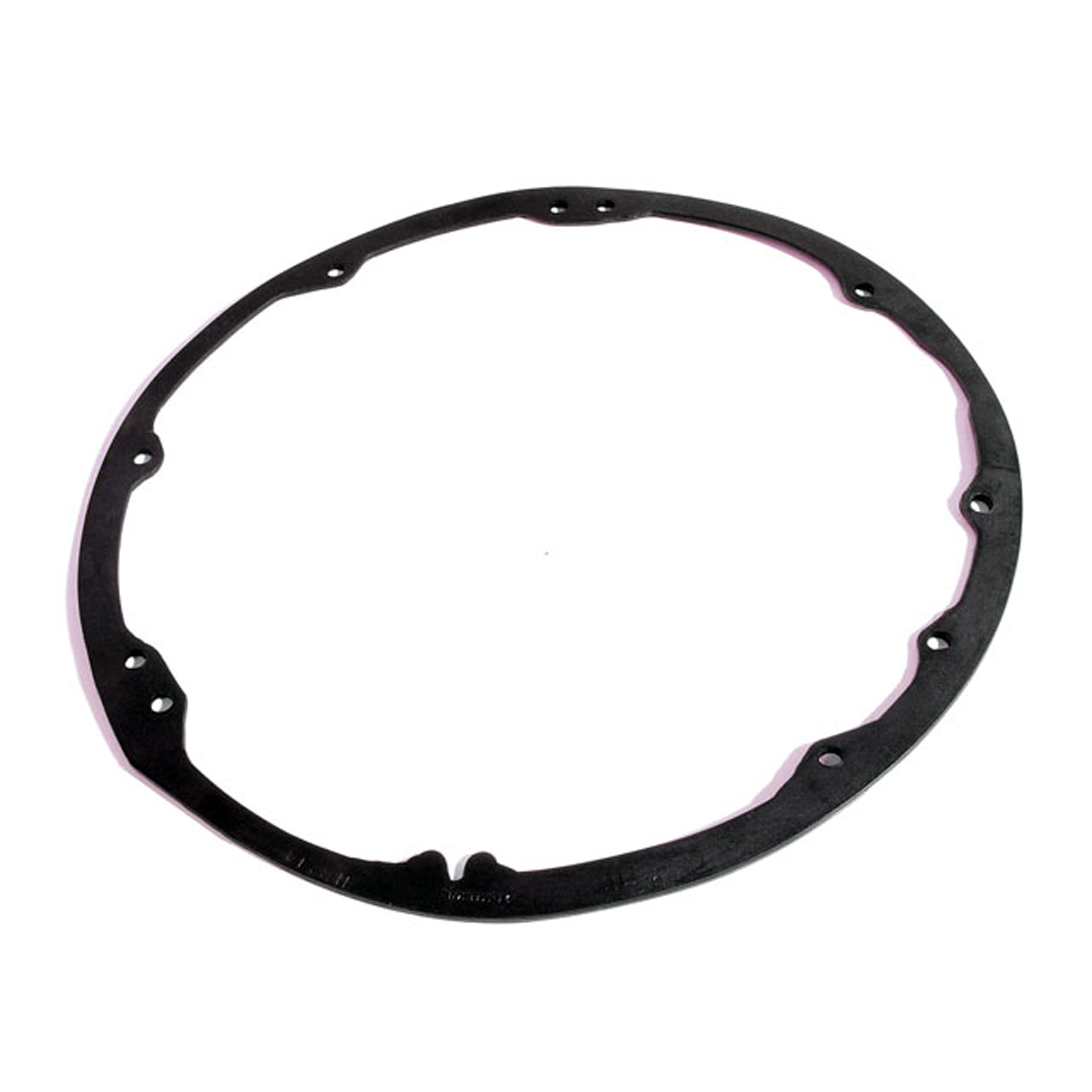 1957 Dodge D501 Headlight Ring Seal. 8-3/8" O.D., 7-3/4" I.D. Pair-HR 14Headlight Ring Seal. 8-3/8" O.D., 7-3/4" I.D. Pair
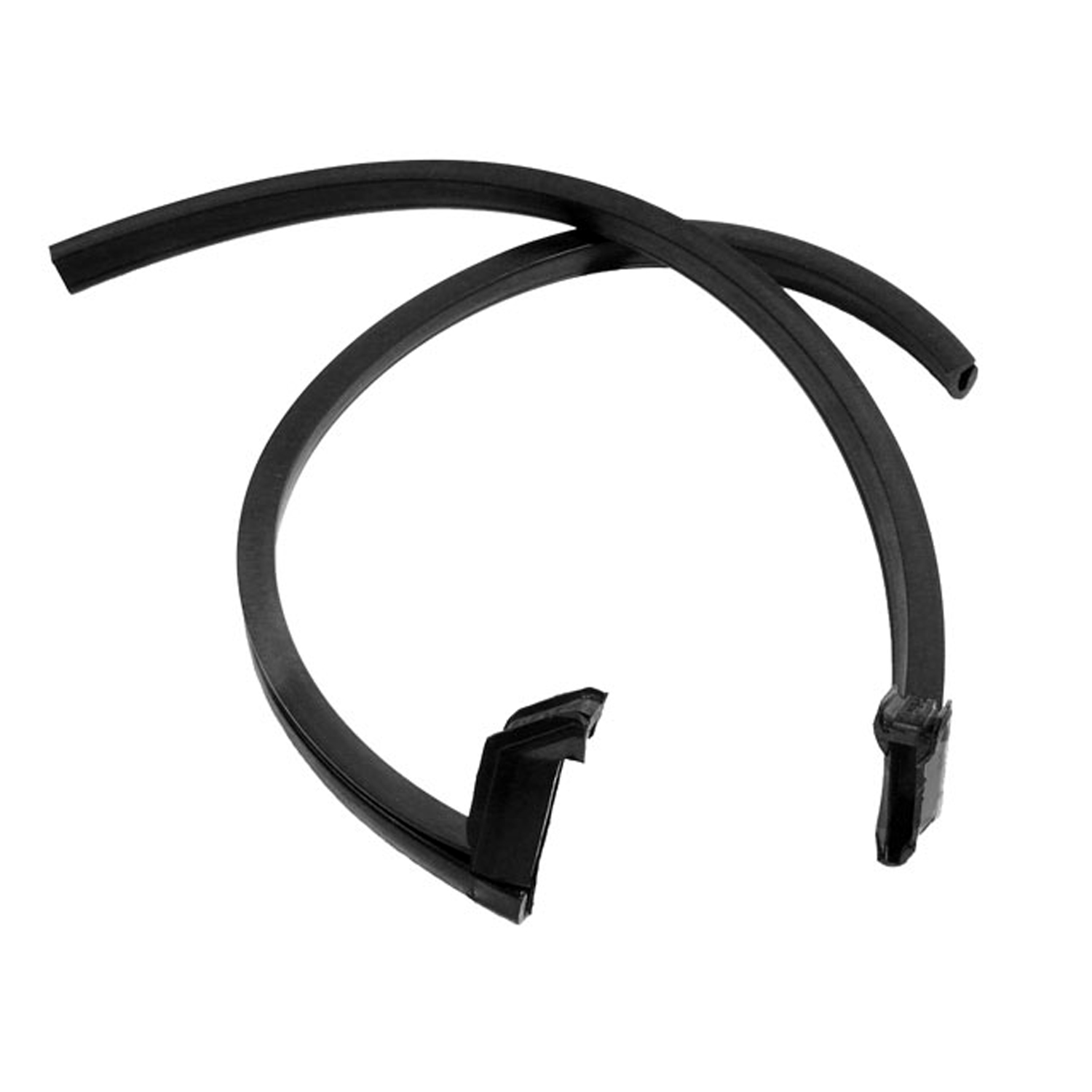 1957 Dodge D501 Rear Roll-Up Window Seals-VS 7-GRear Roll-Up Window Seals. For leading edge of rear quarter window. Made with molded ends. 18-1/2" long. Pair R&L
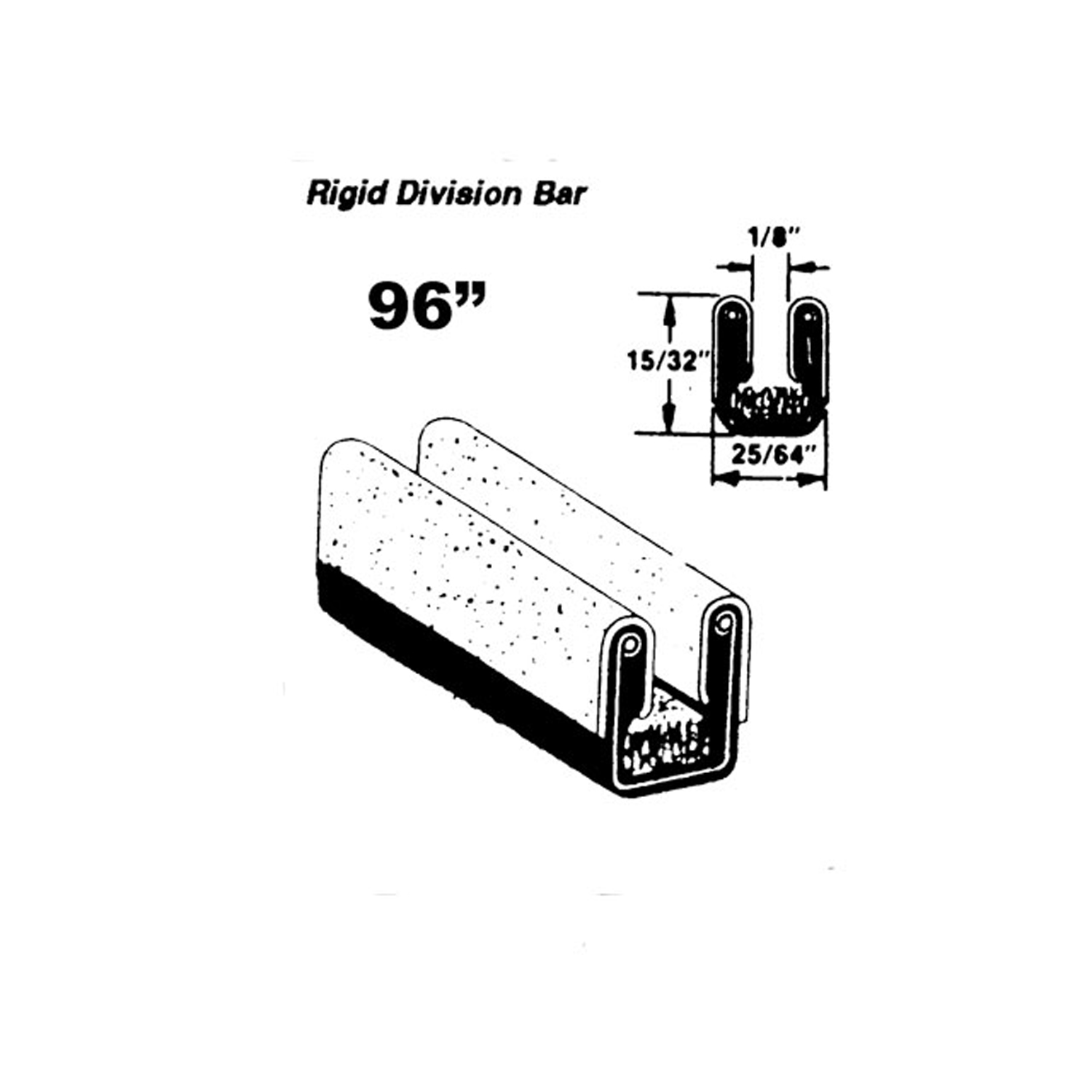 1957 Dodge D501 Rigid division-bar run channel-WC 31-96Rigid division-bar run channel. Made with very soft felt lining. Used on front and rear door side windows. 96 in. long. Each. NOTE: $20 special shipping charge applies for domestic orders. Call or email for overseas shipping costs. Part can be sectioned in two or three equal lengths to reduce overseas shipping costs.
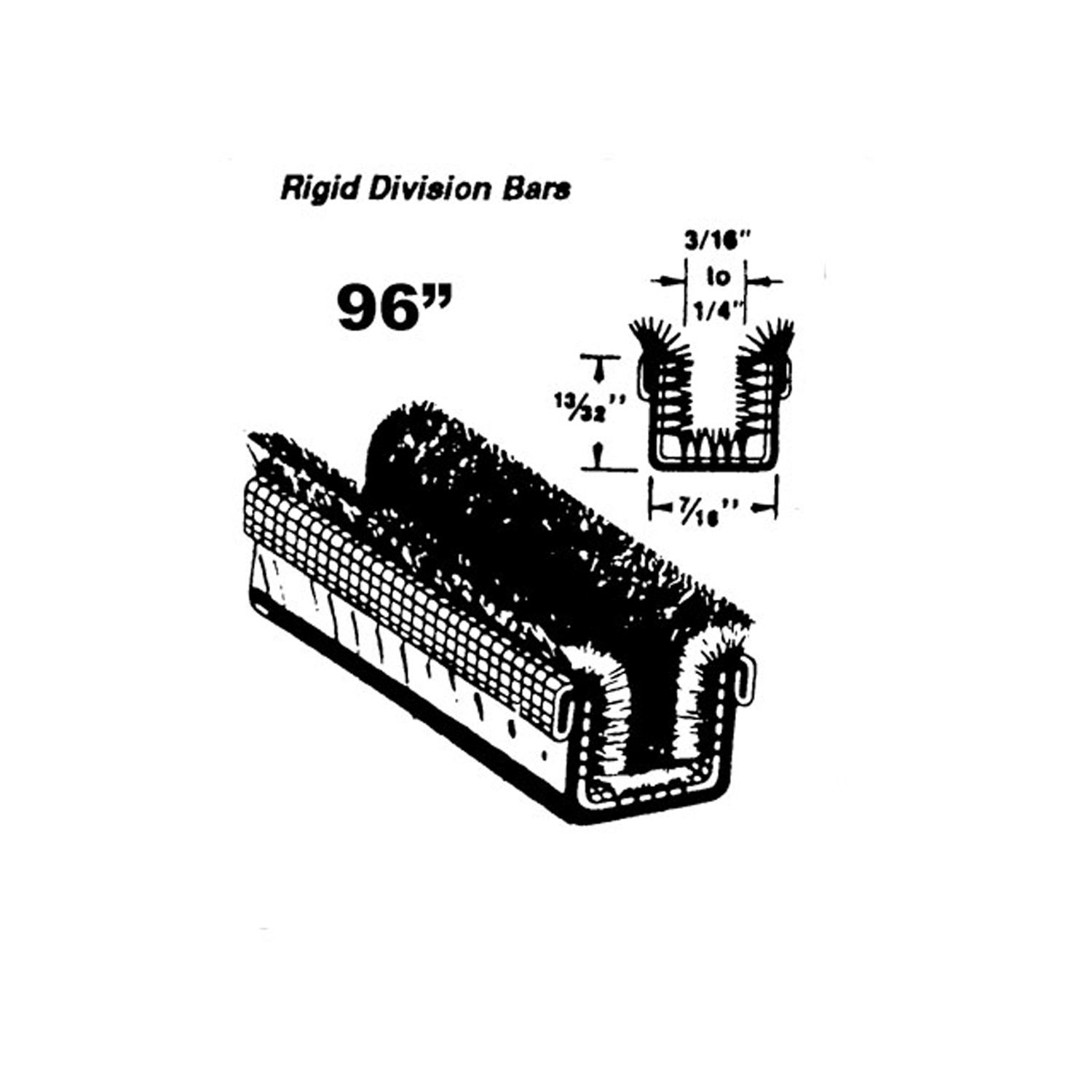 1957 Dodge D501 Rigid division-bar channel. Unbeaded. 96 in. long. Each-WC 41-96Rigid division-bar channel. Unbeaded. 96 in. long. Each. NOTE: $20 special shipping charge applies for domestic orders. Call or email for overseas shipping costs. Part can be sectioned in two or three equal lengths to reduce overseas shipping costs.
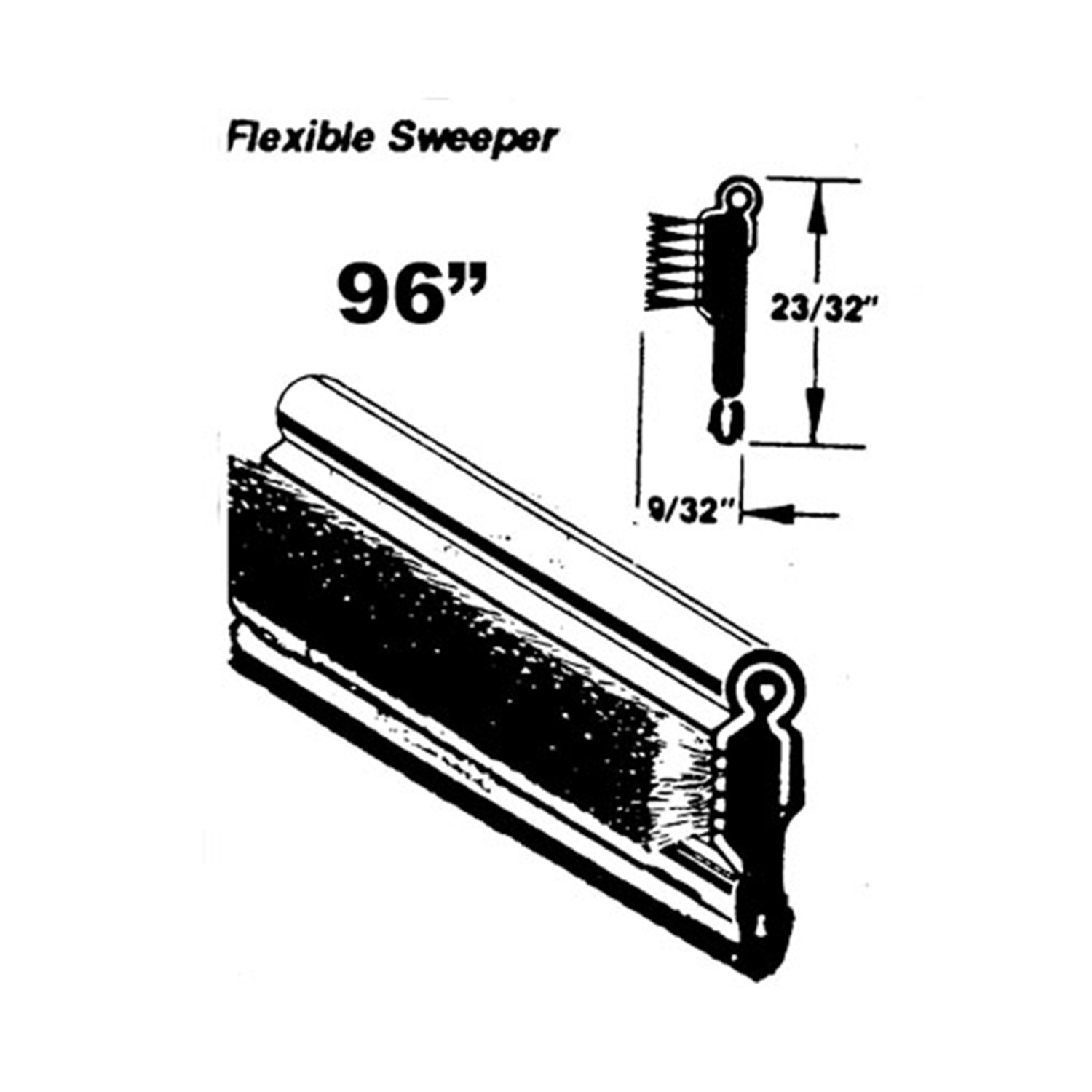 1957 Dodge D501 Flexible window sweeper. Made with stainless steel bead-WC 4-96Flexible window sweeper. Made with stainless steel bead. 96 in. long. Each. NOTE: $20 special shipping charge applies for domestic orders. Call or email for overseas shipping costs. Part can be sectioned in two or three equal lengths to reduce overseas shipping costs.
Why Choose Metro?
For over 100 years, Metro Moulded Parts has been the pinnacle of quality in classic car restoration parts. Our commitment to precision and authenticity in every component ensures a perfect fit and an OEM-level appearance.
- Expert Craftsmanship & Quality: Each part is a testament to our dedication to reliability and perfection, crafted from original designs and thoroughly tested.
- Advanced Technology: We use cutting-edge techniques to create flawless, long-lasting parts that surpass others in performance.
- SuperSoft Sponge – The Ultimate Door Seal: Not only are our door seals 30% softer than competitors', but they're also guaranteed to never leak. They effectively reduce wind and road noise, enhancing your classic car's comfort and driving experience.
- Proudly American: Our parts are a product of American craftsmanship, made in the USA with a spirit of excellence and heritage.
- Unrivaled Warranty: We back our products with a 30-year industry-leading warranty, a testament to our confidence in their quality.
Join us in preserving the legacy of classic cars with parts that are crafted for perfection, not just made.