

Image of 1957 Dodge Truck, Note: These illustrations use artistic license and may differ from actual historical models.
Performance Metrics
Fundamental Metrics
Emotional Appeal
MMP Rating
| Engine Specifications | |
|---|---|
| Engine: | 230 cubic inch Flathead Six, 315 cubic inch V8 |
| Displacement: | 230-315 cubic inches |
| Horsepower: | 120-180 hp |
| Torque: | 215-285 lb-ft |
| Compression Ratio: | 7.0:1 - 8.4:1 |
| Ignition System: | Distributor and coil |
| Cooling System: | Liquid-cooled |
| Performance Specifications | |
| 0-60 Time: | Estimated 15-20 seconds |
| 1/4 Mile Time: | Estimated 20-25 seconds |
| Top Speed: | 70-85 mph |
| Transmission and Drive | |
| Drive Type: | Rear-wheel drive |
| Transmission Type: | 3-speed manual, 4-speed manual |
| Fuel and Efficiency | |
| Fuel System Type: | Carburetor |
| MPG: | Estimated 10-15 mpg |
| Dimensions and Brakes | |
| Brakes: | Drum brakes |
| Wheelbase: | 108-126 inches |
| Weight: | 3,500-4,500 lbs |
Note: Specifications for classic cars are given to the best of our ability, considering the limited and variant data available.
1957 Dodge Truck: The “Power Giant” Arrives
The 1957 Dodge truck brought bold mid-century style to a hard-working machine, and one version looked so much like a passenger car that it seemed ready to steal the spotlight from Dodge’s own sedans. Built by the Dodge Division of Chrysler Corporation, the 1957 range included practical work trucks and the eye-catching Sweptside pickup, a rare model that remains one of the most distinctive American trucks of its era.
These trucks belonged to Dodge’s C-Series, introduced in 1954 with a modern cab and a wide, curved windshield. For 1957, Dodge promoted its trucks as “Power Giants,” highlighting available V8 power and expanded capabilities. The timing mattered: postwar businesses and families wanted vehicles that could earn their keep during the week and serve as personal transportation on weekends. Dodge answered with a range that combined work-ready construction, more comfort than earlier trucks, and styling that made no attempt to blend into the background.
The most intriguing member of the lineup was the Sweptside. Its dramatic tail-finned bed sides borrowed visual cues from Dodge station wagons, turning an ordinary pickup into a rolling expression of the late-1950s fascination with jet-age design. It was not a separate car-based utility vehicle, but a pickup given an unusually elaborate styling treatment.
Bold Styling and a Useful Cab
The 1957 Dodge’s cab had a broad, upright look, with a large wraparound windshield that improved the view ahead and made the cabin feel more open than that of many older trucks. A broad hood, sculpted fenders, and prominent grille gave the front end a confident, substantial appearance. Depending on trim and equipment, bright metal accents added extra polish without disguising the truck’s practical purpose.
The Sweptside took the styling further. Its bed sides featured sweeping rear contours and tail-fin details inspired by Dodge passenger cars. That visual flourish made it the most recognizable 1957 Dodge pickup, but regular pickups were more straightforward. Buyers could choose the traditional stepside-style Utiline bed for work, while the Sweptside offered a more unusual, showier alternative.
Inside, the truck remained a truck. The dashboard was largely painted metal, with clear, functional gauges and simple controls. A broad bench seat typically used durable upholstery suited to daily work, while trim and materials varied with cab specification and equipment. The Custom Cab package offered a more finished appearance than the basic work-truck interior. Options such as a heater, radio, and upgraded trim could make long drives more pleasant, though luxury-car refinement was not the goal.
Dodge offered a wide range of configurations beyond the familiar pickup: chassis-cab models, stake and platform bodies, and other commercial setups were available for trades and businesses. The pickup was the most familiar choice for private owners, while the Sweptside became the most iconic version for collectors. Exterior colors and two-tone combinations varied by model and order. Period-appropriate combinations of light body colors with contrasting trim are especially popular today, but the exact palette depended on the vehicle’s original specification.
Engines, Equipment, and Power Giant Features
Engine choice depended on configuration and equipment. Many trucks used a rugged Dodge flathead inline-six, while a V8 was available for buyers wanting stronger performance. The exact engine, output, transmission, and rear-axle gearing could vary, so a surviving truck’s specifications should be confirmed by its serial number, engine markings, and factory records where available.
The “Power Giant” name also pointed to the working capabilities Dodge emphasized. Four-wheel drive was available on suitable models, and truck equipment could include features such as a power takeoff for operating auxiliary machinery. These were practical options for farms, construction crews, and municipal fleets, not just items on a brochure. As with most trucks of the period, equipment differed substantially between light-duty pickups and heavier commercial models.
By modern standards, the technology was simple. The driver did the steering and braking without the electronic assistance now taken for granted, and most trucks used a conventional manual transmission. That straightforward mechanical layout is part of the appeal: there are no computers or complex control modules to diagnose, and many routine repairs can be handled with ordinary tools by an experienced home mechanic.
Why the 1957 Dodge Stands Out
The 1957 Dodge did not invent the American pickup, but it showed how expressive a work vehicle could be. At a time when automakers were bringing passenger-car styling into the truck market, Dodge pushed the idea especially far with the Sweptside. Its tail-finned bed made a practical pickup look unmistakably connected to the fashionable cars of the day.
That approach set the Sweptside apart from more conventional rivals such as Chevrolet’s Task Force trucks and Ford’s F-Series. Those competitors offered their own distinctive styling, but Dodge’s wagon-inspired bed treatment was unusually theatrical. The result was a truck that could haul a load and attract attention at a local cruise night, a combination that remains central to its collector appeal.
The truck’s lasting influence is less about a single engineering breakthrough and more about the idea that a pickup could be both useful and expressive. Modern lifestyle trucks owe something to that long-running blend of function and personal style, even though today’s versions are far more comfortable and technologically sophisticated.
Performance and Road Manners
A 1957 Dodge truck’s performance depends heavily on its engine, gearing, body, and load. Dodge did not give every version a single universal acceleration or top-speed figure, and surviving examples are often modified. As a broad real-world estimate, a six-cylinder truck might need roughly 25 to 35 seconds to reach 60 mph, while a V8-equipped light-duty pickup could do it in approximately 17 to 23 seconds. These are period-truck estimates, not guaranteed factory test results.
Top speed is similarly dependent on rear-axle ratio and condition. A light-duty truck might manage roughly 65 to 80 mph on a level road, but that does not mean it is comfortable or advisable to cruise at those speeds. Many examples are happiest at a more moderate pace, especially with original brakes, tires, and suspension components.
Behind the wheel, the experience is direct and physical. The engine makes a plainly mechanical sound, the manual gearbox asks for deliberate shifts, and the steering can feel heavy at low speed, particularly without power assistance. The bench seat and upright position provide a commanding view, but the ride is firmer and more unsettled than a passenger car’s. Over bumps, the rear suspension can hop when the bed is empty. On winding roads, the tall body and truck tires reward smooth inputs rather than quick cornering.
In short, the 1957 Dodge is best enjoyed at a relaxed pace. Its charm comes from the sound, the view over the hood, and the feeling of operating a substantial piece of machinery, not from modern levels of acceleration or handling.
Living With a 1957 Dodge
Owners use these trucks as weekend drivers, show vehicles, farm and ranch rigs, and occasional haulers. A carefully maintained example can still be driven regularly, but a valuable restored Sweptside is more likely to be preserved for cruises and shows than loaded with gravel. Original work trucks, meanwhile, often wear their dents and faded paint as evidence of a useful life.
Mechanical simplicity helps with maintenance. The engine, clutch, brakes, and suspension use familiar technology, and many routine jobs are accessible to a mechanically capable owner. Parts support is generally better for common service items than for rare trim or Sweptside-specific body pieces. Finding correct sheet metal, bed parts, brightwork, and original interior details may take patience, and some components may require specialist repair or careful fabrication.
Before buying, inspect the frame, cab corners, floor, bed, and areas around the windshield for rust or previous repairs. Check that the engine has good oil pressure and does not overheat, and assess the brakes and steering carefully. On a Sweptside, confirm that its distinctive bed panels and trim are present and in sound condition. Those parts can be difficult and costly to replace.
Rare Sweptside Facts and Common Complaints
The Sweptside’s tail-fin styling was not simply a set of decorative fins added to an ordinary bed. Its distinctive appearance came from specially styled bed-side panels that gave the pickup its wagon-inspired profile. That unique construction is one reason original, complete examples attract so much attention.
Exact production figures for the Sweptside are not consistently reported, but collector estimates commonly place total production across its late-1950s run at roughly 1,000 to 1,500 trucks. The 1957 model is especially desirable because it represents the introduction of the design. Dodge did not produce a single consolidated public total that makes it easy to state exactly how many 1957 trucks of every body style were built. A reasonable broad estimate for the full 1957 Dodge truck range is in the low hundreds of thousands across pickups and commercial configurations, though that should be treated as an estimate rather than a verified factory count.
There is no widely recognized speed or endurance record associated with the 1957 Dodge truck. Its significance is its styling, versatility, and place in the evolution of the American pickup, rather than competition success. No single celebrity association defines the model either. Its strongest claim to fame is the Sweptside itself, a rare factory-era styling statement that still turns heads.
Common criticisms are familiar to anyone who has driven a vintage truck: modest acceleration, heavy controls, a firm ride, and limited comfort by modern standards. Rust and the scarcity of special Sweptside pieces can also make restoration expensive. Those drawbacks are part of the ownership equation, but they are balanced by straightforward mechanicals and a personality that modern pickups cannot easily reproduce.
Collector Values and Availability
Values vary widely according to condition, originality, engine, documentation, and body style. As a rough current-market guide, a project-grade standard 1957 Dodge pickup may sell for about $5,000 to $12,000. A usable driver in fair to good condition might fall around $15,000 to $30,000, while a well-restored standard truck can reach approximately $35,000 to $60,000.
The Sweptside commands a substantial premium because it is rare and visually distinctive. A project or incomplete example may still bring roughly $20,000 to $40,000, while a high-quality restored truck could range from about $60,000 to $100,000 or more. Exceptional, highly original examples can exceed that range, especially when supported by strong documentation. These figures are broad estimates, not a formal appraisal, and local market conditions can make a significant difference.
Good standard trucks appear on the market from time to time, but finding a correctly restored one takes patience. Sweptsides are much less common, and a complete, authentic example may be difficult to locate. Overall, interest in distinctive 1950s pickups has supported values, particularly for rare models in excellent condition. Prices are not guaranteed to rise steadily, however. Restoration costs, originality, and the condition of hard-to-find parts strongly influence what buyers will pay.
A Classic Dodge With Real Character
The 1957 Dodge truck combines sturdy, uncomplicated engineering with styling that captures the optimism of the late 1950s. Its practical C-Series roots made it a capable working vehicle, while the Power Giant identity highlighted its strength and versatility. The Sweptside added a rare flourish, transforming a pickup into one of the era’s most memorable automotive designs.
It may not accelerate like a modern truck or glide over rough pavement, but that is not why enthusiasts seek one out. A 1957 Dodge offers mechanical honesty, unmistakable period style, and a reminder that even a work truck could have a little show-business flair.
1957 Dodge Truck Catalog of Parts
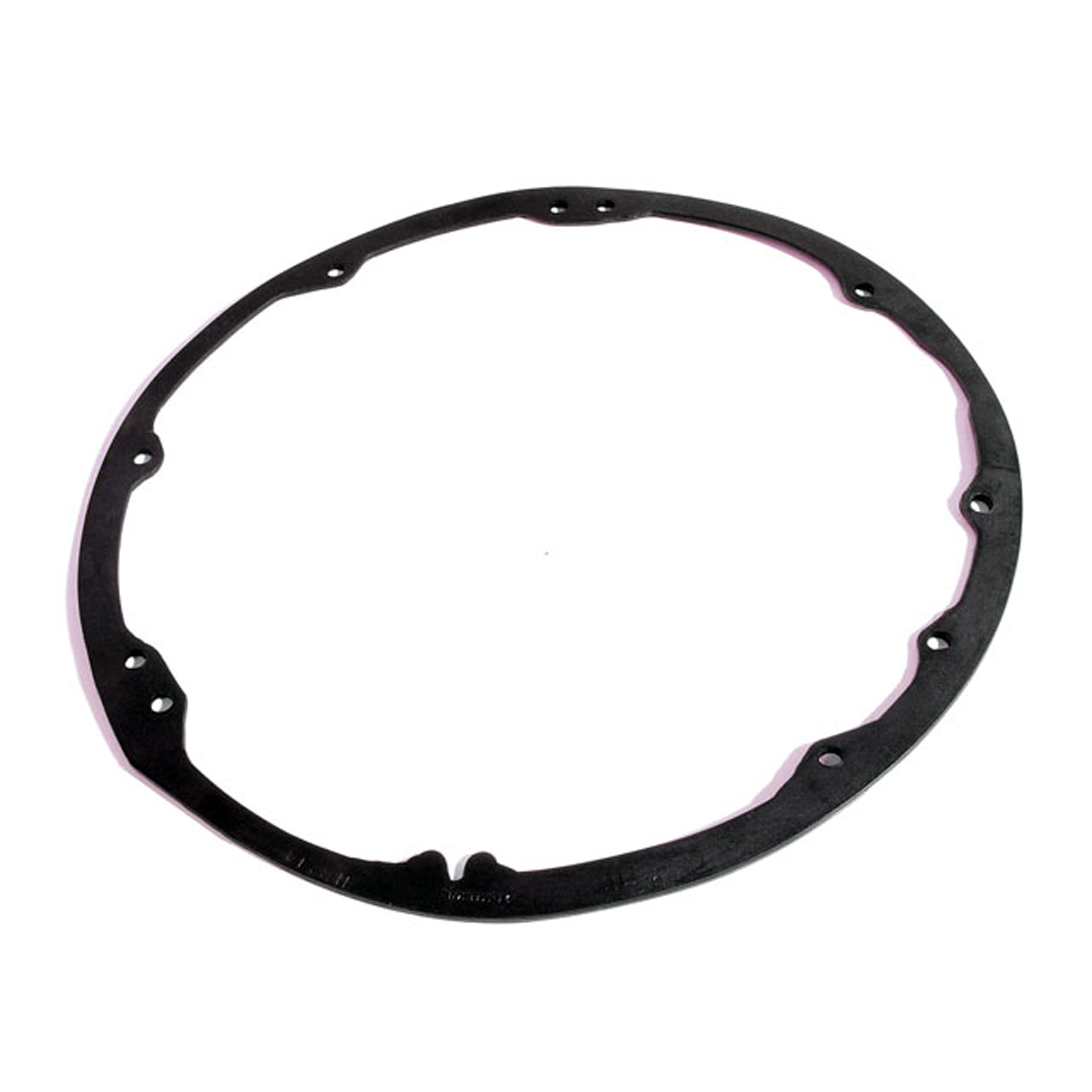 1957 Dodge Truck Headlight Ring Seal. 8-3/8" O.D., 7-3/4" I.D. Pair-HR 14Headlight Ring Seal. 8-3/8" O.D., 7-3/4" I.D. Pair
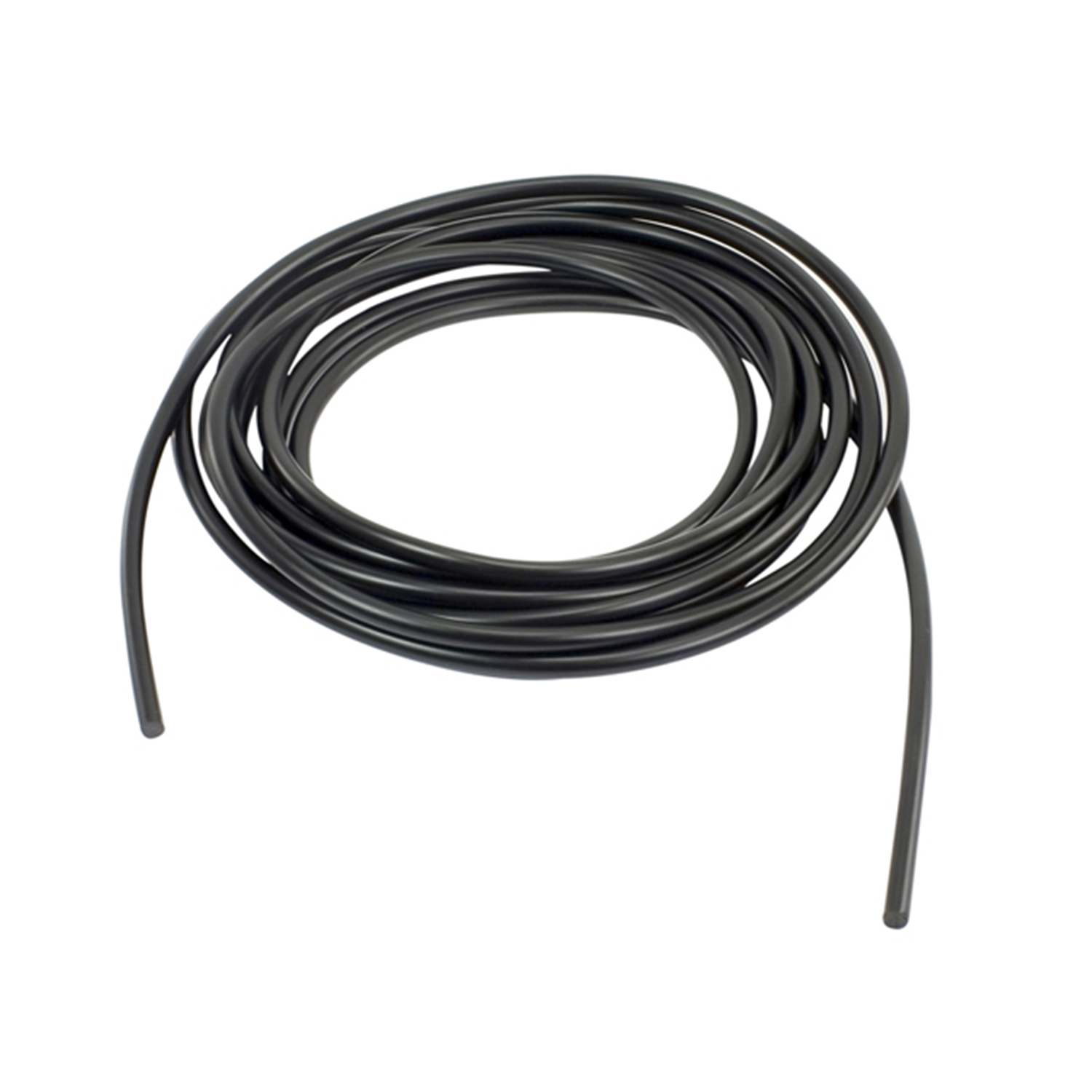 1957 Dodge Truck Windshield and rear glass lock-strip. Fits Many '57-'93 Mopars. Each.-LS 2-AWindshield and rear glass lock-strip. Fits Many '57-'93 Mopars. Each.
 1957 Dodge Truck Lockstrip Seal, 54-93 Mopar Full Size Truck, Van & SUV, Chromed Plastic Type-LS 2-VLockstrip Seal, 54-93 Mopar Full Size Truck, Van & SUV, Chromed Plastic Type, Each. Works with Metro p/n VWS 2706.
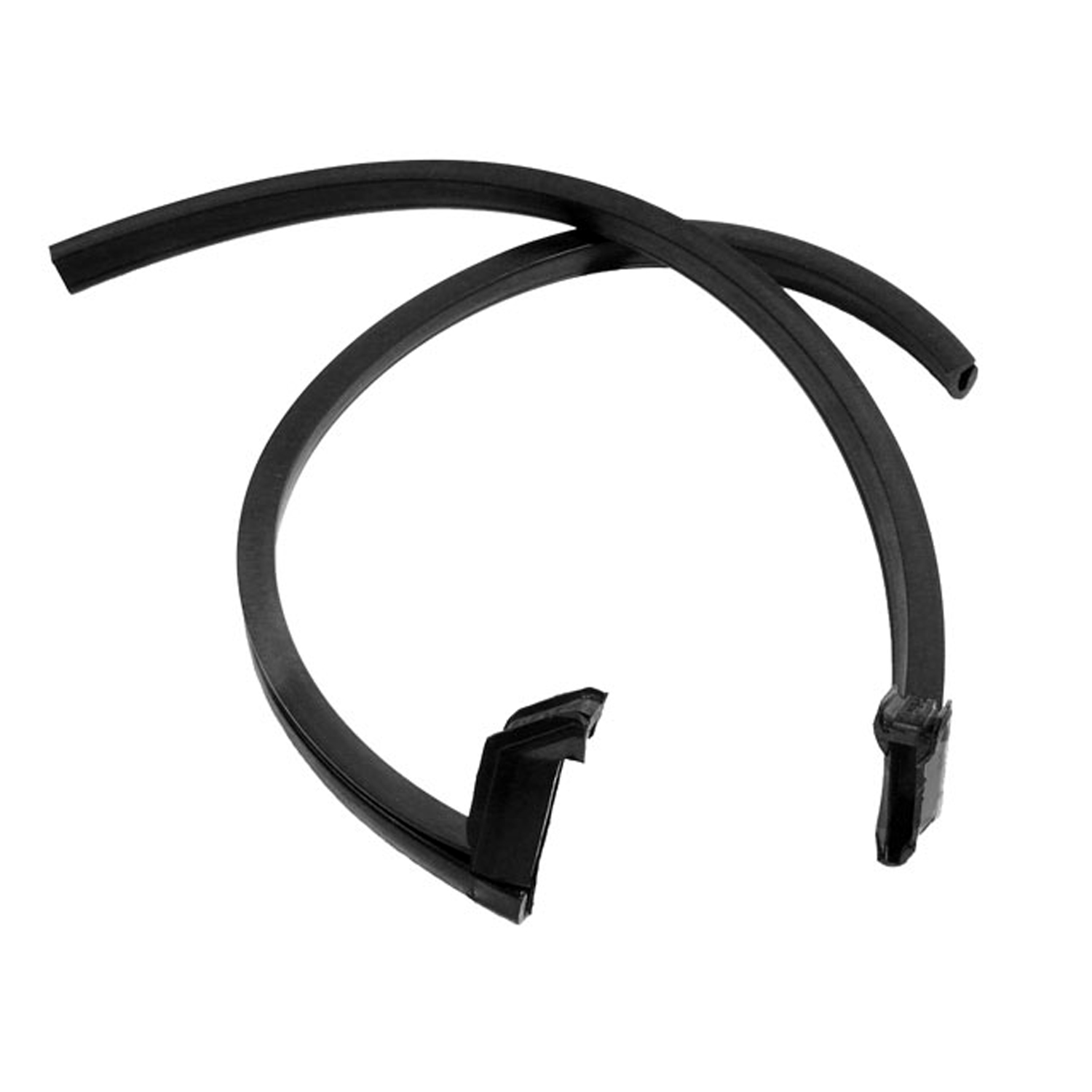 1957 Dodge Truck Rear Roll-Up Window Seals-VS 7-GRear Roll-Up Window Seals. For leading edge of rear quarter window. Made with molded ends. 18-1/2" long. Pair R&L
Why Choose Metro?
For over 100 years, Metro Moulded Parts has been the pinnacle of quality in classic car restoration parts. Our commitment to precision and authenticity in every component ensures a perfect fit and an OEM-level appearance.
- Expert Craftsmanship & Quality: Each part is a testament to our dedication to reliability and perfection, crafted from original designs and thoroughly tested.
- Advanced Technology: We use cutting-edge techniques to create flawless, long-lasting parts that surpass others in performance.
- SuperSoft Sponge – The Ultimate Door Seal: Not only are our door seals 30% softer than competitors', but they're also guaranteed to never leak. They effectively reduce wind and road noise, enhancing your classic car's comfort and driving experience.
- Proudly American: Our parts are a product of American craftsmanship, made in the USA with a spirit of excellence and heritage.
- Unrivaled Warranty: We back our products with a 30-year industry-leading warranty, a testament to our confidence in their quality.
Join us in preserving the legacy of classic cars with parts that are crafted for perfection, not just made.