

Image of 1958 Dodge Custom, Note: These illustrations use artistic license and may differ from actual historical models.
Performance Metrics
Fundamental Metrics
Emotional Appeal
MMP Rating
| Engine Specifications | |
|---|---|
| Engine: | 350 V8, 361 V8, 383 V8 |
| Displacement: | 350-383 cu in |
| Horsepower: | 295-325 hp |
| Torque: | 375-425 lb-ft |
| Compression Ratio: | 8.5:1 - 9.0:1 |
| Ignition System: | Conventional points ignition system |
| Cooling System: | Liquid cooled |
| Performance Specifications | |
| 0-60 Time: | Estimated 8-10 seconds |
| 1/4 Mile Time: | Estimated 16-18 seconds |
| Top Speed: | 120 mph |
| Transmission and Drive | |
| Drive Type: | Rear wheel drive |
| Transmission Type: | 3-speed automatic or 3-speed manual |
| Fuel and Efficiency | |
| Fuel System Type: | Carburetor |
| MPG: | Estimated 10-12 mpg |
| Dimensions and Brakes | |
| Brakes: | Drum brakes |
| Wheelbase: | 122 inches |
| Weight: | 3500-3700 lbs |
Note: Specifications for classic cars are given to the best of our ability, considering the limited and variant data available.
1958 Dodge Custom: A Forward Look Classic
The 1958 Dodge looks as if it was drawn with a ruler, a rocket ship, and a healthy disregard for subtlety. Its tall tailfins, broad chrome, and bold front end made it one of the most unmistakable American cars of the late 1950s. The name needs a little clarification: Dodge’s 1958 lineup included the Coronet, Royal, and Custom Royal. “Dodge Custom” is often used informally today to mean a Custom Royal, the range-topping series, so this guide focuses on that model while noting where equipment and body styles varied across the lineup.
Built by the Dodge Division of Chrysler Corporation, the 1958 Custom Royal arrived during the height of the company’s Forward Look design era. Chrysler styling chief Virgil Exner had pushed the brand toward lower rooflines, long body sides, and dramatic fins. The 1958 Dodge carried that approach into a year of economic uncertainty: a national recession hurt new-car sales, yet automakers continued competing with bigger engines, more chrome, and increasingly elaborate styling.
One detail that gives the car extra historical interest is its performance pedigree. The Custom Royal could be ordered with Dodge’s D-500 equipment, transforming a high-trim family car into a seriously quick full-size machine. It was an expression of a distinctly 1950s idea: a comfortable car for the whole family could also have the heart of a performance model.
Forward Look Styling and Cabin Design
From the front, the 1958 Dodge has a wide grille, prominent bumpers, and paired headlamps set into a broad, sculpted nose. Depending on the car’s equipment and market, the lighting arrangement could vary. Chrome accents draw the eye along the fenders and doors, while the rear quarters rise into pointed fins capped by taillamps. The roofline and long hood give the car a low, stretched appearance, even though it is a substantial full-size automobile.
The Custom Royal’s cabin was designed to feel upscale and spacious. Buyers could find patterned cloth, vinyl, and, on some versions, leather or leather-like trim, depending on body style and options. Upholstery patterns, contrasting colors, bright metal trim, and a wide dashboard gave the interior the decorative character expected of a premium 1950s car. The front bench seat offered room for three, while the large rear bench made the car useful for families and passengers.
Color was a major part of the Dodge’s appeal. Buyers could choose solid finishes or two-tone combinations that emphasized the sculpted bodywork and fins. Popular period looks included light body colors paired with a contrasting roof or side panel, as well as strong shades such as red, turquoise, blue, and green. Exact paint names and combinations varied by series and production details, but a well-preserved two-tone Custom Royal remains especially eye-catching today.
Custom Royal body styles included several of the most glamorous choices in the Dodge range, notably two-door and four-door hardtops and a convertible. Sedans were available in the broader lineup, while station wagons were offered under Dodge’s other series and were not the signature Custom Royal body style. The two-door hardtop is a particularly recognizable choice, combining a pillarless roofline with the car’s long, dramatic profile. The convertible is rarer and tends to attract the most attention from collectors.
1958 Features and Engineering
The Dodge combined showy design with useful engineering. A notable feature was Chrysler’s torsion-bar front suspension, marketed under the Torsion-Aire name. Instead of conventional coil springs at the front, torsion bars helped support the car and control wheel movement. The rear used leaf springs. The result was intended to deliver a more composed ride than the soft, floaty suspensions associated with many large cars of the period.
Automatic transmission buyers could choose a push-button-controlled unit. Chrysler’s dashboard buttons replaced a conventional gear selector, giving the cabin a futuristic touch and freeing up space around the steering column. Depending on engine and specification, cars could have a two-speed PowerFlite or a three-speed TorqueFlite automatic. A manual transmission was also available on some configurations.
Power steering, power brakes, radio, air conditioning, and other comfort or convenience equipment could be ordered, but availability depended on the car’s original specification. These options matter to collectors because two Custom Royals that look similar from the outside can differ considerably in equipment and driving feel.
Why the Custom Royal Mattered
The 1958 Custom Royal is a strong example of the Forward Look philosophy: make a car appear lower, longer, and more futuristic without abandoning the comfort expected of a large American automobile. Its fins were not merely decoration. They helped establish a visual identity for Dodge at a time when manufacturers were competing fiercely for attention in dealer showrooms.
It also helped bring performance into the mainstream of the full-size car market. Dodge’s D-500 package offered upgraded engine and chassis equipment, and the more powerful versions gave buyers a credible alternative to the era’s dedicated performance cars. The Custom Royal was still a spacious, well-appointed road car, but it could be ordered with acceleration that surprised people who judged it by its size alone.
Its influence is best understood as part of a wider design movement rather than as the sole origin of any one later feature. The 1958 Dodge captured the period’s fascination with aircraft-inspired shapes, bright trim, and high-performance options. Today, it represents the exuberance of late-1950s American design in particularly vivid form.
Engine, Speed, and Road Manners
Engine choices varied across the 1958 Dodge range and by trim and option package. Custom Royal buyers could choose V8 power, with larger-displacement engines available. The D-500 specification used a 361-cubic-inch V8 in its performance form, with output depending on the exact version and carburetion. Contemporary ratings and surviving specifications differ by configuration, so a car’s engine code and original equipment are more reliable guides than a general model name.
Performance figures also depend on engine, transmission, axle ratio, body style, and vehicle condition. As a broad period-car estimate, a healthy V8 Custom Royal might reach 0 to 60 mph in roughly 9 to 12 seconds, with the more powerful D-500 versions potentially quicker. A top speed around 110 to 120 mph is plausible for a properly equipped, well-maintained example, but this is not a modern test figure or a guarantee for every car. These cars were built for powerful highway travel, not precision lap times.
On the road, the Dodge feels large and substantial. The torsion-bar front suspension helps it respond more neatly over uneven pavement than its size might suggest, though it still rides like a 1950s full-size car. Broken pavement can bring noticeable body motion, and the long wheelbase is most comfortable on open roads. On winding roads, the driver has to plan ahead: steering is less direct than in a modern car, and the body leans through corners. Power steering, if fitted, makes parking and low-speed turns easier.
The driving experience is part of the car’s charm. The V8 produces a deep, relaxed burble at idle and a fuller, assertive roar under acceleration. The push-button transmission adds a distinctive period ritual, while the broad hood and wide cabin make the driver feel as though they are piloting a small room. Braking, visibility, and handling should be judged by 1958 standards, so a modern driver should leave plenty of following distance and avoid expecting contemporary stopping performance.
Owning and Maintaining a 1958 Dodge
Today, most Custom Royals are used as weekend cruisers, show cars, or occasional event cars rather than daily transportation. They are comfortable on scenic drives and can draw a crowd at local cruise nights, but their size, fuel consumption, and age make regular commuting less practical. A properly restored example can tour, provided its cooling system, brakes, tires, and electrical system are kept in good order.
Routine mechanical work is generally approachable for an experienced home mechanic. The V8 layout is familiar, and many service tasks use conventional tools and techniques. The harder jobs are often sourcing correct trim, upholstery, body panels, and model-specific hardware. Push-button transmission components, power accessories, and unusual original equipment may require specialist knowledge or careful parts hunting.
Rust is a major inspection point. Check the floors, trunk, lower body panels, wheel openings, rocker areas, and structural mounting points. Also inspect the frame, suspension, and brake system rather than judging a car by fresh paint and shiny chrome. A complete, running car with sound structure is usually a better starting point than a cheap project missing rare trim.
Quick Facts and Common Criticisms
The 1958 Custom Royal belongs to the era when Dodge offered the D-500 as a factory performance option. That combination of luxury trim and serious V8 power is a useful reminder that American performance culture was not limited to compact coupes. The car also reflects an unusual moment in the industry: sales were pressured by recession, but the styling race continued at full throttle.
There is no single well-established production total that neatly covers every car described today as a “1958 Dodge Custom.” The original catalog used separate series names, and published totals are generally organized by series, body style, or model rather than by the informal label. A reasonable estimate for Custom Royal production is tens of thousands, perhaps around 40,000 to 60,000 cars across its body styles, but that should be treated as an informed estimate rather than a confirmed factory figure. Convertibles and well-optioned performance cars are much scarcer than ordinary sedans and hardtops.
Common criticisms are familiar to anyone who owns a large car from this period: high fuel use, substantial exterior dimensions, comparatively modest braking by modern standards, and the difficulty of finding correct trim pieces. The fins and chrome can also divide opinion. Fans see the styling as peak Forward Look; critics find it excessive. Either way, the Dodge is difficult to mistake for anything else.
Collector Values and Market Outlook
Values vary sharply with body style, originality, restoration quality, engine, and documentation. As a broad current-market estimate, a project or driver-quality Custom Royal might sell for roughly $10,000 to $25,000. A clean, presentable hardtop or sedan could fall around $25,000 to $45,000, while a high-quality restoration may bring $45,000 to $70,000 or more. Genuine, well-restored convertibles and desirable D-500 examples can exceed those ranges, with exceptional cars sometimes reaching $80,000 to $100,000 or higher.
These are guide ranges, not appraisals. Auction results and private sales can differ, and a rare specification is valuable only when buyers can verify it. Original engine and transmission, factory documentation, condition, and the quality of any restoration all affect the final price.
Well-kept Custom Royals have generally become more desirable as interest in distinctive 1950s American cars has grown, but values are not guaranteed to rise steadily. Top-tier convertibles and documented performance cars tend to be the strongest collector pieces. Ordinary examples are more sensitive to condition and the cost of restoration. The best buying advice is to choose the soundest car you can afford, rather than paying a premium for a badge or an unverified story.
Why the 1958 Dodge Custom Still Turns Heads
The 1958 Dodge Custom Royal blends dramatic Forward Look styling, a spacious and richly decorated cabin, torsion-bar front suspension, and optional V8 performance in one unmistakably 1950s package. It was bold in a challenging year for the industry, and its fins and push-button controls still feel like artifacts from an optimistic, high-powered future.
For collectors, it offers more than chrome and nostalgia. It captures a moment when family comfort, imaginative design, and muscle could share the same driveway. A well-preserved 1958 Dodge does not simply arrive at a car show. It brings the whole era with it.
1958 Dodge Custom Catalog of Parts
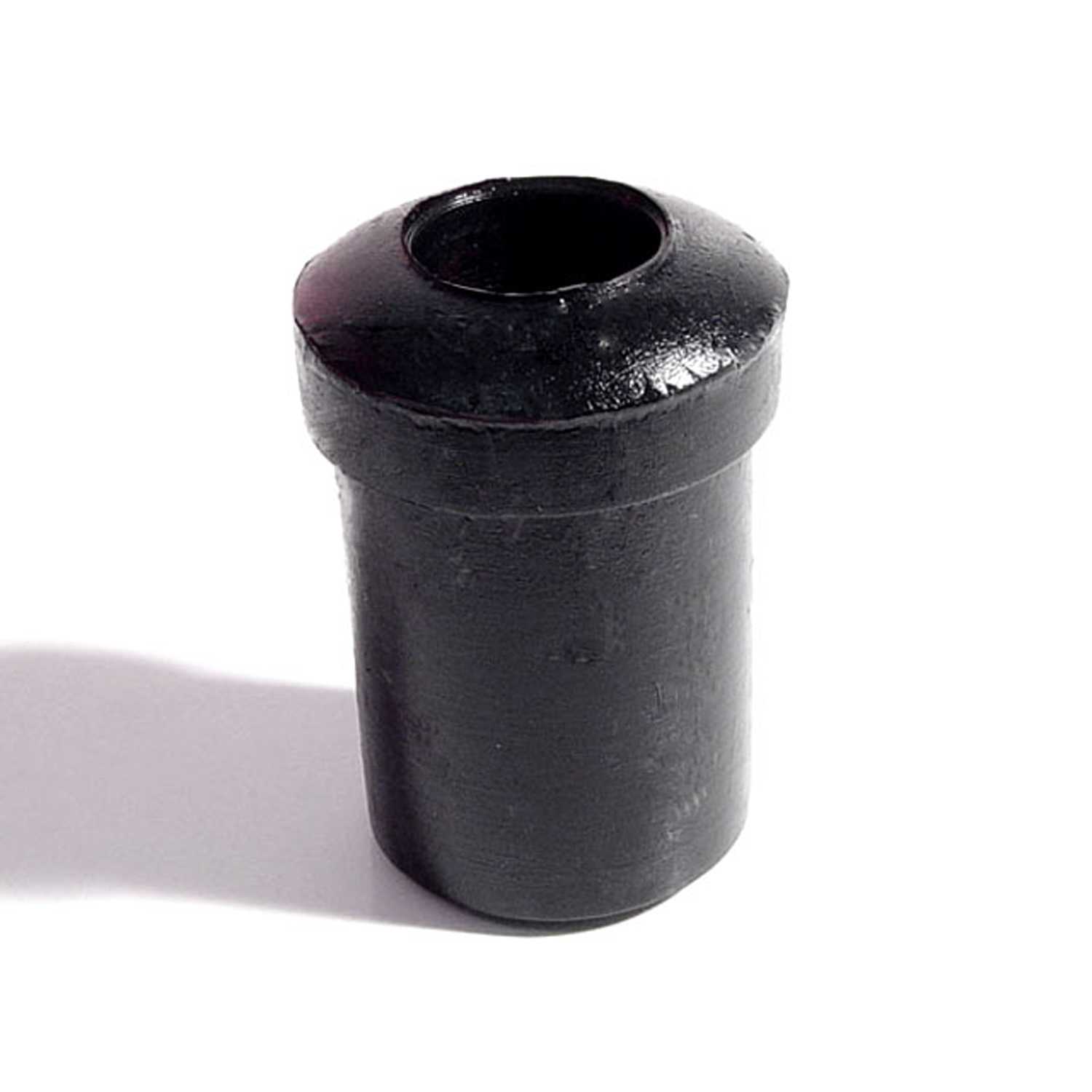 1958 Dodge Custom Spring and Shackle Bushing. 1" bottom O.D-BN 20Spring and Shackle Bushing. 1" bottom O.D. X 1-5/8" high, with 9/16" I.D. Each
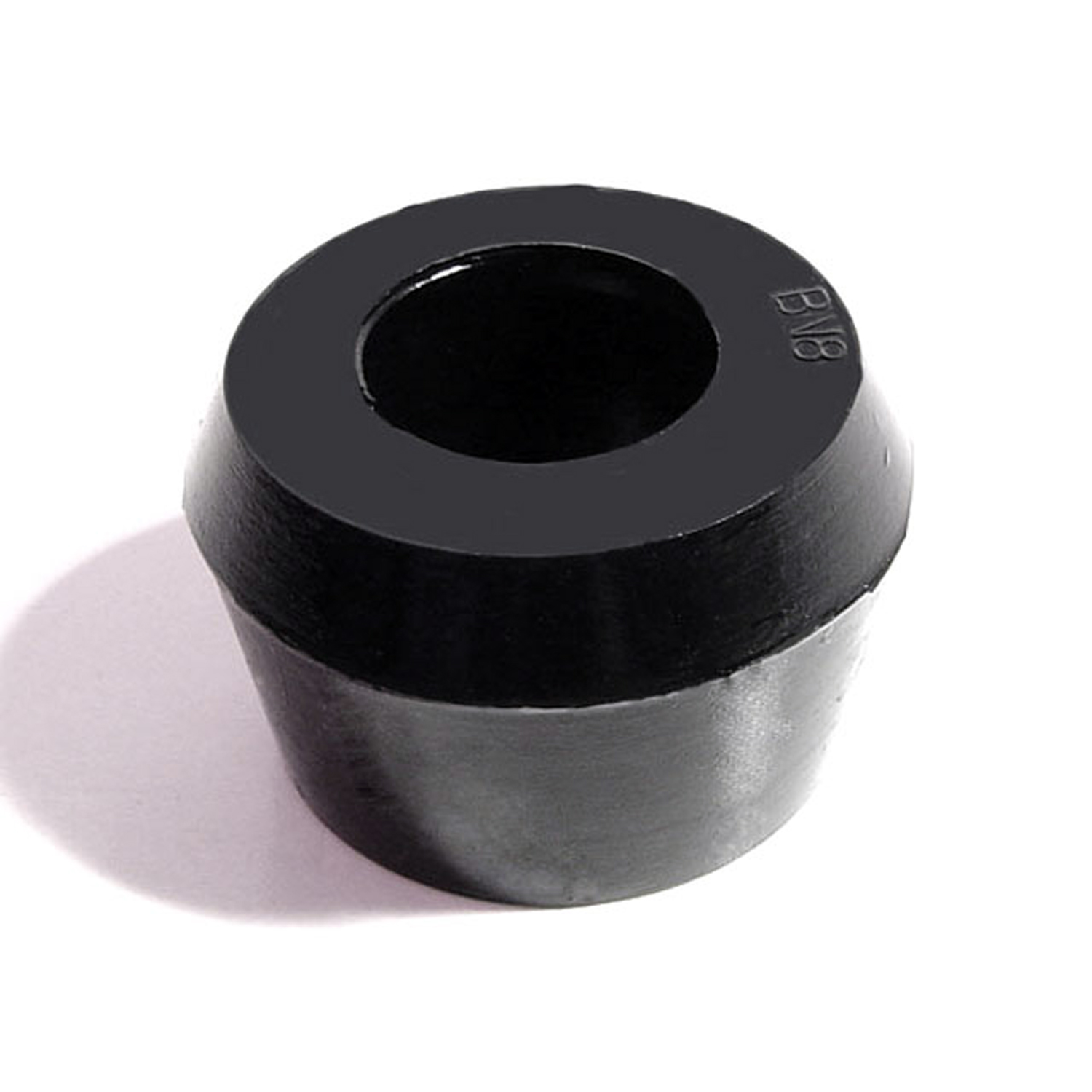 1958 Dodge Custom Shock Absorber Grommet. 1-1/4" bottom O.D-BN 8Shock Absorber Grommet. 1-1/4" bottom O.D., 1" high, with 3/4" I.D. Each
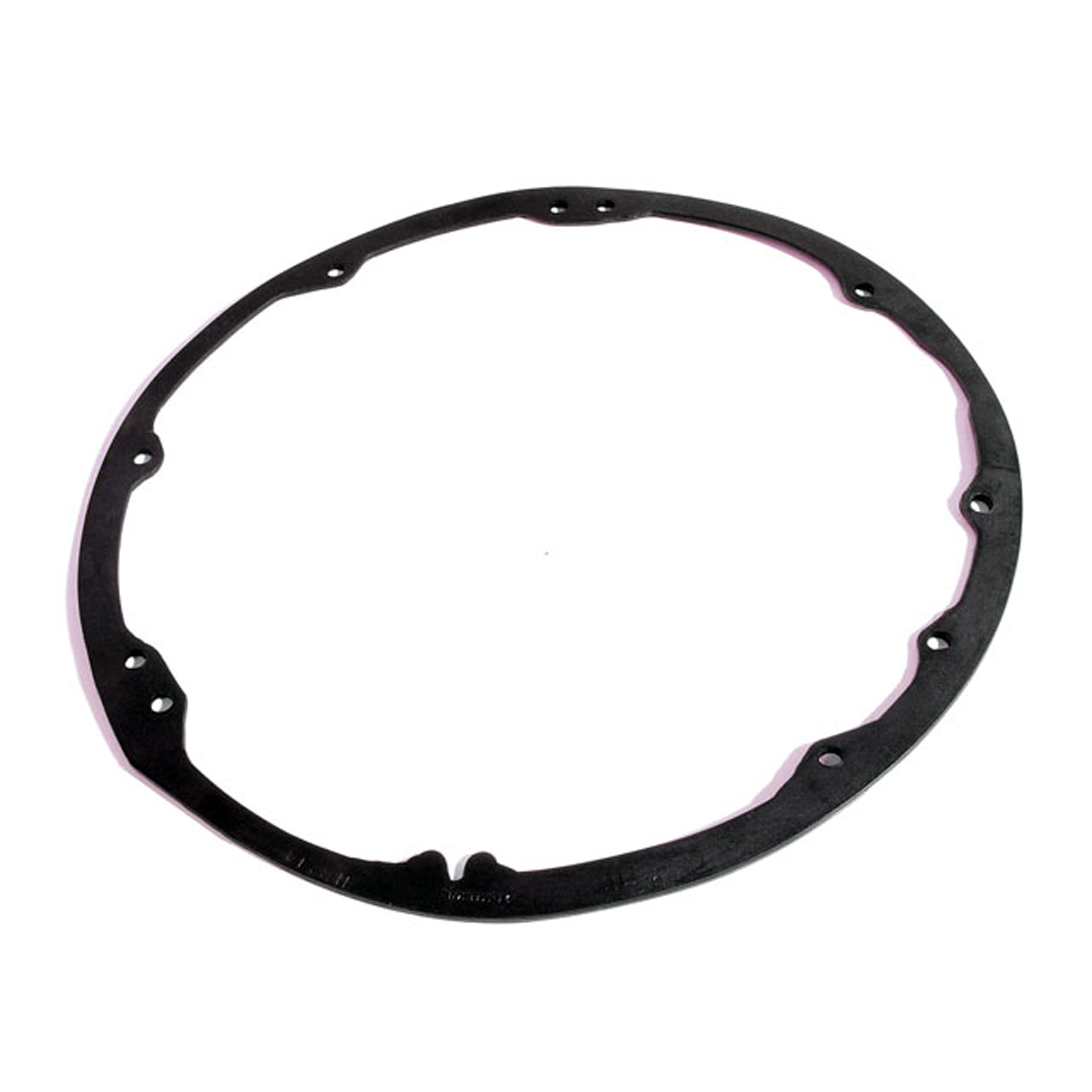 1958 Dodge Custom Headlight Ring Seal. 8-3/8" O.D., 7-3/4" I.D. Pair-HR 14Headlight Ring Seal. 8-3/8" O.D., 7-3/4" I.D. Pair
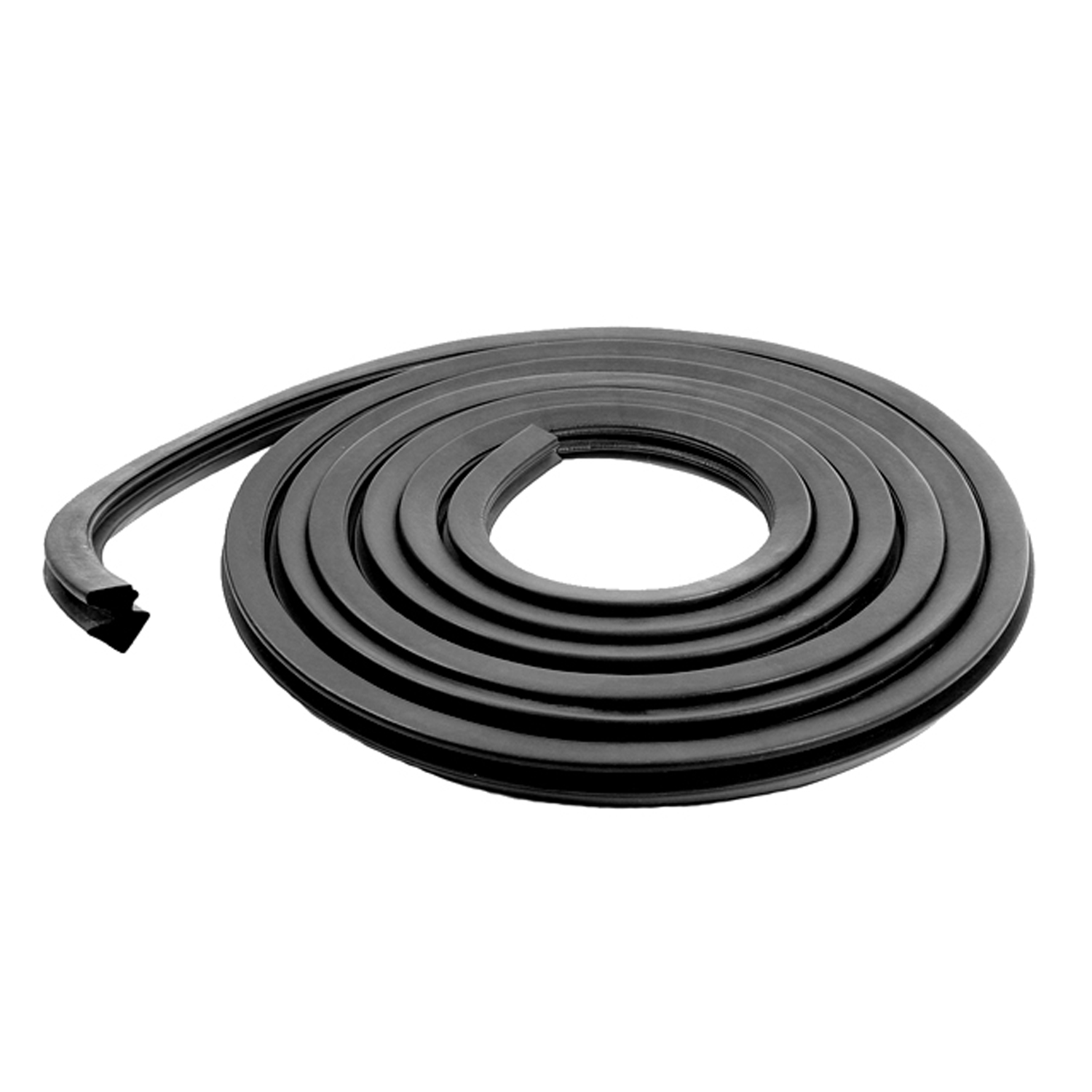 1958 Dodge Custom Trunk Seal. Each-TK 64-17Trunk Seal. Each
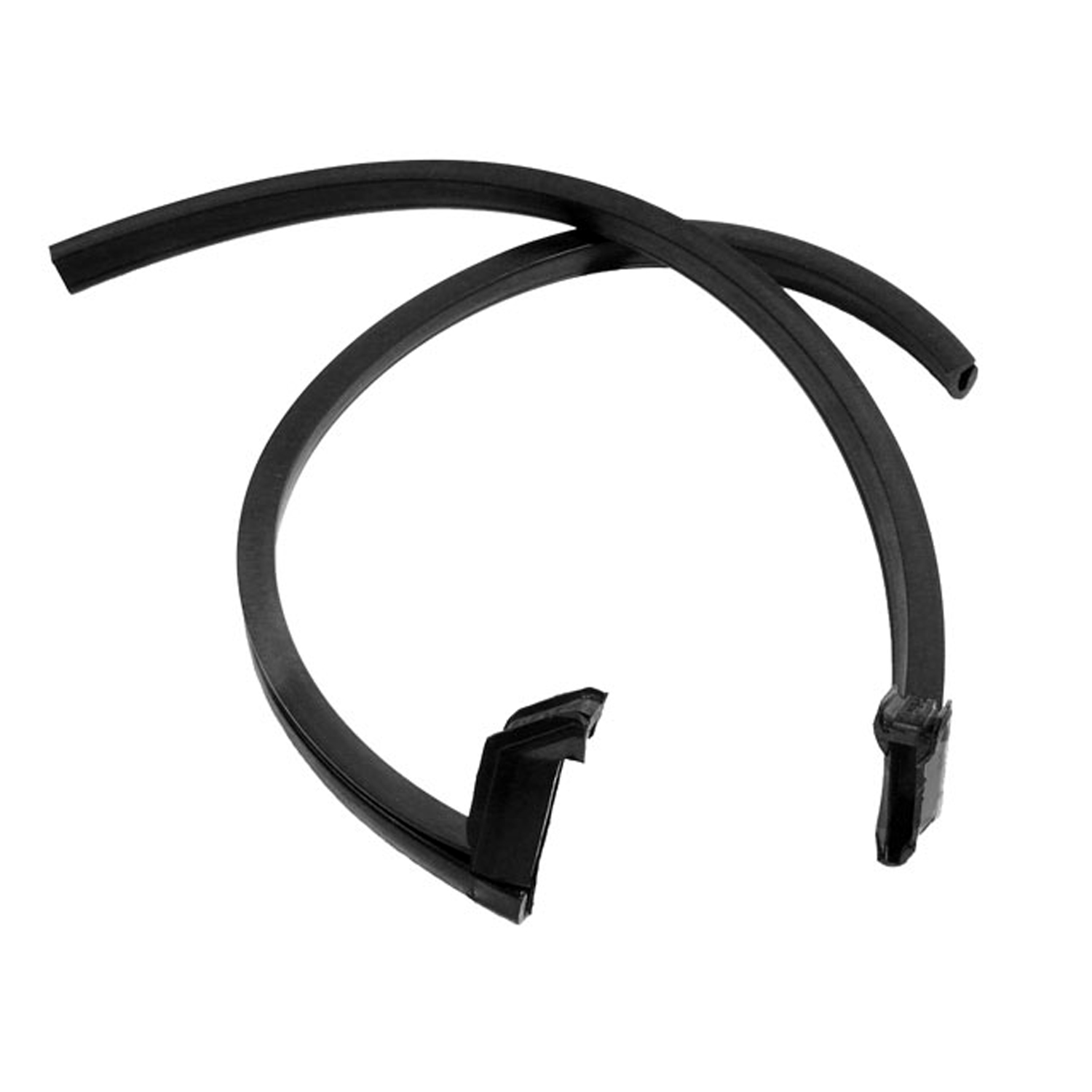 1958 Dodge Custom Rear Roll-Up Window Seals-VS 7-GRear Roll-Up Window Seals. For leading edge of rear quarter window. Made with molded ends. 18-1/2" long. Pair R&L
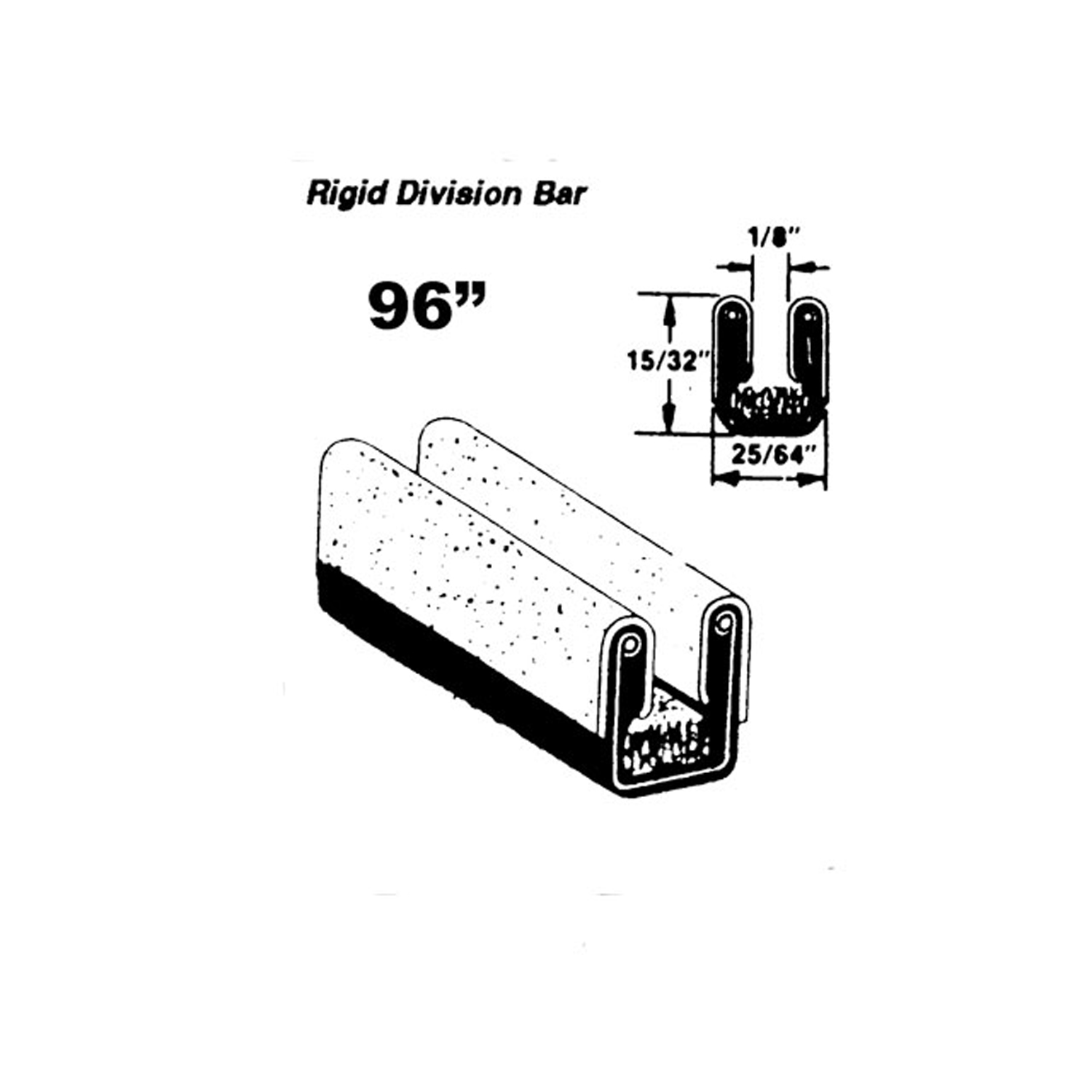 1958 Dodge Custom Rigid division-bar run channel-WC 31-96Rigid division-bar run channel. Made with very soft felt lining. Used on front and rear door side windows. 96 in. long. Each. NOTE: $20 special shipping charge applies for domestic orders. Call or email for overseas shipping costs. Part can be sectioned in two or three equal lengths to reduce overseas shipping costs.
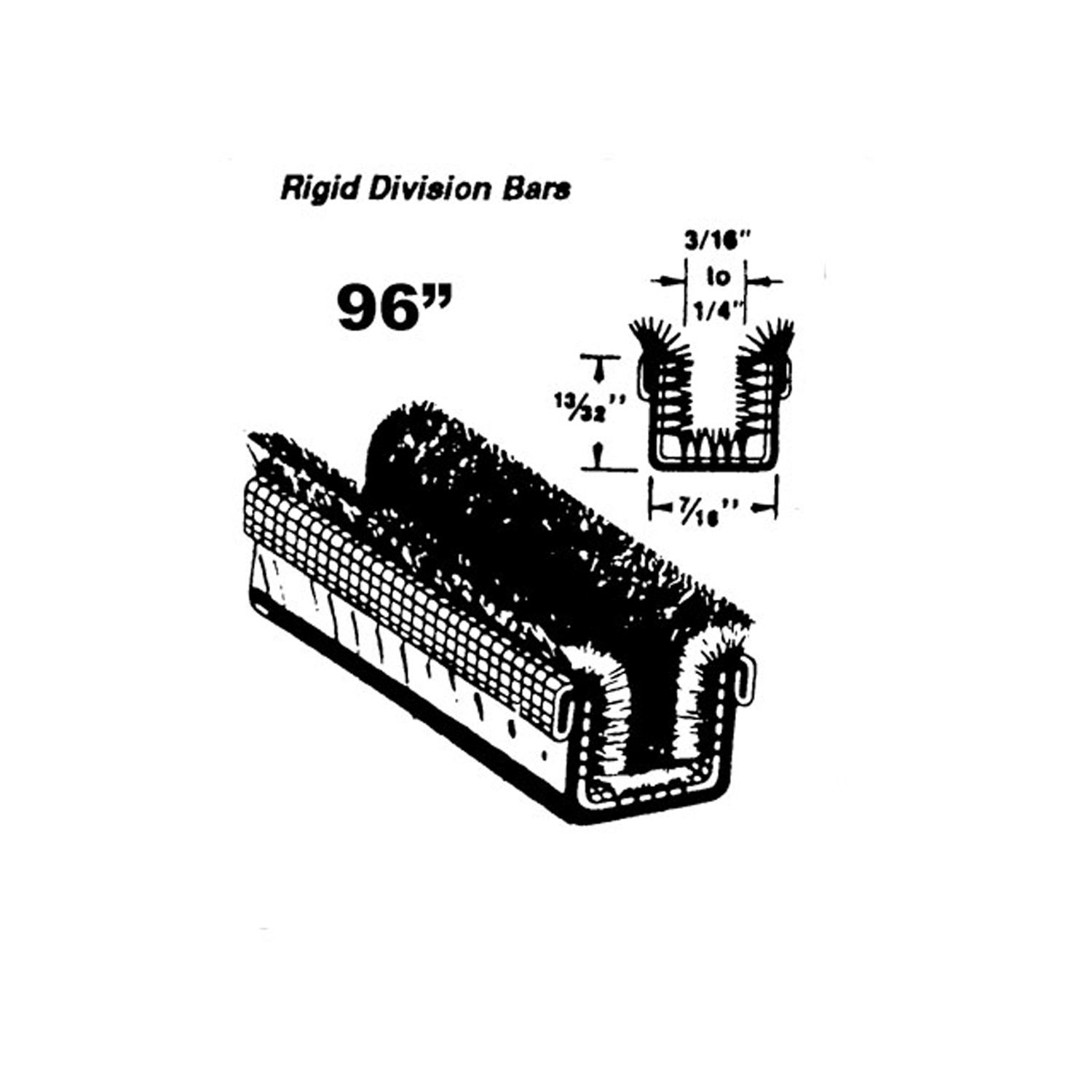 1958 Dodge Custom Rigid division-bar channel. Unbeaded. 96 in. long. Each-WC 41-96Rigid division-bar channel. Unbeaded. 96 in. long. Each. NOTE: $20 special shipping charge applies for domestic orders. Call or email for overseas shipping costs. Part can be sectioned in two or three equal lengths to reduce overseas shipping costs.
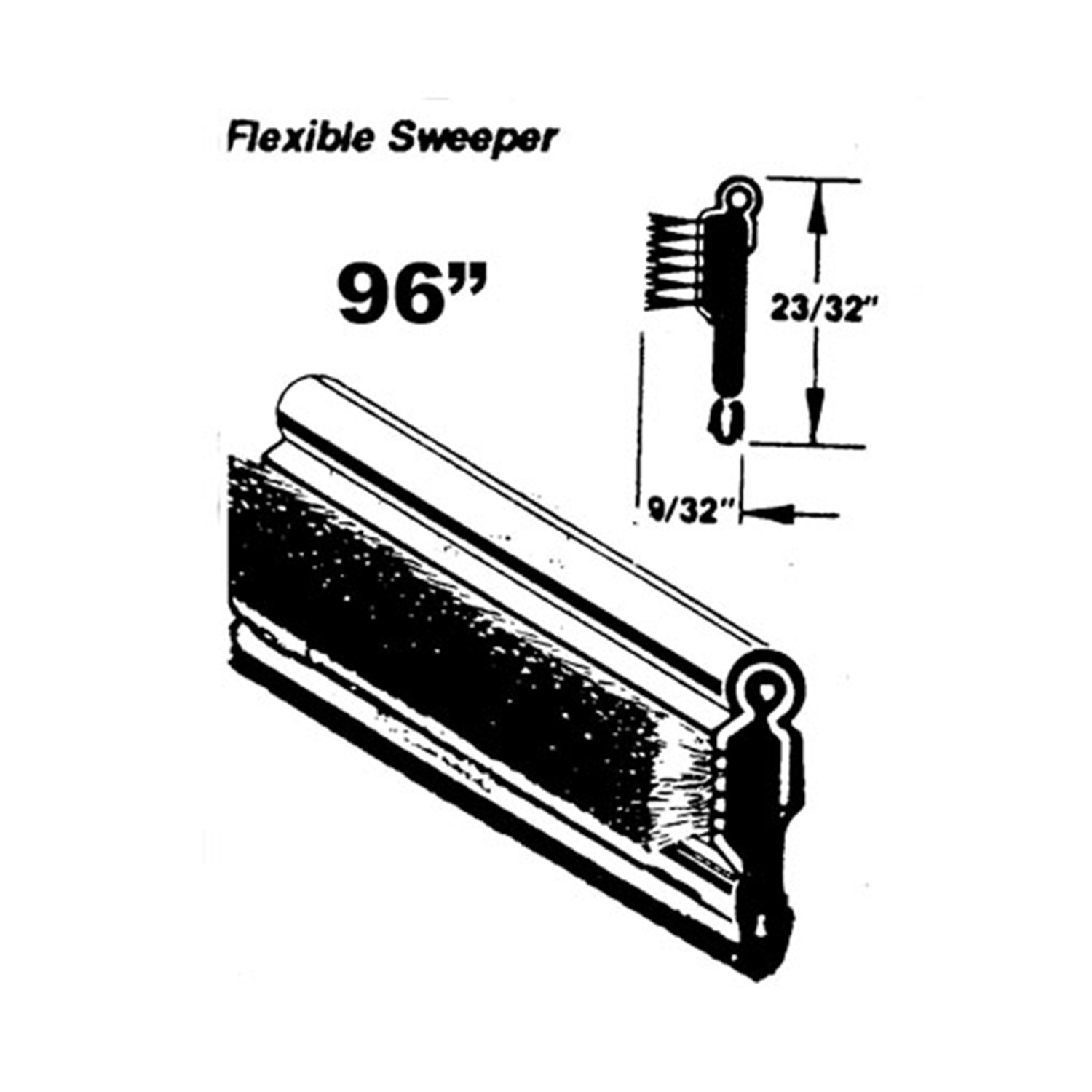 1958 Dodge Custom Flexible window sweeper. Made with stainless steel bead-WC 4-96Flexible window sweeper. Made with stainless steel bead. 96 in. long. Each. NOTE: $20 special shipping charge applies for domestic orders. Call or email for overseas shipping costs. Part can be sectioned in two or three equal lengths to reduce overseas shipping costs.
Why Choose Metro?
For over 100 years, Metro Moulded Parts has been the pinnacle of quality in classic car restoration parts. Our commitment to precision and authenticity in every component ensures a perfect fit and an OEM-level appearance.
- Expert Craftsmanship & Quality: Each part is a testament to our dedication to reliability and perfection, crafted from original designs and thoroughly tested.
- Advanced Technology: We use cutting-edge techniques to create flawless, long-lasting parts that surpass others in performance.
- SuperSoft Sponge – The Ultimate Door Seal: Not only are our door seals 30% softer than competitors', but they're also guaranteed to never leak. They effectively reduce wind and road noise, enhancing your classic car's comfort and driving experience.
- Proudly American: Our parts are a product of American craftsmanship, made in the USA with a spirit of excellence and heritage.
- Unrivaled Warranty: We back our products with a 30-year industry-leading warranty, a testament to our confidence in their quality.
Join us in preserving the legacy of classic cars with parts that are crafted for perfection, not just made.