

Image of 1958 Dodge Truck, Note: These illustrations use artistic license and may differ from actual historical models.
Performance Metrics
Fundamental Metrics
Emotional Appeal
MMP Rating
| Engine Specifications | |
|---|---|
| Engine: | 230 cubic inch flathead six, 315 cubic inch V8 |
| Displacement: | 230-315 cubic inches |
| Horsepower: | 120-180 hp |
| Torque: | 215-285 lb-ft |
| Compression Ratio: | 7.0:1 - 8.4:1 |
| Ignition System: | Distributor and coil |
| Cooling System: | Liquid-cooled |
| Performance Specifications | |
| 0-60 Time: | Estimated 15-20 seconds |
| 1/4 Mile Time: | Estimated 20-25 seconds |
| Top Speed: | 70-85 mph |
| Transmission and Drive | |
| Drive Type: | Rear-wheel drive |
| Transmission Type: | 3-speed manual, 4-speed manual |
| Fuel and Efficiency | |
| Fuel System Type: | Carburetor |
| MPG: | Estimated 10-15 mpg |
| Dimensions and Brakes | |
| Brakes: | Drum brakes |
| Wheelbase: | 108-126 inches |
| Weight: | 3,500-4,500 lbs |
Note: Specifications for classic cars are given to the best of our ability, considering the limited and variant data available.
1958 Dodge Truck: The Forward-Look Workhorse
The 1958 Dodge truck looked ready to leave the job site and head straight for the future. Its broad grille, sculpted fenders, and confident stance brought the dramatic styling of Dodge’s “Forward Look” era to a practical range of pickups and commercial trucks.
Built by the Dodge division of Chrysler Corporation, the 1958 lineup belonged to the D-series generation introduced for 1957. It included light-duty D-100 pickups, heavier D-200 and D-300 models, and four-wheel-drive trucks. The range served farmers, tradespeople, businesses, and drivers who wanted a truck with more personality than a plain utility vehicle.
The timing gave the truck an interesting place in American automotive history. The United States was in a recession in 1958, and manufacturers were competing for buyers with increasingly bold styling and more comfortable cabins. One of Dodge’s most distinctive answers was the Sweptside pickup, whose dramatic rear fenders made it look more like a custom showpiece than a conventional work truck.
Forward-Look Styling and Cabin Details
From the front, the 1958 Dodge truck is unmistakably late-1950s: a wide grille, substantial bumper, hood ornamentation, and headlamp arrangements that give the nose a broad, assertive look. The cab’s curved windshield and rounded roof soften the truck’s otherwise square proportions. Along the sides, sculpted sheet metal and prominent fender shapes create a more flowing profile than many work trucks of the period.
The Sweptside is the standout design. Dodge combined a pickup body with sweeping rear-quarter panels inspired by its passenger-car and station-wagon styling. Those dramatic fenders flare around the rear wheels and taper toward the tailgate. It was a factory-built model, but its unusual appearance gave it the presence of a custom conversion.
Inside, the cabin was straightforward and durable rather than luxurious. The dashboard used painted metal, with clear, period-style gauges and simple controls. Depending on the truck’s trim and equipment, the bench seat could be upholstered in vinyl or a cloth-and-vinyl combination. The seating position is upright, and the large steering wheel and broad windows give the driver a commanding view. Compared with a modern pickup, the cab is basic, but that simplicity is part of its appeal and makes many interior components relatively easy to understand and service.
Factory paint choices varied by model, year, and order. Buyers could find solid colors as well as two-tone combinations, with white often used to contrast with a brighter body color. Red, blue, green, and other period shades suit the truck’s styling particularly well. Today, original paint codes and authentic two-tone schemes tend to attract enthusiasts, although many surviving trucks have been repainted.
Models, Engines, and Period Technology
The lineup covered several jobs and payload classes. The D-100 was the familiar half-ton pickup, while D-200 and D-300 models offered greater capacity for heavier work. Dodge also offered four-wheel-drive models for buyers needing traction on rough ground or unpaved roads. Body and equipment choices varied, with pickup configurations, chassis-cab versions, and commercial setups available across parts of the range. The conventional D-100 is the most recognizable everyday version; the Sweptside is the rare, highly collectible styling statement.
Engine availability depended on model and specification. The range included Dodge’s 230-cubic-inch flathead inline-six and a 315-cubic-inch V8 in applicable versions. The six-cylinder suited steady work and straightforward maintenance, while the V8 offered stronger acceleration and a more effortless feel under load. Manual transmissions were common, with transmission and drivetrain options varying by series and order.
For its era, the truck’s main innovation was not a single electronic gadget but the way Dodge brought modern passenger-car styling and comfort ideas into a working vehicle. The redesigned D-series also reflected advances in chassis and suspension engineering, though exact equipment differed among models. Power steering, power brakes, and other convenience features were not universal; a truck’s build sheet is the best guide to what it left the factory with.
Why the 1958 Dodge Truck Stands Out
The 1958 Dodge helped broaden the idea of what a pickup could look like. At a time when trucks were still chiefly tools, Dodge gave its light-duty models a distinctive, car-inspired identity. The Sweptside pushed that idea furthest, showing that a pickup could be a practical vehicle and a personal style choice.
It competed in a crowded market alongside Chevrolet Task Force trucks, Ford F-Series pickups, and offerings from International Harvester. Dodge did not dominate the segment in sales, but its bold design gave the trucks a recognizable character. That individuality is part of the reason they remain memorable today, especially when compared with more familiar Chevrolet and Ford rivals.
The truck’s lasting influence is less about a single feature copied throughout the industry and more about its contribution to the growing popularity of stylish pickups. Modern trucks are often marketed as lifestyle vehicles as much as work equipment. The 1958 Dodge, particularly the Sweptside, anticipated that blend of utility and visual flair.
Performance and Driving Feel
These trucks were built to haul, not to win stoplight races. Dodge did not publish a directly comparable modern-style 0-to-60-mph figure for every engine and configuration. As a practical estimate, a sound six-cylinder truck may take roughly 25 to 35 seconds to reach 60 mph, while a V8 version might manage approximately 18 to 25 seconds. Gear ratios, payload, transmission, engine condition, and tire size can change those figures substantially.
A reasonable estimate for top speed is about 70 to 85 mph for many road-going examples, but that does not mean sustained high-speed driving is comfortable or advisable. Braking distances, steering effort, tires, and chassis behavior are all products of the 1950s. A restored truck should be inspected carefully before regular highway use, especially if its brakes, steering components, or tires are old.
On the road, the six-cylinder delivers a steady, workmanlike note, while the V8 adds a deeper rumble and more passing power. Expect engine noise, wind around the cab, and a substantial mechanical feel through the steering wheel. The ride can be firm when the bed is empty and more settled with a load. On bumpy roads, the truck moves and pitches more than a modern pickup; on winding roads, its size, steering response, and period tires call for a measured pace. It rewards smooth inputs rather than hurried driving.
Living With a 1958 Dodge
Today, most examples are enjoyed as weekend drivers, show vehicles, farm or property trucks, and restoration projects. A sound, properly maintained truck can still make local trips and occasional cruises, but using one as a daily driver means accepting slower acceleration, modest safety equipment, and a very different level of comfort from a contemporary vehicle.
Routine mechanical work is approachable for an owner with basic tools and experience. The engines and manual drivetrains are largely mechanical, and many service tasks do not require diagnostic electronics. However, age brings its own complications. Rust in the cab, bed, frame, and lower body can be more expensive to address than engine repairs. Brake-system condition, wiring, fuel lines, cooling components, and previous repairs all deserve close attention.
Parts support is generally better for common mechanical items than for model-specific trim and Sweptside body panels. Before buying, check the availability and cost of the exact parts the truck needs. A complete, running example is often a better starting point than a cheaper project missing its grille, interior pieces, or specialized bodywork.
Rare Sweptside Facts and Common Complaints
The Sweptside’s rear styling was its signature feature, and also the reason it is so easy to identify. Dodge used wagon-inspired rear-quarter panels to create a pickup with a distinctive, sweeping tail-side profile. It was produced in limited numbers across the late-1950s model years, but reliable year-by-year production totals are difficult to establish. Restored examples and trucks retaining their original specialized bodywork are especially desirable.
There is no widely accepted production total for every 1958 Dodge truck configuration. The regular D-series was a broad commercial lineup, while the Sweptside was a low-volume specialty model. A reasonable estimate is that Dodge built many tens of thousands of trucks across the wider 1958 range, but that should be treated as an informed ballpark, not a verified factory total. Sweptside production across its run is commonly estimated in the low thousands or fewer, with the 1958 portion representing only part of that figure.
No famous speed record or widely documented celebrity ownership defines the model’s history. Its claim to fame is its distinctive design and its role in making the pickup feel more personal and stylish. Common criticisms are practical: the trucks can be slow by modern standards, consume considerable fuel, and lack modern braking, steering, and safety systems. Sweptside-specific body repairs can also be challenging because its unusual panels are harder to source than standard pickup parts.
Collector Values and Market Outlook
As of 2026, approximate U.S. prices for a 1958 Dodge truck vary widely with condition, originality, model, and documentation. A rough project or incomplete truck might sell for around $5,000 to $15,000. A usable driver or solid restoration candidate often falls in the $15,000 to $35,000 range, while a high-quality, correctly restored standard pickup can reach roughly $35,000 to $60,000 or more.
A genuine Sweptside is in a different category. Depending on condition, originality, and quality of restoration, it may bring approximately $50,000 to $100,000 or more. Exceptional examples can exceed that range, but such prices depend on the individual truck and the collector market at the time of sale. Buyers should verify identity and documentation carefully, since an ordinary pickup modified to resemble a Sweptside is not the same as an authentic factory-built example.
Values for well-restored, unusual American pickups have generally benefited from collector interest, but prices are not guaranteed to rise. The market rewards originality, rust-free bodywork, correct parts, and credible restoration records. Standard trucks are more available than Sweptsides, yet neither is as easy to find as a common later-model classic pickup. Condition and authenticity matter more than a seller’s optimistic description.
A Distinctive Classic Pickup
The 1958 Dodge truck brought Forward Look styling, practical engineering, and a memorable range of work-ready configurations together in one bold package. Its conventional pickups remain appealing examples of a usable 1950s truck, while the rare Sweptside stands out as one of the era’s most unusual factory-built pickups.
It may not be fast, quiet, or effortless by modern standards, but that is not the point. The 1958 Dodge earns its place in classic-truck history by proving that a hard-working pickup could have genuine style, and by giving today’s collectors a machine that still turns heads wherever its broad grille appears.
1958 Dodge Truck Catalog of Parts
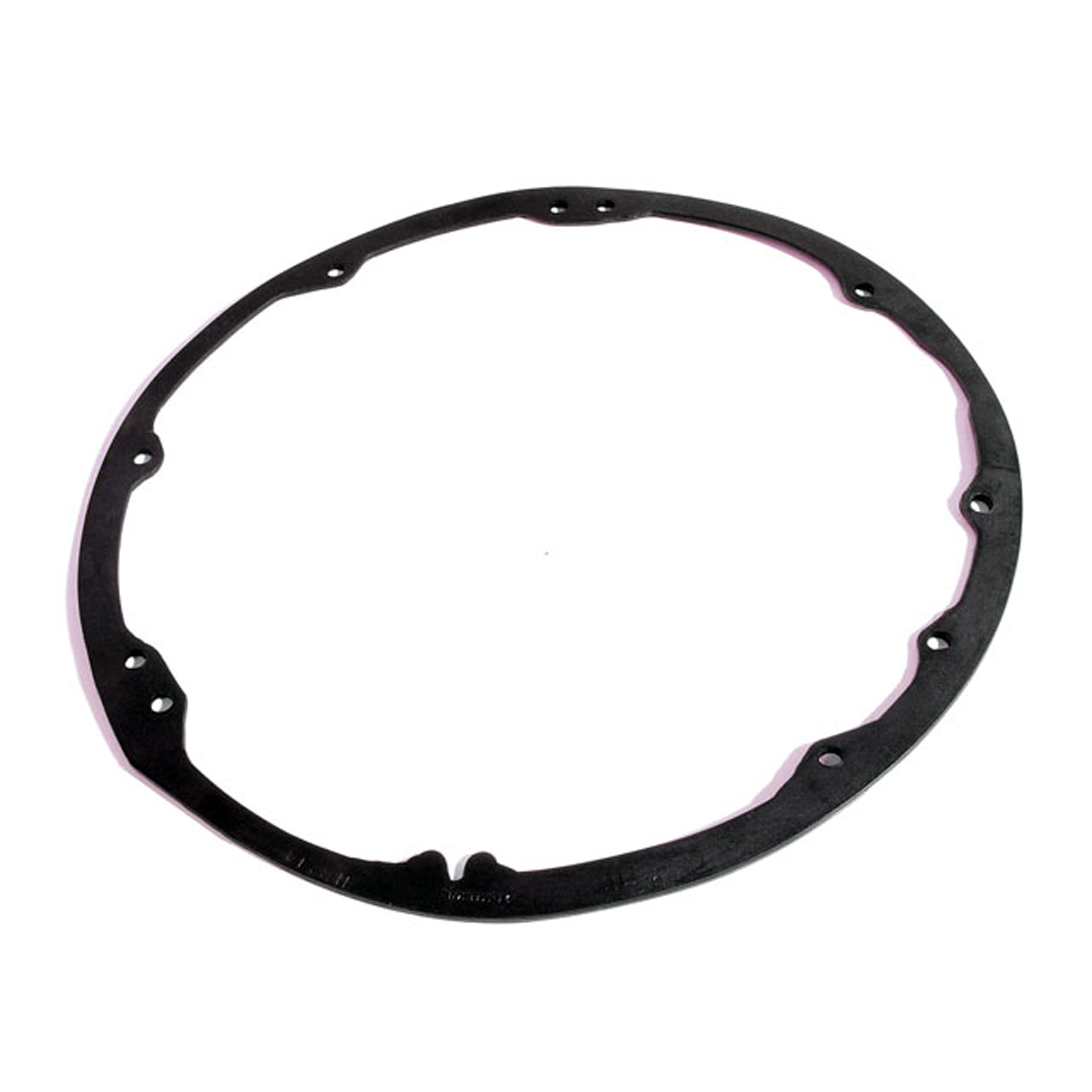 1958 Dodge Truck Headlight Ring Seal. 8-3/8" O.D., 7-3/4" I.D. Pair-HR 14Headlight Ring Seal. 8-3/8" O.D., 7-3/4" I.D. Pair
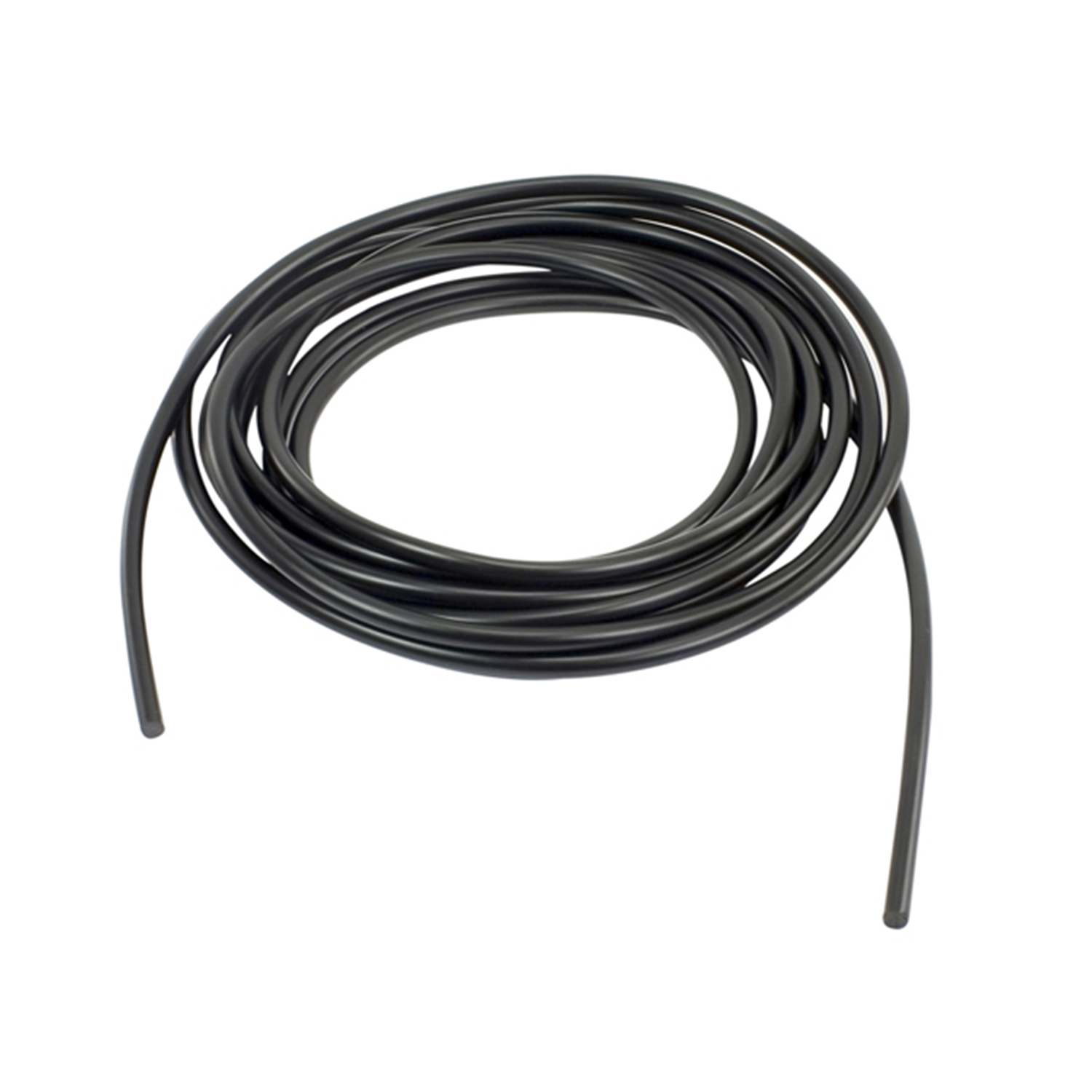 1958 Dodge Truck Windshield and rear glass lock-strip. Fits Many '57-'93 Mopars. Each.-LS 2-AWindshield and rear glass lock-strip. Fits Many '57-'93 Mopars. Each.
 1958 Dodge Truck Lockstrip Seal, 54-93 Mopar Full Size Truck, Van & SUV, Chromed Plastic Type-LS 2-VLockstrip Seal, 54-93 Mopar Full Size Truck, Van & SUV, Chromed Plastic Type, Each. Works with Metro p/n VWS 2706.
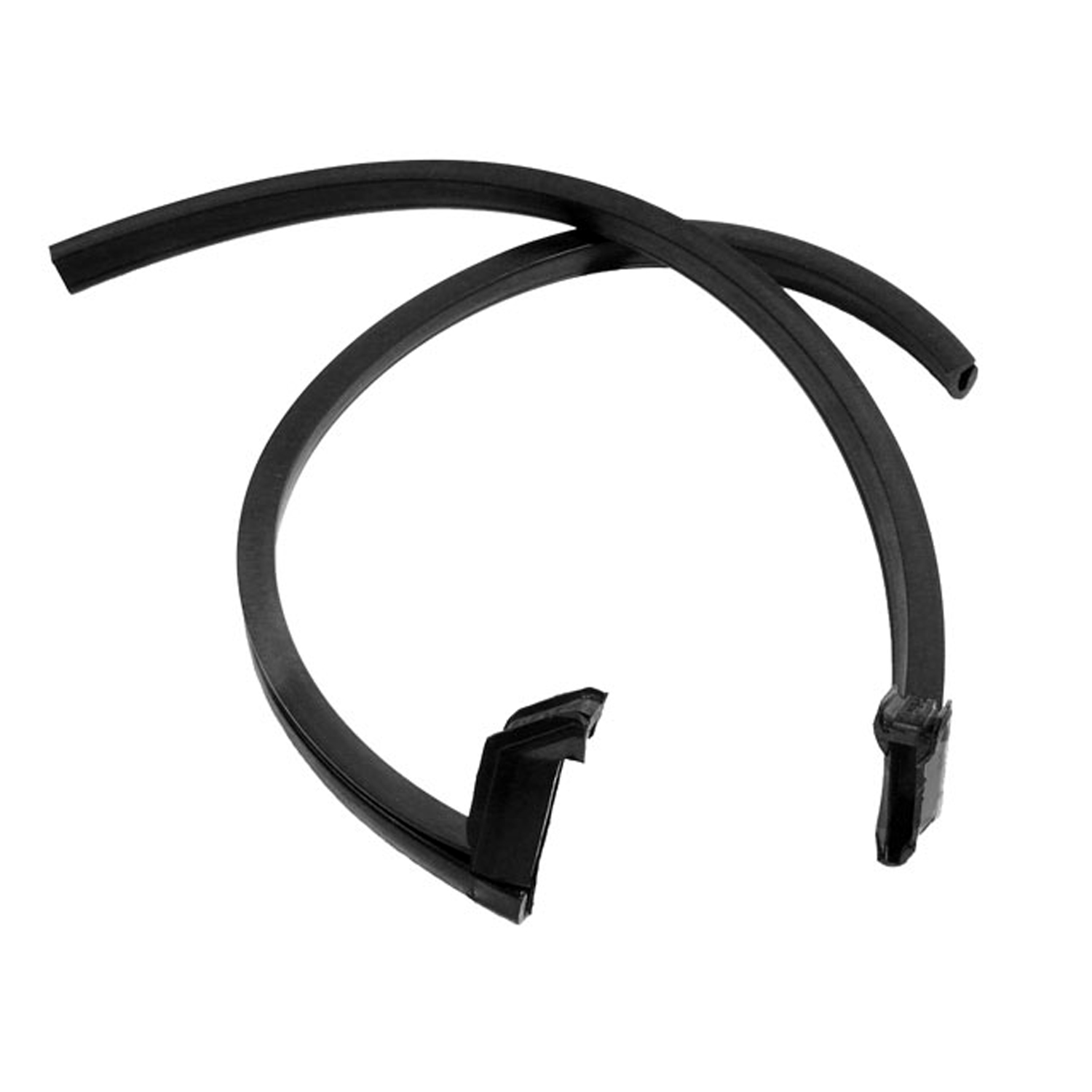 1958 Dodge Truck Rear Roll-Up Window Seals-VS 7-GRear Roll-Up Window Seals. For leading edge of rear quarter window. Made with molded ends. 18-1/2" long. Pair R&L
Why Choose Metro?
For over 100 years, Metro Moulded Parts has been the pinnacle of quality in classic car restoration parts. Our commitment to precision and authenticity in every component ensures a perfect fit and an OEM-level appearance.
- Expert Craftsmanship & Quality: Each part is a testament to our dedication to reliability and perfection, crafted from original designs and thoroughly tested.
- Advanced Technology: We use cutting-edge techniques to create flawless, long-lasting parts that surpass others in performance.
- SuperSoft Sponge – The Ultimate Door Seal: Not only are our door seals 30% softer than competitors', but they're also guaranteed to never leak. They effectively reduce wind and road noise, enhancing your classic car's comfort and driving experience.
- Proudly American: Our parts are a product of American craftsmanship, made in the USA with a spirit of excellence and heritage.
- Unrivaled Warranty: We back our products with a 30-year industry-leading warranty, a testament to our confidence in their quality.
Join us in preserving the legacy of classic cars with parts that are crafted for perfection, not just made.