

Image of 1959 Dodge D200 Pickup, Note: These illustrations use artistic license and may differ from actual historical models.
Performance Metrics
Fundamental Metrics
Emotional Appeal
MMP Rating
| Engine Specifications | |
|---|---|
| Engine: | 318 cu in (5.2 L) V8 |
| Displacement: | 318 cu in (5.2 L) |
| Horsepower: | 200-230 hp |
| Torque: | 340 lb-ft |
| Compression Ratio: | 8.5:1 |
| Ignition System: | Conventional breaker-point ignition system |
| Cooling System: | Liquid-cooled |
| Performance Specifications | |
| 0-60 Time: | Estimated 10-12 seconds |
| 1/4 Mile Time: | Estimated 18-20 seconds |
| Top Speed: | 90-100 mph |
| Transmission and Drive | |
| Drive Type: | Rear-wheel drive |
| Transmission Type: | 3-speed manual |
| Fuel and Efficiency | |
| Fuel System Type: | Carburetor |
| MPG: | Estimated 10-12 mpg |
| Dimensions and Brakes | |
| Brakes: | Drum brakes |
| Wheelbase: | 133 inches |
| Weight: | 4,500 lbs |
Note: Specifications for classic cars are given to the best of our ability, considering the limited and variant data available.
1959 Dodge D200 Pickup: A Heavy-Duty Classic With Forward Look Style
The 1959 Dodge D200 was built to haul a serious load, but it did not look like an afterthought. Its broad grille, sculpted fenders, and confident stance brought the flair of late-1950s automotive design to a hardworking three-quarter-ton pickup. Produced by the Dodge division of Chrysler Corporation, the D200 belonged to Dodge’s D-Series truck range, a lineup that paired commercial-grade capability with the era’s increasingly bold styling.
The D200 sat between lighter-duty pickups and Dodge’s larger work trucks. It was aimed at farmers, tradespeople, businesses, and owners who needed a truck with more capacity than a half-ton. One detail that makes this generation especially interesting is Dodge’s use of the name “Sweptline” for its slab-sided pickup box. The term captured the period’s fascination with swept, flowing forms, even though the truck itself was designed first and foremost for work.
Forward Look Design, Built for Work
From the front, the 1959 D200 wears a wide, upright grille framed by substantial fenders. The hood and front sheet metal carry rounded contours rather than the flat, boxy surfaces common on many later trucks. Chrome trim and brightwork add a touch of polish, while the high ride height, sturdy bumpers, and large wheels make its working purpose unmistakable. It is a distinctive blend of utility and late-fifties optimism.
Buyers could choose between the traditional Utiline pickup box, with its external rear fenders and stepside profile, and the smoother-sided Sweptline box. The Sweptline’s broad, uninterrupted bed sides looked more modern and became the signature pickup configuration for many enthusiasts. D200s were also available as chassis-cab trucks, which could be fitted with commercial bodies such as stake beds, flatbeds, or service bodies. Exact combinations depended on the truck’s wheelbase and the original order.
The cab was practical and straightforward. A wide bench seat, painted metal dash, large glass area, and simple controls made it easy to use as a work vehicle. Materials were durable rather than luxurious, with vinyl and cloth upholstery depending on specification, and a rubber floor covering was common on working trucks. The upright driving position offered a commanding view over the hood, while the generous windows helped with visibility around job sites.
Factory paint choices varied by model year, equipment, and order. Period colors included a range of solid hues, with whites, reds, blues, greens, and darker shades among the possibilities. Two-tone combinations and contrasting trim could make a truck stand out. Today, red and white, blue and white, and other high-contrast combinations are especially popular at shows, though a plain single-color work truck has its own appeal.
Power Giant Engineering and Useful Options
Dodge marketed its trucks under the “Power Giant” banner during this period, emphasizing strength and capability. Engine availability depended on configuration and market, but D-Series trucks could be ordered with a six-cylinder engine or a V8. Period-correct examples may be found with Dodge sixes, including flathead designs, or with a V8 such as a 315-cubic-inch unit. Engine and transmission details should always be checked against the truck’s data plate and build records, since trucks have often been modified over the decades.
Three-quarter-ton D200 models were built around a stronger chassis and suspension than a half-ton pickup. The equipment was intentionally simple by modern standards: a conventional manual transmission was common, and features such as power steering or power brakes depended on the original specification. Dodge’s truck engineering in this era also made use of torsion-bar front suspension on many models, a layout that helped combine load-carrying toughness with a more controlled ride than a purely utilitarian design might suggest.
Why the D200 Mattered
The D200 reflects a turning point in the pickup’s identity. In the postwar years, trucks were increasingly expected to serve not only on farms and construction sites but also as personal vehicles. Dodge answered with a truck that had a recognizable design language, useful cab comfort, and multiple body configurations without giving up its commercial purpose.
Its styling was part of the broader “Forward Look” era, when Chrysler products embraced dramatic lines and a sense of motion. The D200 was not a luxury pickup, and it did not invent the modern lifestyle truck, but it helped show that a working vehicle could have visual character. The Sweptline bed, in particular, gave buyers a cleaner, more integrated-looking alternative to the traditional stepside shape.
Compared with many contemporaries, the Dodge stood out through its combination of bold sheet metal, substantial-duty construction, and available V8 power. It remains a reminder that mid-century trucks were evolving quickly, both as tools and as expressions of personal taste.
How a 1959 D200 Drives
Performance varies considerably with engine, axle gearing, transmission, tire size, and vehicle condition. A healthy, period-correct D200 is not a quick truck by modern standards. As a general estimate, a six-cylinder example might take roughly 25 to 35 seconds to reach 60 mph, while a V8 truck could do it in about 20 to 30 seconds. Top speed is similarly configuration-dependent, but roughly 65 to 80 mph is a sensible estimate for many stock examples. These are approximate figures, not guaranteed factory test results.
Behind the wheel, the D200 feels substantial. The steering is slower and heavier than in a modern pickup, particularly at low speed, and the driver works a large steering wheel while monitoring the truck’s broad front end. A manual gearbox adds to the hands-on experience. The engine has a deep, unfiltered mechanical sound, with a V8 producing a more muscular note and the six delivering a steady, work-focused rumble.
The suspension is set up to carry weight, so an unloaded truck can feel firm over broken pavement and sharp bumps. With a useful load aboard, it settles into its job and can feel more composed. On winding roads, its size, tall stance, and period tires call for measured inputs rather than quick cornering. Crosswinds can also be noticeable, particularly with a tall-bodied commercial conversion. The D200 is most rewarding when driven at a relaxed pace, with room to breathe and a purpose in the bed.
Owning and Maintaining a D200
Today, a D200 can serve as a weekend driver, farm truck, vintage work vehicle, or show-and-cruise classic. Its heavy-duty appearance and useful bed make it especially appealing to owners who want a classic truck that can still do more than sit under a cover. A well-restored example can attract attention without needing the elaborate modifications often seen on custom pickups.
Routine maintenance is generally approachable for an owner comfortable with older vehicles. The mechanical systems are comparatively straightforward, and many repairs can be done with ordinary shop tools and a good service manual. Parts support is strongest for common mechanical items and general restoration supplies. Correct trim, sheet metal, and model-specific pieces can take more time to locate, so it is wise to inspect a truck for completeness before buying.
Rust is a key concern. Check the cab corners, floor pans, lower doors, windshield area, bed, and frame, paying special attention to repairs hidden beneath fresh paint or undercoating. Also inspect the brakes, steering components, suspension, cooling system, and charging system. Because many D200s spent their lives working, condition and maintenance history matter more than a shiny exterior. Engine swaps and transmission changes are not unusual, so verify what is actually installed rather than relying on badges.
Notable Facts and Common Complaints
The D200’s “Sweptline” name is one of its most memorable pieces of period branding. The term gave the pickup box a distinctly modern identity at a time when designers were borrowing the language of speed and motion for everything from sedans to farm trucks. The alternative Utiline bed, meanwhile, preserved the familiar stepside format that many buyers still preferred for practical access and traditional looks.
There is no widely recognized production record, speed record, or single historic event that defines the 1959 D200. Its story is more representative than headline-grabbing: thousands of trucks like it earned their keep in local businesses, on farms, and in municipal fleets. Exact D200 production totals are difficult to establish from readily available public records, and figures for the entire Dodge truck line should not be mistaken for a model-specific count.
Common criticisms are part of the ownership picture. The ride can be stiff when the bed is empty, steering and braking feel dated, and fuel economy is modest, especially with a V8. Cab comfort and sound insulation also fall well short of modern standards. For enthusiasts, those traits are not necessarily deal-breakers; they are reminders that the truck was engineered for work in a very different era.
1959 Dodge D200 Values and Rarity
The D200 is less common on the classic market than many half-ton pickups, though it is not an exotic rarity. Surviving trucks range from worn workhorses to carefully restored show examples. Model-specific production totals are not consistently documented, so a precise build count would be misleading. A reasonable broad estimate is that original D200 pickups were produced in the thousands, with availability today shaped heavily by decades of hard use and rust.
As a general 2026 U.S. market guide, a project truck may sell for approximately $3,000 to $8,000, depending on completeness and rust. A usable driver might bring about $8,000 to $18,000, while a well-restored or highly presentable example could reach roughly $20,000 to $35,000. Exceptional restorations, rare configurations, or beautifully finished commercial conversions may sell for more, while modified or incomplete trucks can fall below those ranges. These are estimates, not formal appraisals, and local market conditions can shift prices substantially.
Values have generally benefited from the broader growth in interest in vintage pickups, especially trucks with honest patina or quality restorations. The D200 may not command the same attention as a top-trim half-ton from a more widely collected brand, but its distinctive styling and heavier-duty character give it a durable niche. Originality, rust-free structure, correct equipment, and documentation are likely to matter more than any single engine badge.
A Working Classic With Lasting Character
The 1959 Dodge D200 combines substantial three-quarter-ton capability with the sculpted styling of the late 1950s. Its Sweptline and Utiline bed choices, straightforward cab, period engine options, and durable construction make it a fascinating example of the pickup’s shift from pure work tool toward personal vehicle.
It is not quiet, quick, or effortless by modern standards, and that is part of its appeal. The D200 rewards a driver who enjoys mechanical simplicity, bold vintage design, and the feeling of operating a truck built to earn its keep. More than six decades later, it still looks ready for a job, and that is a legacy no amount of chrome could manufacture.
1959 Dodge D200 Pickup Catalog of Parts
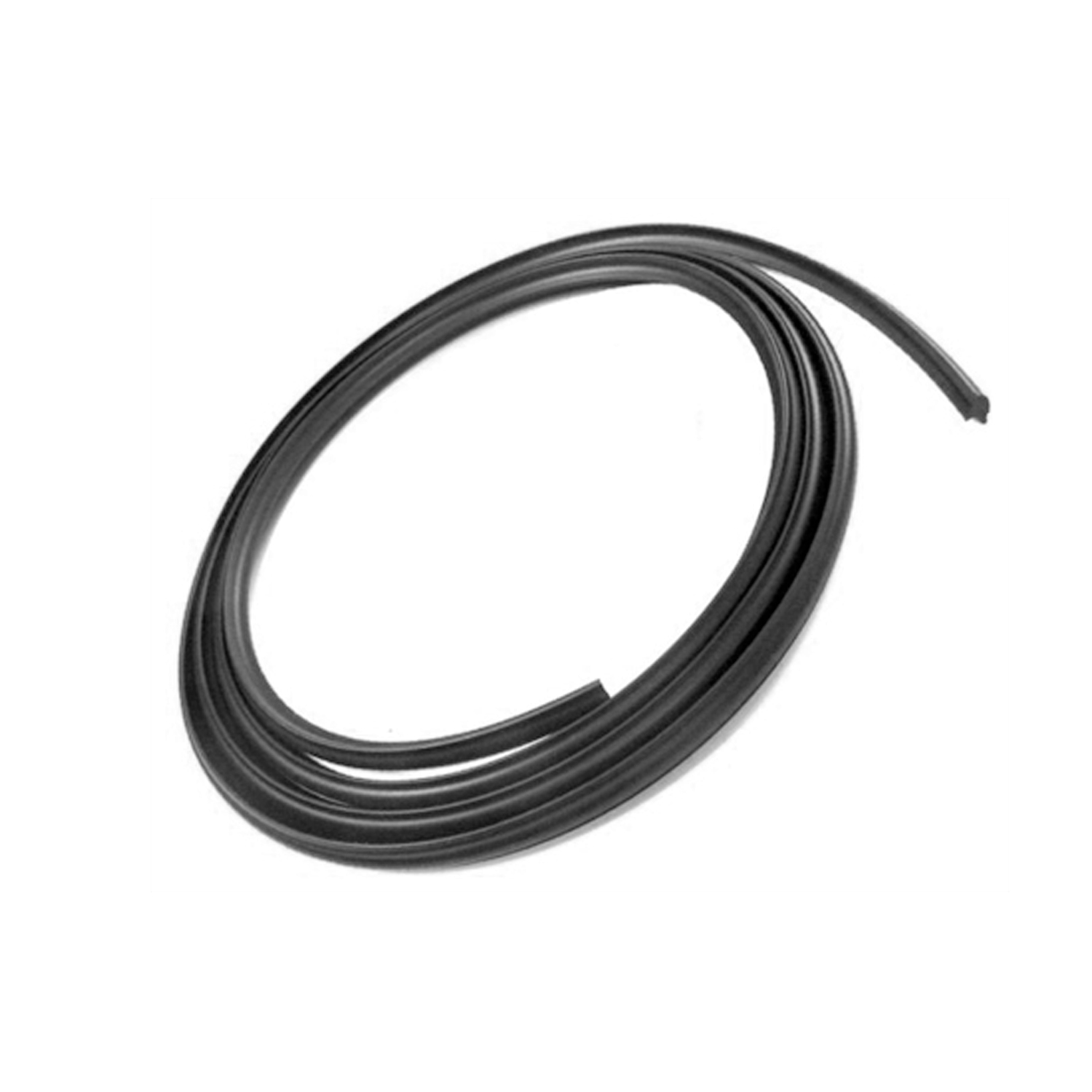 1959 Dodge D200 Pickup Lockstrip Seal, 54-93 Mopar Full Size Truck, Van & SUV, Chromed Plastic Type-LS 2-VLockstrip Seal, 54-93 Mopar Full Size Truck, Van & SUV, Chromed Plastic Type, Each. Works with Metro p/n VWS 2706.
Why Choose Metro?
For over 100 years, Metro Moulded Parts has been the pinnacle of quality in classic car restoration parts. Our commitment to precision and authenticity in every component ensures a perfect fit and an OEM-level appearance.
- Expert Craftsmanship & Quality: Each part is a testament to our dedication to reliability and perfection, crafted from original designs and thoroughly tested.
- Advanced Technology: We use cutting-edge techniques to create flawless, long-lasting parts that surpass others in performance.
- SuperSoft Sponge – The Ultimate Door Seal: Not only are our door seals 30% softer than competitors', but they're also guaranteed to never leak. They effectively reduce wind and road noise, enhancing your classic car's comfort and driving experience.
- Proudly American: Our parts are a product of American craftsmanship, made in the USA with a spirit of excellence and heritage.
- Unrivaled Warranty: We back our products with a 30-year industry-leading warranty, a testament to our confidence in their quality.
Join us in preserving the legacy of classic cars with parts that are crafted for perfection, not just made.