

Image of 1959 Dodge Truck, Note: These illustrations use artistic license and may differ from actual historical models.
Performance Metrics
Fundamental Metrics
Emotional Appeal
MMP Rating
| Engine Specifications | |
|---|---|
| Engine: | 318 cu in (5.2 L) A V8, 361 cu in (5.9 L) B V8 |
| Displacement: | 318-361 cu in |
| Horsepower: | 200-265 hp |
| Torque: | 270-380 lb-ft |
| Compression Ratio: | 8.5:1 - 9.0:1 |
| Ignition System: | Conventional breaker-point ignition system |
| Cooling System: | Liquid-cooled |
| Performance Specifications | |
| 0-60 Time: | Estimated 10-12 seconds |
| 1/4 Mile Time: | Estimated 17-19 seconds |
| Top Speed: | 85-95 mph |
| Transmission and Drive | |
| Drive Type: | Rear-wheel drive |
| Transmission Type: | 3-speed manual, 4-speed manual, 3-speed automatic |
| Fuel and Efficiency | |
| Fuel System Type: | Carburetor |
| MPG: | Estimated 10-12 mpg |
| Dimensions and Brakes | |
| Brakes: | Drum brakes |
| Wheelbase: | 133 inches |
| Weight: | 3,500-4,000 lbs |
Note: Specifications for classic cars are given to the best of our ability, considering the limited and variant data available.
1959 Dodge Truck: The First-Year Sweptline Pickup
The 1959 Dodge truck brought big, confident 1950s styling to a hard-working machine, and it introduced a name that still turns heads at vintage-truck shows: Sweptline. Built by the Chrysler Corporation, the year’s lineup ranged from practical half-ton pickups to heavy-duty work trucks and the rugged four-wheel-drive Power Wagon. It was not one single model, but a family of trucks shaped by Dodge’s push to make utility vehicles look as bold as the cars parked in the driveway.
The Sweptline pickup is the standout for many collectors because 1959 was its debut year. Its wide, smooth-sided cargo box gave it a cleaner profile than the traditional stepside design, while Dodge’s continued production of the Power Wagon connected the brand’s civilian trucks to a celebrated military past. For buyers in a decade of expanding suburbs, highways, farms, and construction sites, a Dodge truck could be a work partner during the week and a family hauler on the weekend.
Forward-Look Style, Built for Work
Dodge’s late-1950s design language gave the 1959 truck a broad, assertive stance. The front end featured a substantial hood, a prominent grille, and sculpted fenders that flowed into the cab. Its lines were more expressive than those of many plain, utilitarian pickups of the period, but the design still looked purposeful rather than delicate. The Sweptline’s smooth cargo-box sides made the truck especially distinctive from the side, while the traditional Utiline stepside offered a more familiar, work-truck silhouette.
The cab was straightforward and durable. A wide bench seat, painted metal dashboard, simple gauges, and rubber floor covering suited a vehicle expected to carry dusty boots, tools, and muddy farm gear. Upholstery and trim varied with model and equipment, but this was not a luxury-car interior. The appeal was practical: controls were easy to understand, the cabin was roomy for its era, and most surfaces were designed to tolerate everyday use.
Factory paint choices varied by model and ordering program, with solid colors and two-tone combinations available. Buyers often chose work-friendly shades such as red, green, blue, or cream, while two-tone treatments could emphasize the cab and body contours. Exact color availability depended on the particular truck and its equipment, so original paint codes and build records are useful when authentic restoration matters.
Sweptline, Utiline, and the Wider Dodge Lineup
The key pickup choice was between the new Sweptline box and the conventional Utiline stepside. Sweptline’s flush-sided design is the most recognizable option today, prized for its clean profile and first-year significance. The Utiline remained a sensible alternative for owners who valued a traditional look and a step beside the bed.
Dodge organized its conventional trucks by capacity, including the D-100 half-ton, D-200 three-quarter-ton, and D-300 one-ton. The broader 1959 range also included commercial and heavy-duty configurations, plus the Town Panel and Town Wagon, which enclosed the cargo area for delivery or passenger use. The separate Power Wagon was the rugged four-wheel-drive choice, built for demanding work rather than boulevard cruising. Equipment and body availability varied, so a truck’s exact configuration is best confirmed from its identification information and period documentation.
Engines and Period Technology
Depending on model and specification, buyers could find a dependable flathead inline-six or a V8. Engine availability varied across the Dodge truck range, and surviving trucks are often modified, so an engine code or reliable factory reference is more useful than assuming every 1959 Dodge carried the same powerplant. A three-speed manual transmission was common, with other transmission and axle choices depending on the truck’s intended job.
By modern standards, the technology was simple. The truck relied on mechanical controls and straightforward instruments, without electronic driver aids or contemporary safety equipment. That simplicity was a genuine advantage for working owners: a capable mechanic could understand the basic systems, and many repairs did not require specialized diagnostic tools. Heavier-duty models and Power Wagons could be equipped for demanding work, with available equipment varying by model and order.
Why the 1959 Dodge Truck Matters
The Sweptline’s importance lies in the way it joined a more integrated, modern-looking pickup body to the practical requirements of a working truck. Its wide box and smoother sides anticipated the growing preference for pickups that could serve both commercial and personal roles. Dodge did not invent the pickup, of course, but the Sweptline helped make clean, full-width box styling part of the mainstream American truck landscape.
The truck also reflects an important change in the postwar market. Buyers increasingly wanted vehicles that could handle a job without looking strictly industrial. Dodge answered with expressive styling while retaining multiple payload classes, body types, and work-oriented configurations. That balance helped define the American pickup’s transition from a specialized tool toward an all-purpose vehicle.
Performance and the Feel Behind the Wheel
There is no single reliable performance figure for every 1959 Dodge truck. Engine, transmission, axle ratio, tires, payload, and body style all make a substantial difference. As a broad estimate, a lighter truck with a healthy V8 might reach roughly 75 to 85 mph under favorable conditions. A 0-to-60-mph run could take around 18 to 25 seconds; a six-cylinder truck, a heavier model, or one carrying a load could be slower. These are practical estimates, not uniform factory test results.
On the road, a 1959 Dodge feels like a truck first. The steering is comparatively slow and requires more effort than a modern vehicle, especially at low speeds. The suspension is designed to carry weight, so an unloaded pickup can feel firm and bouncy over broken pavement. Add cargo, and the ride generally settles down. On winding roads, its tall stance and heavy steering invite a measured pace rather than fast cornering.
The engine experience is part of the charm. The six tends to deliver an unhurried, workmanlike note, while a V8 adds a deeper rumble and stronger response. The manual gearbox, broad bench seat, engine vibration, and visible hood make the driver feel directly connected to the machine. It is not quiet or effortless by modern standards, but it offers a satisfying, mechanical kind of involvement.
Living With a 1959 Dodge
Today, these trucks commonly serve as weekend drivers, show vehicles, farm or ranch runabouts, and restoration projects. A sound example can be enjoyable on local roads, but regular highway commuting asks a lot of a vehicle designed decades before modern traffic speeds and safety expectations. Many owners preserve the original character; others add discreet upgrades such as improved brakes, modern tires, or more comfortable seating.
Routine mechanical work is generally approachable for an owner with basic tools and experience. The simple engine and chassis systems are easier to understand than modern electronic ones, and many mechanical components are shared with related Dodge trucks. The harder part can be finding correct trim, body panels, interior pieces, and model-specific hardware. Rust in the cab, floor, bed, and frame deserves close inspection, and a truck with a poorly executed engine or brake conversion may require more work than its appearance suggests.
Rare Details and Common Complaints
The first-year Sweptline is a notable detail in its own right. Collectors also seek particular combinations of cab, bed, drivetrain, and original equipment, while Power Wagons attract a separate audience because of their four-wheel-drive capability and historic lineage. There is no widely recognized production speed record or major sales record associated specifically with the 1959 Dodge truck.
No single celebrity-owner story defines the model, and specific claims about famous ownership should be checked against reliable documentation. The more interesting trivia is built into the truck itself: the Sweptline name described its smooth-sided box, and Dodge’s civilian Power Wagon carried forward the reputation of a design developed from wartime military-truck experience.
Common criticisms are familiar to anyone who has driven a vintage work truck. Steering can feel heavy, braking and acceleration are modest by current standards, fuel economy is not a strong point, and the ride can be choppy when the bed is empty. Parts availability is also uneven: routine mechanical items are often manageable, while correct cosmetic pieces can be scarce. These drawbacks are part of the ownership equation, not surprises to discover after purchase.
Collector Values and Availability
Values depend heavily on condition, originality, body style, and drivetrain. As a general current-market guide, a project truck may sell for about $5,000 to $12,000. A running, usable driver often falls around $15,000 to $30,000, while a well-restored Sweptline can reach roughly $35,000 to $60,000. Exceptional examples, rare configurations, or desirable Power Wagons can exceed those ranges, sometimes substantially. These are broad estimates rather than guaranteed asking or sale prices.
There is no dependable, commonly cited production total for every 1959 Dodge truck configuration combined. Dodge built trucks in multiple capacity classes and body styles, and surviving records do not always make a clean model-year total easy to establish. A reasonable broad estimate is tens of thousands of trucks across the full range, potentially approaching or exceeding 100,000 when the entire family is counted, but that should be treated as an informed approximation rather than an official figure. The Sweptline subset is smaller, and original, unmodified examples are much less common than trucks that have been altered or heavily restored.
Values have generally strengthened as interest in classic pickups has grown, especially for clean first-year Sweptlines and Power Wagons. However, the market is selective: buyers pay premiums for sound structure, correct details, and documented work, while rusty or incomplete projects remain expensive to restore. The best purchases are usually the most complete trucks a buyer can afford, not the cheapest ones on the market.
A Work Truck With Lasting Presence
The 1959 Dodge truck combines practical engineering, unmistakable late-1950s styling, and an important first-year milestone for the Sweptline pickup. Its smooth-sided bed, broad front end, and straightforward mechanical character set it apart from more anonymous work trucks of its era. It is not fast, quiet, or effortless, but it remains a memorable piece of American truck history: a machine built to earn its keep and stylish enough to be remembered long after the job was done.
1959 Dodge Truck Catalog of Parts
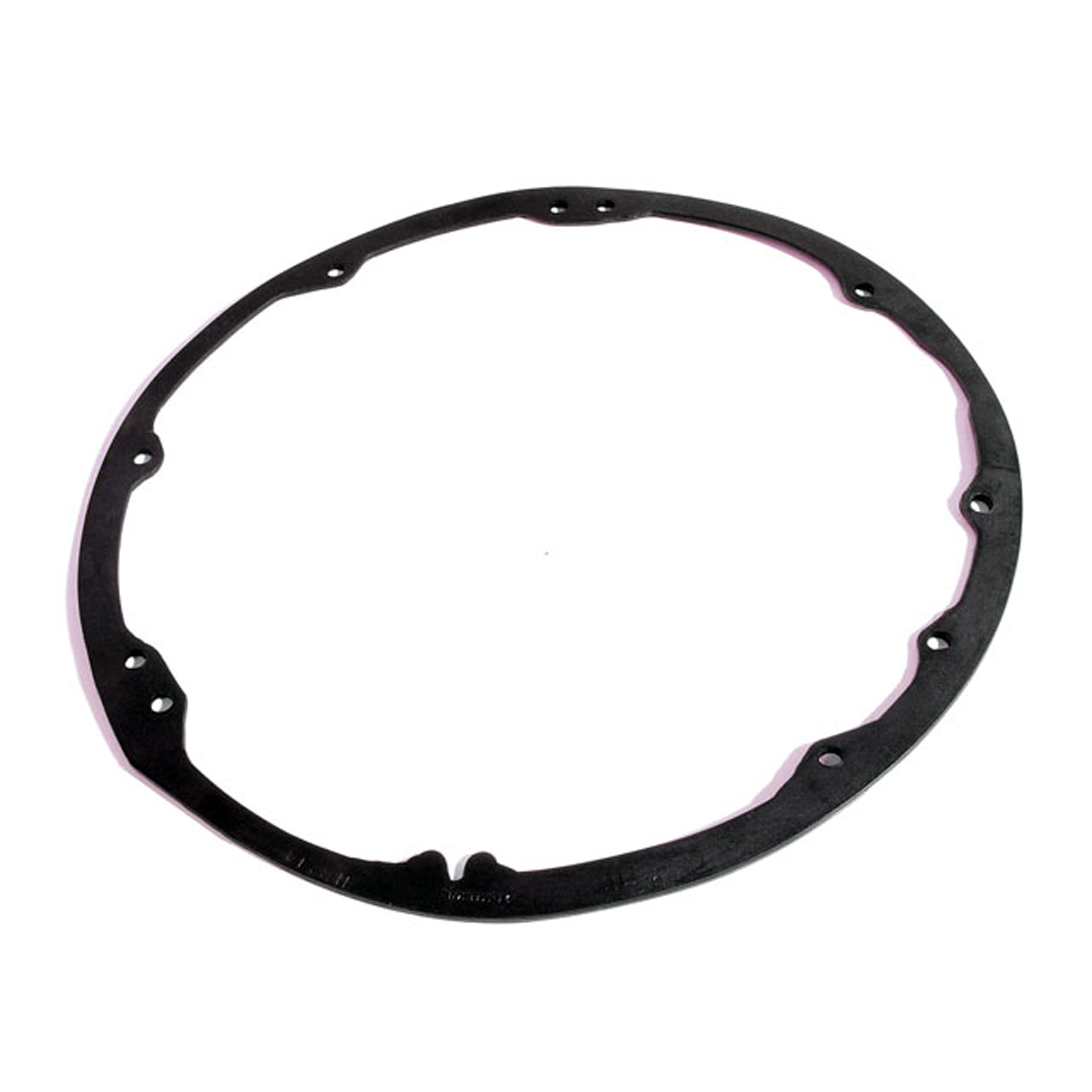 1959 Dodge Truck Headlight Ring Seal. 8-3/8" O.D., 7-3/4" I.D. Pair-HR 14Headlight Ring Seal. 8-3/8" O.D., 7-3/4" I.D. Pair
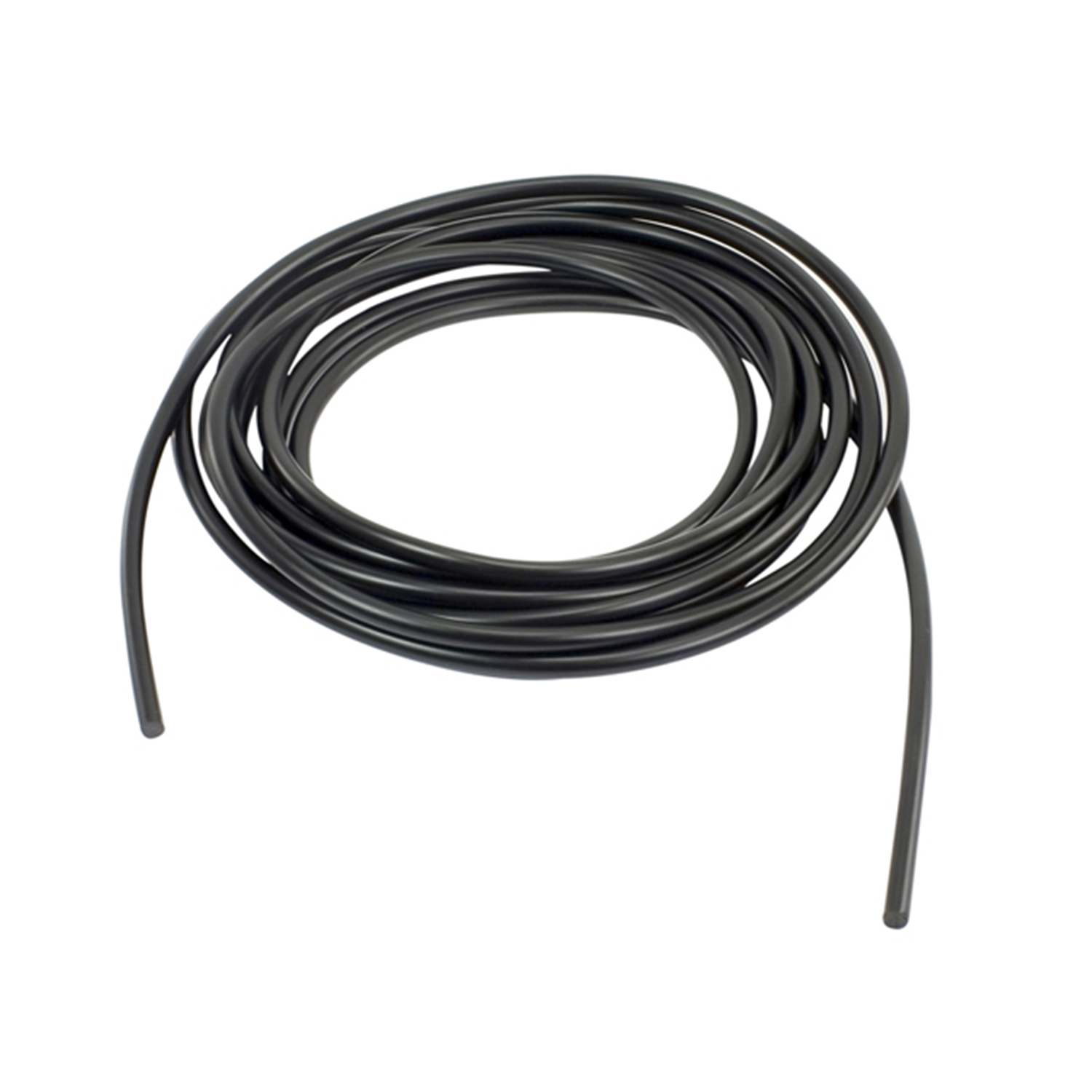 1959 Dodge Truck Windshield and rear glass lock-strip. Fits Many '57-'93 Mopars. Each.-LS 2-AWindshield and rear glass lock-strip. Fits Many '57-'93 Mopars. Each.
 1959 Dodge Truck Lockstrip Seal, 54-93 Mopar Full Size Truck, Van & SUV, Chromed Plastic Type-LS 2-VLockstrip Seal, 54-93 Mopar Full Size Truck, Van & SUV, Chromed Plastic Type, Each. Works with Metro p/n VWS 2706.
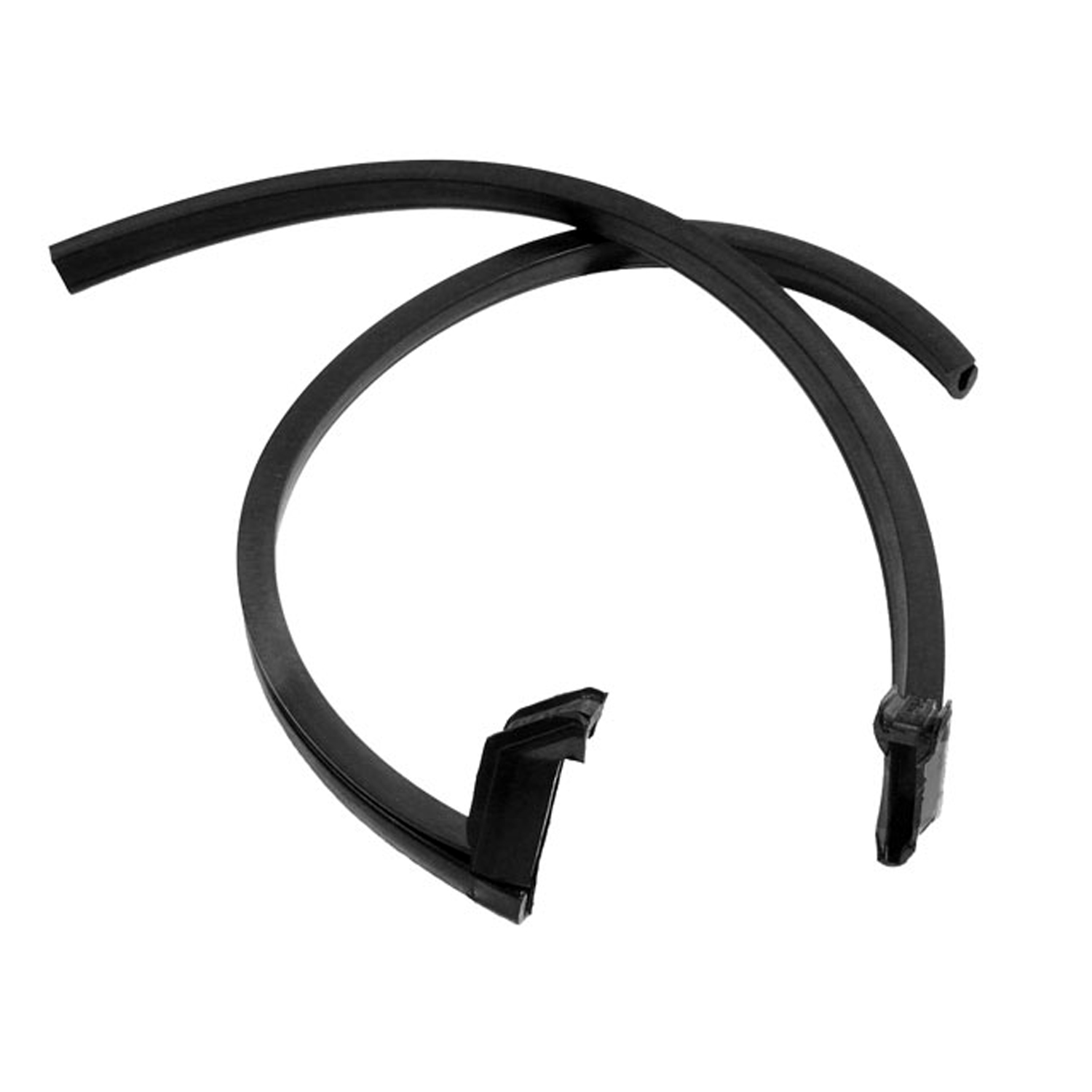 1959 Dodge Truck Rear Roll-Up Window Seals-VS 7-GRear Roll-Up Window Seals. For leading edge of rear quarter window. Made with molded ends. 18-1/2" long. Pair R&L
Why Choose Metro?
For over 100 years, Metro Moulded Parts has been the pinnacle of quality in classic car restoration parts. Our commitment to precision and authenticity in every component ensures a perfect fit and an OEM-level appearance.
- Expert Craftsmanship & Quality: Each part is a testament to our dedication to reliability and perfection, crafted from original designs and thoroughly tested.
- Advanced Technology: We use cutting-edge techniques to create flawless, long-lasting parts that surpass others in performance.
- SuperSoft Sponge – The Ultimate Door Seal: Not only are our door seals 30% softer than competitors', but they're also guaranteed to never leak. They effectively reduce wind and road noise, enhancing your classic car's comfort and driving experience.
- Proudly American: Our parts are a product of American craftsmanship, made in the USA with a spirit of excellence and heritage.
- Unrivaled Warranty: We back our products with a 30-year industry-leading warranty, a testament to our confidence in their quality.
Join us in preserving the legacy of classic cars with parts that are crafted for perfection, not just made.