
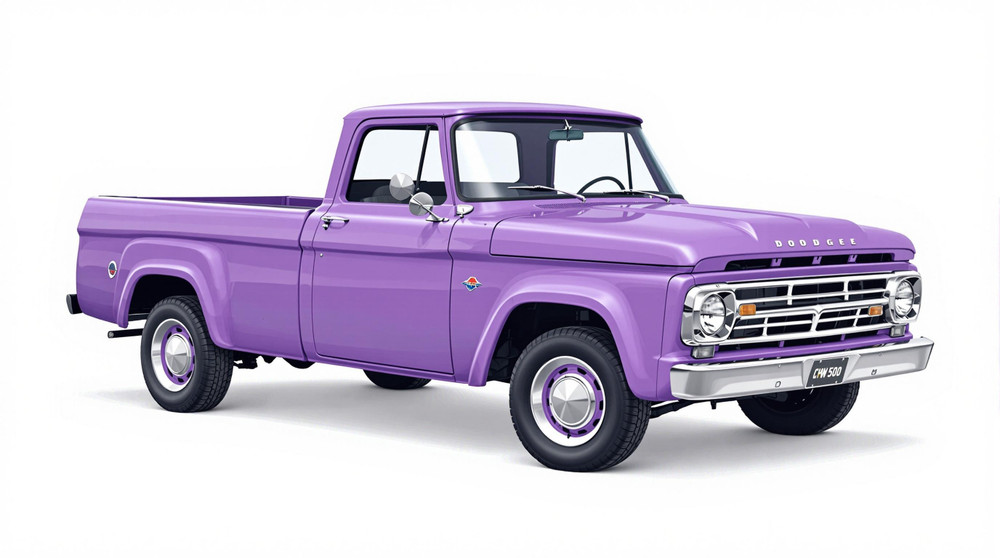
Image of 1965 Dodge Wm300 Power Wagon, Note: These illustrations use artistic license and may differ from actual historical models.
Performance Metrics
Fundamental Metrics
Emotional Appeal
MMP Rating
| Engine Specifications | |
|---|---|
| Engine: | 251 cu in (4.1 L) I6 |
| Displacement: | 4.1 L |
| Horsepower: | 125 hp |
| Torque: | 210 lb-ft |
| Compression Ratio: | 7.0:1 |
| Ignition System: | Distributor and coil |
| Cooling System: | Liquid-cooled |
| Performance Specifications | |
| 0-60 Time: | Not available due to the vehicle's primary design as a utility vehicle |
| 1/4 Mile Time: | Not available due to the vehicle's primary design as a utility vehicle |
| Top Speed: | 60 mph |
| Transmission and Drive | |
| Drive Type: | 4WD |
| Transmission Type: | 4-speed manual |
| Fuel and Efficiency | |
| Fuel System Type: | Carburetor |
| MPG: | 10-12 mpg |
| Dimensions and Brakes | |
| Brakes: | Hydraulic drum brakes |
| Wheelbase: | 126 in |
| Weight: | 5,300 lbs |
Note: Specifications for classic cars are given to the best of our ability, considering the limited and variant data available.
1965 Dodge WM300 Power Wagon: A Civilian Truck with Military Roots
The 1965 Dodge WM300 Power Wagon was built for work that ordinary pickups were never meant to handle. Tall, square-shouldered, and equipped with serious four-wheel-drive hardware, it carried the rugged spirit of Dodge’s wartime trucks into the civilian world. Dodge, part of Chrysler Corporation, had introduced the civilian Power Wagon in 1946, and by 1965 the WM300 remained a remarkably traditional machine in an era when many pickups were becoming more comfort-oriented.
The WM300 was a one-ton-class 4x4, designed for farms, construction sites, utility fleets, and remote roads. Its lineage reached back to the military Dodge WC trucks of World War II, though the civilian Power Wagon had its own cab and equipment. One of its most intriguing traits is how little its basic formula changed over the years: while the automotive industry embraced newer conveniences, the WM300 kept its sturdy frame, solid axles, leaf springs, and low-range gearing. For buyers who valued durability over novelty, that consistency was the point.
Square-Jawed Styling and Practical Cab
The WM300’s styling is all business. Its upright cab, broad flat hood, separate fenders, exposed running boards, and simple grille give it the unmistakable outline of a classic work truck. Large round headlamps sit high in the front fenders, while the tall stance and generous ground clearance signal that this Dodge was built to go beyond smooth pavement. Its proportions are imposing without being ornate: the visual appeal comes from honest utility and mechanical heft.
Inside, the cabin is similarly straightforward. The broad bench seat was typically upholstered in durable vinyl or other hard-wearing materials, and the metal dashboard favored legibility and serviceability over decoration. Instruments and controls were simple, with little of the sound insulation or convenience equipment expected in a modern pickup. Depending on how a truck was ordered or later equipped, details could vary, but the overall atmosphere was work-focused and easy to wipe clean.
Technology was mechanical rather than electronic. The WM300 paired a part-time four-wheel-drive system with a two-speed transfer case, giving the driver a choice of high and low range. A four-speed manual transmission, heavy-duty axles, and leaf-spring suspension helped it cope with slow, demanding work. Power steering and power brakes were not universal features, so equipment should be checked on each individual truck rather than assumed from the model name.
Paint and body equipment depended on the order, fleet buyer, and market. Red, green, blue, white, and yellow are all familiar colors on surviving Power Wagons, with bright red and work-truck greens especially evocative of the period. The standard configuration was a conventional two-door cab, but the truck could be ordered or outfitted in different working forms. Chassis-cab examples might receive a platform, stake, service, or utility body, while pickup-style beds and other bodywork varied by specification and supplier. The classic pickup-bodied WM300 is especially popular with collectors today.
Why the WM300 Stood Apart
The Power Wagon’s importance lies less in a single styling breakthrough than in its early, fully integrated approach to civilian four-wheel-drive work. Dodge offered a factory-built truck with the frame, axles, transfer case, and low gearing to tackle serious off-road duties, rather than asking owners to turn a road-going truck into a rough-terrain machine themselves. That made it a natural choice for businesses and communities that needed dependable access to places ordinary vehicles could not reach.
Compared with many contemporary pickups, the WM300 put capability ahead of speed, comfort, and polish. Its solid axles and straightforward mechanical layout made it tough and relatively approachable to service. Its influence can be seen in the enduring idea of the heavy-duty 4x4: a vehicle that can haul, climb, and work in difficult conditions, not just look rugged. The Power Wagon name also became one of Dodge’s longest-running badges for hard-use trucks.
230-Cubic-Inch Power and Four-Wheel-Drive Gearing
Most 1965 WM300 Power Wagons used Dodge’s 230-cubic-inch L-head inline-six. Period ratings are commonly given at about 125 gross horsepower, with torque around 200 lb-ft, though published figures can vary by specification and rating method. This was a low-revving, work-minded engine, not a high-speed performer. Its appeal was steady pulling power and a relatively uncomplicated design.
A four-speed manual transmission and a two-speed transfer case gave the driver plenty of control at low speeds. Low range was useful for climbing, crawling over rough ground, or moving a heavy load carefully. The truck’s gearing and large tires, however, were not designed to make highway travel quick. A reasonable real-world estimate for top speed is roughly 50 to 60 mph, with many examples happiest cruising below that. A 0-to-60-mph figure is not a particularly useful factory-style measure for this truck; depending on condition, gearing, tires, and load, acceleration could take well over 30 seconds, and some examples may struggle to reach 60 mph at all.
On broken ground, the long-travel character of the solid axles and leaf springs helps the WM300 keep its footing, though the ride can be choppy when the truck is empty. On paved, winding roads, its tall stance, slow steering, and heavy controls demand a deliberate hand. Crosswinds and uneven pavement can make the truck feel busy, and its drum brakes and period tires call for more stopping distance and anticipation than a modern vehicle requires.
Behind the wheel, the experience is distinctly mechanical. The six-cylinder works with a measured growl, the transmission asks for purposeful shifts, and the steering communicates road texture directly. It is not a quiet or effortless drive. Instead, the driver feels connected to the truck’s pace and workload, which is part of the appeal for enthusiasts who enjoy operating vintage machinery as much as looking at it.
Living with a 1965 Power Wagon
WM300s are most often used today as show vehicles, weekend drivers, farm trucks, and occasional off-road rigs. Some remain in regular work, but their age, fuel consumption, modest cruising speed, and limited safety equipment make them less convenient as everyday transportation. A carefully maintained example can still be useful, but it is best treated as a vintage heavy-duty truck rather than a modern daily pickup.
Maintenance is refreshingly hands-on by modern standards. The engine and many chassis systems are mechanical and accessible, and routine work does not require electronic diagnostic equipment. That makes many repairs manageable for an experienced home mechanic with the right manuals, tools, and safe lifting equipment. Parts availability is generally reasonable through specialist suppliers and the classic-Dodge community, although certain trim pieces, body panels, and model-specific components can take patience to find.
Condition matters more than the truck’s basic reputation for toughness. Buyers should carefully inspect the frame, cab corners, floor, fenders, bed or fitted body, and areas where water and road debris collect. The drivetrain should be checked for leaks, worn joints, transfer-case issues, and signs of neglected lubrication. A truck that has spent years working hard may be mechanically sound but tired in the details, so a thorough inspection is essential.
WM300 Trivia and Common Criticisms
The civilian Power Wagon was introduced in 1946 and became one of the earliest factory-built four-wheel-drive trucks offered to civilian buyers in the United States. The WM300 belongs to the final stretch of the traditional American Power Wagon’s original production era: U.S. civilian production ended after the 1968 model year, though related Power Wagons continued in some overseas markets.
There is no widely accepted, easy-to-verify production total specifically for 1965 WM300 trucks. As a broad estimate, a few thousand may have been built that year, perhaps roughly 1,500 to 3,000, but that should be treated as an informed guess rather than a documented factory figure. The exact number depends on how model designations, export trucks, and body configurations are counted.
The truck’s most common criticisms are also part of its character: it is slow, noisy, thirsty by modern standards, and not especially comfortable on long paved journeys. Its manual steering and brakes can feel strenuous, and its vintage safety equipment is limited compared with a modern pickup. There is no famous WM300 speed record or celebrity ownership story that defines the model. Its real legacy is more practical: generations of hard service in farming, construction, public utilities, and remote communities.
Collector Value and Market Outlook
Values vary widely with rust, originality, mechanical condition, body style, and the quality of any restoration. As a general 2026-era guide, a rough project truck might sell for about $8,000 to $15,000. A usable driver in fair to good condition could fall around $20,000 to $35,000, while a well-restored example may bring approximately $40,000 to $70,000 or more. Exceptional restorations, unusual bodies, and trucks with strong documentation can exceed that range, while incomplete or badly corroded examples may sell for less.
The WM300 is uncommon enough to attract serious interest but not so scarce that every example is treated as a museum piece. Availability is limited compared with ordinary classic pickups, and desirable original or professionally restored trucks do not appear constantly. Values have generally strengthened as interest in vintage 4x4s has grown, especially for trucks with honest history and sound metal. The market can still be uneven: a costly restoration does not always return its full investment, and condition is a stronger price driver than a seller’s estimate of rarity.
A Lasting Work-Truck Icon
The 1965 Dodge WM300 Power Wagon combined military-influenced toughness, simple mechanical engineering, and genuine four-wheel-drive capability in a package built for serious work. It was never quick or polished, but its flathead six, low-range gearing, rugged chassis, and distinctive shape made it a trusted tool in places where ordinary trucks fell short.
More than six decades later, the WM300 remains compelling because it feels like a machine with a clear purpose. It asks the driver to slow down, pay attention, and take the long way over rough ground. That uncompromising character is exactly why the old Power Wagon still commands respect.
1965 Dodge Wm300 Power Wagon Catalog of Parts
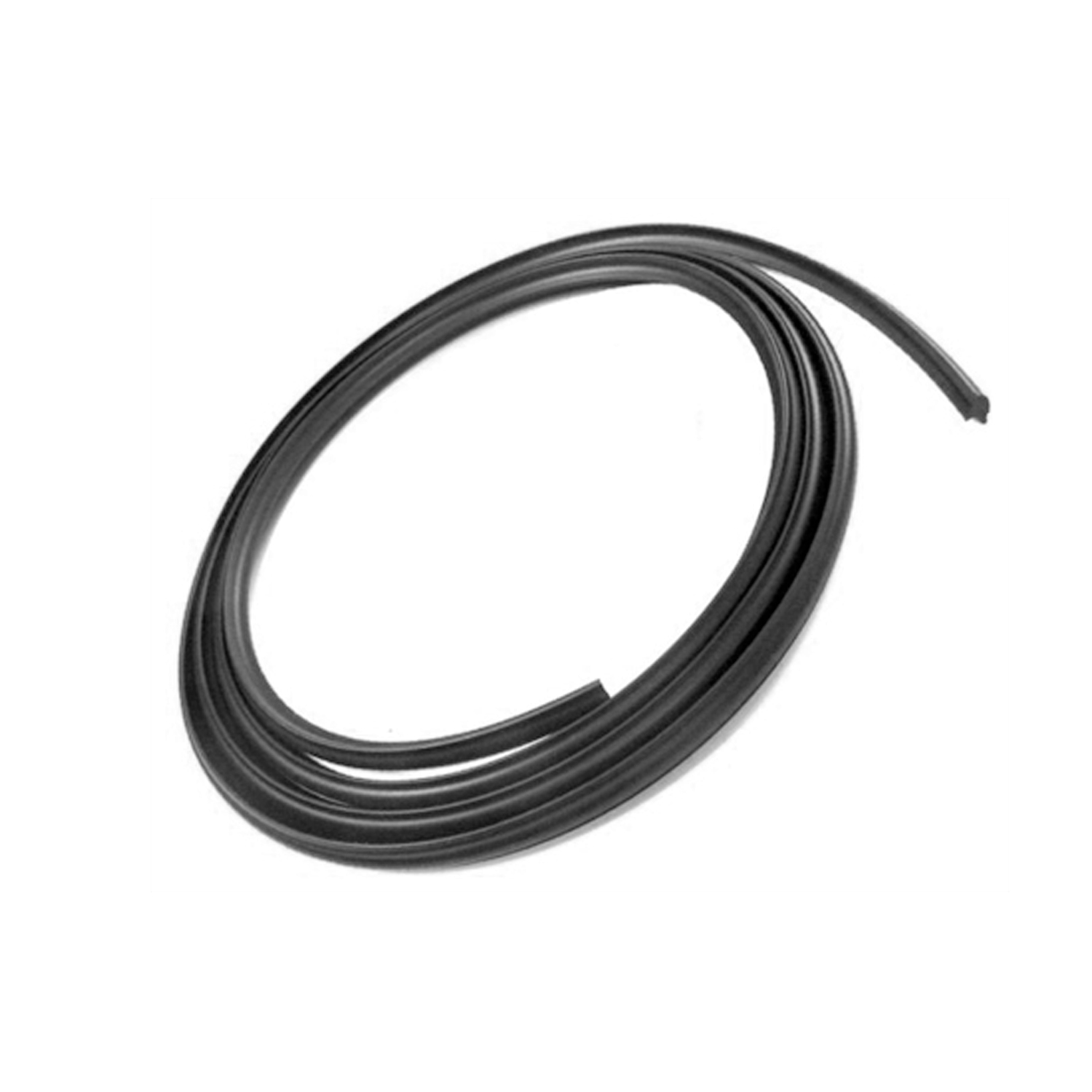 1965 Dodge Wm300 Power Wagon Lockstrip Seal, 54-93 Mopar Full Size Truck, Van & SUV, Chromed Plastic Type-LS 2-VLockstrip Seal, 54-93 Mopar Full Size Truck, Van & SUV, Chromed Plastic Type, Each. Works with Metro p/n VWS 2706.
Why Choose Metro?
For over 100 years, Metro Moulded Parts has been the pinnacle of quality in classic car restoration parts. Our commitment to precision and authenticity in every component ensures a perfect fit and an OEM-level appearance.
- Expert Craftsmanship & Quality: Each part is a testament to our dedication to reliability and perfection, crafted from original designs and thoroughly tested.
- Advanced Technology: We use cutting-edge techniques to create flawless, long-lasting parts that surpass others in performance.
- SuperSoft Sponge – The Ultimate Door Seal: Not only are our door seals 30% softer than competitors', but they're also guaranteed to never leak. They effectively reduce wind and road noise, enhancing your classic car's comfort and driving experience.
- Proudly American: Our parts are a product of American craftsmanship, made in the USA with a spirit of excellence and heritage.
- Unrivaled Warranty: We back our products with a 30-year industry-leading warranty, a testament to our confidence in their quality.
Join us in preserving the legacy of classic cars with parts that are crafted for perfection, not just made.