

Image of 1968 Dodge A100 Truck, Note: These illustrations use artistic license and may differ from actual historical models.
Performance Metrics
Fundamental Metrics
Emotional Appeal
MMP Rating
| Engine Specifications | |
|---|---|
| Engine Options: | 170 cu in (2.8 L) Slant-6, 225 cu in (3.7 L) Slant-6, 273 cu in (4.5 L) LA V8 |
| Displacement Range: | 170-273 cu in |
| Horsepower Range: | 101-180 hp |
| Torque: | 145-260 lb-ft |
| Compression Ratio: | 8.4:1 - 9.0:1 |
| Ignition System: | Conventional breaker-point ignition system |
| Cooling System: | Liquid-cooled |
| Performance Specifications | |
| 0-60 Time: | Estimated 10-15 seconds |
| 1/4 Mile Time: | Estimated 17-20 seconds |
| Top Speed: | 80-90 mph |
| Transmission and Drive | |
| Drive Type: | Rear-wheel drive |
| Transmission Type: | 3-speed manual, 4-speed manual, 3-speed automatic |
| Fuel and Efficiency | |
| Fuel System Type: | Carburetor |
| MPG: | Estimated 10-15 mpg |
| Dimensions and Brakes | |
| Brakes: | Drum brakes |
| Wheelbase: | 90 in |
| Weight: | 3000-3500 lbs |
Note: Specifications for classic cars are given to the best of our ability, considering the limited and variant data available.
1968 Dodge A100 Truck: A Cab-Over Classic
The 1968 Dodge A100 puts its driver almost over the front wheels, its engine beneath the cab, and its cargo bed right behind the seats. That unusual layout made this compact pickup remarkably space-efficient, while giving it a look that still stands out in a line of conventional trucks.
Chrysler introduced the A100 in 1964 as part of Dodge’s growing compact van and truck range. The A100 pickup shared its basic cab-forward platform with the A100 van, but traded the enclosed body for an open cargo bed. It was aimed at businesses and buyers who wanted useful hauling capacity without the footprint of a full-size pickup. In 1968, it offered a distinctive alternative to the more familiar front-engine layouts of trucks such as the Ford F-Series and Chevrolet C/K.
One of the A100’s most famous offshoots was not a factory performance model at all. The “Little Red Wagon,” a heavily modified A100 pickup driven by Bill “Maverick” Golden, became a spectacular wheelstanding drag-racing attraction in the 1960s. Its front wheels lifting skyward helped turn the humble cab-over truck into an unlikely motorsports celebrity.
Cab-Forward Styling and Practical Design
The A100’s short, nearly flat nose and forward-set cab are its defining features. Large windows wrap around the front corners, giving the driver a commanding view of nearby traffic and the truck’s edges. The upright windshield, simple grille, round headlights, and squared-off bodywork give it a purposeful, almost industrial appearance. It is compact, but it does not look like a shrunken conventional pickup. The whole design is organized around making room for people and cargo within a short overall length.
Inside, the A100 is straightforward and work-focused. Expect painted metal surfaces, simple controls, basic instrumentation, and durable vinyl upholstery rather than the plush trim of a passenger car. Depending on configuration, the cab could have a bench seat or individual seating. The engine sits beneath a removable interior cover, commonly called the doghouse, between or just ahead of the seats. That arrangement saves exterior space, but it also means engine heat and mechanical noise are part of the cabin experience.
For its era, the A100’s biggest innovation was its packaging rather than advanced electronics. The compact cab-over layout made the truck maneuverable and gave it a useful bed without requiring a long chassis. Available equipment varied by truck and order, but buyers could find options such as an automatic transmission, upgraded trim, and different engine and axle combinations. These are working trucks, so two surviving examples can differ considerably in equipment.
Paint choices followed the broad palette of late-1960s Chrysler vehicles, with a mix of work-truck colors and brighter shades. White, red, blue, green, and gold tones were among the kinds of colors buyers could encounter, though exact names and availability depended on the model year and order. Today, vivid original colors tend to catch attention at shows, while white and other practical shades suit the truck’s commercial roots.
The A100 family included cargo vans, passenger-oriented Sportsman vans, and pickups. The pickup is the most recognizable open-bed version, while the vans share the same cab-forward character in a more enclosed form. For buyers who wanted a compact vehicle that could carry people or tools in a small footprint, that shared platform was a key part of the appeal.
Why the A100 Mattered
The A100 was part of a broader shift toward compact commercial vehicles in the United States. Its cab-forward proportions made efficient use of limited length, a valuable trait for urban deliveries, service businesses, and crowded job sites. It was not the only cab-over vehicle of its time, but Dodge gave the idea a distinctly American pickup-truck identity.
Compared with a conventional pickup, the A100 placed the driver farther forward and used less space for a long hood. That provided a short turning footprint and a relatively long cargo area for the vehicle’s overall size. The trade-off was equally clear: occupants sat close to the front of the vehicle, and routine engine access involved lifting the cabin cover rather than opening a hood.
The A100 did not dictate the design of modern pickups, which largely returned to long-hood, front-engine layouts. Its legacy is more specific: it remains a memorable example of how manufacturers experimented with cab placement and packaging to make compact commercial vehicles more useful. Its striking shape also made it an ideal platform for custom vans, show trucks, and drag-racing stunts.
Engines, Speed, and Road Manners
Engine availability depended on the truck’s configuration and market. A100 models were offered with Chrysler’s slant-six engines, including 170- and 225-cubic-inch versions, and V8 power was available in some configurations. A 273-cubic-inch V8 is commonly associated with period A100 offerings. Because engines and equipment could vary, a buyer should verify what is actually fitted rather than assume every 1968 truck has the same specification.
Period performance figures are not as consistently documented for individual A100 pickup configurations as they are for popular passenger cars. As a practical estimate, a six-cylinder truck in ordinary condition might take roughly 17 to 22 seconds to reach 60 mph, while a V8-equipped example could be closer to 12 to 16 seconds. Top speed might fall in the neighborhood of 75 to 90 mph, depending on the engine, gearing, tires, load, and mechanical condition. Those are estimates, not guaranteed factory figures, and the A100 is best understood as a working truck rather than a high-speed vehicle.
On the road, its short wheelbase and compact dimensions are noticeable. The high seating position gives good visibility, and the truck can feel nimble in town. On rough pavement, however, a lightly loaded pickup can bounce and feel busy, especially by modern standards. A load in the bed may settle the rear suspension, but it also changes braking and handling. In crosswinds, the upright cab can catch more air than a lower, more aerodynamic vehicle.
The driving experience is direct and mechanical. A slant-six produces a steady, hardworking note; a V8 adds a deeper rumble that suits the truck’s hot-rod potential. With the engine cover close to the occupants, sound and heat are more present than in a conventional pickup. The steering, brakes, and manual gearbox also feel distinctly vintage. A well-maintained A100 can be enjoyable on local roads, but it asks the driver to plan ahead and leave modern expectations behind.
Living With a 1968 A100
Most A100 pickups today are used as weekend drivers, show vehicles, small-business mascots, or restoration projects. Some are customized with modern engines, improved brakes, updated suspension components, or contemporary comfort features. Others remain close to stock, prized for their unusual proportions and period-correct work-truck character. The A100 is not typically a choice for competitive racing, though its drag-racing connections make performance builds especially tempting.
The basic mechanical layout is relatively approachable for an experienced home mechanic, but the cab-over design changes the work routine. Engine service often means removing or lifting the doghouse cover, and tight access can make some jobs more awkward than they would be on a conventional pickup. Parts for common Chrysler engines and service components are generally easier to source than correct A100-specific body parts, trim, glass, or interior pieces. Before buying, inspect the cab, floor, bed, frame, and suspension mounting areas for corrosion or poorly repaired damage.
Reliability depends heavily on condition and upkeep. The slant-six has a reputation for durability when maintained, but age affects every system: wiring, fuel lines, brakes, cooling, steering, and suspension. A truck that has sat for years may need much more than a quick tune-up. Because parts availability is uneven, keeping an original or rare trim piece intact can be more important than replacing it later.
Little Red Wagon and Other A100 Trivia
The A100 pickup’s best-known moment in popular motorsports came through Bill “Maverick” Golden’s Little Red Wagon. Modified for drag exhibitions, the truck became famous for lifting its front wheels and racing on its rear wheels for dramatic stretches. It was a purpose-built show machine, not a standard factory A100 performance package, but it gave the model an enduring place in drag-racing lore.
The A100 is also a reminder of how much variety the compact-truck market once allowed. Its cab-over format offered a very different solution from the long-hood pickup, and the same basic vehicle could serve as a cargo van, passenger van, or open-bed truck. There is no widely recognized production speed or endurance record for the 1968 A100 pickup itself.
Common criticisms are part of the ownership story. The engine’s position can make cabin heat and noise more noticeable, the ride can be choppy when unloaded, and the forward cab does not offer the same sense of distance from the road as a modern truck. Its compact size also limits what it can carry compared with today’s full-size pickups. These drawbacks are balanced by its easy-to-spot styling, useful dimensions, and unmistakably vintage feel.
Collector Value and Availability
There is no dependable, widely published production tally for the 1968 A100 pickup alone, so any exact figure should be treated cautiously. A reasonable estimate is that several thousand to perhaps the low tens of thousands of pickups were built for the 1968 model year, within a much larger A100 family that also included vans. Surviving pickups are less commonly encountered than the model’s general recognition might suggest, particularly in original, rust-free condition.
As a broad U.S. market estimate for 2026, a project truck might sell for about $3,000 to $8,000. A running driver or usable restoration could land around $8,000 to $18,000, while a clean, well-restored example may reach roughly $20,000 to $35,000. Exceptional trucks, rare configurations, or high-quality custom builds can ask more, sometimes approaching or exceeding $40,000. Actual sale prices depend on originality, rust, mechanical condition, documentation, and regional demand.
A100 values have generally benefited from rising interest in distinctive vintage trucks and cab-over vehicles, though the market is relatively small and prices can vary widely. The best examples have the strongest long-term appeal, especially when they retain their original character or show careful, high-quality workmanship. A flashy custom can attract attention, but not every modification adds value to every collector.
A Compact Truck With a Big Personality
The 1968 Dodge A100 pickup combined an unusual cab-forward layout, useful compact dimensions, and simple work-truck construction. It was not as quick, quiet, or comfortable as a modern truck, but it offered a clever answer to the practical problem of carrying people and cargo in a short vehicle. Its racing connections, especially the unforgettable Little Red Wagon, added a dose of show-business flair.
For collectors, the A100 is more than a quirky old pickup. It is a rolling example of American manufacturers testing new ideas about space, utility, and style. Few classic trucks look so unmistakably different before they even start, and fewer still turn a working cab-over design into a wheelstanding legend.
1968 Dodge A100 Truck Catalog of Parts
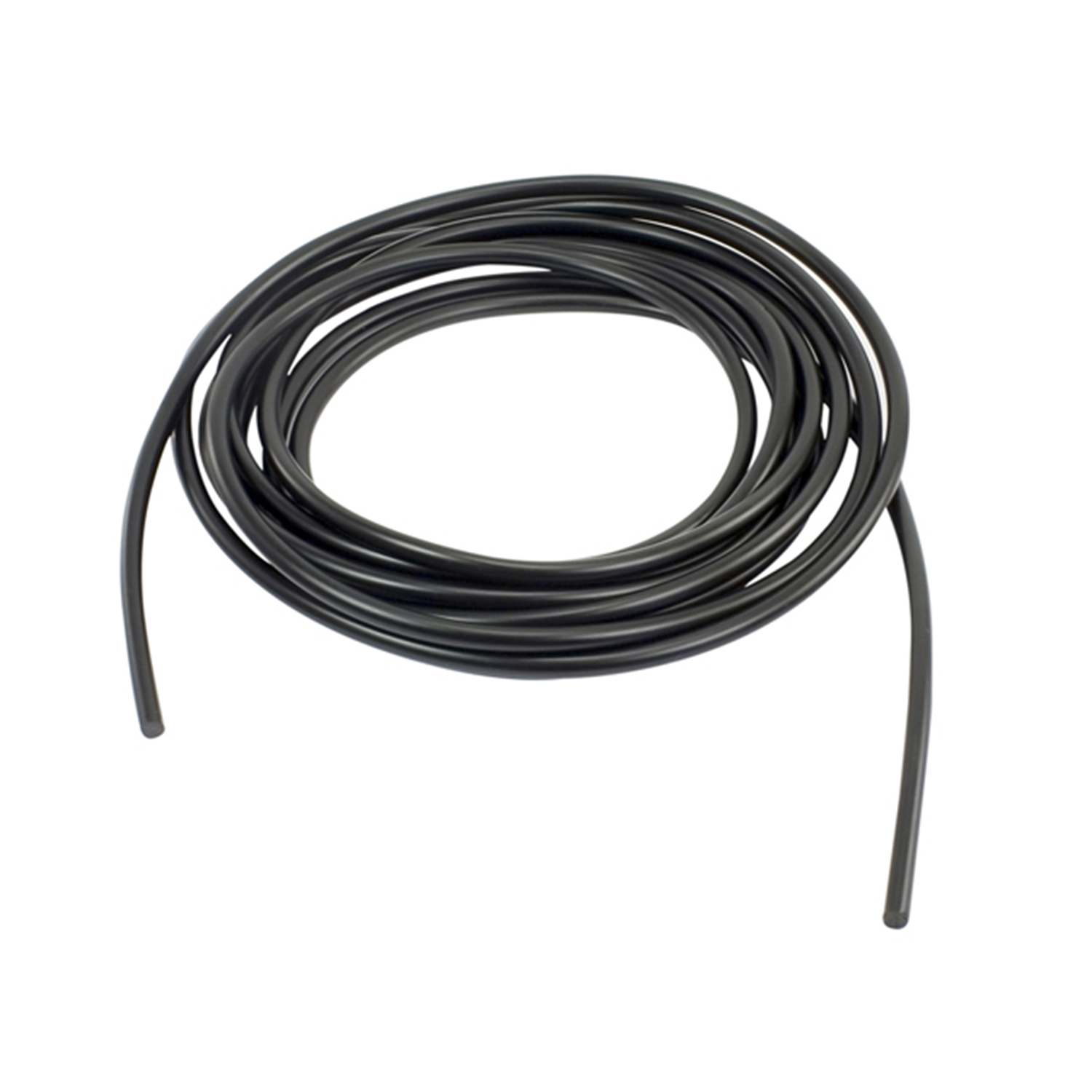 1968 Dodge A100 Truck Windshield and rear glass lock-strip. Fits Many '57-'93 Mopars. Each.-LS 2-AWindshield and rear glass lock-strip. Fits Many '57-'93 Mopars. Each.
 1968 Dodge A100 Truck Lockstrip Seal, 54-93 Mopar Full Size Truck, Van & SUV, Chromed Plastic Type-LS 2-VLockstrip Seal, 54-93 Mopar Full Size Truck, Van & SUV, Chromed Plastic Type, Each. Works with Metro p/n VWS 2706.
Why Choose Metro?
For over 100 years, Metro Moulded Parts has been the pinnacle of quality in classic car restoration parts. Our commitment to precision and authenticity in every component ensures a perfect fit and an OEM-level appearance.
- Expert Craftsmanship & Quality: Each part is a testament to our dedication to reliability and perfection, crafted from original designs and thoroughly tested.
- Advanced Technology: We use cutting-edge techniques to create flawless, long-lasting parts that surpass others in performance.
- SuperSoft Sponge – The Ultimate Door Seal: Not only are our door seals 30% softer than competitors', but they're also guaranteed to never leak. They effectively reduce wind and road noise, enhancing your classic car's comfort and driving experience.
- Proudly American: Our parts are a product of American craftsmanship, made in the USA with a spirit of excellence and heritage.
- Unrivaled Warranty: We back our products with a 30-year industry-leading warranty, a testament to our confidence in their quality.
Join us in preserving the legacy of classic cars with parts that are crafted for perfection, not just made.