

Image of 1968 Dodge Coronet, Note: These illustrations use artistic license and may differ from actual historical models.
Performance Metrics
Fundamental Metrics
Emotional Appeal
MMP Rating
| Engine Specifications | |
|---|---|
| Engine: | 225 Six, 318 V8, 383 V8, 426 Hemi V8, 440 V8 |
| Displacement: | 225-440 cu in |
| Horsepower: | 145-425 hp |
| Torque: | 215-490 lb-ft |
| Compression Ratio: | Ranging from 8.8:1 to 10.25:1 |
| Ignition System: | Conventional breaker-point ignition system |
| Cooling System: | Liquid-cooled |
| Performance Specifications | |
| 0-60 Time: | 6.5-7.5 seconds |
| 1/4 Mile Time: | 14-15 seconds |
| Top Speed: | 130-140 mph |
| Transmission and Drive | |
| Drive Type: | Rear-wheel drive |
| Transmission Type: | 3-speed manual, 4-speed manual, 3-speed TorqueFlite automatic |
| Fuel and Efficiency | |
| Fuel System Type: | Carburetor |
| MPG: | 10-15 mpg |
| Dimensions and Brakes | |
| Brakes: | Front disc brakes and rear drum brakes |
| Wheelbase: | 117 inches |
| Weight: | 3,200-3,600 lbs |
Note: Specifications for classic cars are given to the best of our ability, considering the limited and variant data available.
1968 Dodge Coronet: A B-Body Built for the Muscle-Car Age
The 1968 Dodge Coronet could be a comfortable family car, a roomy cruiser, or a tire-smoking street machine, depending on which version you chose. That range was its secret strength: Dodge wrapped practical B-body packaging in fresh, muscular styling, then offered engines that stretched from a sensible Slant Six to the legendary 426 Hemi.
Built by the Dodge division of Chrysler Corporation, the Coronet had been part of Dodge’s lineup since the 1940s. The 1968 model introduced a major redesign of the mid-size B-body range, shared in broad engineering terms with cars such as the Plymouth Belvedere and Road Runner. The Coronet’s wide selection of trim levels let Dodge compete across the market, while the high-performance R/T and Super Bee took aim at the growing muscle-car crowd.
One standout detail from the launch year: the Super Bee arrived as Dodge’s budget-minded answer to the Plymouth Road Runner. It delivered serious big-block power without requiring buyers to pay for every luxury feature in the catalog. The result was a muscle car with a clear mission: go fast, look tough, and keep the price within reach.
Fresh 1968 Coronet Styling
The redesigned Coronet wore the period’s long-hood, short-deck proportions, with flowing body sides, a broad grille, and a substantial rear end. Its surfaces looked cleaner and more sculpted than those of the outgoing model, while the B-body stance gave it the planted, wide-shouldered appearance buyers expected from a Dodge. Depending on trim, the front end could look restrained or decidedly aggressive.
The performance models added their own visual cues. The Coronet R/T featured a distinctive grille treatment, performance-focused trim, and hood details that announced its intentions without turning the car into a cartoon. The Super Bee was even easier to identify: its signature bumblebee stripe wrapped around the tail, and its bold badges made the low-cost muscle-car message unmistakable.
Inside, the Coronet’s cabin was straightforward and roomy. Depending on trim and options, buyers could get a front bench seat or bucket seats, vinyl or cloth-and-vinyl upholstery, upgraded door panels, and additional bright trim. The R/T and Coronet 500 offered a sportier atmosphere, while basic models kept decoration and equipment simple. This was not a modern luxury interior, but it was easy to understand and generally robust enough for everyday use.
Technology was conventional for the era, but buyers had meaningful choices. A three-speed TorqueFlite automatic was available alongside manual transmissions, including a four-speed on performance models. Power steering and power brakes were popular options, and a Sure-Grip limited-slip differential helped put engine torque to the pavement. Front disc brakes were available, an important upgrade for a heavy car capable of serious speed.
Factory color choices included a broad mix of solid and metallic finishes, from restrained whites, blacks, and silvers to vivid reds, blues, greens, and yellow tones. Exact names and availability varied by trim and production details. Bright colors paired especially well with the R/T and Super Bee’s stripes, while darker shades gave the hardtop a more understated look.
Body Styles and Performance Trims
The Coronet range included two-door and four-door sedans, two-door hardtops, and station wagons. Convertible availability depended on the particular Coronet series and configuration, with open-air versions found among the upper trims. For performance buyers, the two-door hardtop became the most recognizable shape, combining a sleek profile with the structural rigidity and practicality of a fixed roof.
The Coronet 500 sat higher in the comfort-and-style hierarchy, while the R/T was Dodge’s factory performance model. R/T meant Road/Track, and its standard big-block 440 Magnum V8 made it a formidable street car. The 426 Hemi was available for buyers willing to pay for one of the era’s most famous high-performance engines.
The Super Bee was a separate performance model based on the Coronet’s two-door body. Its standard 383-cubic-inch V8 delivered strong power, while the 426 Hemi was an available and much rarer choice. The Super Bee generally emphasized performance value over upscale equipment, making it one of the most appealing choices for buyers who wanted speed first.
Why the Coronet Mattered
The 1968 Coronet captured the muscle-car era’s central idea: a mid-size American car could serve several roles without changing its basic architecture. The same family of cars could carry people and luggage, commute during the week, or become a high-powered weekend machine. That flexibility helped Dodge reach buyers who wanted more than a dedicated sports car could offer.
What set the Coronet apart was its breadth. Chevrolet’s Chevelle and Pontiac’s GTO were major rivals, and Plymouth’s Road Runner competed directly with the Super Bee. Dodge answered with a lineup that ranged from practical transportation to the premium-flavored R/T and the stripped-back Super Bee. Rather than relying on one image, the Coronet made performance part of a much larger model family.
The car’s influence is also tied to the wider Chrysler B-body platform. Its combination of a robust chassis, big-displacement V8s, and relatively straightforward mechanical systems became a template for the period’s affordable performance cars. The Coronet itself did not invent the muscle car, but it helped make high horsepower available in a usable, full-featured package.
Big-Block Performance and Road Manners
Performance varied dramatically with the engine, transmission, gearing, and condition of the car. A six-cylinder Coronet was built for ordinary transportation, not drag-strip bragging rights. A 440-powered R/T, by contrast, could reach 60 mph in roughly six to seven seconds when properly tuned and tested under favorable conditions. Period performance estimates for 426 Hemi cars are quicker still, often around the mid-five-second range to 60 mph. These figures are approximate, not guarantees for a decades-old car.
Top speed also depended on gearing, tires, aerodynamics, and engine setup. A healthy 440 or Hemi car could run in the neighborhood of 120 to 130 mph, though that is not a sensible target for an unrestored classic on modern public roads. Lower-powered Coronets were slower, and a worn engine, old tires, or tired suspension could change the experience considerably.
On the road, the Coronet feels substantial. Its torsion-bar front suspension and leaf-spring rear end were durable and well suited to American highways, but the car is no lightweight sports coupe. It generally rides comfortably over ordinary pavement, while sharp bumps can expose the limits of old shock absorbers, bushings, and tall-sidewall tires. On winding roads, expect body lean and a preference for smooth, deliberate inputs rather than quick direction changes.
The big-block experience is a major part of the appeal. The 440 delivers a deep, forceful rumble and a broad swell of torque, while the Hemi has a harder-edged reputation and a distinctive mechanical presence. A TorqueFlite automatic makes cruising relaxed and easy; a four-speed manual adds more driver involvement and puts the gear changes, clutch, and engine response at the center of the experience.
Braking deserves respect. Many cars left the factory with drum brakes, and even a well-maintained drum setup does not feel like modern anti-lock disc brakes. Front discs, when fitted, improve confidence, but a classic Coronet still needs more planning and stopping distance than a contemporary car. Check the brakes, tires, steering, and suspension before enjoying the engine’s full potential.
Living With a 1968 Coronet
Today, Coronets serve as weekend cruisers, show cars, restoration projects, and occasional vintage drag racers. A dependable, carefully maintained example can be driven regularly, but its fuel consumption, emissions, safety equipment, and old-car maintenance needs make it a different proposition from a modern daily driver. A six-cylinder or small-block car can be easier on fuel than a 440, but neither should be mistaken for an economy car.
Mechanical repairs are often approachable for an experienced home mechanic. Chrysler B-body parts are widely supported by specialist suppliers, and many components are shared across related models. The basic engine and suspension layouts are well understood, and service information is available. Original trim, correct badges, and model-specific pieces can be harder to find than routine mechanical parts, especially for a rare or highly optioned car.
Rust is the major ownership concern. Inspect the floors, trunk, lower quarters, wheel openings, cowl, and the structural areas around the torsion-bar crossmember. Poorly repaired collision damage and hastily patched sheet metal can turn a seemingly affordable project into an expensive restoration. A solid body with honest history is usually a better buy than a shiny car hiding extensive structural work.
Super Bee Trivia and Common Misconceptions
The 1968 Super Bee’s bumblebee tail stripe was more than decoration: it gave the car an instantly recognizable identity within the crowded muscle-car market. The Super Bee was closely related to Plymouth’s Road Runner in concept, but it wore Dodge styling and carried its own badges and details.
Production figures commonly cited for the first-year 1968 Super Bee are about 7,842 cars, including roughly 125 equipped with the 426 Hemi. Those numbers make a documented Hemi Super Bee especially collectible. Production figures for the entire Coronet range are much larger and vary in published accounts depending on which body styles and trim categories are counted. A reasonable broad estimate is around 180,000 Coronet-family cars for the model year, not 180,000 R/Ts or Super Bees.
A common criticism is that the Coronet can feel heavy and less nimble than its power figures suggest. That is fair: it was a sizable American car built for straight-line performance and comfortable cruising, not razor-sharp cornering. Buyers should also be alert to clone cars. A standard Coronet can be dressed to resemble an R/T or Super Bee, so verify the VIN, fender tag, broadcast sheet, and other documentation before paying a premium for a claimed original.
Collector Values and Market Outlook
Values depend heavily on originality, rust, engine, transmission, documentation, and restoration quality. As a broad 2026 guide, a project or rough driver might sell for roughly $10,000 to $25,000. A solid, usable non-performance Coronet commonly falls around $20,000 to $40,000, while a high-quality restored example can reach approximately $35,000 to $60,000 or more.
R/T and Super Bee prices generally start higher. A driver-quality example may fall in the $35,000 to $65,000 range, with excellent, correctly equipped cars often reaching $60,000 to $100,000 or beyond. Genuine Hemi cars can command six figures, and exceptional, documented examples may sell for several hundred thousand dollars. These are broad estimates rather than appraisals; auction results and private sales vary widely.
The Coronet market has benefited from continued interest in classic Mopar muscle, particularly for the Super Bee, R/T, and Hemi configurations. Desirable, authentic cars have generally held up better than ordinary project cars, but values are not guaranteed to rise every year. Restoration costs can easily exceed the market value of a less rare car, so condition and documentation matter as much as the badge. Overall availability is fair for ordinary Coronets, but scarce performance combinations and factory-correct cars take patience to find.
Why the 1968 Dodge Coronet Still Turns Heads
The 1968 Dodge Coronet brought together fresh B-body styling, a wide range of practical body styles, and some of Chrysler’s most memorable engines. Its everyday versions offered space and straightforward engineering; its R/T and Super Bee variants delivered the big-block sound and straight-line force that define the muscle-car era.
More than a fast car, the Coronet was a flexible platform that could be tailored to its owner, from family wagon to rare Hemi hardtop. That range is exactly why it remains compelling: the 1968 Coronet did not ask buyers to choose between usefulness and excitement. It offered both, with a bumblebee stripe or a 440 rumble ready to make the point.
1968 Dodge Coronet Catalog of Parts
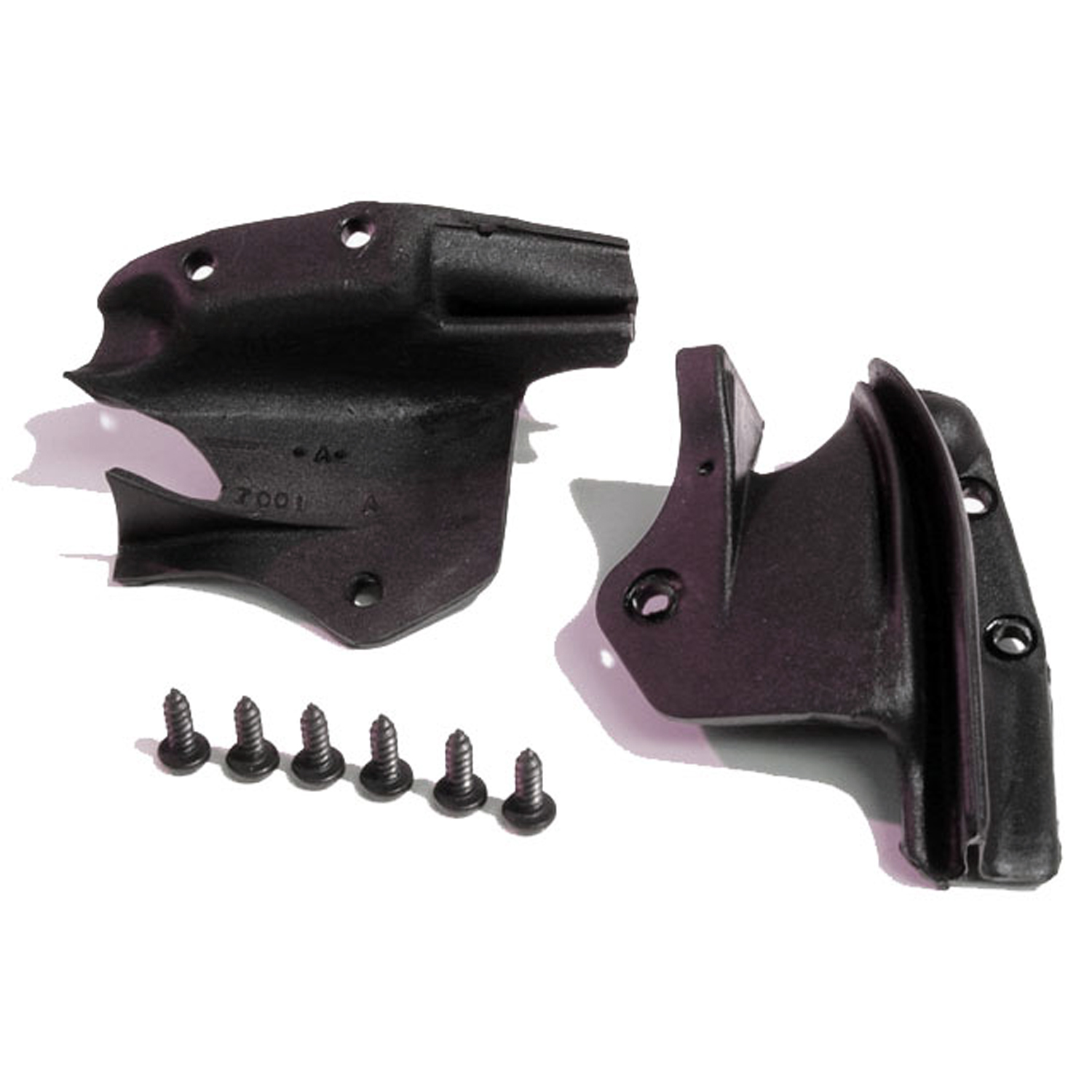 1968 Dodge Coronet Molded Door End Seal. Made with steel cores. Pair R&L-ALP 7001Molded Door End Seal. Made with steel cores. Pair R&L
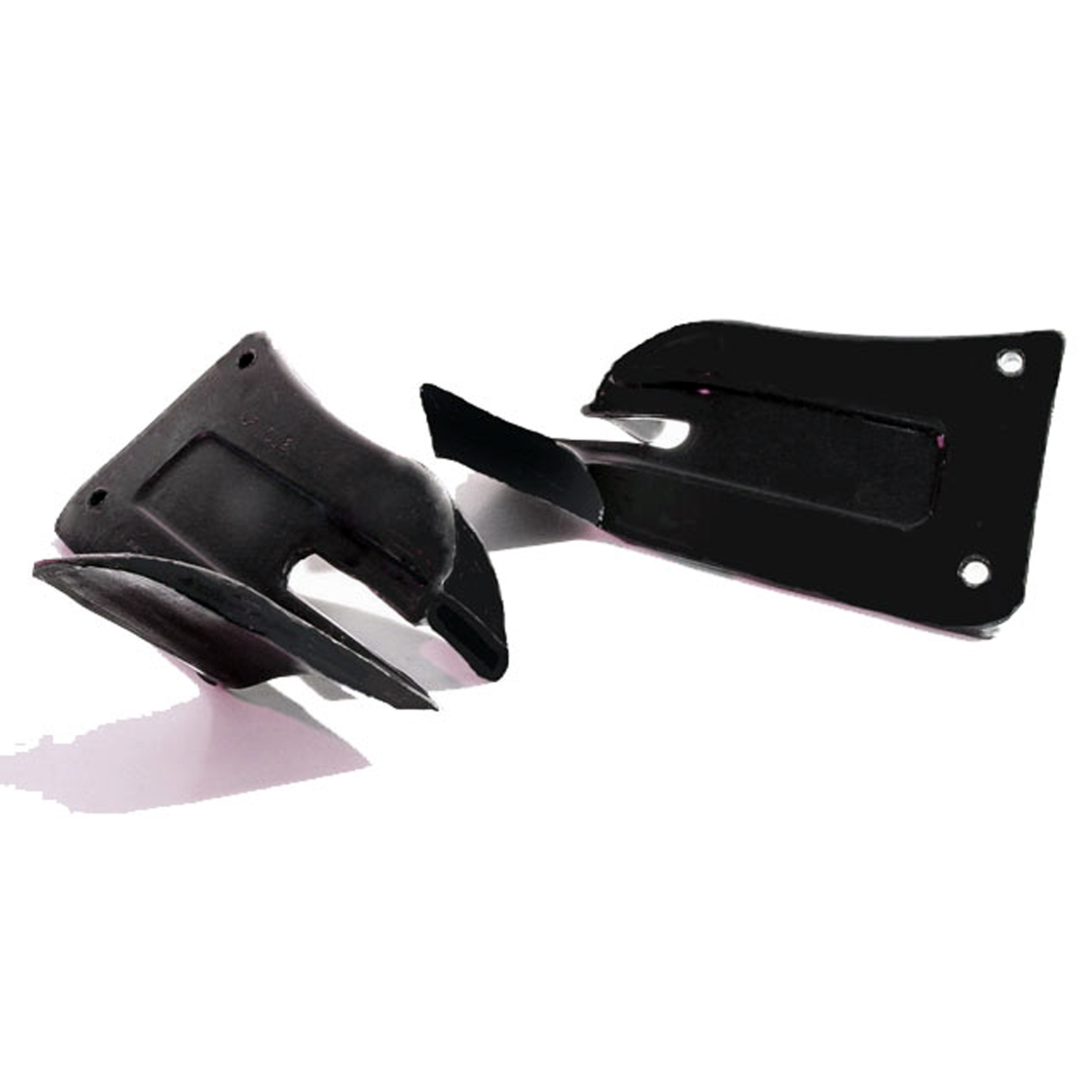 1968 Dodge Coronet Molded Door Lock Pillar Seal. Made with steel core-ALP 7002Molded Door Lock Pillar Seal. Made with steel core. Pair R&L
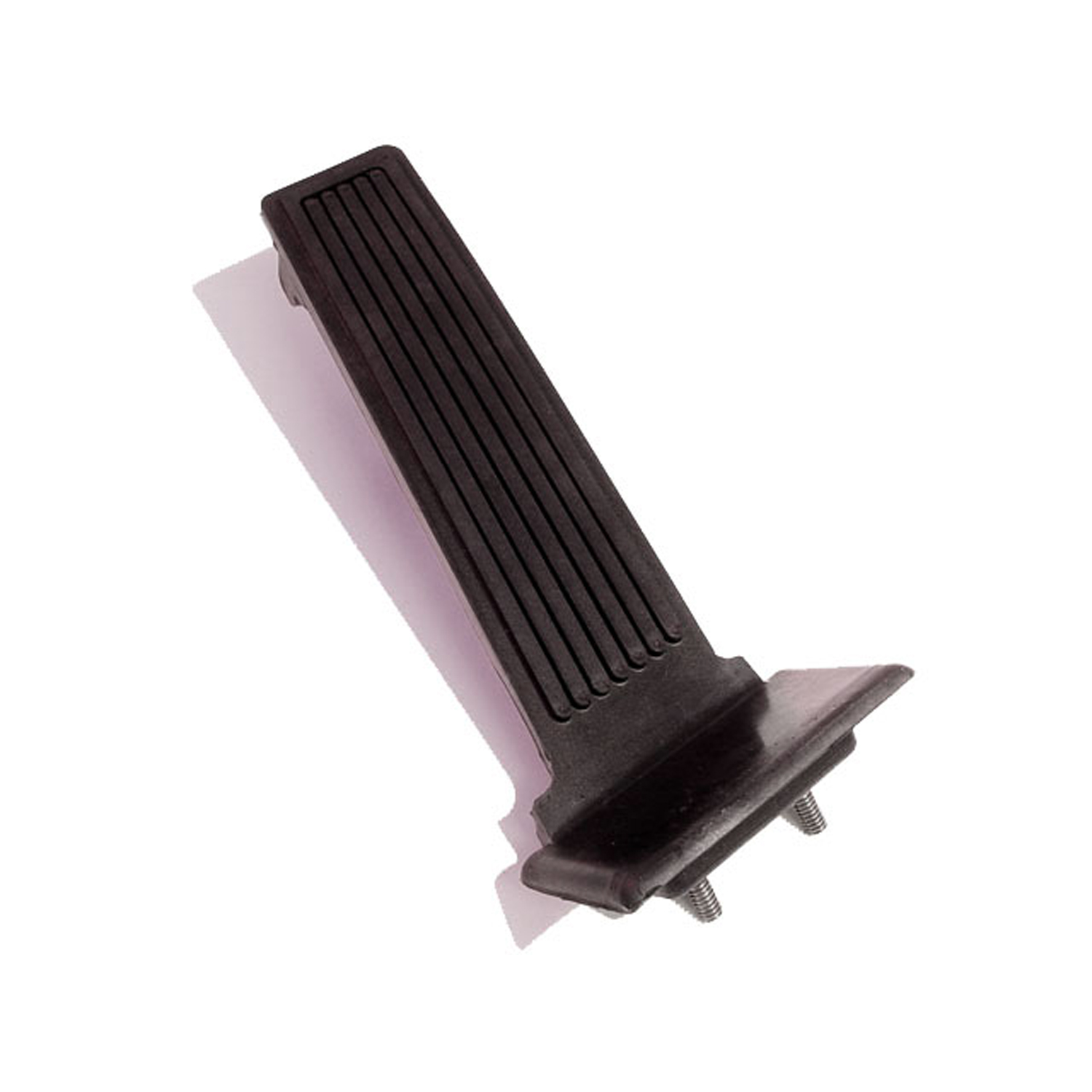 1968 Dodge Coronet Accelerator Pedal Pad. Made with steel cores and studs-AP 25-CAccelerator Pedal Pad. Made with steel cores and studs. Detailed reproduction. 2-1/4" X 9-1/4". Each
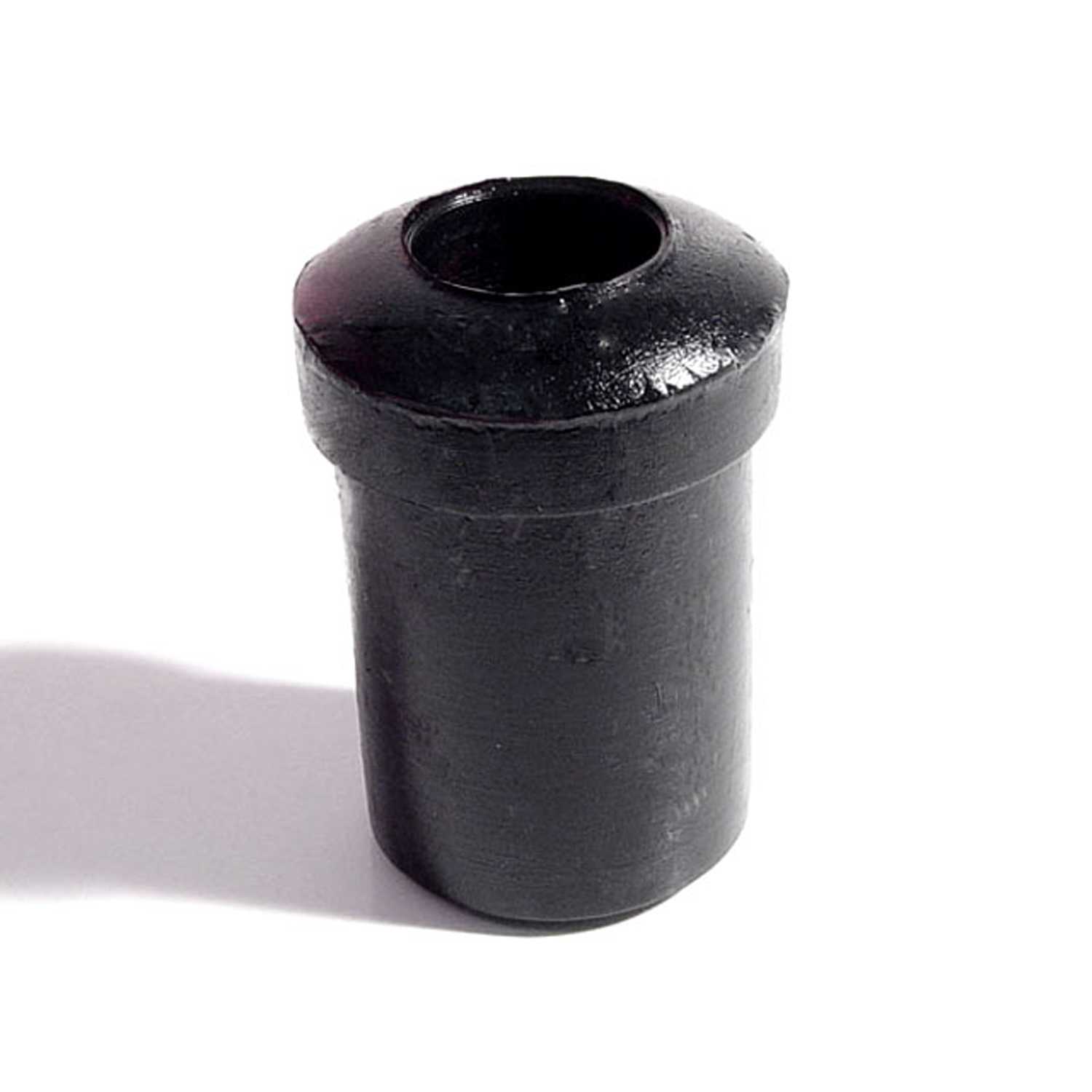 1968 Dodge Coronet Spring and Shackle Bushing. 1" bottom O.D-BN 20Spring and Shackle Bushing. 1" bottom O.D. X 1-5/8" high, with 9/16" I.D. Each
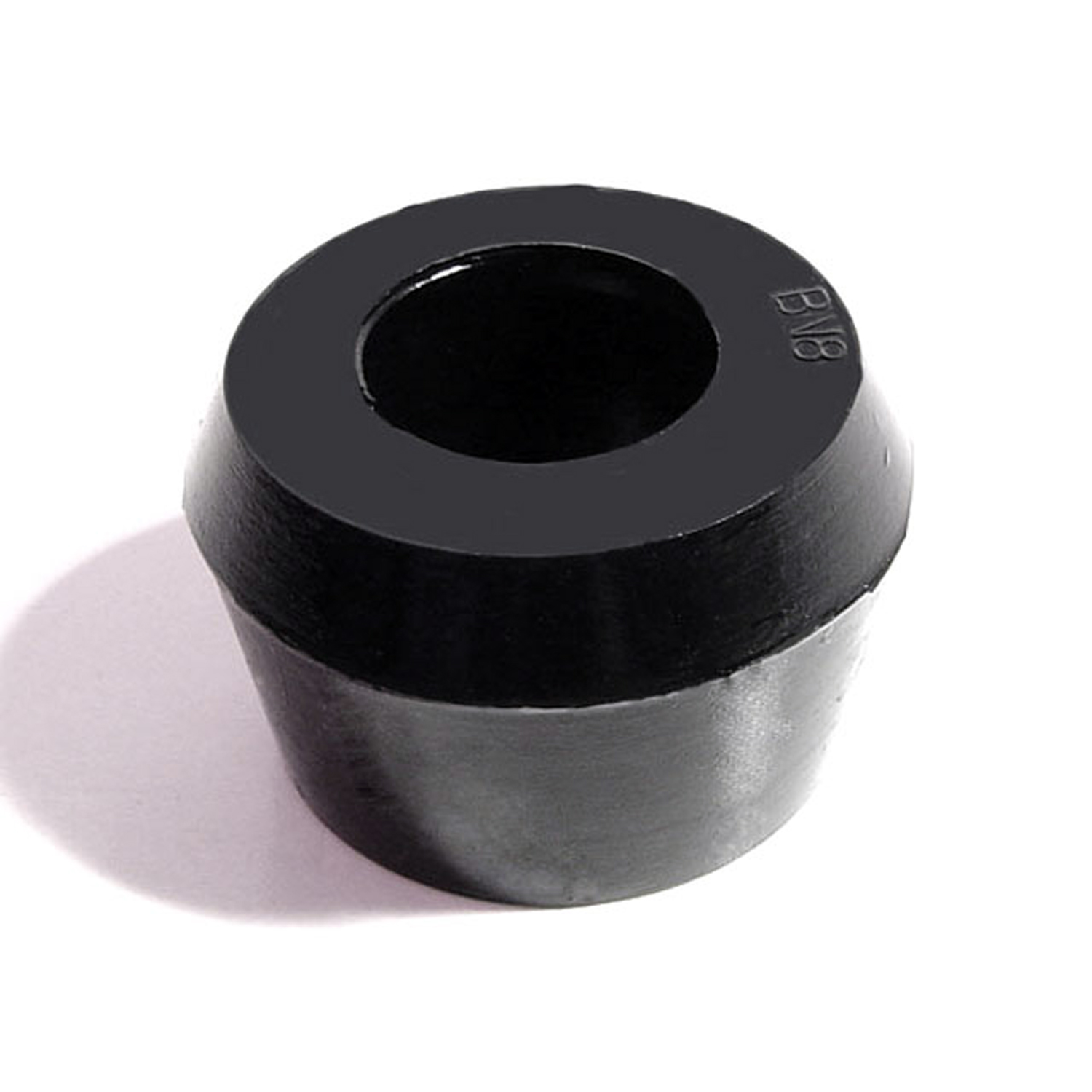 1968 Dodge Coronet Shock Absorber Grommet. 1-1/4" bottom O.D-BN 8Shock Absorber Grommet. 1-1/4" bottom O.D., 1" high, with 3/4" I.D. Each
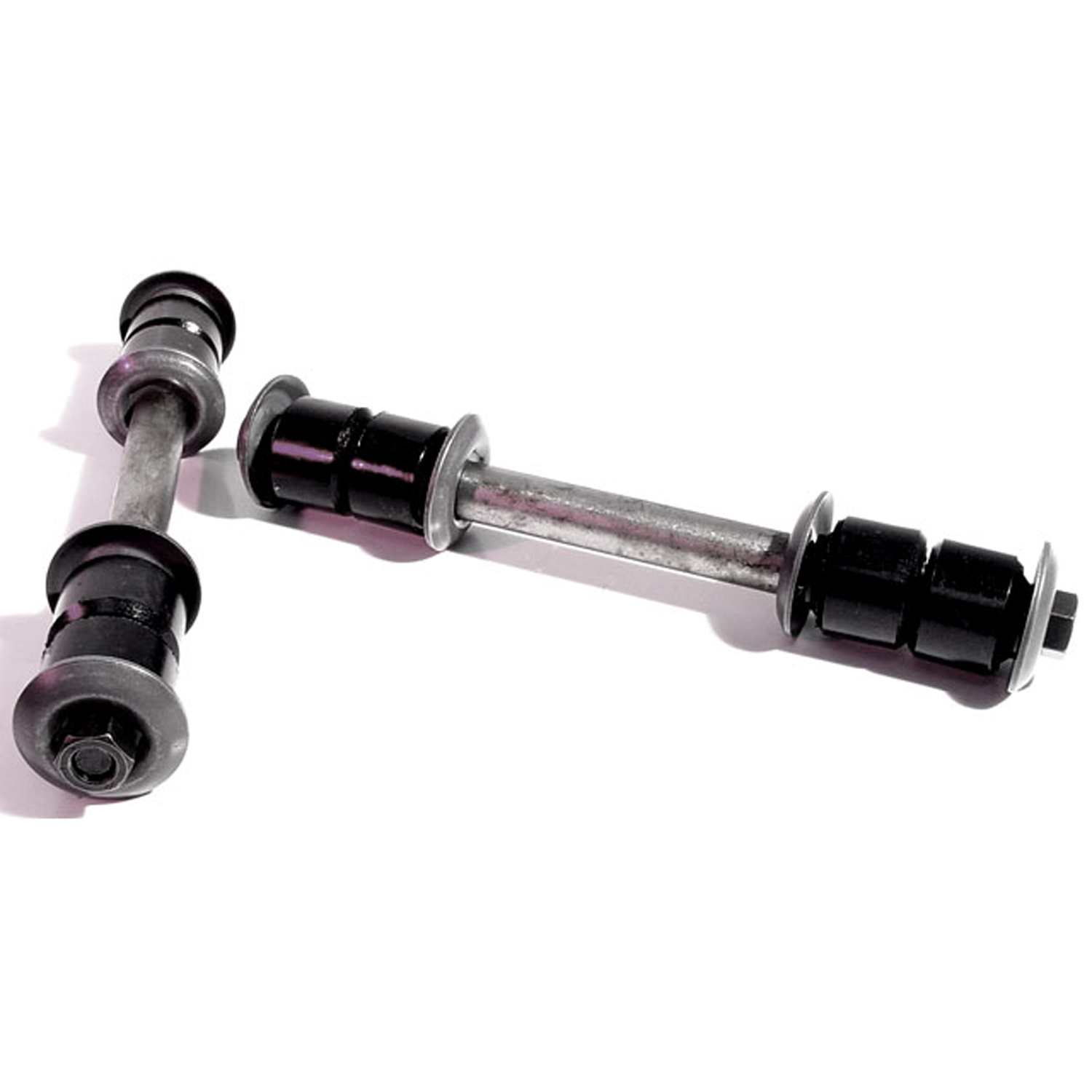 1968 Dodge Coronet Front Stabilizer End Repair Kit-BNK 21Front Stabilizer End Repair Kit. 22-piece set for two stabilizer bars. Contains all rubber bushings, washers, bolts and nuts, enough for one front end. Set
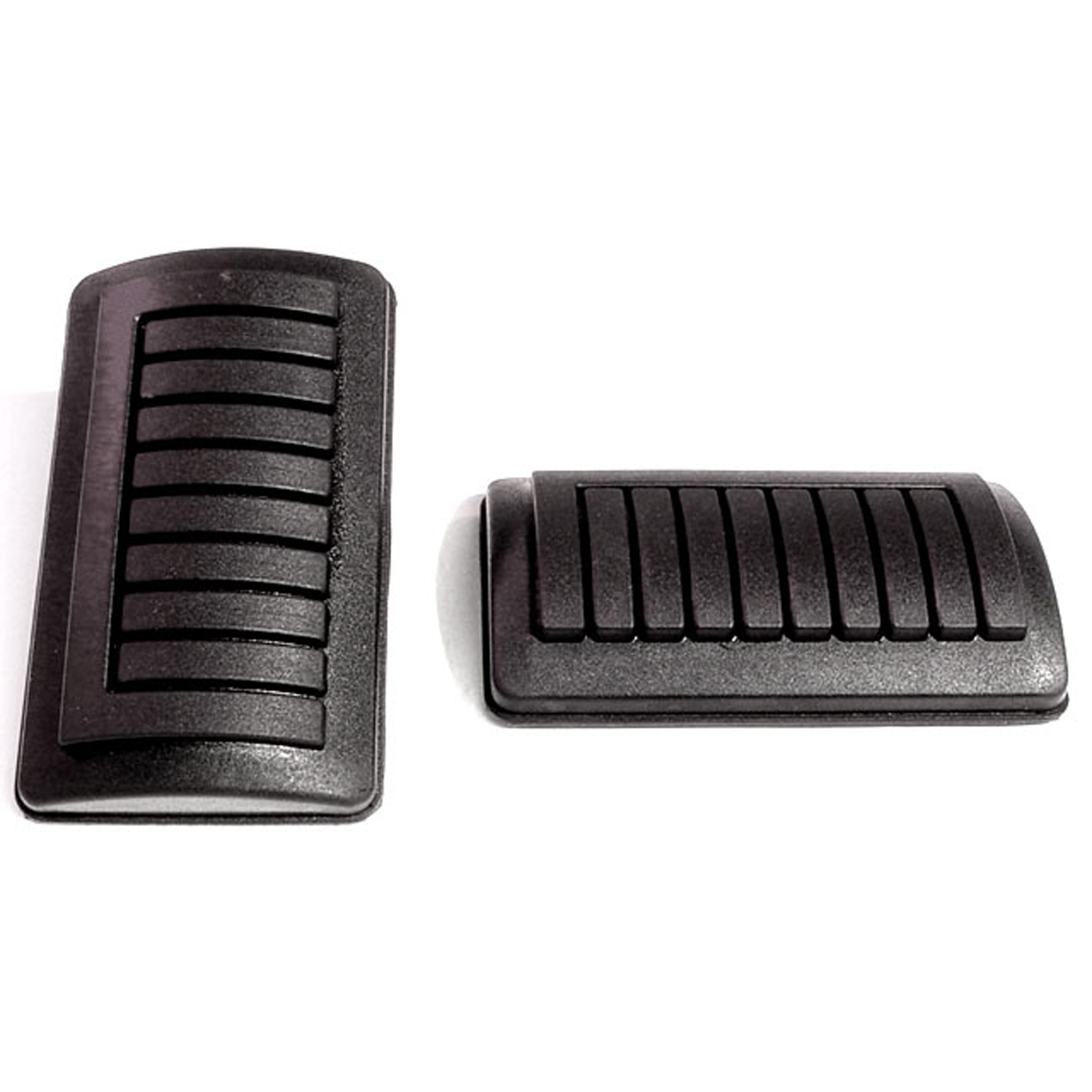 1968 Dodge Coronet Clutch and Brake Pedal Pads. 3-3/4" wide X 2-1/4" long-CB 198Clutch and Brake Pedal Pads. 3-3/4" wide X 2-1/4" long. Pair
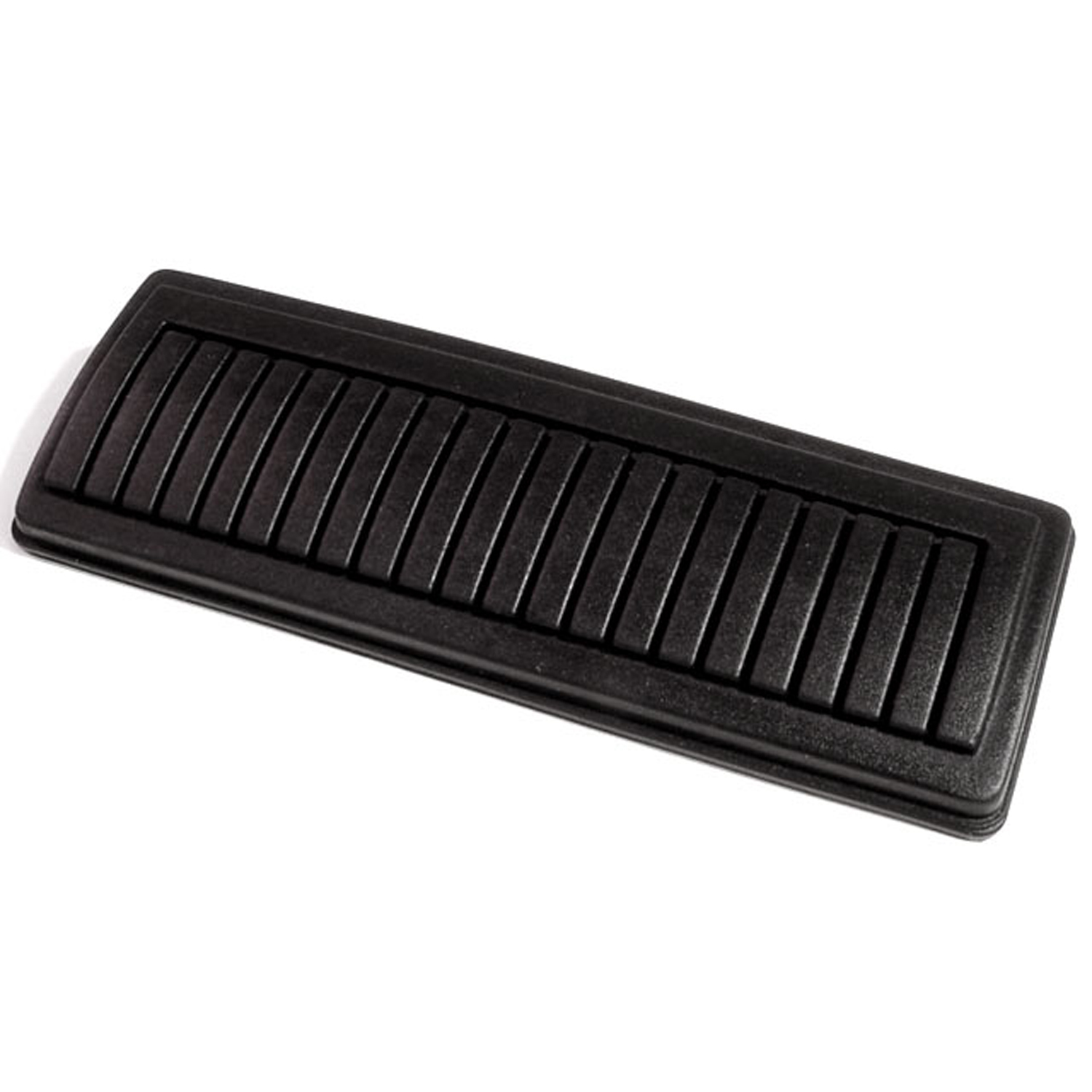 1968 Dodge Coronet Brake Pedal Pad, for models with automatic transmission-CB 200Brake Pedal Pad, for models with automatic transmission. 6-1/2" wide X 2-3/8" long. Each
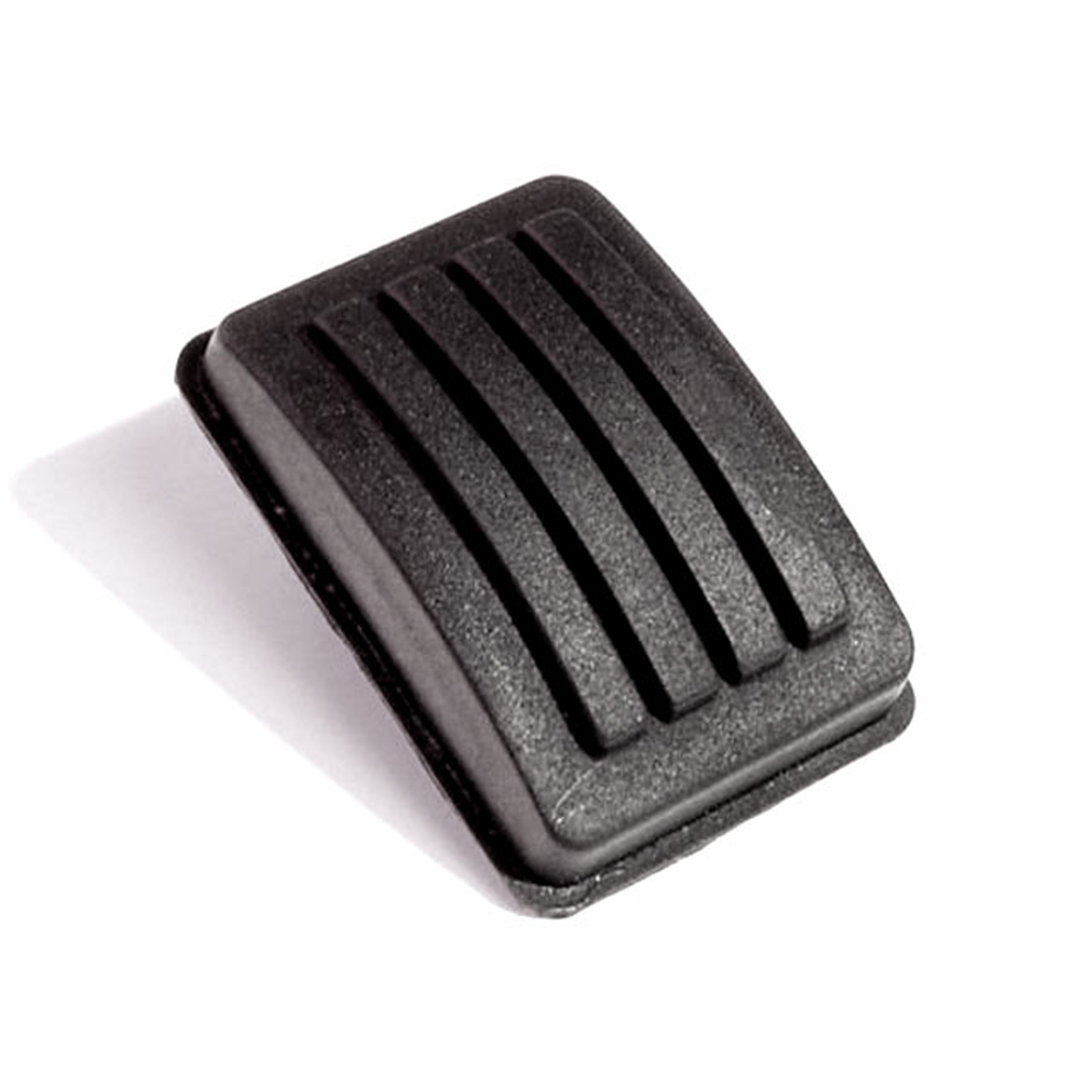 1968 Dodge Coronet Park Brake Pedal Pad-CB 200-BPark Brake Pedal Pad. Your stainless steel bezel fits over this new pad. 1-5/8" wide X 2-3/8" long. Each
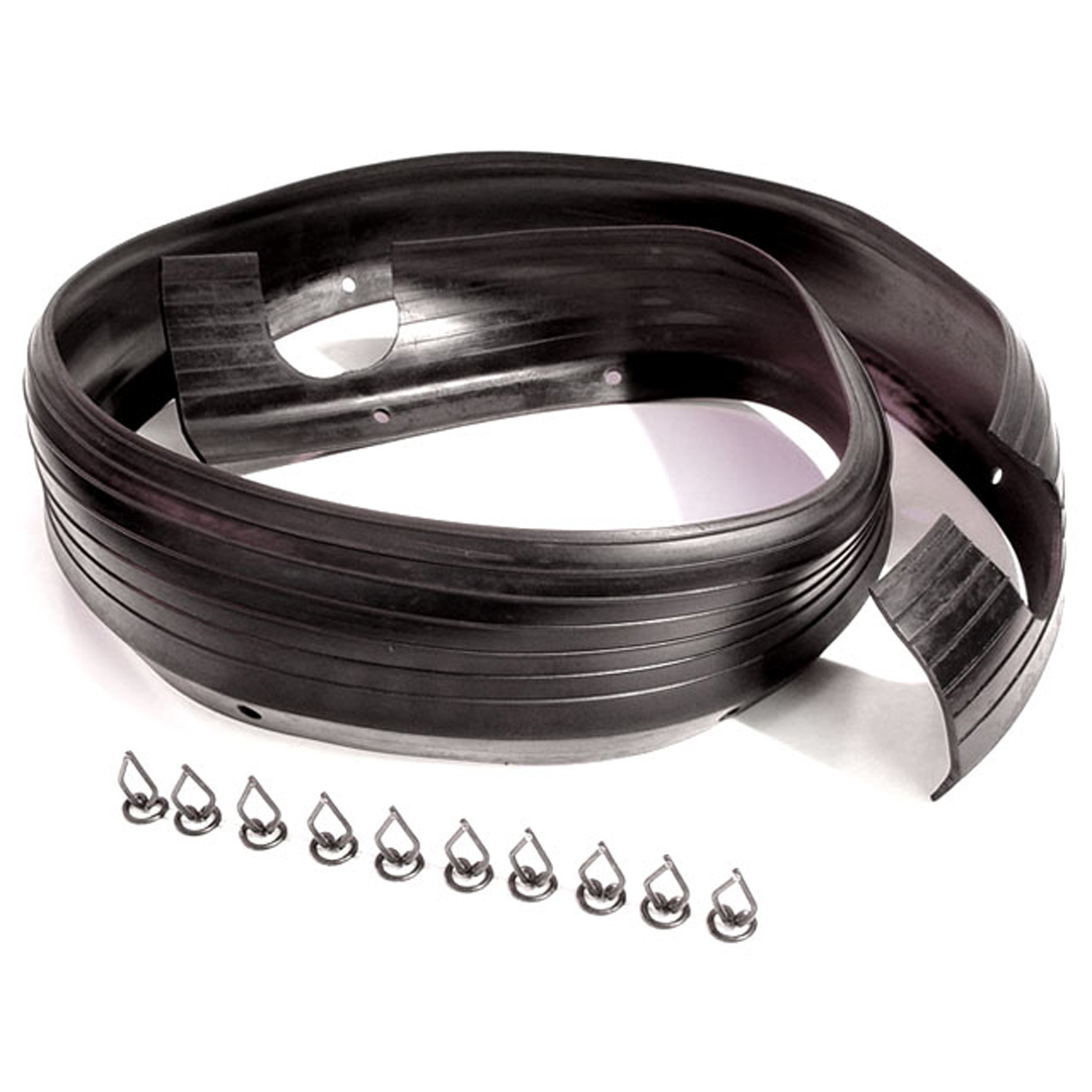 1968 Dodge Coronet Hood to Radiator Support Seal. 52" long. Each-CS 20Hood to Radiator Support Seal. 52" long. Each
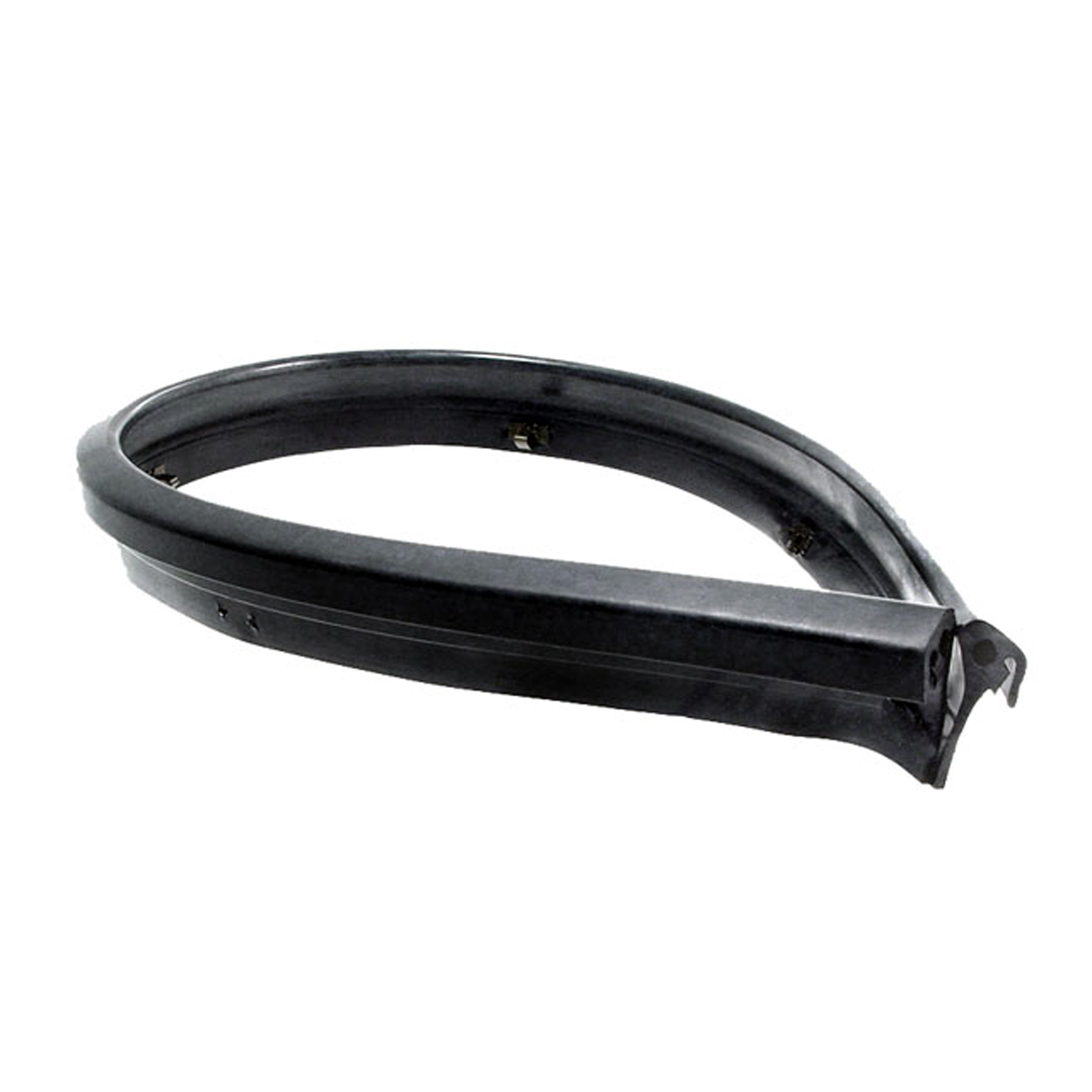 1968 Dodge Coronet Hood to Cowl Seal, 35" Long. Each-CS 20-XHood to Cowl Seal, 35" Long. Each
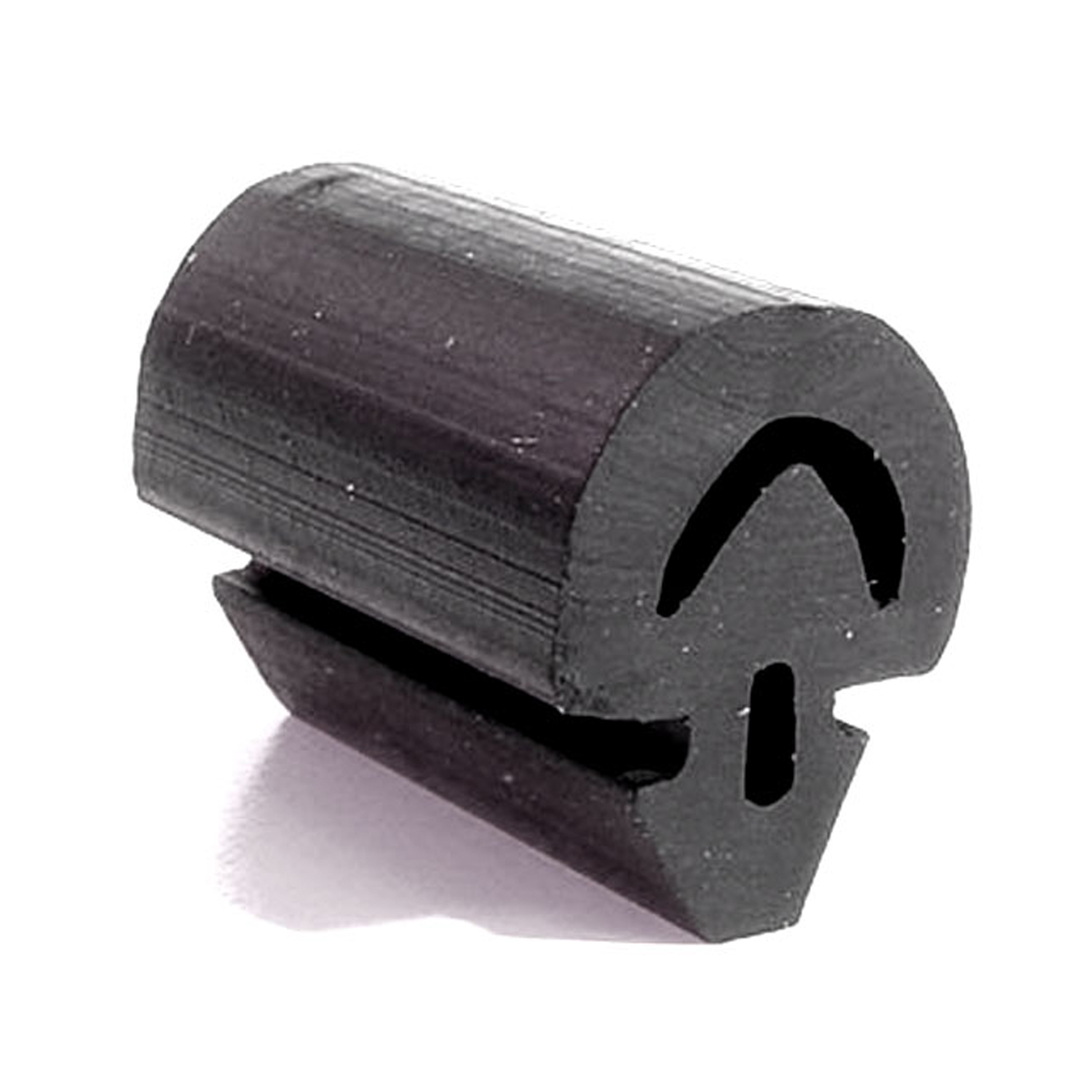 1968 Dodge Coronet Door Bumper. 3/4" high X 1/2" wide X 1" long-DB 50Door Bumper. 3/4" high X 1/2" wide X 1" long. Four used per car. Each
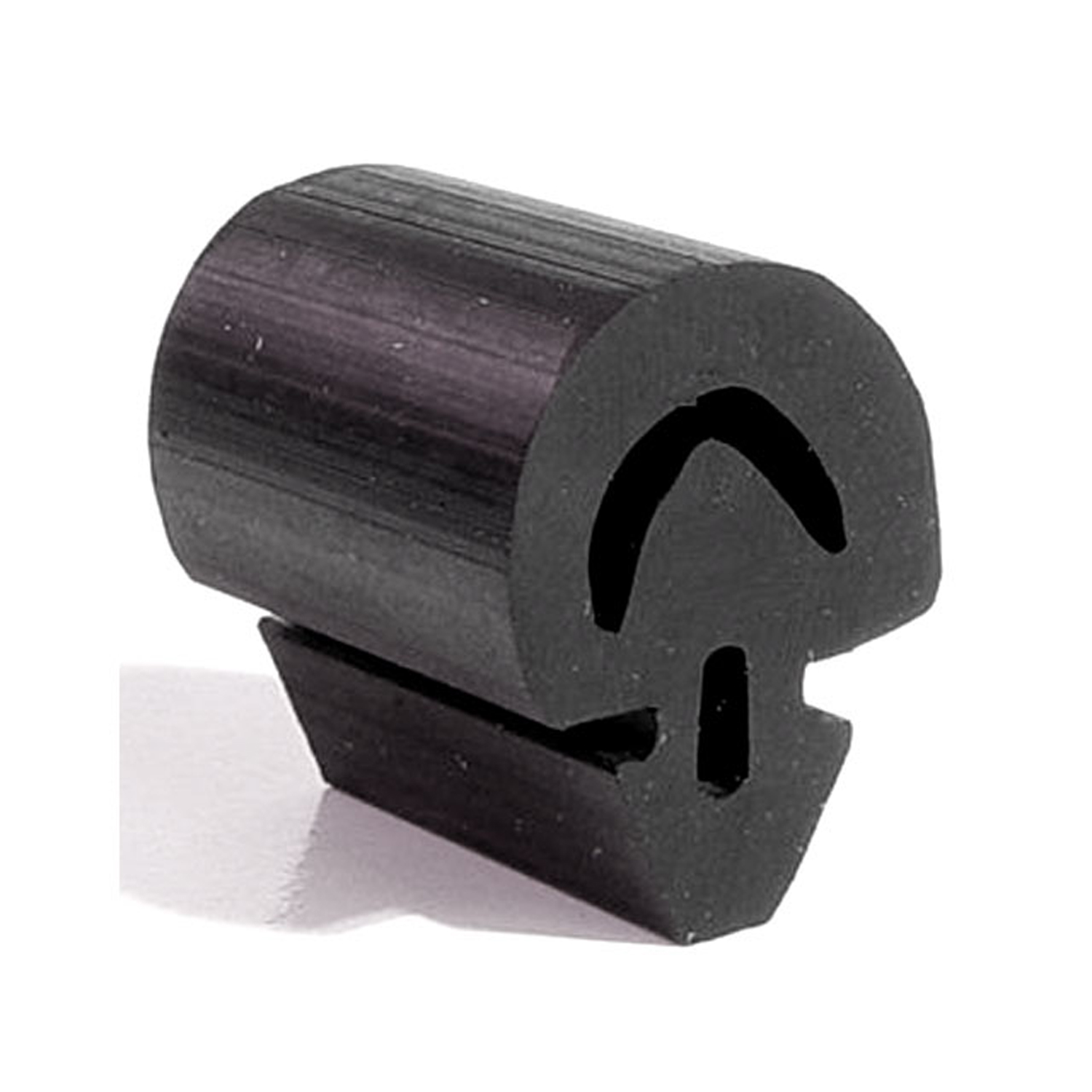 1968 Dodge Coronet Door Bumper. 3/4" high X 1/2" wide X 5/8" long-DB 50-MDoor Bumper. 3/4" high X 1/2" wide X 5/8" long. Four used per car. Each
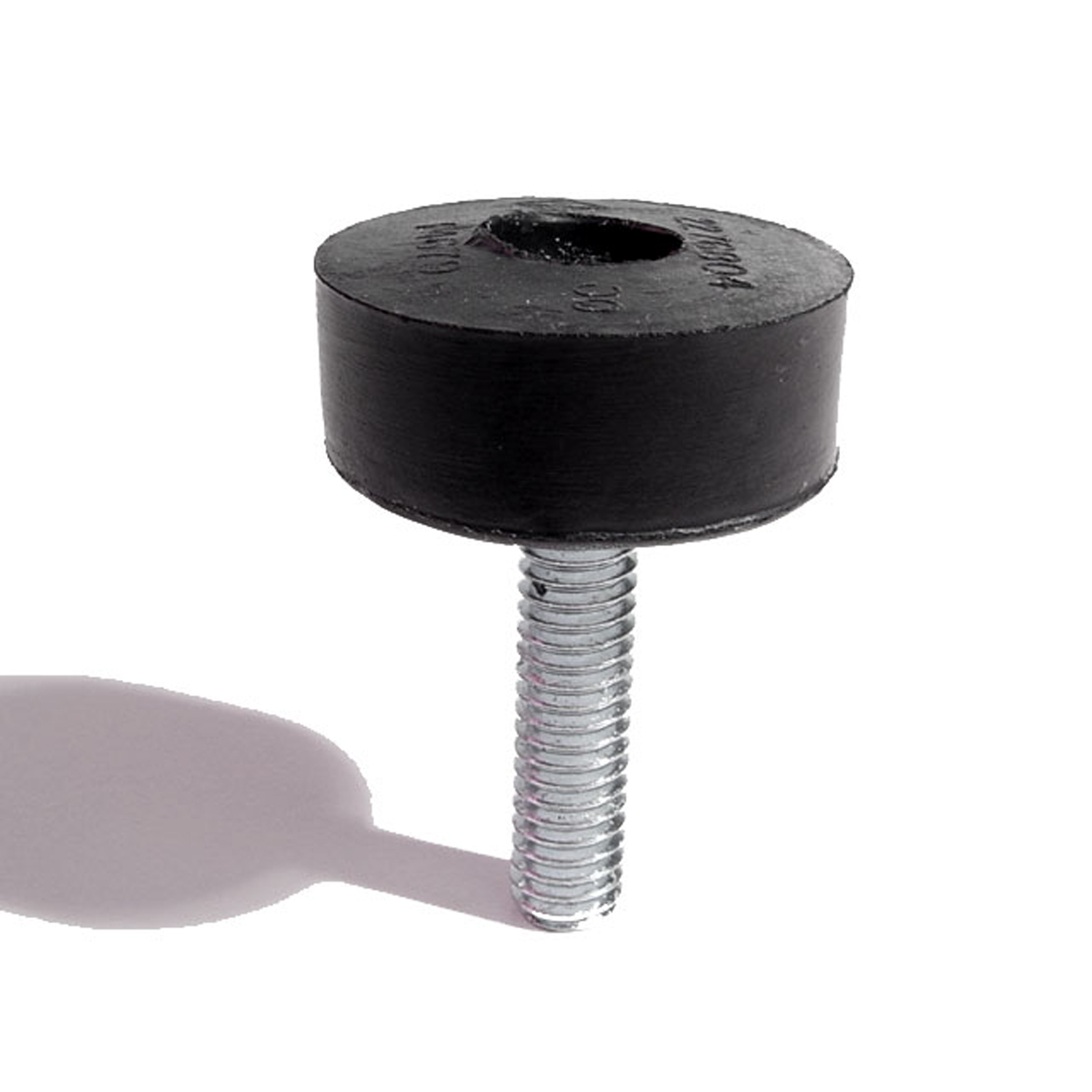 1968 Dodge Coronet Hood Adjustment Bolt and Bumper-HA 8Hood Adjustment Bolt and Bumper. 1-3/16" diameter rubber head. 5/16" thick X 18 threads/inch X 1-1/4" long bolt. Each
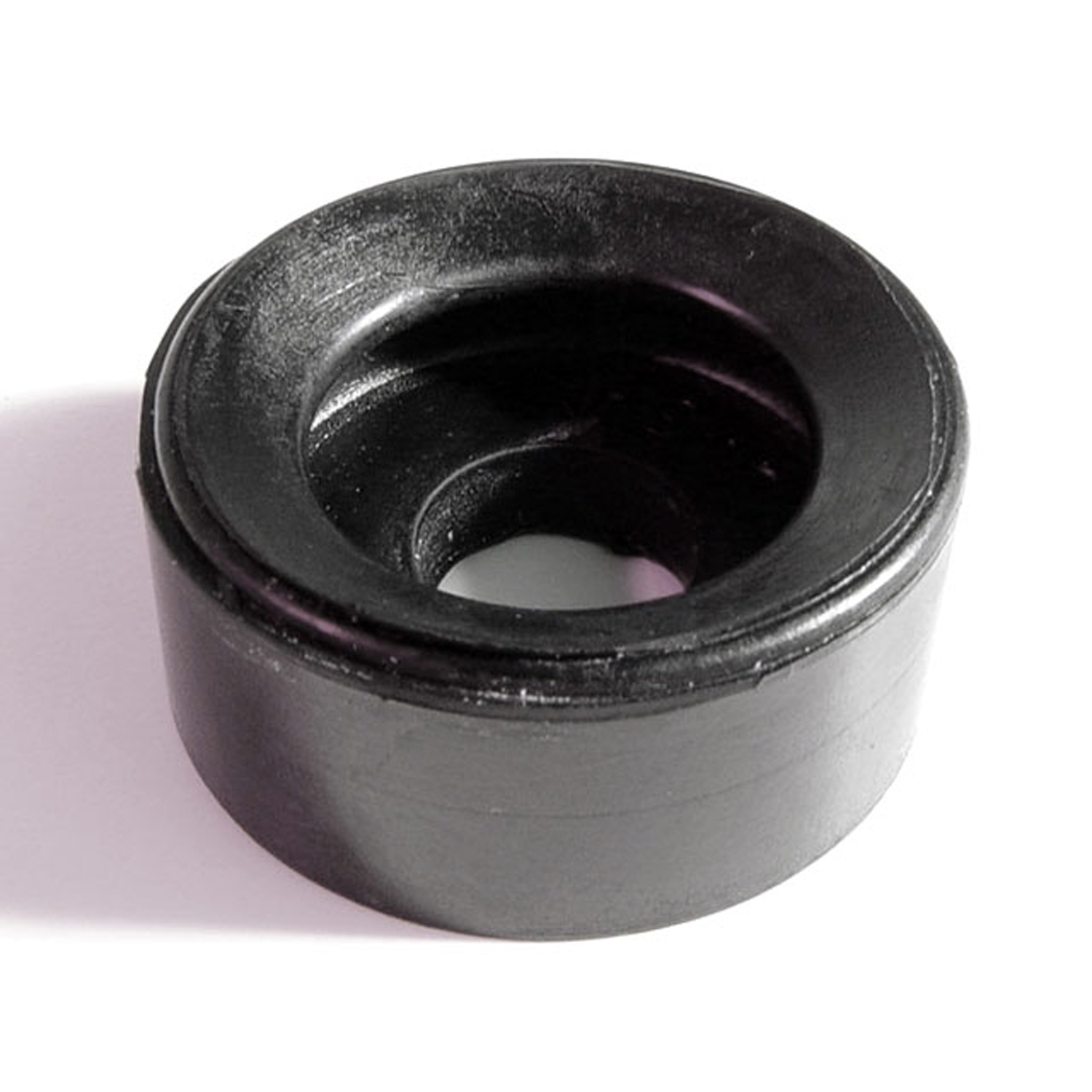 1968 Dodge Coronet Hood Adjustment Bumper. 1-1/4" O.D-HA 8-AHood Adjustment Bumper. 1-1/4" O.D., 3/4" large hole, 7/16" small hole, 1/2" thick. Each
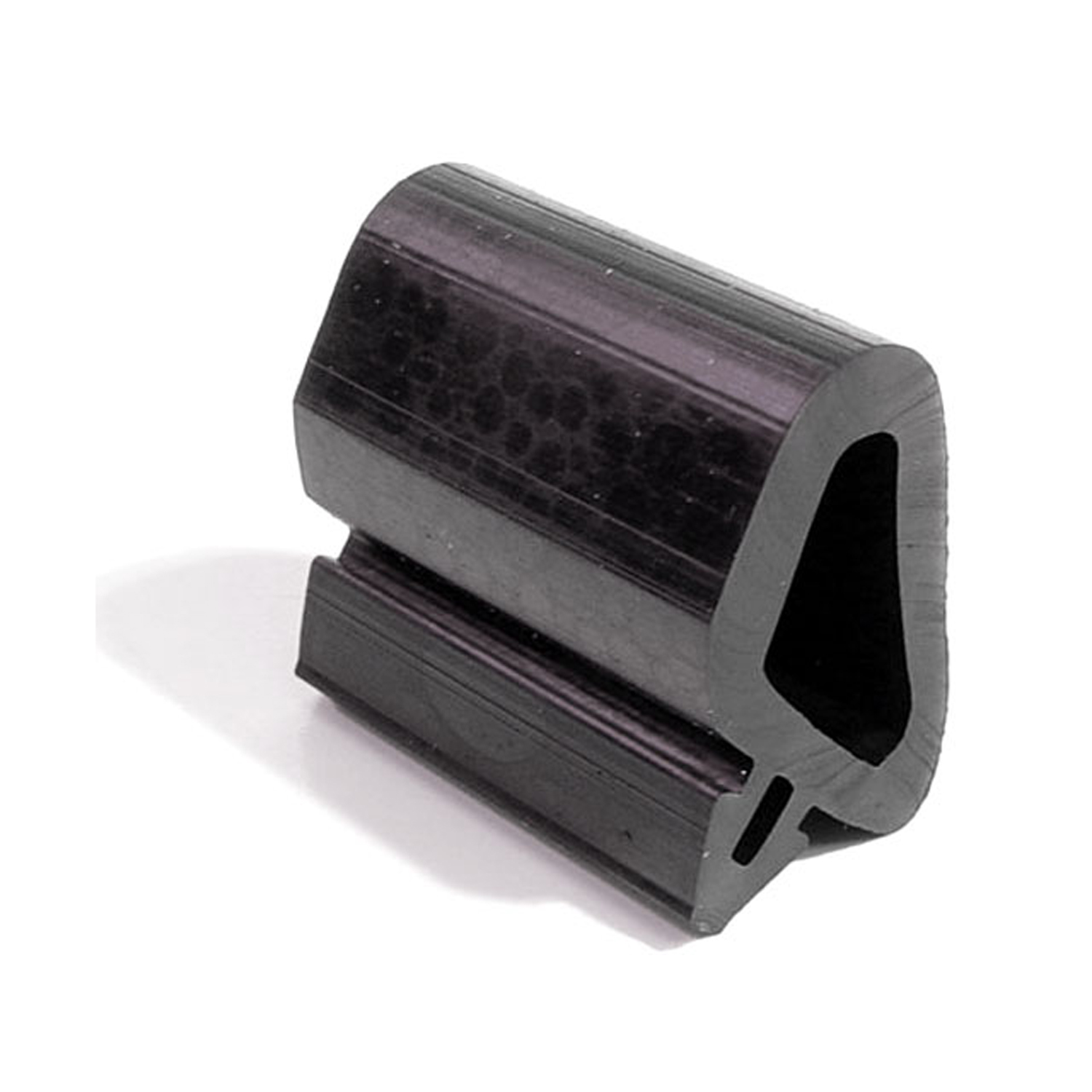 1968 Dodge Coronet Hood Side Bumper. Four used per car. Each-HF 19Hood Side Bumper. Measures 0.91" wide x 1.00" tall x 1.043" deep. Four used per car. Each
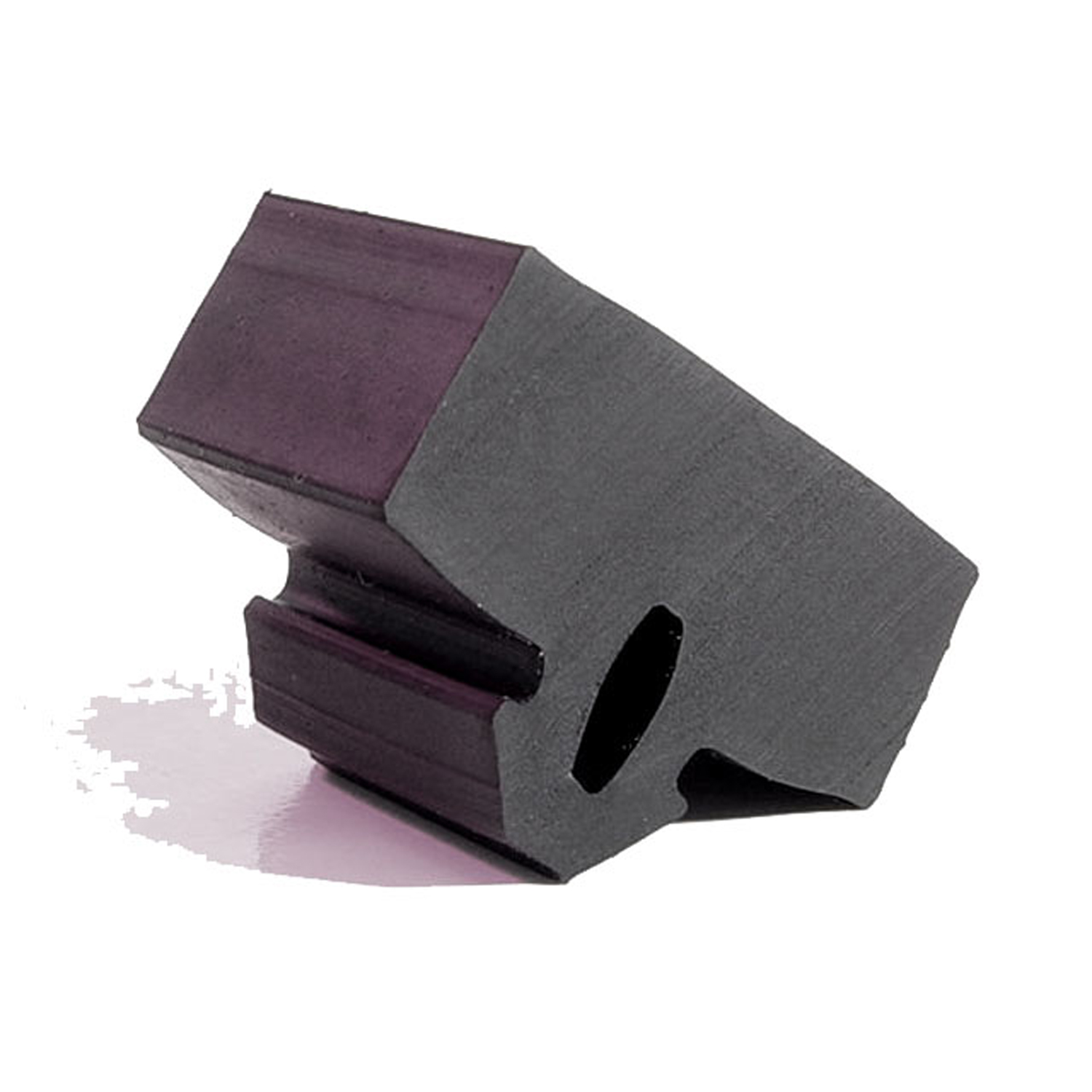 1968 Dodge Coronet Trunk Bumper. Each-HF 62Trunk Bumper. Each
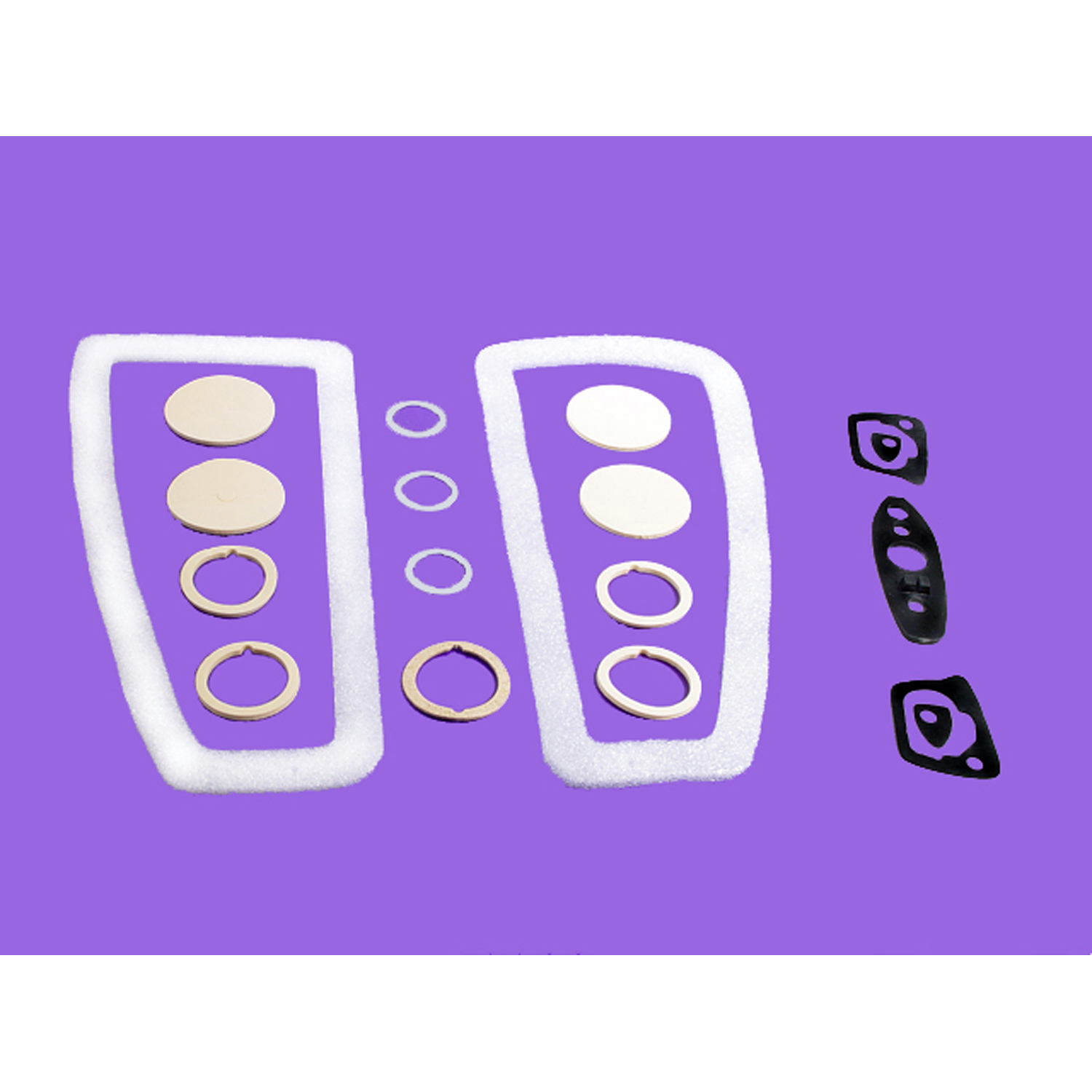 1968 Dodge Coronet Lens Gasket Kit.-LGK 2711-100Lens Gasket Kit.
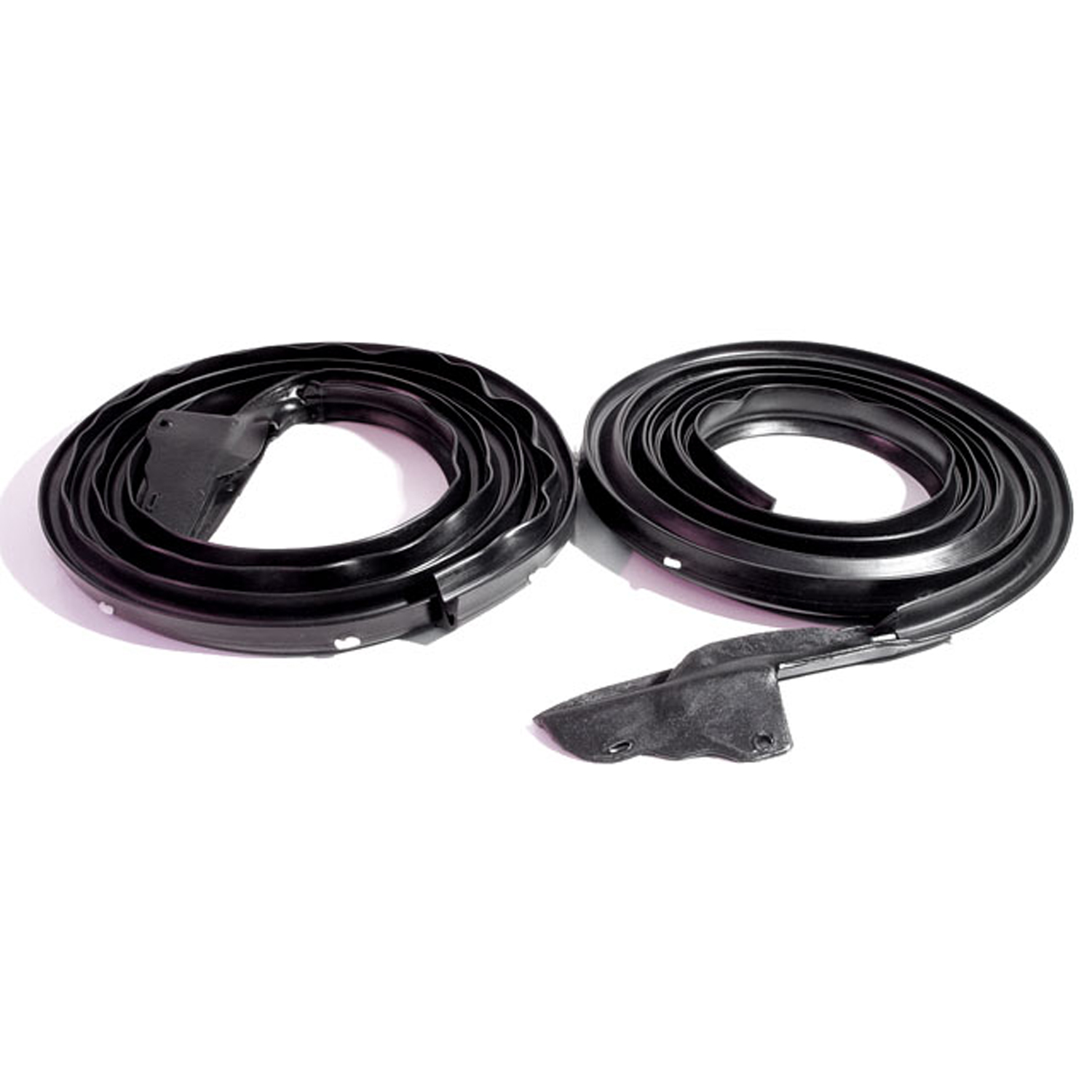 1968 Dodge Coronet Molded Door Seals with Steel Core and White Clips-LM 23Molded Door Seals with Steel Core and White Clips. For 2-door hardtop. Replaces OEM #2860400/1. Pair R&L
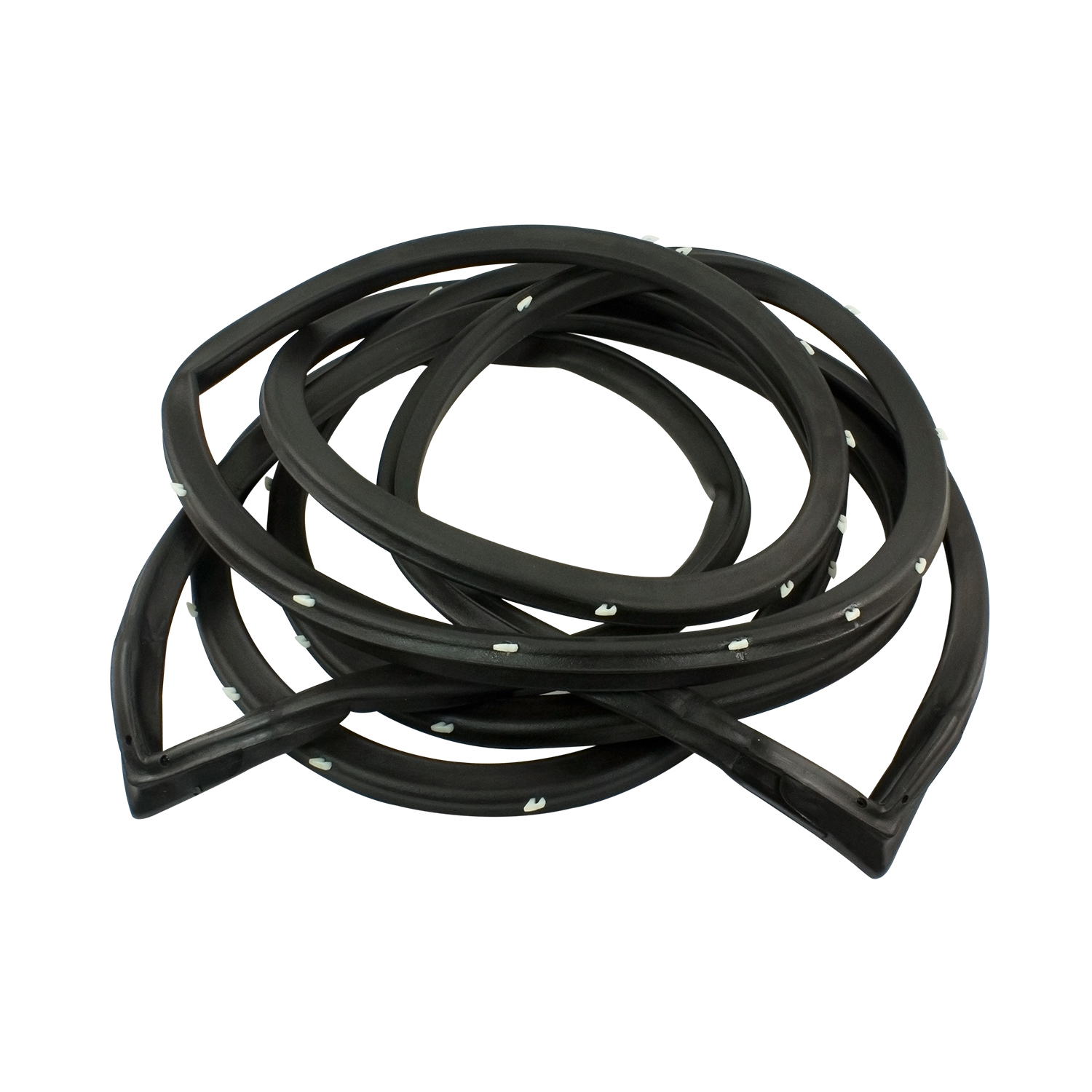 1968 Dodge Coronet Front door seals-LM 23-PFront door seals. Fits '68-'70 Mopar B-body 4-door sedan and wagon including Belvedere (440, 500), Coronet and Satellite (Sport, Sport Wagon).
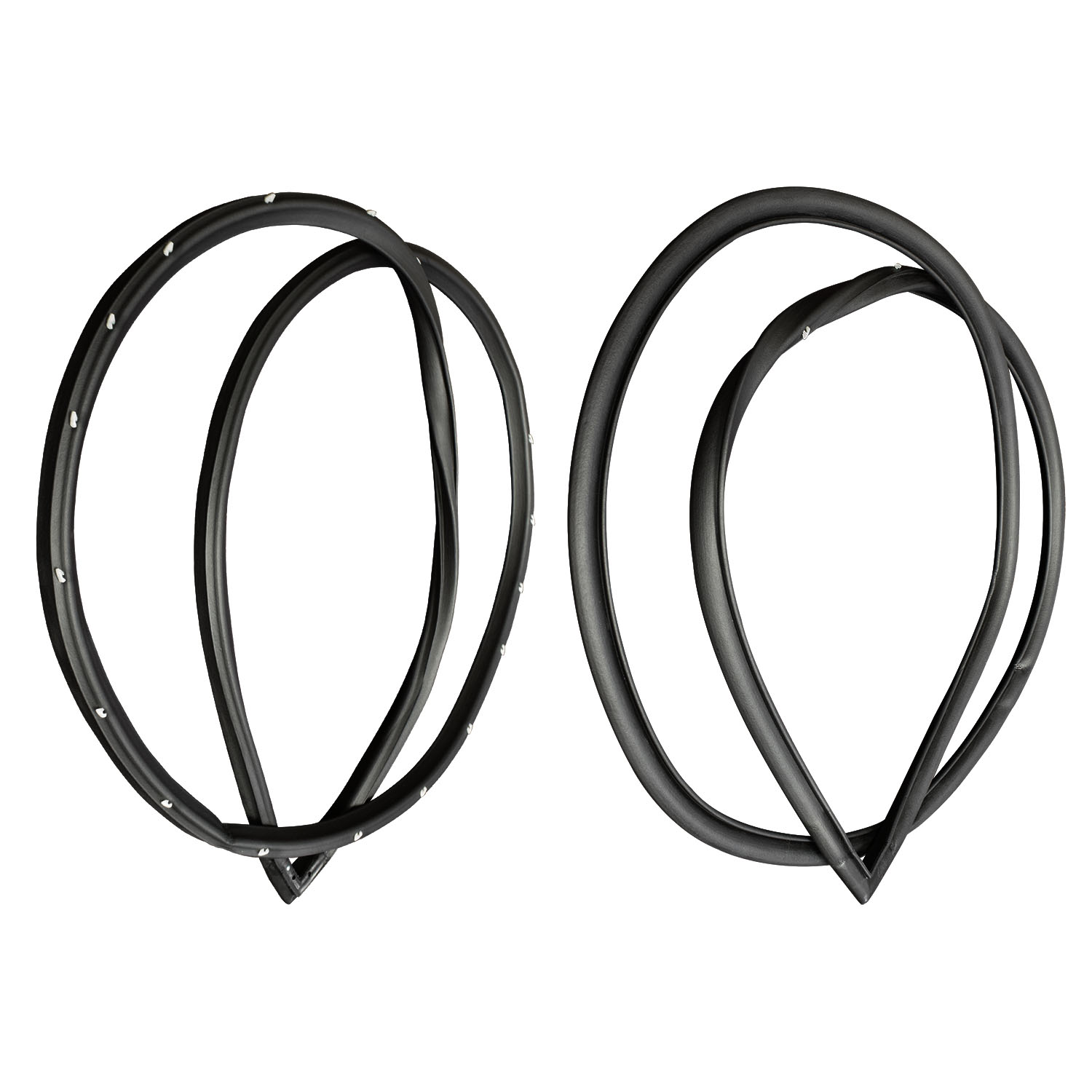 1968 Dodge Coronet Rear door seals. Fits '66-'70 Mopar B-body 4-door sedan-LM 23-QRear door seals. Fits '66-'70 Mopar B-body 4-door sedan. Exact-fit, OEM-replacement seals for Dodge Coronet (Deluxe, 440, 500) and Plymouth Belvedere / Satellite. Replaces OEM#'s 2811448/9. Pair. R&L.
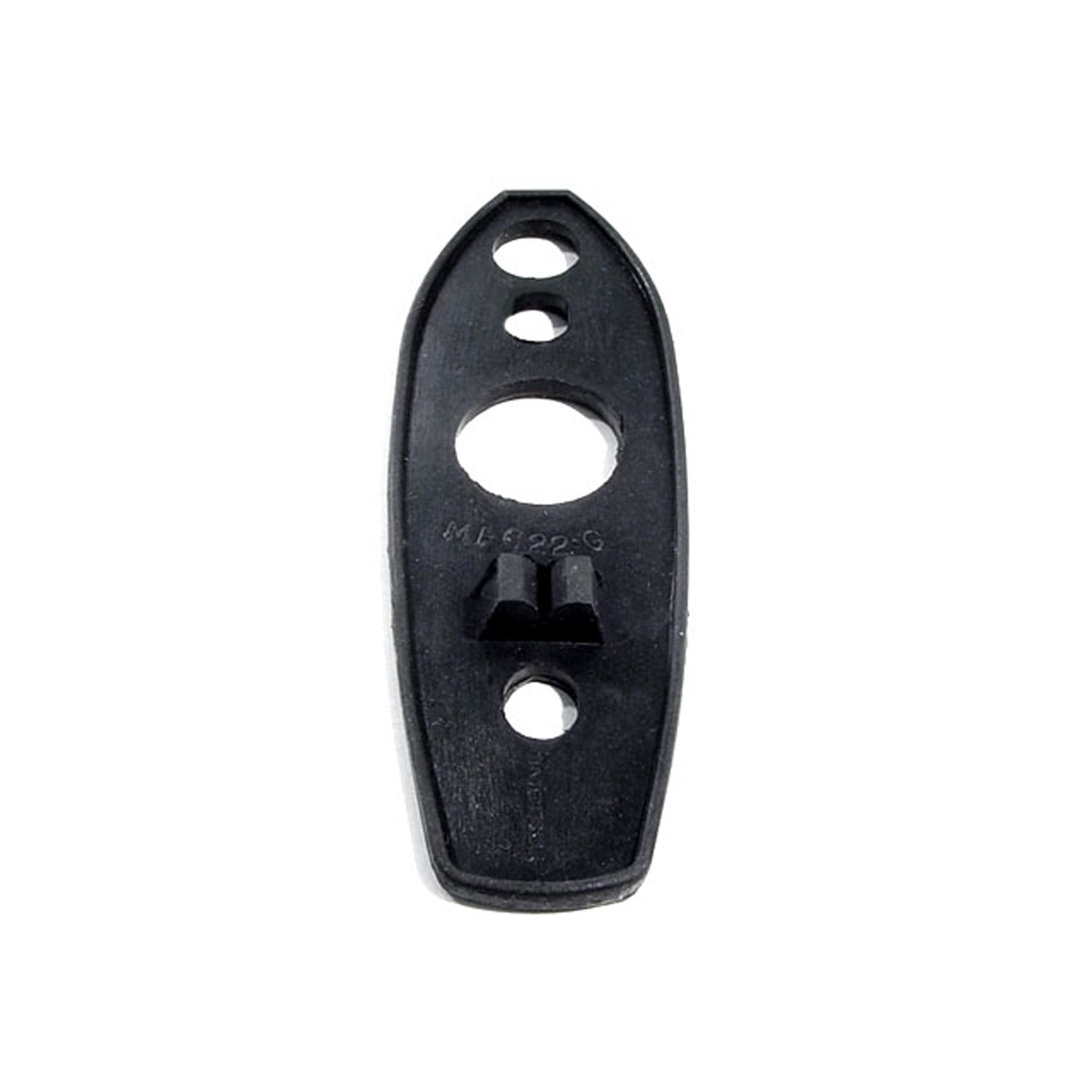 1968 Dodge Coronet Remote Mirror Pad. Each-MP 622-GRemote Mirror Pad. Each
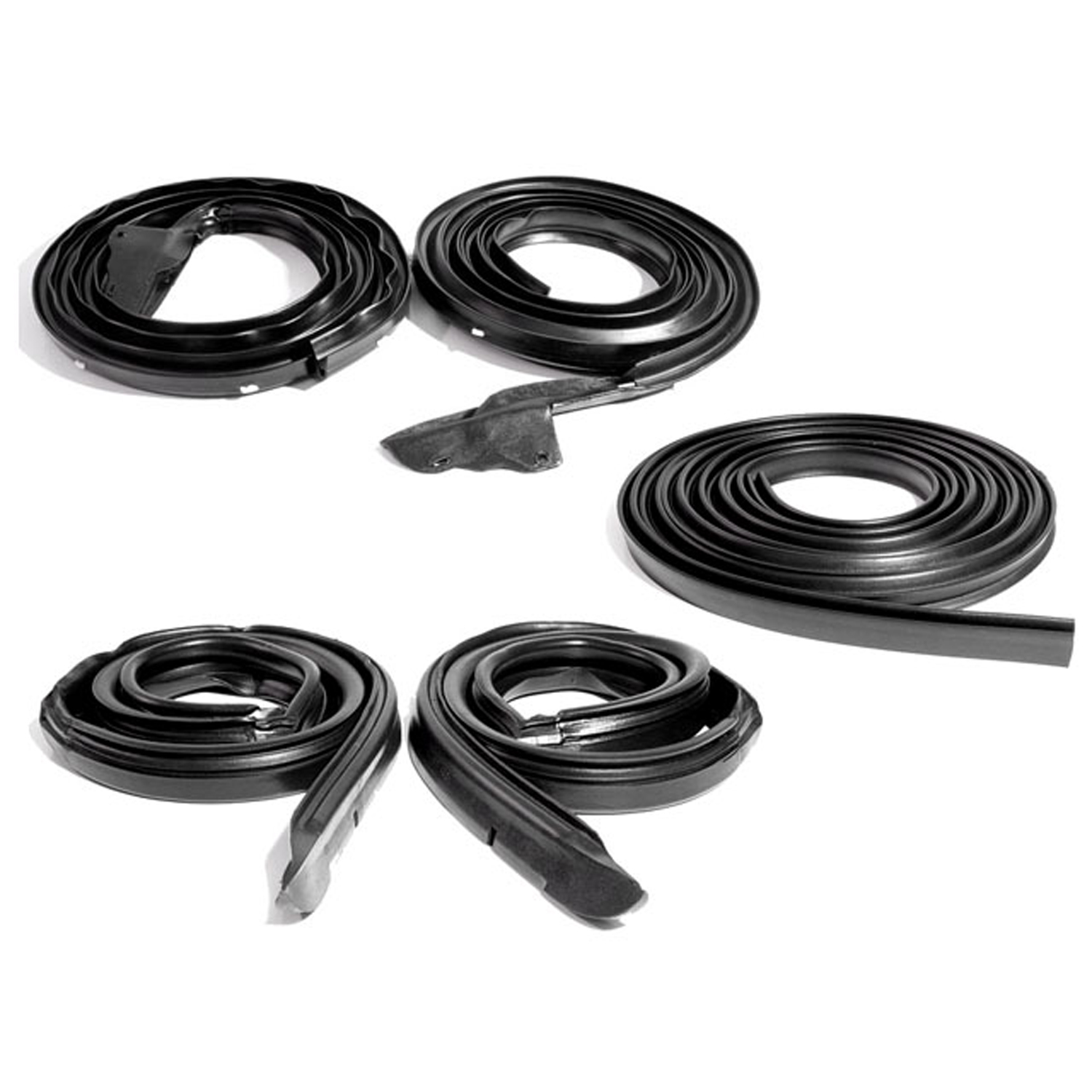 1968 Dodge Coronet Basic Kit, for 2-Door Post Coupe (with swing-out windows)-RKB 4005-102Basic Kit, for 2-Door Post Coupe (with swing-out windows). Door (LM 23) Roof Rail (RR 4001) Trunk (TK 2322), Seals.
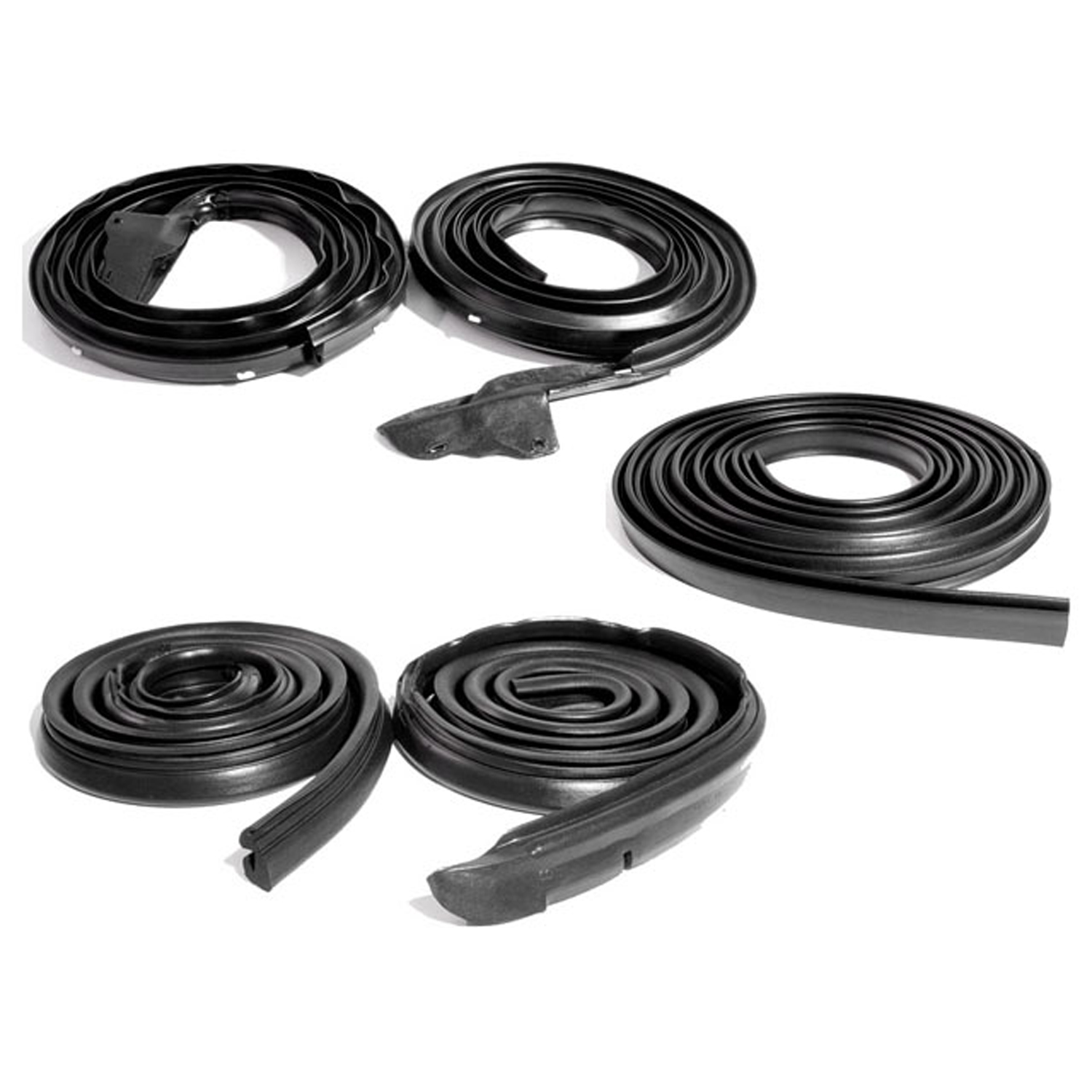 1968 Dodge Coronet Basic Kit, for 2-Door Hardtop-RKB 4005-107Basic Kit, for 2-Door Hardtop. Door (LM 23) Roof Rail (RR 4001-A) Trunk (TK 2322), Seals.
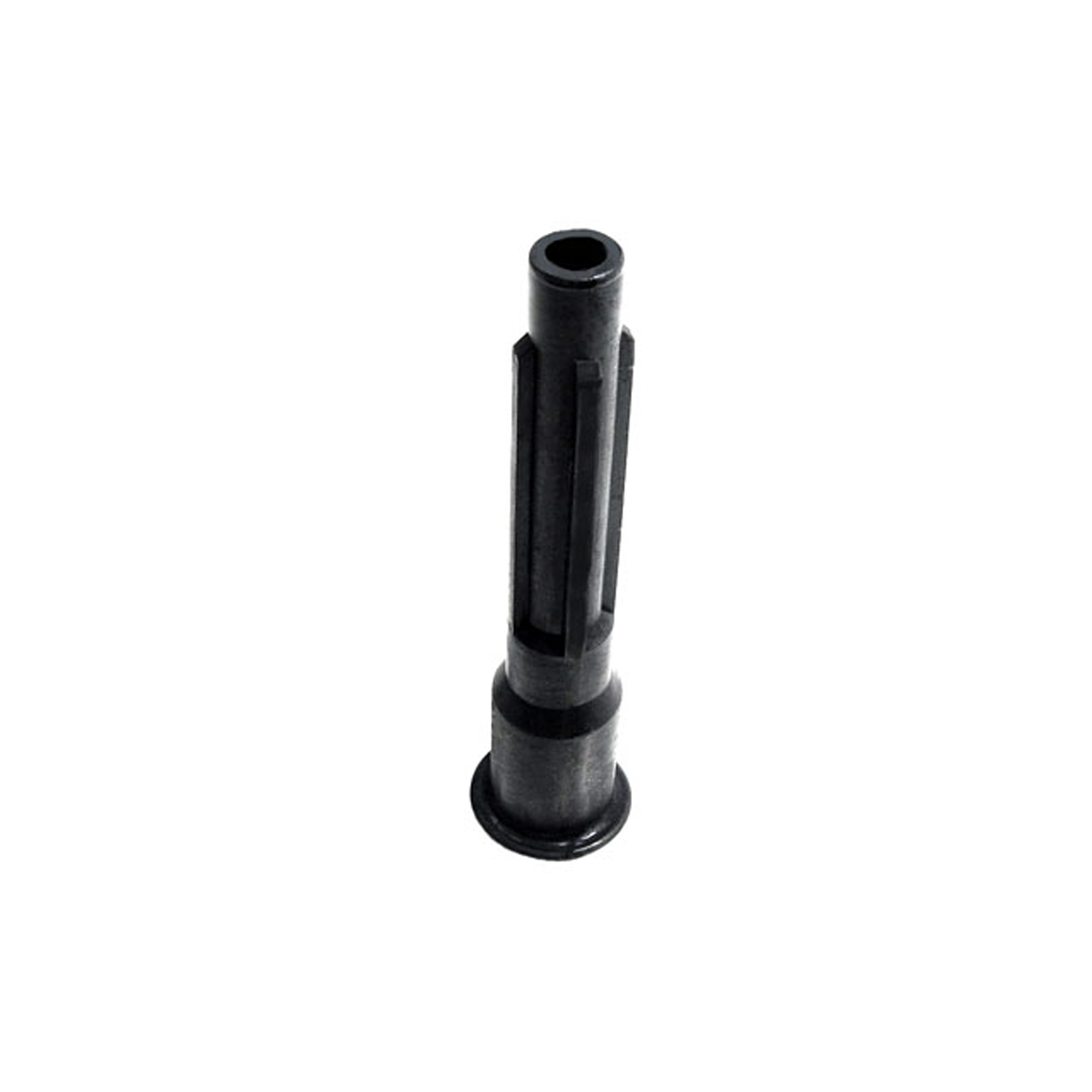 1968 Dodge Coronet Flexible Spark Plug Boot, used on Hemi's with power brakes-RP 1-MFlexible Spark Plug Boot, used on Hemi's with power brakes. 4" long, 5/16" upper i.d., 5/8" lower i.d. Each
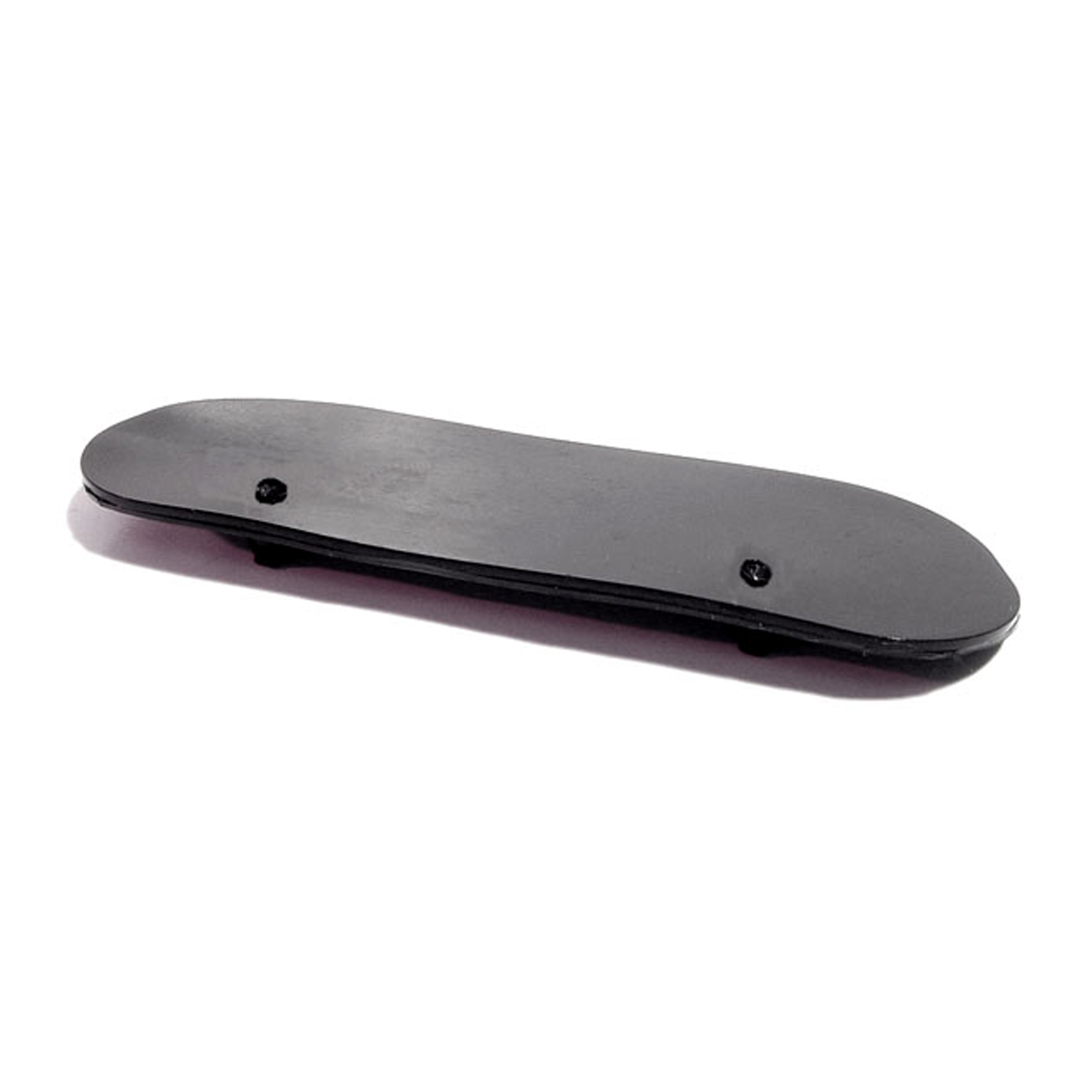 1968 Dodge Coronet Drain Flap on Cowl. Each-RP 900-ADrain Flap on Cowl. Each
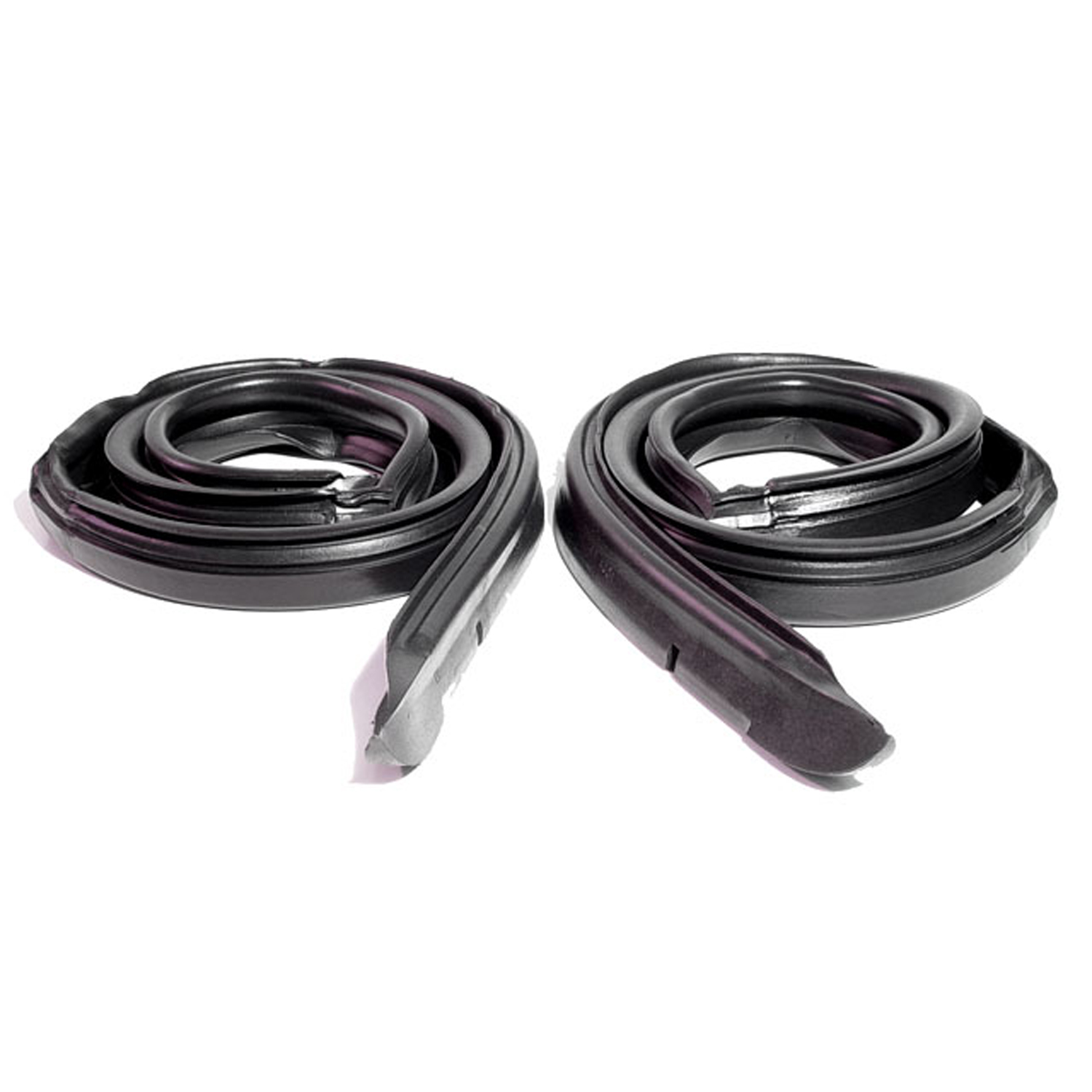 1968 Dodge Coronet Molded Roof Rail Seals, for 2-Door Hardtop with Post-RR 4001Molded Roof Rail Seals, for 2-Door Hardtop with Post. Pair R&L
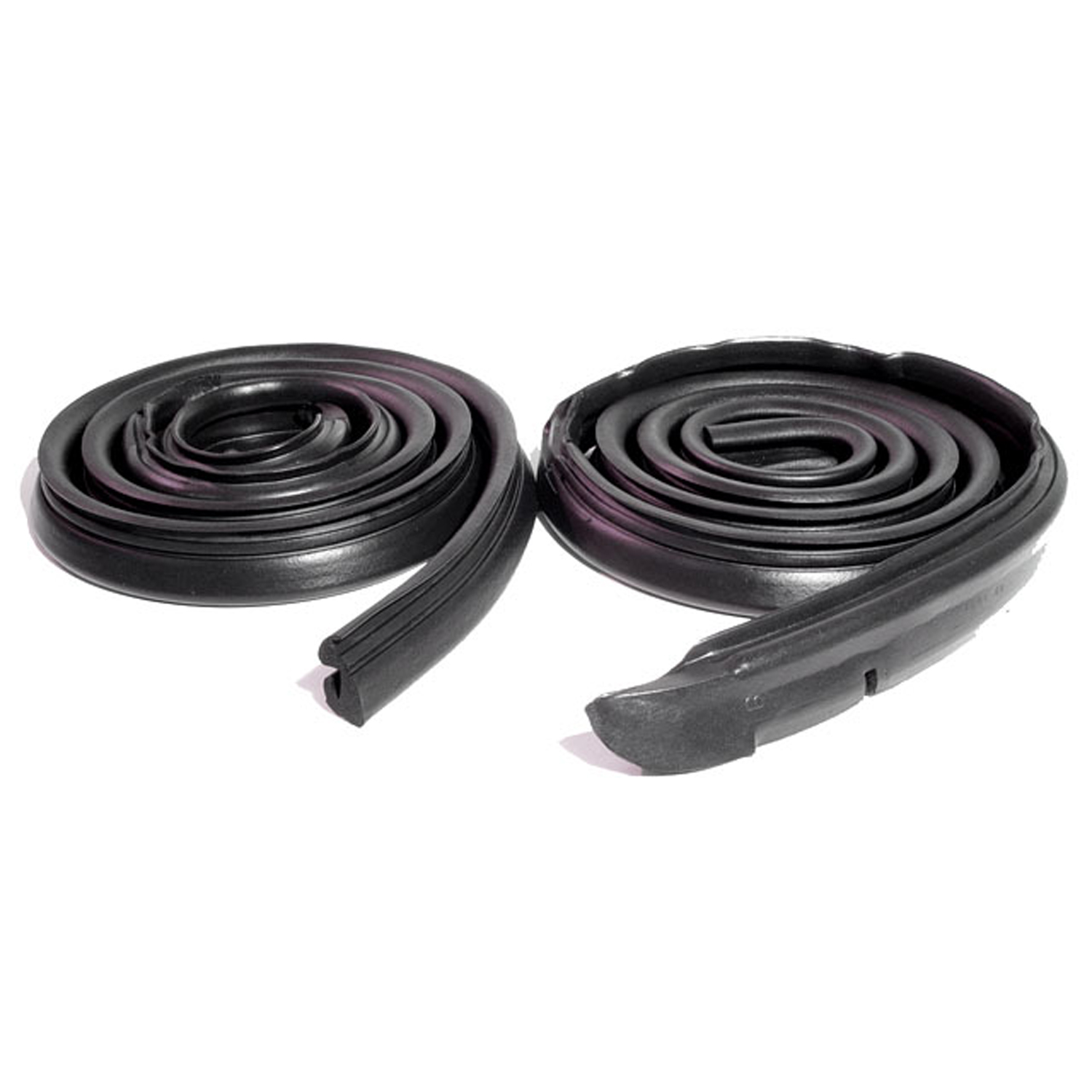 1968 Dodge Coronet Molded Roof Rail Seals, for 2-Door Hardtop without Post-RR 4001-AMolded Roof Rail Seals, for 2-Door Hardtop without Post. Pair R&L
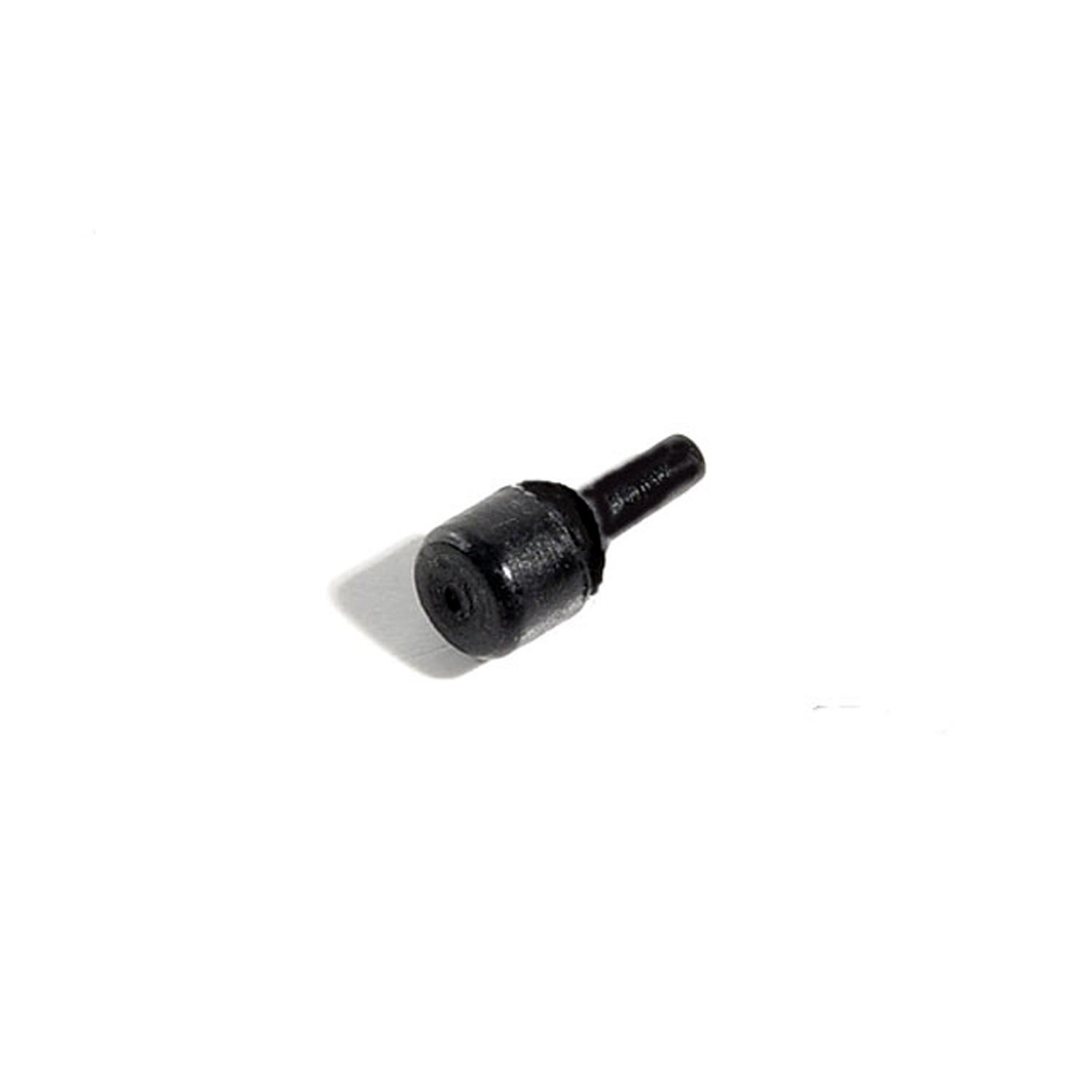 1968 Dodge Coronet Ashtray Bumper. 9/16" Long. Each-SB 120Ashtray Bumper. 9/16" Long. Each
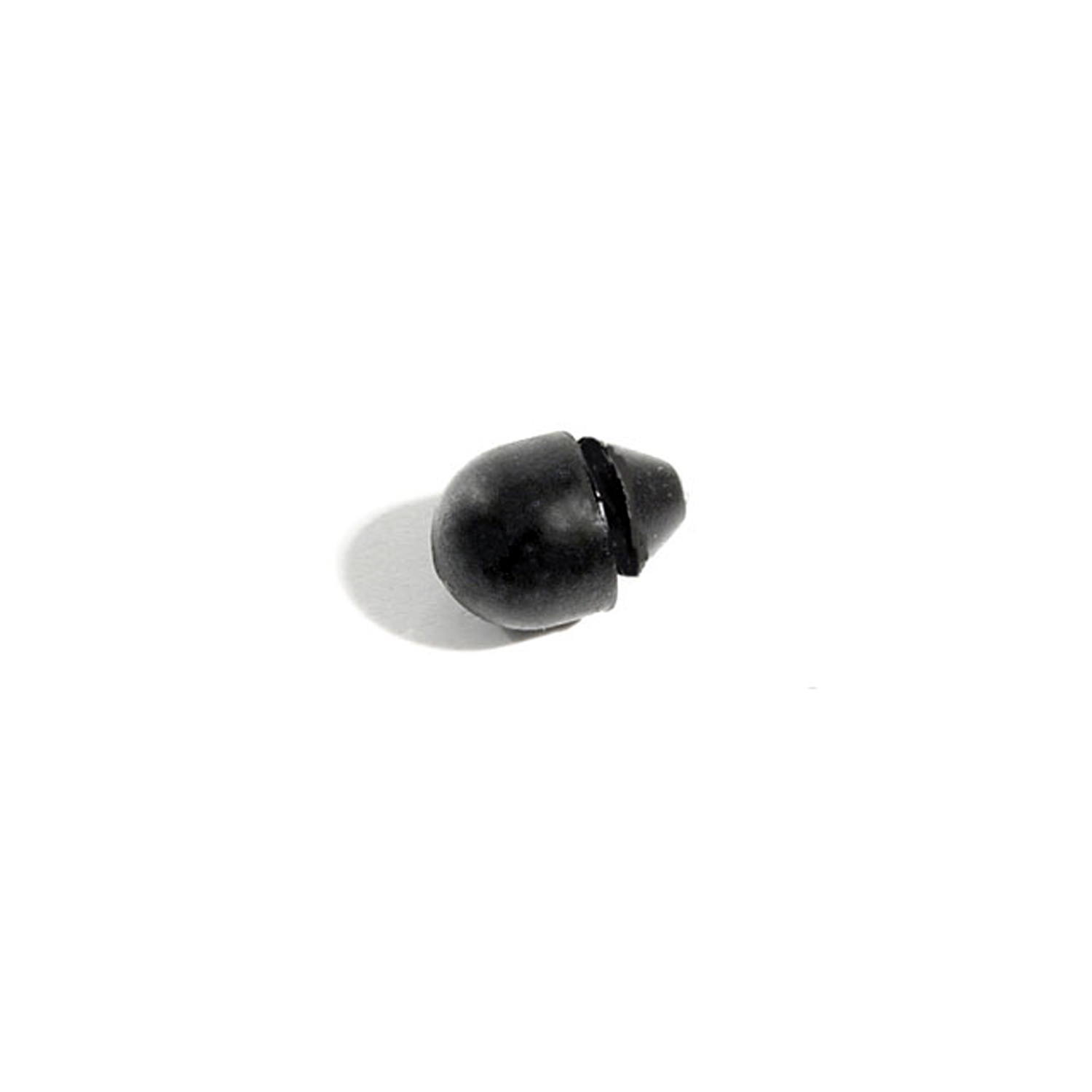 1968 Dodge Coronet Glove Box Bumper. 1/2" Long. Each-SB 121Glove Box Bumper. 1/2" Long. Each
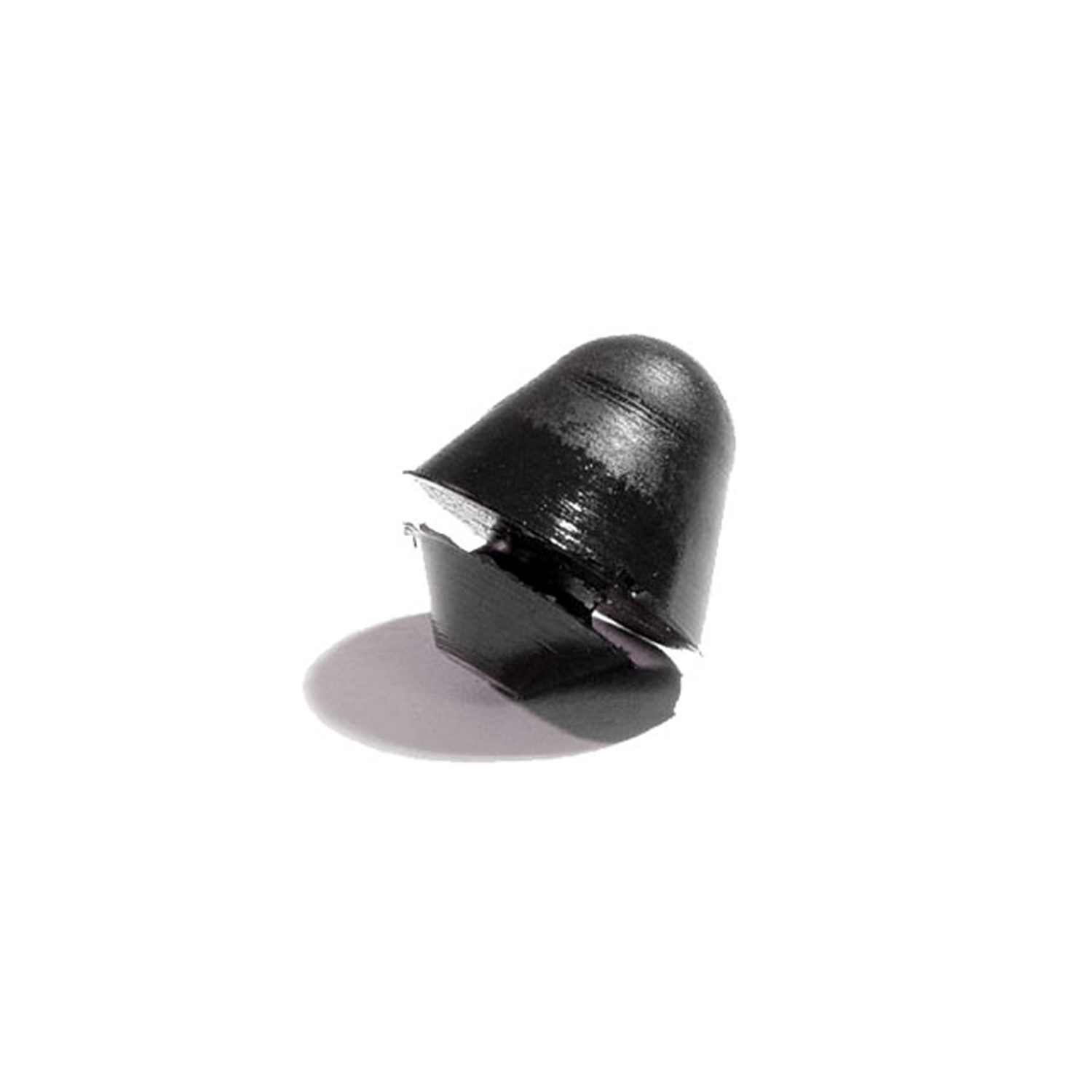 1968 Dodge Coronet Glove Box Bumper. Each-SB 121-AGlove Box Bumper. Each
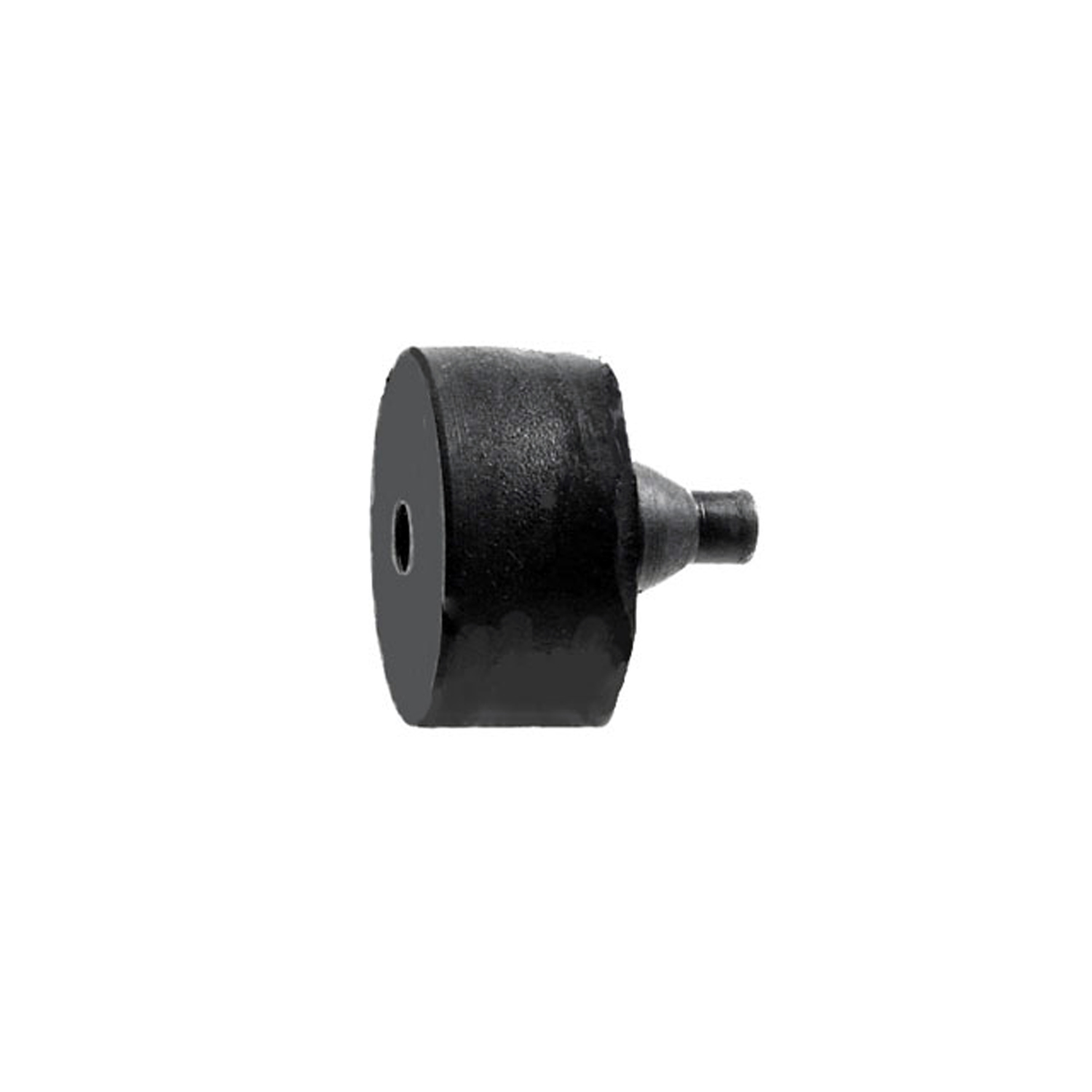 1968 Dodge Coronet Hood and Trunk Bumper. Replaces OEM #2785714. Each-SB 124Hood and Trunk Bumper. Replaces OEM #2785714. Each
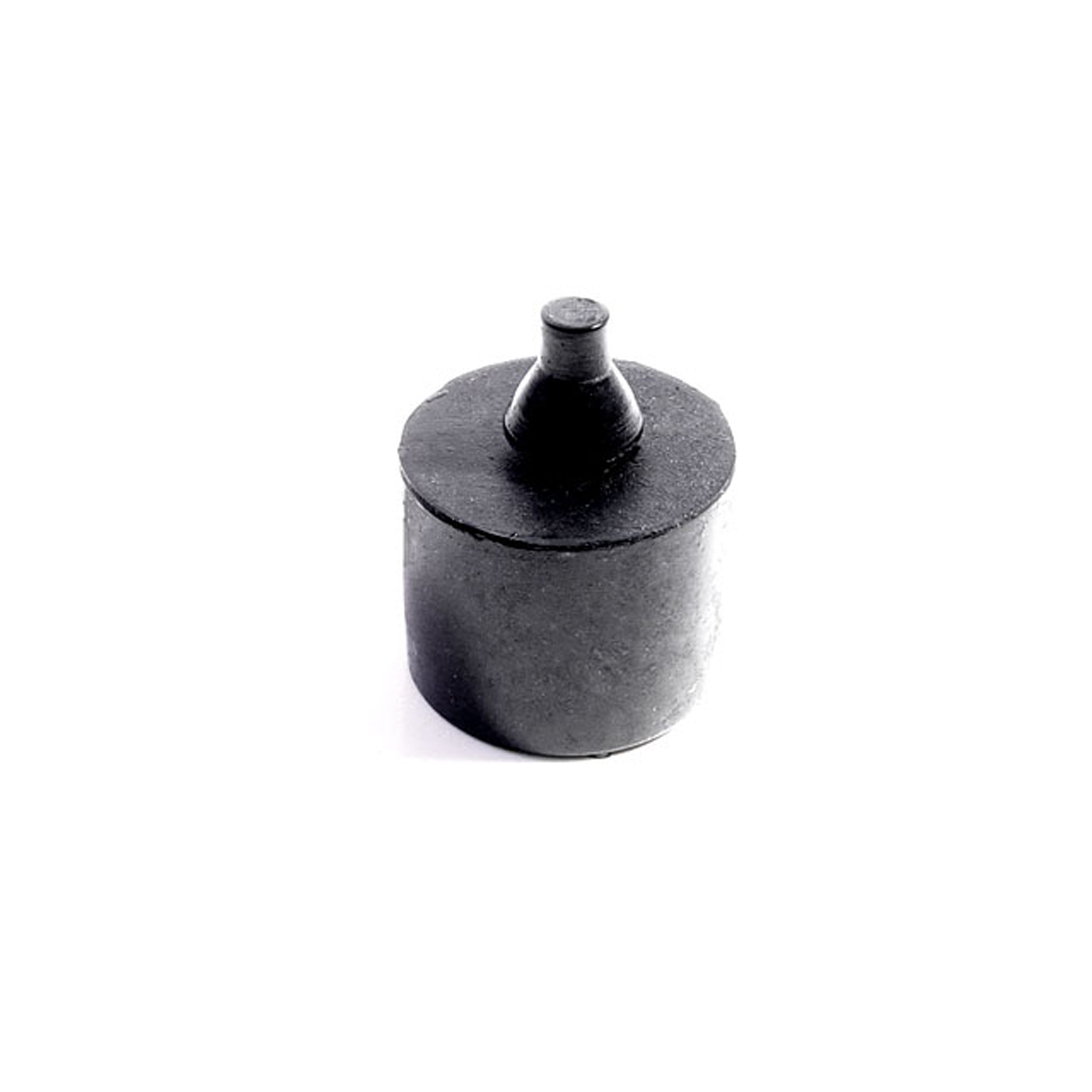 1968 Dodge Coronet Rear Center Hood & Trunk Bumper ('68: Trunk '70-'74: Hood)-SB 125Rear Center Hood & Trunk Bumper ('68: Trunk '70-'74: Hood). 1-1/8" high, 15/16" O.D. Each
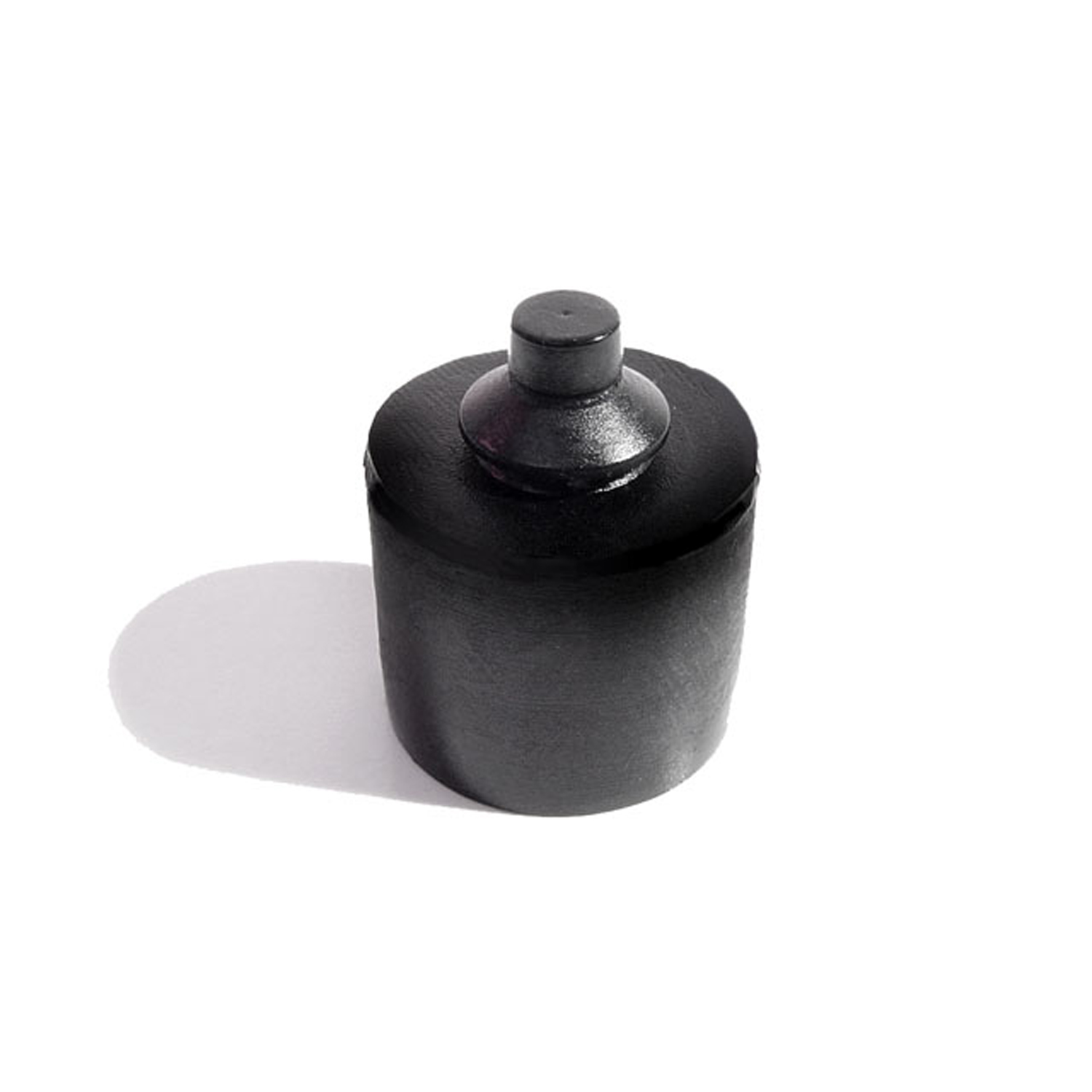 1968 Dodge Coronet Trunk Bumper. Each-SB 125-ATrunk Bumper. Each Width side to side 7/8". Height of bumper head 3/4 tall. Stem width is 3/8 Width of step 1/2. Hole at the top 1/8 diameter.
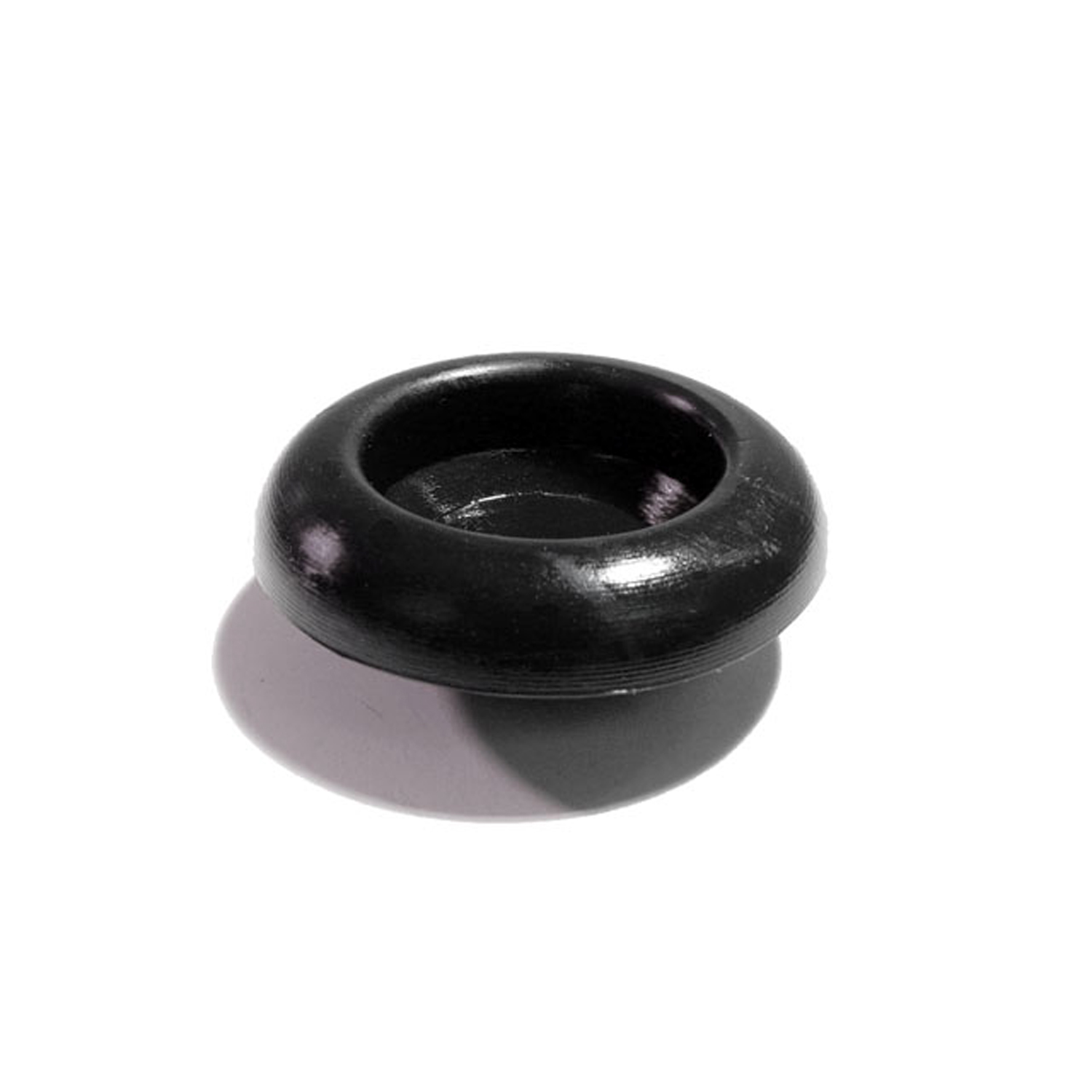 1968 Dodge Coronet Trunk and Body Plug. Fits 1-1/8" hole. Each-SB 127-DTrunk and Body Plug. Fits 1-1/8" hole. Each
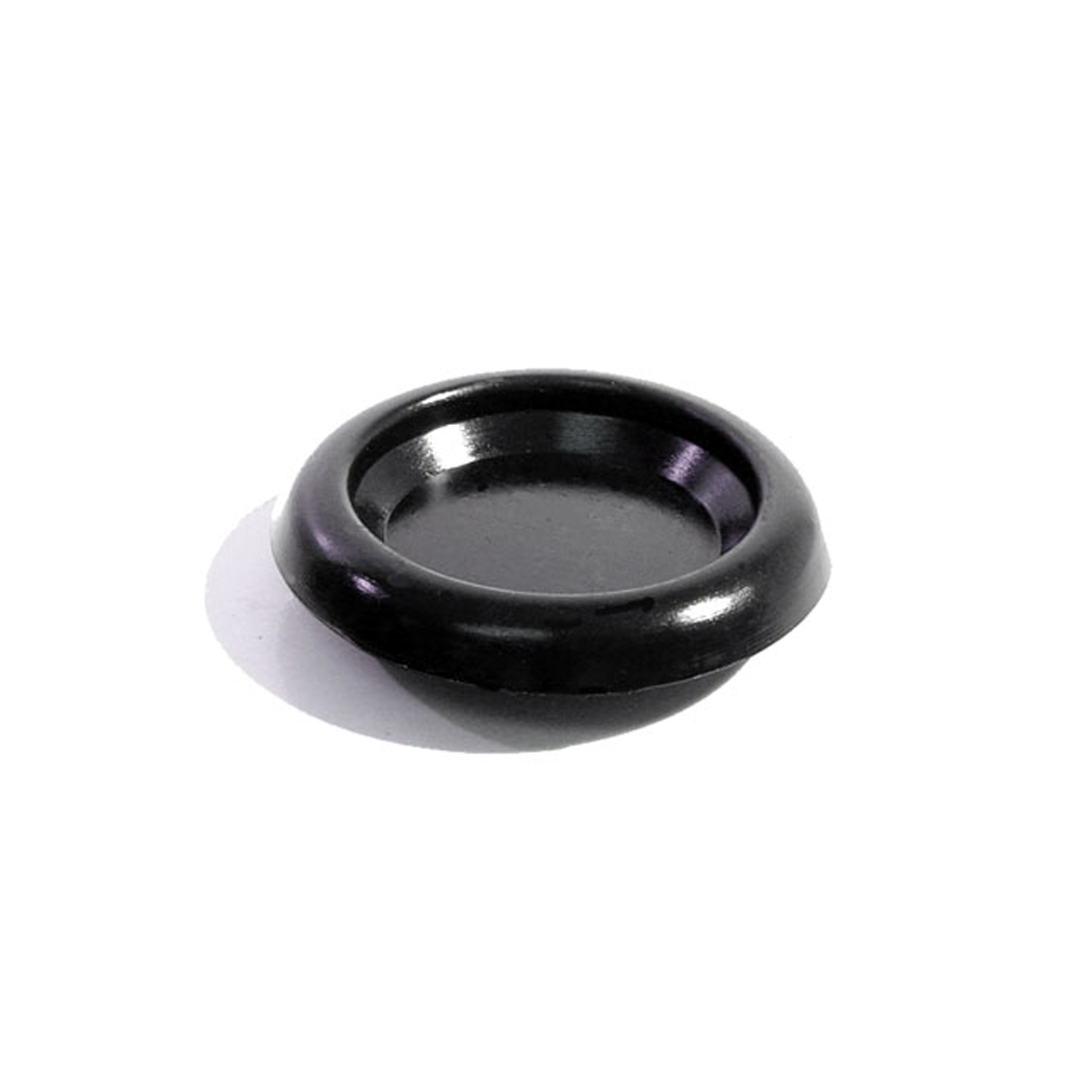 1968 Dodge Coronet Trunk and Body Plug. Fits 1-15/16" hole. Each-SB 127-ETrunk and Body Plug. Fits 1-15/16" hole. Each
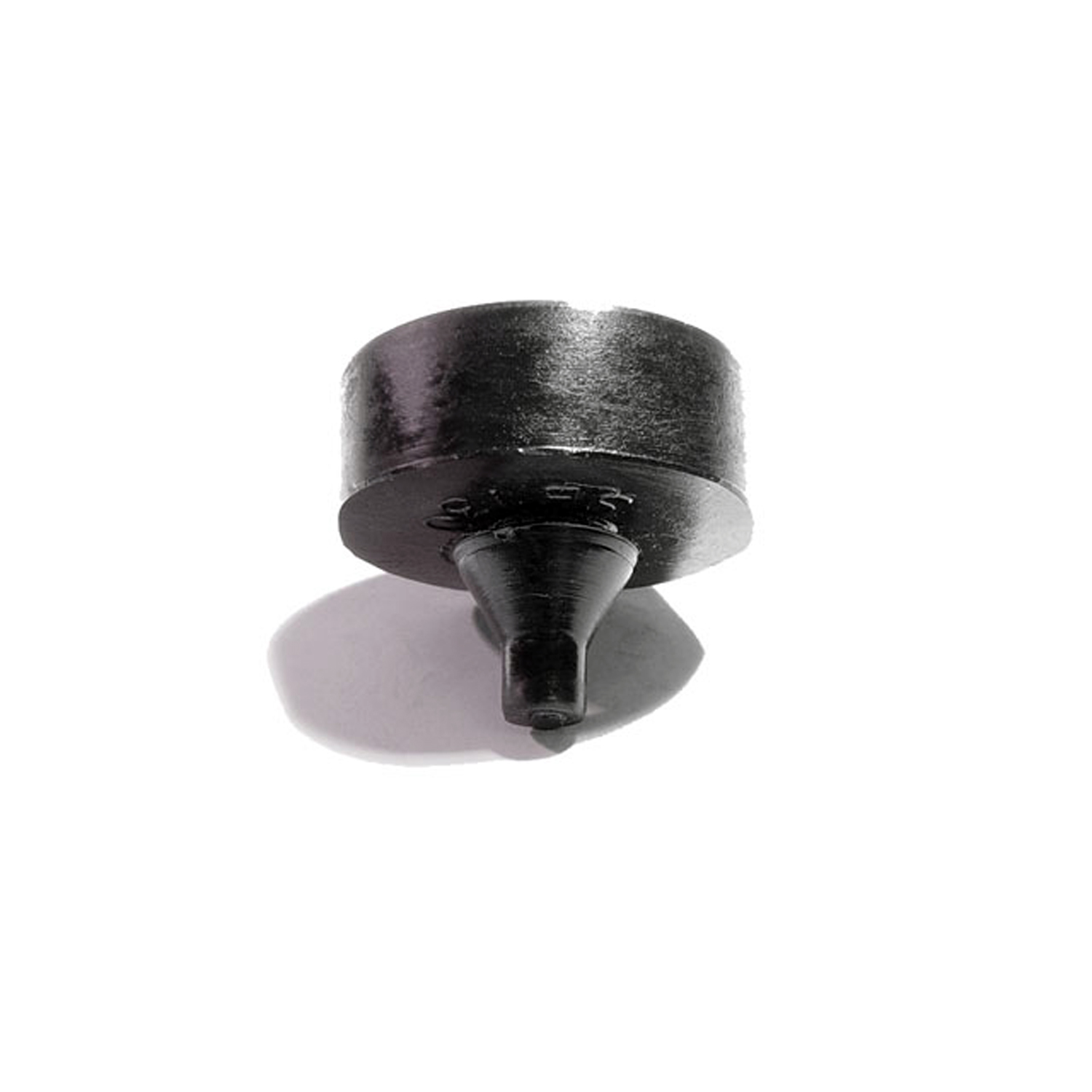 1968 Dodge Coronet Hood and Trunk Bumper. Each-SB 130Hood and Trunk Bumper. Each
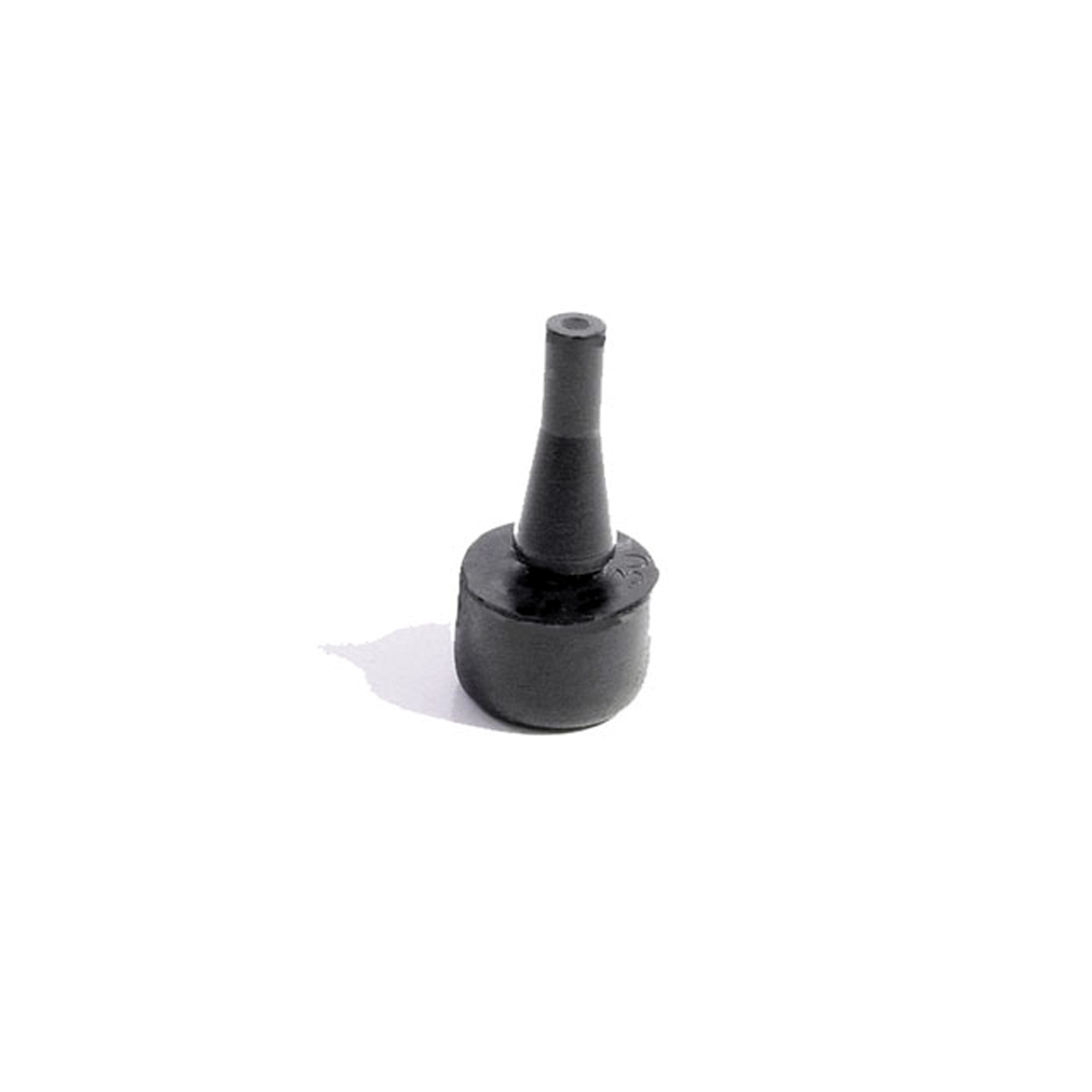 1968 Dodge Coronet Rear Cowl Bumper. 5/8" O.D., 1" high. Each-SB 30-MRear Cowl Bumper. 5/8" O.D., 1" high. Each
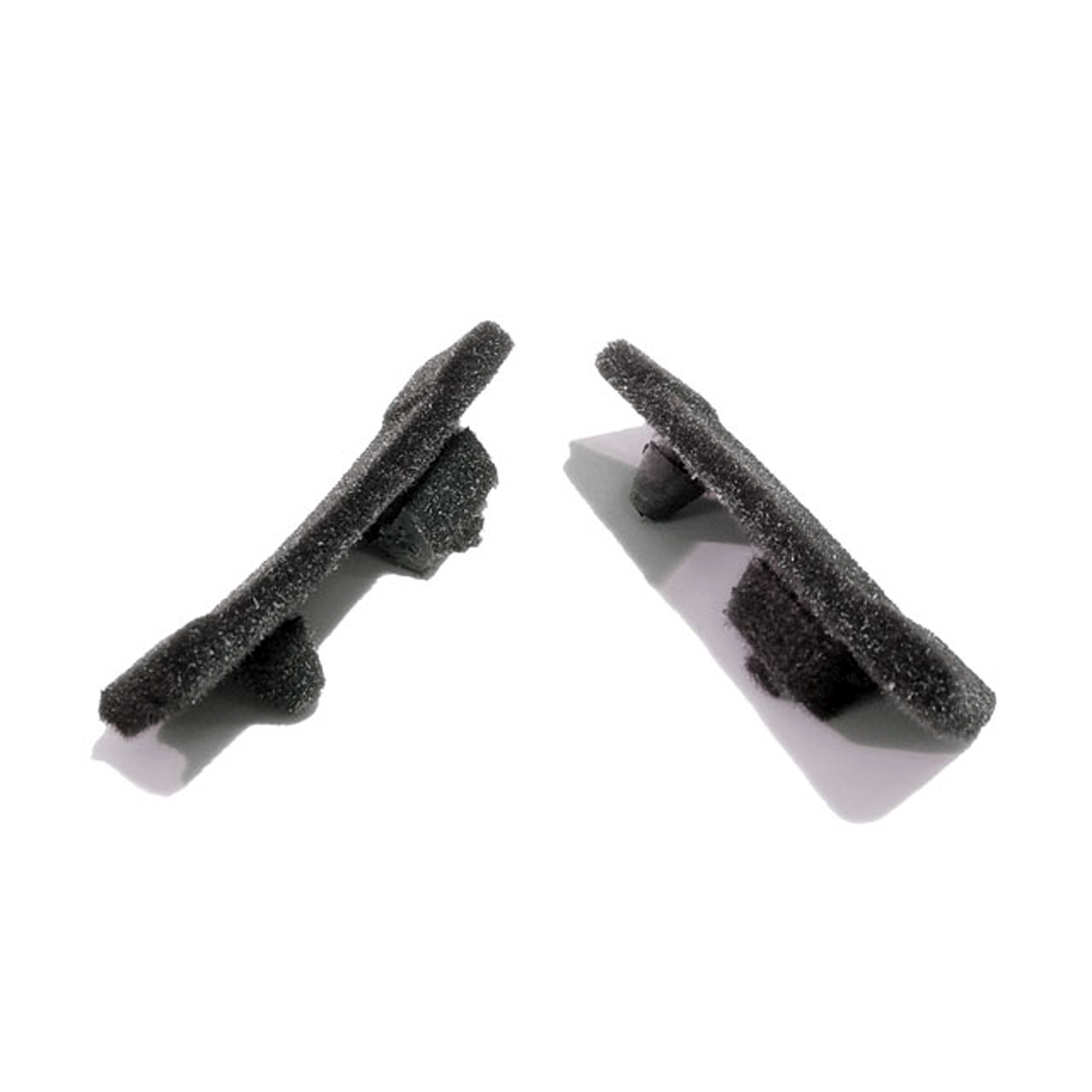 1968 Dodge Coronet Door Window Weatherstrip Plug-SB 73-BDoor Window Weatherstrip Plug. Fits at the end of outer window wipe cat whiskers. Fuzzy outer side. Pair R&L
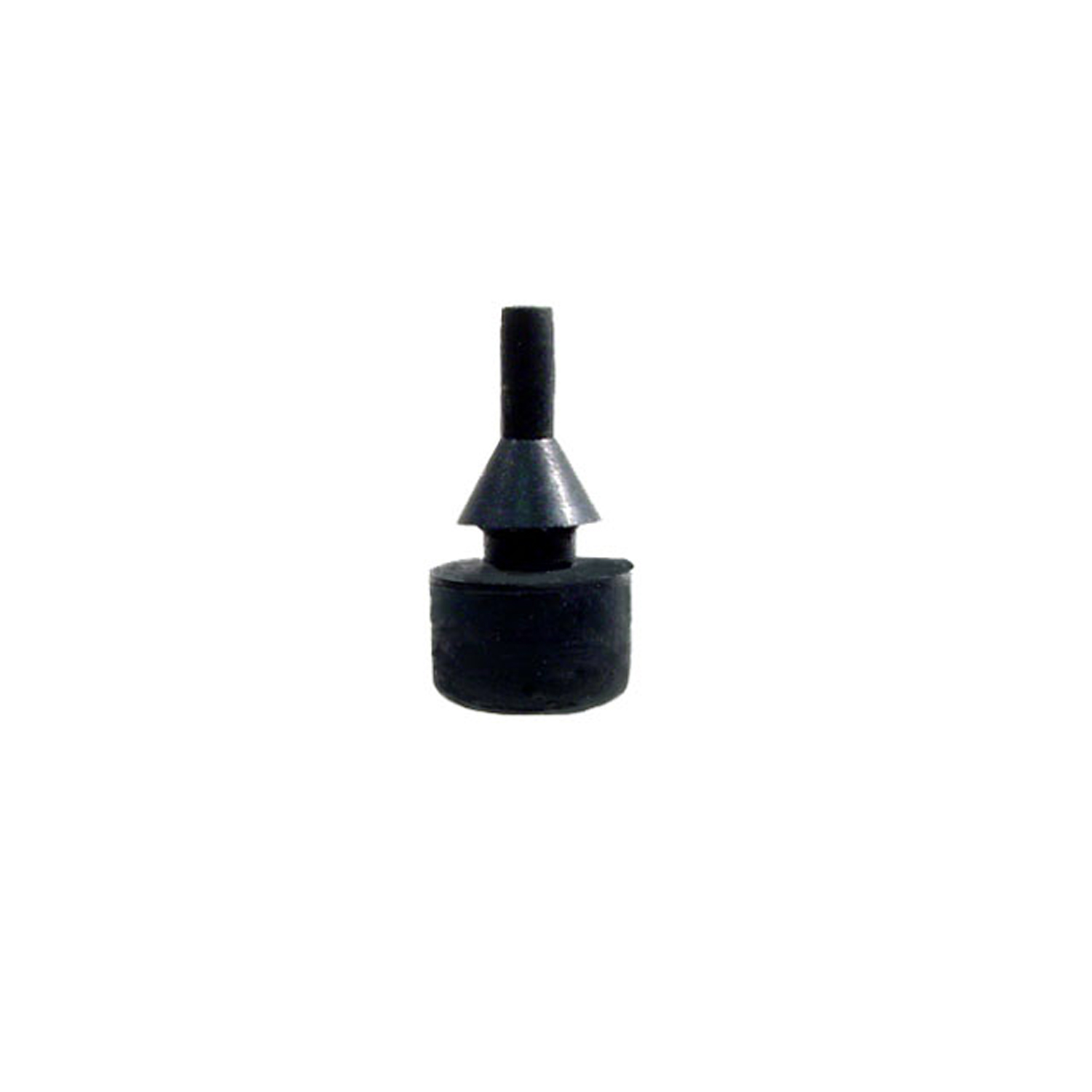 1968 Dodge Coronet License Plate Bumper. 7/16" O.D., fits a 1/4" hole. Each-SB 86License Plate Bumper. 7/16" O.D., fits a 1/4" hole. Each
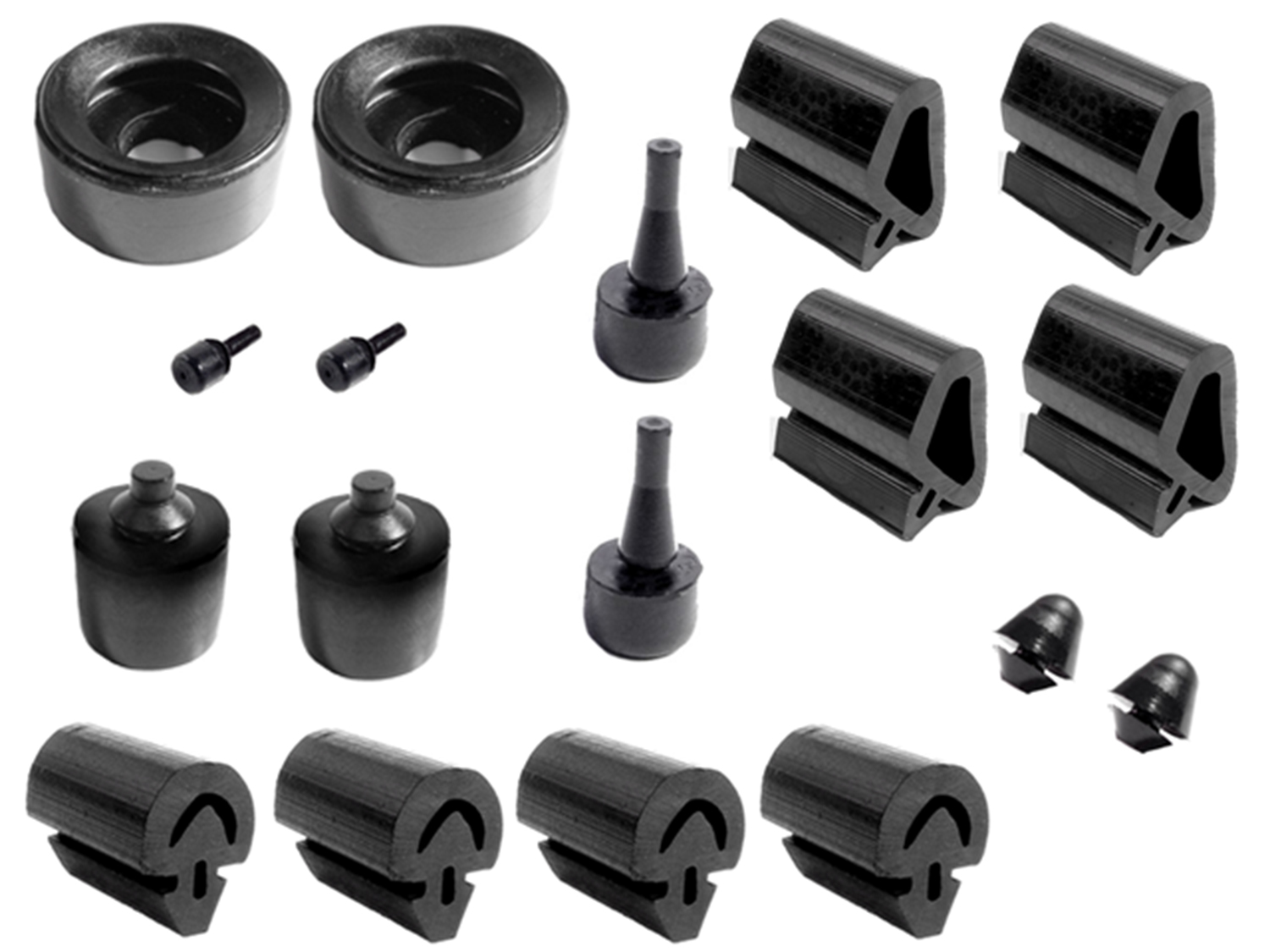 1968 Dodge Coronet Snap-in-bumper kit-SBK 2322Snap-in-bumper kit. 18-piece set includes: (4) DB 50-M, (2) HA 8-A, (4) HF 19, (2) SB 120, (2) SB 121, (2) SB125-A, (2) SB 30-M.
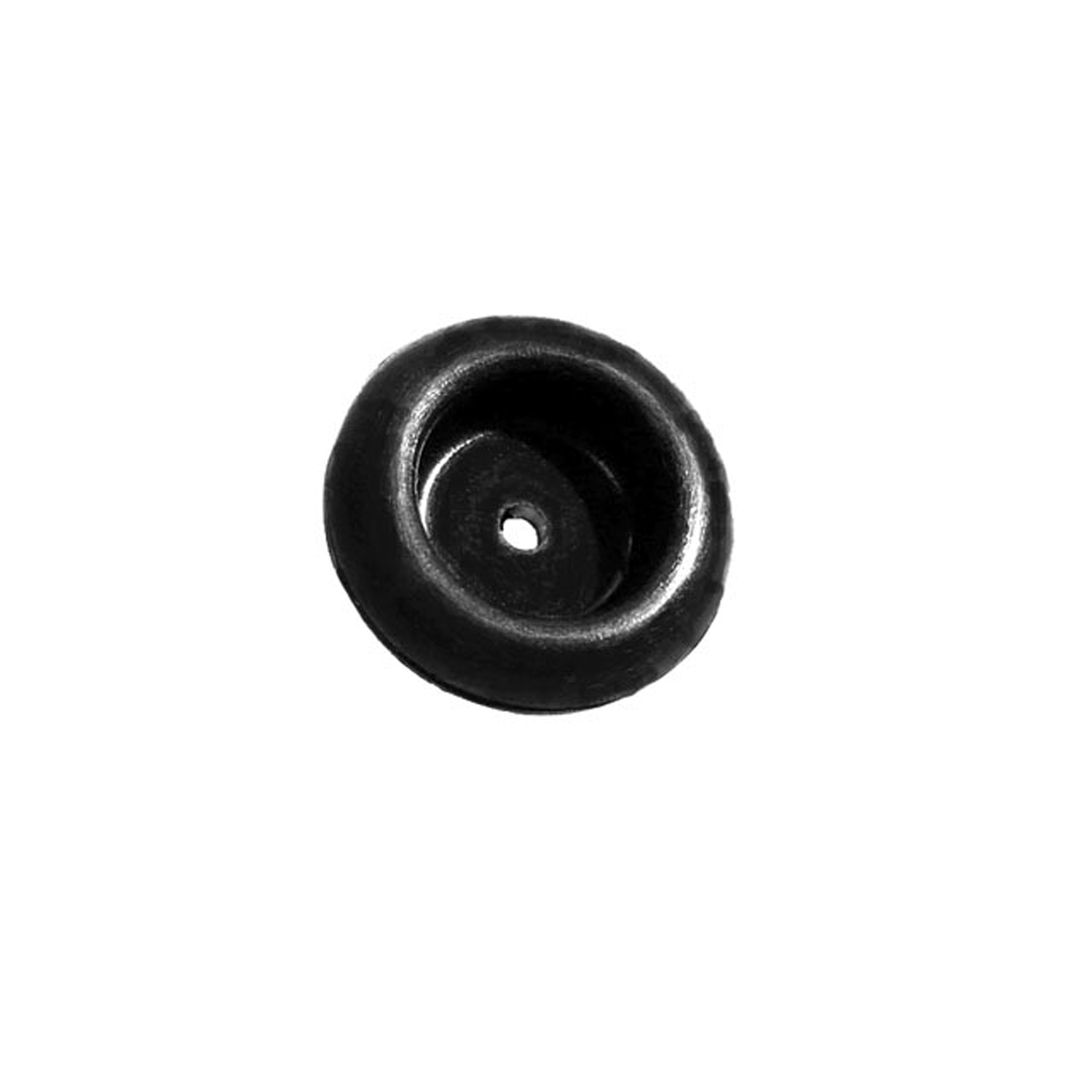 1968 Dodge Coronet Floor Panel Wire Grommet. Fits 3/4" hole. Each-SM 49Floor Panel Wire Grommet. Fits 3/4" hole. Each
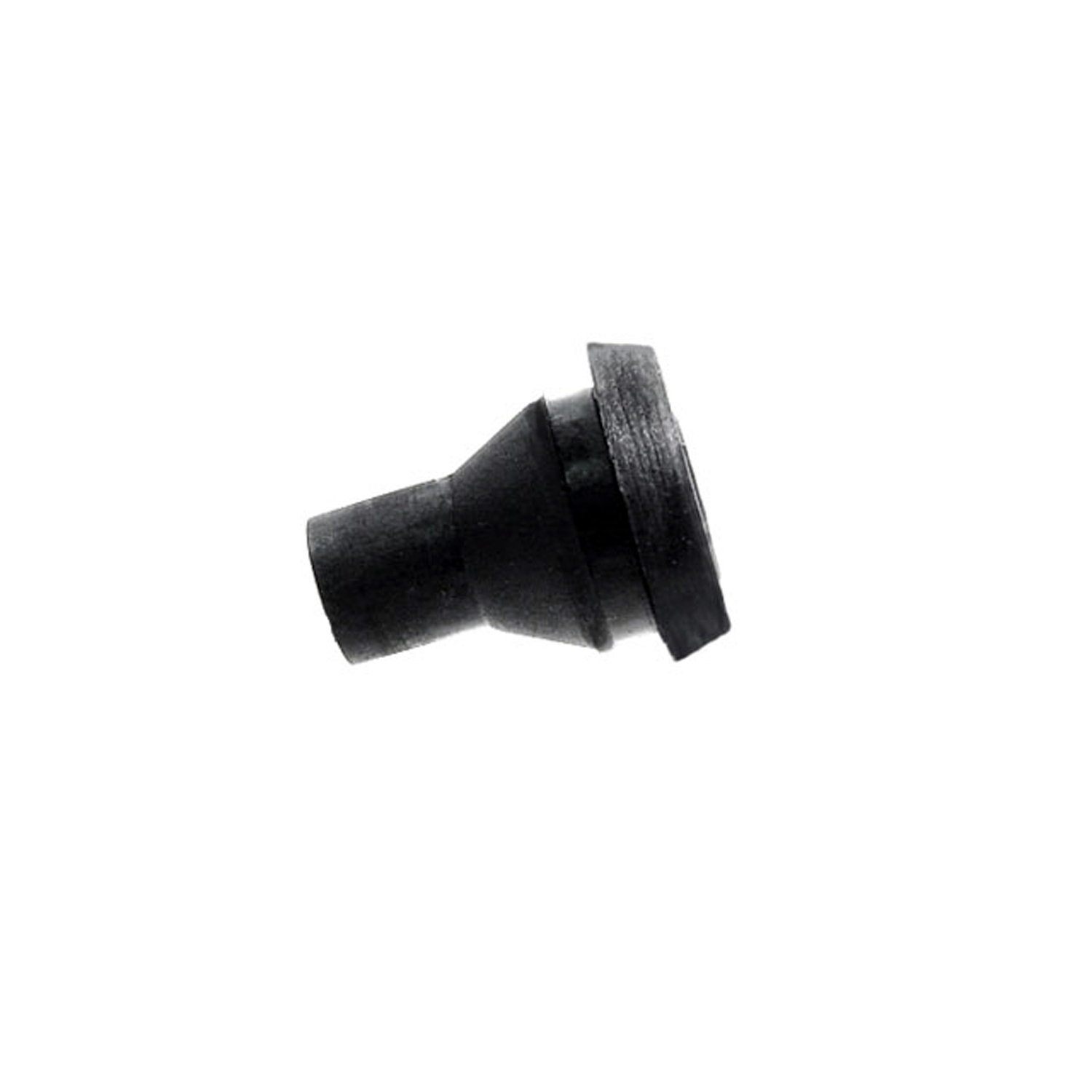 1968 Dodge Coronet License Light Wire Grommet. Each-SM 72License Light Wire Grommet. Each
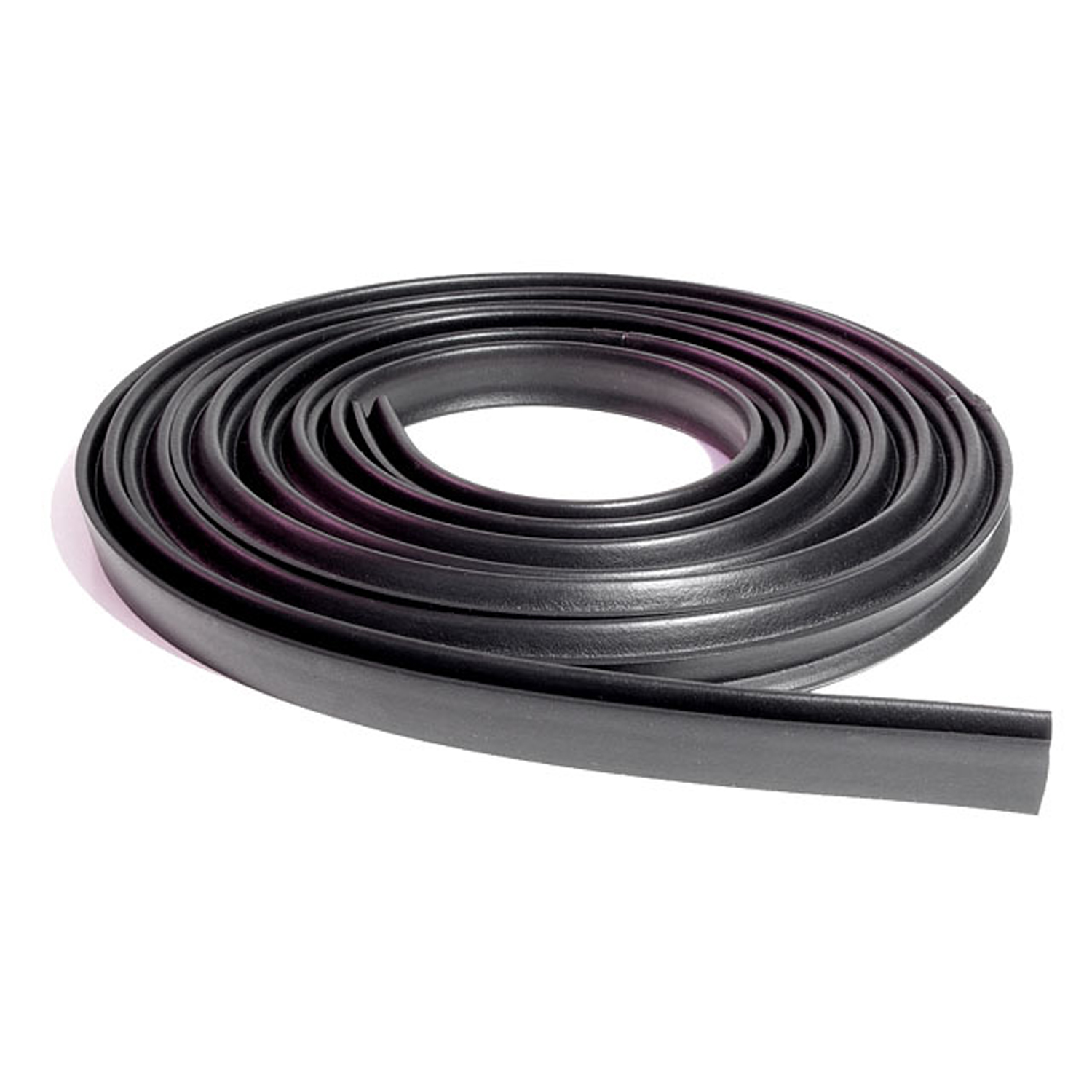 1968 Dodge Coronet Trunk Seal. Each-TK 2322Trunk Seal. Each
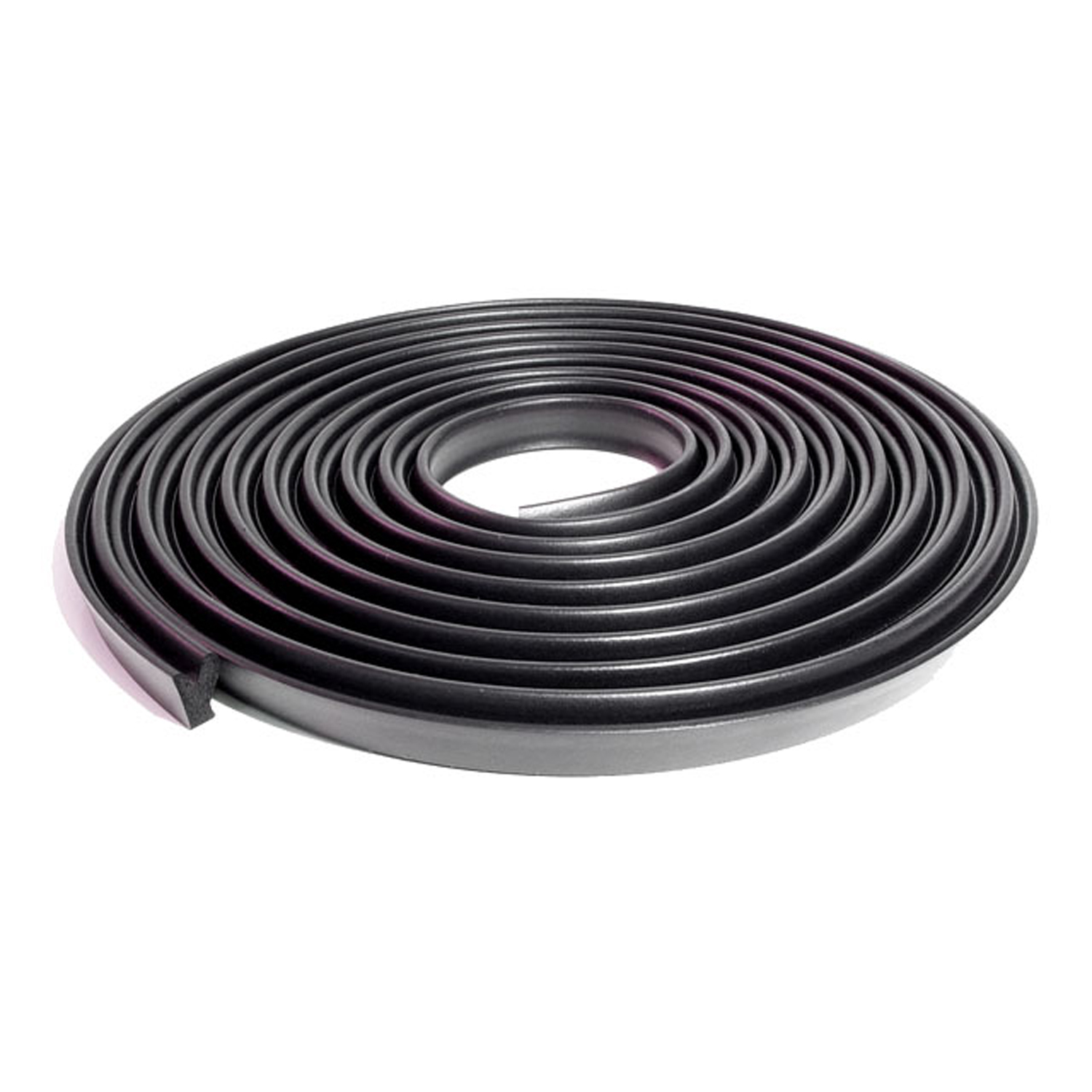 1968 Dodge Coronet Trunk Seal-TK 64-A/18Trunk Seal. For cars with flat (not D-shaped) trunk seal end profile. Each
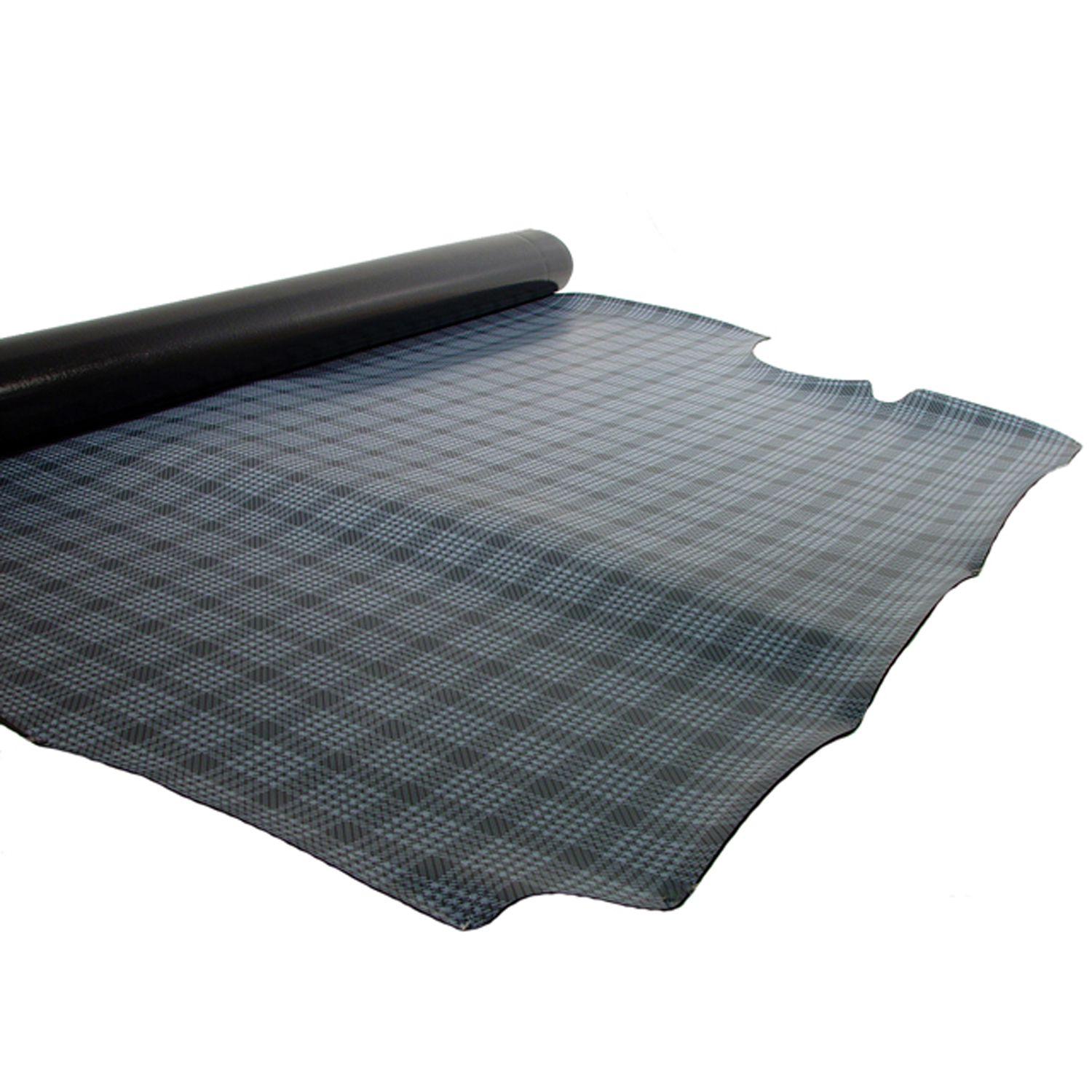 1968 Dodge Coronet Trunk Mat-TM 2700Trunk Mat. High quality reproduction, made specific for vehicle. Print on rubber. Each
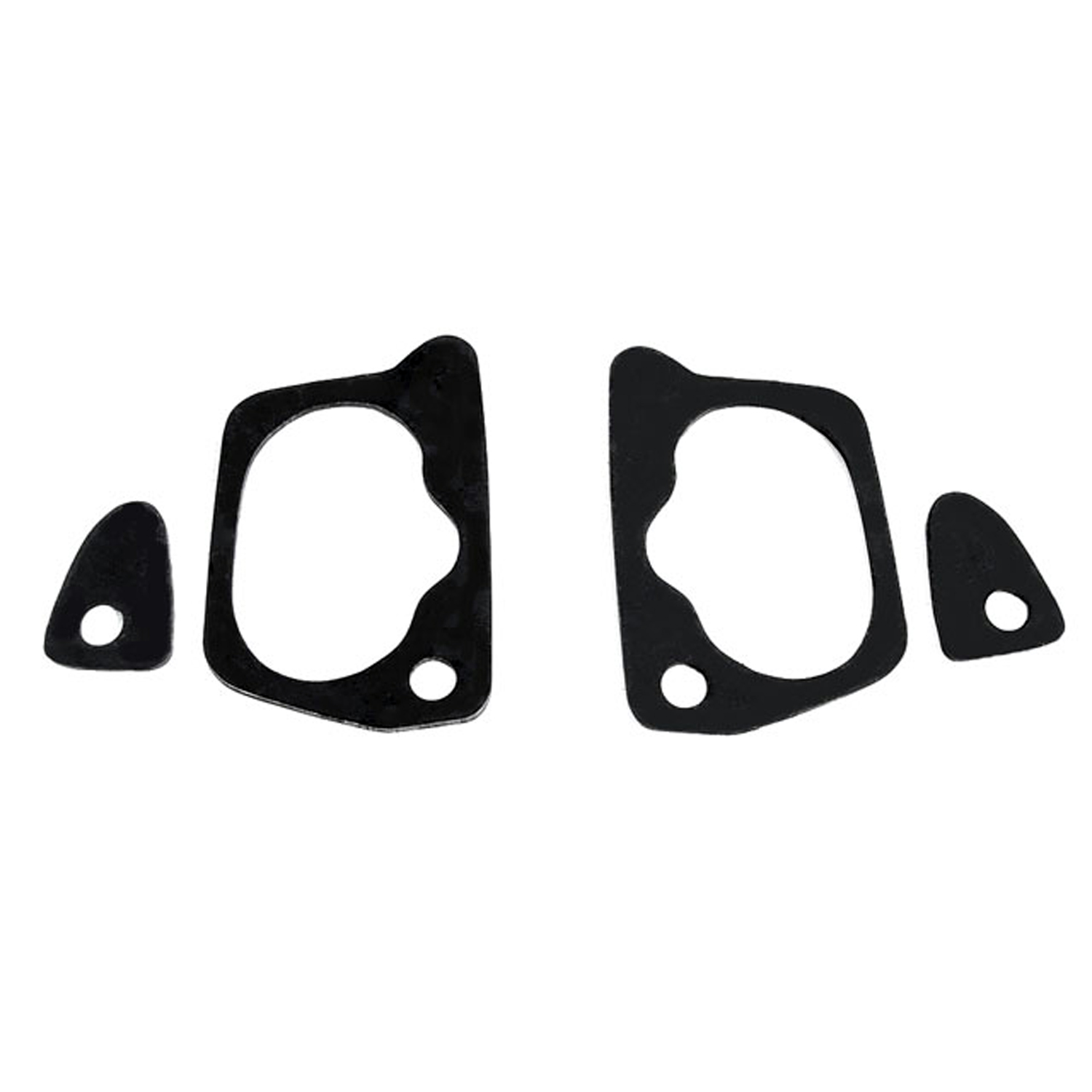 1968 Dodge Coronet Unbeaded Door Handle Mounting Pads. Set of 4-UM 2700-100Unbeaded Door Handle Mounting Pads. Set of 4
 1968 Dodge Coronet Nylon Lock Cylinder Gasket. 1-1/4" O.D., 7/8" I.D. Each-UM 2700-104Nylon Lock Cylinder Gasket. 1-1/4" O.D., 7/8" I.D. Each
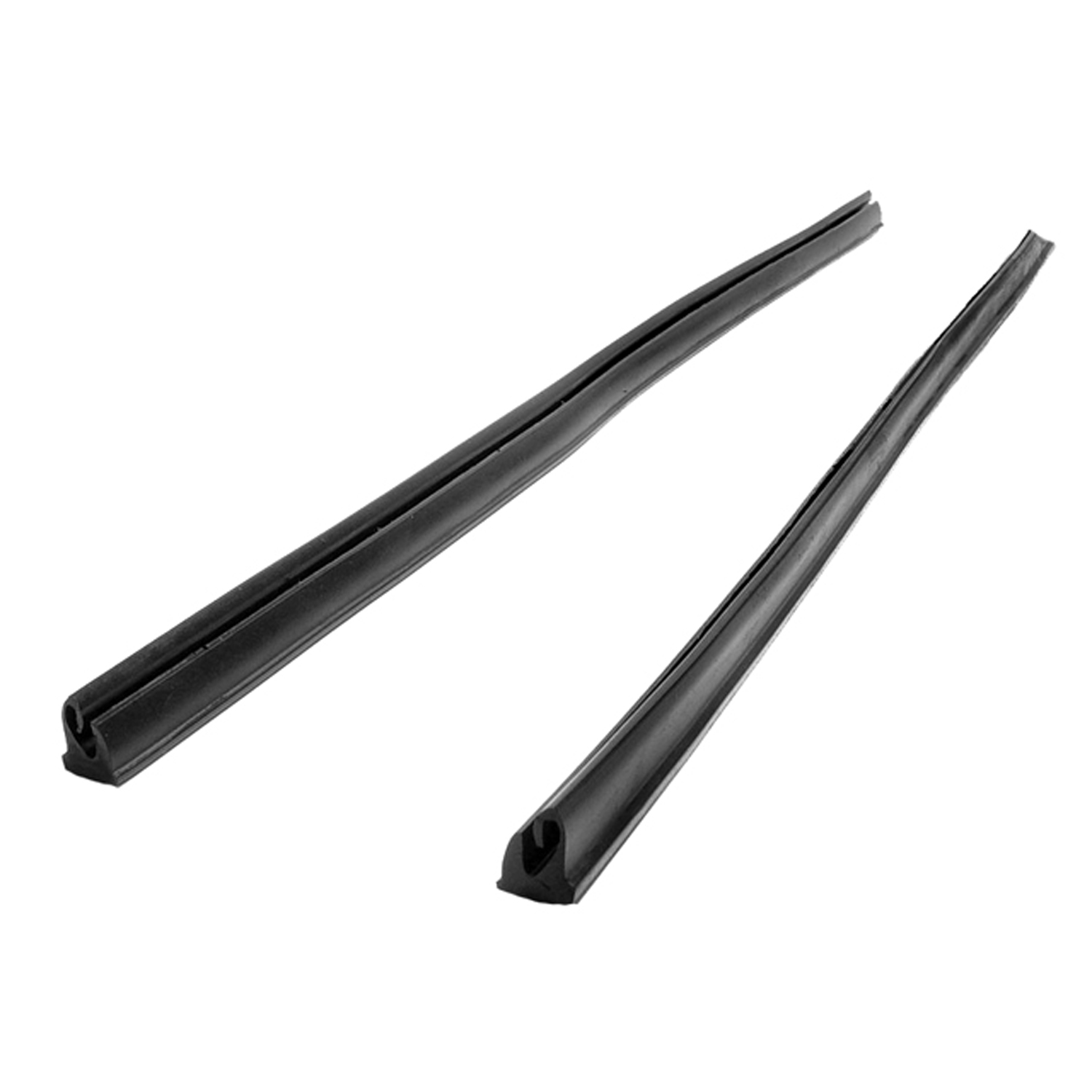 1968 Dodge Coronet Rear Roll-Up Quarter Window Seals, for 2-Door Hardtops-VS 7-ERear Roll-Up Quarter Window Seals, for 2-Door Hardtops. Replaces OEM #2811623/622. Pair
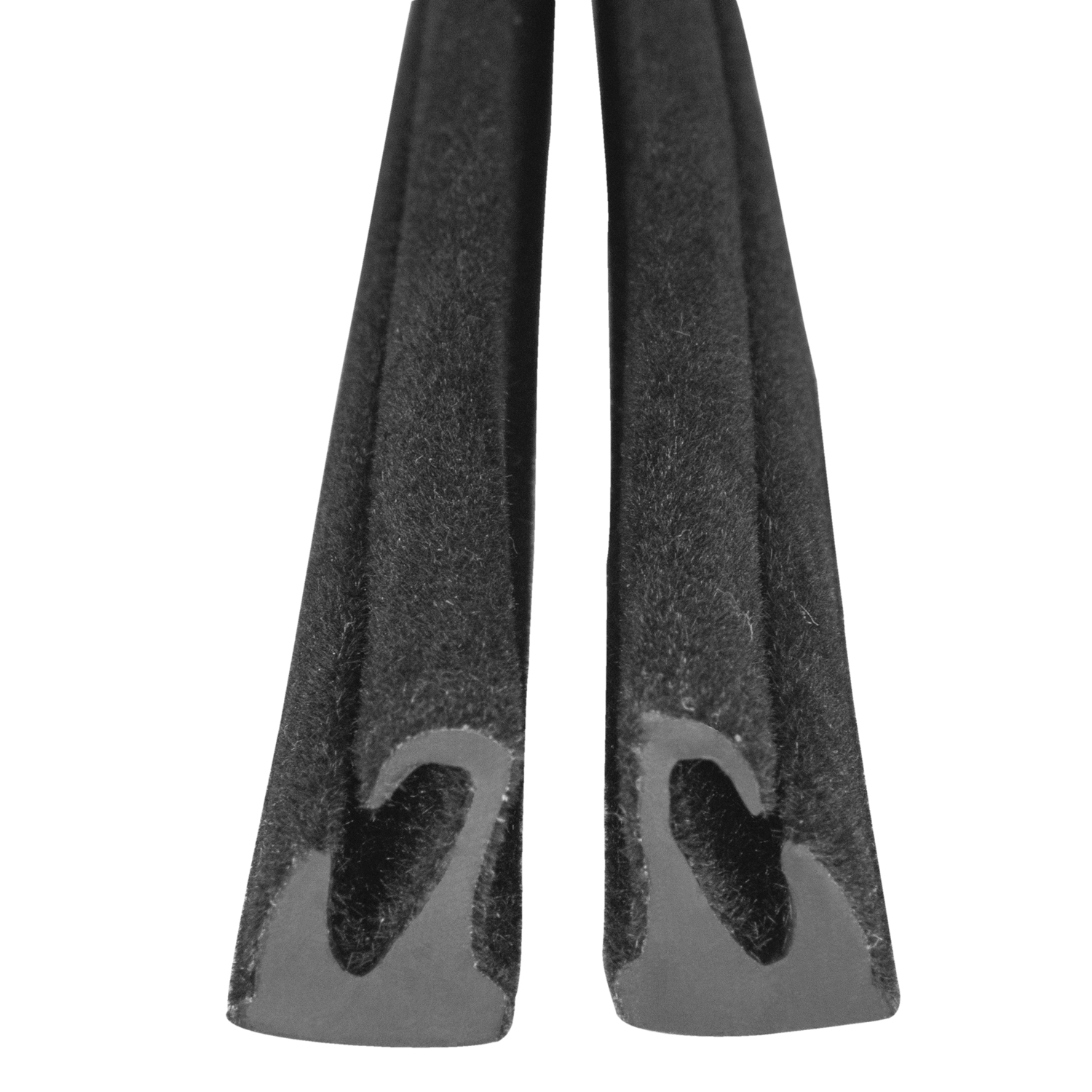 1968 Dodge Coronet Quarter window seals. Rear roll-up, flocked channels-VS 7-E/FLQuarter window seals. Rear roll-up, flocked channels. Fits '64-'66 Dart 270 GT hardtops, '64-'66 Barracuda, '68-'70 Charger and Coronet, '69-'70 Roadrunner and more. for 2-Door Hardtops. Pair. R&L.
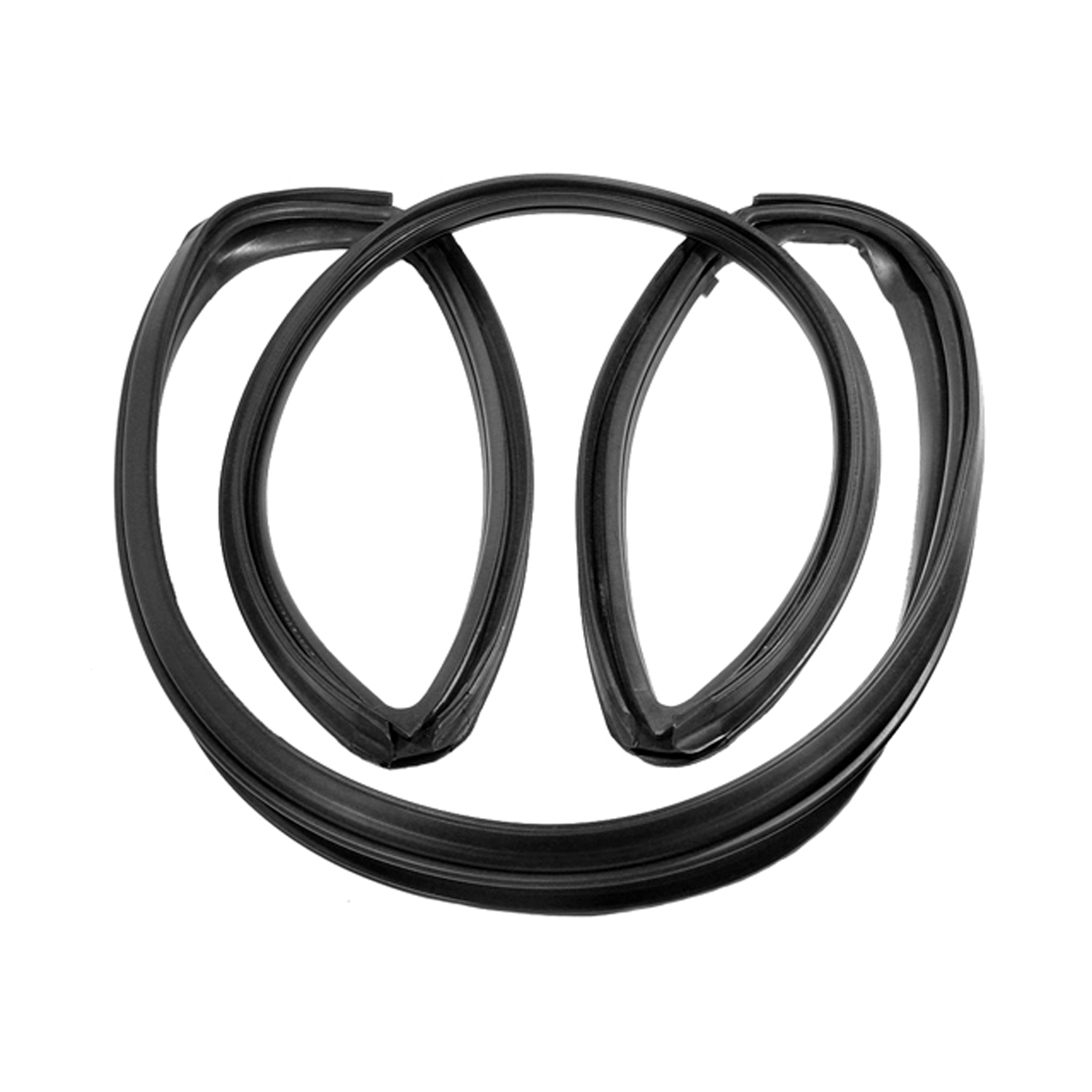 1968 Dodge Coronet Vulcanized Windshield Seal. Fits 2-door sedans and hardtops-VWS 2701Vulcanized Windshield Seal. Fits 2-door sedans and hardtops. Each
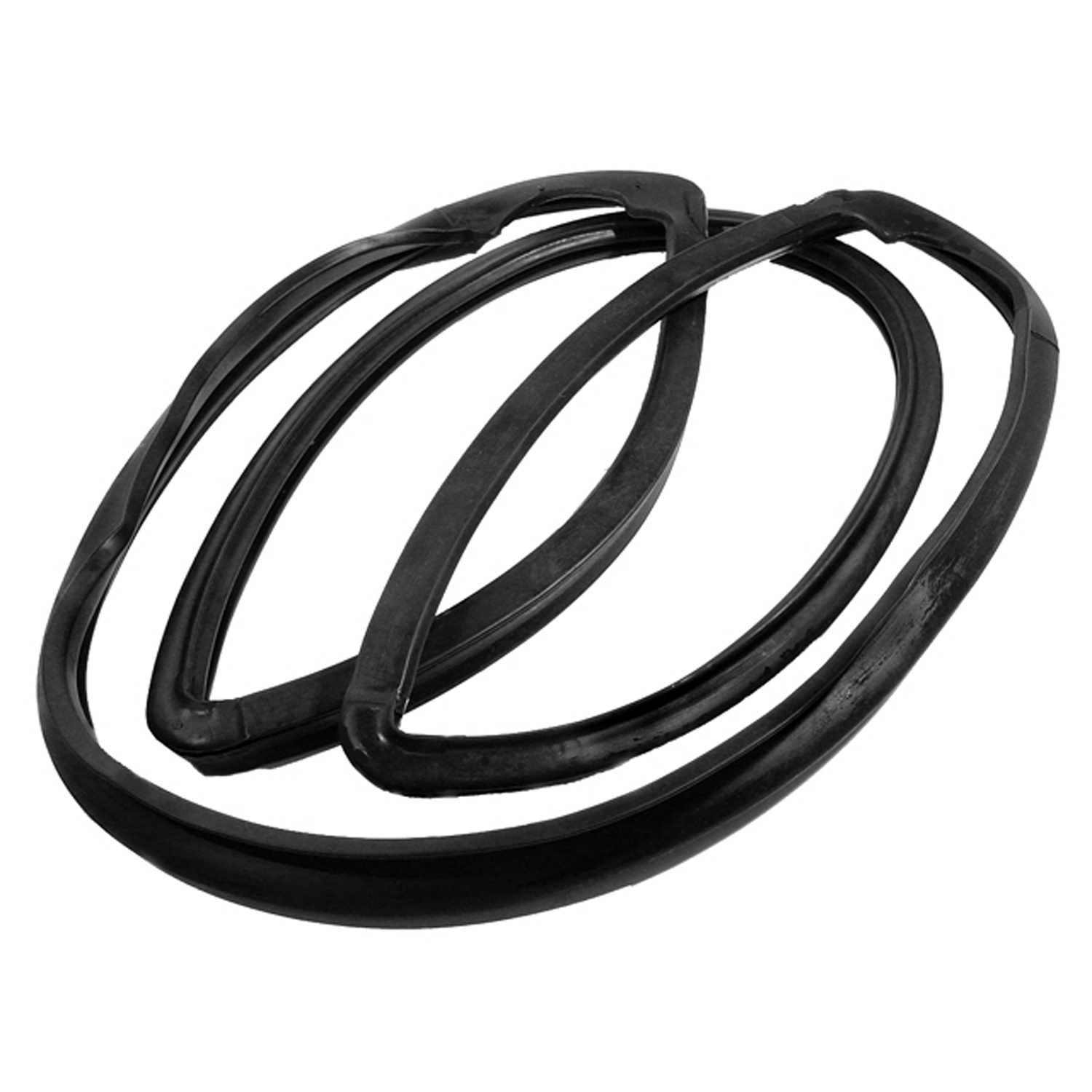 1968 Dodge Coronet Vulcanized Windshield Seal, for Convertibles. Each-VWS 2704Vulcanized Windshield Seal, for Convertibles. Each
 1968 Dodge Coronet Door Weather Strip to Inside Panel Clip-WF 7-DDoor Weather Strip to Inside Panel Clip. Made of white nylon, 3/8" long. Each
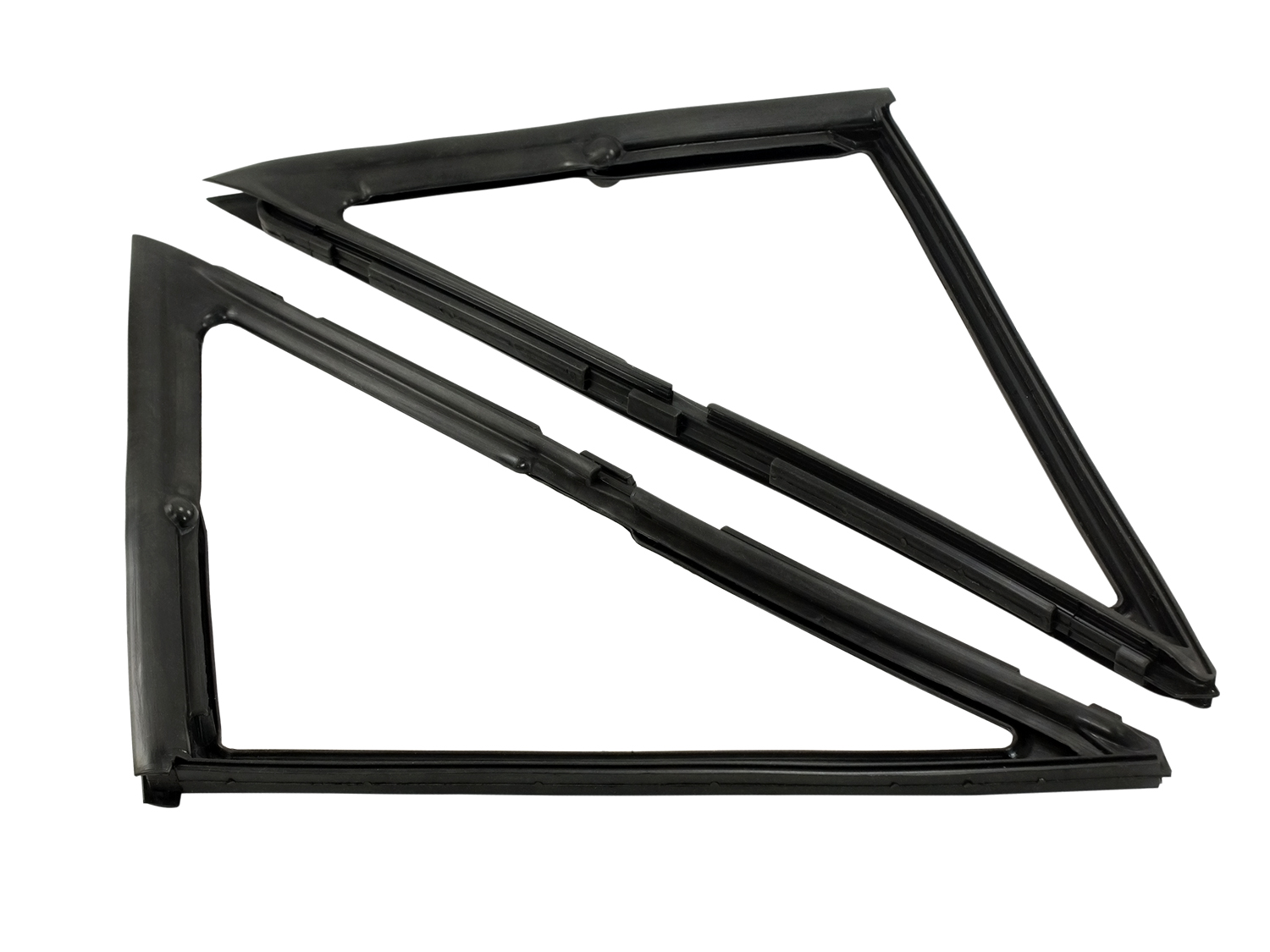 1968 Dodge Coronet REISSUE. Vent window seals-WR 2306REISSUE. Vent window seals. Completely re-designed and re-tooled 2013 molds for improved looks, fit and function. Fits '66-'67 Mopar B-body 2-door hardtop and '66-'70 B-body convertible. Replaces OEM#'s 2570786 & 2570787. Pair. R&L.
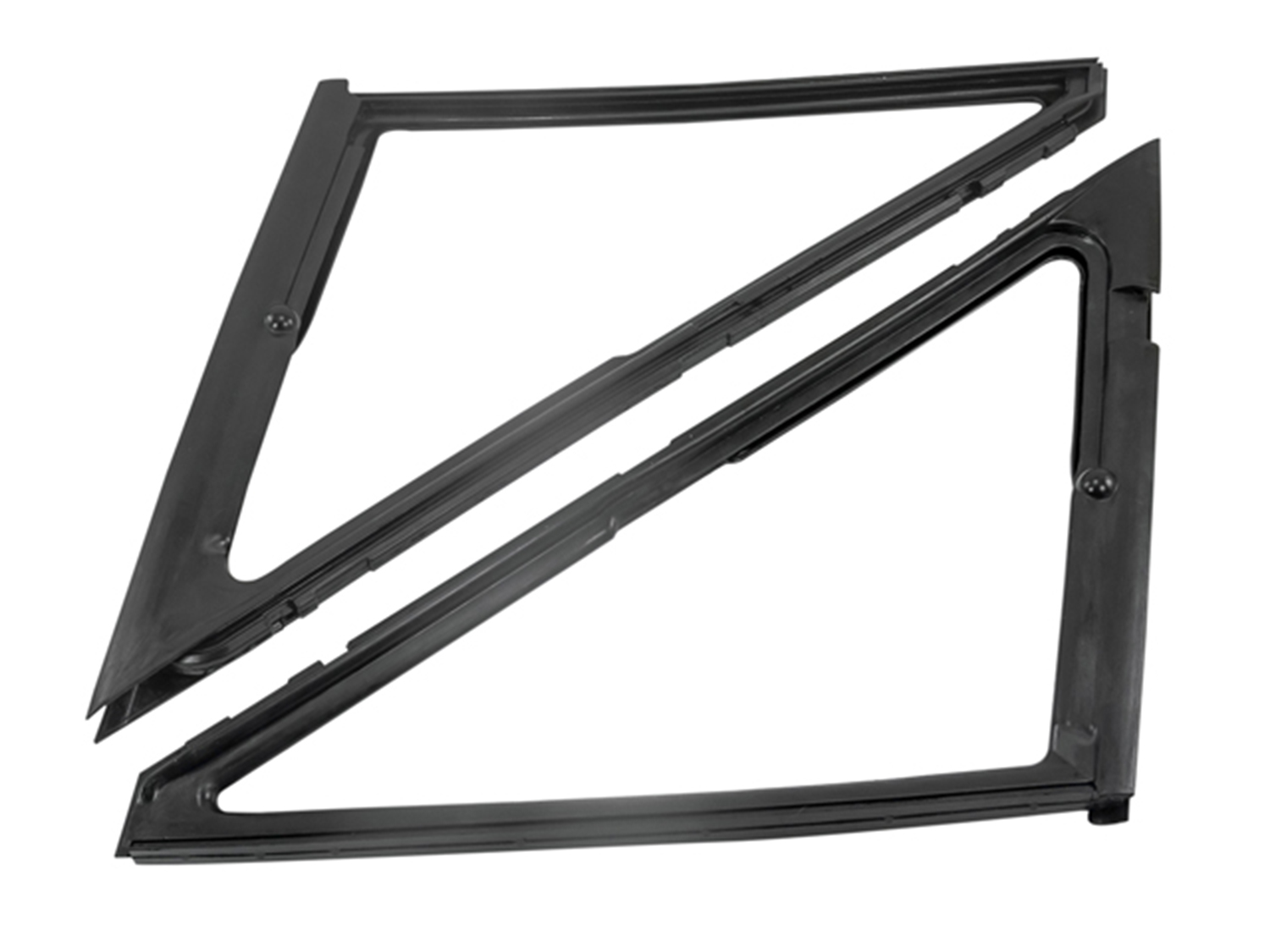 1968 Dodge Coronet Vent window seals-WR 2308Vent window seals. '68-'70 Dodge-Plymouth B-body 2-door hardtop and coupes with pillar-post and swing-out quarter-windows. Completely retooled for improved fit and function. Replaces OEM#'s 2811306/07. Pair. R&L.
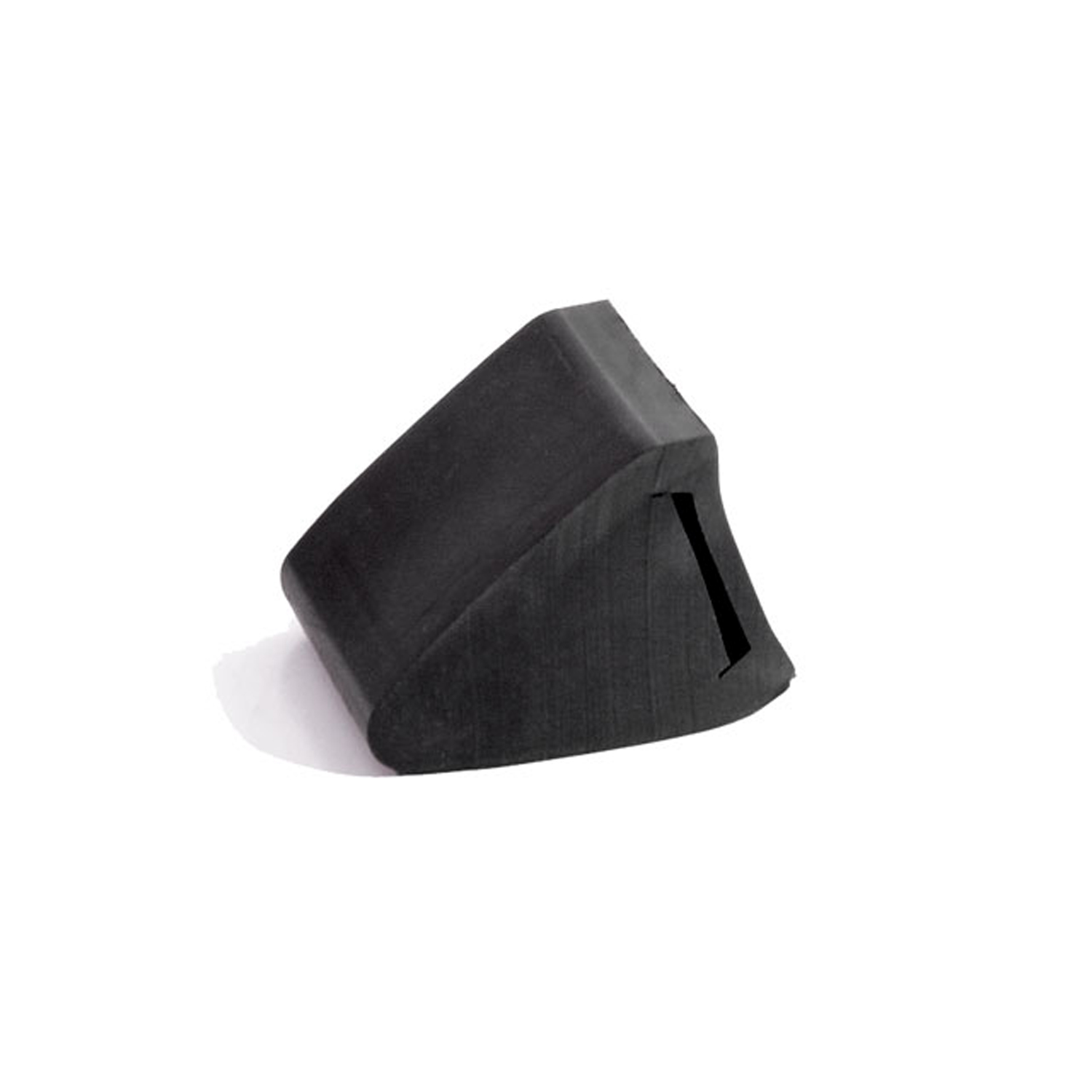 1968 Dodge Coronet Suspension bumper. '62-up Mopar A-, B- and C-body-XB 1Suspension bumper. '62-up Mopar A-, B- and C-body. Fits over the rear axle. Each.
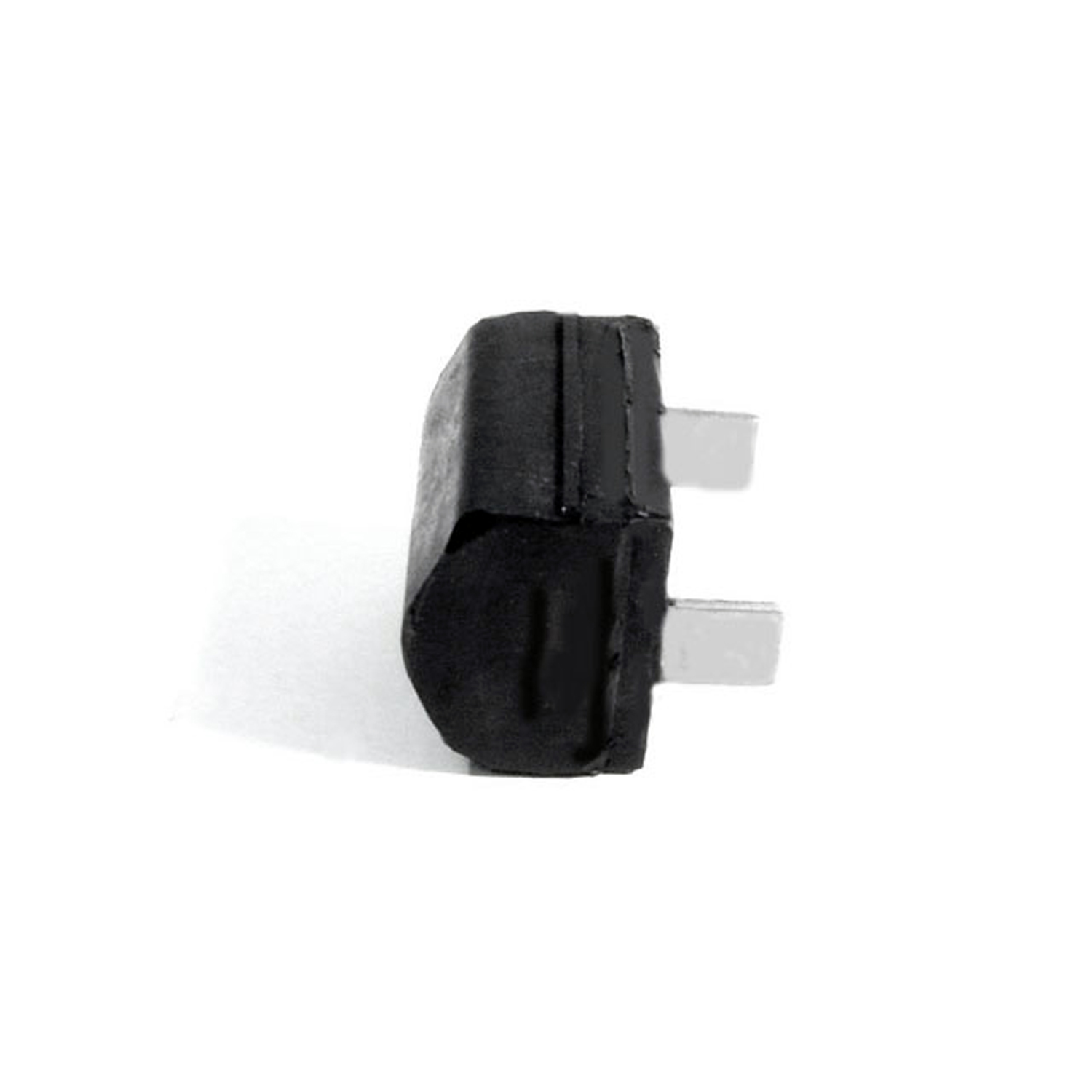 1968 Dodge Coronet Rear Axle Pinion Snubber. Each-XB 80Rear Axle Pinion Snubber. Each
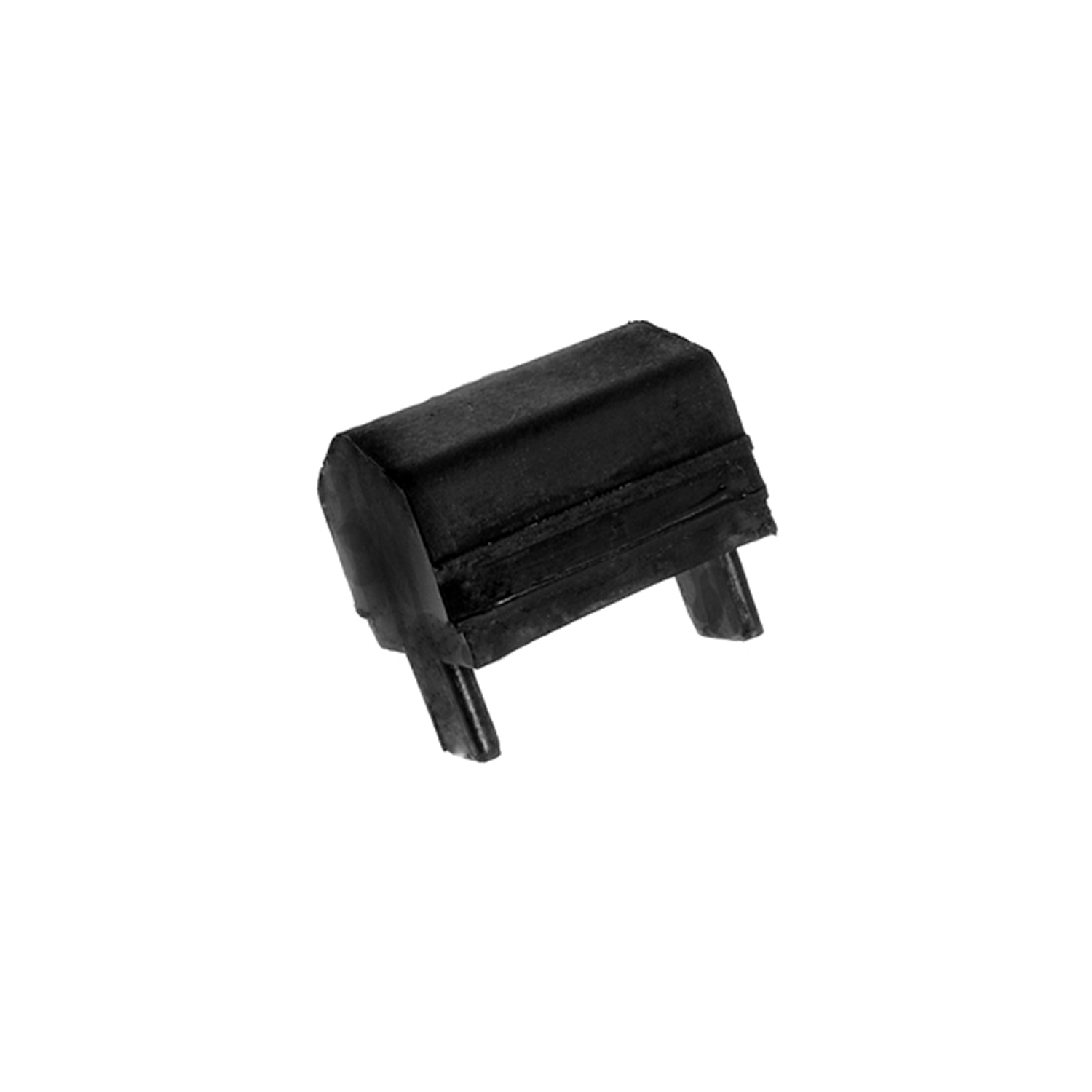 1968 Dodge Coronet Rear Axle Pinion Snubber. Each-XB 80-ARear Axle Pinion Snubber. Each
Why Choose Metro?
For over 100 years, Metro Moulded Parts has been the pinnacle of quality in classic car restoration parts. Our commitment to precision and authenticity in every component ensures a perfect fit and an OEM-level appearance.
- Expert Craftsmanship & Quality: Each part is a testament to our dedication to reliability and perfection, crafted from original designs and thoroughly tested.
- Advanced Technology: We use cutting-edge techniques to create flawless, long-lasting parts that surpass others in performance.
- SuperSoft Sponge – The Ultimate Door Seal: Not only are our door seals 30% softer than competitors', but they're also guaranteed to never leak. They effectively reduce wind and road noise, enhancing your classic car's comfort and driving experience.
- Proudly American: Our parts are a product of American craftsmanship, made in the USA with a spirit of excellence and heritage.
- Unrivaled Warranty: We back our products with a 30-year industry-leading warranty, a testament to our confidence in their quality.
Join us in preserving the legacy of classic cars with parts that are crafted for perfection, not just made.