

Image of 1968 Dodge P200, Note: These illustrations use artistic license and may differ from actual historical models.
Performance Metrics
Fundamental Metrics
Emotional Appeal
MMP Rating
| Specifications | Details | ||
|---|---|---|---|
| Engine Options | 225 Slant Six | ||
| Displacement Range | 3.7L | ||
| Horsepower Range | 145 hp (estimated) | ||
| Torque | 215 lb-ft (estimated) | ||
| Compression Ratio | 8.4:1 | ||
| Ignition System | Conventional, distributor | ||
| Cooling System | Liquid-cooled | ||
| Drive Type | Rear-wheel drive | ||
| Transmission Type | 3-speed manual | ||
| Fuel System Type | Carburetor | ||
| MPG | 10-12 mpg (estimated) | ||
| Brakes | Drum brakes | ||
| Wheelbase | 108 inches | ||
| Weight | 3500 lbs | ||
Note: Specifications for classic cars are given to the best of our ability, considering the limited and variant data available.
1968 Dodge P200: The Hardworking Delivery Truck
The 1968 Dodge P200 was built for a job, not a beauty contest, and that is exactly what makes it interesting today. A member of Dodge’s commercial P-series, it served as a sturdy platform for delivery and utility vehicles, often finished with a specialized body by a truck or van coachbuilder. Dodge supplied the working foundation; businesses could order a vehicle suited to hauling parcels, tools, or other cargo.
The P200 arrived during a period when American cities were expanding and businesses needed practical vehicles that could maneuver through busy streets while carrying substantial loads. Dodge was competing in a crowded commercial market alongside Ford, Chevrolet, and International. One intriguing detail is that a P200 may be remembered under its body builder or fleet identity rather than as a Dodge. The Dodge chassis was only part of the story, and the finished truck could look quite different depending on who completed it.
Work-Truck Styling and Construction
The P200’s appearance is all business: a tall, upright front, broad body panels, and a shape designed to make room for cargo rather than chase aerodynamic elegance. Depending on its final body, it could have a compact cab-forward profile or a larger delivery body with a boxy cargo compartment. The tall stance and wide, flat sides gave businesses plenty of room for lettering and company colors.
Inside, expect a functional cabin rather than a richly trimmed passenger-car interior. Vinyl upholstery, painted metal, rubber floor covering, and straightforward gauges were appropriate choices for a truck expected to see frequent use. Materials were selected for durability and easy cleaning, not luxury. Cab layouts and equipment varied with the chassis order and any subsequent body conversion, so surviving examples can differ noticeably from one another.
Technology was practical for the era. Depending on specification, buyers could choose a manual transmission or an automatic, while power steering and other convenience equipment could be available on some builds. The key innovation was less about electronics and more about purpose-built packaging: a commercial platform that could be adapted to the needs of a delivery company, tradesperson, or municipality.
Commercial Dodge trucks were commonly ordered in straightforward fleet colors such as white, red, blue, or green, though paint choices depended on the order and body builder. White was especially useful for fleets because it was easy to letter, repaint, and maintain. The P200 designation identifies the Dodge commercial chassis, not one single universal body style. Parcel and delivery bodies, panel-style configurations, and specialized conversions are among the forms associated with P-series trucks. The most memorable examples are often the tall, boxy delivery trucks, whose generous cargo space made the P200’s working purpose unmistakable.
Why the P200 Mattered
The P200 was not a landmark sports car or a vehicle that introduced a headline-grabbing technology. Its significance lies in the role it played in the commercial vehicle world. Dodge offered a platform that could be tailored for work, allowing businesses to buy a truck suited to their operation instead of adapting a passenger vehicle to a demanding job.
That flexibility also makes the P200 harder to define than a standard pickup. Chassis specifications, bodywork, equipment, and intended use could vary from one truck to the next. Compared with a conventional pickup, a delivery-bodied P200 could offer more enclosed cargo space and a more specialized layout. Its lasting influence is best seen in the continuing popularity of purpose-built delivery vans and step vans, where access, capacity, and durability matter more than styling trends.
Engine, Speed, and Road Manners
Engine and transmission combinations depended on the particular chassis and order. The 225-cubic-inch Slant Six is commonly associated with Dodge work vehicles of the period, while a 318-cubic-inch V8 was another familiar choice in the brand’s commercial lineup. Exact availability should be confirmed from the truck’s data plate, engine numbers, and original documentation rather than assumed from its P200 badge. Period horsepower figures were generally advertised using gross ratings, which are not directly comparable to modern net horsepower figures.
There is no single dependable factory 0-to-60-mph figure or top-speed rating that applies to every P200 configuration. Body style, gearing, engine, transmission, load, and condition all make a significant difference. As a broad real-world estimate, a working P200 might take roughly 18 to 25 seconds to reach 60 mph, if it can do so comfortably, and may have a practical top speed in the region of 65 to 80 mph. Those are estimates, not guaranteed factory specifications. A heavily loaded or tall-bodied truck is best treated as a vehicle for steady, moderate-speed travel rather than sustained highway cruising.
On the road, the P200 feels like a commercial truck. The steering is likely to be slower and heavier than in a modern van, and the ride can feel firm when the vehicle is empty. Add cargo and the suspension may settle into a more composed stride, though large bumps and uneven pavement still remind the driver of the truck’s work-focused design. A tall body can catch crosswinds, so extra attention is sensible on exposed highways. The engine’s sound depends on the option fitted, but expect a purposeful six-cylinder rumble or a deeper V8 note, accompanied by the mechanical feel of an older truck. The driver sits close to the controls and must plan braking, cornering, and lane changes with the vehicle’s size and weight in mind.
Living With a 1968 Dodge P200
Historically, the P200’s natural home was commercial service: deliveries, local hauling, trades work, and fleet duties. Today, surviving examples may be restored as period-correct work trucks, used as mobile workshops, or converted into food trucks and recreational vehicles. A clean, original example can also make an appealing display vehicle at truck shows, especially when its fleet lettering or specialized body has been preserved.
Mechanical maintenance is familiar territory for a capable classic-truck owner. The engines and driveline components are from a period when many repairs could be handled with ordinary tools, and basic service work is generally less dependent on electronic diagnostics than it is on newer vehicles. The challenge is often finding the right parts for the exact configuration. Brake components, steering and suspension parts, trim, glass, and body panels may require patience, specialist suppliers, or careful rebuilding. Coachbuilt bodies can add another layer of complexity, particularly if they use uncommon doors, hardware, or interior fittings.
Before buying one, inspect the frame and structural areas for corrosion, check the brakes and steering thoroughly, and look closely at the body mounts and any custom conversion work. A truck that has spent decades carrying heavy loads may have more wear than its odometer suggests. Also verify that the engine, transmission, and body match the vehicle’s documentation where possible. A P200 can be rewarding to own, but its size and age make a thorough pre-purchase inspection essential.
P200 Trivia and Common Complaints
The P200’s most distinctive trivia is that two trucks carrying the same Dodge designation can look dramatically different. The chassis could be paired with different commercial bodies, so the nameplate alone does not tell the whole story. This also means that identifying a truck accurately may require looking beyond the badge to its data plate, body-builder markings, and construction details.
There is no widely recognized speed, sales, or endurance record associated specifically with the 1968 P200. Its achievement was more ordinary and arguably more useful: years of service in delivery fleets and small businesses. No single celebrity owner or major historical event is firmly tied to the model as a whole. Individual trucks may have interesting local histories, but those stories are best supported with fleet records, photographs, or ownership documents.
Common criticisms are easy to understand. The truck can be slow by modern standards, noisy, thirsty, and tiring to drive over long distances. Visibility, steering effort, braking performance, and ride comfort vary with the configuration and condition. Some owners also find that locating body-specific parts takes more effort than sourcing routine engine components. On the positive side, the P200’s straightforward mechanical character and unmistakable working-truck look are a big part of its charm.
Collector Values and Rarity
Production numbers for the 1968 P200 are not readily available as a simple, model-specific total, and finished trucks could receive bodies from different manufacturers. As a cautious estimate rather than a documented figure, the 1968 P200 chassis may have numbered somewhere in the low thousands to around 10,000. The actual total could differ, and the number of intact, identifiable examples surviving today is almost certainly much smaller.
Values depend heavily on condition, body type, mechanical health, and whether the truck remains original or has been converted. As a broad 2026 collector-market estimate, a project or non-running example might sell for about $3,000 to $8,000. A usable driver could fall around $8,000 to $18,000, while a well-restored or especially attractive example may bring roughly $20,000 to $35,000 or more. A professional food-truck or recreational conversion can sell for more, but much of that price reflects the quality and usefulness of the conversion rather than the Dodge chassis alone.
The P200 is a niche collectible, so its market is thinner than the market for popular Dodge pickups. Values have generally benefited from interest in vintage delivery vehicles and mobile businesses, but condition and buyer demand matter more than a simple upward trend. Original, documented trucks and unusual coachbuilt bodies are likely to attract the most attention. A heavily modified example may be useful and appealing, but changes can narrow the pool of traditional collectors.
The 1968 Dodge P200’s Lasting Appeal
The 1968 Dodge P200 is a reminder that automotive history is not made only by famous performance cars and luxury models. It was a practical commercial platform, adaptable to a wide range of working roles, with rugged mechanical character and styling shaped by its job. Its variable bodywork, honest cabin, and no-nonsense road manners make each surviving truck a little different.
For collectors, the P200 offers something beyond a familiar showroom classic: a chance to preserve a piece of everyday American business history. It may not be fast or polished, but a well-kept example still looks ready to go to work, and that enduring purpose is precisely what gives this Dodge its character.
1968 Dodge P200 Catalog of Parts
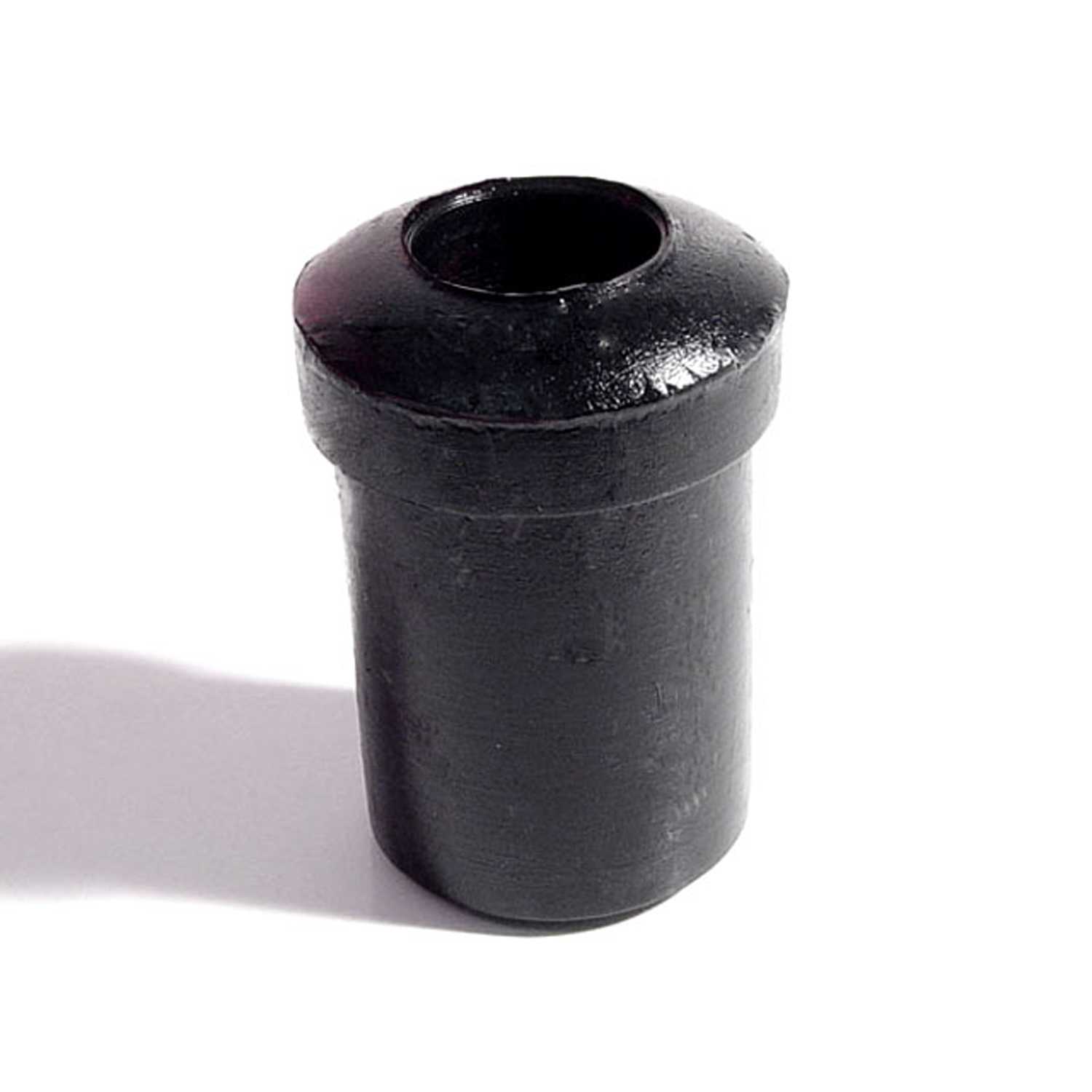 1968 Dodge P200 Spring and Shackle Bushing. 1" bottom O.D-BN 20Spring and Shackle Bushing. 1" bottom O.D. X 1-5/8" high, with 9/16" I.D. Each
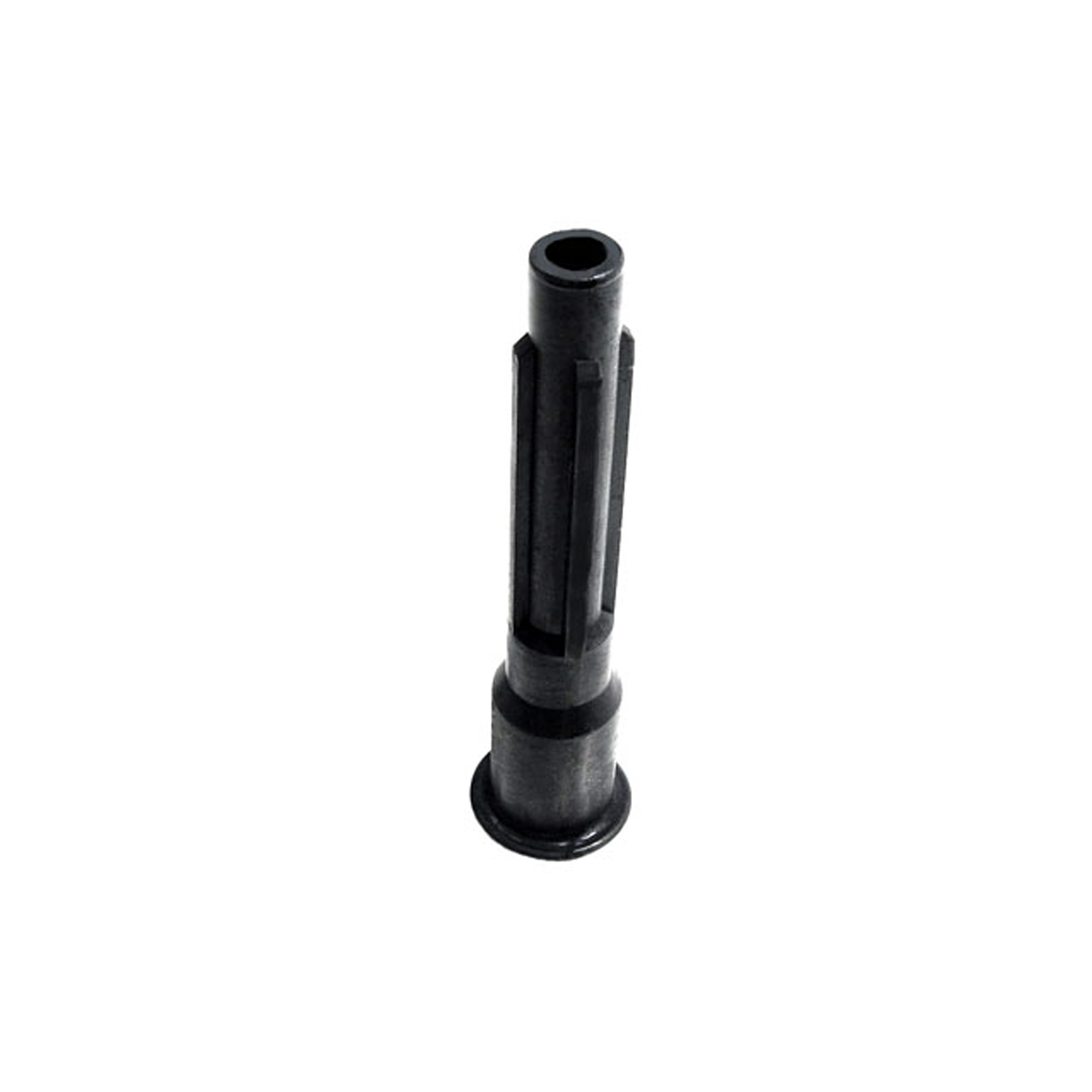 1968 Dodge P200 Flexible Spark Plug Boot, used on Hemi's with power brakes-RP 1-MFlexible Spark Plug Boot, used on Hemi's with power brakes. 4" long, 5/16" upper i.d., 5/8" lower i.d. Each
Why Choose Metro?
For over 100 years, Metro Moulded Parts has been the pinnacle of quality in classic car restoration parts. Our commitment to precision and authenticity in every component ensures a perfect fit and an OEM-level appearance.
- Expert Craftsmanship & Quality: Each part is a testament to our dedication to reliability and perfection, crafted from original designs and thoroughly tested.
- Advanced Technology: We use cutting-edge techniques to create flawless, long-lasting parts that surpass others in performance.
- SuperSoft Sponge – The Ultimate Door Seal: Not only are our door seals 30% softer than competitors', but they're also guaranteed to never leak. They effectively reduce wind and road noise, enhancing your classic car's comfort and driving experience.
- Proudly American: Our parts are a product of American craftsmanship, made in the USA with a spirit of excellence and heritage.
- Unrivaled Warranty: We back our products with a 30-year industry-leading warranty, a testament to our confidence in their quality.
Join us in preserving the legacy of classic cars with parts that are crafted for perfection, not just made.