

Image of 1968 Dodge W100 Pickup, Note: These illustrations use artistic license and may differ from actual historical models.
Performance Metrics
Fundamental Metrics
Emotional Appeal
MMP Rating
| Engine Specifications | |
|---|---|
| Engine: | 318 cu in (5.2 L) LA V8, 383 cu in (6.3 L) B V8 |
| Displacement: | 318-383 cu in |
| Horsepower: | 200-335 hp |
| Torque: | 230-425 lb-ft |
| Compression Ratio: | 8.5:1 - 10.0:1 |
| Ignition System: | Conventional breaker-point ignition system |
| Cooling System: | Liquid-cooled |
| Performance Specifications | |
| 0-60 Time: | Estimated 10-12 seconds |
| 1/4 Mile Time: | Estimated 17-19 seconds |
| Top Speed: | 100-120 mph |
| Transmission and Drive | |
| Drive Type: | Rear-wheel drive (4WD optional) |
| Transmission Type: | 3-speed manual, 4-speed manual, 3-speed automatic |
| Fuel and Efficiency | |
| Fuel System Type: | Carburetor |
| MPG: | Estimated 10-12 mpg |
| Dimensions and Brakes | |
| Brakes: | Front disc and rear drum brakes |
| Wheelbase: | 131 inches |
| Weight: | 4,500 lbs |
Note: Specifications for classic cars are given to the best of our ability, considering the limited and variant data available.
1968 Dodge W100: A Half-Ton Pickup With Four-Wheel-Drive Grit
The 1968 Dodge W100 Pickup was built for drivers who needed a working truck to go beyond the pavement. A compact, straightforward 4x4 from Chrysler’s Dodge division, it combined the familiar shape of a late-1960s American pickup with the extra traction of four-wheel drive. It was no luxury cruiser or purpose-built trail rig by modern standards, but its honest engineering helped make it a practical choice for farms, job sites, and rough country roads.
The W100 belonged to Dodge’s D-Series pickup family, redesigned for the 1961 model year. In Dodge’s naming system, “W” identified a four-wheel-drive truck, while “100” denoted the half-ton class. That distinction matters: the W100 was a light-duty 4x4 pickup, not one of the larger, heavy-duty Power Wagon models, even though the two shared Dodge’s reputation for rugged work.
One appealing detail is how much the W100’s appeal rests on function rather than rarity or celebrity. It offered genuine four-wheel-drive capability in a regular pickup package, at a time when 4x4 trucks were still primarily tools rather than lifestyle accessories.
Sweptline Styling and Work-Ready Design
The W100 wore the clean, squared-off look that defined many American pickups of the period. Its broad hood, upright windshield, flat sides, and simple front end gave it a sturdy, purposeful stance. The styling was handsome without being delicate: exposed metal and crisp lines made the truck look ready for work, while its proportions still have the unmistakable charm of a 1960s Dodge.
Buyers could choose between the smooth-sided Sweptline pickup bed and the step-side Utiline bed. The Sweptline’s wider, more integrated appearance is often the best-known look today, while the Utiline’s separate fenders and running-board-style steps have a more traditional truck character. Cab and wheelbase configurations varied, and Dodge also offered chassis-cab versions for buyers who planned to fit a specialized body or equipment.
Inside, the W100 was practical rather than plush. The cab typically featured painted metal surfaces, durable vinyl upholstery, straightforward gauges, and simple controls. Depending on equipment and trim, details could be upgraded, but this was still a truck designed to be cleaned out and put back to work. An Adventurer trim package, where equipped, added a more finished appearance and comfort touches compared with a basic work-truck specification.
Factory paint choices varied by year and equipment, with period colors that included whites, reds, blues, greens, and other solid shades. White and red are especially familiar on surviving work trucks, while brighter or two-tone combinations can give a restored example extra visual presence. Original paint codes and color combinations should be checked against the truck’s identification information, as colors and availability depended on the specific production details.
Four-Wheel Drive Before It Became a Lifestyle
The W100’s defining feature was its four-wheel-drive layout. It used a transfer case to send power to the front axle when needed, giving the driver a way to improve traction on loose ground, snow, mud, or steep work sites. Depending on equipment, trucks could have manual transmission and transfer-case controls, with other transmission and convenience options available across the Dodge truck range.
Its engineering was conventional and serviceable: a separate frame, rugged axles, and a suspension built to carry loads and withstand hard use. The W100 did not introduce a radical new technology, but it helped establish the formula that made four-wheel-drive pickups increasingly useful to everyday buyers. Dodge offered 4x4 capability in a familiar half-ton package, rather than limiting it to specialized heavy-duty trucks.
That practicality is part of the model’s lasting significance. The W100 belongs to the early mainstreaming of the 4x4 pickup, when manufacturers were expanding four-wheel drive beyond military, forestry, and commercial roles. It helped lay the groundwork for the modern pickup that can serve as a work vehicle during the week and a recreational vehicle on the weekend.
Engines, Speed, and Road Manners
Engine availability depended on configuration and market. The Dodge truck range offered six-cylinder and V8 choices, including the durable 225-cubic-inch Slant Six and the 318-cubic-inch V8 in applicable versions. Exact equipment should be verified on an individual truck, since a surviving W100 may have been modified or fitted with a replacement engine over the past six decades.
Period performance figures for an individual W100 are difficult to pin down because engine, gearing, transmission, tires, load, and four-wheel-drive setup all made a difference. As a broad estimate, a healthy V8 truck might reach 60 mph in roughly 15 to 20 seconds and have a top speed in the neighborhood of 80 to 90 mph. A six-cylinder example, or one geared for low-speed work, would generally be slower. These are practical estimates, not guaranteed factory test figures.
On the road, the W100 feels like a vintage truck, not a modern SUV. Its solid-axle 4x4 hardware, truck tires, and work-focused suspension can make it bounce over sharp bumps and wander more than a contemporary vehicle. On a winding road, it rewards a measured pace and deliberate steering. Engage four-wheel drive on suitable low-traction surfaces, and the truck feels much more at home, though it still benefits from sensible tire choice and careful driving.
The engine experience is part of the fun. A Slant Six gives the truck a steady, workmanlike note, while a V8 adds a deeper rumble and more relaxed power delivery. The cabin is relatively noisy by modern standards, and the steering and brakes require more driver attention than those of a new pickup. In return, the controls feel direct and mechanical, putting the driver close to the truck’s workings.
Owning and Maintaining a W100
Today, a 1968 W100 can be a weekend driver, a restored show truck, a farm vehicle, or a capable vintage 4x4 for gentle trail use. Most owners value it for its character and utility rather than speed. A clean, original truck can draw attention at a show, while a mechanically sound but less polished example can still be enjoyed on back roads and at local events.
Maintenance is generally approachable for an owner comfortable with older vehicles. The mechanical layout is straightforward, and many routine jobs can be handled with ordinary workshop tools. The bigger challenge is often finding the correct parts for the four-wheel-drive system, body trim, and model-specific details. General service parts may be easier to source than rare original components, so inspect the truck carefully before assuming a restoration will be simple.
Rust deserves close attention. Check the cab floors, lower cab corners, rocker areas, bed, frame, and body mounts. Also inspect the transfer case, front axle, steering components, and any evidence of poorly executed drivetrain swaps. A running engine does not guarantee a healthy 4x4 system, so test the truck’s four-wheel drive properly on an appropriate surface or have a specialist inspect it.
W100 Trivia and Common Complaints
The W100’s letter is a useful piece of Dodge history: “W” marked the four-wheel-drive version of the D-Series, making the badge a quick clue to the truck’s drivetrain. It is also easy to mistake the W100 for a Power Wagon, but the W100 was the light-duty pickup in the lineup, while the Power Wagon name was associated with heavier-duty Dodge trucks.
There is no widely recognized W100 speed record or major celebrity story that defines the 1968 model. Its place in automotive history is quieter: it represents the growing availability of four-wheel drive in a conventional pickup. Common criticisms are equally straightforward. Owners may point to the truck’s slow acceleration, noisy cabin, firm or bouncy ride, dated brakes, and tendency to rust. Those shortcomings are part of its age and mission, not evidence that it was poorly suited to its original work.
1968 Dodge W100 Values and Rarity
Exact 1968 W100 production totals are not readily available in a reliable, model-specific public breakdown. Dodge produced its trucks in far greater numbers than rare specialty vehicles, but W100s were only one part of a broader D-Series range. A reasonable estimate is that production was in the thousands, potentially reaching the low tens of thousands across configurations, but that should be treated as an informed guess rather than a documented total.
Market value depends heavily on rust, originality, mechanical condition, body style, and the quality of any restoration. As a broad current guide, a project truck may sell for around $3,000 to $8,000. A usable driver might fall in the $8,000 to $15,000 range, while a tidy, well-restored example can bring roughly $15,000 to $30,000 or more. Exceptional restorations and especially appealing configurations can exceed that range, while serious structural rust can pull a truck well below it.
Values have generally benefited from renewed interest in classic 4x4s, though W100 prices tend to be more condition-sensitive than those of famous muscle cars or highly collectible Power Wagons. Clean examples are becoming harder to find, but restoration costs can quickly outrun the value of an average truck. Buyers should prioritize sound structure, a functioning four-wheel-drive system, and documented work over shiny paint alone.
Why the 1968 Dodge W100 Still Matters
The 1968 Dodge W100 is a durable, plainspoken pickup with a genuine place in the evolution of the four-wheel-drive truck. Its square styling, practical cab, available six-cylinder or V8 power, and useful 4x4 hardware make it an appealing alternative to more common classic pickups. It asks for patience on the highway and careful inspection before purchase, but rewards its owner with mechanical character and real vintage-truck presence.
More than a collectible shape, the W100 is a reminder of when four-wheel drive was still a working advantage first. That honest purpose is exactly what gives this Dodge its enduring appeal.
1968 Dodge W100 Pickup Catalog of Parts
 1968 Dodge W100 Pickup Door seal, 61-71 Dodge D/W-Series (100/200/300) 2 and 4 door trucks.-LM 122Door seal, '61-'71 Dodge D-Series/W-Series (100/200/300) 2 and 4 door truck models, fits front left or right side, each. Replaces OEM part # 3729424.
 1968 Dodge W100 Pickup Door Side and Trunk Seal. Sponge Rubber. Sold by the foot-LP 40-BDoor Side and Trunk Seal. Sponge Rubber. Sold by the foot
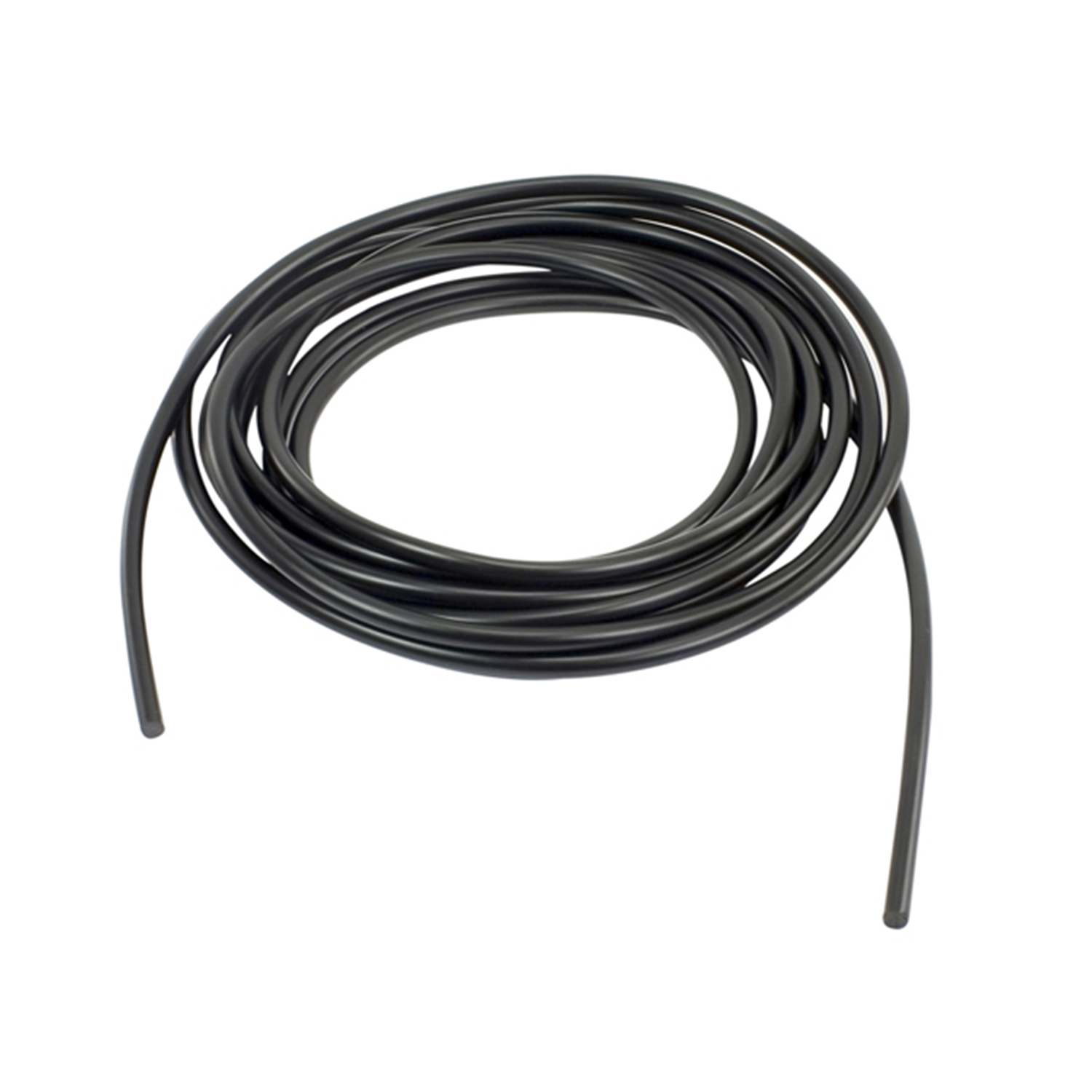 1968 Dodge W100 Pickup Windshield and rear glass lock-strip. Fits Many '57-'93 Mopars. Each.-LS 2-AWindshield and rear glass lock-strip. Fits Many '57-'93 Mopars. Each.
 1968 Dodge W100 Pickup Lockstrip Seal, 54-93 Mopar Full Size Truck, Van & SUV, Chromed Plastic Type-LS 2-VLockstrip Seal, 54-93 Mopar Full Size Truck, Van & SUV, Chromed Plastic Type, Each. Works with Metro p/n VWS 2706.
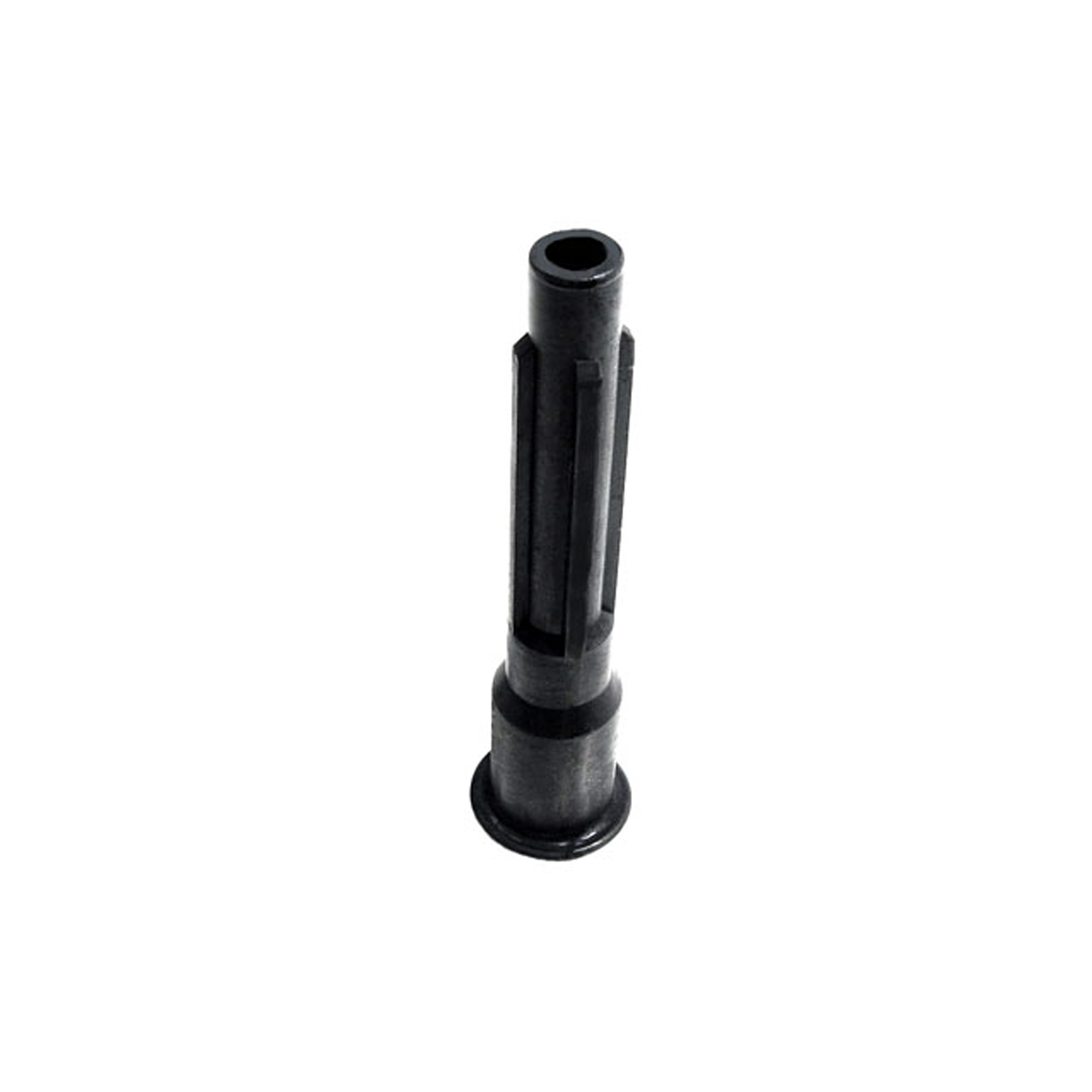 1968 Dodge W100 Pickup Flexible Spark Plug Boot, used on Hemi's with power brakes-RP 1-MFlexible Spark Plug Boot, used on Hemi's with power brakes. 4" long, 5/16" upper i.d., 5/8" lower i.d. Each
 1968 Dodge W100 Pickup Windshield Seal, 6171 Dodge Full Size Truck, With Trim Grove For Lockstrip-VWS 2720This windshield seal goes first on the body then the glass is placed in the opening. A separate lockstrip (not included) inserts into the rubber and secures the glass in place. This product is made from the original specs and with high quality ozone resistant materials for a great fit and long life. This item is designed to be installed during glass replacement.
Why Choose Metro?
For over 100 years, Metro Moulded Parts has been the pinnacle of quality in classic car restoration parts. Our commitment to precision and authenticity in every component ensures a perfect fit and an OEM-level appearance.
- Expert Craftsmanship & Quality: Each part is a testament to our dedication to reliability and perfection, crafted from original designs and thoroughly tested.
- Advanced Technology: We use cutting-edge techniques to create flawless, long-lasting parts that surpass others in performance.
- SuperSoft Sponge – The Ultimate Door Seal: Not only are our door seals 30% softer than competitors', but they're also guaranteed to never leak. They effectively reduce wind and road noise, enhancing your classic car's comfort and driving experience.
- Proudly American: Our parts are a product of American craftsmanship, made in the USA with a spirit of excellence and heritage.
- Unrivaled Warranty: We back our products with a 30-year industry-leading warranty, a testament to our confidence in their quality.
Join us in preserving the legacy of classic cars with parts that are crafted for perfection, not just made.