

Image of 1969 Dodge A100 Truck, Note: These illustrations use artistic license and may differ from actual historical models.
Performance Metrics
Fundamental Metrics
Emotional Appeal
MMP Rating
| Engine Specifications | |
|---|---|
| Engine Options: | 225 Slant Six, 318 V8 |
| Displacement Range: | 225-318 cu in |
| Horsepower Range: | 145-230 hp (estimated) |
| Torque: | 215-340 lb-ft (estimated) |
| Compression Ratio: | 8.4:1 (225 Slant Six), 9.2:1 (318 V8) |
| Ignition System: | Conventional breaker-point ignition system |
| Cooling System: | Liquid-cooled |
| Performance Specifications | |
| 0-60 Time: | 10-12 seconds (estimated) |
| 1/4 Mile Time: | 17-19 seconds (estimated) |
| Top Speed: | 100-110 mph (estimated) |
| Transmission and Drive | |
| Drive Type: | Rear-wheel drive |
| Transmission Type: | 3-speed manual, 3-speed automatic |
| Fuel and Efficiency | |
| Fuel System Type: | Carburetor |
| MPG: | 10-15 mpg (estimated) |
| Dimensions and Brakes | |
| Brakes: | Drum brakes (front and rear) |
| Wheelbase: | 90 in |
| Weight: | 3000-3500 lbs (estimated) |
Note: Specifications for classic cars are given to the best of our ability, considering the limited and variant data available.
1969 Dodge A100 Truck: A Cab-Forward Classic
The 1969 Dodge A100 puts its driver almost directly over the front wheels, with the engine tucked beneath the cab and a short, upright nose that looks unlike a conventional pickup. Built by Chrysler’s Dodge division, the A100 belonged to a generation of compact trucks and vans designed to deliver useful cargo capacity without the length and bulk of a full-size vehicle.
Dodge introduced the A100 for the 1964 model year. Its forward-control layout made it maneuverable in city traffic and practical for tradespeople, delivery fleets, and small businesses. The pickup version was less common than the A100 van, which makes surviving trucks especially appealing to collectors today.
One of the A100’s most memorable appearances came not from a factory option sheet, but from the drag strip. Bill “Maverick” Golden’s famous “Little Red Wagon,” an A100-based wheelstander, lifted its front wheels high in the air during exhibition runs and became one of drag racing’s best-known show vehicles. It was a spectacular demonstration of the platform’s unusual layout, though it was a heavily modified competition truck rather than a stock pickup.
Cab-Forward Design and Practical Details
The A100’s styling is direct and unmistakable: a flat front panel, broad windshield, nearly vertical sides, and a cab positioned above the front axle. With no long hood stretching ahead of the driver, the truck feels compact from the outside and offers a commanding view of the road. The short wheelbase helps it fit into tight spaces, while the pickup bed provides useful room for tools, supplies, or weekend projects.
Access to the engine is a defining part of ownership. The cab tilts forward to expose the engine and related components, a clever packaging solution that gives mechanics access without a conventional hood. The arrangement also has trade-offs: the engine sits close to the occupants, so heat and mechanical noise are more noticeable than in a traditional, front-engine pickup.
Inside, the A100 is durable and workmanlike rather than luxurious. Expect painted metal, simple switches and gauges, vinyl upholstery, and a rubber floor covering on many examples. Depending on how a truck was ordered, it could have a bench seat or individual seating, along with practical extras such as a heater, radio, or upgraded trim. These were working vehicles, so condition and completeness matter more than plush materials.
Factory paint choices varied by model year and equipment. Period Dodge trucks appeared in straightforward fleet colors as well as brighter reds, blues, greens, yellows, and turquoise shades. White and other light colors were common practical choices, while vivid colors tend to make restored A100s stand out at shows. Original paint codes and trim should be checked against the truck’s identification information before a restoration.
The A100 family included vans, passenger wagons, and pickups, with the pickup being the most distinctive choice for buyers who wanted an open bed. Equipment and body configurations varied, but the pickup’s compact cab and cargo bed are the combination most closely associated with the A100 truck name. The van versions were more widely used for delivery and commercial work.
Why the A100 Mattered
The A100 was part of a broader shift toward compact, space-efficient commercial vehicles. Its cab-over-engine design put the driver forward and used a short overall package to provide useful cargo capacity. That made it a practical alternative to larger pickups for urban businesses that needed to navigate narrow streets, crowded loading areas, and busy parking lots.
Compared with a conventional pickup of the late 1960s, the A100 offered a very different balance of visibility, footprint, and access. The driver sat high and forward, and the truck’s short nose made it easier to judge the space ahead. The layout was not unique to Dodge, but the A100 helped make the American cab-forward compact truck a familiar sight.
Its influence is best understood as part of the era’s experimentation with commercial-vehicle packaging, rather than as a direct blueprint for today’s pickups. Modern trucks generally returned to a conventional hood-forward layout, but the A100 remains a standout example of how radically manufacturers once rethought the basic truck.
Engine, Speed, and Road Manners
1969 A100s could be equipped with a choice of engines and transmissions, with availability depending on configuration. Six-cylinder power was the sensible work-truck choice, while V8 options offered stronger acceleration and more relaxed performance under load. Three-speed manual and automatic transmissions were available in the A100 range. Because original specifications and surviving trucks vary, buyers should verify the engine and drivetrain against the vehicle’s factory records where possible.
There is no single reliable performance figure for every 1969 A100. As a broad period-vehicle estimate, a six-cylinder truck may take roughly 18 to 25 seconds to reach 60 mph, while a V8-equipped example can be noticeably quicker, often in the mid-teens depending on gearing, transmission, load, and mechanical condition. Typical maximum speeds are roughly 75 to 90 mph, but these trucks are much happier cruising at moderate speeds than being driven flat-out. These are estimates, not factory test figures for every configuration.
Behind the wheel, the A100 feels compact, upright, and mechanical. The engine’s sound comes from close by, and the short cab-over layout gives the driver a direct sense of the truck’s movements. Steering and braking are from another era, and many examples lack the power assistance and safety equipment drivers expect today. A well-maintained truck can be enjoyable on local roads, but it is not a modern highway cruiser.
On smooth pavement, the A100 is easy to place and maneuver. Over bumps, its short wheelbase can produce a choppy ride, especially when the truck is lightly loaded. In crosswinds or on winding roads, the tall body and forward seating position make it feel less settled than a low, long-wheelbase pickup. It rewards measured inputs and sensible speeds rather than aggressive driving.
Living With a 1969 A100
Today, A100 pickups serve as weekend drivers, vintage business vehicles, show trucks, and restoration projects. Some owners preserve them as period workhorses, while others customize them with modern brakes, upgraded suspension, or a more powerful engine. The famous Little Red Wagon has also inspired drag-racing replicas, although an authentic competition truck is a very different proposition from a street-driven A100.
Many routine mechanical jobs are approachable for a capable home mechanic, and basic parts for common Chrysler engines and drivetrains are often available through classic-car suppliers. The cab-tilt arrangement makes engine access convenient once the correct procedure and safety precautions are understood. Body, trim, glass, and model-specific interior parts can be harder to source, so a complete truck is usually a better starting point than a cheap project missing key pieces.
Before buying, inspect the frame and structural areas for corrosion or poor repairs, and check the cab, floor, bed, and mounting points carefully. Also examine the tilt mechanism, steering, brakes, cooling system, and wiring. A truck that has spent decades working outdoors may have hidden rust or modifications, while a restored example should be checked for quality and correct parts rather than judged by fresh paint alone.
Little Red Wagon and Other A100 Facts
The A100’s most famous motorsport connection is “Little Red Wagon,” the Dodge exhibition truck driven by Bill “Maverick” Golden. Its wheelstanding performances made the compact cab-over pickup a drag-strip celebrity and helped give the A100 a cultural profile far beyond its everyday commercial role.
The original A100 was a practical vehicle, not a production speed record-holder. Its racing fame came from purpose-built modifications, not stock performance. Likewise, there is no dependable public production figure that isolates every 1969 A100 pickup from the broader A100 van and truck family. A reasonable, clearly approximate estimate is that production of the pickup version for that model year was in the low tens of thousands, perhaps around 10,000 to 20,000. Treat that as an informed estimate, not a confirmed factory tally.
Common criticisms are part of the truck’s character as well as its limitations: a firm ride, substantial engine heat and noise in the cab, modest performance in six-cylinder form, and less predictable high-speed manners than a conventional pickup. Its cab-over layout also places the occupants close to the front of the vehicle, so it lacks the crash protection expected in a modern truck. These points make a careful mechanical inspection and realistic use plan essential.
Collector Value and Availability
A100 pickups are less commonly encountered than A100 vans, and condition has a major effect on price. As a general U.S. market guide in 2026, a rough project may sell for about $5,000 to $12,000, a usable driver commonly falls around $12,000 to $25,000, and a clean, well-restored truck may bring approximately $25,000 to $45,000. Exceptional restorations, rare configurations, and high-quality custom builds can exceed $50,000, with famous competition history commanding a separate premium.
These ranges are broad estimates, not a formal appraisal. Rust, originality, documentation, drivetrain, restoration quality, and local demand can shift the value substantially. A customized truck may attract one buyer and turn off another, while an honest, well-documented example often appeals to collectors who want to preserve the vehicle’s original character.
The A100 pickup remains a niche collectible, but interest in vintage trucks and unusual commercial vehicles has helped support values. Over the long term, clean examples appear to be appreciating modestly, particularly as complete, original trucks become harder to find. Project prices can be less predictable because restoration costs often exceed the value added, so buying the best-condition example you can afford is usually the sensible approach.
A Compact Truck With a Big Personality
The 1969 Dodge A100 combines cab-forward styling, practical packaging, and unmistakable late-1960s character. It was built to work, but its unusual layout and drag-strip fame gave it a place in American automotive culture beyond the job site. For collectors, it offers something increasingly rare: a classic pickup that looks and feels genuinely different from the familiar hood-forward trucks around it.
Whether preserved as a period work truck or brought back as a showpiece, the A100 makes an impression before the engine even starts. Its compact shape, forward control, and Little Red Wagon legacy ensure that this Dodge remains one of the most distinctive American pickups of its era.
1969 Dodge A100 Truck Catalog of Parts
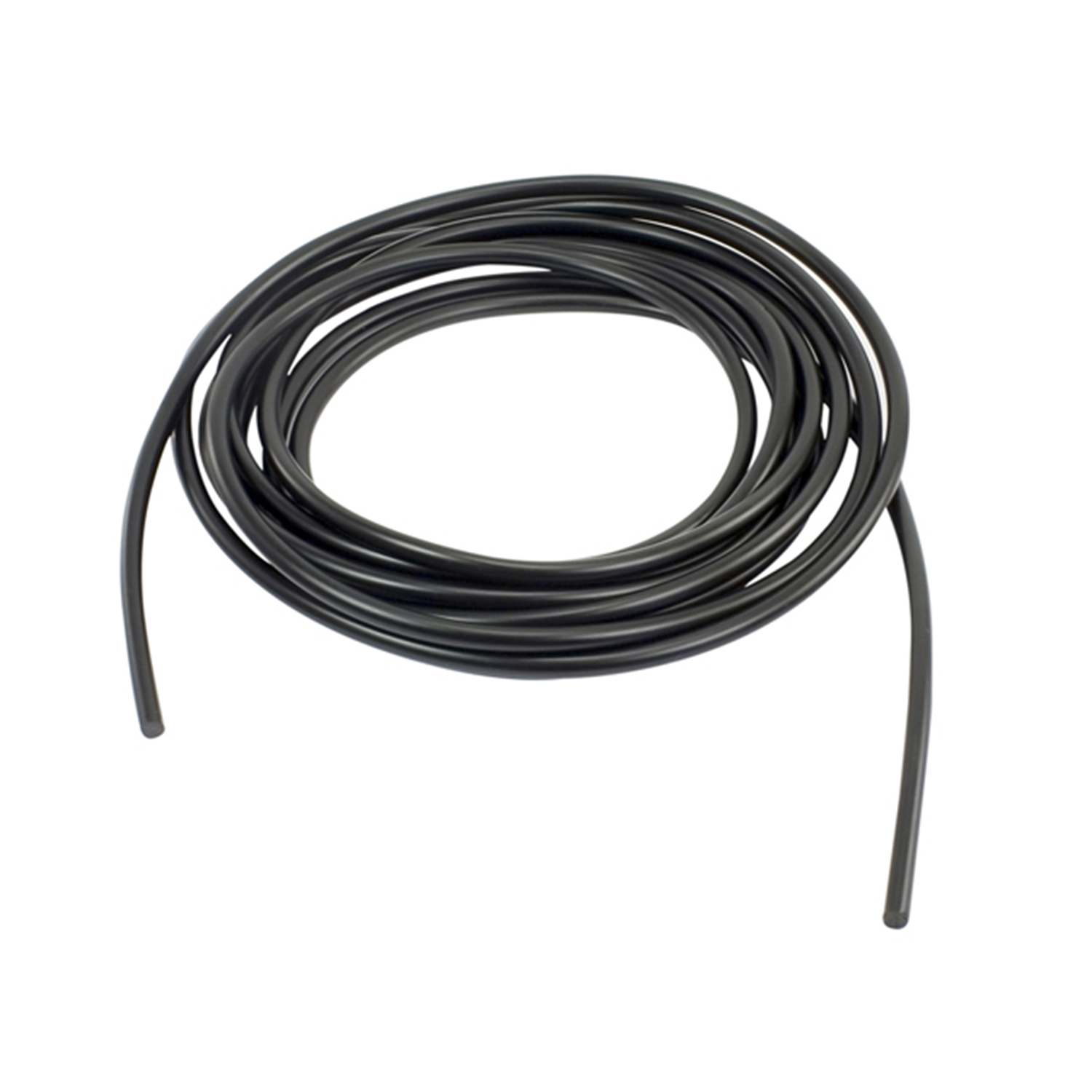 1969 Dodge A100 Truck Windshield and rear glass lock-strip. Fits Many '57-'93 Mopars. Each.-LS 2-AWindshield and rear glass lock-strip. Fits Many '57-'93 Mopars. Each.
 1969 Dodge A100 Truck Lockstrip Seal, 54-93 Mopar Full Size Truck, Van & SUV, Chromed Plastic Type-LS 2-VLockstrip Seal, 54-93 Mopar Full Size Truck, Van & SUV, Chromed Plastic Type, Each. Works with Metro p/n VWS 2706.
Why Choose Metro?
For over 100 years, Metro Moulded Parts has been the pinnacle of quality in classic car restoration parts. Our commitment to precision and authenticity in every component ensures a perfect fit and an OEM-level appearance.
- Expert Craftsmanship & Quality: Each part is a testament to our dedication to reliability and perfection, crafted from original designs and thoroughly tested.
- Advanced Technology: We use cutting-edge techniques to create flawless, long-lasting parts that surpass others in performance.
- SuperSoft Sponge – The Ultimate Door Seal: Not only are our door seals 30% softer than competitors', but they're also guaranteed to never leak. They effectively reduce wind and road noise, enhancing your classic car's comfort and driving experience.
- Proudly American: Our parts are a product of American craftsmanship, made in the USA with a spirit of excellence and heritage.
- Unrivaled Warranty: We back our products with a 30-year industry-leading warranty, a testament to our confidence in their quality.
Join us in preserving the legacy of classic cars with parts that are crafted for perfection, not just made.