

Image of 1969 Dodge W100 Pickup, Note: These illustrations use artistic license and may differ from actual historical models.
Performance Metrics
Fundamental Metrics
Emotional Appeal
MMP Rating
| Engine Specifications | |
|---|---|
| Engine Options: | 318 cu in (5.2 L) LA V8, 383 cu in (6.3 L) B V8 |
| Displacement Range: | 318-383 cu in |
| Horsepower Range: | 230-335 hp |
| Torque: | 340-425 lb-ft |
| Compression Ratio: | 8.5:1 - 10.0:1 |
| Ignition System: | Conventional breaker-point ignition system |
| Cooling System: | Liquid-cooled |
| Performance Specifications | |
| 0-60 Time: | Estimated 10-12 seconds |
| 1/4 Mile Time: | Estimated 17-19 seconds |
| Top Speed: | 100-110 mph |
| Transmission and Drive | |
| Drive Type: | Rear-wheel drive (4WD optional) |
| Transmission Type: | 3-speed automatic, 4-speed manual |
| Fuel and Efficiency | |
| Fuel System Type: | Carburetor |
| MPG: | Estimated 10-12 mpg |
| Dimensions and Brakes | |
| Brakes: | Front disc and rear drum brakes |
| Wheelbase: | 131 inches |
| Weight: | 4500-5000 lbs |
Note: Specifications for classic cars are given to the best of our ability, considering the limited and variant data available.
1969 Dodge W100: A Classic 4x4 With Working-Class Grit
The 1969 Dodge W100 Pickup is a half-ton 4x4 from an era when a truck was expected to work hard first and look good doing it. Built by Chrysler’s Dodge division, the W100 belonged to the D-series pickup family, redesigned in 1961 and sold through the 1970 model year. Its combination of straightforward mechanicals, sturdy construction, and four-wheel drive gives it a distinctive place in the story of American pickups.
One useful detail for decoding the badge: Dodge used “D” for its two-wheel-drive trucks and “W” for four-wheel drive. The W100 was the half-ton member of the 4x4 range, while the W200 was the heavier three-quarter-ton model. It was a practical distinction, but one that made the W100 appealing to buyers who needed traction on farms, job sites, and rough rural roads without stepping up to a larger truck.
The 1969 model is also part of the final chapter of the original Sweptline-era D-series. Dodge’s next-generation pickups arrived for 1972, so a ’69 W100 delivers the clean, square-shouldered look of the earlier design just before the brand moved into a newer styling period.
Square Shoulders and Simple Cabin
The W100’s styling is unmistakably late-1960s Dodge: a broad, upright grille, large rectangular body panels, a flat hood, and a cab with generous glass and a nearly vertical windshield. Its proportions are purposeful rather than decorative. The front fenders and hood give it a solid, planted appearance, while the high stance and exposed tire sidewalls announce its four-wheel-drive hardware.
Dodge offered the D-series in different bed and trim configurations. The two best-known bed styles were the Sweptline, with smooth sides that flowed around the rear wheels, and the Utiline, a stepside design with separate rear fenders and a narrower cargo box. Exact combinations depended on cab, wheelbase, and equipment. The regular cab was the familiar choice; the extended Club Cab was not introduced until the 1970s.
Inside, the W100 was built for use rather than luxury. The cabin typically featured a straightforward painted-metal dashboard, durable vinyl upholstery, and practical controls that were easy to reach while wearing work gloves. A bench seat was common, with upgrades such as different seat trim, carpeting, or additional convenience equipment available depending on how the truck was ordered. Compared with a modern pickup, the materials feel plainly utilitarian, but that simplicity is part of the truck’s appeal today.
Factory paint choices varied by year, region, and trim. Buyers could choose from period solid colors, with white, red, blue, and earthy tones among the kinds of hues seen on surviving trucks. Two-tone treatments and brighter colors could make a W100 stand out, but many were ordered in practical single colors for work. Original paint codes and trim details are worth checking when assessing a restoration.
Four-Wheel Drive Before It Was Mainstream
The W100’s most important feature was not a styling flourish. It was the driveline. Its four-wheel-drive system gave buyers a capable alternative to rear-drive work trucks, with a transfer case and low-range gearing for slow, controlled progress over loose ground. The front axle and suspension were designed for the demands of 4x4 use, giving the W100 a different feel from Dodge’s two-wheel-drive pickups.
That capability mattered in an era when four-wheel drive was still more specialized than it is today. The W100 was not a luxury SUV in pickup form; it was a practical tool for customers who needed to reach places where a conventional truck might struggle. Its significance lies in helping establish the 4x4 pickup as a useful, everyday work vehicle rather than a niche machine reserved for extreme conditions.
The W100 was also part of Dodge’s broader effort to offer a range of trucks for different jobs. Buyers could choose among cab, bed, drivetrain, engine, and trim options, tailoring the truck to farm work, construction, recreation, or general hauling. That adaptability is one reason the basic D-series formula remained influential even as styling and equipment changed over later generations.
Engines, Gearing, and Road Manners
Engine availability depended on configuration and ordering choices. The 225-cubic-inch Slant Six and the 318-cubic-inch LA-series V8 are commonly associated with this generation, with the 318 a particularly appealing choice in a four-wheel-drive truck. Transmission and axle gearing also varied, so two W100s can feel quite different on the road even when they share the same engine.
There is no single dependable factory acceleration figure for every 1969 W100, and period test data for individual combinations is limited. As a broad modern estimate, a healthy V8 truck may take roughly 15 to 20 seconds to reach 60 mph, while a six-cylinder example can be slower, especially with low gearing, large tires, or a load aboard. A realistic top speed is generally in the neighborhood of 75 to 85 mph, but sustained high-speed cruising is not what the truck was designed for. Condition, tire size, gearing, and engine choice all affect the result.
On pavement, the W100 feels tall and substantial. Its four-wheel-drive hardware and solid-axle character give it a more work-focused ride than a contemporary passenger car, and bumps can produce a firm, busy response. On winding roads, the high center of gravity and period steering call for measured inputs. It is happiest when driven with anticipation rather than hustled through corners.
On gravel, snow, or uneven ground, the truck’s strengths become clearer. Low range helps the driver crawl steadily, and four-wheel drive provides useful traction when conditions turn slippery. The engine has a distinctive mechanical voice, especially under load, while the manual controls and large steering wheel make the driver feel directly connected to the machinery. It is not quiet or effortless by modern standards, but it is engaging in a way that newer trucks often filter out.
Living With a W100 Today
Many surviving W100s serve as weekend drivers, farm and property trucks, restoration projects, or show vehicles. Some are still used for light hauling, although age, parts availability, and collector interest have led many owners to preserve them rather than subject them to daily heavy work. A well-sorted example can handle occasional errands and local trips, but modern traffic speeds and safety expectations are worth keeping in mind.
Mechanical simplicity is a major ownership advantage. The Slant Six and 318 V8 are familiar engines to many vintage Mopar specialists, and routine jobs such as ignition service, carburetor tuning, and brake work are generally manageable for a capable home mechanic. The truck’s basic construction also makes many components accessible. However, four-wheel-drive parts, worn steering components, and neglected transfer cases deserve careful inspection.
Rust is often the bigger challenge than engine work. Check the cab corners, floor pans, rocker panels, windshield area, bed, frame, and mounts. Inspect the front axle, transfer case, driveshafts, and suspension for leaks, looseness, or signs of improvised repairs. Replacement and reproduction parts exist, but trim pieces, model-specific details, and sound body panels may take more hunting than common mechanical service items.
W100 Facts and Common Criticisms
The W100 badge itself tells a useful story: “W” identifies four-wheel drive, while “100” places the truck in Dodge’s half-ton class. It is also easy to confuse a W100 with a Power Wagon, but they are not simply two names for the same truck. The W100 was part of the D-series pickup line; the Power Wagon had its own identity and history.
No widely recognized production record or single celebrity association defines the 1969 W100. Its appeal is more grounded: it represents the practical 4x4 pickups that helped make four-wheel drive familiar to working buyers. Exact production totals for a particular engine, bed, and trim combination are difficult to establish from commonly available model-level figures. A reasonable estimate is that several thousand 1969 W100s were built, but that should be treated as a broad estimate rather than a verified count. Surviving examples are less common than two-wheel-drive D-series trucks.
Common criticisms are familiar to anyone who has driven a vintage 4x4: modest acceleration, firm ride quality, heavy steering, considerable cabin noise, and limited modern safety equipment. Fuel economy is also poor by today’s standards, particularly with a V8 and low axle gearing. Those drawbacks are part of the period experience, but they make the W100 less suitable as a carefree, high-mileage commuter than a newer pickup.
Collector Values and Market Outlook
Values vary sharply with rust, originality, mechanical condition, engine, bed style, and the quality of any restoration. As a broad U.S. market estimate in 2026, a project truck might sell for about $3,000 to $8,000. A usable driver commonly falls around $10,000 to $20,000, while a clean, well-restored example may reach $20,000 to $35,000 or more. Exceptional restorations or unusually original trucks can exceed that range, especially when supported by strong documentation and desirable equipment.
The W100 is uncommon enough to attract enthusiasts, but it is not so scarce that every example commands a premium. Its four-wheel-drive configuration makes it more sought after than many comparable two-wheel-drive trucks, while rust and incomplete projects keep prices from rising uniformly. Values for good examples have generally strengthened as interest in vintage 4x4s has grown, though condition remains the deciding factor. The best long-term prospects belong to solid, complete trucks rather than ambitious restorations built on badly corroded foundations.
A Straightforward Classic With Real Capability
The 1969 Dodge W100 combines a clean late-1960s design with practical four-wheel-drive engineering, uncomplicated cabin appointments, and a durable mechanical layout. It was made to work, not to chase luxury or speed, and that honesty is central to its appeal. For collectors, it offers a distinctive alternative to better-known vintage pickups; for drivers, it delivers an authentic connection to the era when a 4x4 truck was still a rugged specialist.
More than half a century later, the W100 remains memorable because it looks ready to earn its keep. It is a classic Dodge pickup with genuine off-road credentials, and its square stance still says exactly what it was built to do.
1969 Dodge W100 Pickup Catalog of Parts
 1969 Dodge W100 Pickup Door seal, 61-71 Dodge D/W-Series (100/200/300) 2 and 4 door trucks.-LM 122Door seal, '61-'71 Dodge D-Series/W-Series (100/200/300) 2 and 4 door truck models, fits front left or right side, each. Replaces OEM part # 3729424.
 1969 Dodge W100 Pickup Door Side and Trunk Seal. Sponge Rubber. Sold by the foot-LP 40-BDoor Side and Trunk Seal. Sponge Rubber. Sold by the foot
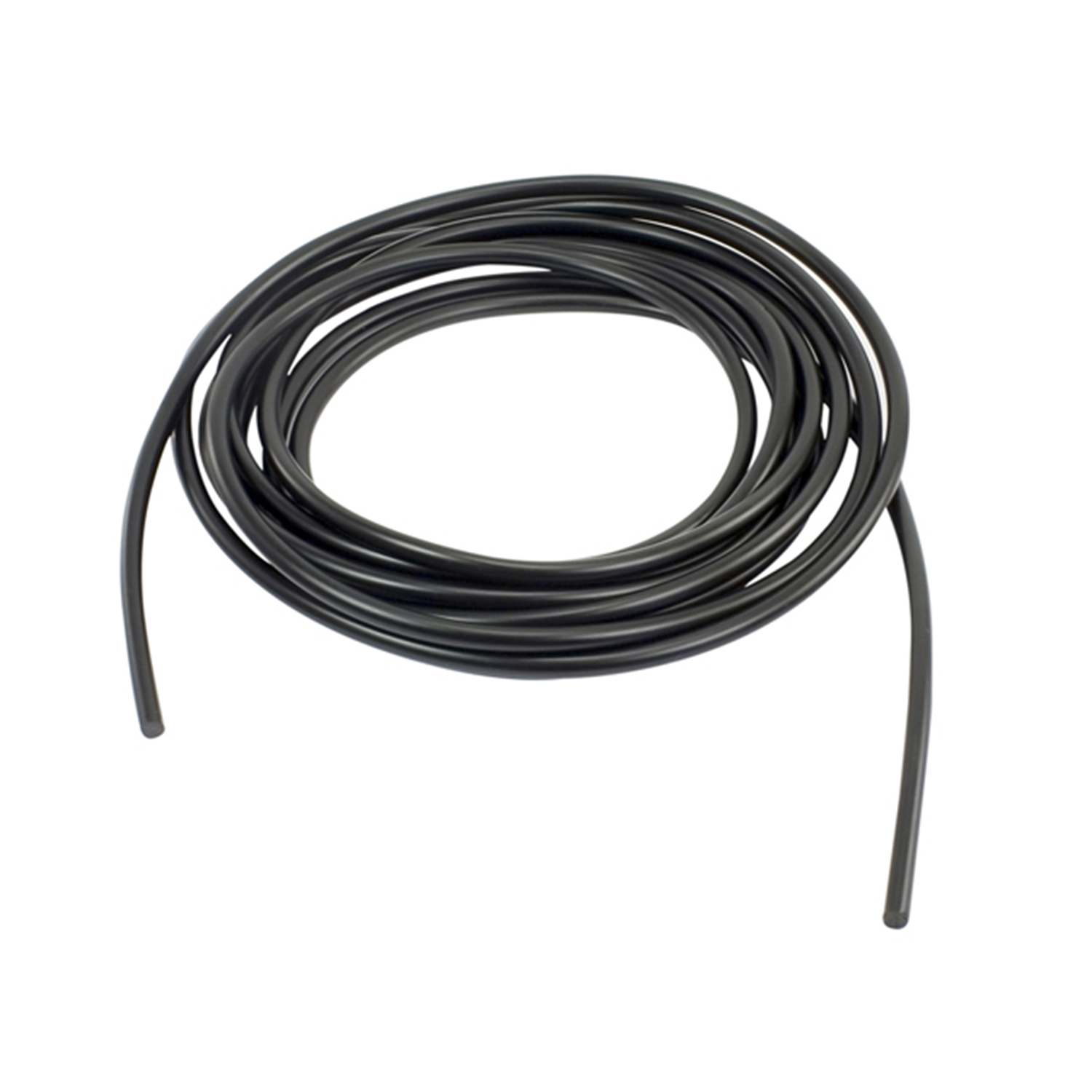 1969 Dodge W100 Pickup Windshield and rear glass lock-strip. Fits Many '57-'93 Mopars. Each.-LS 2-AWindshield and rear glass lock-strip. Fits Many '57-'93 Mopars. Each.
 1969 Dodge W100 Pickup Lockstrip Seal, 54-93 Mopar Full Size Truck, Van & SUV, Chromed Plastic Type-LS 2-VLockstrip Seal, 54-93 Mopar Full Size Truck, Van & SUV, Chromed Plastic Type, Each. Works with Metro p/n VWS 2706.
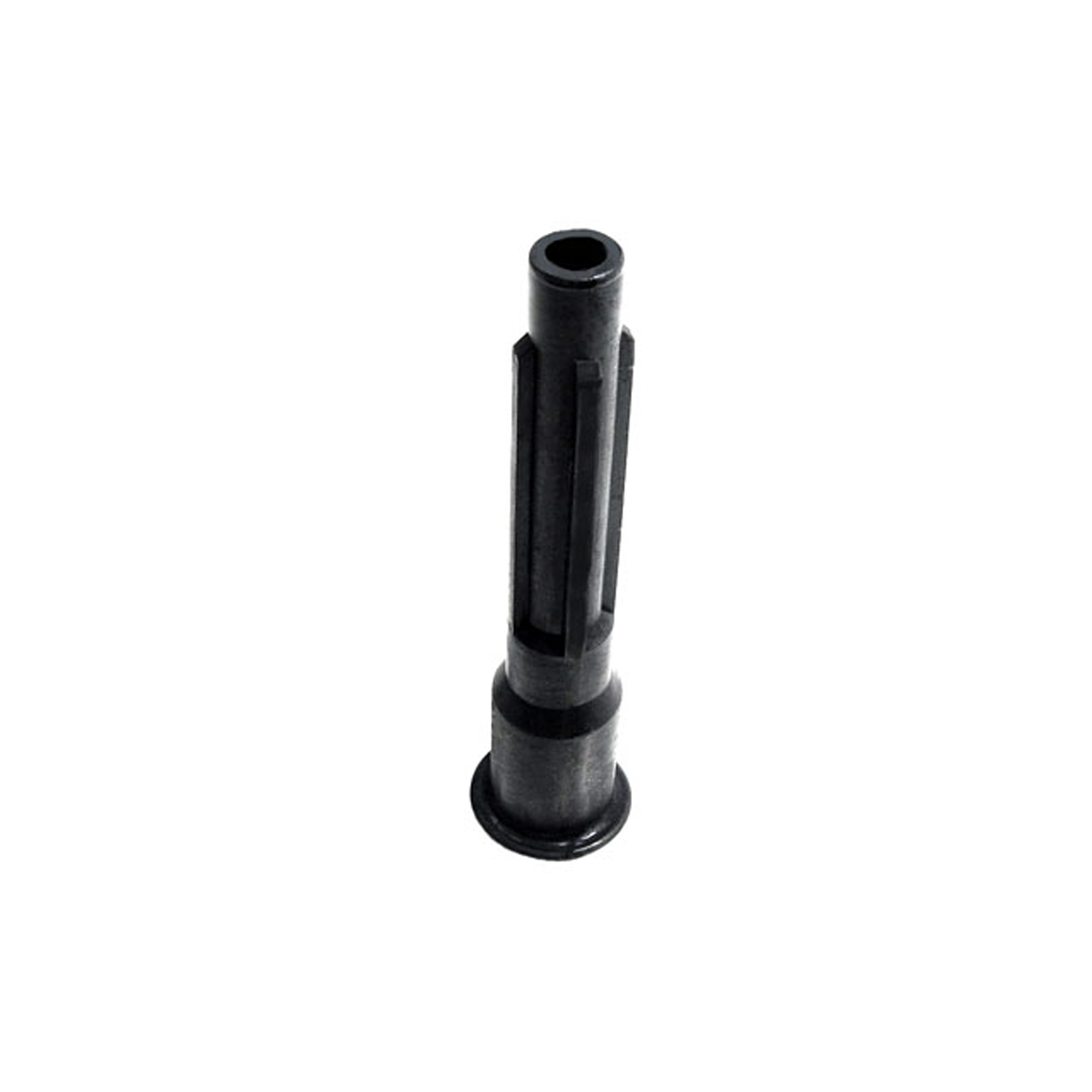 1969 Dodge W100 Pickup Flexible Spark Plug Boot, used on Hemi's with power brakes-RP 1-MFlexible Spark Plug Boot, used on Hemi's with power brakes. 4" long, 5/16" upper i.d., 5/8" lower i.d. Each
 1969 Dodge W100 Pickup Windshield Seal, 6171 Dodge Full Size Truck, With Trim Grove For Lockstrip-VWS 2720This windshield seal goes first on the body then the glass is placed in the opening. A separate lockstrip (not included) inserts into the rubber and secures the glass in place. This product is made from the original specs and with high quality ozone resistant materials for a great fit and long life. This item is designed to be installed during glass replacement.
Why Choose Metro?
For over 100 years, Metro Moulded Parts has been the pinnacle of quality in classic car restoration parts. Our commitment to precision and authenticity in every component ensures a perfect fit and an OEM-level appearance.
- Expert Craftsmanship & Quality: Each part is a testament to our dedication to reliability and perfection, crafted from original designs and thoroughly tested.
- Advanced Technology: We use cutting-edge techniques to create flawless, long-lasting parts that surpass others in performance.
- SuperSoft Sponge – The Ultimate Door Seal: Not only are our door seals 30% softer than competitors', but they're also guaranteed to never leak. They effectively reduce wind and road noise, enhancing your classic car's comfort and driving experience.
- Proudly American: Our parts are a product of American craftsmanship, made in the USA with a spirit of excellence and heritage.
- Unrivaled Warranty: We back our products with a 30-year industry-leading warranty, a testament to our confidence in their quality.
Join us in preserving the legacy of classic cars with parts that are crafted for perfection, not just made.