

Image of 1969 Dodge W200 Pickup, Note: These illustrations use artistic license and may differ from actual historical models.
Performance Metrics
Fundamental Metrics
Emotional Appeal
MMP Rating
| Engine Specifications | |
|---|---|
| Engine: | 318 cu in (5.2 L) V8, 383 cu in (6.3 L) V8, 440 cu in (7.2 L) V8 |
| Displacement: | 318-440 cu in |
| Horsepower: | 230-375 hp |
| Torque: | 340-480 lb-ft |
| Compression Ratio: | 8.5:1 - 10.1:1 |
| Ignition System: | Conventional breaker-point ignition system |
| Cooling System: | Liquid-cooled |
| Performance Specifications | |
| 0-60 Time: | Estimated 10-12 seconds |
| 1/4 Mile Time: | Estimated 17-19 seconds |
| Top Speed: | 100-120 mph |
| Transmission and Drive | |
| Drive Type: | 4WD |
| Transmission Type: | 4-speed manual |
| Fuel and Efficiency | |
| Fuel System Type: | Carburetor |
| MPG: | Estimated 10-12 mpg |
| Dimensions and Brakes | |
| Brakes: | Front disc and rear drum brakes |
| Wheelbase: | 131 inches |
| Weight: | 4500-5000 lbs |
Note: Specifications for classic cars are given to the best of our ability, considering the limited and variant data available.
1969 Dodge W200 Pickup: The Four-Wheel-Drive Workhorse
The 1969 Dodge W200 was built for the kind of work that did not stop when pavement ran out. A three-quarter-ton, four-wheel-drive pickup from Chrysler Corporation, it paired the practical bones of Dodge’s D-series trucks with the extra traction and ground clearance of the W-series. Today, it stands out as a rugged early Power Wagon-era pickup with square-shouldered styling and a mechanical simplicity that still appeals to truck enthusiasts.
The W200 belonged to Dodge’s postwar civilian truck family, developed for farmers, tradespeople, utility fleets, and drivers who needed a truck that could tackle rough roads. The “W” identified four-wheel drive, while “200” placed it in the three-quarter-ton class. It is often described as a Dodge Power Wagon, though exact badging and model names can vary with the truck’s equipment and original market.
One detail that makes the 1969 model especially interesting is its place in the Sweptline generation. Dodge had introduced this modern-looking truck design earlier in the decade, and the W200 brought that cleaner, more contemporary body style to a serious four-wheel-drive chassis. It looked less like a leftover wartime machine and more like a modern pickup, even though its working hardware remained reassuringly rugged.
Sweptline Style and Practical Cabin
The 1969 W200 has a broad, upright face, a tall hood, and a wide horizontal grille that gives it a purposeful stance. Its straight body sides and squared-off fenders emphasize function over decoration. Depending on trim and equipment, brightwork could add a little polish, but the overall look is honest and workmanlike. The tall ride height, chunky tires, and visible clearance beneath the body make the four-wheel-drive purpose unmistakable.
Cabins were straightforward places to work rather than lounge. The dashboard used painted metal and simple, clearly arranged instruments, while a bench seat was typical. Vinyl upholstery and rubber flooring suited muddy boots and regular use; buyers seeking a more comfortable truck could choose upgraded trim, carpeting, or other convenience options where offered. The materials were durable and easy to clean, but the cab was not insulated or finished like a modern pickup.
Available exterior colors varied by paint code, trim, and fleet order. Period choices included practical neutrals and more vivid colors such as white, red, blue, and green. Bright red and blue trucks are particularly eye-catching today, while white and earthier shades suit the W200’s original work-truck character. A restored truck’s exact color is best confirmed from its factory data plate or build records rather than guessed from a modern paint match.
Dodge offered its trucks in different bed and body configurations across the range. The W200 pickup is most commonly encountered with a conventional single cab and a long cargo box. Sweptline beds had smooth outer sides, while Utiline beds used separate, more traditional rear fenders. Chassis-cab versions were also available for commercial bodies, though a pickup with its original cargo bed is the most familiar and collectible form. Availability could depend on the specific order and market.
Four-Wheel-Drive Engineering for the 1960s
The W200’s defining feature was its part-time four-wheel-drive system. A floor-mounted transfer-case lever let the driver select four-wheel drive when conditions called for it, sending power to both axles through a deliberately mechanical setup. This was not an electronic traction system: the driver made the decision, and the truck’s straightforward hardware did the work.
Underneath, the W200 was designed to carry loads and endure rough use, with a heavy-duty frame, solid axles, and leaf-spring suspension. Its construction reflected a period when a serious truck was expected to be repaired with ordinary tools and serviced by local mechanics. Power steering and power brakes could be ordered on some configurations, but equipment varied. The basic truck remained refreshingly simple by modern standards.
That combination distinguished the W200 from many two-wheel-drive pickups of its day. It could serve as a farm truck during the week, reach a remote job site, and still haul a substantial load. It did not invent the four-wheel-drive pickup, but it helped make a more modern, comfortable-looking 4x4 truck a familiar part of Dodge’s lineup.
Engines, Road Speed, and Off-Road Manners
Engine choices depended on configuration and original order. Common powerplants in Dodge’s 1969 truck range included the 225-cubic-inch Slant Six and 318-cubic-inch V8, with larger V8 availability varying by application. Manual transmissions were common, and automatic transmission availability depended on the truck’s specification. Before ordering parts or making restoration plans, check the engine and transmission actually installed, since decades of swaps are common in working 4x4s.
Dodge did not publish one universal performance figure for every W200, and a truck’s gearing, engine, transmission, tires, and load all affect its pace. As a broad real-world estimate, a V8 W200 might reach 0 to 60 mph in roughly 18 to 25 seconds. A six-cylinder example could be slower, particularly when loaded. Depending on its gearing and condition, a typical truck may manage a top speed in the neighborhood of 75 to 85 mph, but it is far happier cruising below that range than being pushed like a modern highway pickup.
On pavement, the W200 feels tall, sturdy, and deliberate. Its solid axles and leaf springs are built for load capacity and durability, not a plush ride, so sharp bumps can send a noticeable jolt through the cab. Steering takes more effort than in a contemporary truck, especially without power assistance, and the high center of gravity calls for measured cornering. On a winding road, smooth inputs matter more than speed.
On gravel, snow, or a muddy track, the truck’s strengths become clear. Low gearing and four-wheel drive help it keep moving where a two-wheel-drive pickup might struggle. The engine’s sound is part of the appeal: a Slant Six gives a steady mechanical hum, while a V8 adds a deeper, more commanding note. The driver sits high, works the controls directly, and feels connected to the machinery in a way that newer trucks often soften.
Living with a W200 Today
These days, a 1969 W200 can be a weekend driver, a show-and-shine truck, a farm or property vehicle, or a restoration project. It is not usually the ideal choice for someone who expects modern fuel economy, quiet highway travel, or effortless daily commuting. But for owners who enjoy vintage machinery, its straightforward controls and unmistakable 4x4 character are a big part of the attraction.
Mechanical repairs are often approachable for a capable home mechanic. The engine bay is relatively uncomplicated, and many routine jobs involve familiar components rather than complex electronics. The bigger challenges are usually rust, worn suspension and steering parts, brake condition, and sourcing correct model-specific trim or body pieces. Four-wheel-drive components should be inspected carefully, including the transfer case, driveshafts, axle joints, and front hubs. A truck that shifts into four-wheel drive is not necessarily a truck whose entire system is healthy.
Rust deserves particular attention around the cab corners, floor, cab mounts, bed, fenders, and frame. Check for poorly repaired collision damage and mismatched parts, too. Many W200s spent decades working hard, and some have been modified with later engines, axles, or transmissions. Those changes can make a truck more usable, but they affect originality and collector value.
W200 Trivia and Common Complaints
The W200’s model code tells a useful story: “W” denotes four-wheel drive, while “200” identifies the three-quarter-ton series. It is an uncomplicated badge, but it helps distinguish the truck from Dodge’s two-wheel-drive D200. The pickup also belongs to the broader Power Wagon tradition, a name associated with Dodge’s durable four-wheel-drive trucks.
There is no widely recognized 1969 W200 speed record, major endurance title, or famous celebrity ownership that defines the model’s history. Its notable achievement is more ordinary and arguably more fitting: trucks like it spent years doing unglamorous work on farms, construction sites, and rural roads. That working life is exactly why many surviving examples are worn, modified, or missing original details.
Common criticisms are easy to understand. The ride can be firm, fuel consumption is high by modern standards, and the steering and braking feel dated. Cabin noise and wind noise are part of the package, too. Buyers should also remember that “rare” does not automatically mean “valuable”: condition, documentation, originality, and the quality of any restoration matter far more than a seller’s claims.
Collector Value and Availability
There is no dependable, widely published production total for the 1969 W200 alone. As a rough estimate rather than a factory figure, perhaps several thousand were built for the model year, with a reasonable working range of about 5,000 to 10,000. That estimate should be treated cautiously because production records are often grouped by broader truck series, and surviving trucks are harder to count than original production.
In the current U.S. collector market, a rough project may sell for about $3,000 to $8,000, depending on completeness and rust. A usable driver in decent condition might bring roughly $10,000 to $20,000. Well-restored or unusually original examples can reach $25,000 to $40,000 or more, especially when the truck has desirable equipment, strong documentation, and high-quality bodywork. Exceptional examples may exceed that range, but they are the exception rather than the rule.
Values have generally benefited from growing interest in classic 4x4s, especially clean, relatively original pickups. Prices are not guaranteed to rise, however. Restoration costs can outrun a truck’s finished value, and heavily modified or poorly repaired examples may be difficult to sell. The best buying strategy is to prioritize a solid frame, sound cab, and complete four-wheel-drive system over shiny paint.
Why the 1969 Dodge W200 Still Matters
The 1969 Dodge W200 combines the clean lines of Dodge’s Sweptline trucks with the capability of a genuine three-quarter-ton 4x4. It is not fast, quiet, or especially forgiving on rough pavement, but it offers sturdy construction, direct mechanical controls, and a vivid connection to the working trucks of its era.
For collectors, it is a distinctive alternative to the more common two-wheel-drive pickups of the period. For enthusiasts, it is a reminder that capability once came from strong axles, simple controls, and a driver who knew when to engage four-wheel drive. The W200 earned its character one muddy job, snowy road, and hard-working mile at a time.
1969 Dodge W200 Pickup Catalog of Parts
 1969 Dodge W200 Pickup Door seal, 61-71 Dodge D/W-Series (100/200/300) 2 and 4 door trucks.-LM 122Door seal, '61-'71 Dodge D-Series/W-Series (100/200/300) 2 and 4 door truck models, fits front left or right side, each. Replaces OEM part # 3729424.
 1969 Dodge W200 Pickup Door Side and Trunk Seal. Sponge Rubber. Sold by the foot-LP 40-BDoor Side and Trunk Seal. Sponge Rubber. Sold by the foot
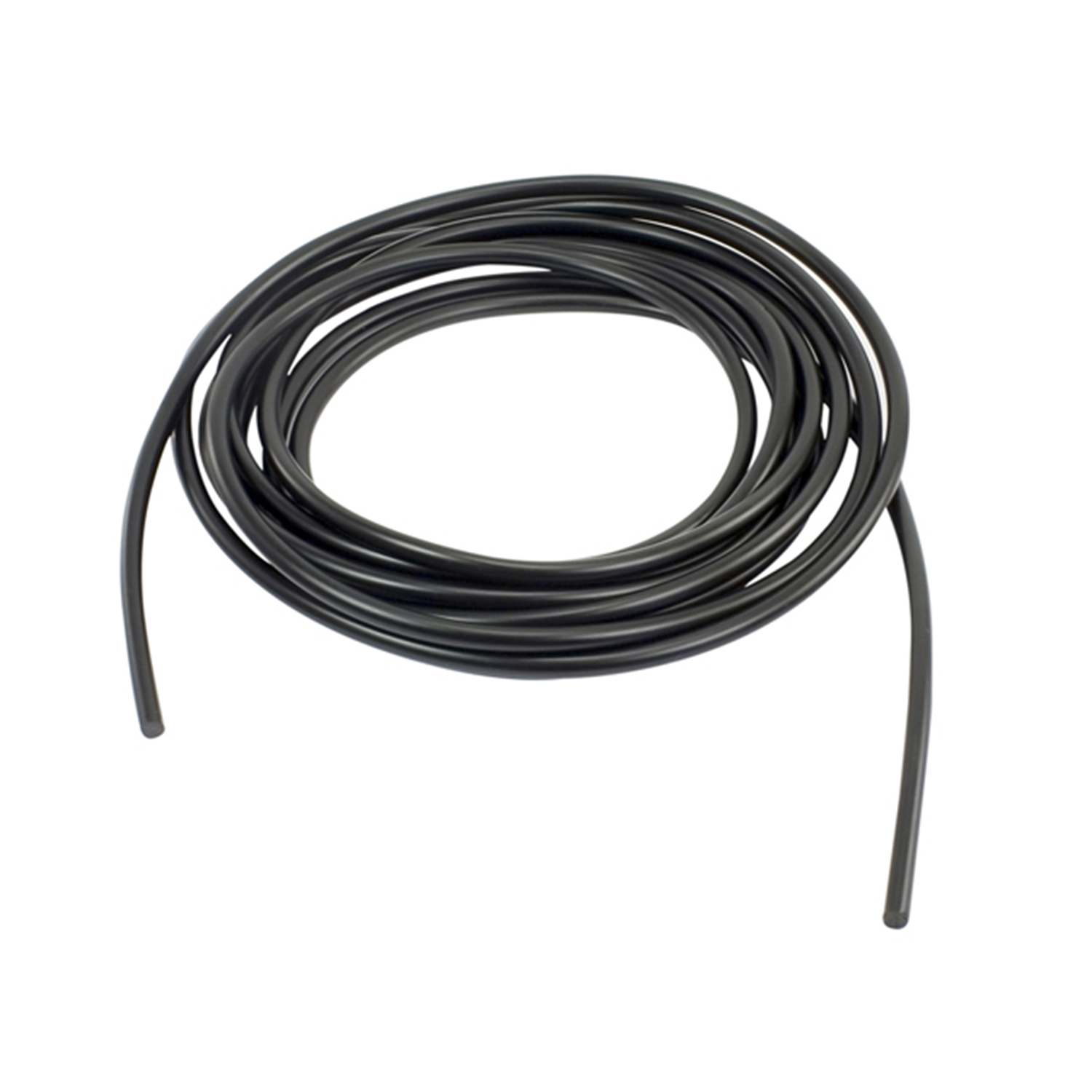 1969 Dodge W200 Pickup Windshield and rear glass lock-strip. Fits Many '57-'93 Mopars. Each.-LS 2-AWindshield and rear glass lock-strip. Fits Many '57-'93 Mopars. Each.
 1969 Dodge W200 Pickup Lockstrip Seal, 54-93 Mopar Full Size Truck, Van & SUV, Chromed Plastic Type-LS 2-VLockstrip Seal, 54-93 Mopar Full Size Truck, Van & SUV, Chromed Plastic Type, Each. Works with Metro p/n VWS 2706.
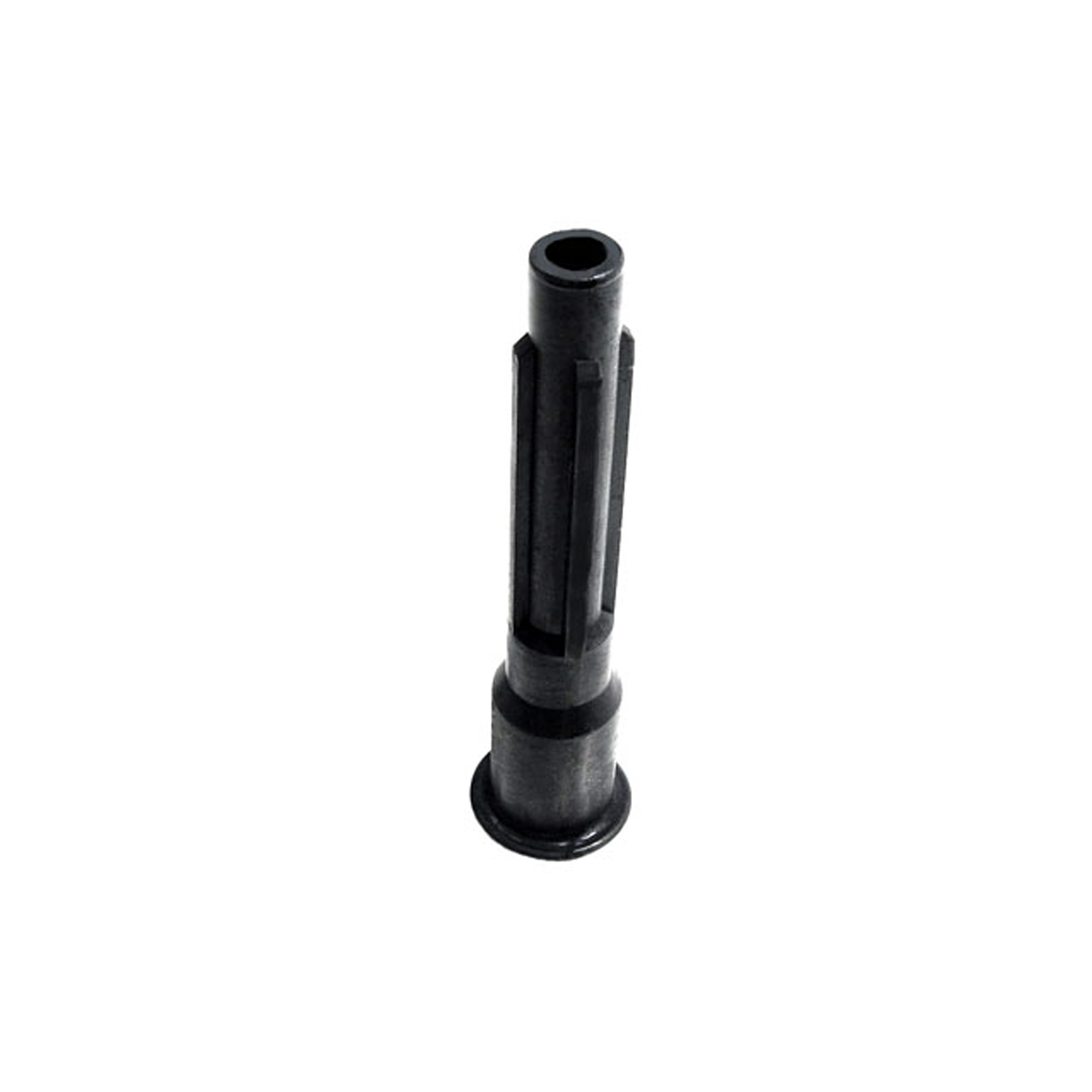 1969 Dodge W200 Pickup Flexible Spark Plug Boot, used on Hemi's with power brakes-RP 1-MFlexible Spark Plug Boot, used on Hemi's with power brakes. 4" long, 5/16" upper i.d., 5/8" lower i.d. Each
 1969 Dodge W200 Pickup Windshield Seal, 6171 Dodge Full Size Truck, With Trim Grove For Lockstrip-VWS 2720This windshield seal goes first on the body then the glass is placed in the opening. A separate lockstrip (not included) inserts into the rubber and secures the glass in place. This product is made from the original specs and with high quality ozone resistant materials for a great fit and long life. This item is designed to be installed during glass replacement.
Why Choose Metro?
For over 100 years, Metro Moulded Parts has been the pinnacle of quality in classic car restoration parts. Our commitment to precision and authenticity in every component ensures a perfect fit and an OEM-level appearance.
- Expert Craftsmanship & Quality: Each part is a testament to our dedication to reliability and perfection, crafted from original designs and thoroughly tested.
- Advanced Technology: We use cutting-edge techniques to create flawless, long-lasting parts that surpass others in performance.
- SuperSoft Sponge – The Ultimate Door Seal: Not only are our door seals 30% softer than competitors', but they're also guaranteed to never leak. They effectively reduce wind and road noise, enhancing your classic car's comfort and driving experience.
- Proudly American: Our parts are a product of American craftsmanship, made in the USA with a spirit of excellence and heritage.
- Unrivaled Warranty: We back our products with a 30-year industry-leading warranty, a testament to our confidence in their quality.
Join us in preserving the legacy of classic cars with parts that are crafted for perfection, not just made.