

Image of 1969 Dodge W300 Pickup, Note: These illustrations use artistic license and may differ from actual historical models.
Performance Metrics
Fundamental Metrics
Emotional Appeal
MMP Rating
| Engine Specifications | |
|---|---|
| Engine Options: | 318 cu in (5.2 L) V8, 383 cu in (6.3 L) V8, 413 cu in (6.8 L) V8 |
| Displacement Range: | 318-413 cu in (5.2-6.8 L) |
| Horsepower Range: | 200-375 hp |
| Torque: | 230-470 lb-ft |
| Compression Ratio: | 8.5:1 - 10.5:1 |
| Ignition System: | Conventional breaker-point ignition system |
| Cooling System: | Liquid-cooled |
| Performance Specifications | |
| 0-60 Time: | Estimated 10-12 seconds |
| 1/4 Mile Time: | Estimated 17-19 seconds |
| Top Speed: | 100-110 mph |
| Transmission and Drive | |
| Drive Type: | 4WD |
| Transmission Type: | 4-speed manual |
| Fuel and Efficiency | |
| Fuel System Type: | Carburetor |
| MPG: | Estimated 10-12 mpg |
| Dimensions and Brakes | |
| Brakes: | Drum brakes |
| Wheelbase: | 133 inches |
| Weight: | 4500-5000 lbs |
Note: Specifications for classic cars are given to the best of our ability, considering the limited and variant data available.
1969 Dodge W300 Pickup: A One-Ton 4x4 Built for Work
The 1969 Dodge W300 Pickup was less interested in looking tough than in getting the job done. A heavy-duty, four-wheel-drive truck from Dodge’s D-series, it paired a no-nonsense cab with one-ton hardware intended for farms, construction sites, utility fleets, and demanding backcountry work.
Dodge, part of the Chrysler Corporation, had been building trucks for decades by the time the W300 arrived. The W300 belonged to the company’s 1961–1971 D-series generation, a family that included lighter two-wheel-drive D models and four-wheel-drive W models. The “300” denoted the heavy-duty, one-ton class, while the “W” identified four-wheel drive. In period marketing and enthusiast usage, trucks in this line are often associated with the Power Wagon name, though the W300 was a later, more modern relative of the original military-influenced Power Wagon.
One detail that makes the W300 especially interesting is how plainly it expressed its purpose. It was not a luxury pickup with a rugged image package. It was a working 4x4 whose high stance, stout axles, and commercial options were there to carry loads and reach difficult jobs. Exact production totals for the W300 pickup are not readily documented separately from related chassis-cab and commercial versions, which adds a little mystery to an already uncommon truck.
Classic Dodge Styling and Cab Details
The 1969 W300 wore the clean, squared-off look of Dodge’s late-1960s D-series trucks. Its broad hood, upright windshield, simple grille, and flat-sided body gave it a practical, purposeful appearance. The raised ride height and four-wheel-drive stance were more than visual cues: they reflected the clearance and heavy-duty running gear beneath the body. Large tires and utilitarian bumpers completed the look, though equipment varied with the truck’s intended job and original options.
Inside, the W300 was straightforward rather than plush. Expect a durable bench seat, large, legible gauges, a broad steering wheel, and hard-wearing surfaces selected for work. Materials were generally functional, with painted metal and tough vinyl or cloth upholstery depending on specification. A well-preserved cab feels charmingly simple today, but it was designed to tolerate muddy boots, long shifts, and regular use rather than impress a luxury-car buyer.
Technology was similarly practical. The W300’s major feature was its four-wheel-drive system, supported by a transfer case and heavy-duty axles and suspension. Depending on configuration, buyers could order a manual transmission, power steering, power brakes, and other convenience or work-oriented equipment. These trucks predated modern electronic traction control, stability systems, and driver aids. The driver controlled the vehicle directly, including when and how to engage four-wheel drive.
Factory paint choices varied by year, trim, and ordering arrangement. Period Dodge truck colors included subdued work-truck shades as well as brighter colors, and fleet buyers could also specify special finishes. White, red, blue, and green are commonly seen on surviving examples, but it is best to confirm an individual truck’s original color from its data plate, factory documentation, or areas of protected original paint.
The W300 was available in pickup form as well as commercial configurations such as chassis cab, stake, and platform-style bodies, depending on the order. The familiar pickup bed is the most recognizable version today, while chassis-cab trucks were valuable to businesses that needed to install a service body, dump body, or other specialized equipment. The short, conventional cab and pickup bed make the standard W300 pickup the most iconic survivor.
Why the W300 Mattered
The 1969 W300 did not introduce a radical styling breakthrough or a new electronic system. Its importance was more grounded: it brought genuine four-wheel-drive capability and one-ton utility together in a factory-built Dodge truck that could be configured for many kinds of work. Buyers did not need to start with a light pickup and improvise a heavy-duty conversion. They could order a truck engineered around a tougher job from the outset.
That combination set it apart from lighter pickups of the period. The W300’s heavy-duty chassis, load-carrying intent, and four-wheel-drive layout made it a natural choice for rural operators, contractors, utility companies, and government users. Its straightforward mechanical design also helped it remain useful long after newer trucks brought more comfort and convenience.
Its influence is best understood as part of the long development of the modern heavy-duty 4x4 pickup. The W300 helped establish the appeal of a truck that could work as a one-ton hauler during the week and tackle rough roads when the job demanded it. That practical formula remains central to today’s heavy-duty four-wheel-drive pickups, even though the modern versions are far more powerful and refined.
Engine, Speed, and Four-Wheel-Drive Feel
Engine and drivetrain specifications can vary by truck, market, and original order. Period W300s were commonly equipped with Dodge’s 225-cubic-inch Slant Six or a 318-cubic-inch V8, paired with a manual transmission in many work-oriented examples. Exact equipment should be confirmed from the truck’s identification information and components, since decades of repairs and engine swaps are common in working vehicles.
There is no single trustworthy factory 0–60 mph figure that applies to every 1969 W300. Axle gearing, engine, transmission, tires, body style, and payload all make a substantial difference. As a broad real-world estimate, a typical example may take roughly 20 to 30 seconds to reach 60 mph, and a heavily loaded or low-geared truck can be slower. Top speed also depends on those variables. Many are most comfortable cruising around 55 to 65 mph, while some lightly loaded examples with suitable gearing may run faster. These are estimates, not standardized period test results.
On pavement, the W300 feels tall, heavy, and mechanical beside a modern pickup. Its truck-style suspension and substantial axles are built to carry loads, so an empty example can ride firmly and react sharply to potholes. On a winding road, the driver needs to account for its height, weight, and comparatively slow steering response. It rewards smooth inputs rather than quick direction changes.
On gravel, rutted tracks, snow, and work sites, the W300’s character makes more sense. Its four-wheel-drive system and ground clearance provide useful traction and access, especially when the truck is fitted with appropriate tires. The engine delivers its message through a deep, unfiltered mechanical soundtrack, while the steering wheel, gear lever, and pedals keep the driver closely connected to the machinery. It is not quiet or effortless, but the directness is part of the appeal.
Living With a 1969 W300
These Dodges were built primarily as work vehicles, and their natural roles included hauling supplies, towing, farm work, snow duty, utility service, and travel on rough roads. Today, a W300 may serve as a vintage work truck, an off-road project, a show-quality restoration, or a distinctive weekend driver. A clean, original example can also be a conversation piece at classic truck gatherings because it is less familiar than a half-ton pickup.
Basic mechanical work is often accessible to an experienced home mechanic. The truck’s carbureted engine, conventional manual transmission, and mostly mechanical systems do not require modern diagnostic equipment. However, heavy-duty parts can be physically demanding to service, and some four-wheel-drive components or model-specific trim may take time to locate. A buyer should inspect the transfer case, front axle, steering, brakes, frame, and suspension as carefully as the engine.
Rust deserves particular attention. Check the cab corners, floorboards, bed, wheel openings, and frame, as well as areas where moisture or old repairs may have hidden corrosion. Also inspect for mismatched drivetrain parts, worn steering components, and evidence that the truck has spent years overloaded. A W300 can be durable, but age and hard commercial use matter more than reputation alone. Its simple design helps with repairs, while its size and heavy components make some jobs less convenient than they would be on a smaller truck.
W300 Trivia and Common Complaints
The W300 is part of Dodge’s broad D-series family, but it occupies a much smaller corner of the collector-truck world than the better-known half-ton pickups. Its one-ton rating and four-wheel-drive layout made it a specialized tool, and many examples were ordered for commercial service rather than preserved as personal vehicles. That working life is one reason original, unmodified trucks can be difficult to find today.
There is no widely recognized W300 speed record, celebrity connection, or landmark historical event that defines the 1969 model. Its story is quieter and more representative of everyday American work: trucks assigned to farms, road crews, utilities, and businesses. Survivors often carry evidence of that history in their wear, repairs, and practical modifications.
Common criticisms include a firm ride when unloaded, heavy controls, modest acceleration, limited cabin comfort, and fuel consumption that can be substantial, particularly with a V8 and low axle gearing. The tall stance and slow steering also require more care on pavement than a modern pickup. Those drawbacks are inseparable from the W300’s work-focused design, and many owners consider them a fair trade for its sturdy, purposeful character.
Collector Value and Rarity
There is no dependable published production figure for 1969 W300 pickups alone, separate from related W300 commercial configurations. A reasonable educated estimate is that pickup-bodied examples were produced in the low thousands, perhaps around 1,000 to 3,000 for the model year. That should be treated as a working estimate, not a factory-confirmed total. Many trucks were used hard, rebuilt, converted, or scrapped, so surviving examples are considerably fewer than the original number.
Values depend heavily on condition, originality, drivetrain, body style, and the quality of any restoration. As a broad current-market guide, a project truck may sell for roughly $5,000 to $15,000. A running, usable example in driver condition might bring about $15,000 to $30,000, while a very clean or professionally restored W300 may reach approximately $35,000 to $60,000 or more. Exceptional, highly original, or unusually well-documented trucks can exceed that range, but they are the exception rather than the rule.
Values for classic four-wheel-drive trucks have generally strengthened over the long term as collectors have become more interested in vintage utility vehicles. W300 prices remain sensitive to condition and local demand, and restoration costs can quickly exceed the value of an average example. Originality and solid structure are often more valuable than expensive modifications. Buyers should also remember that a rare truck is not automatically a valuable one: the market rewards good condition, desirable equipment, and documented history.
A Working Dodge With Lasting Appeal
The 1969 Dodge W300 Pickup stands out for what it was built to do. It combined one-ton utility, four-wheel drive, simple mechanical construction, and the unmistakable shape of a late-1960s Dodge truck. It was not fast, luxurious, or especially gentle on rough pavement, but it offered the kind of purposeful capability that made it a trusted tool for demanding work.
For today’s enthusiast, the W300 is both a usable piece of truck history and a reminder of a more direct era of four-wheel drive. Find one with a solid frame, sound drivetrain, and honest history, and you have more than a rare old pickup. You have a hard-working Dodge whose toughness was never a styling claim. It was the whole point.
1969 Dodge W300 Pickup Catalog of Parts
 1969 Dodge W300 Pickup Door seal, 61-71 Dodge D/W-Series (100/200/300) 2 and 4 door trucks.-LM 122Door seal, '61-'71 Dodge D-Series/W-Series (100/200/300) 2 and 4 door truck models, fits front left or right side, each. Replaces OEM part # 3729424.
 1969 Dodge W300 Pickup Door Side and Trunk Seal. Sponge Rubber. Sold by the foot-LP 40-BDoor Side and Trunk Seal. Sponge Rubber. Sold by the foot
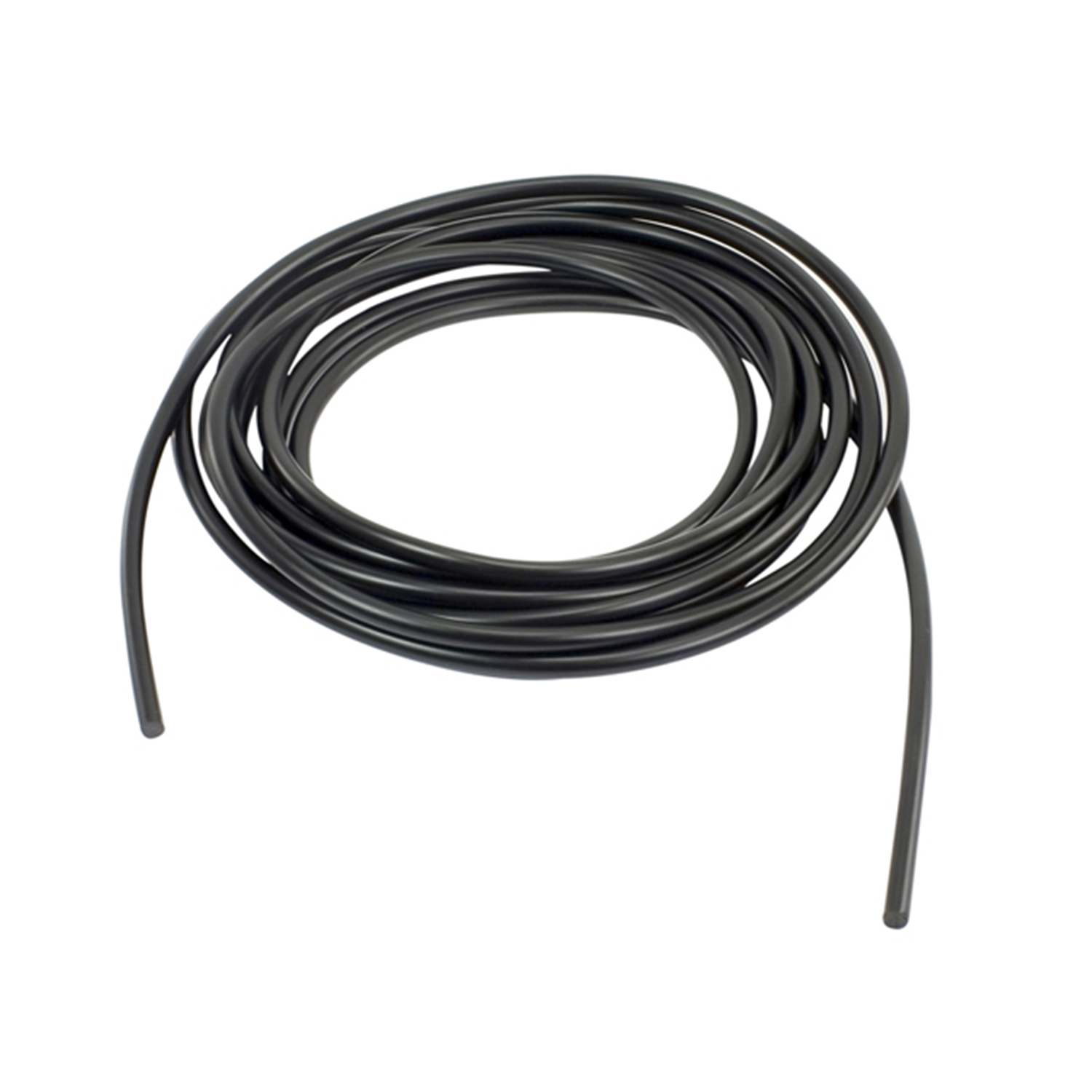 1969 Dodge W300 Pickup Windshield and rear glass lock-strip. Fits Many '57-'93 Mopars. Each.-LS 2-AWindshield and rear glass lock-strip. Fits Many '57-'93 Mopars. Each.
 1969 Dodge W300 Pickup Lockstrip Seal, 54-93 Mopar Full Size Truck, Van & SUV, Chromed Plastic Type-LS 2-VLockstrip Seal, 54-93 Mopar Full Size Truck, Van & SUV, Chromed Plastic Type, Each. Works with Metro p/n VWS 2706.
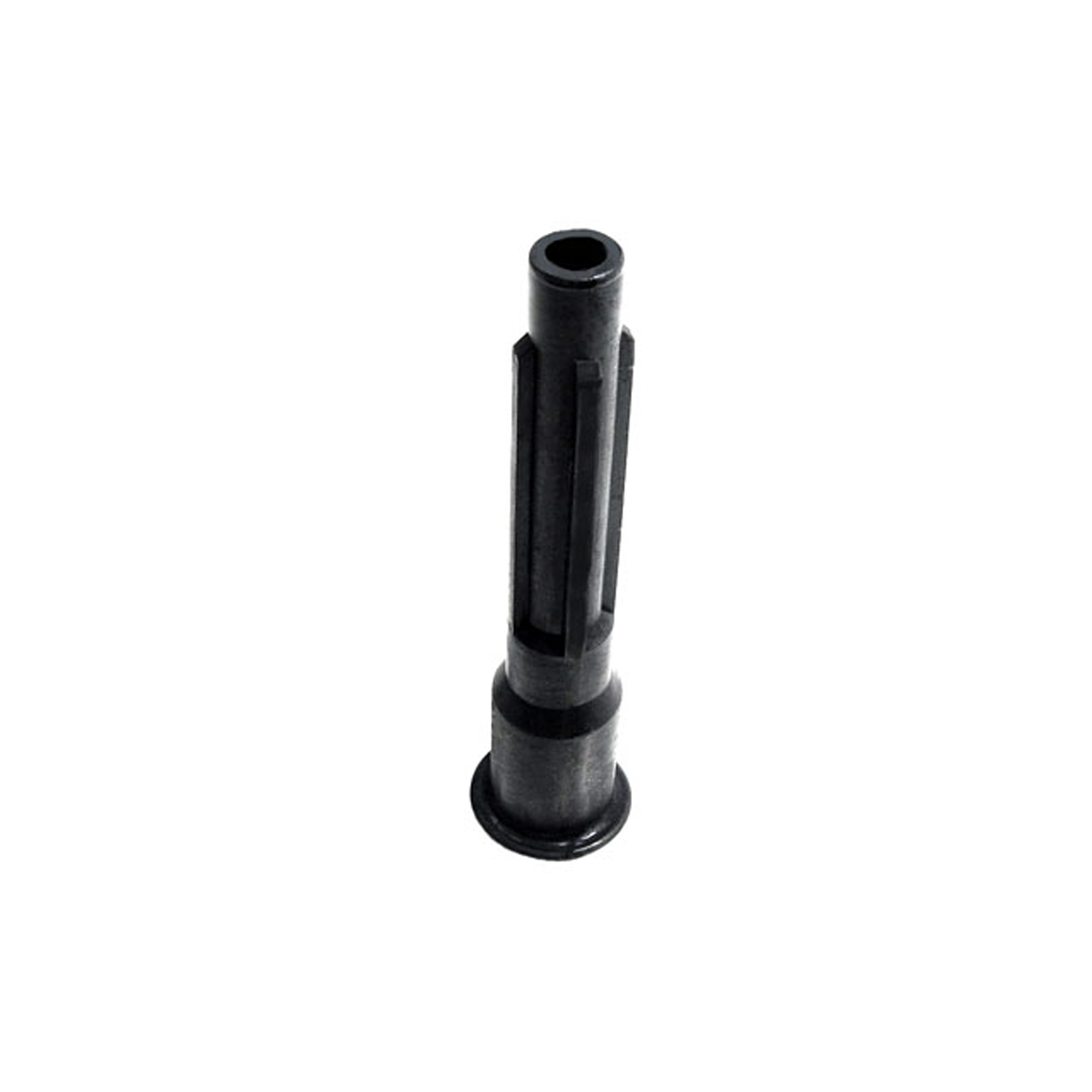 1969 Dodge W300 Pickup Flexible Spark Plug Boot, used on Hemi's with power brakes-RP 1-MFlexible Spark Plug Boot, used on Hemi's with power brakes. 4" long, 5/16" upper i.d., 5/8" lower i.d. Each
 1969 Dodge W300 Pickup Windshield Seal, 6171 Dodge Full Size Truck, With Trim Grove For Lockstrip-VWS 2720This windshield seal goes first on the body then the glass is placed in the opening. A separate lockstrip (not included) inserts into the rubber and secures the glass in place. This product is made from the original specs and with high quality ozone resistant materials for a great fit and long life. This item is designed to be installed during glass replacement.
Why Choose Metro?
For over 100 years, Metro Moulded Parts has been the pinnacle of quality in classic car restoration parts. Our commitment to precision and authenticity in every component ensures a perfect fit and an OEM-level appearance.
- Expert Craftsmanship & Quality: Each part is a testament to our dedication to reliability and perfection, crafted from original designs and thoroughly tested.
- Advanced Technology: We use cutting-edge techniques to create flawless, long-lasting parts that surpass others in performance.
- SuperSoft Sponge – The Ultimate Door Seal: Not only are our door seals 30% softer than competitors', but they're also guaranteed to never leak. They effectively reduce wind and road noise, enhancing your classic car's comfort and driving experience.
- Proudly American: Our parts are a product of American craftsmanship, made in the USA with a spirit of excellence and heritage.
- Unrivaled Warranty: We back our products with a 30-year industry-leading warranty, a testament to our confidence in their quality.
Join us in preserving the legacy of classic cars with parts that are crafted for perfection, not just made.