

Image of 1970 Dodge A100 Truck, Note: These illustrations use artistic license and may differ from actual historical models.
Performance Metrics
Fundamental Metrics
Emotional Appeal
MMP Rating
| Engine Specifications | |
|---|---|
| Engine Options: | 225 cubic inch Slant Six, 318 cubic inch V8 |
| Displacement Range: | 225 - 318 cubic inches |
| Horsepower Range: | 145 - 230 hp (estimated) |
| Torque: | 215 - 340 lb-ft (estimated) |
| Compression Ratio: | 8.4:1 - 9.2:1 (estimated) |
| Ignition System: | Conventional breaker-point ignition system |
| Cooling System: | Liquid-cooled |
| Performance Specifications | |
| 0-60 Time: | 10 - 12 seconds (estimated) |
| 1/4 Mile Time: | 17 - 19 seconds (estimated) |
| Top Speed: | 100 - 110 mph (estimated) |
| Transmission and Drive | |
| Drive Type: | Rear-wheel drive |
| Transmission Type: | 3-speed manual, 3-speed automatic |
| Fuel and Efficiency | |
| Fuel System Type: | Carburetor |
| MPG: | 10 - 15 mpg (estimated) |
| Dimensions and Brakes | |
| Brakes: | Drum brakes (front and rear) |
| Wheelbase: | 90 inches |
| Weight: | 3,000 - 3,500 lbs |
Note: Specifications for classic cars are given to the best of our ability, considering the limited and variant data available.
1970 Dodge A100 Truck: A Compact Truck with a Cab-Forward Attitude
The 1970 Dodge A100 Truck puts its driver almost over the front wheels, its engine between the seats, and a surprisingly useful bed behind the cab. That unusual layout made Dodge’s compact pickup instantly recognizable and gave it a distinctly different feel from conventional trucks of the era.
Built by the Chrysler Corporation, the A100 belonged to Dodge’s A-series compact-van family, introduced in 1964 to compete with vehicles such as the Ford Econoline and Chevrolet Corvair 95. The pickup shared its basic architecture with the A100 van, combining a compact footprint with a forward-control, cab-over-engine layout. By 1970, its final model year, the A100 had become a familiar sight among small businesses, tradespeople, and drivers who wanted a truck that was easier to park than a full-size pickup.
One of the A100’s most colorful chapters came not on a worksite but at the drag strip. The famous “Little Red Wagon,” a heavily modified A100 pickup driven by Bill “Maverick” Golden, became a crowd-pleasing exhibition truck by lifting its front wheels high in the air during acceleration. It was a spectacular demonstration of what an A100 could become in the right hands.
Cab-Forward Styling and a Surprisingly Useful Bed
The A100’s proportions are the first thing people notice. Its cab sits at the very front of the vehicle, with a blunt, nearly vertical nose, a broad windshield, and short front overhangs. The driver sits high and close to the front axle, while the engine occupies a removable cover, commonly called a doghouse, inside the cab between the seats. Behind the cab, the pickup bed gives the little truck a practical, upright silhouette.
The compact 90-inch wheelbase helped the A100 fit into tight streets and work yards. Its simple exterior surfaces, modest brightwork, and straightforward grille gave it a purposeful look rather than the chrome-heavy style of some larger pickups. A100s were also easy to personalize. Owners added contrasting paint, utility racks, custom wheels, stripes, and accessories, making the model a natural candidate for both work-truck upgrades and show-car treatment.
Paint choices varied by year and equipment, so there is no single color that defines every 1970 truck. Period Dodge colors ranged from subdued neutrals to brighter reds, blues, greens, and yellows. Today, vivid colors and well-executed two-tone schemes are especially popular because they suit the A100’s playful proportions. Original paint and trim combinations can be a selling point for collectors, but quality and condition usually matter more than color alone.
A Simple Interior Built for Work
Inside, the A100 was intentionally plain. The cabin typically featured a basic instrument panel, durable vinyl seating, a rubber floor covering, and straightforward controls. The materials were selected for utility and easy cleaning, not luxury. That no-nonsense approach suited the truck’s intended job, although the exposed, close-set engine cover could make the cabin warm and noisy.
Equipment varied with configuration and options. Buyers could find differences in seat arrangements, trim, heater equipment, gauges, and convenience features. Compared with a modern truck, the A100 offered little sound insulation and limited adjustment, but its simple layout is part of its charm. The large windshield and upright seating position also provide a commanding view of the road, though the driver must get used to being so far forward.
Engines, Transmissions, and Body Styles
For 1970, A100 pickups were commonly equipped with Chrysler’s 225-cubic-inch Slant Six or an available 318-cubic-inch V8, with exact equipment depending on the truck’s specification. The Slant Six earned a strong reputation for durability and straightforward maintenance. The 318 added a deeper V8 sound and more effortless acceleration, especially when the truck was carrying a load.
Depending on engine and configuration, buyers could choose a manual transmission or the TorqueFlite automatic. These were conventional, period-appropriate drivetrains rather than high-tech systems, but their relative simplicity has helped make the A100 approachable for classic-truck owners. As with any surviving example, check the truck’s identification and components rather than assuming a particular engine or transmission is original.
The A100 family included cargo vans, passenger and window vans, and the pickup. The pickup is the most immediately recognizable choice for collectors who want the classic cab-forward truck profile. Its compact bed is useful for light hauling, while the van versions offer enclosed cargo space and a different kind of vintage appeal.
Why the A100 Stood Out
The A100 arrived during a period when American manufacturers were experimenting with smaller, more efficient commercial vehicles. Its forward-control design made it compact from bumper to bumper while retaining a useful cargo area. That layout was not unique to Dodge, but the A100 became one of the most distinctive American examples of the cab-over-engine idea.
Its engineering also shaped the driving experience. With the engine inside the cab and the driver positioned close to the front axle, the A100 felt very different from a conventional pickup with a long hood. The configuration made good use of limited exterior dimensions, a valuable advantage for urban delivery work and crowded job sites.
The A100 did not replace the full-size pickup, nor did it set a lasting mainstream template for American trucks. Instead, its significance lies in offering a practical alternative and in becoming an unusually adaptable platform. The same basic character that made it useful for business also made it a favorite for custom builds, vans, drag-racing exhibitions, and modern vintage-vehicle gatherings.
Performance and the Cab-Over Driving Experience
There is no single reliable performance figure for every 1970 A100. Engine, transmission, axle ratio, tire size, vehicle condition, and load all make a difference, and factory specifications do not translate neatly into modern road-test results. As a broad guide, a sound V8 truck might reach 60 mph in roughly 11 to 15 seconds, while a Slant Six example could take around 16 to 20 seconds. Approximate top speeds might fall in the 85 to 100 mph range for a V8 and 75 to 85 mph for a six-cylinder, but those are estimates, not guarantees or recommended cruising speeds.
On the road, the A100 feels compact and immediate. The engine’s location gives the cabin a prominent mechanical presence: the Slant Six produces a steady, workmanlike note, while the 318 adds a fuller rumble and more audible V8 character. With the engine cover between the seats, sound and heat are part of the experience rather than something completely isolated from the occupants.
The short wheelbase helps the truck maneuver in tight spaces, but it can also make rough pavement feel busy. Broken surfaces and sharp bumps are transmitted more directly than they would be in a modern pickup. On winding roads, the upright body and period suspension reward smooth inputs rather than aggressive cornering. Crosswinds can be noticeable, particularly with a tall load or a van-style body. The A100 is best enjoyed at a sensible pace, where its visibility, compact size, and distinctive driving position become advantages.
Living with a 1970 A100
Today, A100s serve many roles. Some remain working trucks for light hauling, while others are restored show vehicles, weekend cruisers, hot rods, or custom vans and pickups. The compact size makes an A100 easier to store and maneuver than a full-size classic truck, but it is still a vehicle from an era before modern crash protection, braking, and comfort expectations.
Routine mechanical work is generally manageable for an experienced home mechanic. The Slant Six and 318 are familiar Chrysler engines, and many service parts are available through classic-Mopar suppliers. However, model-specific trim, body panels, and small interior pieces can take more searching. The engine’s location inside the cab also means some service tasks involve removing or opening the doghouse cover.
Before buying, inspect the unibody structure carefully. Pay close attention to the floor, cab mounts, rocker areas, door sills, bed, and seams where water may collect. Check the doghouse and its seals, along with the cooling system, brakes, steering components, and transmission. A rusty or poorly repaired structure can be more costly to address than a tired engine, so a thorough inspection is worth the effort.
Little Red Wagon, Big Personality
The “Little Red Wagon” is the A100’s best-known piece of trivia. Bill “Maverick” Golden’s wheelstanding exhibition truck transformed the compact Dodge into a drag-strip spectacle and helped cement the A100’s reputation as a platform with more personality than its work-truck role suggested. Replicas and inspired builds remain popular with enthusiasts.
The A100 also reflects a brief but important era in American vehicle design, when compact vans and pickups were gaining ground as practical alternatives for businesses and families. It did not hold a major nationwide speed or endurance record in standard form, but its most memorable performance legacy is theatrical: an A100 lifting its front wheels and charging down a strip.
Common criticisms are easy to understand. The cabin can be noisy and warm, the ride is dated, the cab-forward position takes adjustment, and the short wheelbase can feel unsettled over rough roads. Safety and comfort are also far behind modern standards. For many owners, however, those drawbacks are balanced by the truck’s character, visibility, compact dimensions, and unmistakable shape.
Collector Values and Availability
Prices depend heavily on rust, originality, engine choice, restoration quality, and whether the truck has been modified. As a broad U.S. market estimate, a project-grade A100 pickup may sell for about $5,000 to $12,000. A usable driver or older restoration might fall around $12,000 to $25,000, while a high-quality restored example can reach roughly $25,000 to $45,000 or more. Exceptional customs, documented show trucks, and carefully built replicas of famous A100s can exceed that range.
These figures are general estimates, not appraisals. Local supply, auction results, and the truck’s history can move the price substantially. Original, complete trucks are attractive to purists, while well-built customs appeal to buyers who want a distinctive weekend vehicle. Poorly executed modifications and hidden structural rust can sharply reduce value.
Exact production totals for 1970 A100 pickups are not consistently published in readily available model-year breakdowns. A reasonable estimate is that production for the pickup version was likely in the several-thousand to low-five-figure range for the year, but that should be treated as an informed approximation rather than a confirmed factory count. The broader A100 family, including vans and pickups across its production run, was considerably more common than the pickup alone.
Interest in unusual compact trucks has supported values, especially for clean, original examples. The A100 is not as widely traded as a classic Dodge D-series pickup, so price comparisons can be difficult and individual condition matters enormously. Well-preserved trucks have generally become more desirable as distinctive vintage work vehicles, while rough projects remain limited by restoration costs.
Why the 1970 Dodge A100 Still Matters
The 1970 Dodge A100 Truck is a compact pickup with an outsized personality. Its cab-forward layout, simple cabin, Slant Six or V8 power, and useful proportions made it a practical tool in its day and an unmistakable classic today. It was not designed to be plush or sophisticated, but it offered a clever use of space and became one of the most memorable American compact trucks of its era.
For collectors, the A100 delivers something increasingly rare: a vehicle that is genuinely useful, visually distinctive, and tied to an unforgettable piece of drag-strip history. Whether restored to factory style or built into a custom, it remains a small truck that refuses to fade into the background.
1970 Dodge A100 Truck Catalog of Parts
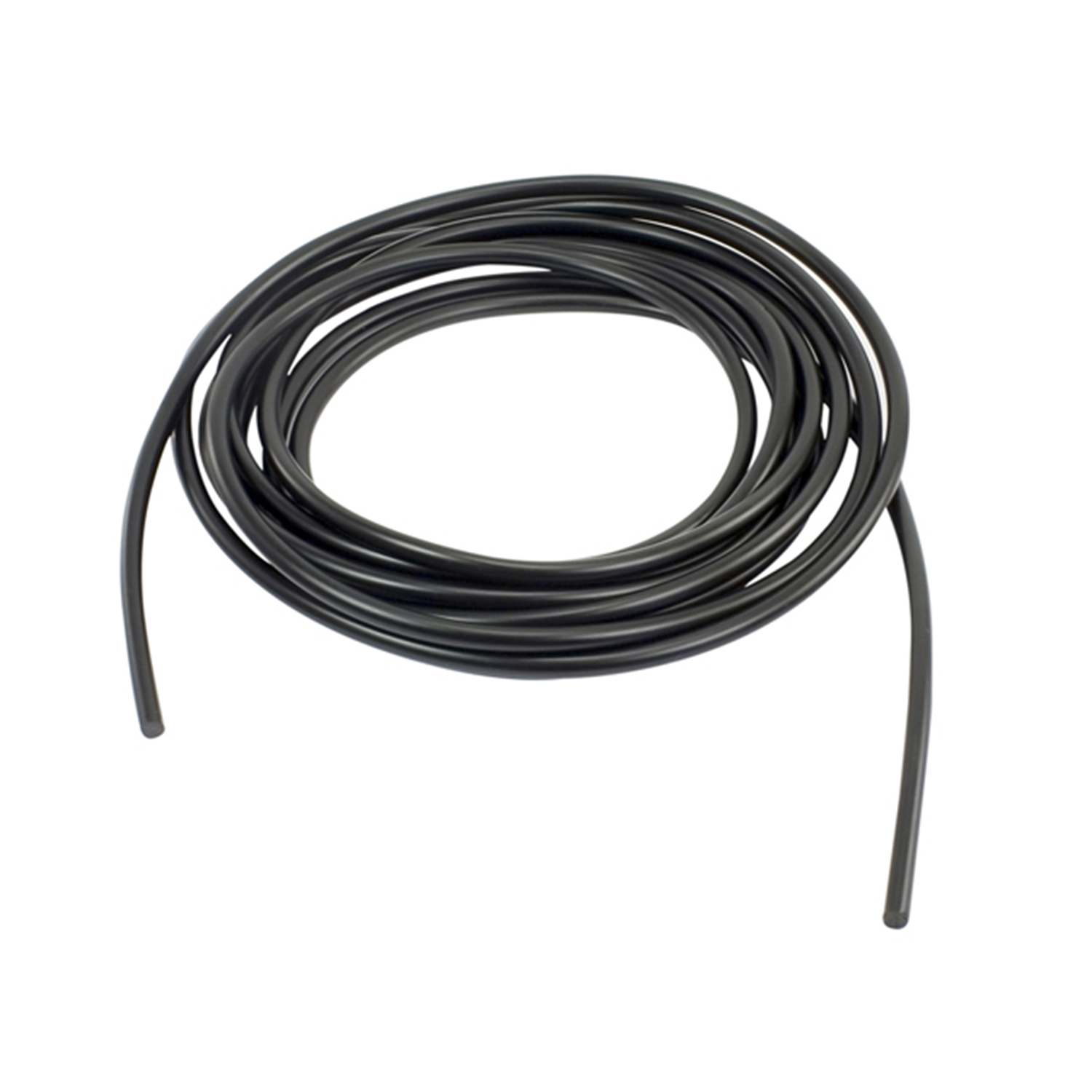 1970 Dodge A100 Truck Windshield and rear glass lock-strip. Fits Many '57-'93 Mopars. Each.-LS 2-AWindshield and rear glass lock-strip. Fits Many '57-'93 Mopars. Each.
 1970 Dodge A100 Truck Lockstrip Seal, 54-93 Mopar Full Size Truck, Van & SUV, Chromed Plastic Type-LS 2-VLockstrip Seal, 54-93 Mopar Full Size Truck, Van & SUV, Chromed Plastic Type, Each. Works with Metro p/n VWS 2706.
Why Choose Metro?
For over 100 years, Metro Moulded Parts has been the pinnacle of quality in classic car restoration parts. Our commitment to precision and authenticity in every component ensures a perfect fit and an OEM-level appearance.
- Expert Craftsmanship & Quality: Each part is a testament to our dedication to reliability and perfection, crafted from original designs and thoroughly tested.
- Advanced Technology: We use cutting-edge techniques to create flawless, long-lasting parts that surpass others in performance.
- SuperSoft Sponge – The Ultimate Door Seal: Not only are our door seals 30% softer than competitors', but they're also guaranteed to never leak. They effectively reduce wind and road noise, enhancing your classic car's comfort and driving experience.
- Proudly American: Our parts are a product of American craftsmanship, made in the USA with a spirit of excellence and heritage.
- Unrivaled Warranty: We back our products with a 30-year industry-leading warranty, a testament to our confidence in their quality.
Join us in preserving the legacy of classic cars with parts that are crafted for perfection, not just made.