

Image of 1972 Dodge D100 Pickup, Note: These illustrations use artistic license and may differ from actual historical models.
Performance Metrics
Fundamental Metrics
Emotional Appeal
MMP Rating
| Engine Specifications | |
|---|---|
| Engine: | 225 cubic inch Slant-6, 318 cubic inch V8, 360 cubic inch V8 |
| Displacement: | 225 - 360 cubic inches |
| Horsepower: | 95 - 255 hp (approximately) |
| Torque: | 170 - 380 lb-ft (approximately) |
| Compression Ratio: | 8.4:1 - 8.5:1 |
| Ignition System: | Conventional breaker-point ignition system |
| Cooling System: | Liquid-cooled |
| Performance Specifications | |
| 0-60 Time: | 10 - 15 seconds (estimated) |
| 1/4 Mile Time: | 17 - 20 seconds (estimated) |
| Top Speed: | 90 - 110 mph (estimated) |
| Transmission and Drive | |
| Drive Type: | Rear-wheel drive |
| Transmission Type: | 3-speed manual, 4-speed manual, 3-speed automatic |
| Fuel and Efficiency | |
| Fuel System Type: | Carburetor |
| MPG: | 10 - 15 mpg (estimated) |
| Dimensions and Brakes | |
| Brakes: | Front disc and rear drum brakes |
| Wheelbase: | 131 inches |
| Weight: | 3,500 - 4,500 lbs (approximately) |
Note: Specifications for classic cars are given to the best of our ability, considering the limited and variant data available.
1972 Dodge D100 Pickup: A Classic Mopar Workhorse
The 1972 Dodge D100 is the kind of pickup that makes a virtue of being straightforward: a big hood, a sturdy frame, a practical cab, and an engine lineup that could be tailored to work or everyday driving. Built by the Dodge Division of Chrysler, the half-ton D100 belonged to the long-running Dodge D Series, a family of pickups that served farmers, tradespeople, businesses, and families for decades.
The 1972 model sits at an interesting point in the D Series story. Dodge refreshed the trucks for the 1970s, giving them a more contemporary look while retaining the conventional, body-on-frame construction that owners expected. It is also a useful year for collectors because it represents the familiar early-1970s D Series before later additions and styling changes broadened the range. One detail enthusiasts often note: Dodge’s Club Cab arrived for the 1973 model year, so the 1972 D100 is a traditional regular-cab pickup, not a factory Club Cab.
D100 Styling and Cab Details
The D100 wears its size honestly. Its long, flat hood leads into a broad front end, with a substantial grille and prominent fenders that give the truck a confident, no-nonsense face. The proportions are unmistakably early 1970s: upright glass, a tall cab, and clean body lines rather than the rounded, sculpted surfaces that would come later. Depending on trim and equipment, brightwork could add a little polish, but the basic design remained purposeful.
Buyers could choose between the smooth-sided Sweptline pickup box and the stepside-style Utiline box, whose separate rear fenders and exposed running boards gave it a more traditional appearance. The Sweptline was the cleaner, more modern-looking choice and is often the version people picture when they think of a 1970s Dodge pickup. Wheelbase and bed combinations varied, so surviving trucks can look noticeably different in overall length.
Inside, the D100 was built for use rather than luxury. A wide bench seat, durable vinyl upholstery, a painted metal dashboard, straightforward controls, and clear, easy-to-read instruments made up the typical cabin. Higher trim and optional equipment could add nicer upholstery, carpeting, extra convenience features, or improved trim, but the interior still had the practical character of a working truck. The materials were generally sturdy and easy to clean, although decades of sun and hard use can leave seats, door panels, and dash surfaces cracked or worn.
Paint choices varied by trim and order, with solid colors ranging from restrained whites and earth tones to brighter reds, blues, greens, and yellows. White, red, and blue are especially familiar on surviving trucks, but factory color availability depended on the paint chart, trim, and market. Two-tone treatments and decorative stripes could make a D100 more distinctive without changing its basic work-truck personality.
Engines, Equipment, and 1972 Technology
The D100’s appeal came partly from its range of powertrains. A 225-cubic-inch Slant Six was the economical, durable choice, while small-block V8 options such as the 318 and 360 offered stronger acceleration and greater confidence when carrying a load or towing. Engine availability could vary by configuration and market, so a truck’s original equipment is best confirmed through its identification numbers or factory documentation.
Depending on the order, buyers could pair an engine with a manual transmission or Chrysler’s TorqueFlite automatic. Rear-wheel drive was standard for the D100. As with many pickups of the period, options could include power steering, power brakes, air conditioning, upgraded seating, and different axle ratios. These were useful conveniences, but the truck remained mechanically uncomplicated by modern standards.
There was no advanced electronic driver assistance or computer-managed engine control. The D100 relied on conventional mechanical systems, basic instrumentation, and a rugged chassis. That simplicity is part of its charm today: many repairs can be diagnosed with ordinary tools, and familiar Mopar components are well supported by the classic-truck parts market.
Why the Dodge D100 Matters
The 1972 D100 was not a radical engineering breakthrough, and that is precisely why it worked. It refined the established American pickup formula: body-on-frame construction, a choice of six- or eight-cylinder power, straightforward service access, and several ways to configure the bed and equipment. Its design balanced a more modern appearance with the durability expected of a vehicle that might spend its week on a job site and its weekend hauling a boat or camper.
Compared with contemporary Ford and Chevrolet half-ton trucks, the Dodge offered a distinct Mopar identity and a strong range of Chrysler engines and transmissions. It was not the sales leader in every part of the truck market, but it gave buyers a credible alternative with a character all its own. The D Series continued through many later revisions, and the D100 helped establish the practical, customizable Dodge pickup image that carried into subsequent generations.
How the D100 Drives
Performance depends heavily on the engine, transmission, axle ratio, tire size, and the truck’s condition. Period acceleration figures are not consistent across every D100 configuration, so modern estimates should be treated as a guide rather than factory-certified specifications. A Slant Six truck may take roughly 18 to 22 seconds to reach 60 mph, while a V8-equipped example might manage the run in approximately 13 to 17 seconds. Stronger V8 combinations can be quicker, particularly when lightly loaded.
Top speed is similarly configuration-dependent. A healthy D100 might reach roughly 85 to 100 mph, but it was designed as a pickup, not a high-speed touring car. Tire condition, gearing, brakes, and the truck’s mechanical health matter far more than chasing a headline speed. On a restored or original example, keeping it in good operating condition is the sensible priority.
On the road, the D100 feels substantial and direct. The steering is slower and heavier than that of a modern pickup, especially without power steering, and the ride can be firm when the bed is empty. Add a load and the suspension settles into its working role. It will absorb ordinary road imperfections, but sharp bumps can jolt the cab, and a tall, lightly loaded truck can be pushed around by crosswinds. On winding roads, drivers should expect body lean and plan ahead rather than attack corners.
The engine note is part of the experience. The Slant Six has a steady, distinctive mechanical hum, while the V8s deliver a deeper rumble and a more relaxed feel under acceleration. The tall driving position, broad hood, bench seat, and simple controls make the D100 feel like a proper old-school pickup. It rewards smooth inputs and gives the driver a more hands-on connection to the machinery than a modern truck does.
Living With a 1972 Dodge Pickup
Owners use D100s as weekend cruisers, vintage work trucks, show vehicles, farm and property trucks, and tow vehicles for modest loads. A well-maintained example can still serve as a regular driver, but its age brings practical limitations: fuel economy is modest, safety equipment is basic by current standards, and rust or deferred maintenance can quickly turn a bargain into a project.
Routine maintenance is generally approachable for an owner comfortable with older vehicles. Tune-ups, brake work, cooling-system service, and many engine repairs use familiar components and conventional methods. Parts availability is good for common mechanical items, though trim, cab-specific pieces, and bed panels may take more searching. Before buying, inspect the frame, cab corners, floor pans, inner fenders, and bed carefully. Rust repair and hard-to-find body parts can cost more than routine mechanical work.
Reliability depends more on condition and maintenance than on the badge. The Slant Six has a reputation for longevity, while the V8s are also durable when properly serviced. Age-related problems such as worn steering parts, tired suspension bushings, leaking seals, electrical issues, and cooling-system neglect are common concerns. A pre-purchase inspection by someone familiar with vintage trucks is money well spent.
Notable D100 Facts and Myths
The 1972 D100 is a useful snapshot of Dodge’s traditional pickup before the Club Cab expanded the range for 1973. Its choice of Sweptline and Utiline beds also captures a period when truck buyers could choose between a smooth-sided, contemporary look and a more old-fashioned stepside profile.
There is no widely recognized speed, endurance, or sales record associated specifically with the 1972 D100, and celebrity ownership stories are not a defining part of its history. Its significance is less about one famous event and more about the everyday work these trucks performed across North America. A common criticism is that the D100 can feel crude beside later pickups, with a firm ride, basic cabin, and limited safety features. For enthusiasts, those same qualities are part of its honest, mechanical appeal.
1972 Dodge D100 Values and Rarity
Exact production totals for the 1972 D100 by cab, bed, engine, and trim are not consistently published, so a precise model-specific count is difficult to establish. As a broad estimate rather than a factory figure, production was likely in the tens of thousands. The D100 is not exceptionally rare in the way a limited-production special edition is, but clean, original trucks are much less common than project vehicles.
In the current collector market, a running but rough D100 might sell for around $4,000 to $8,000, while a solid driver-quality truck often falls near $8,000 to $16,000. A very clean, well-restored example can bring roughly $18,000 to $30,000 or more, with exceptional restorations and desirable configurations sometimes exceeding that range. Actual prices vary with rust, originality, engine, bed style, documentation, and regional demand.
Values have generally strengthened as interest in classic pickups has grown, though the D100 remains more affordable than many comparable Ford and Chevrolet models. The strongest examples are likely to hold value best, especially trucks with quality restorations, original equipment, or distinctive period colors. Condition is decisive: a rare-looking truck with serious structural rust is usually less appealing than a well-preserved, ordinary-specification example.
The Lasting Appeal of the 1972 D100
The 1972 Dodge D100 combines practical engineering, unmistakable early-1970s styling, and the straightforward character of a traditional American pickup. Its simple cabin and sturdy mechanical layout make it approachable for hands-on owners, while its range of engines and bed styles gives each truck its own personality.
It may not have set a famous speed record or transformed pickup engineering, but the D100 represents something more enduring: a capable, useful truck built to earn its keep. Restored, working, or simply parked at a weekend meet, a 1972 Dodge D100 remains a distinctive piece of Mopar history with plenty of road left in it.
1972 Dodge D100 Pickup Catalog of Parts
 1972 Dodge D100 Pickup Front Stabilizer End Repair Kit-BNK 25Front Stabilizer End Repair Kit. 22-piece set for two stabilizer bars. Contains all rubber bushings, washers, bolts and nuts, enough for one front end. Set
 1972 Dodge D100 Pickup Door Seal (Imported). Replaces OEM #55023781-IS-LM 123Door Seal (Imported). Replaces OEM #55023781. Fits either side. 160" Long. Each
 1972 Dodge D100 Pickup Door seal. Full-size trucks. Fits cab doors either side-LM 123Door seal. Full-size trucks. Fits cab doors either side. 160 in. L. Replaces OEM# 55023781. Each.
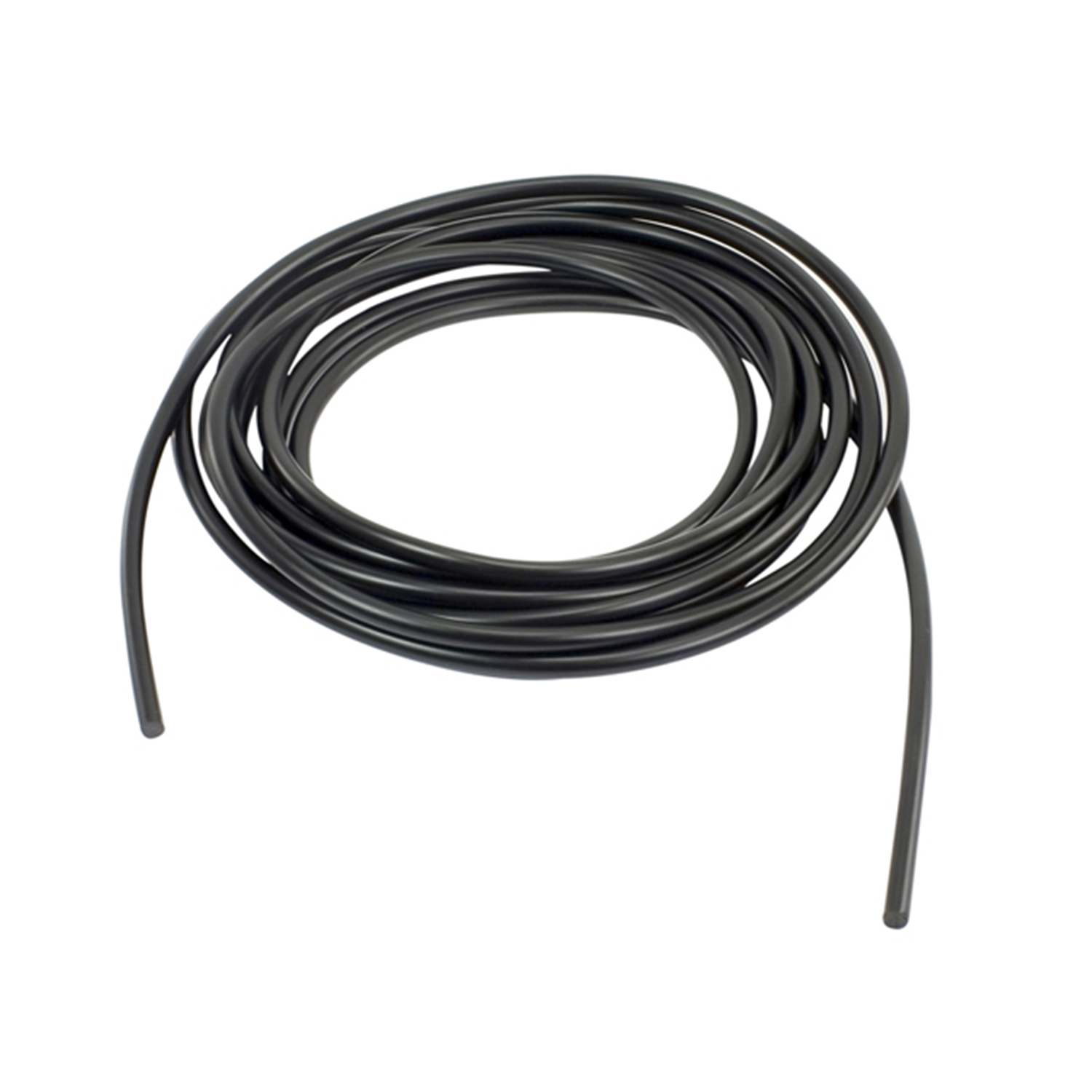 1972 Dodge D100 Pickup Windshield and rear glass lock-strip. Fits Many '57-'93 Mopars. Each.-LS 2-AWindshield and rear glass lock-strip. Fits Many '57-'93 Mopars. Each.
 1972 Dodge D100 Pickup Lockstrip Seal, 54-93 Mopar Full Size Truck, Van & SUV, Chromed Plastic Type-LS 2-VLockstrip Seal, 54-93 Mopar Full Size Truck, Van & SUV, Chromed Plastic Type, Each. Works with Metro p/n VWS 2706.
 1972 Dodge D100 Pickup Chrome Windshield Lockstrip-LS 3-CThis chrome lockstrip insert's into the weatherstrip to lock in the glass. Includes center cover clip. It's sold as a single piece to do one application.
 1972 Dodge D100 Pickup Windshield Seal, 72-93 Dodge Full Size Truck, 74-93 Mopar SUV, With Trim Groove-VWS 2720-BThis seal installs first on the body then the glass is placed in the opening. A separate lockstrip (Not Included) inserts into the rubber and secures the glass in place. The part numbers for Lockstrip are Chrome LS 3-C and Black LS 2-A. This product is made from the original specs and with high quality ozone resistant EPDM rubber for a great fit and long life. This item is designed to be installed during glass replacement.
 1972 Dodge D100 Pickup Vent Window Seals, 72-77 Dodge D-Series Truck, Ramcharger / Trailduster, Pair-WR 2702-MVent Window Seals, 72-77 Dodge D-Series Truck, Ramcharger / Trailduster, Pair. R&L.
Why Choose Metro?
For over 100 years, Metro Moulded Parts has been the pinnacle of quality in classic car restoration parts. Our commitment to precision and authenticity in every component ensures a perfect fit and an OEM-level appearance.
- Expert Craftsmanship & Quality: Each part is a testament to our dedication to reliability and perfection, crafted from original designs and thoroughly tested.
- Advanced Technology: We use cutting-edge techniques to create flawless, long-lasting parts that surpass others in performance.
- SuperSoft Sponge – The Ultimate Door Seal: Not only are our door seals 30% softer than competitors', but they're also guaranteed to never leak. They effectively reduce wind and road noise, enhancing your classic car's comfort and driving experience.
- Proudly American: Our parts are a product of American craftsmanship, made in the USA with a spirit of excellence and heritage.
- Unrivaled Warranty: We back our products with a 30-year industry-leading warranty, a testament to our confidence in their quality.
Join us in preserving the legacy of classic cars with parts that are crafted for perfection, not just made.