

Image of 1959 Edsel Corsair, Note: These illustrations use artistic license and may differ from actual historical models.
Performance Metrics
Fundamental Metrics
Emotional Appeal
MMP Rating
| Engine Specifications | |
|---|---|
| Engine: | 361 cu in (5.9 L) FE V8 |
| Displacement: | 361 cu in (5.9 L) |
| Horsepower: | 303 hp |
| Torque: | 390 lb-ft |
| Compression Ratio: | 10.5:1 |
| Ignition System: | Conventional points ignition system |
| Cooling System: | Liquid cooled |
| Performance Specifications | |
| 0-60 Time: | Estimated 10 seconds |
| 1/4 Mile Time: | Estimated 17 seconds |
| Top Speed: | 120 mph |
| Transmission and Drive | |
| Drive Type: | Rear-wheel drive |
| Transmission Type: | 3-speed automatic |
| Fuel and Efficiency | |
| Fuel System Type: | Carburetor |
| MPG: | Estimated 10-12 mpg |
| Dimensions and Brakes | |
| Brakes: | Drum brakes |
| Wheelbase: | 120 in (3,048 mm) |
| Weight: | 3,700 lbs |
Note: Specifications for classic cars are given to the best of our ability, considering the limited and variant data available.
1959 Edsel Corsair: A Big V8 with a Short, Unforgettable History
The 1959 Edsel Corsair was a stylish, full-size American cruiser from a car company that disappeared almost as quickly as it arrived. Built by Ford Motor Company’s Edsel Division, the Corsair sat above the entry-level Ranger in Edsel’s 1959 lineup, bringing distinctive trim, a roomy cabin, and V8 power to buyers looking for something more individual than an ordinary Ford.
The Edsel marque had launched for the 1958 model year amid enormous publicity. Ford hoped it would fill a gap between Ford and Mercury, but the new brand soon faced a difficult economy, fierce competition, and a reputation shaped by jokes about its unusual grille. The 1959 Corsair was part of a substantial redesign that gave Edsel a cleaner, less controversial look. It was also one of the final chapters in the story: Ford discontinued the Edsel line during the 1960 model year.
One detail that makes the 1959 Corsair especially interesting is what changed from the first Edsels. The dramatic vertical “horse-collar” grille was toned down in favor of a wide, horizontal design, and the famous push-button Teletouch transmission control was gone. The result was still unmistakably an Edsel, but it was a more conventional and easier-to-live-with car.
Fresh Edsel Styling for 1959
The Corsair’s front end was dominated by a broad horizontal grille, framed by bright trim and paired with four headlights. Its face looked lower and wider than the 1958 Edsel’s upright nose. Along the sides, restrained character lines and generous chrome gave the car a long, formal profile, while the rear fenders carried modest tail-end shaping rather than the towering fins seen on some late-1950s rivals.
Edsel kept the Corsair’s styling distinctive without making every panel look flamboyant. The familiar central grille detail remained a visual signature, but the overall design was more integrated than the previous year’s. Buyers could also choose two-tone paint and contrasting roof treatments, which highlighted the car’s long roofline and bright side trim.
Color availability varied by paint code and trim combination. Period palettes included shades such as blue, red, green, turquoise, black, and white, as well as lighter and metallic finishes. Two-tone combinations were especially eye-catching, though today the best choice is often the color that suits the car’s condition and documented original specification.
Body Styles, Cabin, and Equipment
The 1959 Corsair was offered in several full-size body styles, including two-door and four-door hardtops, a four-door sedan, and a convertible. Exact model availability and production figures can vary across reference sources, so buyers researching a specific car should check its body tag and factory records where available. The convertible is the most instantly glamorous version, while the hardtops deliver the sweeping, pillarless look that many enthusiasts associate with late-1950s American cars.
Inside, the Corsair offered broad bench seats and generous room for passengers. Upholstery combinations used patterned cloth and vinyl, with more vinyl in some trim areas for durability and easy cleaning. Bright metal accents, coordinated door panels, and a large dashboard gave the cabin a distinctly period feel. It was not a hand-built luxury interior, but it was suitably dressed for a premium Edsel series.
Available conveniences included items such as power steering, power brakes, an automatic transmission, radio, air conditioning, power windows, and power seat equipment, depending on the car’s original specification. Those options could make a Corsair a comfortable long-distance car, but they also add systems that a present-day owner may need to inspect and maintain.
Engineering and the Edsel Difference
The Corsair rode on a 120-inch wheelbase platform shared with the 1959 Edsel Ranger. The reduced size compared with the larger 1958 Edsels reflected Ford’s effort to make the line more manageable and competitive. Under the hood, the Corsair was associated with Ford’s 361-cubic-inch V8, rated at about 303 gross horsepower in its high-output form. The “E-400” name referred to its advertised torque figure, not its engine displacement.
A three-speed manual transmission was available, while many cars were ordered with an automatic. The 1959 model’s conventional transmission controls were less novel than the 1958 Teletouch system, but that was arguably an improvement for owners. Teletouch had placed transmission-selection buttons in the steering-wheel hub, a bold idea that could be awkward to service and was dropped after the 1958 model year.
Edsel also gave the Corsair its own badging, trim, and dashboard details, helping it stand apart from a standard Ford even though it shared substantial engineering with other Ford products. That mix of familiar mechanical components and distinctive styling remains part of the car’s appeal today.
How the Corsair Drives
Period performance figures vary with engine, transmission, axle ratio, vehicle condition, and testing method. As a practical estimate, a healthy 361-powered Corsair may reach 60 mph in roughly 10 seconds, with a top speed in the neighborhood of 110 to 115 mph. These are estimates rather than guaranteed factory figures, and a nearly seven-decade-old car may perform very differently from a new one.
The Corsair is best understood as a comfortable highway cruiser, not a sports sedan. Its long wheelbase and substantial weight help it smooth over ordinary road imperfections, while the soft suspension and wide bench seats create the relaxed ride expected of a large American car. On winding roads, body roll and the car’s size encourage a measured pace. Crosswinds can also make a big, lightly loaded classic feel less settled than a modern vehicle.
From behind the wheel, the V8’s low, rounded rumble is a major part of the experience. Acceleration arrives with a broad surge rather than a sharp, modern punch, and the steering feels substantial by today’s standards. Power steering, if fitted and working correctly, makes parking far easier. The Corsair rewards smooth inputs and open roads, where its quiet cabin, roomy seating, and unhurried character come into their own.
Why the 1959 Corsair Matters
The Corsair’s historical importance is closely tied to the Edsel experiment. Ford invested heavily in research, marketing, and a separate brand identity, hoping Edsel would become a major new division. The launch became one of the most famous misfires in American business history, but the cars themselves were more than a punchline. The 1959 redesign shows Ford responding to criticism by simplifying the styling and reducing some of the brand’s more unusual features.
What set the Corsair apart was its combination of familiar Ford mechanicals and a carefully differentiated identity. It had its own name, grille treatment, trim, and interior presentation, yet it could be maintained using many components related to the wider Ford family. That approach anticipated a common industry strategy: share underlying platforms and parts while giving different brands distinct styling and equipment.
The Edsel’s short life also gave surviving cars an unusual place in automotive culture. The Corsair is not a high-volume icon like a Ford Thunderbird, but it represents a fascinating moment when a major manufacturer tried to create a new middle-to-upper-market brand and learned how difficult it can be to shape public opinion.
Living with a Corsair Today
Most Corsairs now serve as show cars, weekend cruisers, or collection pieces rather than daily transportation. A well-sorted example can handle local drives and occasional road trips, but regular use calls for realistic expectations. Fuel economy is modest, braking and handling are decades behind modern cars, and replacement parts may require specialist suppliers, club networks, or patient searching.
The basic V8 and conventional transmission are not mysterious to an experienced classic-car mechanic. Many service and wear items have connections to other Ford products of the period, which can help with repairs. However, Edsel-specific trim, glass, interior pieces, body panels, and some electrical components can be harder to locate. Before buying, inspect the body for rust, verify the engine and transmission, and test every power accessory. A complete car is often a better starting point than a cheap project missing rare trim.
As with any 1950s car, condition matters more than the badge on the hood. Brakes, tires, suspension bushings, fuel lines, and wiring should be checked before regular driving. A restoration-quality Corsair can be rewarding, but a rushed repair or neglected electrical system can quickly turn an inexpensive purchase into an expensive project.
Edsel Corsair Trivia and Criticisms
The Edsel name honored Edsel Ford, the son of company founder Henry Ford. The 1959 Corsair also illustrates how quickly the brand adapted: the styling was revised after the controversial 1958 launch, and the complicated steering-wheel push-button transmission selector did not carry over. The 1959 car kept the Edsel identity while moving toward a more conventional presentation.
There is no widely recognized speed, endurance, or sales record held specifically by the Corsair. Its most notable distinction is its place in the brief Edsel run. Ford built 44,891 Edsels across all models for the 1959 model year. A reasonable estimate for Corsair production is around 9,000 cars, though figures can differ by body style and source. Convertibles were a small portion of total Edsel production and are generally harder to find today.
The most common criticisms are familiar: the car arrived at an awkward time, its first-year styling attracted ridicule, and the Edsel brand never earned the trust or identity Ford wanted. The 1959 Corsair is often judged more favorably for its cleaner appearance, but it could not escape the larger problems surrounding the marque. Its short production life is part of what makes it collectible now.
Collector Values and Availability
Values depend heavily on body style, originality, rust, mechanical condition, and the quality of any restoration. As a broad 2026 estimate, a project or rough driver might sell for about $8,000 to $18,000. A presentable, usable example could fall around $18,000 to $35,000, while a highly restored car may bring roughly $35,000 to $55,000 or more. A particularly desirable convertible in excellent condition can exceed that range, especially when it has strong documentation and correct details.
These are guide ranges, not appraisals. Local demand, auction timing, originality, and the availability of comparable cars can move the price substantially. Corsairs appear less often than mainstream Fords of the same era, and convertible examples are especially scarce. The best guess is that roughly 9,000 Corsairs were built, but the number still surviving in roadworthy condition is much smaller.
Prices for Edsels have generally been selective rather than consistently explosive. Exceptional cars and rare body styles can command stronger money, while ordinary driver-quality examples may rise slowly or remain stable. For most buyers, the Corsair makes the most sense as a distinctive hobby car to enjoy, not as a guaranteed investment. A documented, correctly restored example is likely to attract the strongest long-term interest.
A Distinctive Survivor from the Edsel Era
The 1959 Edsel Corsair combines a powerful V8, generous American-car comfort, and styling that is distinctive without being as extreme as the first Edsels. Its story includes a bold corporate gamble, a fast redesign, and a production run that ended before the brand could establish itself. Today, the Corsair offers more than an unusual badge: it is a rewarding reminder that even a famous commercial failure can leave behind a fascinating and very drivable classic.
1959 Edsel Corsair Catalog of Parts
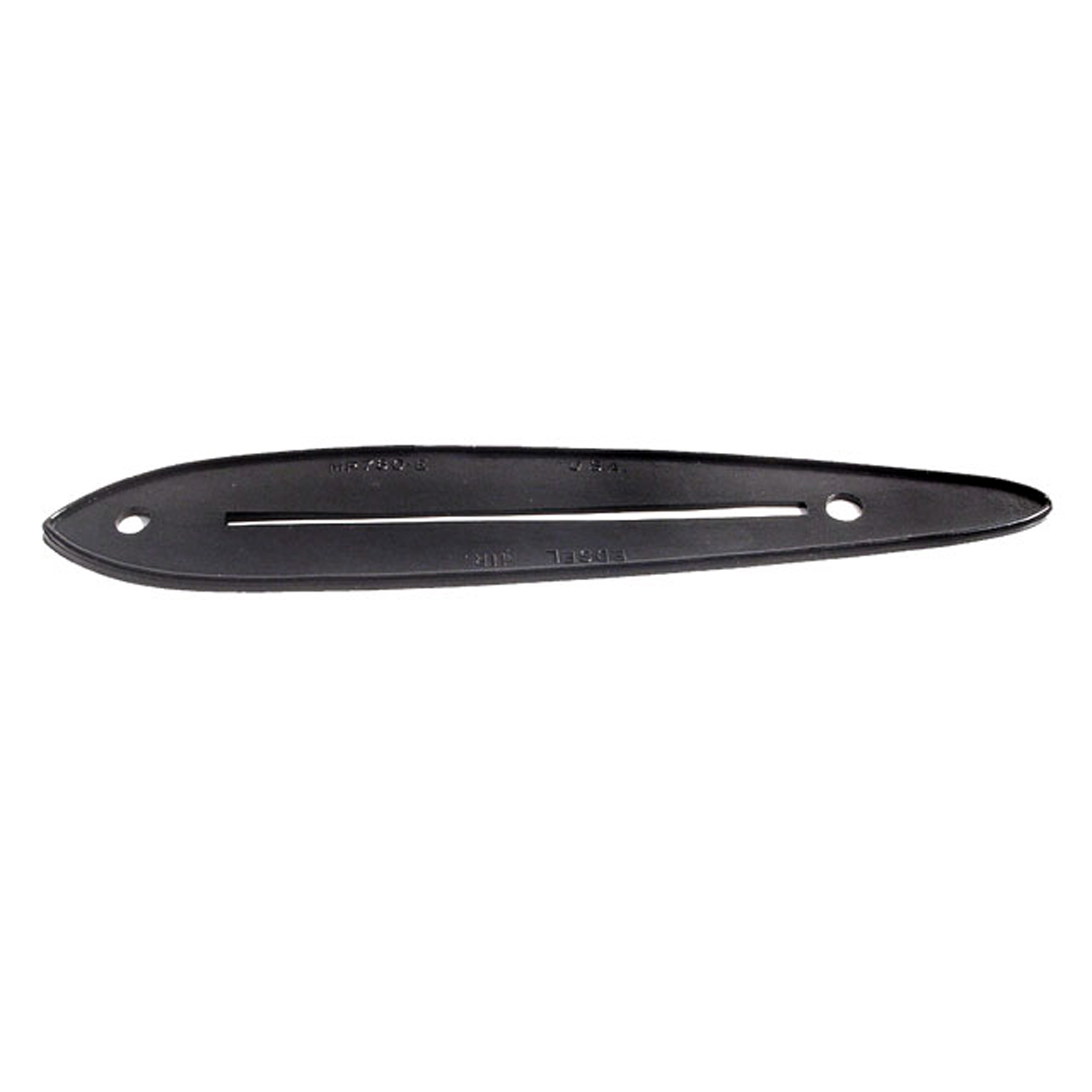 1959 Edsel Corsair Mirror Pad. 1-3/8" wide X 7-1/4" long. Each-MP 780-EMirror Pad. 1-3/8" wide X 7-1/4" long. Each
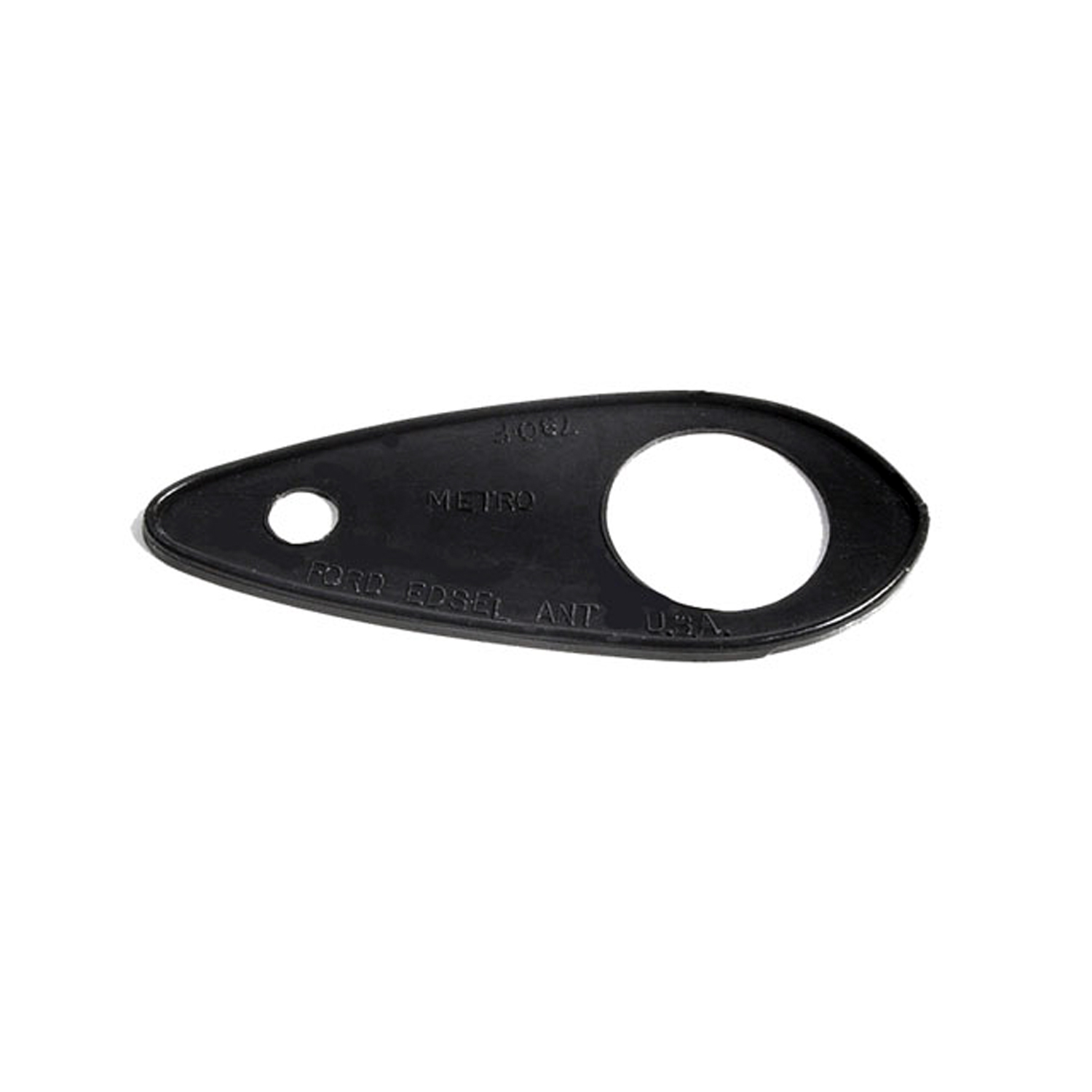 1959 Edsel Corsair Antenna Pad. 1-5/8" wide X 3-5/8" long. Each-MP 780-FAntenna Pad. 1-5/8" wide X 3-5/8" long. Each
Why Choose Metro?
For over 100 years, Metro Moulded Parts has been the pinnacle of quality in classic car restoration parts. Our commitment to precision and authenticity in every component ensures a perfect fit and an OEM-level appearance.
- Expert Craftsmanship & Quality: Each part is a testament to our dedication to reliability and perfection, crafted from original designs and thoroughly tested.
- Advanced Technology: We use cutting-edge techniques to create flawless, long-lasting parts that surpass others in performance.
- SuperSoft Sponge – The Ultimate Door Seal: Not only are our door seals 30% softer than competitors', but they're also guaranteed to never leak. They effectively reduce wind and road noise, enhancing your classic car's comfort and driving experience.
- Proudly American: Our parts are a product of American craftsmanship, made in the USA with a spirit of excellence and heritage.
- Unrivaled Warranty: We back our products with a 30-year industry-leading warranty, a testament to our confidence in their quality.
Join us in preserving the legacy of classic cars with parts that are crafted for perfection, not just made.