
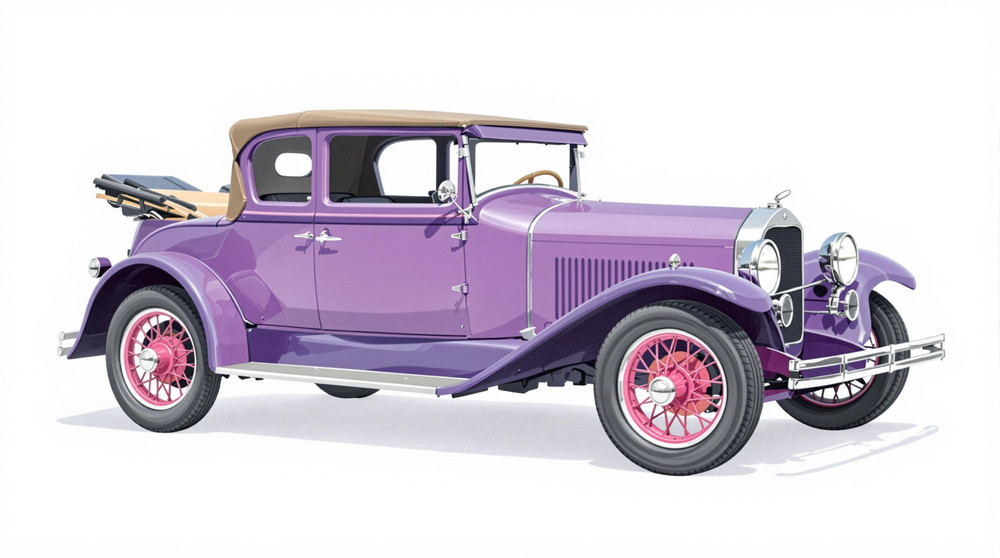
Image of 1919 Essex Four, Note: These illustrations use artistic license and may differ from actual historical models.
Performance Metrics
Fundamental Metrics
Emotional Appeal
MMP Rating
| Engine Specifications | |
|---|---|
| Engine Options: | L-head inline four |
| Displacement Range: | 2.7L |
| Horsepower Range: | Estimated 50-55 HP |
| Torque: | Not available |
| Compression Ratio: | Not available |
| Ignition System: | Battery and coil |
| Cooling System: | Water-cooled |
| Performance Specifications | |
| 0-60 Time: | Not available |
| 1/4 Mile Time: | Not available |
| Top Speed: | 50-55 mph |
| Transmission and Drive | |
| Drive Type: | Rear-wheel drive |
| Transmission Type: | 3-speed manual |
| Fuel and Efficiency | |
| Fuel System Type: | Carburetor |
| MPG: | Not available |
| Dimensions and Brakes | |
| Brakes: | Mechanical drum brakes |
| Wheelbase: | 112 inches |
| Weight: | 2,400 lbs |
Note: Specifications for classic cars are given to the best of our ability, considering the limited and variant data available.
1919 Essex Four: Hudson’s Affordable Newcomer
The 1919 Essex Four brought Hudson engineering to buyers who could not stretch to a Hudson, helping make dependable motoring more accessible. Built under the Essex name by the Hudson Motor Car Company of Detroit, it was a four-cylinder, rear-wheel-drive automobile introduced as a lower-priced companion to Hudson’s more expensive models. Its appeal was straightforward: solid construction, practical performance, and a price aimed at a growing middle-class market.
The Essex arrived during a period of rapid change. American roads were improving, car ownership was expanding, and manufacturers were searching for ways to make automobiles less exclusive. One detail makes the Essex story especially interesting: the marque’s later success was closely tied to a closed-body model, the Essex Coach, introduced in 1922. The 1919 Four came earlier, when open touring cars and roadsters still dominated the affordable-car market.
Exterior Design and Body Styles
The Essex Four had the upright, purposeful proportions typical of a late-1910s automobile. A tall radiator and long, narrow hood gave it a formal face, while exposed lamps, separate fenders, running boards, and wire wheels emphasized its mechanical character. Its body sat high on the chassis, giving the car useful ground clearance for rough, rutted roads.
Open touring and roadster bodies were among the period’s natural choices. The touring car offered seating for a family or small group, with a folding top and side curtains for protection from weather. The roadster was the more sporting, compact option. Body availability could vary by market and production date, so surviving cars and period listings are the best guide to a specific configuration.
Factory color records for individual 1919 Essex cars can be difficult to verify. Buyers of the period commonly chose restrained colors such as black, dark blue, maroon, or gray, although exact offerings depended on body style and production. Black was a familiar, practical choice, but a well-preserved car in a less common dark shade can be a visual standout today.
Cabin, Materials, and Period Equipment
The interior was designed for use rather than luxury. Expect a straightforward instrument panel, large steering wheel, simple controls, and durable upholstery. Depending on body style and specification, trim could include cloth or leather-like upholstery, with painted or wood-finished details. The materials and workmanship were respectable for an affordable car of the era, but the cabin was not intended to rival a high-end Hudson.
By modern standards, the equipment is basic. The driver manages a manual transmission, operates controls without power assistance, and relies on period lighting and instrumentation. Even so, features such as electric starting and lighting were part of the broader shift away from the hand-cranked, lamp-lit cars of earlier years. Equipment could vary, so a particular car should be assessed against its original specification.
Engineering and Historical Importance
The 1919 Essex Four used a four-cylinder engine rated at about 40 horsepower, paired with a three-speed manual gearbox and rear-wheel drive. Its engineering was conventional for the time, but that was part of the appeal: proven mechanical principles kept the car understandable and serviceable while Hudson’s manufacturing experience helped give it a reputation for sturdy construction.
The Essex’s larger historical importance lies in the strategy behind it. Hudson used the marque to reach customers who wanted a proper automobile but could not afford a premium-priced model. That approach helped establish Essex as a substantial volume brand. A few years later, the Essex Coach made a practical enclosed body more attainable and helped accelerate the move from open cars to enclosed family transportation. The 1919 Four was an early step in that broader story, rather than the model chiefly responsible for the Coach’s later impact.
Performance and Road Manners
A healthy 1919 Essex Four was built for steady travel, not fast acceleration. Its approximately 40-horsepower engine could carry the car at useful road speeds for the day. A reasonable period-style estimate for maximum speed is around 50 to 55 mph, though gearing, body style, mechanical condition, tires, and road surface all make a difference. There is no consistently documented factory 0-to-60-mph figure; in practical terms, reaching 60 mph would be slow or beyond the comfortable capability of many examples.
On a smooth road, the Essex feels deliberate and mechanical. The engine produces a measured four-cylinder beat, the gearbox requires thoughtful shifts, and the tall seating position gives the driver a clear view over the hood. Steering is unassisted, and braking and suspension performance should be judged by the standards of a century-old car, not a modern vehicle.
Broken pavement and sharp bumps call for a reduced pace. The relatively tall chassis and period suspension can cope with ordinary rough roads, but worn components, old tires, and loose body fittings can make the ride unsettled. On winding roads, the Essex rewards anticipation: slow before corners, use smooth steering inputs, and avoid abrupt maneuvers. It is a car to experience at a measured pace, not hustle like a modern sports car.
Living With a 1919 Essex
Today, the Essex Four is most often a touring, show, or occasional-use car. It can still take part in appropriate vintage drives, but regular modern commuting is unrealistic. Traffic speeds, steep grades, weather exposure, and the need to protect original components make planned outings a better fit.
Its straightforward mechanical layout is an advantage for an owner who enjoys hands-on maintenance. Routine jobs such as lubrication, ignition work, and basic adjustments are approachable for a mechanically capable hobbyist. The harder part is often sourcing correct parts and finding specialists familiar with early Hudson and Essex components. Wood-framed bodywork, upholstery, and period electrical equipment may require more specialized restoration skills than the engine itself.
Reliability depends heavily on how well the car has been restored and maintained. A sound example can be dependable on suitable roads, but an old car should be inspected carefully before a long drive. Check the engine, cooling system, transmission, brakes, steering, tires, and structural wood. Originality is appealing, but safety and mechanical condition matter most when the car is being driven.
Essex Four Facts and Myths
The best-known Essex achievement came after the 1919 model, with the 1922 Coach helping bring enclosed motoring within reach of more buyers. That success is sometimes mistakenly attributed directly to the first Essex Four. The 1919 car matters as an early foundation for the marque, while the later Coach became its signature breakthrough.
There is no widely recognized speed record or major endurance record specifically associated with the 1919 Essex Four. Nor is there a famous, well-documented celebrity ownership story that defines the model. Its significance is less about a single dramatic event and more about Hudson’s effort to build a durable, lower-priced car for a broader market.
Common criticisms are the same ones that apply to many cars of its age: modest speed, limited weather protection in open-body versions, heavy manual controls, and the challenge of finding parts. Those limitations are also part of the experience. The Essex offers a direct connection to an era when driving required attention and mechanical sympathy.
Collector Values and Availability
Surviving 1919 Essex Fours are scarce compared with later, more popular Essex models. Production estimates for the first model year are not consistently reported in surviving sources; a reasonable broad estimate is roughly 20,000 to 25,000 cars, rather than a precise verified total. That figure represents estimated production, not the number that survives today. The supply of complete, usable cars is far smaller, and body style, originality, and documentation strongly affect desirability.
As a broad 2026 U.S. market estimate, a project car or incomplete example might bring about $5,000 to $15,000. A presentable, running car could fall around $15,000 to $30,000, while a high-quality restoration may reach roughly $30,000 to $50,000 or more. These are guide ranges, not guaranteed sale prices; condition, provenance, correct equipment, and the appeal of a particular body style can move a car well outside them.
Values for early brass-and-vintage-era cars tend to be selective rather than uniformly rising. A well-restored, documented Essex can attract committed collectors, but the market is narrower than it is for famous luxury marques. Over time, the strongest examples are likely to hold their appeal better than neglected projects, while restoration costs can exceed the value added. Buyers should prioritize condition and authenticity over the assumption that rarity alone guarantees appreciation.
Why the 1919 Essex Four Still Matters
The 1919 Essex Four was a practical, sturdy automobile from a manufacturer looking beyond the luxury market. Its four-cylinder power, conventional mechanical layout, and accessible positioning made it a useful early chapter in the Essex story. It may not have the later Coach’s fame or modern performance, but it captures a pivotal moment when the automobile was becoming a realistic choice for more American families.
Drive one today and its significance becomes tangible: every shift, vibration, and careful turn reflects a more hands-on age of motoring. The Essex Four is not merely an old car. It is a rolling example of how Hudson helped bring the automobile within reach of a wider public.
1919 Essex Four Catalog of Parts
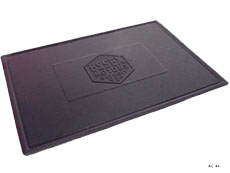 1919 Essex FOUR Accessory Floor Mat - 12"X17"-AC 44Accessory Floor Mat - made of high quality black rubber with molded original emblem. Also designed to be sewn into new carpets. 12"X17", Each
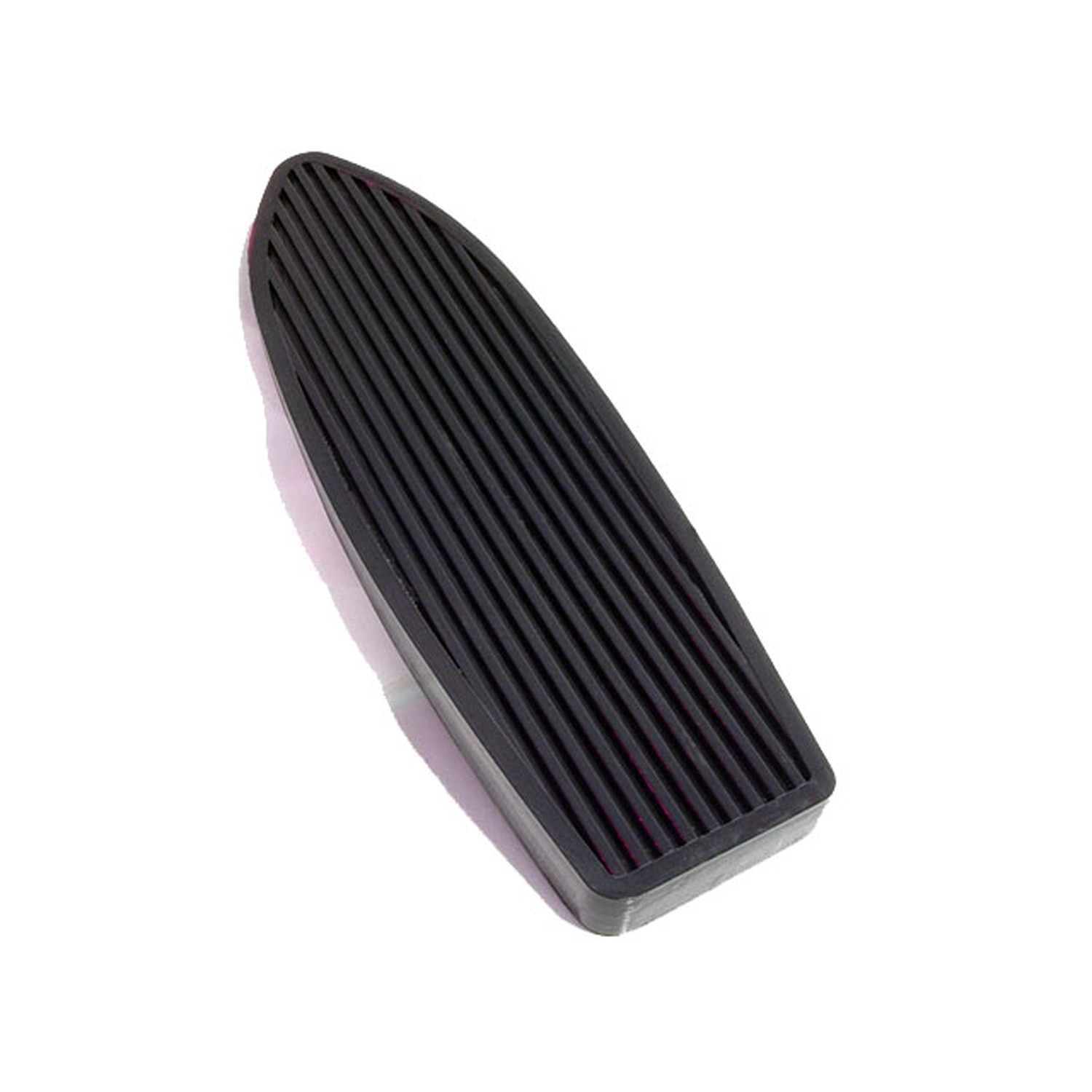 1919 Essex FOUR Accelerator Pedal Pad, 2-5/8" X 9", Each-AP 23Accelerator Pedal Pad, 2-5/8" X 9", Each
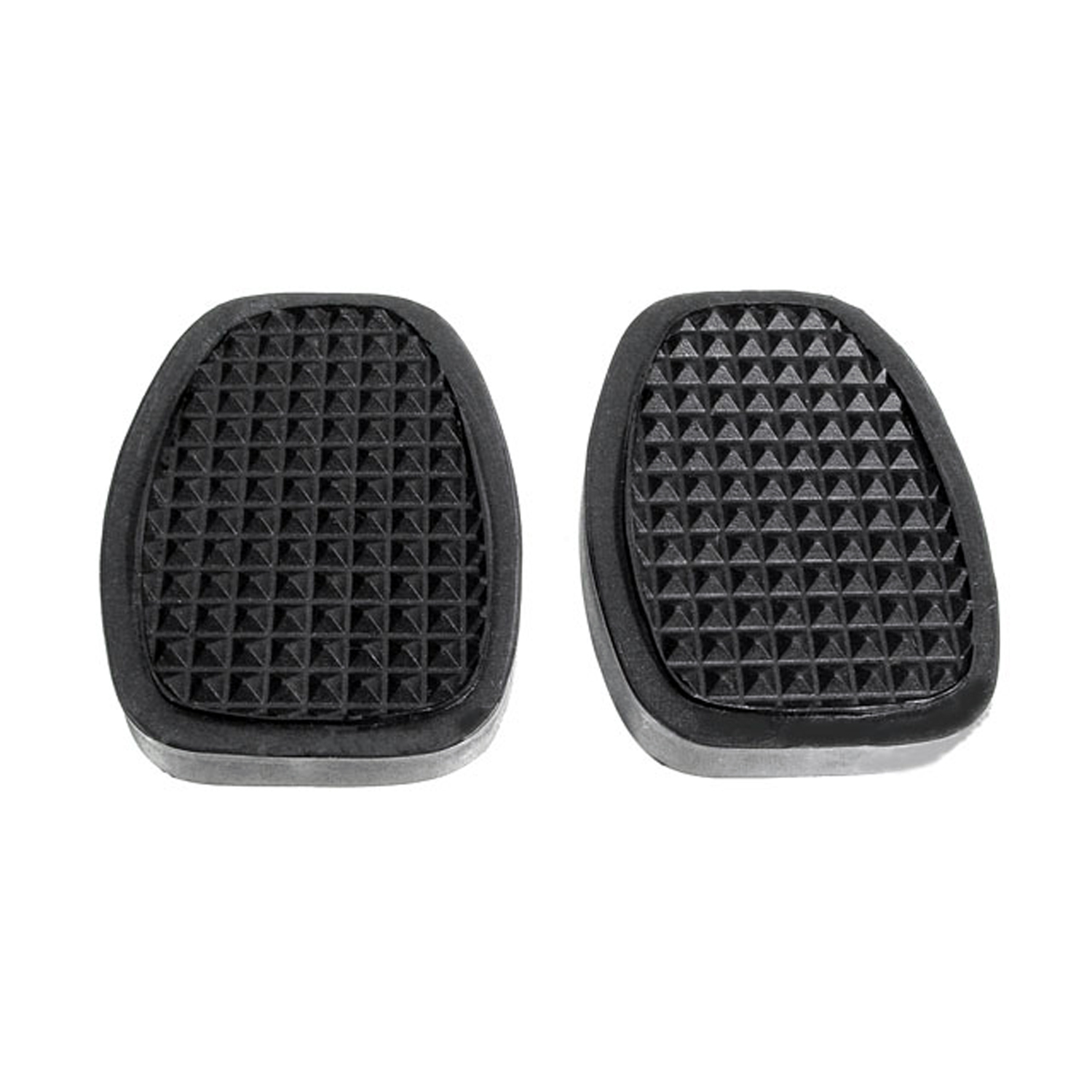 1919 Essex FOUR Clutch and Brake Pedal Pads. 2-3/4" wide X 3-3/4" long-CB 30Clutch and Brake Pedal Pads. 2-3/4" wide X 3-3/4" long. Pair
Why Choose Metro?
For over 100 years, Metro Moulded Parts has been the pinnacle of quality in classic car restoration parts. Our commitment to precision and authenticity in every component ensures a perfect fit and an OEM-level appearance.
- Expert Craftsmanship & Quality: Each part is a testament to our dedication to reliability and perfection, crafted from original designs and thoroughly tested.
- Advanced Technology: We use cutting-edge techniques to create flawless, long-lasting parts that surpass others in performance.
- SuperSoft Sponge – The Ultimate Door Seal: Not only are our door seals 30% softer than competitors', but they're also guaranteed to never leak. They effectively reduce wind and road noise, enhancing your classic car's comfort and driving experience.
- Proudly American: Our parts are a product of American craftsmanship, made in the USA with a spirit of excellence and heritage.
- Unrivaled Warranty: We back our products with a 30-year industry-leading warranty, a testament to our confidence in their quality.
Join us in preserving the legacy of classic cars with parts that are crafted for perfection, not just made.