

Image of 1921 Essex Four, Note: These illustrations use artistic license and may differ from actual historical models.
Performance Metrics
Fundamental Metrics
Emotional Appeal
MMP Rating
| Engine Specifications | |
|---|---|
| Engine: | Inline 4 |
| Displacement: | 2.6L |
| Horsepower: | Estimated 40-50 HP |
| Torque: | Information not available |
| Compression Ratio: | Information not available |
| Ignition System: | Magneto ignition system |
| Cooling System: | Water-cooled |
| Performance Specifications | |
| 0-60 Time: | Information not available |
| 1/4 Mile Time: | Information not available |
| Top Speed: | 50 mph |
| Transmission and Drive | |
| Drive Type: | Rear-wheel drive |
| Transmission Type: | 3-speed manual |
| Fuel and Efficiency | |
| Fuel System Type: | Carburetor |
| MPG: | Information not available |
| Dimensions and Brakes | |
| Brakes: | Mechanical drum brakes |
| Wheelbase: | 112 inches |
| Weight: | Estimated 2000 lbs |
Note: Specifications for classic cars are given to the best of our ability, considering the limited and variant data available.
1921 Essex Four: Hudson’s Practical American Four
The 1921 Essex Four brought dependable, straightforward motoring to buyers who wanted a substantial car without paying for a luxury marque. Built by the Hudson Motor Car Company of Detroit, Michigan, the Essex was introduced in 1919 as a more affordable companion to Hudson’s higher-priced cars. Its blend of useful power, conventional engineering, and comparatively accessible pricing helped make Essex one of the young American automobile industry’s important mass-market names.
The Essex Four was part of a line that would soon become famous for making enclosed motoring more attainable. One particularly notable chapter followed in 1922, when Essex introduced its Coach body, a closed car priced well below many rival sedans. The 1921 model came just before that breakthrough, capturing a moment when open touring cars were still common and a roof, doors, and glass windows could add significantly to a car’s price.
Period Styling and Practical Comfort
The 1921 Essex wears the upright, purposeful look of an early-1920s American automobile. A tall radiator and narrow bonnet lead the eye toward separate front fenders, running boards, and large, spoked wheels. Its proportions are long and formal by modern standards, while exposed lamps, a folding windshield, and an open passenger compartment give touring versions a distinctly prewar feel. The overall effect is less ornate than a luxury Hudson, but still solid and substantial.
Bodywork depended on the particular model. Essex buyers could find open styles such as touring cars and roadsters, along with more enclosed offerings in the broader range. Exact combinations varied by model year and market, so a car described today as a “1921 Essex Four” may need its body style and chassis details checked against period documentation. The open touring car is the version most strongly associated with the era: it offered room for family or friends, weather curtains for less-than-perfect days, and a broad view of the road.
Inside, the experience was functional rather than luxurious. Open cars typically used durable upholstery, commonly leather or a similar robust trim, with painted metal, wood details, and simple controls. Enclosed versions could use cloth or leatherette-style materials, depending on body and specification. Buyers could encounter dark, conservative exterior colors such as black, blue, gray, or maroon, though exact factory color offerings depended on the model and production period. Original paint evidence is the best guide when assessing a surviving car.
Four-Cylinder Engineering
Power came from a water-cooled, side-valve four-cylinder engine. Essex Four specifications are commonly listed at about 179 cubic inches, or 2.9 liters, with output in the neighborhood of 50 horsepower. Period specifications can differ between references and configurations, so those figures are best treated as a useful guide rather than a guarantee for every surviving example.
A conventional three-speed manual transmission sent power to the rear wheels. The Essex’s engineering was familiar and serviceable for its day, with mechanical systems that did not depend on electronics or complex diagnostic equipment. It also had equipment that made motoring more practical than it had been just a few years earlier, including electrical starting and lighting on many examples. Features and equipment should be verified against the individual car, since early automobiles often changed during production and could be updated by their owners.
Essex did not transform the automobile through a single exotic invention. Its important innovation was commercial: it applied established automotive engineering to a car intended for a broader market. That approach helped establish the brand’s reputation and set the stage for the affordable Essex Coach, which became a landmark in the spread of closed-body cars.
What Set the Essex Apart
In the early 1920s, the American market was moving beyond the automobile as a novelty. Buyers increasingly expected a car to serve for shopping, business, family visits, and longer trips. The Essex Four addressed that demand with a useful engine, a conventional layout, and a price positioned below Hudson’s premium offerings.
The 1921 car itself was not the first affordable automobile, nor did it introduce a wholly new mechanical formula. Its significance lies in the role it played in Hudson’s broader strategy. Essex gave the company a way to compete for customers who wanted more than the very cheapest runabout but could not stretch to a luxury car. The following year’s Essex Coach pushed that idea further by making a practical enclosed body available to a much wider group of buyers.
That legacy matters when judging the 1921 model. It sits at the beginning of a shift toward cars designed around everyday comfort and usability, rather than simply open-air motoring or high-end prestige. The Essex helped Hudson build a brand that could appeal to ordinary motorists while retaining a reputation for sturdy construction.
Road Manners and Performance
A 1921 Essex Four was built for steady travel, not quick acceleration. A reasonable period-style estimate for a well-tuned example is a top speed in the 45-to-55-mph range. A modern 0-to-60-mph figure is largely academic: many cars of this type would struggle to reach 60 mph, and acceleration to that speed could take well over half a minute or might not be practical at all, depending on gearing, condition, load, and road surface.
On the road, the four-cylinder engine produces a measured, mechanical rhythm rather than a smooth modern hum. The driver works a manual gear lever, listens to engine speed, and plans ahead. Steering is unassisted and takes more effort at low speeds than a modern driver expects. Braking is also from another era, so following distances need to be generous and modern traffic demands extra care. Confirm the braking equipment on any particular car, as specifications and later modifications can vary.
The Essex’s chassis and tall wheels were suited to the roads of its time, including surfaces that were rough or unpaved. On a bumpy road, the ride is more compliant than the car’s upright appearance might suggest, but occupants still feel the road through the chassis and open body. On winding roads, the car rewards smooth inputs and modest speed rather than sharp cornering. Its tall stance, narrow tires, and period suspension make deliberate driving the sensible approach.
Living With a 1921 Essex
Today, the Essex Four is most often used for vintage tours, local shows, museum displays, and occasional fair-weather drives. It is not a practical daily driver in modern traffic. Its pace, braking, lighting, and lack of modern safety equipment call for careful route planning and a driver who understands early cars.
Mechanically, the Essex can be approachable for an owner with basic skills and access to specialist advice. The engine and transmission use straightforward period technology, and many repairs can be handled without modern electronic tools. However, “simple” does not mean effortless. A century-old car may need attention to ignition, carburetion, cooling, lubrication, wheel bearings, and electrical components. Parts availability can be uneven, and body, trim, and correct instrument pieces may be harder to source than routine mechanical items.
Reliability depends heavily on restoration quality and upkeep. Before a long drive, an owner should inspect fluid levels, tires, wheel fastenings, steering, brakes, fuel lines, and the charging system. A properly maintained Essex can be a rewarding touring car, but it should be treated as a historic machine rather than a modern vehicle with vintage styling.
Essex Trivia and Common Criticisms
The Essex name became especially associated with the 1922 Coach, a model that helped make closed cars more attainable. That achievement is sometimes mistakenly assigned to the 1921 Four itself. The earlier car is better understood as part of the foundation for Essex’s rapid growth and the Coach’s later success.
There is no widely recognized 1921 Essex Four speed record or endurance title that defines the model. Nor is a famous celebrity owner essential to its story. Its more meaningful achievement was commercial: Essex became a major volume brand for Hudson, and the company’s production reached tens of thousands of cars in strong years. Exact 1921 model-year totals are difficult to state confidently because figures may combine body styles, production periods, or calendar and model years. A reasonable broad estimate is roughly 25,000 to 35,000 Essex cars across the line around this period, rather than a precise figure for one body style.
Common criticisms are familiar to anyone who drives an early car: modest speed, heavy controls, limited weather protection on open models, and braking that requires anticipation. The open body that looks so appealing at a show can also make a cold or wet drive uncomfortable. For many enthusiasts, those limitations are part of the period experience, but they are worth understanding before buying.
Collector Values and Availability
The 1921 Essex Four is uncommon in today’s market, though it is not typically as sought after as the best-known luxury cars of the era. Complete, running examples appear occasionally through specialist dealers, auctions, and vintage-car clubs. Originality, documented history, body style, restoration quality, and the availability of correct parts all have a substantial effect on value.
As a broad current-market estimate, a project car might sell for about $5,000 to $15,000, while a usable older restoration could fall around $15,000 to $30,000. A high-quality, correctly restored example may bring approximately $30,000 to $50,000 or more, particularly if it has an attractive body style, strong documentation, and excellent presentation. These are guide ranges, not formal appraisals; the limited number of comparable sales makes prices highly dependent on the individual car.
Values have generally benefited from interest in brass- and nickel-era motoring, but the market is thin and restoration costs can exceed resale value. In inflation-adjusted terms, many early cars have not risen as dramatically as their nominal prices suggest. The best examples are likely to remain desirable among prewar-car enthusiasts, while condition and provenance will matter more than short-term market swings.
A Small Car With a Larger Legacy
The 1921 Essex Four combines straightforward four-cylinder engineering with the sturdy, upright character of early American motoring. It was not built to set a speed record or overwhelm its owner with luxury. Instead, it helped Hudson bring useful transportation to a wider audience and stood just before the Essex Coach made affordable enclosed motoring a defining part of the brand’s story.
For collectors, the Essex Four offers a tangible link to a turning point in automotive history: the move from open, specialist transportation toward the practical family car. Its pace is gentle, its controls demand attention, and its charm is unmistakably mechanical. That is precisely why a well-preserved example still makes such a memorable sight on the road.
1921 Essex Four Catalog of Parts
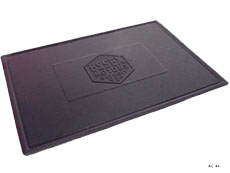 1921 Essex FOUR Accessory Floor Mat - 12"X17"-AC 44Accessory Floor Mat - made of high quality black rubber with molded original emblem. Also designed to be sewn into new carpets. 12"X17", Each
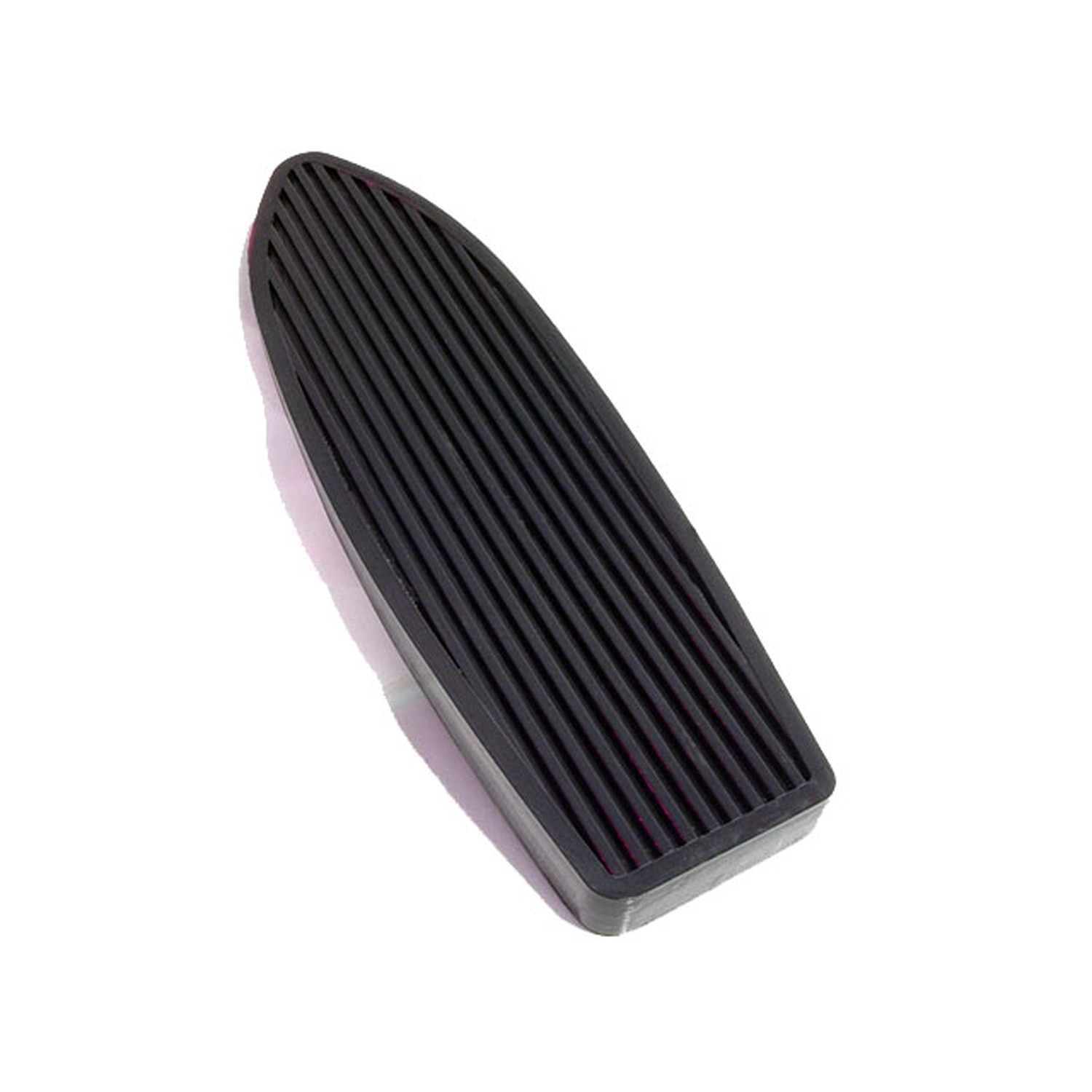 1921 Essex FOUR Accelerator Pedal Pad, 2-5/8" X 9", Each-AP 23Accelerator Pedal Pad, 2-5/8" X 9", Each
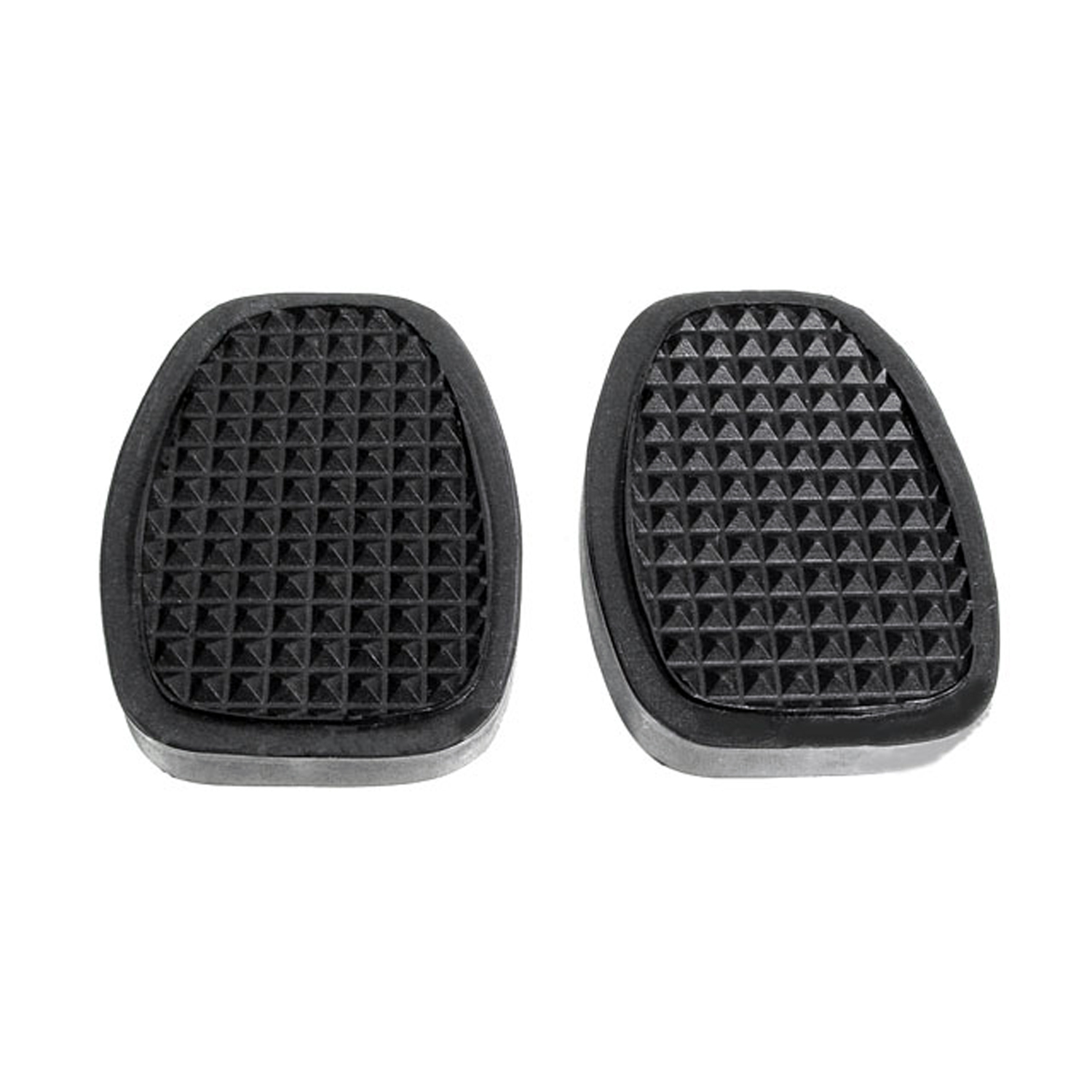 1921 Essex FOUR Clutch and Brake Pedal Pads. 2-3/4" wide X 3-3/4" long-CB 30Clutch and Brake Pedal Pads. 2-3/4" wide X 3-3/4" long. Pair
Why Choose Metro?
For over 100 years, Metro Moulded Parts has been the pinnacle of quality in classic car restoration parts. Our commitment to precision and authenticity in every component ensures a perfect fit and an OEM-level appearance.
- Expert Craftsmanship & Quality: Each part is a testament to our dedication to reliability and perfection, crafted from original designs and thoroughly tested.
- Advanced Technology: We use cutting-edge techniques to create flawless, long-lasting parts that surpass others in performance.
- SuperSoft Sponge – The Ultimate Door Seal: Not only are our door seals 30% softer than competitors', but they're also guaranteed to never leak. They effectively reduce wind and road noise, enhancing your classic car's comfort and driving experience.
- Proudly American: Our parts are a product of American craftsmanship, made in the USA with a spirit of excellence and heritage.
- Unrivaled Warranty: We back our products with a 30-year industry-leading warranty, a testament to our confidence in their quality.
Join us in preserving the legacy of classic cars with parts that are crafted for perfection, not just made.