

Image of 1922 Essex Four, Note: These illustrations use artistic license and may differ from actual historical models.
Performance Metrics
Fundamental Metrics
Emotional Appeal
MMP Rating
| Engine Specifications | |
|---|---|
| Engine Options: | Single engine option |
| Displacement Range: | 2.7L |
| Horsepower Range: | Estimated 40-50 HP |
| Torque: | Not available |
| Compression Ratio: | Not available |
| Ignition System: | Battery and coil ignition |
| Cooling System: | Water-cooled |
| Performance Specifications | |
| 0-60 Time: | Not available |
| 1/4 Mile Time: | Not available |
| Top Speed: | 50 mph |
| Transmission and Drive | |
| Drive Type: | Rear-wheel drive |
| Transmission Type: | 3-speed manual |
| Fuel and Efficiency | |
| Fuel System Type: | Carburetor |
| MPG: | Not available |
| Dimensions and Brakes | |
| Brakes: | Mechanical drum brakes |
| Wheelbase: | 112 inches |
| Weight: | Estimated 2,400 lbs |
Note: Specifications for classic cars are given to the best of our ability, considering the limited and variant data available.
1922 Essex Four: The Affordable Car That Helped Close the Gap
The 1922 Essex Four helped make an enclosed automobile feel attainable to ordinary buyers, not just the wealthy. Built by the Essex Motor Company, a Hudson Motor Car Company subsidiary, it paired straightforward four-cylinder power with practical body styles at a time when many motorists still rode in open cars. Its standout moment was the growing popularity of the Essex Coach, a comparatively affordable closed car that helped change what buyers expected from a family automobile.
Essex had been created to compete in the lower-priced market, while Hudson continued to serve buyers looking for more expensive cars. The strategy worked: Essex became a major name in the American industry during the early 1920s. The 1922 model sits at an especially interesting point in that story, as enclosed-car design was moving from luxury feature toward everyday choice.
Classic Lines and Practical Body Styles
The Essex Four wore the tall, upright proportions typical of early-1920s cars. Its narrow hood, separate front fenders, exposed lamps and high-sided body gave it a purposeful, carriage-like stance. A long running board linked the front and rear fenders, while wire wheels and a simple radiator shell completed the period look. The design was more functional than flamboyant, but its balanced proportions give well-preserved examples plenty of presence today.
Open touring cars and roadsters offered fresh air and easy access, while the Coach enclosed occupants behind fixed side windows and a roof. The Coach is the body style most closely associated with Essex’s breakthrough. Depending on the exact model and market, the range also included other closed-car forms, such as sedan or coupe-style bodies. Availability could vary, so buyers restoring a car should verify its original body style against chassis records and period documentation where possible.
Interiors were built for use rather than luxury. Expect upright seating, a large steering wheel, simple instrumentation and durable upholstery. Materials and trim varied by body style and equipment, but the cabin was generally functional and plainly finished compared with high-end cars of the era. Period paint choices also varied across models and years. Dark, conservative shades such as black, blue, green or maroon suit the car’s character, though an individual car’s original color is best confirmed through surviving paint evidence or factory records.
Four-Cylinder Engineering for the Early ’20s
Power came from a side-valve four-cylinder engine of roughly 179 cubic inches, or about 2.9 liters. Period specifications commonly list output at around 50 horsepower, though historical horsepower figures do not translate neatly into modern measurements. A three-speed manual gearbox sent power to the rear wheels. The layout was conventional for its time, and that simplicity is part of the car’s appeal to owners who enjoy hands-on maintenance.
There was no modern electrical system, synchronized gearbox or power-assisted braking. Starting, shifting and stopping all asked more of the driver than they do in a contemporary car. The Essex’s real innovation was not a single exotic component. It was the combination of useful performance, straightforward engineering and a closed body offered at a price that helped broaden the market for enclosed motoring.
The Essex Coach and a Turning Point in Motoring
The 1922 Essex Coach is often remembered as a landmark in the move toward affordable closed cars. Before enclosed bodies became common, many buyers had to pay a substantial premium for protection from rain, dust and cold. Essex’s Coach made that practical comfort more accessible and helped demonstrate that a closed car could be a mass-market product rather than a luxury indulgence.
That shift mattered beyond Essex. As buyers increasingly chose enclosed bodies, other manufacturers had stronger reasons to develop and price their own practical closed cars. The Essex Four did not invent the automobile coach body, but its commercial success helped accelerate a change in the market. The broader legacy is clear: enclosed motoring became a normal expectation, and Essex was among the names that helped make it so.
Road Manners, Speed and the Driving Experience
A sound 1922 Essex Four is best understood as a car for steady, unhurried travel. Depending on body style, condition, gearing and road surface, a top speed in the neighborhood of 50 to 60 mph is a reasonable period-car estimate. It is not a comfortable modern highway cruiser, and sustained high-speed running is not kind to a century-old engine, tires or running gear.
There is no dependable factory 0-to-60 mph figure to quote. Acceleration was slow by modern standards, and some surviving cars may not reach 60 mph at all. As a rough estimate, an especially healthy example might take 40 seconds or more to approach that speed, while many owners will sensibly keep it below its maximum. The car rewards smooth throttle use and deliberate gear changes rather than quick launches.
On a bumpy road, the tall body and leaf-spring suspension deliver a distinctly vintage ride: more movement and vibration than a modern car, with the exact feel influenced by tire condition and suspension maintenance. On winding roads, narrow tires, a high seating position and relatively slow steering call for measured inputs. The driver sits upright, works the large wheel, listens to the engine and plans stops well ahead.
The engine’s sound is a steady, mechanical four-cylinder note, accompanied by the whir of the drivetrain and the creak and rattle of an old body over uneven pavement. Driving one is an active experience. You are not insulated from the machinery; you are part of its operation.
Ownership and Keeping One on the Road
Today, most Essex Fours are used for tours, local events, museum displays and car shows rather than daily transportation. A well-sorted example can manage short trips and club runs, but traffic speeds, modern braking distances and the scarcity of some specialist components make regular commuting impractical.
The basic mechanical layout is approachable for an experienced hobbyist. Routine jobs such as lubrication, ignition service and adjustments are familiar to anyone comfortable with early cars. The challenge is not always the engine itself. Wear in the transmission, brakes, steering, wheel bearings and suspension can demand careful work, while body, upholstery and trim repairs may require specialist skills. Parts support exists through vintage-car networks, but availability varies by component and body style.
Reliability depends heavily on restoration quality and ongoing maintenance. Before buying, inspect the chassis for corrosion or poor repairs, check the engine for oil pressure and unusual noises, and assess the brakes and steering professionally. A car that starts and runs is not necessarily a car that is safe for road use.
Essex Facts, Myths and Common Complaints
The Coach is the headline fact in the Essex story: its success helped bring enclosed motoring within reach of a much broader group of buyers. Essex’s rise was also a notable commercial achievement for Hudson, which used the brand to compete in a fast-growing, price-conscious market.
There is no widely recognized speed or endurance record that defines the 1922 Essex Four, and claims about famous owners or celebrity cars should be treated cautiously unless supported by documentation. Its historical importance is more about market influence than competition. The car helped popularize a practical kind of motoring at a moment when the industry was changing quickly.
Common criticisms are predictable for a car of its age: modest acceleration, limited braking performance by modern standards, sparse creature comforts and a ride that can feel busy on rough roads. Those are not hidden flaws so much as reminders that the Essex was engineered for the roads, speeds and expectations of the early 1920s.
Collector Values and Availability
Exact production figures for a single 1922 Essex Four body style can be difficult to establish, and totals vary across historical sources. A reasonable broad estimate is that roughly 70,000 to 75,000 Essex cars of all types were built during 1922. That does not mean the same number were four-cylinder cars of one specific body style, and surviving examples are far fewer than original production suggests.
As a general 2026 market estimate, a project car or incomplete example might sell for around $5,000 to $12,000. A usable, presentable car may fall in the $12,000 to $25,000 range, while a well-restored Coach or particularly attractive example could reach roughly $25,000 to $45,000 or more. Condition, provenance, originality, restoration quality and regional demand can move prices substantially. These are broad estimates, not a formal appraisal.
Values for early brass-and-vintage-era cars tend to be selective rather than uniformly rising. Exceptional, documented restorations can hold their appeal, while cars needing expensive body or mechanical work may be difficult to sell at the cost of restoration. Buyers should prioritize completeness and condition over assuming that rarity alone guarantees a premium.
Why the 1922 Essex Four Still Matters
The 1922 Essex Four was not a luxury showpiece or a record-breaking speed machine. Its importance lies in making practical motoring more accessible, especially through the increasingly popular Coach body. With simple four-cylinder engineering, period charm and a place in the rise of the affordable closed car, it captures an important change in American automotive life.
For today’s enthusiast, an Essex is a reminder that automotive history is not shaped only by the fastest or most expensive cars. Sometimes the most influential vehicle is the one that helps an everyday buyer step inside, shut the door and set off in comfort.
1922 Essex Four Catalog of Parts
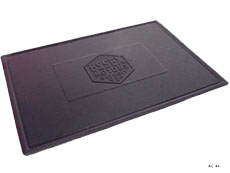 1922 Essex FOUR Accessory Floor Mat - 12"X17"-AC 44Accessory Floor Mat - made of high quality black rubber with molded original emblem. Also designed to be sewn into new carpets. 12"X17", Each
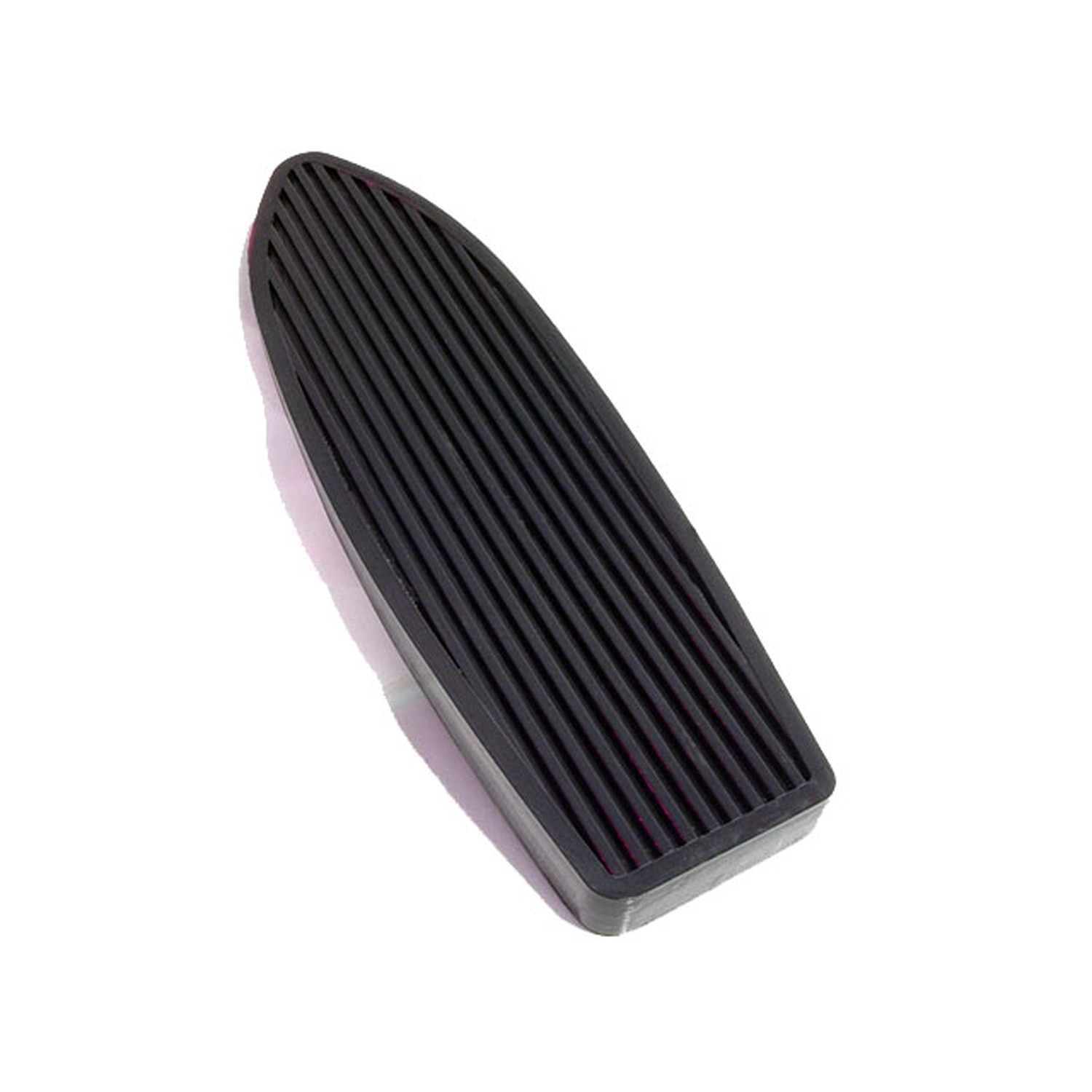 1922 Essex FOUR Accelerator Pedal Pad, 2-5/8" X 9", Each-AP 23Accelerator Pedal Pad, 2-5/8" X 9", Each
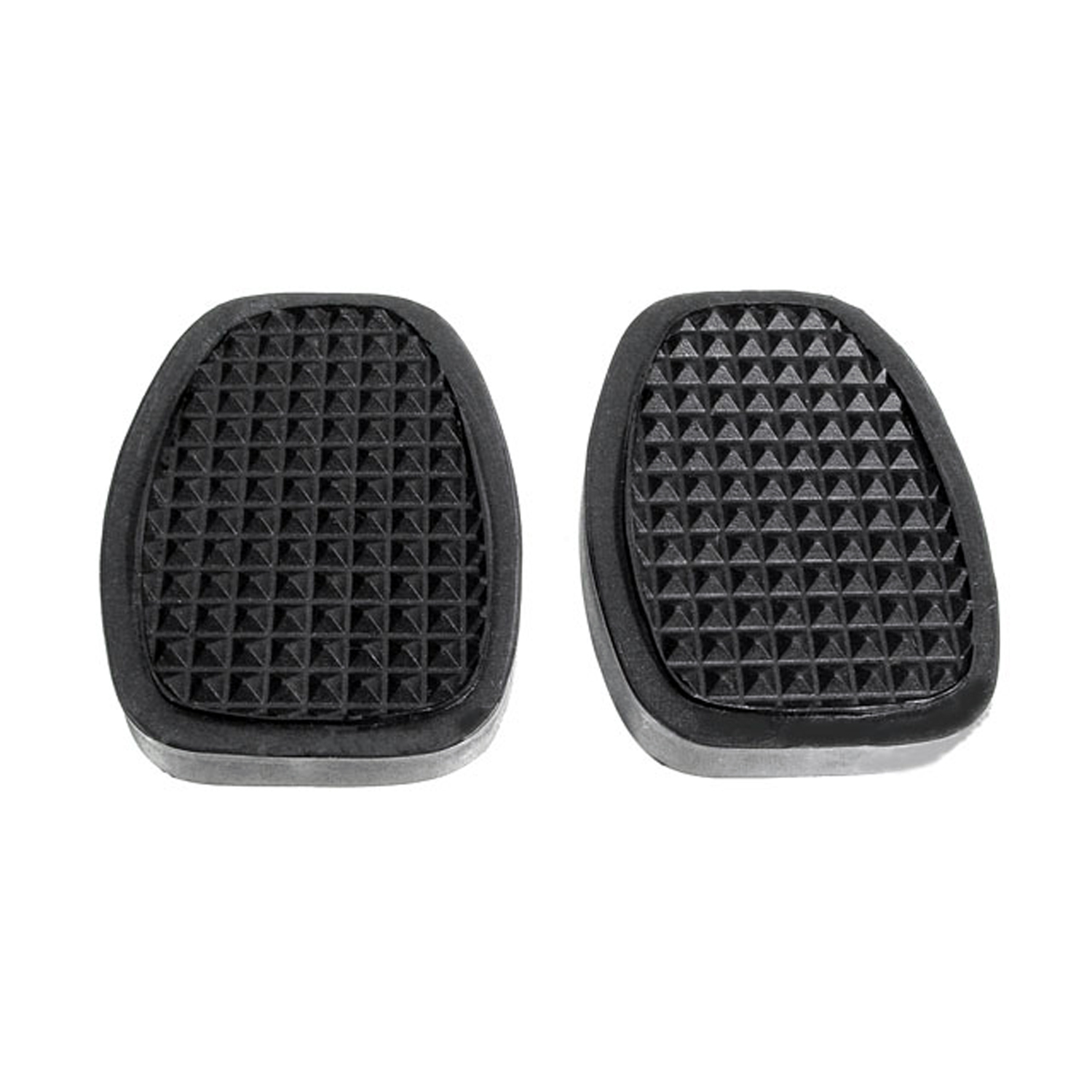 1922 Essex FOUR Clutch and Brake Pedal Pads. 2-3/4" wide X 3-3/4" long-CB 30Clutch and Brake Pedal Pads. 2-3/4" wide X 3-3/4" long. Pair
Why Choose Metro?
For over 100 years, Metro Moulded Parts has been the pinnacle of quality in classic car restoration parts. Our commitment to precision and authenticity in every component ensures a perfect fit and an OEM-level appearance.
- Expert Craftsmanship & Quality: Each part is a testament to our dedication to reliability and perfection, crafted from original designs and thoroughly tested.
- Advanced Technology: We use cutting-edge techniques to create flawless, long-lasting parts that surpass others in performance.
- SuperSoft Sponge – The Ultimate Door Seal: Not only are our door seals 30% softer than competitors', but they're also guaranteed to never leak. They effectively reduce wind and road noise, enhancing your classic car's comfort and driving experience.
- Proudly American: Our parts are a product of American craftsmanship, made in the USA with a spirit of excellence and heritage.
- Unrivaled Warranty: We back our products with a 30-year industry-leading warranty, a testament to our confidence in their quality.
Join us in preserving the legacy of classic cars with parts that are crafted for perfection, not just made.