

Image of 1924 Essex Essex, Note: These illustrations use artistic license and may differ from actual historical models.
Performance Metrics
Fundamental Metrics
Emotional Appeal
MMP Rating
| Engine Specifications | |
|---|---|
| Engine Options: | L-head inline 4 |
| Displacement Range: | 2.6L |
| Horsepower Range: | Estimated 40-50 HP |
| Torque: | Not available |
| Compression Ratio: | Not available |
| Ignition System: | Battery and coil |
| Cooling System: | Water-cooled |
| Performance Specifications | |
| 0-60 Time: | Not available |
| 1/4 Mile Time: | Not available |
| Top Speed: | 50-55 mph |
| Transmission and Drive | |
| Drive Type: | Rear-wheel drive |
| Transmission Type: | 3-speed manual |
| Fuel and Efficiency | |
| Fuel System Type: | Carburetor |
| MPG: | Not available |
| Dimensions and Brakes | |
| Brakes: | Mechanical drum brakes |
| Wheelbase: | 112 inches |
| Weight: | Estimated 2,400 lbs |
Note: Specifications for classic cars are given to the best of our ability, considering the limited and variant data available.
1924 Essex: The Affordable Closed Car That Changed the Road
In 1924, a family could buy an enclosed car without paying a luxury-car price, and the Essex Coach helped make that idea a practical reality. Built by the Hudson Motor Car Company of Detroit, Michigan, the Essex was a more affordable companion to Hudson’s premium automobiles. Its combination of useful performance, straightforward engineering, and attainable pricing made it one of the era’s most influential everyday cars.
The 1924 Essex belonged to a brand launched in 1918 to reach buyers who wanted dependable transportation at a lower price. Essex’s best-known innovation was not a headline-grabbing speed record or exotic engine. It was the enclosed Coach body, which brought protection from weather and road grime to a much broader audience. Before cars like the Essex, many buyers had to choose between an inexpensive open touring car and a far more costly enclosed sedan.
One intriguing detail is that “Coach” meant more than a body-style label. It signaled a change in what ordinary motorists could expect from a car: doors, windows, a roof, and a more sheltered cabin without stepping into the luxury market.
Essex Styling and Cabin Design
The 1924 Essex has the upright, purposeful proportions typical of early-1920s automobiles. Its tall radiator shell, separate fenders, exposed headlamps, and narrow tires give it a distinctly pre-streamlined profile. The hood stretches forward from the passenger compartment, while running boards connect the front and rear fenders and provide a useful step into the cabin. Details vary by body style and surviving example, but the overall look is neat and practical rather than ornate.
The Coach is the most recognizable Essex body. Its enclosed passenger space, framed windows, and solid roof made it especially appealing in rain, cold weather, and dusty conditions. Essex also offered open touring models and other body configurations, with availability varying by series and market. Touring cars suited buyers who wanted open-air motoring, while enclosed versions offered more comfort for year-round use. The Coach became the signature choice because it delivered the most important Essex advantage: a protected cabin at a relatively accessible price.
Inside, the emphasis was on durable, serviceable materials rather than lavish decoration. Upholstery was typically a practical cloth or leatherette, with wood or wood-finished trim and a simple instrument panel. The cabin was more exposed to noise, drafts, and weather than a modern car, but it represented a major comfort step up from an open touring car. Original upholstery and trim differed according to body style, equipment, and later restoration work, so not every surviving Essex looks exactly alike.
Paint choices depended on the body and production run. Dark, conservative shades such as black, blue, and green are commonly associated with cars of the period, often paired with contrasting wheels or trim. Exact factory color availability for a particular 1924 example should be checked against its original sales literature or surviving paint evidence. Period cars were generally less varied in color than modern buyers might expect.
Engine, Equipment, and Period Technology
Most 1924 Essex passenger cars are associated with a four-cylinder, side-valve engine of about 146 cubic inches, producing roughly 35 horsepower. Specifications can differ by model and market, so a car’s engine number and period documentation are the best guides to its exact configuration. Power went through a manual transmission to the rear wheels, with a conventional chassis and mechanical controls characteristic of the time.
By modern standards, the technology was simple, but that simplicity was part of the appeal. The Essex used familiar mechanical systems that a competent mechanic could understand and service. It did not have electronic engine management, power steering, or modern hydraulic braking systems. Lighting, starting, and other equipment could vary with specification and year, so features on an individual car should be verified rather than assumed.
Why the Essex Mattered
The Essex’s significance lies in helping popularize the enclosed automobile. Early cars were often open to the elements, while enclosed bodies were costly and associated with higher-end models. Hudson used the Essex Coach to make enclosed motoring attainable for a much larger group of buyers. That shift helped change the car from a fair-weather machine into a more practical form of everyday transportation.
The Essex also showed that a lower-priced car did not have to be an austere, open runabout. A buyer could choose a more comfortable body and still benefit from a manufacturer’s established engineering and production expertise. The Coach’s success encouraged the wider industry to take affordable closed cars seriously. As enclosed bodywork became more common, the open touring car gradually lost its position as the default choice for many households.
Essex was not alone in making cars more accessible, and it was not the first enclosed automobile. Its importance was in bringing the enclosed-car idea to a popular price point and helping establish it as a sensible choice for ordinary motorists.
How a 1924 Essex Drives
A well-maintained 1924 Essex is a relaxed, deliberate car rather than a quick one. The engine produces modest power by modern standards, and acceleration depends heavily on vehicle condition, gearing, load, road surface, and how confidently the driver operates the manual transmission. A rough period-style estimate for 0–60 mph would be around 35 to 45 seconds, if the car can reach 60 mph at all. That is an estimate, not a standardized factory figure; period acceleration testing was not reported consistently, and many examples are more comfortable at lower speeds.
Top speed is generally estimated at roughly 50 to 60 mph under favorable conditions. In everyday use, sustained cruising below that range is kinder to an original engine and chassis. The Essex feels most at home on quiet roads, where the driver has time to anticipate traffic and make deliberate gear changes.
The four-cylinder engine has a steady, mechanical thrum rather than the muted refinement of a modern powerplant. The driver feels the car’s movement through the steering wheel, pedals, and seat. The ride is comparatively firm and road conditions are easy to sense, especially over rough pavement. On bumpy roads, the suspension does its best with the technology of its day, but the car will jostle more than a modern vehicle. On winding roads, narrow tires, period steering geometry, and basic braking call for measured speeds and smooth inputs.
Driving a 1924 Essex is an exercise in anticipation. There is no modern traffic safety net, and stopping distances are longer than today’s drivers expect. A sound example can be enjoyable and surprisingly usable on appropriate roads, but it should not be driven as if it were a contemporary car.
Ownership, Repairs, and Reliability
In its own time, the Essex was intended as practical transportation. Today, most are used for touring events, local shows, parades, and vintage-car gatherings rather than daily commuting. An occasional drive on suitable roads is realistic for a properly restored car, but frequent modern traffic use requires extra attention to brakes, tires, lights, cooling, and mechanical condition.
The car’s straightforward construction can make routine work approachable for an experienced home mechanic. Adjustments and repairs do not require electronic diagnostic equipment, and many components follow familiar early-automobile principles. That does not mean every job is easy: parts may need to be sourced through specialist suppliers, rebuilt, or made to fit, and an old car’s fasteners and components can demand patience. Regular lubrication, careful cooling-system checks, sound ignition components, and correct period tires are important to dependable operation.
Reliability depends more on condition and maintenance than on the Essex name alone. A car that has been stored poorly or restored without attention to mechanical details may need substantial work. Before buying, inspect the engine, transmission, frame, wood structure where applicable, brakes, and body mounts, and look for evidence of a coherent restoration.
Essex Facts and Common Misconceptions
The Essex Coach is often remembered as an important affordable closed car, but it is easy to overstate the claim. It was not the world’s first enclosed car. Its achievement was helping bring an enclosed body within reach of many more buyers and making that format commercially persuasive.
Essex also became an important part of Hudson’s broader market strategy. The brand offered a step into automobile ownership for customers who could not afford a Hudson, while helping the company compete in the expanding lower-priced market. The Essex name continued beyond the 1920s and was eventually replaced as Hudson’s product range evolved.
There is no widely recognized 1924 Essex speed or endurance record that defines the model. Its most notable achievement was commercial and cultural: the Coach helped demonstrate that everyday buyers wanted weather protection and could be persuaded to pay for it when the price was right.
A common criticism today is that the car is slow and physically demanding to operate. Those are fair observations when measured against modern standards, but they miss the Essex’s original purpose. It was designed for practical transportation in an era of lower road speeds, simpler infrastructure, and very different expectations of comfort and safety.
1924 Essex Values and Collectibility
The 1924 Essex is a meaningful but not exceptionally rare collectible. It does not usually command the prices of a prestigious luxury car from the same period, yet the Coach body and the model’s role in popularizing enclosed motoring give it a distinctive place in automotive history. Survivors are less common than production-era sales figures might suggest, because decades of use, scrapping, and changing tastes took a heavy toll on early cars.
A precise production total for the 1924 model year is difficult to establish consistently across body styles and records. A reasonable broad estimate is roughly 30,000 to 50,000 Essex cars produced for the year, but that should be treated as an estimate rather than a definitive factory figure. The number of surviving, roadworthy examples is much smaller.
As a general U.S. market guide, a project car may sell for about $3,000 to $8,000, depending on completeness and condition. A usable driver or older restoration might fall around $8,000 to $18,000, while a high-quality, correctly restored example could bring roughly $20,000 to $30,000 or more. Body style, originality, provenance, mechanical condition, and the quality of restoration have a major effect on price. These are broad estimates, not a guarantee of what any particular car will sell for.
Values tend to be steadier than those of fashionable postwar classics. A well-documented, correctly restored Essex may appreciate gradually, but restoration costs can easily exceed market value. Buyers should choose one for its history and character first, rather than expecting it to be a short-term investment.
The Lasting Appeal of the 1924 Essex
The 1924 Essex combined modest power, straightforward engineering, and a genuinely important idea: an enclosed car could be practical and affordable. Its upright styling and hands-on driving feel place it firmly in the early days of motoring, while the Coach body points toward the enclosed cars that would soon dominate the road.
It may not be fast or effortless by modern standards, but the Essex represents a turning point in what ordinary motorists could expect from a car. That makes the 1924 Essex more than an old automobile. It is a rolling reminder of how a smart, accessible design helped bring comfortable motoring within reach of the public.
1924 Essex Essex Catalog of Parts
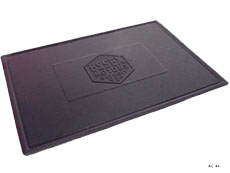 1924 Essex Essex Accessory Floor Mat - 12"X17"-AC 44Accessory Floor Mat - made of high quality black rubber with molded original emblem. Also designed to be sewn into new carpets. 12"X17", Each
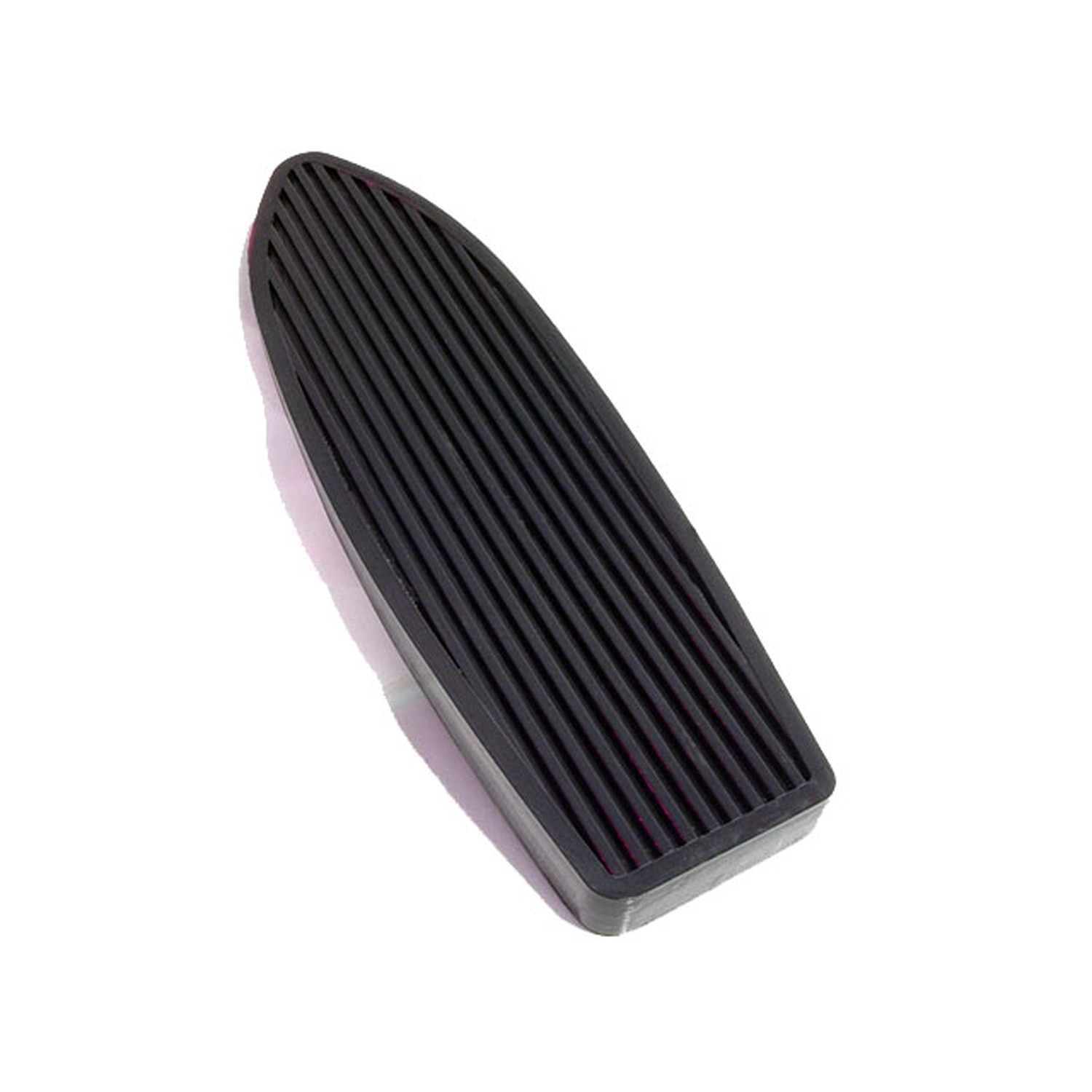 1924 Essex Essex Accelerator Pedal Pad, 2-5/8" X 9", Each-AP 23Accelerator Pedal Pad, 2-5/8" X 9", Each
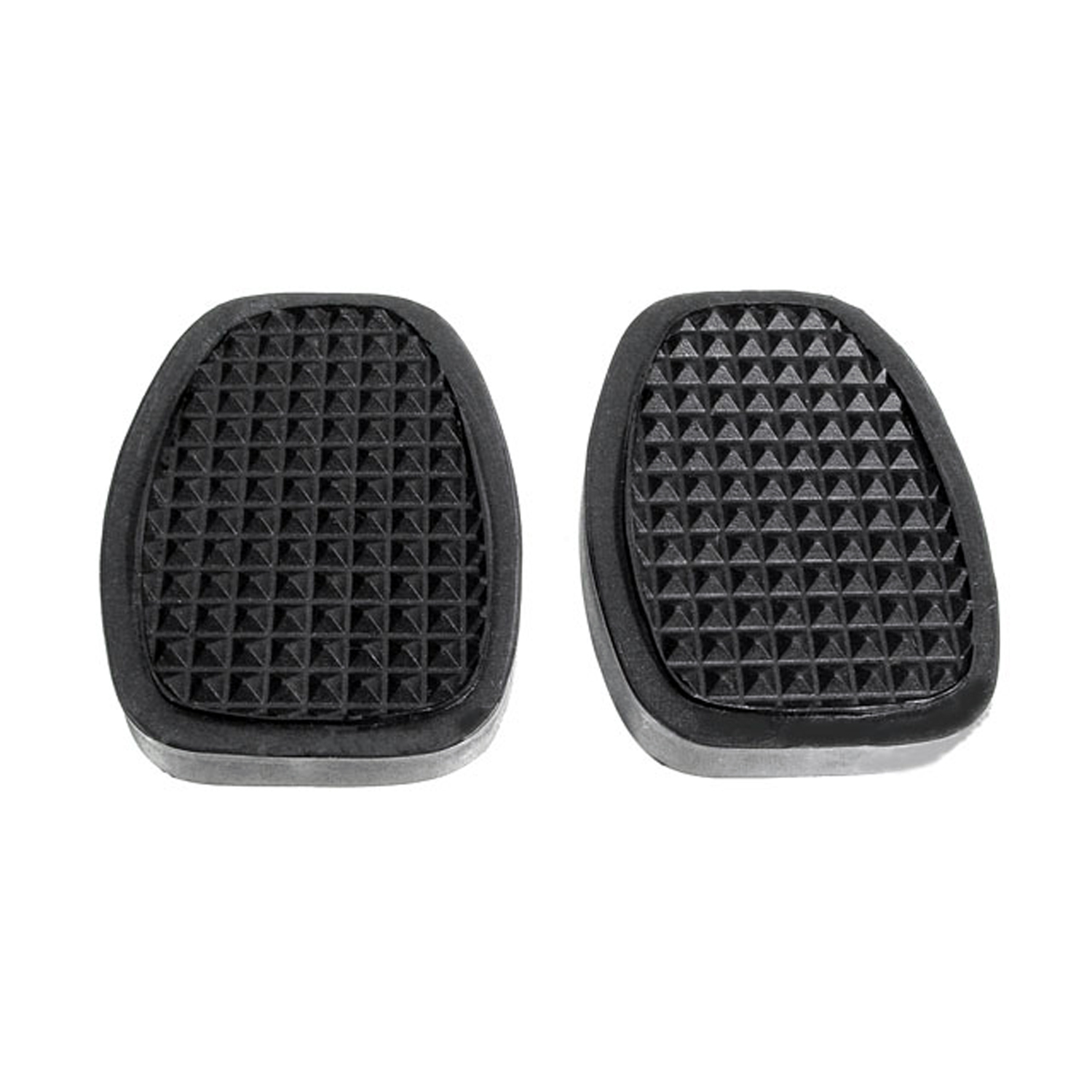 1924 Essex Essex Clutch and Brake Pedal Pads. 2-3/4" wide X 3-3/4" long-CB 30Clutch and Brake Pedal Pads. 2-3/4" wide X 3-3/4" long. Pair
Why Choose Metro?
For over 100 years, Metro Moulded Parts has been the pinnacle of quality in classic car restoration parts. Our commitment to precision and authenticity in every component ensures a perfect fit and an OEM-level appearance.
- Expert Craftsmanship & Quality: Each part is a testament to our dedication to reliability and perfection, crafted from original designs and thoroughly tested.
- Advanced Technology: We use cutting-edge techniques to create flawless, long-lasting parts that surpass others in performance.
- SuperSoft Sponge – The Ultimate Door Seal: Not only are our door seals 30% softer than competitors', but they're also guaranteed to never leak. They effectively reduce wind and road noise, enhancing your classic car's comfort and driving experience.
- Proudly American: Our parts are a product of American craftsmanship, made in the USA with a spirit of excellence and heritage.
- Unrivaled Warranty: We back our products with a 30-year industry-leading warranty, a testament to our confidence in their quality.
Join us in preserving the legacy of classic cars with parts that are crafted for perfection, not just made.