
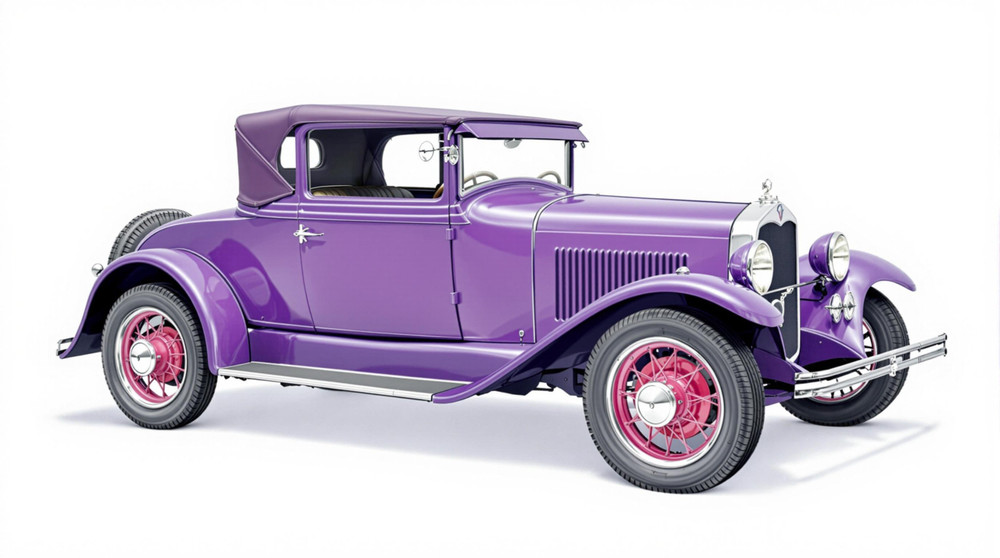
Image of 1925 Essex Six, Note: These illustrations use artistic license and may differ from actual historical models.
Performance Metrics
Fundamental Metrics
Emotional Appeal
MMP Rating
| Engine Specifications | |
|---|---|
| Engine Options: | Inline 6 |
| Displacement Range: | 2.6L |
| Horsepower Range: | Estimated 40-50 HP |
| Torque: | Not available |
| Compression Ratio: | Not available |
| Ignition System: | Distributor and coil |
| Cooling System: | Water-cooled |
| Performance Specifications | |
| 0-60 Time: | Not available |
| 1/4 Mile Time: | Not available |
| Top Speed: | 50-60 mph |
| Transmission and Drive | |
| Drive Type: | Rear-wheel drive |
| Transmission Type: | 3-speed manual |
| Fuel and Efficiency | |
| Fuel System Type: | Carburetor |
| MPG: | Not available |
| Dimensions and Brakes | |
| Brakes: | Mechanical drum brakes |
| Wheelbase: | 112 inches |
| Weight: | Estimated 2,400 lbs |
Note: Specifications for classic cars are given to the best of our ability, considering the limited and variant data available.
1925 Essex Six: The Affordable Six That Changed the Market
The 1925 Essex Six brought six-cylinder power and genuine weather protection within reach of buyers who could not afford a luxury automobile. Built by the Essex Motor Company, a Hudson Motor Car Company subsidiary in Detroit, it was part of Hudson’s strategy to offer a practical, lower-priced car without giving up the smoothness and performance associated with a six-cylinder engine.
Essex had already made its name with the Coach, a relatively affordable closed car at a time when many motorists still bought open touring cars and added weather equipment as needed. By 1925, the Essex Six was helping make an enclosed body feel like a sensible mainstream choice rather than a costly luxury. That shift is the car’s most important story: it helped bring all-season motoring to a much wider audience.
One appealing detail is that Essex’s reputation was built less on extravagant styling than on value. Buyers could get a useful six-cylinder car with a proper roof, doors, and side windows for far less than the price of a comparable high-end automobile.
Essex Styling and Coach Comfort
The 1925 Essex Six has the upright, purposeful look typical of a mid-1920s car. Its tall radiator, separate rounded fenders, narrow tires, exposed running boards, and large headlamps give it a distinctly vintage profile. From the side, the body sits high on its chassis, while the long hood signals the six-cylinder engine beneath it. The overall effect is sturdy and formal rather than sleek, but the proportions are handsome in the way of a car built for real roads and everyday use.
The Coach was the Essex signature body style: a compact, enclosed two-door car with a fixed roof and roll-up windows. Depending on the market and model listing, Essex buyers could also find open touring and roadster bodies, as well as coupe and sedan configurations. The Coach was especially important because it offered enclosed-car practicality without the price or bulk of a large luxury sedan.
Inside, expect a functional cabin rather than elaborate ornament. Upholstery materials varied by body style and trim, with cloth or mohair commonly associated with enclosed cars and more weather-resistant finishes used in open models. The dashboard was straightforward, with period-style gauges and controls, while the seating and trim emphasized utility. Compared with a modern car, the cabin is simple, but its upright seating and generous glass area make it feel surprisingly airy.
Essex paint choices depended on body and production details. Dark shades such as black, navy, maroon, and deep green suit the car’s period character, though exact factory combinations can vary. Restorers should check surviving paint evidence and model-specific records rather than assume every color was offered on every body style.
Six-Cylinder Technology for Everyday Drivers
At the heart of the Essex Six was a side-valve, or L-head, inline-six of about 161 cubic inches. Period specifications commonly list output at approximately 55 horsepower. Power went to the rear wheels through a manual three-speed transmission, a familiar arrangement for the era. The engine’s six-cylinder layout was a selling point: compared with many four-cylinder cars, it delivered smoother running and stronger flexibility for hills and open-road driving.
Four-wheel mechanical brakes were an important safety feature for a car of this period. They required more driver effort and adjustment than modern hydraulic systems, but having braking at all four wheels was a meaningful advantage over older arrangements. The Essex also used conventional controls and mechanical systems that were understandable to drivers and independent mechanics of the day.
Why the 1925 Essex Six Mattered
The Essex Six mattered because it combined three qualities buyers increasingly wanted: an enclosed body, six-cylinder power, and a price below that of a luxury automobile. Its success helped establish the idea that a family car did not need to be a noisy, exposed touring machine. The Coach in particular showed that manufacturers could make closed-car comfort accessible to ordinary motorists.
Essex was not alone in the move toward affordable enclosed cars, but it became one of the brands most closely associated with that change. Its practical approach also helped Hudson reach customers beyond the luxury market. The broader industry followed the same direction, with closed bodies becoming increasingly common and, eventually, the default choice for most buyers.
The Essex’s lasting influence is therefore less about a single groundbreaking gadget and more about market transformation. It helped normalize the enclosed car, demonstrating that weather protection and family-friendly comfort could be part of an attainable automobile.
Road Performance and Driving Feel
A 1925 Essex Six was built for steady travel, not modern traffic. A sound, correctly tuned example may reach roughly 55 to 60 mph under favorable conditions, although age, gearing, tire condition, engine wear, and body style all affect the result. A factory-style 0-to-60-mph figure is not generally available. Given the car’s modest power and period gearing, reaching 60 mph would be a slow process, and some examples may not attain it comfortably at all.
On a smooth road, the six-cylinder engine should feel more composed than a comparable four-cylinder unit. The driver hears mechanical clatter, exhaust pulses, and wind noise rather than the muted quiet of a modern sedan. Acceleration is deliberate: the driver works the three-speed gearbox, listens to the engine, and plans overtaking well in advance.
The suspension is designed around leaf springs and period tires, so broken pavement produces a firm, busy ride. The high seating position and relatively narrow tires make the car feel tall and somewhat light by modern standards. On a winding road, smooth inputs are essential. Steering is unassisted, and braking takes anticipation, especially on a descent or in wet conditions. The Essex is most enjoyable at a relaxed pace on quiet roads, where its mechanical character becomes part of the pleasure.
Owning and Maintaining an Essex Six
Today, a 1925 Essex Six is best suited to touring events, local shows, museum displays, and careful weekend drives. It can be driven regularly by an attentive owner, but it is not a sensible modern daily driver. Traffic speed, limited braking, period lighting, and the lack of contemporary safety equipment all call for a cautious approach.
Routine work includes checking ignition and fuel systems, maintaining the cooling system, inspecting the chassis and suspension, and keeping the mechanical brakes properly adjusted. Many repairs are mechanically straightforward compared with those on a modern car, and experienced owners can handle basic servicing. The challenge is often not complexity but finding the correct parts, identifying previous repairs, and preserving original components. Before buying, inspect the frame, body structure, wood components where fitted, engine, transmission, and brake hardware carefully.
Parts support exists through vintage-car specialists, clubs, and owners’ networks, but availability varies. A complete, running car is usually a better starting point than a project missing trim, lamps, or body-specific components. Those details can be harder to source than basic mechanical items.
Essex Six Facts and Myths
The Essex Coach’s reputation rests on its role in making the closed automobile more attainable. It is sometimes described as the car that single-handedly popularized the enclosed body, but that overstates the case. It was an influential and successful participant in a broader shift involving several manufacturers.
There is no widely recognized 1925 Essex Six speed or endurance record, nor is the model chiefly known for celebrity ownership or a defining appearance in a major historical event. Its significant achievement was commercial: Essex helped sell the practical benefits of a closed six-cylinder car to a broad market. It also has the usual limitations of an early automobile, including modest performance, manual brakes, sparse safety equipment, and a ride that can feel unsettled on rough roads.
Collector Values and Availability
Exact 1925 Essex Six production totals are difficult to pin down by body style, and surviving cars are not always recorded consistently. As a broad estimate, production for the year may have been in the tens of thousands, potentially around 80,000 to 120,000 Essex cars across the range. That is an informed estimate rather than a confirmed count for one specific body style. The cars were successful in their day, but far fewer survive in complete, usable condition.
In the current collector market, a project car may sell for roughly $3,000 to $8,000 USD, depending on completeness and structural condition. A running example or an older restoration may fall around $10,000 to $25,000, while a high-quality, carefully restored car can reach approximately $25,000 to $40,000 or more. Body style, originality, documentation, and the quality of the restoration make a major difference. These are broad market estimates, not guaranteed asking or sale prices.
Values tend to be steady rather than explosive. Well-presented examples appeal to collectors of early American cars and to buyers who enjoy touring, but the market is narrower than for more famous marques. A sound, original car generally has stronger long-term appeal than an over-restored example with incorrect details. As with many prewar vehicles, condition and provenance matter more than a simple production figure.
A Practical Classic with Lasting Importance
The 1925 Essex Six was not a luxury showpiece or a racing sensation. Its achievement was more useful and arguably more far-reaching: it helped make six-cylinder power and enclosed-car comfort attainable for ordinary motorists. With its upright Coach body, straightforward mechanical layout, and smooth-running engine, it represents a turning point in the way Americans expected a car to serve them.
More than a century later, the Essex Six remains an engaging reminder that automotive history is shaped not only by speed records and expensive innovations, but also by cars that made better motoring available to more people.
1925 Essex Six Catalog of Parts
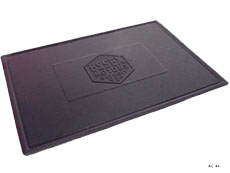 1925 Essex SIX Accessory Floor Mat - 12"X17"-AC 44Accessory Floor Mat - made of high quality black rubber with molded original emblem. Also designed to be sewn into new carpets. 12"X17", Each
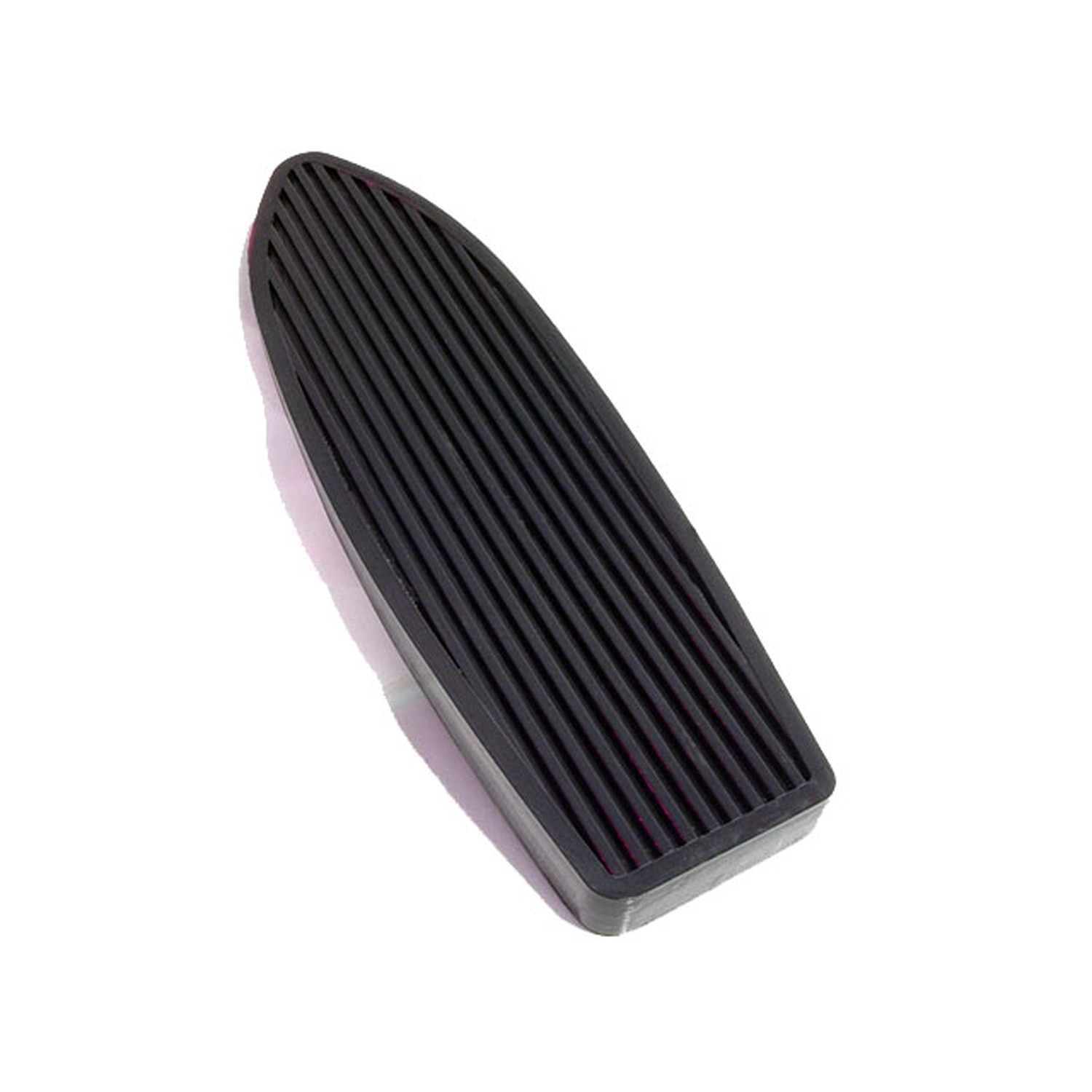 1925 Essex SIX Accelerator Pedal Pad, 2-5/8" X 9", Each-AP 23Accelerator Pedal Pad, 2-5/8" X 9", Each
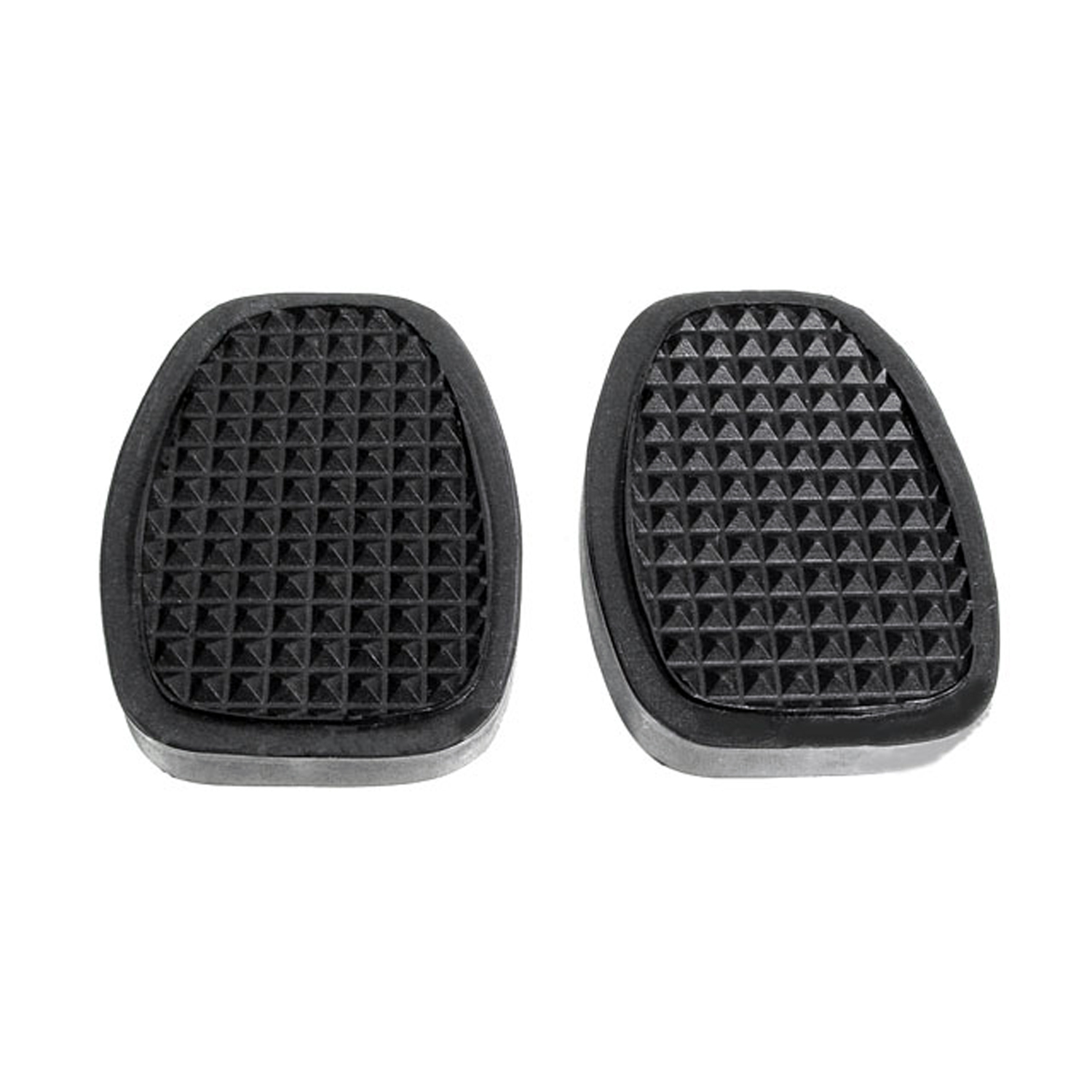 1925 Essex SIX Clutch and Brake Pedal Pads. 2-3/4" wide X 3-3/4" long-CB 30Clutch and Brake Pedal Pads. 2-3/4" wide X 3-3/4" long. Pair
Why Choose Metro?
For over 100 years, Metro Moulded Parts has been the pinnacle of quality in classic car restoration parts. Our commitment to precision and authenticity in every component ensures a perfect fit and an OEM-level appearance.
- Expert Craftsmanship & Quality: Each part is a testament to our dedication to reliability and perfection, crafted from original designs and thoroughly tested.
- Advanced Technology: We use cutting-edge techniques to create flawless, long-lasting parts that surpass others in performance.
- SuperSoft Sponge – The Ultimate Door Seal: Not only are our door seals 30% softer than competitors', but they're also guaranteed to never leak. They effectively reduce wind and road noise, enhancing your classic car's comfort and driving experience.
- Proudly American: Our parts are a product of American craftsmanship, made in the USA with a spirit of excellence and heritage.
- Unrivaled Warranty: We back our products with a 30-year industry-leading warranty, a testament to our confidence in their quality.
Join us in preserving the legacy of classic cars with parts that are crafted for perfection, not just made.