
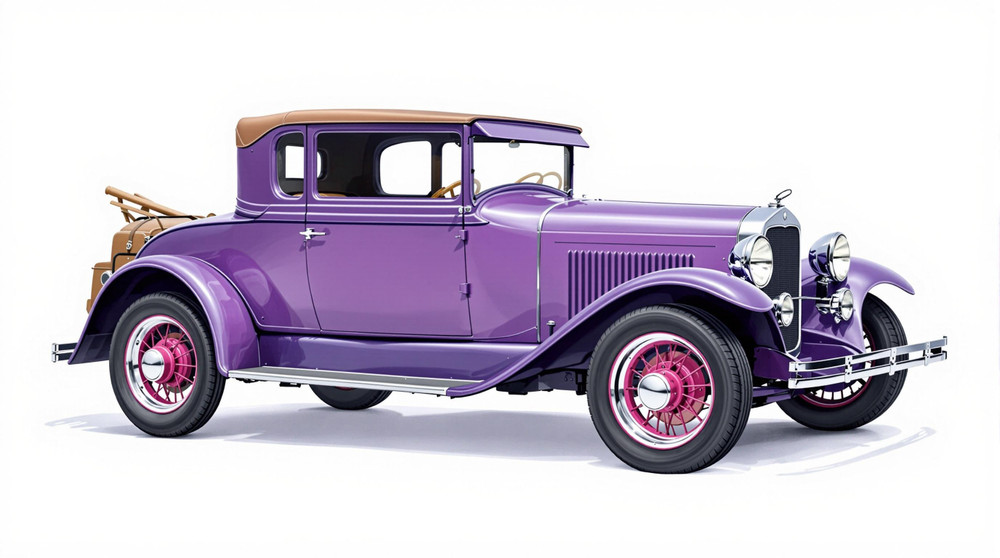
Image of 1926 Essex Six, Note: These illustrations use artistic license and may differ from actual historical models.
Performance Metrics
Fundamental Metrics
Emotional Appeal
MMP Rating
| Engine Specifications | |
|---|---|
| Engine Options: | Inline 6 |
| Displacement Range: | 2.6L |
| Horsepower Range: | Estimated 40-50 HP |
| Torque: | Not available |
| Compression Ratio: | Not available |
| Ignition System: | Distributor and coil |
| Cooling System: | Water-cooled |
| Performance Specifications | |
| 0-60 Time: | Not available |
| 1/4 Mile Time: | Not available |
| Top Speed: | 60 mph |
| Transmission and Drive | |
| Drive Type: | Rear-wheel drive |
| Transmission Type: | 3-speed manual |
| Fuel and Efficiency | |
| Fuel System Type: | Carburetor |
| MPG: | Not available |
| Dimensions and Brakes | |
| Brakes: | Mechanical drum brakes |
| Wheelbase: | 112 inches |
| Weight: | Estimated 2,400 lbs |
Note: Specifications for classic cars are given to the best of our ability, considering the limited and variant data available.
1926 Essex Six: The Affordable Six That Changed the Road
The 1926 Essex Six brought six-cylinder power within reach of buyers who could not justify the cost of a luxury car. Built by the Hudson Motor Car Company of Detroit, Michigan, Essex was Hudson’s lower-priced companion marque, but “lower-priced” did not mean crude: the Essex combined a substantial engine, practical equipment, and the increasingly desirable comfort of a closed body.
Its timing was important. In the 1920s, American motorists were shifting from open touring cars toward enclosed sedans and coaches. Essex helped make that transition affordable. One especially notable part of its story was the Essex Coach, which offered weather protection at a price close enough to an open car to persuade many ordinary families that a roof and doors were no longer luxuries reserved for the wealthy.
Exact specifications and equipment could vary by body style and production details. The 1926 Essex Six is generally associated with a roughly 172-cubic-inch, side-valve inline-six producing about 55 horsepower, paired with a three-speed manual transmission. That was a useful amount of power for a practical family car of its day.
Coachwork with Purpose
The Essex wore the upright, purposeful proportions typical of mid-1920s cars. Its tall radiator, long hood, separate fenders, running boards, and exposed lamps gave it a formal stance, while its relatively compact dimensions kept it from looking as imposing as a full-size luxury automobile. The result was a car that appeared substantial without being ostentatious.
Body styles varied by model and market, with coach, sedan, coupe, touring, and open-car versions represented in the Essex range. The Coach, a two-door enclosed body, is the most closely associated with Essex’s rise. Its fixed roof and side windows made it far more usable in rain, cold weather, and dusty conditions than a basic touring car, while keeping the purchase price comparatively accessible.
Inside, the Essex was practical rather than lavish. Buyers could expect upholstered seating, simple door trim, a large steering wheel, and a straightforward instrument panel. Materials and finishes differed between body styles and trim levels, but the cabin was designed for everyday use, not hand-finished luxury. Even so, a well-preserved example can feel surprisingly inviting, with the warm character of period upholstery, painted metal, and polished hardware.
Factory colors depended on the body and catalog offering. Black and dark shades were common choices, while period Essex cars could also be found in colors such as blue, green, gray, and maroon. Two-tone treatments were available on some bodies or offered through period refinishing, but original paint evidence is important when judging a particular car.
Technology for Everyday Motoring
The Essex Six’s headline feature was its six-cylinder engine. Compared with many inexpensive four-cylinder rivals, an inline-six generally delivered smoother, more even power. The side-valve layout was conventional and comparatively straightforward to service, an advantage in an era when owners often handled routine maintenance themselves.
Other equipment reflected the period rather than modern convenience. The driver worked a manual gearbox, used a mechanical clutch, and relied on the steering and braking systems of a prewar automobile. Lighting, instrumentation, and body equipment were much simpler than those of later cars. Essex’s innovation was less about introducing a single advanced gadget and more about packaging useful performance and enclosed-car practicality at a mass-market price.
Why the Essex Six Mattered
The Essex’s significance lies in its role in broadening car ownership and changing expectations. Before affordable enclosed cars became common, many buyers accepted open bodies as the normal budget choice. Essex helped demonstrate that an enclosed coach could be attainable without stepping up to an expensive luxury model.
That mattered to the industry. A car protected from weather was easier to use throughout the year, more comfortable for passengers, and better suited to family travel. As more customers chose closed bodies, manufacturers increasingly treated the enclosed car as the default rather than an expensive upgrade. Essex did not make that change alone, but it became one of its most recognizable advocates.
Its six-cylinder engine also gave the car a useful point of difference. The Essex was not a sports car, yet its smooth power helped it feel more refined than many basic economy cars. The combination of a six-cylinder drivetrain, enclosed body choices, and a comparatively attainable price helped define the brand’s appeal.
Road Manners and Performance
With approximately 55 horsepower, a 1926 Essex Six was capable of keeping pace with the traffic of its era. A reasonable modern estimate for top speed is around 55 to 65 mph, depending on body style, gearing, mechanical condition, and road surface. A 0-to-60 mph time is not a useful factory-era comparison, and period results are not consistent with modern testing. In practical terms, acceleration to 60 mph would likely take roughly 25 to 35 seconds, if the car could reach that speed at all under the conditions of a particular test.
The engine’s character is better described as steady than spirited. It builds speed gradually, with the driver using the three-speed gearbox to keep it working comfortably on hills or when joining faster traffic. The inline-six produces a soft mechanical rumble, accompanied by the sounds of the transmission, valve gear, tires, and bodywork that are part of the vintage-car experience.
On rough roads, the Essex’s period suspension and narrow tires give it a more active ride than a modern sedan. It can pitch over larger bumps and transmit sharper impacts through the chassis. On winding roads, the high seating position, tall body, and relatively slow steering call for deliberate inputs. It rewards an unhurried driving style, especially in crosswinds or on uneven pavement. A well-sorted example can be comfortable at sensible speeds, but it is not designed for modern highway pace or emergency maneuvers.
Living with a 1926 Essex
Today, most Essex Sixes are used as show cars, parade vehicles, and occasional touring cars rather than daily transportation. Their enclosed bodies make them appealing for vintage events and short trips, while open versions offer the classic motoring experience enthusiasts expect from the 1920s.
Routine work can be approachable for an owner with mechanical experience. The engine’s basic design is understandable, and many jobs do not require modern diagnostic equipment. However, age changes the equation: parts may need to be sourced through specialist suppliers or vintage-car networks, and some components may require rebuilding or custom work. Brakes, tires, fuel lines, cooling systems, and steering parts deserve particular attention before regular road use.
Reliability depends more on the car’s present condition than on its original reputation. A properly restored and maintained Essex can be dependable on planned local outings. A car that has sat unused may need substantial recommissioning, even if it starts and idles. Owners should also account for the realities of a 100-year-old vehicle, including slower travel, limited crash protection, and the need to anticipate traffic well ahead.
Essex Facts and Common Criticisms
The Essex name is closely tied to the growth of the affordable closed car. The Coach helped make enclosed motoring a mass-market proposition, and that practical achievement is more meaningful than a headline speed record. The 1926 Essex Six was built for ordinary transportation, not for setting modern-style performance records.
There is no dependable, widely cited production total for every 1926 Essex Six body style. A reasonable working estimate is roughly 100,000 to 150,000 Essex cars across the 1926 range, but that should be treated as an informed estimate rather than a verified model-by-model factory figure. Production was spread among different bodies, and surviving examples are far less common than the original numbers suggest.
Common criticisms are familiar to anyone who drives a car of this age: modest acceleration, limited braking performance by modern standards, heavy steering at low speed, and a cabin that can be noisy and drafty. The car also asks for more frequent attention than a modern vehicle. Those traits are not defects so much as reminders that the Essex was engineered for the roads, speeds, and expectations of the 1920s.
Collector Values and Availability
Condition, completeness, body style, originality, and restoration quality have a major effect on value. As a broad U.S. market estimate, a project car may fall around $3,000 to $10,000. A usable driver or older restoration might bring approximately $10,000 to $25,000, while a high-quality, well-documented restoration can reach roughly $25,000 to $40,000 or more. Exceptional examples and particularly desirable body styles may exceed that range, while incomplete cars can sell for substantially less.
These cars are scarce in today’s marketplace, but they are not necessarily rare in the strict production sense. The 1926 Essex range was built in significant numbers, yet surviving cars are scattered among private collections, museums, and vintage-car clubs. A buyer may need patience to find a specific body style, especially one that is complete and retains correct period components.
Values tend to be condition-sensitive rather than driven by rapid appreciation. High-quality restorations can hold their appeal, but restoration costs may exceed the finished car’s market value. Over the long term, carefully preserved examples are likely to remain desirable to collectors interested in early family motoring and Hudson-Essex history. Buyers should focus on sound structure, complete trim, and mechanical condition instead of assuming that every old car will rise in value.
A Practical Classic with a Lasting Legacy
The 1926 Essex Six stands out not because it was the fastest or most luxurious car on the road, but because it helped make useful, enclosed motoring accessible to more people. Its smooth six-cylinder engine, practical body choices, and direct mechanical character capture an important shift in American automotive history.
For collectors, it offers a tangible link to the moment when the family car became a year-round machine rather than a fair-weather luxury. Drive one at its own pace and the Essex’s importance becomes clear: it helped bring the comfort of the closed car within reach, and changed what ordinary motorists could expect from an automobile.
1926 Essex Six Catalog of Parts
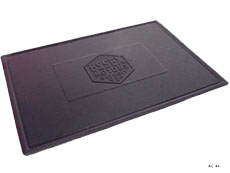 1926 Essex SIX Accessory Floor Mat - 12"X17"-AC 44Accessory Floor Mat - made of high quality black rubber with molded original emblem. Also designed to be sewn into new carpets. 12"X17", Each
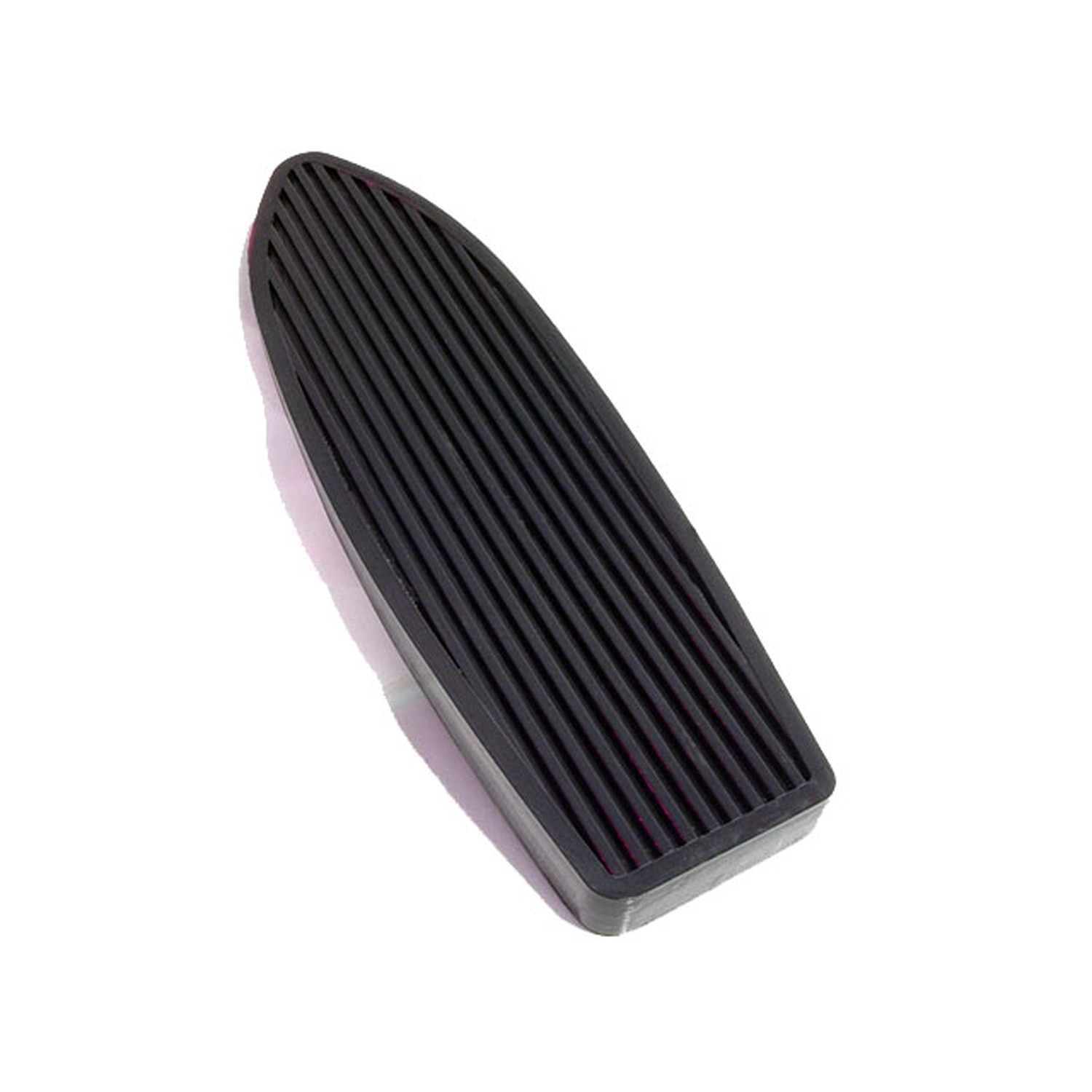 1926 Essex SIX Accelerator Pedal Pad, 2-5/8" X 9", Each-AP 23Accelerator Pedal Pad, 2-5/8" X 9", Each
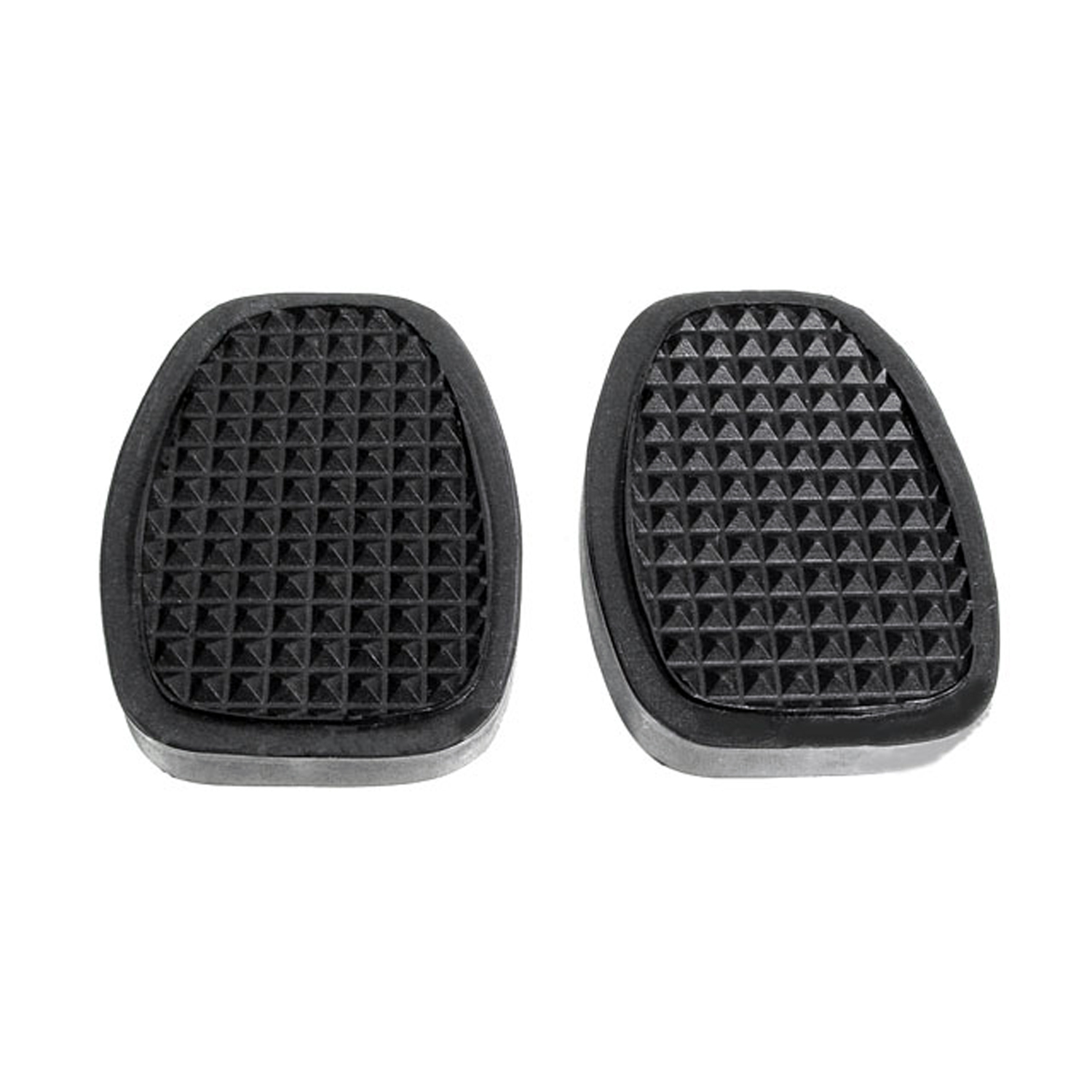 1926 Essex SIX Clutch and Brake Pedal Pads. 2-3/4" wide X 3-3/4" long-CB 30Clutch and Brake Pedal Pads. 2-3/4" wide X 3-3/4" long. Pair
Why Choose Metro?
For over 100 years, Metro Moulded Parts has been the pinnacle of quality in classic car restoration parts. Our commitment to precision and authenticity in every component ensures a perfect fit and an OEM-level appearance.
- Expert Craftsmanship & Quality: Each part is a testament to our dedication to reliability and perfection, crafted from original designs and thoroughly tested.
- Advanced Technology: We use cutting-edge techniques to create flawless, long-lasting parts that surpass others in performance.
- SuperSoft Sponge – The Ultimate Door Seal: Not only are our door seals 30% softer than competitors', but they're also guaranteed to never leak. They effectively reduce wind and road noise, enhancing your classic car's comfort and driving experience.
- Proudly American: Our parts are a product of American craftsmanship, made in the USA with a spirit of excellence and heritage.
- Unrivaled Warranty: We back our products with a 30-year industry-leading warranty, a testament to our confidence in their quality.
Join us in preserving the legacy of classic cars with parts that are crafted for perfection, not just made.