
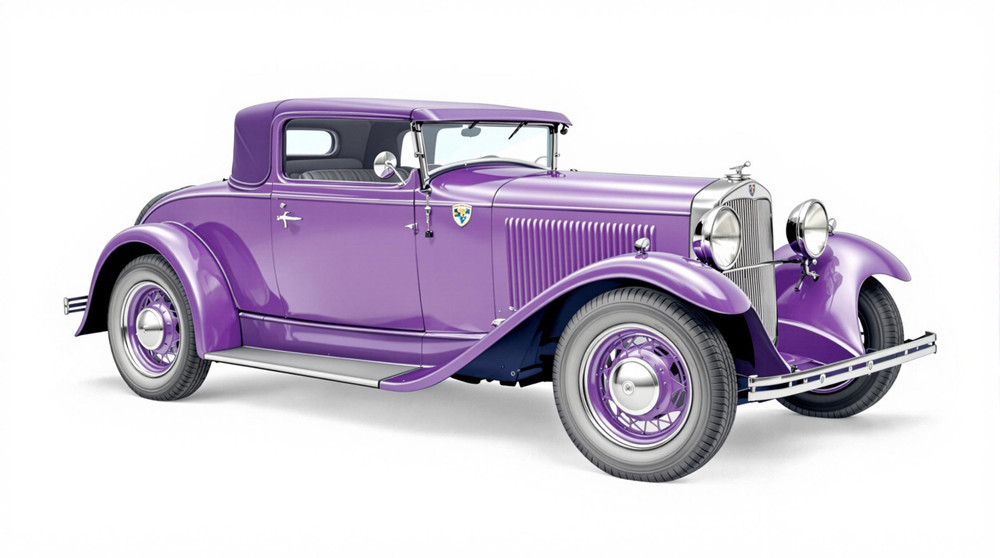
Image of 1928 Essex Super Six, Note: These illustrations use artistic license and may differ from actual historical models.
Performance Metrics
Fundamental Metrics
Emotional Appeal
MMP Rating
| Engine Specifications | |
|---|---|
| Engine Options: | Inline 6 |
| Displacement Range: | 3.3L |
| Horsepower Range: | Estimated 55-60 HP |
| Torque: | Not available |
| Compression Ratio: | Not available |
| Ignition System: | Distributor and coil |
| Cooling System: | Water-cooled |
| Performance Specifications | |
| 0-60 Time: | Not available |
| 1/4 Mile Time: | Not available |
| Top Speed: | 60 mph |
| Transmission and Drive | |
| Drive Type: | Rear-wheel drive |
| Transmission Type: | 3-speed manual |
| Fuel and Efficiency | |
| Fuel System Type: | Carburetor |
| MPG: | Not available |
| Dimensions and Brakes | |
| Brakes: | Mechanical drum brakes |
| Wheelbase: | 113 inches |
| Weight: | 2,400 lbs |
Note: Specifications for classic cars are given to the best of our ability, considering the limited and variant data available.
1928 Essex Super Six: The Six-Cylinder That Put Style Within Reach
The 1928 Essex Super Six brought six-cylinder power and smart, fully enclosed bodywork to buyers who did not want to pay luxury-car prices. Built by the Hudson Motor Car Company of Detroit, Michigan, the Essex was created as a more affordable companion marque to Hudson. Its blend of practicality, performance, and value helped make it one of the most recognizable American cars of the late 1920s.
Essex had already made its name by popularizing the closed “Coach” body at a time when many buyers still chose open cars or paid a premium for enclosed ones. By 1928, the Super Six had become a mature, high-volume model. One of the marque’s best-known feats came just before then: an Essex Super Six completed a 50,000-mile endurance run at the Indianapolis Motor Speedway, demonstrating the durability that the company wanted customers to associate with the name.
Coachwork, Comfort, and 1920s Details
The 1928 Essex has the confident, upright look of a late-1920s American car. A tall radiator shell and prominent headlamps lead the eye toward a long hood, while sweeping front fenders, running boards, and rounded rear bodywork give the car a substantial stance. Narrow tires and relatively high ride height are reminders that this was built for the roads of its day, not modern pavement.
The Coach was the model’s signature body style: a practical, enclosed two-door body with room for a family and protection from weather. Depending on the market and catalog, the range also included other closed and open configurations, such as sedans, coupes, and touring-style bodies. Exact names and availability could vary, but the Coach remains the most closely associated with Essex’s success.
Inside, buyers found a straightforward cabin finished in period cloth or, on some versions, more substantial upholstery such as mohair. The dashboard was functional rather than lavish, with clear, simple instruments and controls suited to a driver who expected to maintain and operate the car without a chauffeur. Color combinations varied by body and trim. Dark shades such as black, maroon, blue, and green were typical choices, though factory offerings depended on the particular body style and production run.
Its most important technology was under the hood: a six-cylinder engine offered smoother power delivery than the four-cylinder engines common in many lower-priced cars. The Super Six also paired that engine with a manual transmission and rear-wheel drive, a familiar layout that was relatively easy for mechanics to understand and service. Four-wheel mechanical brakes and period electrical equipment were part of a very different driving environment from today’s cars, but represented the practical engineering of the era.
Why the Essex Mattered
The Super Six helped bring the appeal of a six-cylinder car to a broader market. Rather than compete solely on luxury, Essex offered buyers a combination of enclosed comfort, respectable road performance, and a price that undercut many premium makes. The Coach was especially important: it helped establish that a closed car could be an attainable everyday purchase, not simply an expensive indulgence.
Essex also benefited from Hudson’s engineering and manufacturing resources while retaining a distinct value-focused identity. Its success encouraged other manufacturers to offer better-equipped, more practical cars at accessible prices. The Super Six did not invent the affordable automobile, but it helped move the market toward the enclosed, six-cylinder family car that would become increasingly familiar in the years ahead.
Engine, Speed, and Road Manners
The 1928 Super Six used a side-valve, or L-head, inline six of approximately 179 cubic inches. Period specifications commonly place its output around 55 horsepower, delivered through a three-speed manual gearbox to the rear wheels. Exact figures can differ slightly by specification and source, so surviving cars should be checked against their engine and chassis details.
A sound example can reach roughly 60 to 65 mph under favorable conditions. A modern-style 0-to-60-mph time was not a standard factory performance measure for cars of this period, and published results are scarce. As a reasonable estimate, acceleration to 60 mph could take around 30 to 40 seconds, depending on mechanical condition, gearing, load, and road surface. The Essex was designed for dependable travel, not quick launches.
On a smooth road, the six-cylinder engine gives the car a steady, unhurried rhythm. The engine’s mechanical clatter, the whir of the drivetrain, and the wind around the upright body are all part of the experience. The suspension and tall tires soften some bumps, but a 1928 chassis does not isolate occupants as a modern car does. On winding roads, the driver needs to plan ahead: steering is slower, body lean is noticeable, and the brakes require more anticipation than modern hydraulic systems.
Driving one is an active experience. The driver works the clutch and gear lever, reads the road well in advance, and leaves plenty of room for stopping. A well-maintained Super Six can be a pleasant touring car at moderate speeds, but it feels most at home on quieter roads rather than in fast-moving modern traffic.
Ownership, Maintenance, and Reliability
In its own time, the Essex was an everyday family car used for commuting, shopping, and longer trips. Today, most examples are enjoyed as touring cars, parade vehicles, museum pieces, and entries at classic-car events. Their enclosed bodywork makes them more usable than many open prewar cars, though age and mechanical limits still call for thoughtful driving.
Routine care involves the usual vintage-car tasks: keeping the ignition and carburetor in tune, monitoring the cooling system, maintaining lubrication, and inspecting tires, steering, and brakes. The mechanical layout is comparatively straightforward, which is a plus for a hands-on owner. However, “simple” does not mean identical to a modern car. Parts may require specialist suppliers, careful sourcing, or repair by a machinist familiar with early automobiles. A pre-purchase inspection should include the frame, body structure, engine, transmission, and brake system, not just the visible paint and upholstery.
Reliability depends heavily on restoration quality and maintenance history. A correctly rebuilt Super Six can provide enjoyable local and regional touring, but original components are nearly a century old. Owners should plan for regular attention and avoid treating the car as a modern daily driver.
Endurance Records and Essex Trivia
The 50,000-mile Indianapolis endurance run remains a standout Essex story. The feat was a powerful piece of period publicity because it spoke directly to the concerns of ordinary buyers: could an affordable car keep going? It helped reinforce Essex’s reputation for stamina and gave the Super Six a memorable place in the early history of automotive endurance demonstrations.
The model’s most enduring claim to fame is less about a single speed record than about making the closed Coach body a mainstream proposition. That practical body style helped Essex reach a wide audience and is now one of the easiest ways to recognize the marque’s influence.
Common criticisms are typical of cars from the period. The Super Six is slow by modern standards, its braking and steering require adaptation, and its cabin lacks contemporary safety equipment. Original cars can also be challenging to restore if major body, trim, or mechanical parts are missing. Those drawbacks are balanced by its period character, approachable mechanical design, and strong connection to the growth of affordable enclosed motoring.
Collector Values and Availability
Exact production totals for the 1928 model year are difficult to pin down, particularly when figures are divided by body style. Essex was a high-volume marque, and a reasonable broad estimate is that production across the 1928 Super Six range reached well into the tens of thousands, potentially around 100,000 to 200,000 cars. That is an informed estimate rather than a verified body-by-body count. Surviving examples are much less common, and complete, correctly restored cars are scarcer still.
As a general 2026 guide, a project car may sell for roughly $3,000 to $8,000, while a usable driver or older restoration might fall around $10,000 to $25,000. A high-quality restoration, particularly of a desirable or especially well-documented body style, could reach approximately $25,000 to $40,000 or more. Condition, originality, provenance, regional demand, and the quality of the restoration make a substantial difference, so these ranges are estimates rather than guaranteed market prices.
Values have generally followed the broader market for prewar cars: the best examples remain desirable, while average cars can be harder to sell at ambitious prices. The Essex’s historical importance and approachable scale support collector interest, but restoration costs can exceed the value of an ordinary example. Buyers should choose carefully and prioritize sound structure, completeness, and documented mechanical work.
A Practical Classic with Lasting Appeal
The 1928 Essex Super Six combined a smooth six-cylinder engine, useful enclosed bodywork, and accessible pricing at a time when those qualities were changing American motoring. Its Coach body helped make weather protection feel ordinary rather than extravagant, while the Indianapolis endurance run gave the marque a memorable demonstration of durability.
Nearly a century later, the Super Six is not about speed or effortless modern comfort. It is about experiencing the shift toward the practical family car, one deliberate gear change and steady six-cylinder beat at a time. That combination of everyday ambition and genuine historical importance is what keeps the Essex Super Six worth remembering.
1928 Essex Super Six Catalog of Parts
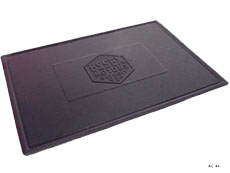 1928 Essex Super Six Accessory Floor Mat - 12"X17"-AC 44Accessory Floor Mat - made of high quality black rubber with molded original emblem. Also designed to be sewn into new carpets. 12"X17", Each
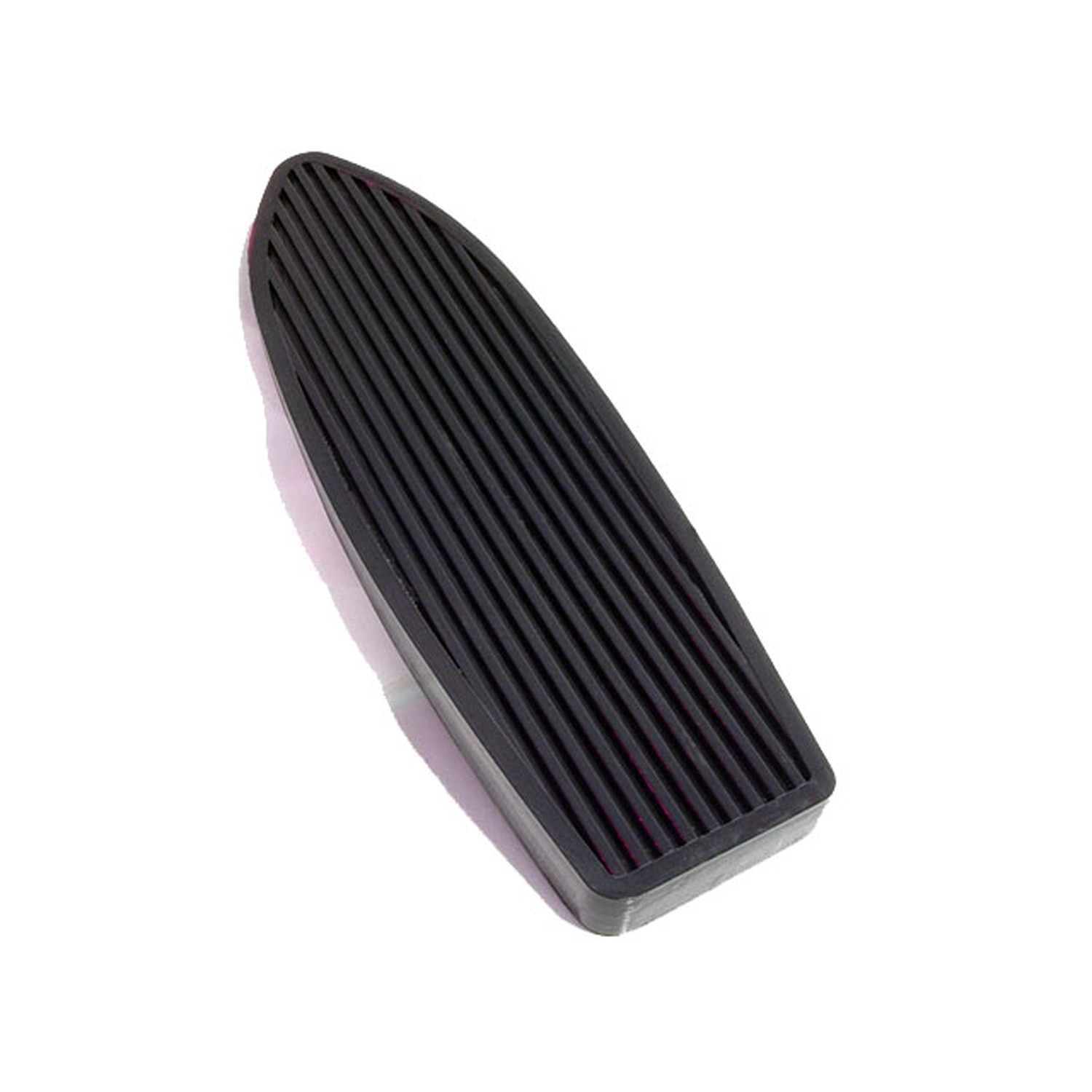 1928 Essex Super Six Accelerator Pedal Pad, 2-5/8" X 9", Each-AP 23Accelerator Pedal Pad, 2-5/8" X 9", Each
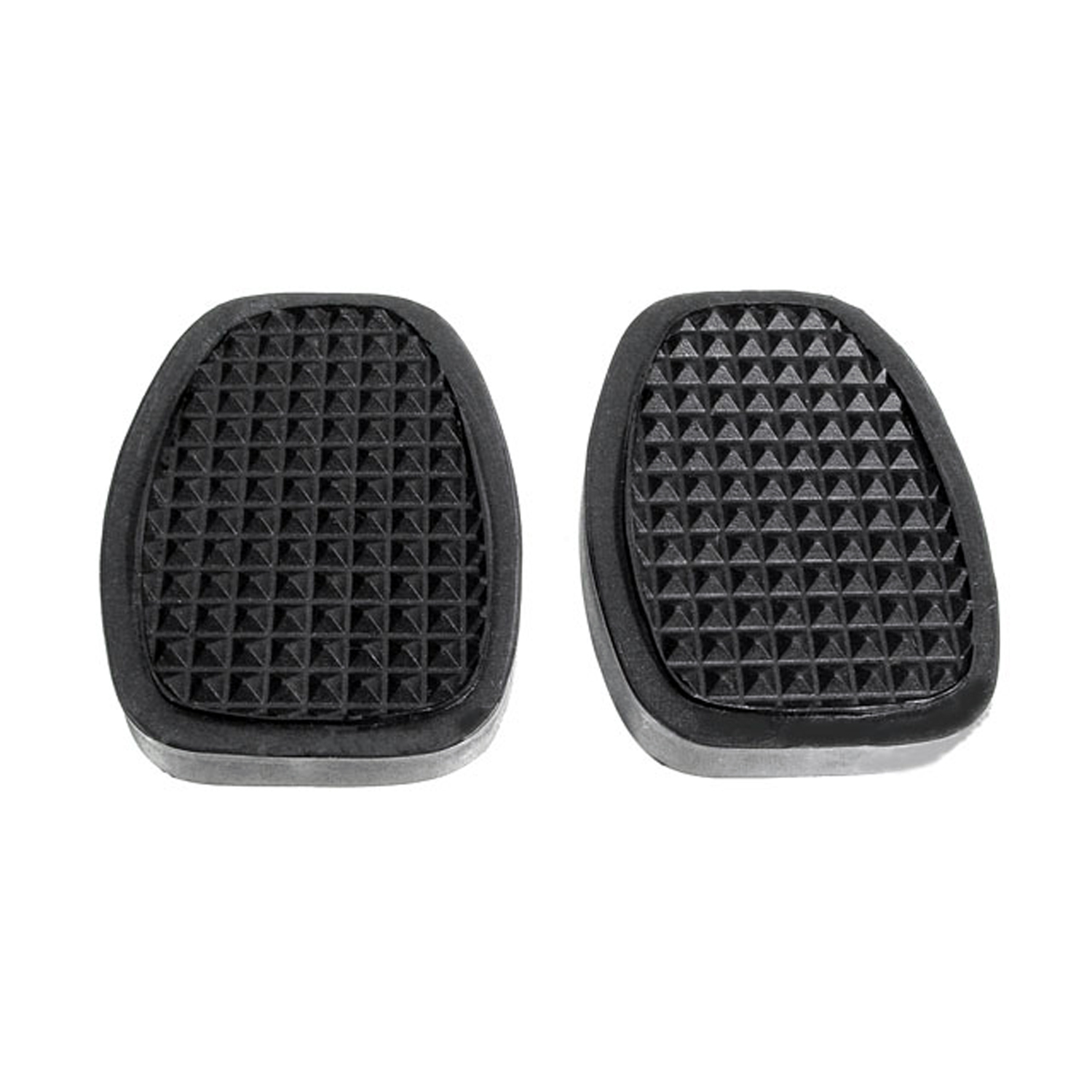 1928 Essex Super Six Clutch and Brake Pedal Pads. 2-3/4" wide X 3-3/4" long-CB 30Clutch and Brake Pedal Pads. 2-3/4" wide X 3-3/4" long. Pair
Why Choose Metro?
For over 100 years, Metro Moulded Parts has been the pinnacle of quality in classic car restoration parts. Our commitment to precision and authenticity in every component ensures a perfect fit and an OEM-level appearance.
- Expert Craftsmanship & Quality: Each part is a testament to our dedication to reliability and perfection, crafted from original designs and thoroughly tested.
- Advanced Technology: We use cutting-edge techniques to create flawless, long-lasting parts that surpass others in performance.
- SuperSoft Sponge – The Ultimate Door Seal: Not only are our door seals 30% softer than competitors', but they're also guaranteed to never leak. They effectively reduce wind and road noise, enhancing your classic car's comfort and driving experience.
- Proudly American: Our parts are a product of American craftsmanship, made in the USA with a spirit of excellence and heritage.
- Unrivaled Warranty: We back our products with a 30-year industry-leading warranty, a testament to our confidence in their quality.
Join us in preserving the legacy of classic cars with parts that are crafted for perfection, not just made.