
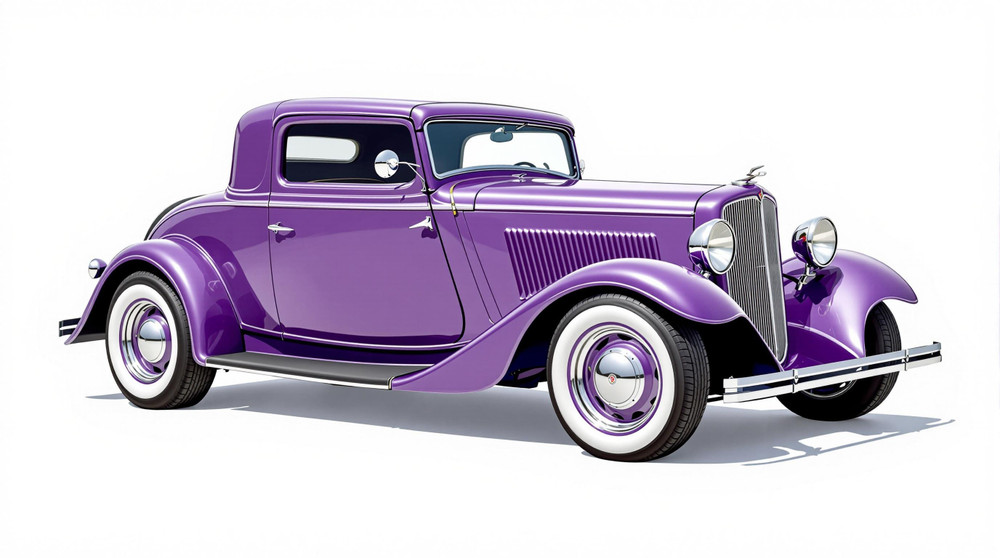
Image of 1930 Essex Challenger, Note: These illustrations use artistic license and may differ from actual historical models.
Performance Metrics
Fundamental Metrics
Emotional Appeal
MMP Rating
| Engine Specifications | |
|---|---|
| Engine Options: | Inline 6 |
| Displacement Range: | 3.3L |
| Horsepower Range: | Estimated 55-60 HP |
| Torque: | Not available |
| Compression Ratio: | Not available |
| Ignition System: | Distributor and coil |
| Cooling System: | Water-cooled |
| Performance Specifications | |
| 0-60 Time: | Not available |
| 1/4 Mile Time: | Not available |
| Top Speed: | 60 mph |
| Transmission and Drive | |
| Drive Type: | Rear-wheel drive |
| Transmission Type: | 3-speed manual |
| Fuel and Efficiency | |
| Fuel System Type: | Carburetor |
| MPG: | Not available |
| Dimensions and Brakes | |
| Brakes: | Mechanical drum brakes |
| Wheelbase: | 113 inches |
| Weight: | 2,400 lbs |
Note: Specifications for classic cars are given to the best of our ability, considering the limited and variant data available.
1930 Essex: The Challenger Before the Challenger
The 1930 Essex was built for buyers who wanted a proper six-cylinder automobile without paying luxury-car prices. There is an important wrinkle in the name: the Essex Challenger is generally associated with the 1932 model year, not 1930. A car advertised today as a “1930 Essex Challenger” may be a 1930 Essex described with a later name, so buyers should verify its year and model using its serial number, factory records, and period literature.
Essex was a marque of the Hudson Motor Car Company, based in Detroit. Hudson had introduced Essex in 1919 as a more affordable companion to its own cars. By 1930, Essex had established a reputation for practical, sturdy six-cylinder motoring. The year also brought a sobering backdrop: the Great Depression was beginning to squeeze household budgets, making affordable cars such as the Essex especially relevant.
The name “Challenger” arrived as Essex was approaching the end of its independent life. Hudson used it for the 1932 Essex, a continuation and development of the value-minded line. Essex was folded into the Hudson range after 1932, making the Challenger a brief final chapter rather than a long-running model family.
Exterior Design and Body Styles
A 1930 Essex has the upright, formal proportions typical of cars at the turn of the decade. Its tall radiator shell, long hood, separate fenders, running boards, and exposed headlamps give it a confident road presence. The fenders sweep outward over the wheels, while the narrow tires and relatively high stance make the car look distinctly different from today’s low-slung machines.
As with many cars of the period, buyers could choose from several body configurations. Depending on the specific 1930 catalog and market, Essex offerings included closed bodies such as coupes and sedans, as well as more open touring or phaeton-style forms. Exact names and availability varied, so a particular car’s body style is best confirmed against its original sales literature or factory documentation. A closed sedan or coach is often the most familiar surviving shape, combining weather protection with the traditional upright Essex profile.
Factory paint choices and trim combinations could vary by body style and production run. Dark, conservative colors were common on cars of the era, but a surviving car’s present paint should not automatically be assumed to be original. For a restoration, paint traces in protected areas, period color charts, and vehicle-specific records are more reliable guides than a generic list of colors.
Cabin, Materials, and Period Equipment
Inside, the Essex favored straightforward utility over luxury-car ornament. The cabin typically paired painted or finished metal surfaces with a simple instrument panel, broad bench seating, and durable upholstery. Depending on body style and trim, upholstery could be cloth or other period materials, with the quality and pattern reflecting the car’s original specification. A well-preserved interior feels substantial and practical rather than plush.
The driver faced a simple set of gauges and mechanical controls. There was no modern convenience equipment such as power steering, air conditioning, or synchronized infotainment, and even basic features familiar to later drivers were not yet standard. The reward is a direct, uncomplicated layout that makes the car’s mechanical character part of the experience.
For its time, the Essex’s significant technology was its relatively affordable six-cylinder powerplant and the production methods that helped Hudson offer a useful car at a competitive price. It was not a technological showcase in the luxury-car sense. Its innovation was making six-cylinder motoring accessible to a broad audience.
Historical Significance and the Essex Legacy
Essex helped Hudson reach customers who might otherwise have bought a smaller or less powerful car. The marque’s success demonstrated that a lower-priced automobile could still offer a six-cylinder engine and a proper enclosed body. That value proposition mattered as the industry moved away from the basic, often open cars of the early automobile era and toward more comfortable transportation for everyday use.
The 1930 Essex belongs to an important transition. Closed cars were becoming increasingly desirable, while the Depression put pressure on manufacturers to balance comfort, performance, and price. Essex’s answer was not flashy engineering but a sensible package: a usable six, conventional controls, and a range of bodies suited to different budgets and needs.
What sets the car apart from many contemporaries is its place in the Hudson story. The 1930 Essex represents the established, pre-Challenger identity of the marque, while the 1932 Challenger marks its final rebranding. That short naming interval can make period paperwork and model identification especially important to historians and collectors.
Engine, Speed, and Road Manners
Specifications can differ by model and source, but a typical 1930 Essex was powered by a side-valve, or L-head, inline six of roughly 175 cubic inches. Period references commonly put output in the neighborhood of 55 horsepower. A three-speed manual transmission and rear-wheel drive formed the conventional mechanical package. These figures describe the 1930 Essex family broadly and should not be treated as confirmed specifications for every car carrying a later “Challenger” description.
There is no dependable universal factory 0-to-60 mph figure for the 1930 Essex. Based on its modest output, gearing, weight, and period tires, a roughly 25-to-35-second 0-to-60 estimate is more realistic than modern expectations, and some examples may not comfortably reach 60 mph at all. A healthy car may manage a top speed in the approximate 60-to-70 mph range under favorable conditions, but age, gearing, body style, and mechanical condition make any single number approximate.
On the road, the Essex is best enjoyed at a relaxed pace. Its engine produces a steady mechanical thrum rather than a sharp modern note, and the driver works a non-synchronized manual gearbox with deliberate timing. Steering is likely to feel heavy at low speed, while the relatively tall body and narrow tires call for smooth, measured inputs on winding roads.
The suspension was designed for roads that were rougher than many modern routes. It can soften bumps at moderate speeds, but the tall tires, older springing, and chassis movement mean the ride is not as controlled as a contemporary car’s. On a windy road, the Essex rewards anticipation: slow before corners, steer progressively, and leave plenty of room for its period braking system.
Living With a 1930 Essex
Today, a 1930 Essex is more likely to be a touring, club, or show car than a daily driver. It can still be driven on appropriate roads when properly maintained, but traffic speed, limited braking performance, visibility, and the absence of modern safety equipment make careful route planning essential.
The basic mechanical layout is relatively approachable for an experienced hobby mechanic. The engine and chassis use familiar prewar technology, and many repairs can be understood without specialist diagnostic tools. However, “simple” does not mean effortless: parts availability varies, and body trim, upholstery, glass, and model-specific fittings can be difficult or costly to source. A specialist club or marque community can be especially useful for identifying correct parts and locating reproductions.
Reliability depends heavily on restoration quality and regular attention. Cooling, ignition, lubrication, tires, wheel bearings, and brakes deserve close inspection before road use. Old tires can look acceptable while being unsafe, and an engine that starts easily in a driveway still needs a thorough inspection before a long tour.
Essex Facts and Common Misconceptions
The most useful piece of trivia is also the most important buying tip: “Essex Challenger” is associated with 1932, so a car described as a 1930 Challenger deserves careful verification. It may be a genuine 1930 Essex with a mistaken modern listing, or its identity may have been confused over decades of ownership. The chassis number and period documentation matter more than a seller’s shorthand.
There is no widely recognized speed or endurance record that defines the 1930 Essex, and claims of celebrity ownership should be checked against reliable documentation. Its significance lies instead in the success of the Essex marque as an accessible six-cylinder car and in its role immediately before Hudson’s final Challenger-era models.
Common criticisms are familiar to anyone who has driven a prewar car: modest acceleration, heavy steering, limited braking compared with modern vehicles, and a cabin that can feel basic. Those are genuine limitations, not defects to be hidden. They are part of the reason the Essex is best appreciated as a historical automobile rather than a modern substitute for everyday transport.
Collector Values and Availability
Values depend strongly on body style, completeness, condition, and the quality of any restoration. As a broad current-market estimate, a project or incomplete car might fall around $5,000 to $12,000, while a sound driver could bring roughly $12,000 to $25,000. A high-quality, correctly restored example may reach approximately $25,000 to $40,000 or more, particularly if it is an appealing body style with strong documentation. These are general estimates, not a formal appraisal, and unusual coachwork or exceptional provenance can change the result.
Exact production totals for each 1930 Essex body style are not consistently available in commonly consulted reference material. As a cautious estimate, the entire 1930 Essex line likely amounted to tens of thousands of cars, perhaps somewhere in the broad range of 50,000 to 90,000. That is a rough production estimate, not a verified figure, and it should not be confused with the number of surviving cars. The 1932 Challenger was a separate, short-lived model identity and should not be included when counting 1930 Essex production.
Survivors appear intermittently rather than constantly on the market. The Essex is less widely collected than the most famous prewar marques, which can keep prices below those of comparable luxury cars. Well-documented, correctly restored examples tend to hold interest best. In nominal dollars, top-quality cars may appreciate over time, but condition and restoration costs can outweigh any increase in market value. Buyers should purchase one for its character and history, not as a guaranteed investment.
Why the 1930 Essex Still Matters
The 1930 Essex is an honest representative of a changing automobile world: six-cylinder power, practical bodywork, and accessible pricing at the threshold of the Depression. Its later association with the Challenger name makes accurate identification part of the fun, while its upright styling and direct mechanical feel deliver an unmistakable prewar driving experience.
Whether you call it a 1930 Essex or are investigating a claimed Challenger, the car tells a valuable Hudson story. It was built not to dazzle with excess, but to put capable motoring within reach, and that practical ambition is what keeps the Essex worth remembering.
1930 Essex Challenger Catalog of Parts
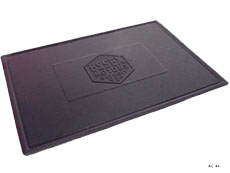 1930 Essex Challenger Accessory Floor Mat - 12"X17"-AC 44Accessory Floor Mat - made of high quality black rubber with molded original emblem. Also designed to be sewn into new carpets. 12"X17", Each
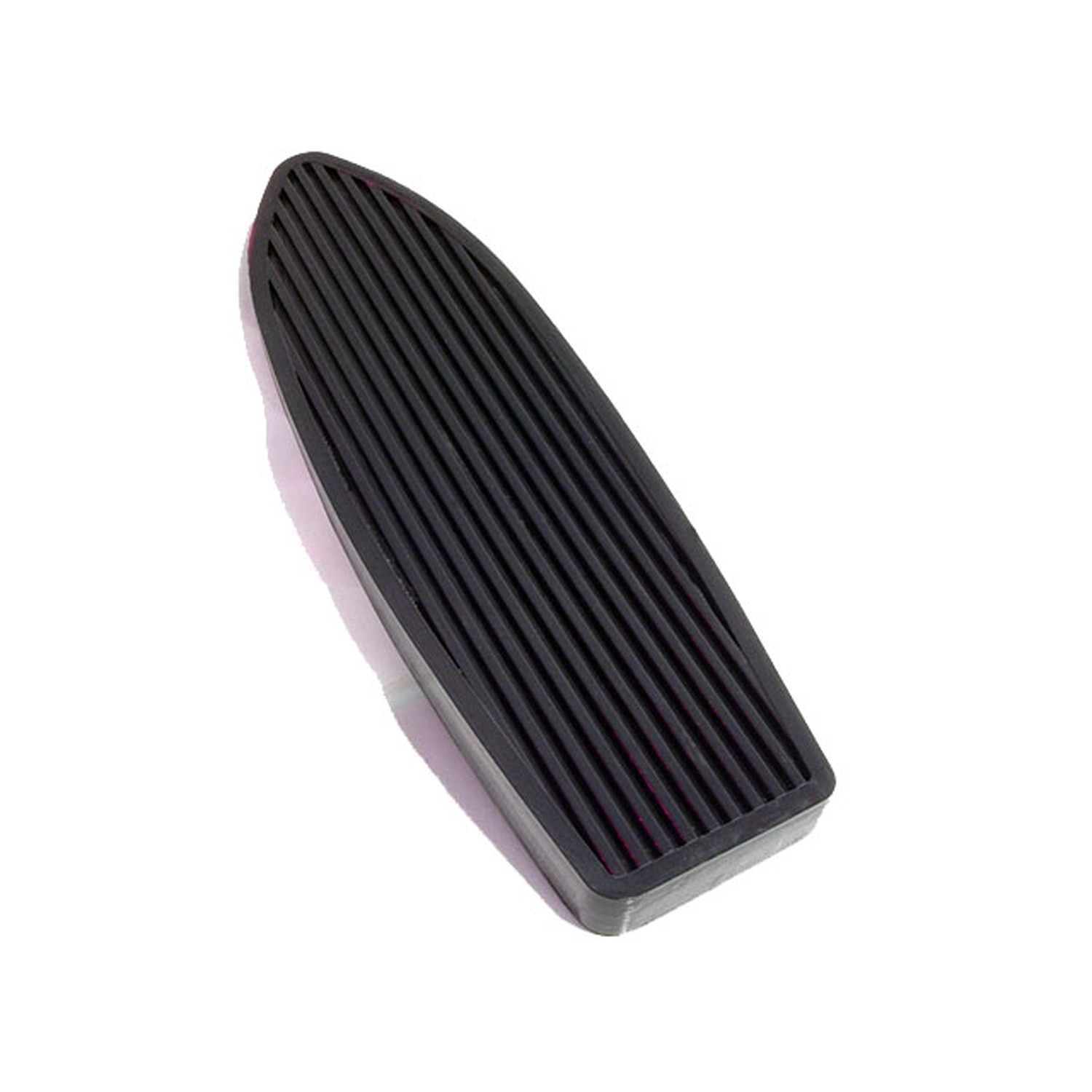 1930 Essex Challenger Accelerator Pedal Pad, 2-5/8" X 9", Each-AP 23Accelerator Pedal Pad, 2-5/8" X 9", Each
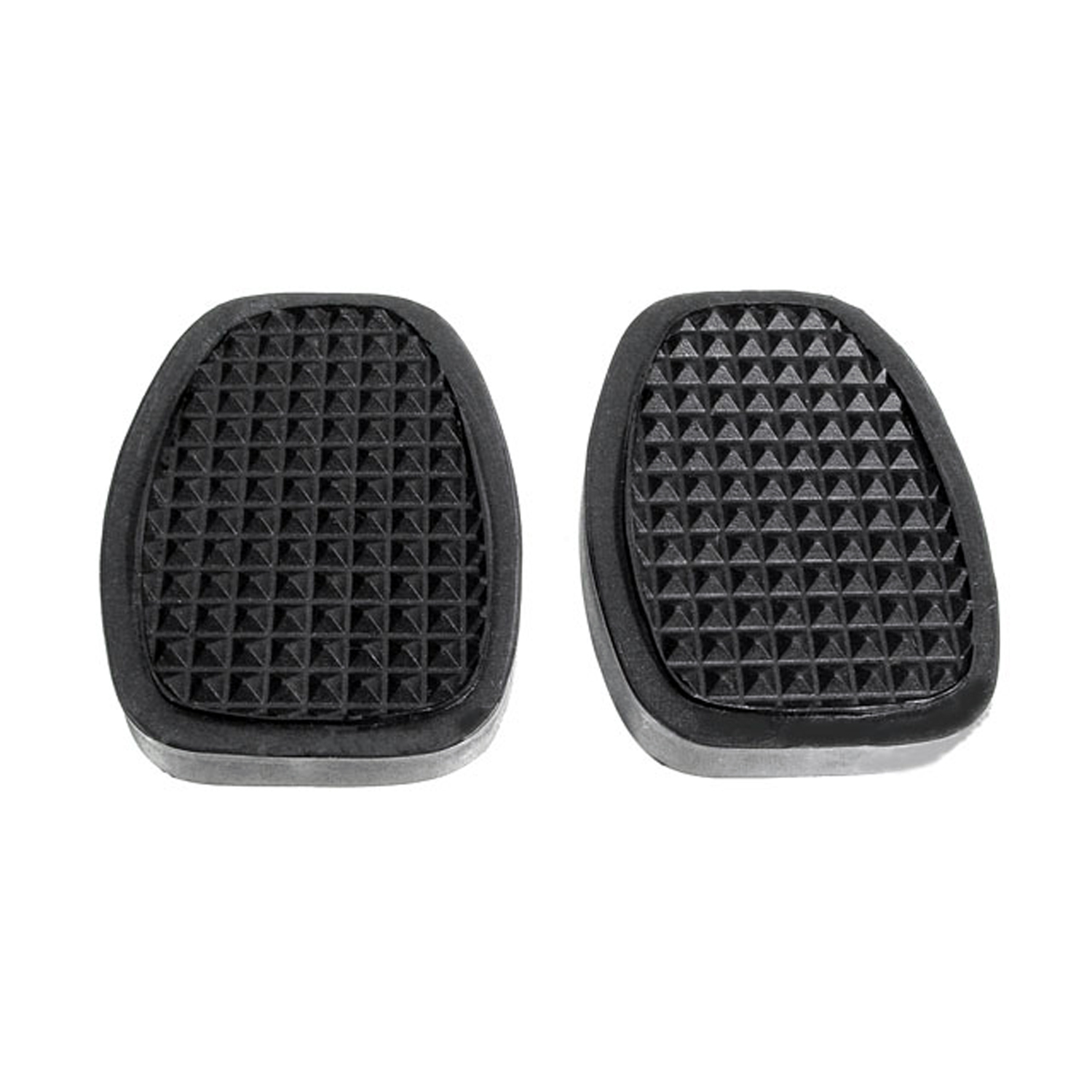 1930 Essex Challenger Clutch and Brake Pedal Pads. 2-3/4" wide X 3-3/4" long-CB 30Clutch and Brake Pedal Pads. 2-3/4" wide X 3-3/4" long. Pair
Why Choose Metro?
For over 100 years, Metro Moulded Parts has been the pinnacle of quality in classic car restoration parts. Our commitment to precision and authenticity in every component ensures a perfect fit and an OEM-level appearance.
- Expert Craftsmanship & Quality: Each part is a testament to our dedication to reliability and perfection, crafted from original designs and thoroughly tested.
- Advanced Technology: We use cutting-edge techniques to create flawless, long-lasting parts that surpass others in performance.
- SuperSoft Sponge – The Ultimate Door Seal: Not only are our door seals 30% softer than competitors', but they're also guaranteed to never leak. They effectively reduce wind and road noise, enhancing your classic car's comfort and driving experience.
- Proudly American: Our parts are a product of American craftsmanship, made in the USA with a spirit of excellence and heritage.
- Unrivaled Warranty: We back our products with a 30-year industry-leading warranty, a testament to our confidence in their quality.
Join us in preserving the legacy of classic cars with parts that are crafted for perfection, not just made.