
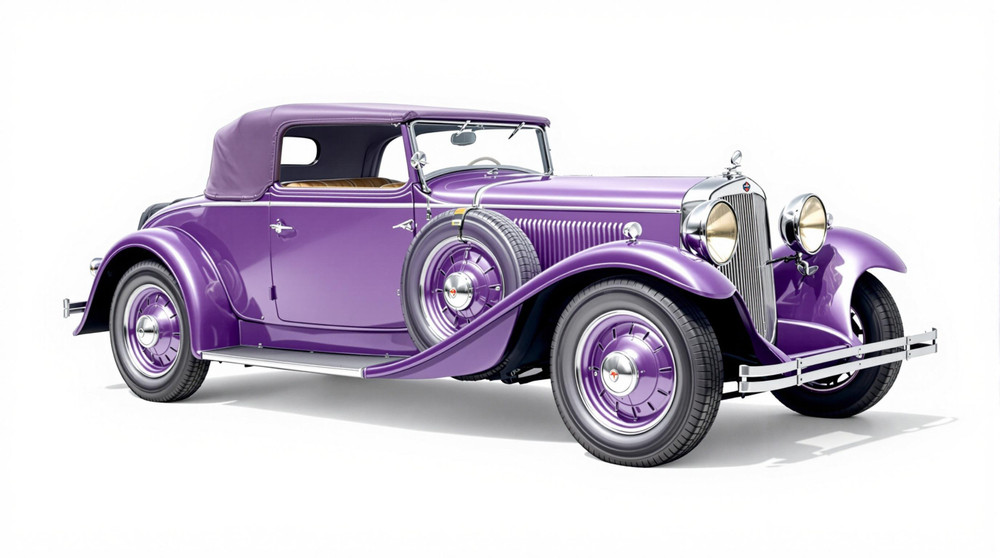
Image of 1931 Essex Super Six, Note: These illustrations use artistic license and may differ from actual historical models.
Performance Metrics
Fundamental Metrics
Emotional Appeal
MMP Rating
| Engine Specifications | |
|---|---|
| Engine Options: | Inline 6-cylinder |
| Displacement Range: | 193 cubic inches |
| Horsepower Range: | Estimated 70-80 HP |
| Torque: | Not available |
| Compression Ratio: | Not available |
| Ignition System: | Distributor and coil |
| Cooling System: | Water-cooled |
| Performance Specifications | |
| 0-60 Time: | Not available |
| 1/4 Mile Time: | Not available |
| Top Speed: | 60-70 mph |
| Transmission and Drive | |
| Drive Type: | Rear-wheel drive |
| Transmission Type: | 3-speed manual |
| Fuel and Efficiency | |
| Fuel System Type: | Carburetor |
| MPG: | Not available |
| Dimensions and Brakes | |
| Brakes: | Mechanical drum brakes |
| Wheelbase: | 113 inches |
| Weight: | 2,700 lbs |
Note: Specifications for classic cars are given to the best of our ability, considering the limited and variant data available.
1931 Essex Super Six: Hudson’s Affordable Six-Cylinder
The 1931 Essex Super Six brought six-cylinder power and substantial-car comfort to buyers who could not stretch to a luxury marque. Built by Hudson Motor Car Company of Detroit, Michigan, the Essex was Hudson’s value-focused line, designed to compete with popular cars from Ford and Chevrolet while offering the smoothness of an inline-six.
The timing gives the car an added place in automotive history. It arrived during the Great Depression, when shoppers scrutinized every dollar, and it was among the final cars to carry the Essex name. Hudson replaced Essex with the Terraplane in 1932, making the 1931 Super Six a link between one of the industry’s best-known affordable-car brands and its successor.
Here’s a useful point of context: Essex had built its reputation by making closed cars more attainable in the 1920s, when open touring cars were still common. The 1931 Super Six carried that practical approach forward, pairing an enclosed passenger compartment with a six-cylinder engine at a price aimed at the mass market.
Rounded Fenders and Roomy Coachwork
The Super Six wore the upright proportions typical of the early 1930s, but with the flowing fenders and rounded body lines that gave the period its distinctive look. A tall radiator, long hood and separate headlamps created a formal face, while running boards connected the front and rear fenders along the sides. From the back, a full-size spare tire and gently curved rear bodywork added to its substantial appearance.
Inside, the Essex was practical rather than lavish. Depending on body style and trim, occupants could find cloth upholstery, broadcloth or mohair-style materials, with more upscale finishes available on some versions. The cabin typically featured a straightforward painted or wood-grain-finished dashboard, clear analog gauges and a large steering wheel. Compared with a modern car, it was sparse, but in its day it offered an enclosed, comfortable alternative to more basic open cars.
Factory equipment reflected the era’s priorities: a conventional steering wheel and pedal layout, a manual transmission and a simple instrument panel rather than electronic conveniences. The Super Six’s key technical selling point was its six-cylinder engine. It delivered smoother power than many four-cylinder competitors, though the car still relied on mechanical systems that required regular attention and adjustment.
Essex body offerings varied by market and catalog year, but common forms included the two-door Coach, a four-door Sedan and coupe-style models. The Coach, a compact closed body with two doors, was among the most recognizable Essex forms. Factory paint choices also varied. Period color palettes included dark and restrained shades, while black, deep blue, maroon and green are familiar colors on surviving cars and restorations. Buyers should check historical paint records before treating any particular color as original to a specific car.
Why the Essex Mattered
The Super Six’s significance was not that it introduced a single revolutionary technology. Its achievement was making a six-cylinder engine and enclosed-car comfort accessible to a broader group of buyers. Essex helped establish that an affordable car did not have to be a bare-bones runabout, a lesson that became increasingly important as American families favored closed bodies and smoother engines.
Against its contemporaries, the Essex offered a useful middle ground. It was less expensive than many premium six-cylinder cars, yet its engine and body choices gave it a more substantial feel than the simplest low-priced models. Hudson’s experience building the Essex also helped the company develop the Terraplane, which would carry the value-performance idea into the following decade.
Six-Cylinder Power and Period Pace
The 1931 Super Six is generally associated with a 193.1-cubic-inch L-head inline-six producing about 60 horsepower. Exact specifications can vary with model and source, so buyers restoring a car should confirm details against its engine and original documentation. Power went through a conventional manual gearbox to the rear wheels.
Performance was respectable for an economical early-1930s car, but it was not quick by modern standards. A sound example might reach roughly 60 to 65 mph under favorable conditions. A 0-to-60-mph run would take around 30 seconds or more, depending on body weight, mechanical condition, gearing and road conditions. These are practical estimates, not directly comparable modern test figures.
On a smooth road, the six-cylinder engine’s relatively even rhythm is a major part of the car’s appeal. It produces a measured mechanical hum, accompanied by the sounds of the gearbox, tires and open ventilation that are absent from a modern cabin. The high driving position, large steering wheel and long hood make the Essex feel like a substantial machine. Steering and braking demand more planning than in a contemporary car, and the driver needs to work the manual gearbox rather than expect effortless acceleration.
On bumps, the tall tires and period suspension provide a soft, springy ride, but the body can move more than a modern driver is used to. On winding roads, the Super Six rewards a steady pace and smooth inputs. Its size, steering effort and vintage tires make hard cornering a poor idea. A crosswind can also be noticeable, particularly in taller closed bodies. The best experience comes from treating it as a relaxed touring car, not a modern sports sedan.
Living With a 1931 Essex
Today, the Super Six is best suited to touring, local events, museum display and collector-car shows. Some owners use their cars for occasional weekend drives, but regular commuting is rarely practical. Modern traffic moves faster, and the car lacks contemporary lighting, crash protection, braking performance and climate control.
Routine service is approachable for an owner with mechanical experience. The engine is a straightforward design, and many jobs involve familiar tasks such as ignition adjustment, lubrication, cooling-system care and carburetor tuning. Parts availability is the bigger challenge. Some service items can be sourced through vintage-car suppliers, while body, trim and model-specific components may require specialist networks or patient searching.
Reliability depends heavily on the individual car. A properly rebuilt engine and well-maintained fuel, cooling and electrical systems can make for enjoyable short trips. A car that has sat for decades may need far more than fresh fluids: old wiring, deteriorated tires, worn brakes, fuel-system contamination and hidden corrosion all deserve attention. A pre-purchase inspection by someone familiar with prewar cars is money well spent.
Essex Super Six Facts and Myths
The 1931 model is notable as one of the last Essex-branded cars before Hudson shifted the line to the Terraplane. That transition makes a well-documented 1931 example especially interesting to collectors of Hudson and Essex history.
The Super Six is not generally celebrated for a headline speed record or a famous endurance achievement. Its story is more about accessible motoring and Hudson’s efforts to sell useful, comfortable cars during difficult economic years. Celebrity ownership claims should be treated carefully unless supported by period photographs, registration records or reliable provenance.
Common criticisms are familiar to anyone considering a prewar car: modest acceleration, heavy controls, limited parts supply and vulnerability in modern traffic. The cabin can also feel less refined than a luxury car of the same year. Those drawbacks are part of the ownership calculation, not surprises to discover after purchase.
Collector Values and Availability
The Essex Super Six is a collectible but relatively niche prewar car. Surviving examples appear at specialist auctions, classic-car dealers and marque-club events, though a buyer may wait for the right body style and condition. A firm production total for the 1931 Super Six is difficult to establish from commonly available model-specific records. As a broad estimate rather than a verified figure, production was likely in the tens of thousands, perhaps around 30,000 to 50,000 cars across the range. The number still on the road is much smaller.
As a general U.S. market guide, a project car may sell for roughly $5,000 to $12,000, while a usable driver might fall around $12,000 to $25,000. A well-restored example could bring approximately $25,000 to $45,000, with exceptional cars potentially exceeding that range. Body style, originality, restoration quality, provenance and regional demand all affect the price. These are broad estimates, not a formal appraisal.
Values tend to be steadier than those of highly fashionable muscle cars or blue-chip classics. A sound, correctly restored Essex can attract committed Hudson and prewar enthusiasts, but the buyer pool is narrower than for Ford or Chevrolet models. Over time, strong original cars and high-quality restorations may appreciate, though maintenance and restoration costs can easily outpace market gains.
A Worthy Prewar Hudson
The 1931 Essex Super Six combines an affordable-car mission with the smooth character of a six-cylinder engine and the presence of a classic closed-body automobile. It was not a speed record holder or a technological showpiece. Its importance lies in how it helped make comfortable, six-cylinder motoring available to ordinary buyers, and in its place at the end of the Essex story before the Terraplane era began.
For the right collector, the Super Six is more than a handsome old sedan. It is a tangible reminder of how American automakers adapted to changing tastes and hard economic times, one practical, purposeful mile at a time.
1931 Essex Super Six Catalog of Parts
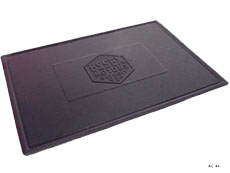 1931 Essex Super Six Accessory Floor Mat - 12"X17"-AC 44Accessory Floor Mat - made of high quality black rubber with molded original emblem. Also designed to be sewn into new carpets. 12"X17", Each
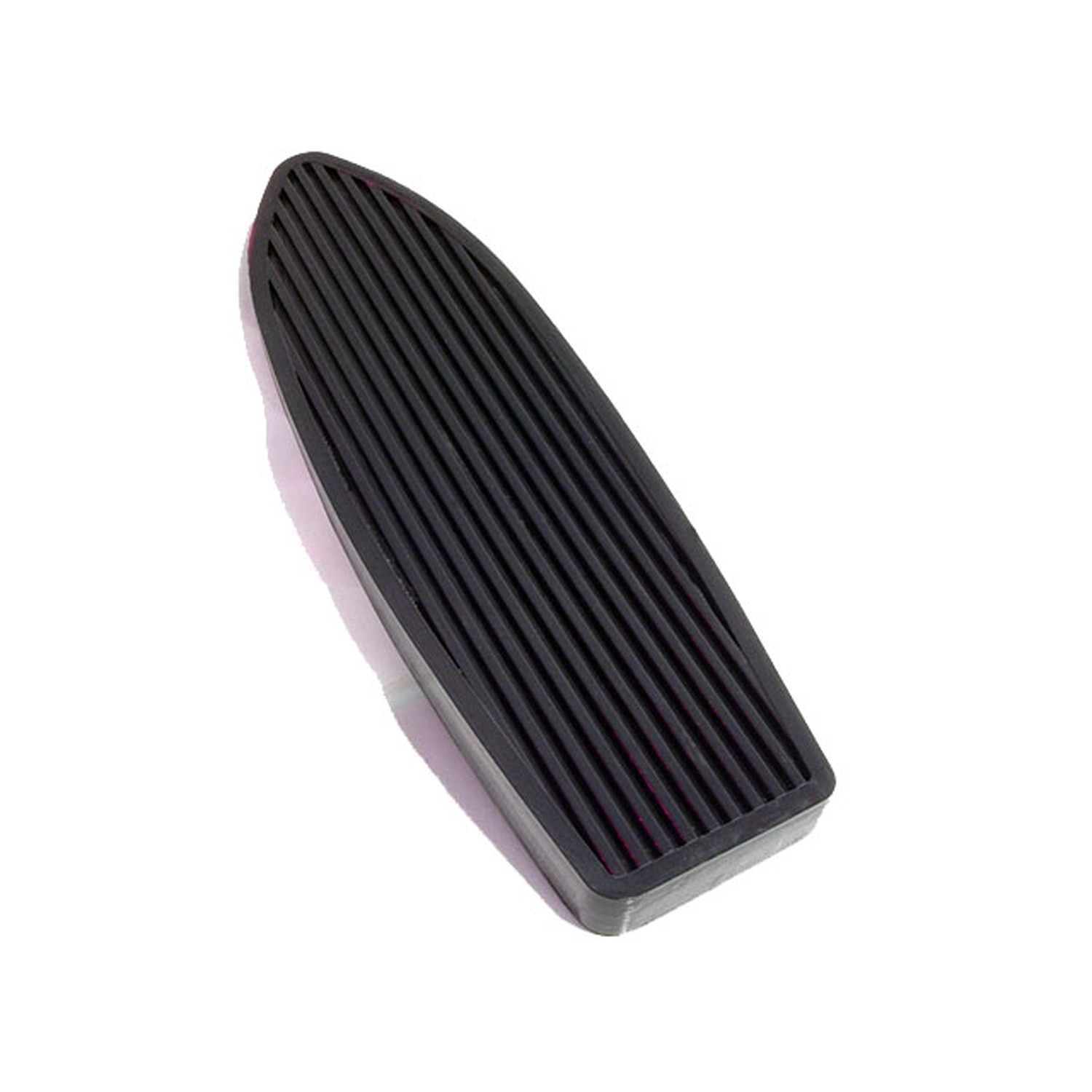 1931 Essex Super Six Accelerator Pedal Pad, 2-5/8" X 9", Each-AP 23Accelerator Pedal Pad, 2-5/8" X 9", Each
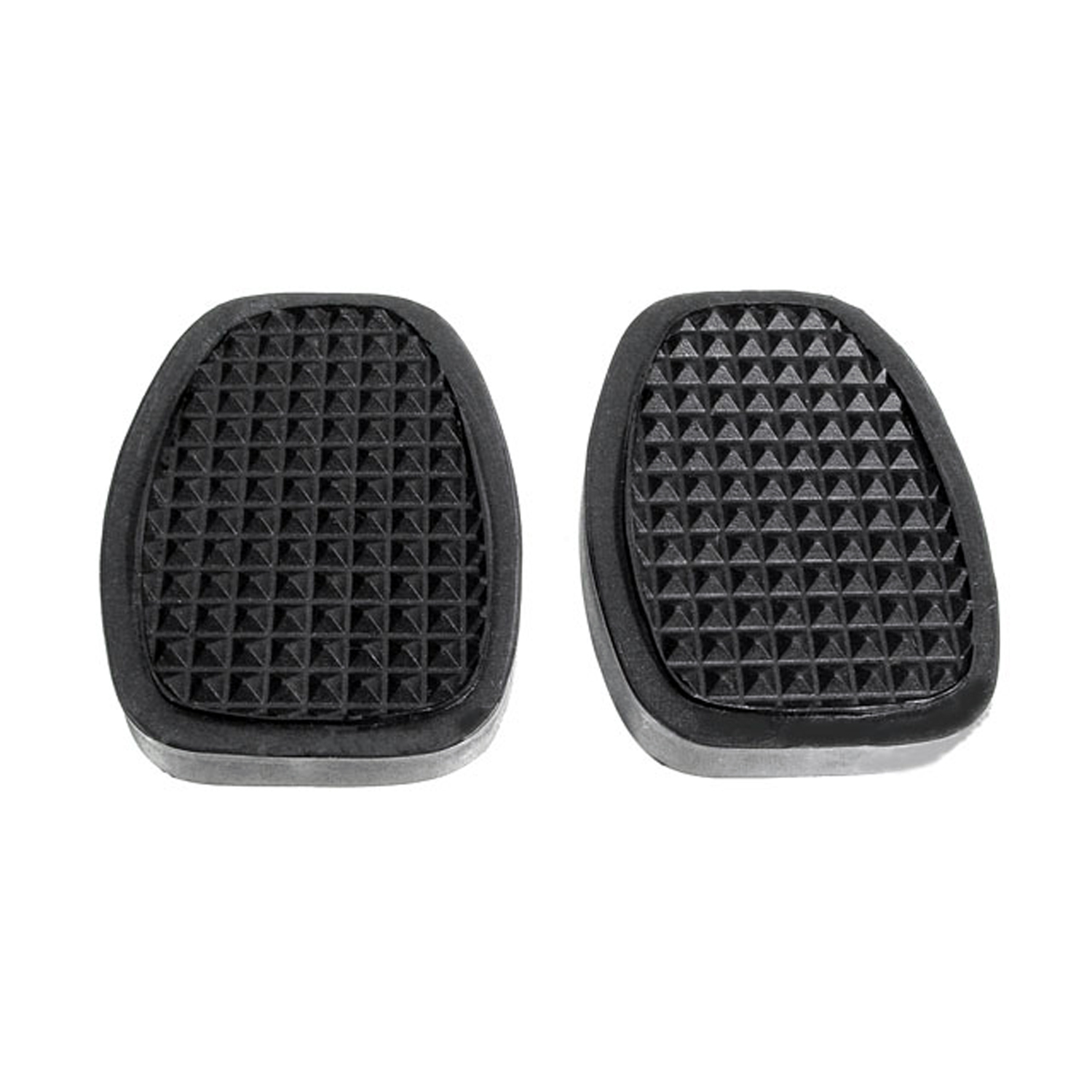 1931 Essex Super Six Clutch and Brake Pedal Pads. 2-3/4" wide X 3-3/4" long-CB 30Clutch and Brake Pedal Pads. 2-3/4" wide X 3-3/4" long. Pair
Why Choose Metro?
For over 100 years, Metro Moulded Parts has been the pinnacle of quality in classic car restoration parts. Our commitment to precision and authenticity in every component ensures a perfect fit and an OEM-level appearance.
- Expert Craftsmanship & Quality: Each part is a testament to our dedication to reliability and perfection, crafted from original designs and thoroughly tested.
- Advanced Technology: We use cutting-edge techniques to create flawless, long-lasting parts that surpass others in performance.
- SuperSoft Sponge – The Ultimate Door Seal: Not only are our door seals 30% softer than competitors', but they're also guaranteed to never leak. They effectively reduce wind and road noise, enhancing your classic car's comfort and driving experience.
- Proudly American: Our parts are a product of American craftsmanship, made in the USA with a spirit of excellence and heritage.
- Unrivaled Warranty: We back our products with a 30-year industry-leading warranty, a testament to our confidence in their quality.
Join us in preserving the legacy of classic cars with parts that are crafted for perfection, not just made.