
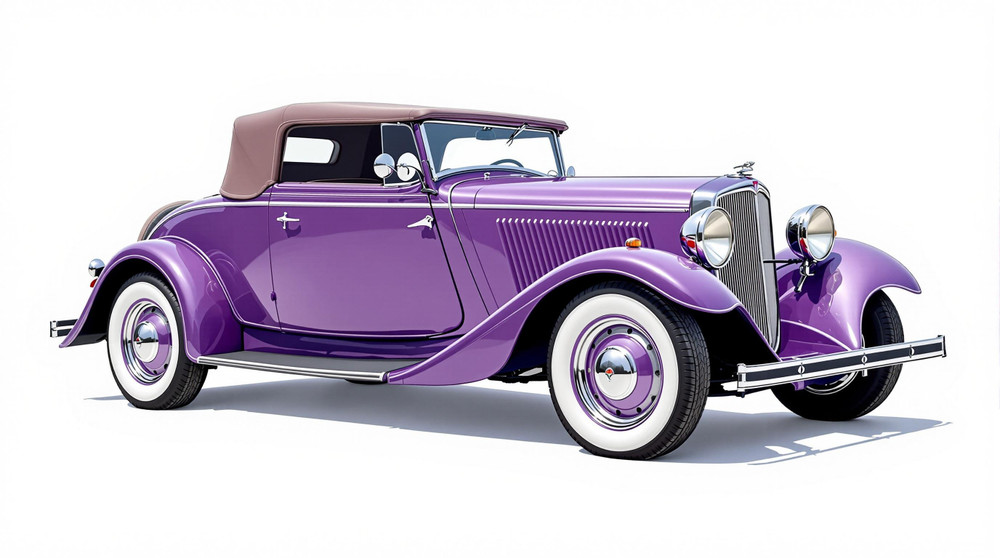
Image of 1932 Essex Pacemaker, Note: These illustrations use artistic license and may differ from actual historical models.
Performance Metrics
Fundamental Metrics
Emotional Appeal
MMP Rating
| Engine Specifications | |
|---|---|
| Engine Options: | Inline 6 |
| Displacement Range: | 3.2L |
| Horsepower Range: | Estimated 70-80 HP |
| Torque: | Not available |
| Compression Ratio: | Not available |
| Ignition System: | Distributor and coil |
| Cooling System: | Water-cooled |
| Performance Specifications | |
| 0-60 Time: | Not available |
| 1/4 Mile Time: | Not available |
| Top Speed: | 70 mph |
| Transmission and Drive | |
| Drive Type: | Rear-wheel drive |
| Transmission Type: | 3-speed manual |
| Fuel and Efficiency | |
| Fuel System Type: | Carburetor |
| MPG: | Not available |
| Dimensions and Brakes | |
| Brakes: | Mechanical drum brakes |
| Wheelbase: | 113 inches |
| Weight: | Estimated 2,500 lbs |
Note: Specifications for classic cars are given to the best of our ability, considering the limited and variant data available.
1932 Essex Pacemaker: Hudson’s Depression-Era Six
The 1932 Essex Pacemaker brought six-cylinder power and smart, full-size-car styling to buyers watching every dollar. Built by the Hudson Motor Car Company, it belonged to a marque created to offer Hudson engineering at a more accessible price. The Pacemaker’s timing was significant: it arrived during the Great Depression, as automakers worked hard to make a new car feel substantial without making it unaffordable.
Essex had earned a following with practical, comparatively inexpensive cars, and by 1932 the Pacemaker was part of Hudson’s effort to keep that appeal fresh. It was also among the final cars to wear the Essex name. Hudson introduced the Terraplane in 1932, and Essex was phased out as a separate marque after that year. The Pacemaker is therefore a small but telling chapter in Hudson history, bridging the company’s budget-minded Essex years and the better-known Terraplane era.
One detail that makes the car especially interesting is that “Essex” was not simply an unrelated budget badge. It was Hudson’s route into a much broader market, helping the company sell cars to customers who wanted the look and feel of a substantial American automobile without stepping up to a more expensive Hudson model.
Exterior Styling and Body Choices
The Pacemaker has the confident, upright proportions typical of an American car from the early 1930s. Its tall grille and long hood give the front end a formal presence, while separate, flowing fenders frame the wheels. Large headlamps sit proudly beside the grille, and running boards connect the front and rear fenders into one long, elegant profile. Narrow hood louvers add detail without making the body look busy.
Depending on body style and equipment, a Pacemaker could have wire wheels, a rear-mounted spare, or other period accessories. These details contribute to the car’s unmistakable prewar character: decorative but purposeful, with a high beltline, upright windshield, and generous use of polished trim.
The range included closed cars such as sedans and coupes, with exact names and availability varying by catalog and market. The four-door sedan is among the most recognizable and practical versions today, while coupe and open-bodied examples have extra appeal for collectors who want a less common configuration. As with many cars of the period, the body selection reflected how a customer planned to use the car, from family transport to more personal touring.
Paint choices depended on body and trim combinations. Buyers could choose conservative single colors or more decorative two-tone treatments. Black, dark blue, maroon, green, and gray are representative period shades, though the exact factory palette should be checked against the relevant year’s color chart. Two-tone paint is especially effective on the Pacemaker because it emphasizes the long hood, separate fenders, and sweeping body lines.
Cabin Materials and Period Equipment
Inside, the Pacemaker was designed to feel comfortable and substantial rather than luxurious. Upholstery was generally cloth or mohair on closed models, with trim and material choices varying by body and equipment level. Better-appointed versions could feature richer upholstery, while open cars and special trims might use leather. A broad bench seat, upright driving position, and large steering wheel made the cabin familiar to drivers of the era.
The dashboard was straightforward and relatively easy to read, with conventional gauges and controls arranged for the driver. Woodgrain-finished surfaces and bright metal details could add warmth, though the precise finish varied across models. This was a working automobile, not a rolling lounge: the materials were selected for durability and appearance at a competitive price.
Its technology was similarly practical. The Pacemaker used a conventional six-cylinder engine, a manual transmission, and a six-volt electrical system. There were no modern conveniences such as power steering, air conditioning, or electronic driver aids. The appeal was in getting dependable, full-size transportation with established mechanical technology rather than chasing novelty.
Why the Pacemaker Matters
The Essex Pacemaker’s significance is less about a single headline-grabbing invention and more about the role it played in Hudson’s strategy. In a difficult economic climate, a lower-priced line gave Hudson a way to reach customers who might otherwise have bought from a mass-market competitor. The Pacemaker paired a conventional six-cylinder layout with the presence of a larger American car, offering a useful balance of size, comfort, and cost.
That positioning set it apart from smaller, simpler cars of the period. The Pacemaker looked and felt like a proper touring automobile, with a roomy cabin, long bonnet, and separate fenders. At the same time, it sat below Hudson’s more expensive offerings. This kind of tiered model strategy became a standard way for automakers to serve different budgets while sharing engineering and manufacturing resources.
The model also marks a transition in Hudson’s identity. As the Essex name gave way to Terraplane, Hudson moved toward a more unified and modern brand story. The Pacemaker is therefore interesting to historians and collectors not because it transformed automotive engineering, but because it captures the moment when a once-important companion marque was being retired.
Six-Cylinder Performance and Road Manners
Most 1932 Essex Pacemakers are associated with a side-valve inline-six of approximately 193 cubic inches, producing around 60 horsepower. A three-speed manual transmission sent power to the rear wheels. Specifications can vary by source and equipment, so surviving cars should be checked by engine number and period documentation where possible.
Factory performance testing is not widely available, and surviving cars differ in condition, gearing, tires, and tune. As a general estimate, a healthy example might reach roughly 65 to 75 mph, with 0 to 60 mph taking somewhere around 25 to 30 seconds. Those figures are best understood as period-car estimates, not guaranteed test results. The Pacemaker was built for steady travel, not quick acceleration or modern highway traffic.
On the road, the long wheelbase and traditional suspension help the car absorb ordinary bumps, though worn springs, tired shock absorbers, and old tires can make any surviving example feel unsettled. Its height and period steering geometry call for calm inputs on winding roads. The Pacemaker is happiest when driven smoothly, with room to anticipate corners and stops.
The driving experience is distinctly mechanical. The six-cylinder engine produces a measured, low-pitched working sound rather than a sharp performance note. The driver operates a large steering wheel, a manual gearshift, and controls that demand more attention than those in a modern car. Braking distances are also much longer by today’s standards. A well-maintained Pacemaker can be enjoyable on local roads and gentle tours, but it needs space, patience, and a driver who respects its age.
Living with a 1932 Essex
Today, the Pacemaker is most often used as a show car, a touring car, or a family heirloom rather than as everyday transportation. Its size and period charm make it a natural fit for local classic-car events, while a sound mechanical example can handle relaxed trips on scenic roads.
Routine work is approachable for an owner with mechanical experience. The engine, clutch, brakes, ignition, and chassis use familiar prewar systems, and many repairs do not require electronic diagnostic equipment. That does not mean parts are always easy to find. Model-specific trim, body panels, glass, and interior components can take time to locate, and some pieces may need to be repaired or reproduced.
Reliability depends heavily on condition and maintenance history. Before regular driving, an owner should inspect the fuel system, cooling system, tires, steering, suspension, and brakes, along with the electrical wiring. Originality is appealing, but safe operation matters more than preserving a worn component simply because it is old. A specialist familiar with Hudson and Essex cars can be valuable when sorting out unusual details or sourcing hard-to-find parts.
Essex Pacemaker Facts and Myths
The Pacemaker’s best-known historical connection is its place in the final chapter of the Essex marque. Hudson was already preparing the Terraplane for a new era, and the change reflected the company’s desire for a fresher, more unified identity. The Pacemaker itself is not known for a major speed record or endurance achievement, and it should not be confused with Hudson’s later racing successes.
There is no widely accepted, model-by-model production total for every 1932 Pacemaker body style. A reasonable working estimate is that production ran into the thousands, perhaps around 10,000 to 20,000 cars across the range, but that is an estimate rather than a verified factory figure. Individual body styles and surviving examples may be considerably less common than the broad model name suggests.
Common criticisms are straightforward. The car is slow by modern standards, needs frequent inspection compared with a contemporary vehicle, and can be challenging to restore if key trim or body parts are missing. Its brakes, steering, lighting, and crash protection also reflect 1932, not today. Those limitations are part of the ownership bargain: the Pacemaker offers a vivid period experience, not modern convenience or safety.
Collector Value and Availability
Essex Pacemakers appear less often on the market than many familiar American classics, and condition makes a major difference. As a broad current-market estimate, a project car might sell for roughly $4,000 to $10,000. A complete, running driver could fall around $10,000 to $22,000, while a well-restored example may reach approximately $25,000 to $40,000 or more. These are general guide ranges, not appraisals; body style, originality, restoration quality, provenance, and location can shift the price substantially.
The Pacemaker is best described as uncommon rather than impossibly rare. Its production was meaningful enough that examples survive, but the pool is small compared with mass-produced Fords and Chevrolets of the era. Buyers may need to search Hudson-Essex clubs, specialist dealers, estate sales, and online classic-car listings, and they should expect to wait for the right body style and condition.
Values tend to reward completeness and careful restoration more than ambitious customization. The model has a dedicated enthusiast following, but it does not enjoy the broad market demand of the most famous prewar marques. In the long term, well-documented, original cars may appreciate gradually, while neglected projects can remain difficult to sell. As with any vintage car, recent comparable sales are more useful than asking prices.
Why the 1932 Pacemaker Still Turns Heads
The 1932 Essex Pacemaker combines handsome prewar styling, practical six-cylinder engineering, and an important place in Hudson’s brand history. It was built for buyers who wanted a substantial car at a more reachable price, and it arrived just as the Essex name was giving way to the Terraplane.
It is not a high-speed machine or a technical showpiece. Its appeal is more personal: the upright grille, long hood, spacious cabin, and unfiltered mechanical character put the driver in close contact with another era of motoring. For collectors, the Pacemaker is a distinctive way to experience the final years of Essex and the enduring ingenuity of Hudson.
1932 Essex Pacemaker Catalog of Parts
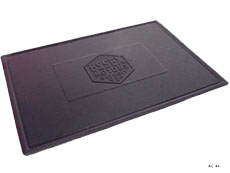 1932 Essex Pacemaker Accessory Floor Mat - 12"X17"-AC 44Accessory Floor Mat - made of high quality black rubber with molded original emblem. Also designed to be sewn into new carpets. 12"X17", Each
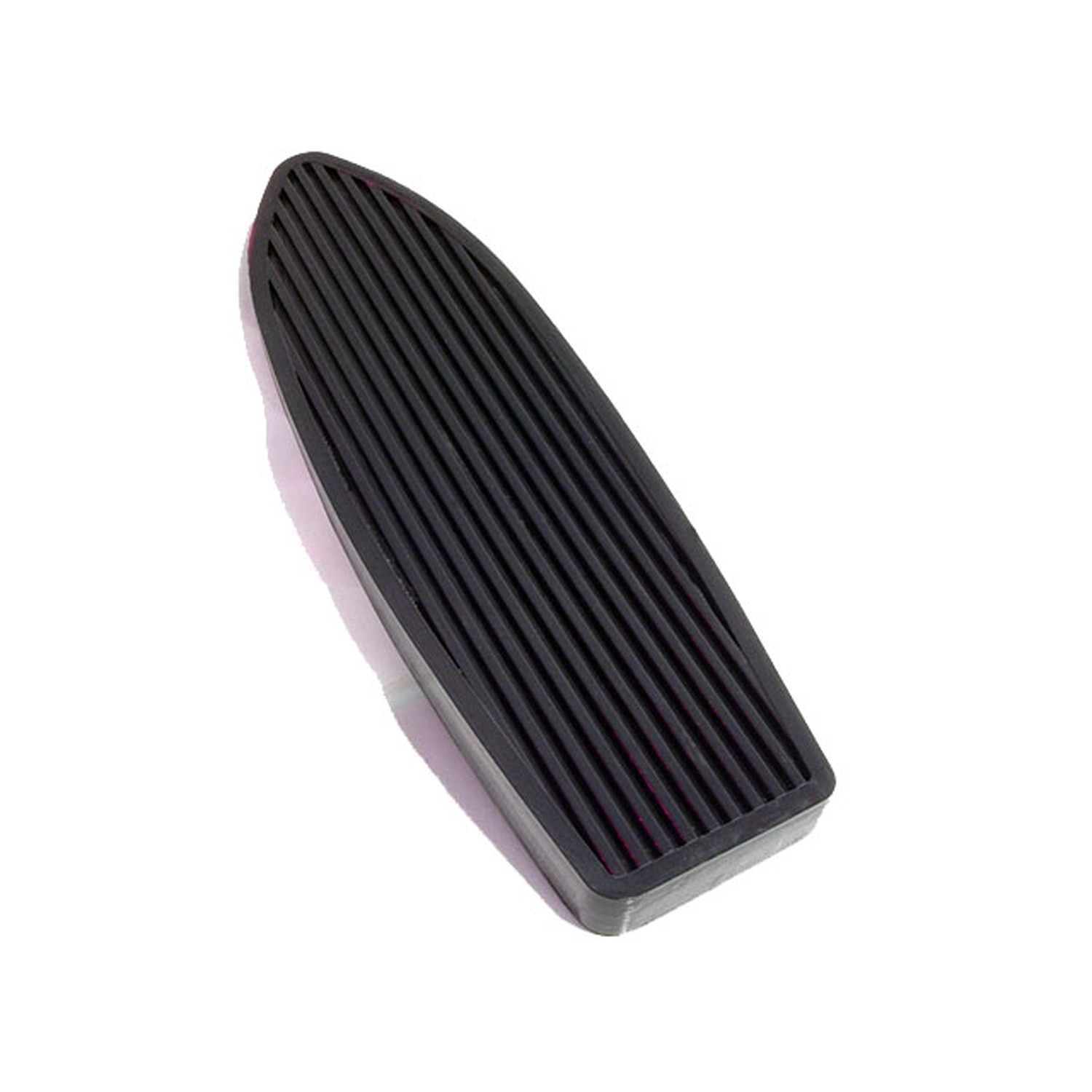 1932 Essex Pacemaker Accelerator Pedal Pad, 2-5/8" X 9", Each-AP 23Accelerator Pedal Pad, 2-5/8" X 9", Each
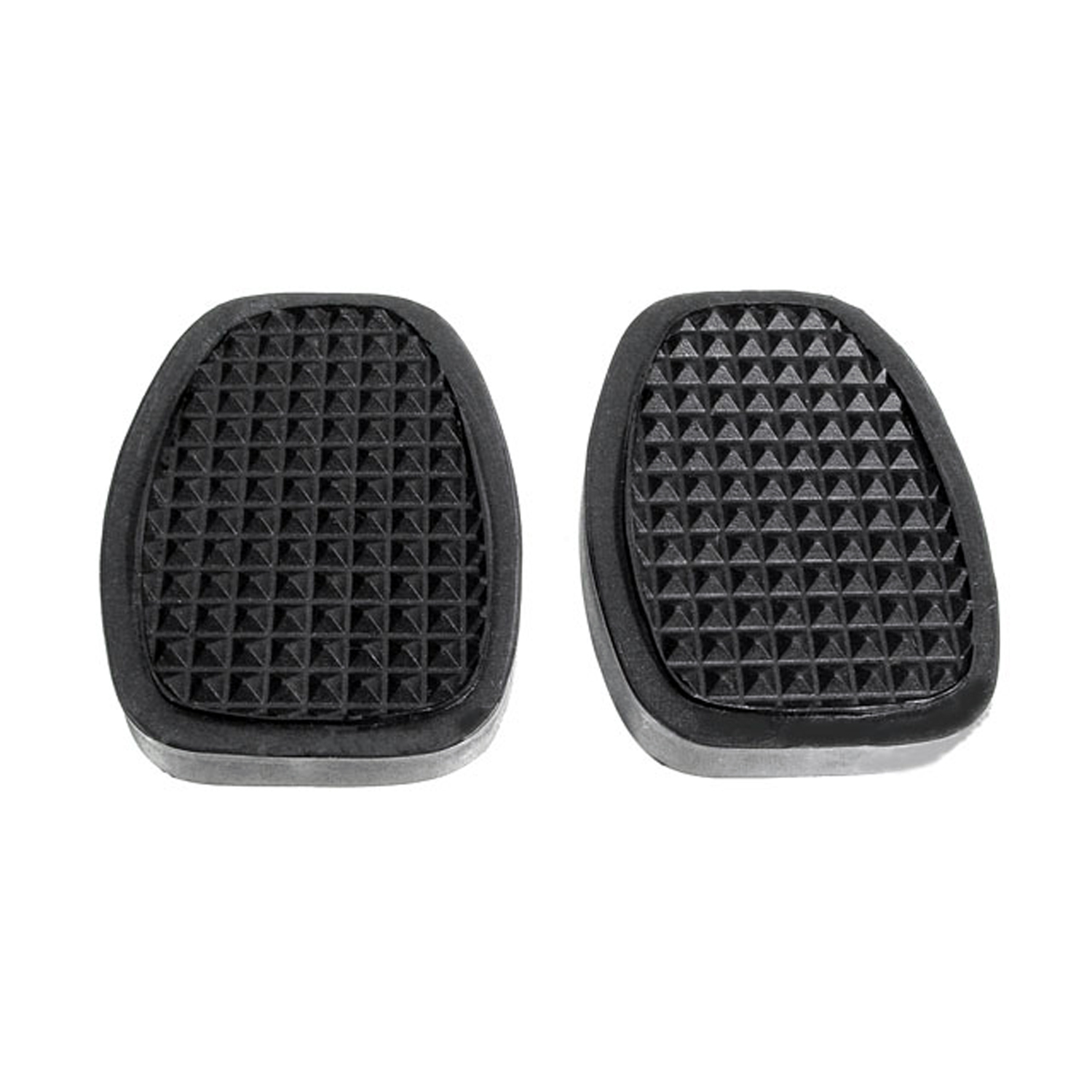 1932 Essex Pacemaker Clutch and Brake Pedal Pads. 2-3/4" wide X 3-3/4" long-CB 30Clutch and Brake Pedal Pads. 2-3/4" wide X 3-3/4" long. Pair
Why Choose Metro?
For over 100 years, Metro Moulded Parts has been the pinnacle of quality in classic car restoration parts. Our commitment to precision and authenticity in every component ensures a perfect fit and an OEM-level appearance.
- Expert Craftsmanship & Quality: Each part is a testament to our dedication to reliability and perfection, crafted from original designs and thoroughly tested.
- Advanced Technology: We use cutting-edge techniques to create flawless, long-lasting parts that surpass others in performance.
- SuperSoft Sponge – The Ultimate Door Seal: Not only are our door seals 30% softer than competitors', but they're also guaranteed to never leak. They effectively reduce wind and road noise, enhancing your classic car's comfort and driving experience.
- Proudly American: Our parts are a product of American craftsmanship, made in the USA with a spirit of excellence and heritage.
- Unrivaled Warranty: We back our products with a 30-year industry-leading warranty, a testament to our confidence in their quality.
Join us in preserving the legacy of classic cars with parts that are crafted for perfection, not just made.