
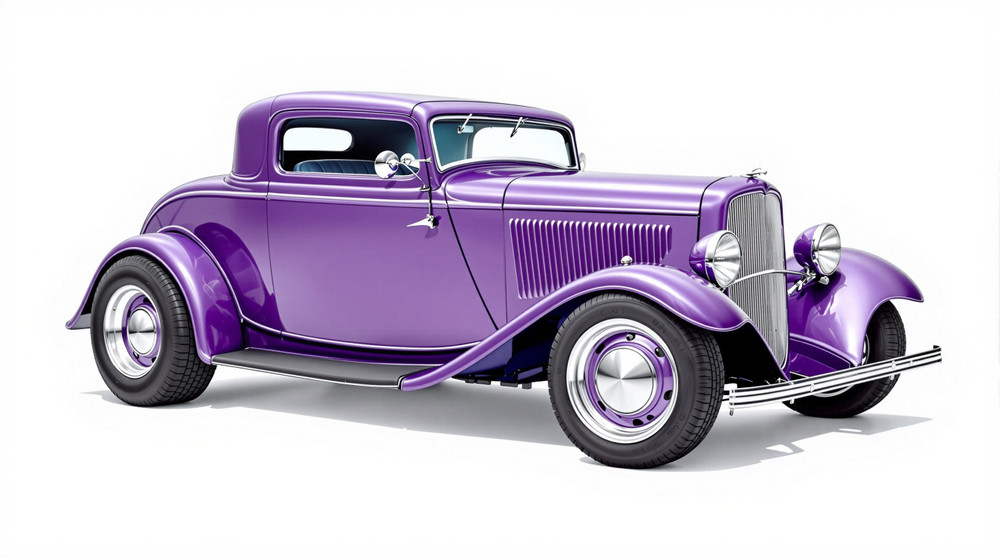
Image of 1932 Essex Six, Note: These illustrations use artistic license and may differ from actual historical models.
Performance Metrics
Fundamental Metrics
Emotional Appeal
MMP Rating
| Engine Specifications | |
|---|---|
| Engine Options: | Inline 6 |
| Displacement Range: | 3.2L |
| Horsepower Range: | Estimated 70-80 HP |
| Torque: | Not available |
| Compression Ratio: | Not available |
| Ignition System: | Distributor and coil |
| Cooling System: | Water-cooled |
| Performance Specifications | |
| 0-60 Time: | Not available |
| 1/4 Mile Time: | Not available |
| Top Speed: | 70 mph |
| Transmission and Drive | |
| Drive Type: | Rear-wheel drive |
| Transmission Type: | 3-speed manual |
| Fuel and Efficiency | |
| Fuel System Type: | Carburetor |
| MPG: | Not available |
| Dimensions and Brakes | |
| Brakes: | Mechanical drum brakes |
| Wheelbase: | 113 inches |
| Weight: | Estimated 2,500 lbs |
Note: Specifications for classic cars are given to the best of our ability, considering the limited and variant data available.
1932 Essex Six: A Practical Classic with Terraplane Ambitions
The 1932 Essex Six was built for drivers who wanted the presence and comfort of a full-size American car without paying a luxury-car price. Produced by Hudson Motor Car Company of Detroit, Essex had spent more than a decade serving as Hudson’s value-minded marque. In 1932, as the Great Depression squeezed household budgets, the Essex name was entering its final chapter and giving way to a new one: the Essex-Terraplane.
That transition makes the 1932 car especially interesting. Depending on its production date and the way it is described today, a car from this year may be called an Essex Six, an Essex-Terraplane, or simply a Terraplane. The new Terraplane name was meant to suggest a machine as sure-footed on the ground as an airplane was in the air. It also marked Hudson’s attempt to make its affordable car feel modern, quick, and distinctive.
Art Deco Lines and Everyday Comfort
The Essex Six wore the confident proportions typical of early-1930s American cars: a tall, upright radiator, long hood, sweeping front fenders, and a passenger cabin set well back from the nose. Curved fender lines and carefully shaped body panels softened the car’s otherwise formal outline. Details varied by body style and production version, but the overall look balanced traditional coachbuilt elegance with the streamlined direction that would become more pronounced later in the decade.
Inside, the emphasis was on useful comfort rather than lavish decoration. Buyers could expect a broad bench seat, a substantial steering wheel, a straightforward instrument panel, and durable upholstery suited to regular family use. Materials and trim depended on the body and specification. A well-preserved example may have rich-looking period cloth or leatherette, but modern restorations do not always reproduce original fabrics or finishes exactly.
Factory colors and trim combinations varied, and paint availability could depend on body style and production timing. Dark, formal shades were a natural fit for the car’s dignified appearance, while brighter combinations gave it more visual flair. For a restoration, the body tag, period literature, and surviving paint traces are better guides than a generic list of colors.
Essex Six body styles included practical closed cars such as sedans and coaches, along with coupe and open-car variations depending on the specific series. The four-door sedan was the sensible family choice, while the coupe offered a more personal, sporty look. Exact names and availability can differ across Essex and Essex-Terraplane listings, so buyers should verify a car’s identity from its serial information and original documentation rather than relying on a seller’s description alone.
Six-Cylinder Engineering for the 1930s
Power came from a front-mounted inline six-cylinder engine with side valves, also known as an L-head or flathead design. Period specifications vary by model and source, but the engine was in the neighborhood of 190 cubic inches and produced roughly 60 to 70 horsepower in the Essex-Terraplane family. A three-speed manual transmission sent power to the rear wheels, reflecting the conventional, proven layout of the era.
The Essex was not an experimental car packed with electronics or advanced driver aids. Its appeal lay in bringing solid engineering to a lower price class. The chassis, mechanical controls, and relatively straightforward engine were familiar to repair shops of the day. Depending on the exact car, equipment and braking details could differ, so enthusiasts should check the individual specification rather than assume every 1932 Essex was configured identically.
Why the Essex Mattered
Essex helped establish the idea that a lower-priced car could still be roomy, respectable, and well engineered. Hudson had introduced the Essex marque in 1919, and its success helped the company reach buyers who might otherwise have chosen a smaller or less substantial car. By 1932, the market had changed dramatically. The Depression made affordability essential, while competitors were fighting hard for the same shrinking pool of customers.
The shift to the Terraplane identity was more than a name change. Hudson wanted its value line to sound energetic and forward-looking, not merely economical. The Essex-Terraplane connected the established Essex reputation with a fresh marketing image, and the Terraplane name continued on its own in subsequent years. That makes a 1932 example a useful snapshot of a major transition in Hudson’s history.
What set the car apart was its blend of accessible pricing, six-cylinder power, and full-size character. It was not the most luxurious or technologically radical car of its day, but it gave ordinary motorists a substantial automobile at a time when many families were postponing purchases altogether. Its significance is less about a single breakthrough than about how Hudson used design, engineering, and branding to compete during a difficult period.
Road Manners, Speed, and Driving Feel
In period terms, the Essex Six was brisk for an affordable family car. A sound, correctly tuned example might reach approximately 65 to 75 mph under favorable conditions. A modern estimate for 0-to-60-mph acceleration is roughly 25 to 35 seconds, but this is not a dependable factory figure and varies with engine condition, gearing, body style, tires, and passenger load. These numbers should be treated as broad estimates, not promises for an individual car.
Behind the wheel, the engine delivers its power with a steady, low-frequency six-cylinder note rather than the sharp exhaust bark of a performance car. The three-speed gearbox requires deliberate shifts, and the steering and pedals call for more physical input than a modern driver expects. There is no power steering, and visibility, braking response, and road feel reflect the standards of the early 1930s.
The suspension is designed for the roads of its time, so a properly maintained Essex can feel composed over ordinary bumps, though it will not isolate occupants like a modern sedan. On winding roads, the car’s size, narrow tires, and relatively upright body encourage a measured pace. Crosswinds and uneven pavement are reminders that this is a substantial, high-riding vintage automobile, not a modern touring car. The best experience comes from smooth inputs, generous following distance, and leaving plenty of room to stop.
Living with an Essex Six
Today, the 1932 Essex is most often enjoyed as a show car, parade car, weekend tourer, or centerpiece in a collection of prewar American automobiles. Some owners drive them regularly in suitable weather, but they are not ideal daily transportation. Their value is in the experience: the view over the long hood, the mechanical sounds, and the slower rhythm of motoring.
The uncomplicated engine layout can make routine work approachable for an owner with basic mechanical skills. Tune-ups, lubrication, and many service tasks rely on familiar mechanical principles. However, age is the real challenge. Rubber, wiring, bearings, brakes, fuel-system parts, and cooling components may all need attention, even if the car appears to run well. Replacement parts are available through vintage-car suppliers and specialist networks, but trim, glass, and body-specific pieces can take time to locate.
Before buying, inspect the frame and body for corrosion or old repairs, confirm that the engine and transmission are sound, and check the braking system carefully. A car that has been stored for decades should not be driven on public roads until its tires, fuel lines, steering, and brakes have been thoroughly assessed.
Essex Six Facts and Common Myths
The most intriguing fact about a 1932 Essex Six is its place at the Essex-to-Terraplane crossroads. It belongs to the final period of the Essex marque and the launch of Hudson’s Terraplane identity, making the model name itself a small piece of automotive history. The name Terraplane was a marketing flourish, not a claim that the car shared aircraft construction or flight technology.
There is no widely established production figure that cleanly separates every 1932 Essex Six body style from the emerging Essex-Terraplane range. A reasonable, deliberately rough estimate is that production across the related 1932 six-cylinder Essex and Essex-Terraplane offerings ran into the tens of thousands, perhaps around 15,000 to 25,000 cars. That is a best-guess range, not an official model-by-model tally, and surviving examples are far less common than the original numbers suggest.
Unlike headline-grabbing racing cars, the Essex Six is not chiefly remembered for a celebrated speed record or a single famous competition victory. Its story is more closely tied to affordable motoring and Hudson’s effort to keep buyers interested during the Depression. Claims about a particular celebrity owner or historic-event appearance should be checked against documentation; many are repeated in advertisements without strong evidence.
Common criticisms are practical ones: modest performance by modern standards, heavy controls, a small supply of model-specific parts, and a limited number of specialists familiar with the details. Enthusiasts also need to be alert to cars advertised under inconsistent names, because Essex and Terraplane terminology can be confusing for the 1932 transition year.
Collector Value and Availability
Values depend heavily on condition, body style, completeness, and the quality of restoration. As a broad current-market estimate, a project car might fall around $5,000 to $15,000, a usable driver roughly $15,000 to $30,000, and a strong, correctly restored example about $30,000 to $50,000 or more. Exceptional cars, especially rare open body styles or examples with excellent documentation, can exceed that range. These are general U.S. estimates, not a formal appraisal.
Availability is limited but not impossible. Closed sedans and coaches are generally more plausible finds than rare or specialized body styles. Because production figures are difficult to separate by exact 1932 designation, it is more useful to think of the Essex Six as uncommon in today’s market than to attach a precise surviving-car count to it.
Like many prewar cars, the Essex’s value depends more on condition and buyer interest than on a simple year-by-year price curve. Well-restored examples have the strongest appeal, while incomplete projects can be costly once scarce trim and mechanical work are added up. The market is selective: originality, a documented history, and a finished restoration tend to matter more than an optimistic seller’s estimate.
A Small Car with a Big Historical Moment
The 1932 Essex Six combines the practical appeal that made Essex successful with the fresh ambition that brought the Terraplane name into view. Its six-cylinder engine, dignified styling, and straightforward mechanical layout made it a serious family car in a period when affordability mattered enormously. Today, its appeal is both tangible and historical: it offers an engaging prewar driving experience while representing a turning point in Hudson’s story.
For collectors, the Essex Six is not just another old sedan. It is a rolling reminder of how an automaker adapted to hard times and prepared a familiar name for a new identity. That quiet transformation gives the 1932 Essex its lasting character.
1932 Essex Six Catalog of Parts
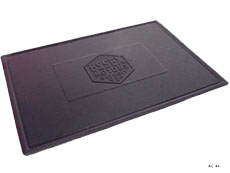 1932 Essex SIX Accessory Floor Mat - 12"X17"-AC 44Accessory Floor Mat - made of high quality black rubber with molded original emblem. Also designed to be sewn into new carpets. 12"X17", Each
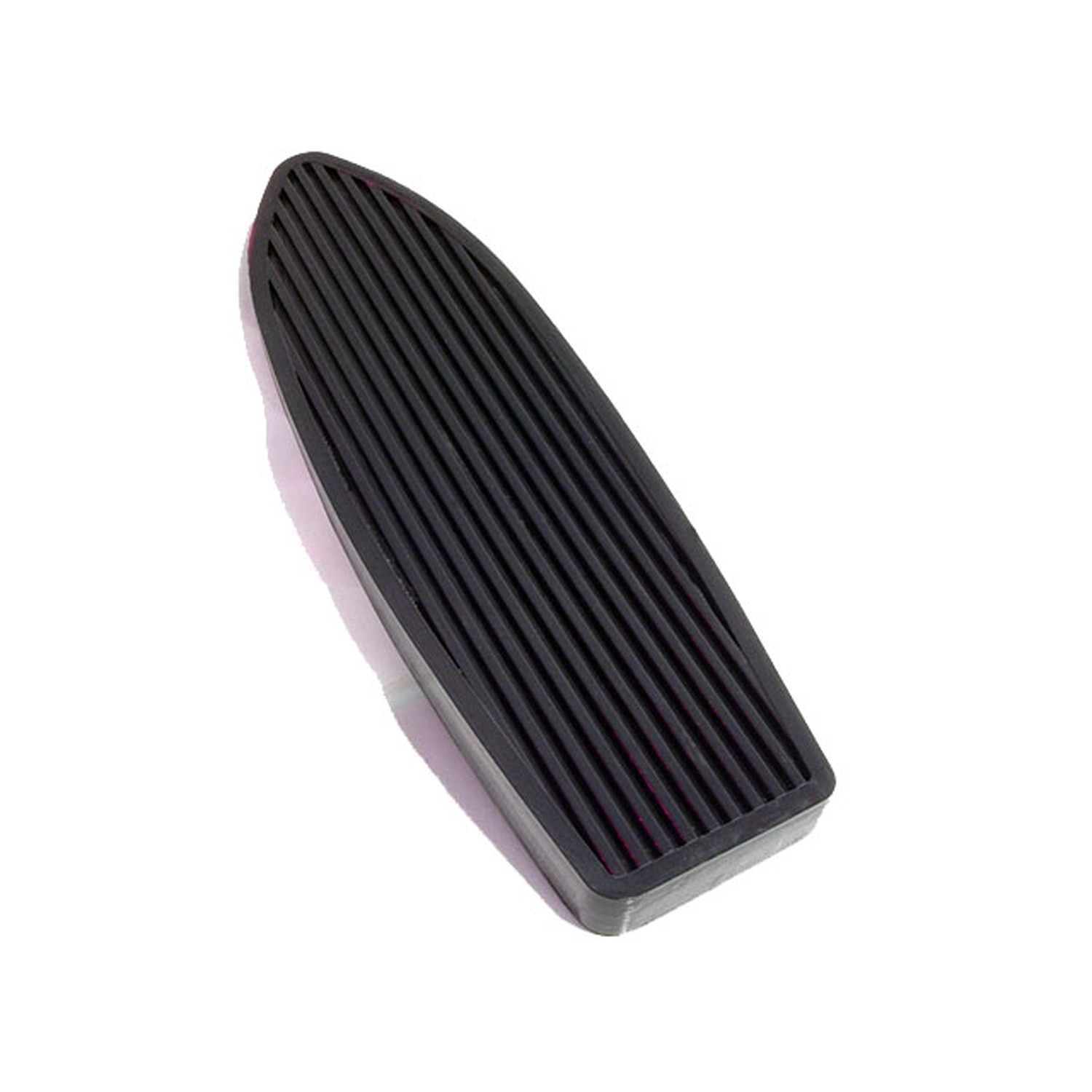 1932 Essex SIX Accelerator Pedal Pad, 2-5/8" X 9", Each-AP 23Accelerator Pedal Pad, 2-5/8" X 9", Each
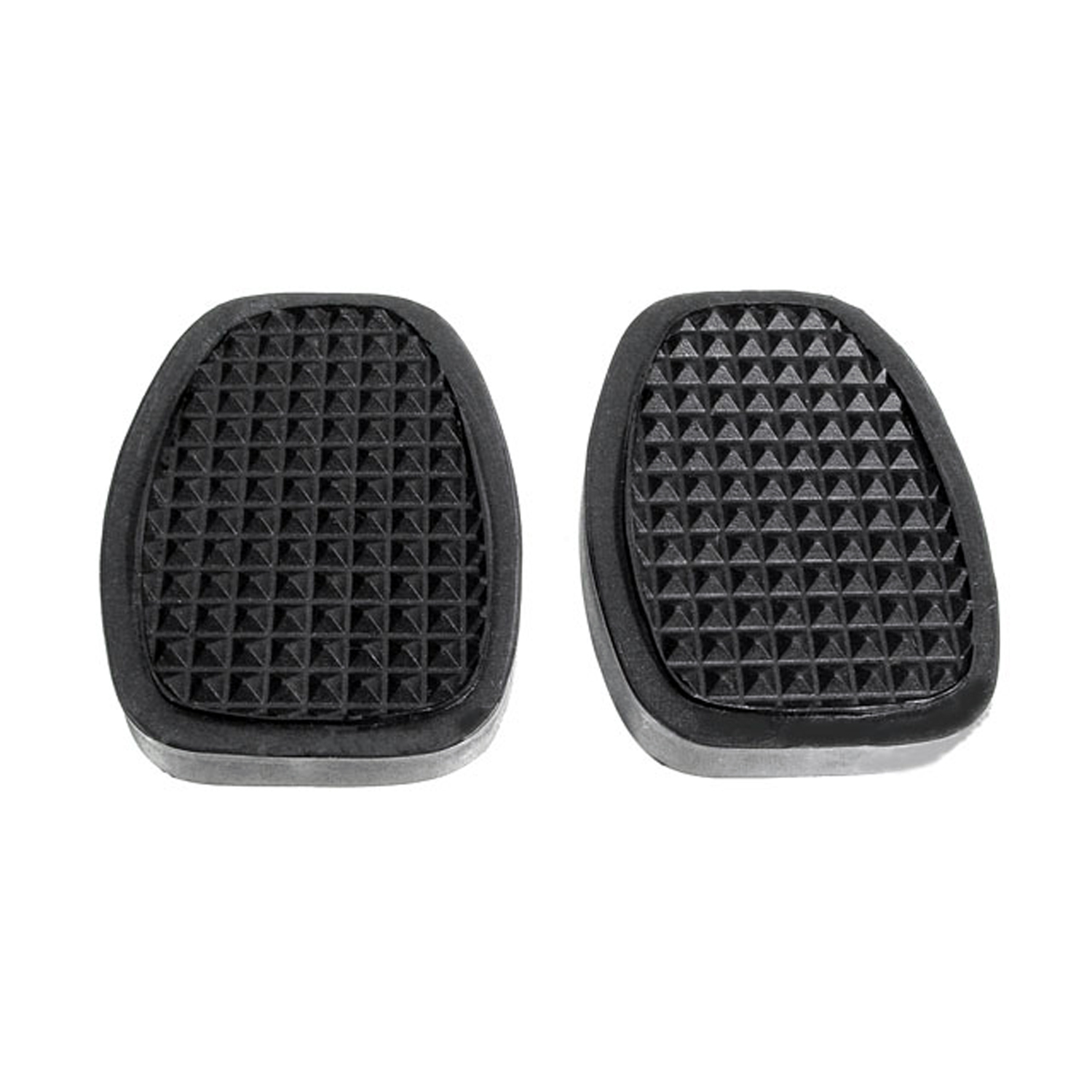 1932 Essex SIX Clutch and Brake Pedal Pads. 2-3/4" wide X 3-3/4" long-CB 30Clutch and Brake Pedal Pads. 2-3/4" wide X 3-3/4" long. Pair
Why Choose Metro?
For over 100 years, Metro Moulded Parts has been the pinnacle of quality in classic car restoration parts. Our commitment to precision and authenticity in every component ensures a perfect fit and an OEM-level appearance.
- Expert Craftsmanship & Quality: Each part is a testament to our dedication to reliability and perfection, crafted from original designs and thoroughly tested.
- Advanced Technology: We use cutting-edge techniques to create flawless, long-lasting parts that surpass others in performance.
- SuperSoft Sponge – The Ultimate Door Seal: Not only are our door seals 30% softer than competitors', but they're also guaranteed to never leak. They effectively reduce wind and road noise, enhancing your classic car's comfort and driving experience.
- Proudly American: Our parts are a product of American craftsmanship, made in the USA with a spirit of excellence and heritage.
- Unrivaled Warranty: We back our products with a 30-year industry-leading warranty, a testament to our confidence in their quality.
Join us in preserving the legacy of classic cars with parts that are crafted for perfection, not just made.