

Image of 1947 Fiat 500, Note: These illustrations use artistic license and may differ from actual historical models.
Performance Metrics
Fundamental Metrics
Emotional Appeal
MMP Rating
| Engine Specifications | |
|---|---|
| Engine: | Inline 4 |
| Displacement: | 569 cc |
| Horsepower: | 13 HP |
| Torque: | Estimated at 20 lb-ft |
| Compression Ratio: | 6.7:1 |
| Ignition System: | Coil Ignition |
| Cooling System: | Air-cooled |
| Performance Specifications | |
| 0-60 Time: | Not available due to the vehicle's low horsepower |
| 1/4 Mile Time: | Not available due to the vehicle's low horsepower |
| Top Speed: | 85 km/h (53 mph) |
| Transmission and Drive | |
| Drive Type: | Rear-wheel drive |
| Transmission Type: | 4-speed manual |
| Fuel and Efficiency | |
| Fuel System Type: | Carburetor |
| MPG: | Estimated at 40 MPG |
| Dimensions and Brakes | |
| Brakes: | Drum brakes |
| Wheelbase: | 1,900 mm |
| Weight: | 500 kg |
Note: Specifications for classic cars are given to the best of our ability, considering the limited and variant data available.
1947 Fiat 500 Topolino: Italy’s Tiny Postwar Hero
Small enough to slip through crowded Italian streets and clever enough to make the most of every drop of fuel, the 1947 Fiat 500 turned modest dimensions into a major idea. Better known as the Topolino, or “little mouse,” it was a prewar design still serving a country rebuilding after World War II.
Fiat’s 500 was created under the direction of engineer Dante Giacosa and first introduced in 1936. The 1947 car belongs to the original 500A series, built in Turin by Fiat. Its compact, front-engine, rear-wheel-drive layout and 569 cc engine were developed to make motoring affordable and practical, rather than fast or luxurious. Production was disrupted during the war, but the Topolino returned as Italy faced fuel shortages, damaged infrastructure, and a growing need for economical transport.
One detail that makes the 1947 model especially interesting is its place between two eras. It retained a design conceived before the war, yet became part of the postwar revival of Italian mobility. The later 500B and 500C would bring revisions, but the 500A kept the original Topolino character: simple, light, and remarkably space-efficient.
Compact Styling and Clever Packaging
The Topolino looks friendly without being cartoonish. Its narrow body, upright windscreen, small wheels, rounded front fenders, and gently sloping hood give it a distinctive, almost toy-like profile. The front end is tall and compact, while the rear tapers neatly behind the cabin. At roughly 3.2 metres long, it could fit into spaces that would defeat many larger cars.
Inside, the 500A is strictly functional. The cabin is designed for two, with a simple dashboard, basic instruments, thin trim, and limited storage. Materials and finishes were modest by design, reflecting the car’s affordable mission. Restored examples may have fresh upholstery and polished fittings, but the original experience was closer to practical utility than salon comfort. Space is tight, and a large passenger may find the cabin snug.
Its technology was straightforward but well considered for a small economy car of the period. A four-speed manual gearbox, hydraulic brakes, and independent front suspension helped give it useful everyday manners. The engine sits at the front and drives the rear wheels, a conventional arrangement that made the car accessible to mechanics and familiar to drivers. The Topolino’s achievement was not a collection of exotic gadgets. It was the thoughtful integration of ordinary engineering into a very small package.
Factory paint choices varied by production period and market, and surviving cars are often seen in subdued shades such as grey, blue, black, or red. Originality matters more to collectors than any single universally prized color. Body configurations included the closed two-seat saloon, an open cabriolet, and commercial van versions. The saloon is the most recognizable 500A, while open and utility-bodied examples offer a more unusual take on the same compact platform.
Why the Topolino Mattered
The 1947 Fiat 500 helped establish the idea that a car could be genuinely useful without being large, powerful, or expensive. Its compact footprint suited narrow streets and small parking spaces, while its modest engine kept running costs within reach of ordinary buyers. That formula was especially valuable in postwar Italy, where household budgets and fuel supplies were limited.
The Topolino also demonstrated how careful packaging could make a small car feel purposeful rather than compromised. It was not the first compact car, nor did it single-handedly create the European economy-car market, but it became one of its most memorable early examples. Its influence is best understood as part of a broader movement toward practical, affordable mobility.
It is important not to mistake the 500A for the much later Fiat Nuova 500, introduced in 1957. The Nuova 500 used a rear-mounted engine and was a different design. The Topolino, by contrast, had its engine at the front and rear-wheel drive. Both became icons of small-car motoring, but they arrived in different eras and solved the city-car challenge in different ways.
Performance: More “Get There” Than “Get There Fast”
The 500A’s 569 cc side-valve four-cylinder engine produced about 13 horsepower. Period specifications and real-world results vary, but a healthy example could reach approximately 85 km/h, or 53 mph. That was adequate for the roads and traffic of its time, but it leaves little reserve for modern high-speed driving.
A factory 0-to-60 mph time is not especially meaningful for this car. Its top speed is only around 53 mph, and it was never designed to reach 60. In practice, acceleration is leisurely, particularly uphill or with a passenger aboard. Joining fast-moving modern traffic calls for patience, planning, and a sensible choice of roads.
On broken pavement, the light body and compact suspension can make the ride busy, but the small wheels and simple chassis were suited to low-speed urban use. On winding country roads, modest weight and narrow dimensions make the car easy to place, though its limited power and vintage tires call for gentle cornering. Strong crosswinds and passing trucks can be unsettling, so drivers should keep a steady hand on the wheel and avoid treating the Topolino like a modern highway car.
From behind the wheel, the experience is more intimate than effortless. The engine produces a small, busy four-cylinder buzz, and the driver feels closely connected to the car’s mechanical rhythms. Gear changes, steering inputs, and braking all demand more attention than they do in a contemporary vehicle. The reward is a charming, unfiltered drive at modest speeds, where even a short trip can feel like an event.
Living With a 1947 Fiat 500
Today, most Topolinos are enjoyed as show cars, weekend classics, and participants in vintage rallies. A well-sorted example can handle local errands and short scenic drives, but regular use on fast roads is not its natural role. It is best suited to owners who appreciate slow motoring and are happy to plan routes around the car’s performance.
Maintenance is relatively approachable for someone familiar with older mechanical vehicles. The small engine and uncomplicated systems make many routine jobs manageable, and parts support remains available through specialist suppliers and Fiat clubs. However, age is the main challenge. Rust, worn suspension components, tired wiring, poor-quality past repairs, and hard-to-find trim can turn an inexpensive project into a costly restoration. A pre-purchase inspection by a mechanic experienced with vintage Fiats is strongly recommended.
Reliability depends heavily on condition and upkeep. A carefully maintained Topolino can be dependable for occasional outings, but it should not be expected to match the convenience or safety of a modern daily driver. Buyers should inspect the structure, engine, brakes, and cooling system closely, and confirm that replacement parts and specialist help are available in their area.
Topolino Trivia and Common Complaints
“Topolino” is Italian for “little mouse” and is also the Italian name for Mickey Mouse. The nickname became closely associated with Fiat’s tiny 500, fitting its small proportions and rounded appearance. The car’s overall production history ran from 1936 to 1955, with major revisions along the way.
The 500A is often criticized for its lack of power, limited cabin room, and low cruising speed. Those are fair observations if it is judged by modern standards. Its brakes, visibility, crash protection, and comfort also fall far short of contemporary expectations. The more rewarding comparison is with the modest transport needs it was built to meet in its own time.
There is no single famous speed or endurance record that defines the 1947 500A. Its accomplishment was more everyday: helping make car ownership possible for a wider public. The Topolino’s lasting reputation comes from that role, its long production run, and the affection it continues to inspire among small-car enthusiasts.
Collector Values and Availability
Fiat produced approximately 122,000 examples of the 500A, according to commonly cited production estimates. That figure covers the series rather than 1947 cars alone, and the exact number built in a particular year can be difficult to establish. Across all Topolino versions, total production reached roughly 520,000 cars between 1936 and 1955. A 1947 500A is not exceptionally rare in the context of classic cars, but condition, originality, body style, and paperwork make a major difference to availability and value.
As a broad current-market estimate, a project car may sell for about $8,000 to $15,000 USD. A usable, presentable example might fall around $15,000 to $30,000, while a high-quality restoration can reach roughly $30,000 to $45,000 or more. Cabriolet and unusual commercial versions may command a premium, but the final price depends on authenticity and the quality of the work. These are general estimates, not a formal appraisal, and local markets can vary substantially.
Values for desirable, well-restored examples have generally been supported by the Topolino’s distinctive styling and growing appreciation for early European microcars. Excellent cars are likely to hold their appeal, though project vehicles can be expensive to restore relative to their eventual sale price. Buyers should prioritize sound structure and documented restoration work over a fresh coat of paint.
A Small Fiat With a Big Place in History
The 1947 Fiat 500A Topolino was never about speed, status, or lavish equipment. Its importance came from making personal transportation compact, economical, and accessible during a difficult chapter in Italian history. Its modest engine, clever packaging, and unmistakable shape helped turn a practical little car into a lasting symbol of everyday ingenuity.
Drive one at its own unhurried pace, and its appeal becomes clear: the Topolino does not need to dominate the road to leave a lasting impression.
1947 Fiat 500 Catalog of Parts
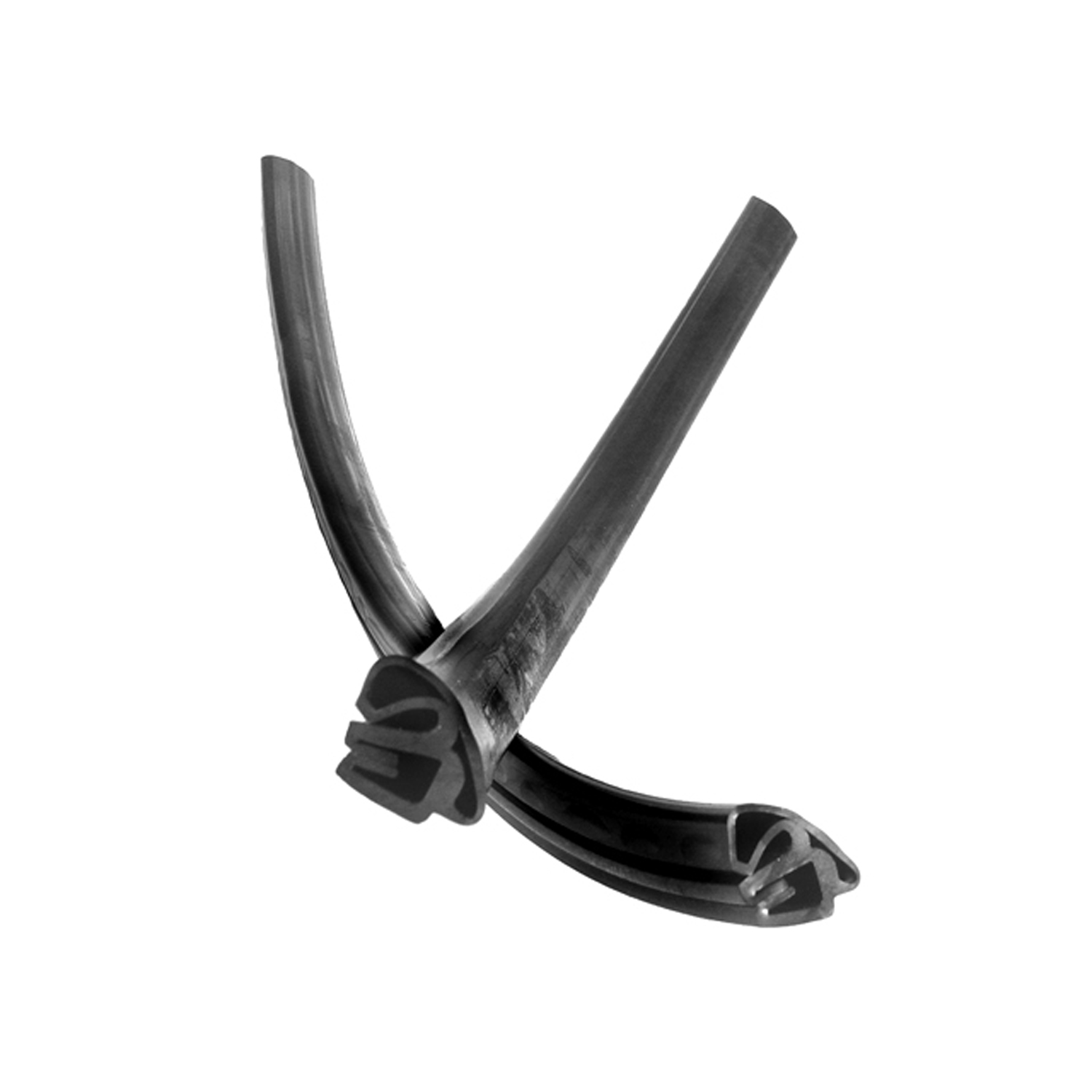 1947 Fiat 500 Vertical Seals. Pair-VS 20Vertical Seals. Pair
Why Choose Metro?
For over 100 years, Metro Moulded Parts has been the pinnacle of quality in classic car restoration parts. Our commitment to precision and authenticity in every component ensures a perfect fit and an OEM-level appearance.
- Expert Craftsmanship & Quality: Each part is a testament to our dedication to reliability and perfection, crafted from original designs and thoroughly tested.
- Advanced Technology: We use cutting-edge techniques to create flawless, long-lasting parts that surpass others in performance.
- SuperSoft Sponge – The Ultimate Door Seal: Not only are our door seals 30% softer than competitors', but they're also guaranteed to never leak. They effectively reduce wind and road noise, enhancing your classic car's comfort and driving experience.
- Proudly American: Our parts are a product of American craftsmanship, made in the USA with a spirit of excellence and heritage.
- Unrivaled Warranty: We back our products with a 30-year industry-leading warranty, a testament to our confidence in their quality.
Join us in preserving the legacy of classic cars with parts that are crafted for perfection, not just made.