

Image of 1953 Fiat 1100, Note: These illustrations use artistic license and may differ from actual historical models.
Performance Metrics
Fundamental Metrics
Emotional Appeal
MMP Rating
| Engine Specifications | |
|---|---|
| Engine: | Inline-4 |
| Displacement: | 1089 cc |
| Horsepower: | 36-50 HP |
| Torque: | Estimated at around 60 lb-ft |
| Compression Ratio: | 6.7:1 |
| Ignition System: | Coil ignition |
| Cooling System: | Water-cooled |
| Performance Specifications | |
| 0-60 Time: | Estimated at around 30 seconds |
| 1/4 Mile Time: | Information not available |
| Top Speed: | 75 mph |
| Transmission and Drive | |
| Drive Type: | Rear-wheel drive |
| Transmission Type: | 4-speed manual |
| Fuel and Efficiency | |
| Fuel System Type: | Carburetor |
| MPG: | Estimated at around 25-30 MPG |
| Dimensions and Brakes | |
| Brakes: | Drum brakes |
| Wheelbase: | 95 inches |
| Weight: | 2,200 lbs |
Note: Specifications for classic cars are given to the best of our ability, considering the limited and variant data available.
1953 Fiat 1100: Italy’s Everyday Classic
The 1953 Fiat 1100 brought Italian style and genuinely modern engineering to the family car, turning a modest four-door sedan into one of the decade’s most recognizable European automobiles. Built by Turin-based Fiat, it belonged to a long-running 1100 lineage, but the new 1100/103 introduced in 1953 was a thoroughly updated design with a unitary body, a lively four-cylinder engine, and a roomy cabin. It was practical enough for daily duties, yet its sporty Turismo Veloce versions made the same basic car at home on the road and racetrack.
One intriguing detail is that the 1100’s story soon stretched well beyond Italy. The model was built under license in India, where it became the foundation for the long-lived Fiat 1100 and Premier Padmini family. In other words, a car conceived as a compact European saloon went on to become an enduring part of everyday motoring on another continent.
Italian Styling and Smart Packaging
The 1100/103 traded the separate, upright look of older cars for a more integrated shape. Its rounded front fenders flowed into the body sides, while a broad grille, circular headlamps, and restrained chrome gave the nose a distinctive but not overly ornate expression. The roofline was gently curved, and the rear had a compact, upright profile that made the car easy to park and helped preserve useful luggage space. It looked modern without sacrificing the clear visibility and straightforward proportions drivers expected from a family sedan.
Inside, the 1100 was designed around usability rather than luxury. The cabin offered comfortable seating for a small family, a simple painted-metal dashboard, clear instruments, and a column-mounted gear lever that left the front floor relatively open. Depending on market and trim, upholstery could be cloth, vinyl, or a combination of materials, with painted surfaces and modest chrome details providing most of the visual decoration. By today’s standards the finish is simple, but period-correct materials and a tidy, well-preserved cabin give the car a pleasing sense of Italian charm.
Fiat offered the 1100 in a range of solid colors, with availability varying by year and market. Cream and ivory, gray, blue, and green shades suit the car’s understated character, while red and two-tone combinations give it a livelier, more sporting look. Buyers seeking extra performance could choose the 1100/103 TV, or Turismo Veloce, distinguished by added brightwork and a more powerful engine. Special coachbuilt bodies and sporty versions added further variety, although the four-door sedan remains the most familiar and practical form.
Engineering Ahead of Its Class
The 1100/103’s importance came from the way it combined family-car practicality with contemporary engineering. Its unitary, or monocoque, body integrated the structure and outer shell instead of relying on a separate chassis. That approach helped keep weight down and made the car feel more cohesive than many older body-on-frame designs. The 1100 also paired independent front suspension with a live rear axle, giving it a useful balance of comfort, predictable road manners, and straightforward maintenance.
Power came from a 1,089 cc overhead-valve inline-four, a development of Fiat’s established 1100 engine family. In standard 1100/103 form, output was around 36 horsepower, with specifications varying slightly by market and production year. A four-speed manual gearbox, operated by a column shift, was part of the package. The combination was not exotic, but it was a thoughtful match for a compact car intended to handle crowded city streets, open roads, and everyday family use.
Compared with many contemporaries, the 1100 stood out for its compact dimensions, modern body construction, and willingness to offer a more spirited driving character without abandoning practicality. It helped establish the idea that an affordable family saloon could be light, responsive, and enjoyable, not merely functional. Its later licensed production also showed how adaptable the design was to markets with very different roads and driving conditions.
Road Performance and Driving Feel
A standard 1953 Fiat 1100 was a modest performer by modern standards, but it had enough pace for its era. Depending on condition, gearing, and specification, expect a top speed in the neighborhood of 105 to 115 km/h, or about 65 to 71 mph. Reaching 60 mph from a standstill could take roughly 25 to 30 seconds. Those are estimates rather than universal figures, since period test methods and individual cars varied. The higher-output TV versions were noticeably quicker, with a top speed commonly quoted at around 130 to 135 km/h, or approximately 81 to 84 mph.
The small four-cylinder engine rewards a driver who works the gearbox. It has a busy, mechanical note as the revs rise, and the column-shift lever gives the cabin a distinctly period feel. The standard car is happiest cruising at moderate speeds, where the engine sounds relaxed and the suspension smooths out ordinary road imperfections. On broken pavement, the ride is more supple than the car’s compact size might suggest, although worn dampers, tired bushings, or incorrect tire pressures can make an old example feel unsettled.
On winding roads, the 1100’s light weight and compact footprint make it engaging rather than intimidating. Steering is direct by vintage-car standards, though it is not as precise or light as modern rack-and-pinion systems. The car leans through corners, and its narrow tires offer limited grip compared with contemporary rubber, so smooth inputs are rewarded. Crosswinds and fast open-road driving can expose its age, but at sensible speeds the Fiat feels nimble, communicative, and easy to place.
Living with a Fiat 1100
Today, owners use the 1100 as a weekend classic, a vintage rally entrant, a show car, or, in some places, a regular-use historic vehicle. Its modest dimensions and mechanical simplicity make it especially enjoyable on back roads and in town. The sedan’s four doors and usable cabin are a practical bonus, while the TV models appeal to enthusiasts who want a more sporting edge.
Routine maintenance is approachable for an owner comfortable with older cars. The engine is conventional, and many service tasks do not require specialized equipment. The key is to remember that this is a car from the early 1950s: regular lubrication, careful attention to cooling and ignition systems, and periodic adjustment are part of ownership. Parts availability varies considerably by country. Mechanical consumables are generally easier to source than trim, body panels, and model-specific details, so check the condition and completeness of a car before buying.
Rust deserves particular attention. Inspect the floors, sills, wheel arches, lower doors, and structural areas carefully, especially on cars that have lived in wet climates or undergone older repairs. A well-maintained 1100 can be dependable for classic-car use, but a neglected example may need extensive bodywork before it is safe or enjoyable to drive.
Racing Roots and Other Fiat 1100 Facts
The 1100’s sporting reputation grew through versions such as the Turismo Veloce, which offered more power and equipment than the standard saloon. Fiat also developed the 1100 S, a more specialized competition-oriented model with streamlined coachwork. Cars from the broader 1100 family appeared in major Italian road competitions, including the Mille Miglia, helping the model earn credibility beyond the showroom. These efforts were especially notable because they showed how much performance could be extracted from a relatively small engine and a practical production-car platform.
The 1100 also became a familiar sight in India through local production. The Fiat 1100 and its later descendants served as family cars and taxis, and the name Premier Padmini became especially well known. That long afterlife is a remarkable contrast with the car’s original role as a compact postwar European saloon.
Common criticisms are much less glamorous than the car’s history. The standard engine is slow by modern traffic standards, the cabin is compact, and old electrical systems, cooling components, or carburetors can demand regular attention. Rust and the difficulty of finding correct trim can also frustrate restoration projects. Still, those shortcomings are balanced by accessible mechanics, enjoyable road manners, and a character that modern transportation rarely replicates.
Collector Values and Rarity
Fiat did not publish one simple worldwide production total for every 1100/103 body style and licensed derivative. As a broad estimate, the 103 family and its related production likely reached several hundred thousand examples, and perhaps approached or exceeded one million when later and overseas-built versions are included. That makes the standard sedan less rare than many coachbuilt Italian classics, although surviving cars in sound, original condition are far less common than the production figures suggest.
As a general 2026 market guide, a project or rough-running sedan might sell for roughly US$5,000 to $10,000. A usable, well-maintained example can fall around US$10,000 to $20,000, while a high-quality restoration or exceptionally original car may bring about US$20,000 to $35,000. Values for genuine TV models, competition-oriented cars, and rare coachbuilt versions can be substantially higher, often reaching US$30,000 to $70,000 or more depending on provenance, condition, and the quality of the restoration. These are broad estimates, not a substitute for comparing recent sales in the relevant country.
The standard 1100 tends to offer steady enthusiast interest rather than the dramatic price swings associated with the most famous Italian sports cars. Strong, authentic examples are likely to hold their appeal, while rare sporting variants have greater potential to appreciate. Restoration costs can exceed the value of an ordinary sedan, so buying the best complete car available is usually wiser than choosing the cheapest project.
Why the 1953 Fiat 1100 Still Matters
The 1953 Fiat 1100/103 brought modern construction, sensible packaging, and Italian personality together in an affordable family car. It was not the fastest or most luxurious automobile of its day, but it offered a rewarding combination of light weight, useful space, mechanical simplicity, and spirited road manners. Its sporting variants added competition credibility, while licensed production gave the design an unusually long and international life.
More than a compact sedan, the Fiat 1100 is a reminder that practical cars can shape automotive history too. Its proportions, engineering, and everyday appeal helped make postwar Italian motoring accessible, and its unmistakable character still turns an ordinary drive into something worth remembering.
1953 Fiat 1100 Catalog of Parts
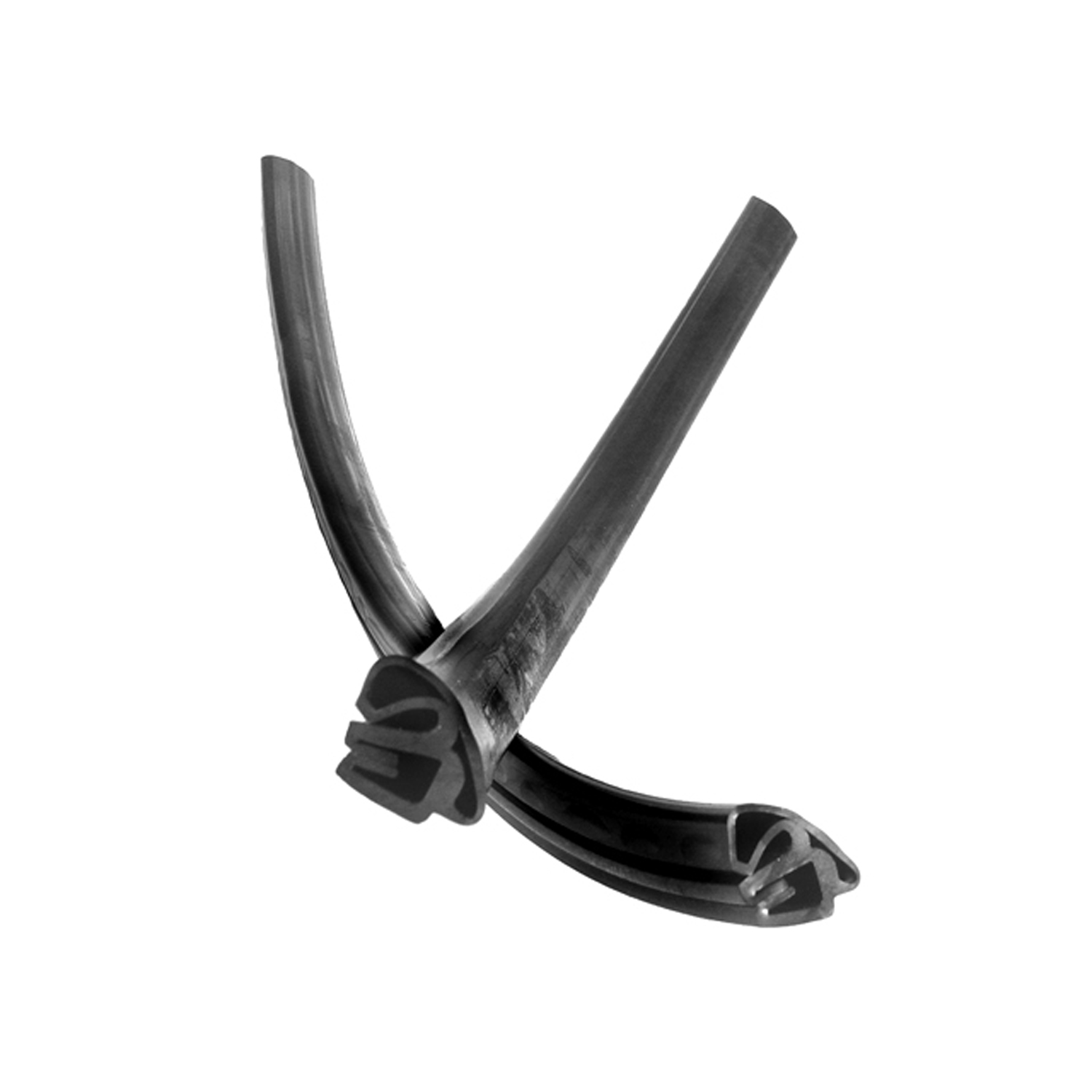 1953 Fiat 1100 Vertical Seals. Pair-VS 20Vertical Seals. Pair
Why Choose Metro?
For over 100 years, Metro Moulded Parts has been the pinnacle of quality in classic car restoration parts. Our commitment to precision and authenticity in every component ensures a perfect fit and an OEM-level appearance.
- Expert Craftsmanship & Quality: Each part is a testament to our dedication to reliability and perfection, crafted from original designs and thoroughly tested.
- Advanced Technology: We use cutting-edge techniques to create flawless, long-lasting parts that surpass others in performance.
- SuperSoft Sponge – The Ultimate Door Seal: Not only are our door seals 30% softer than competitors', but they're also guaranteed to never leak. They effectively reduce wind and road noise, enhancing your classic car's comfort and driving experience.
- Proudly American: Our parts are a product of American craftsmanship, made in the USA with a spirit of excellence and heritage.
- Unrivaled Warranty: We back our products with a 30-year industry-leading warranty, a testament to our confidence in their quality.
Join us in preserving the legacy of classic cars with parts that are crafted for perfection, not just made.