

Image of 1954 Fiat 500, Note: These illustrations use artistic license and may differ from actual historical models.
Performance Metrics
Fundamental Metrics
Emotional Appeal
MMP Rating
| Engine Specifications | |
|---|---|
| Engine Options: | Inline 2-cylinder |
| Displacement Range: | 569 cc |
| Horsepower Range: | 13-16 hp |
| Torque: | Estimated at 22 lb-ft |
| Compression Ratio: | 6.7:1 |
| Ignition System: | Coil ignition |
| Cooling System: | Air-cooled |
| Performance Specifications | |
| 0-60 Time: | Not available due to low horsepower, but estimated over 30 seconds |
| 1/4 Mile Time: | Not available |
| Top Speed: | 53 mph |
| Transmission and Drive | |
| Drive Type: | Rear-wheel drive |
| Transmission Type: | 4-speed manual |
| Fuel and Efficiency | |
| Fuel System Type: | Carburetor |
| MPG: | Estimated at 40-50 mpg |
| Dimensions and Brakes | |
| Brakes: | Drum brakes |
| Wheelbase: | 72.4 inches |
| Weight: | 1100 lbs |
Note: Specifications for classic cars are given to the best of our ability, considering the limited and variant data available.
1954 Fiat 500: The Topolino in Its Final Years
Small enough to slip through a narrow Italian street yet clever enough to help put a nation on wheels, the 1954 Fiat 500 is a classic built around practicality. It belongs to the final generation of the original Fiat 500, better known as the Topolino, or “little mouse.” This is not the later Nuova 500, the rear-engined city car that arrived in 1957 and became an icon in its own right.
Designed under the direction of engineer Dante Giacosa, the original Topolino debuted in 1936. By 1954, Fiat was producing the 500 C, the model’s most developed version. Its small size, modest running costs, and usable cabin made it a natural fit for postwar Italy, where affordable transport mattered more than speed or luxury. One telling detail: the Topolino’s engine sat at the front and drove the rear wheels, a conventional layout made exceptionally compact through careful engineering.
Topolino Styling and Cabin Design
The 500 C has a friendly, upright shape, with rounded front fenders, a short hood, and a tall cabin that makes the car look larger than its measurements suggest. Its most recognizable detail is the broad, horizontal grille and headlamps integrated into the front wings. Compared with the earlier 500 A and 500 B, the C received a thoroughly revised front end that gave it a more modern, streamlined appearance.
Inside, the cabin is simple and purposeful. The dashboard is metal, the instruments are basic, and the controls are laid out for straightforward operation. Depending on specification and condition, upholstery could be cloth or vinyl, with painted metal surfaces contributing much of the interior finish. There is little sound insulation by modern standards, and the seats are narrow, but the upright seating position and generous windows help the small interior feel airy.
Factory colors varied by market and production period. Period examples are often seen in restrained shades such as cream, grey, pale blue, and green, along with brighter colors on some cars. Today, cream and pastel finishes suit the Topolino’s cheerful character particularly well, though accurate original colors are the best choice for a restoration.
The most familiar body style is the two-door saloon. Fiat also offered open-top and commercial versions, while specialist coachbuilders produced additional configurations. The practical Giardiniera Belvedere estate is especially distinctive, with its extended body and wood trim details. Light commercial versions, including vans and pickups, served tradespeople and small businesses.
Why the Fiat 500 C Mattered
The Topolino was important because it made car ownership attainable without relying on a large engine or expensive materials. Its compact footprint and economical 569 cc engine suited crowded streets and tight budgets. That combination helped shape the idea of the European “people’s car”: a vehicle designed around everyday mobility rather than status or performance.
It also showed how much could be achieved through packaging. The front-engine, rear-wheel-drive layout, small wheels, and compact body delivered useful passenger and cargo space from a remarkably small footprint. The 500 C was not a radical new design in 1954, but it represented years of steady development. Its successor, the Nuova 500, changed the formula with a rear-mounted engine, yet inherited the original Topolino’s mission of affordable, compact transport.
Engine, Speed, and Road Manners
Power comes from a 569 cc water-cooled inline-four, producing roughly 16.5 horsepower in 500 C form. A four-speed manual gearbox sends power to the rear wheels. Exact figures vary with condition, gearing, and body style, but a healthy saloon can reach around 55 to 60 mph. Acceleration to 60 mph is very slow by modern standards, commonly estimated at roughly 35 to 45 seconds, and some cars may struggle to reach that speed at all.
The Topolino feels happiest at modest speeds. Its light weight and compact dimensions make it easy to place on narrow roads, while the steering gives the driver a direct connection to the front wheels. On winding lanes, momentum matters more than horsepower: carry speed smoothly, choose gears carefully, and avoid expecting quick bursts of acceleration.
Over bumps, the short wheelbase and narrow tires make the ride lively. The car can be buffeted by crosswinds, and steep hills may call for a lower gear and patience. From the driver’s seat, the engine gives a busy, mechanical buzz that rises with the revs. The experience is intimate and involving, with few modern conveniences between driver, road, and machine.
Living with a 1954 Fiat 500
Today, most 500 Cs are used for weekend drives, historic motoring events, and classic-car displays rather than daily commuting. They can manage gentle local trips, but modern traffic speeds, limited crash protection, and a lack of creature comforts make regular long-distance use demanding.
Mechanical simplicity is a major ownership advantage. A knowledgeable owner or classic Fiat specialist can service the engine, brakes, and drivetrain without the diagnostic equipment required by a modern car. Parts availability is generally good through specialist suppliers, though body panels, trim, and correct restoration details can take more effort to source. As with any old car, inspect carefully for corrosion, poor previous repairs, tired brakes, and worn engine components. A sound, well-maintained example is far more enjoyable than a cheap project with hidden structural problems.
Topolino Trivia and Common Complaints
“Topolino” means “little mouse” in Italian. The nickname was widely adopted for the original 500, though the car’s official model designation remained Fiat 500. The 1954 car also sits near the end of a long production story: Fiat stopped building the original Topolino in 1955, after which the company prepared the very different Nuova 500.
The Topolino was sold in large numbers for its class and era, with total production across the original 500 family often cited at roughly 520,000 cars. Production figures for the 500 C alone vary among references, so a precise total is difficult to state confidently. Its everyday usefulness also made it a platform for commercial vehicles and specialist-bodied versions, not just a small family saloon.
Its main criticisms are easy to understand: limited power, a cramped cabin, basic equipment, and modest safety by modern standards. It was never intended to be fast or luxurious. Its charm lies in doing a modest job with remarkable efficiency.
1954 Fiat 500 Collector Values
The 500 C is collectible, but it is not as scarce or expensive as some Italian sports cars. As a broad current-market estimate, a project car may sell for about $3,000 to $8,000 USD. A usable driver or older restoration might fall around $8,000 to $20,000, while a high-quality, correctly restored example can reach approximately $20,000 to $35,000 or more. Exceptional cars, rare body styles, and top-level restorations may exceed that range.
Values depend heavily on rust, originality, restoration quality, and documentation. The market for appealing, usable microcars has generally strengthened over time, but condition matters more than trend: a neglected car can be costly to put right, while a sound original example has enduring appeal. The 500 C is best viewed as a characterful collectible with steady interest rather than a guaranteed investment.
A Small Car with a Lasting Legacy
The 1954 Fiat 500 C combines approachable engineering, unmistakable styling, and a meaningful place in Italy’s postwar motoring story. It is slow, compact, and refreshingly simple, but those traits are precisely what make it memorable. As the final chapter of the original Topolino line, it captures an era when clever design and a little engine could make a very big difference.
1954 Fiat 500 Catalog of Parts
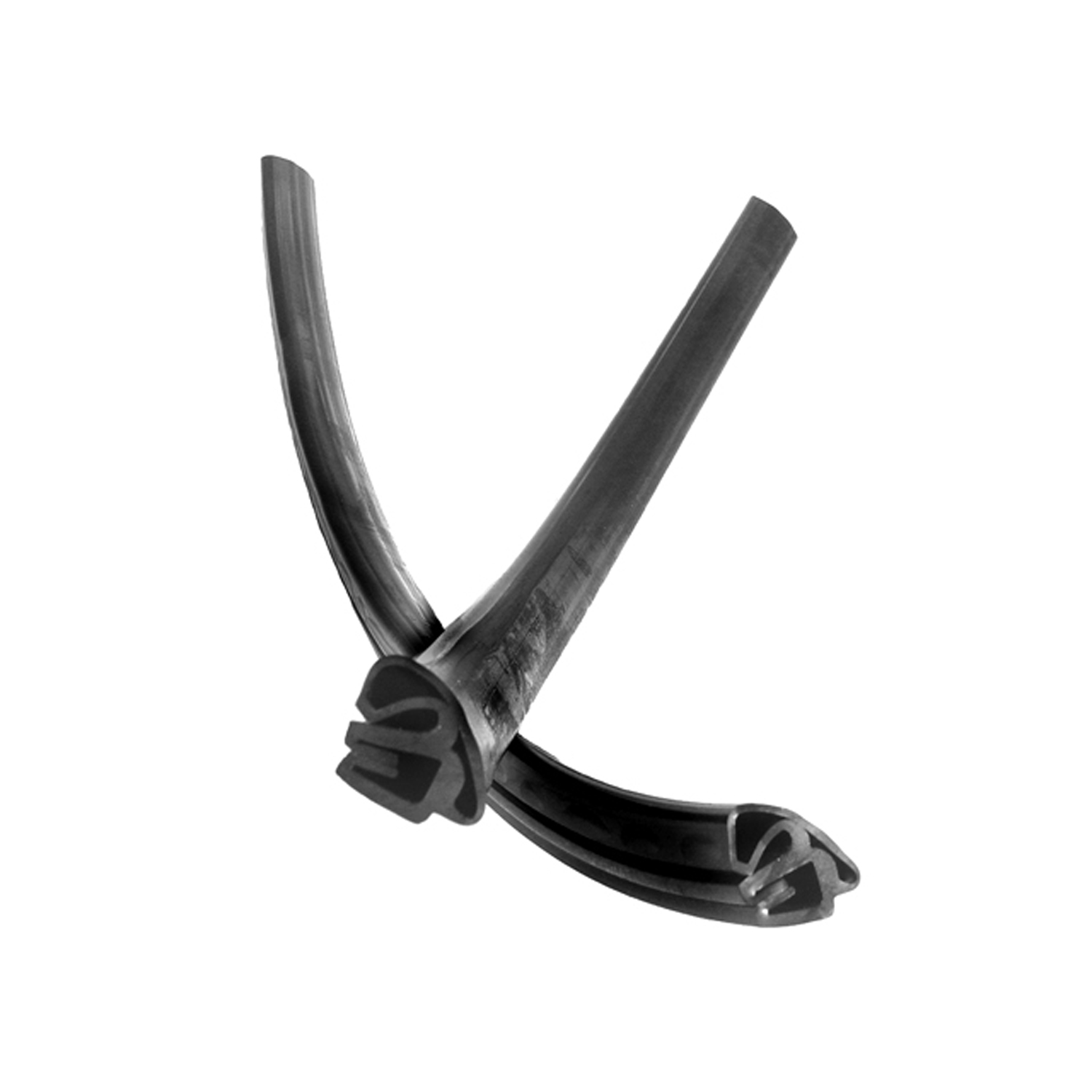 1954 Fiat 500 Vertical Seals. Pair-VS 20Vertical Seals. Pair
Why Choose Metro?
For over 100 years, Metro Moulded Parts has been the pinnacle of quality in classic car restoration parts. Our commitment to precision and authenticity in every component ensures a perfect fit and an OEM-level appearance.
- Expert Craftsmanship & Quality: Each part is a testament to our dedication to reliability and perfection, crafted from original designs and thoroughly tested.
- Advanced Technology: We use cutting-edge techniques to create flawless, long-lasting parts that surpass others in performance.
- SuperSoft Sponge – The Ultimate Door Seal: Not only are our door seals 30% softer than competitors', but they're also guaranteed to never leak. They effectively reduce wind and road noise, enhancing your classic car's comfort and driving experience.
- Proudly American: Our parts are a product of American craftsmanship, made in the USA with a spirit of excellence and heritage.
- Unrivaled Warranty: We back our products with a 30-year industry-leading warranty, a testament to our confidence in their quality.
Join us in preserving the legacy of classic cars with parts that are crafted for perfection, not just made.