

Image of 1959 Fiat 1200, Note: These illustrations use artistic license and may differ from actual historical models.
Performance Metrics
Fundamental Metrics
Emotional Appeal
MMP Rating
| Engine Specifications | |
|---|---|
| Engine: | Inline-4 |
| Displacement: | 1.2L (1221 cc) |
| Horsepower: | 55-60 hp |
| Torque: | Estimated 70 lb-ft |
| Compression Ratio: | 8.0:1 |
| Ignition System: | Distributor and coil |
| Cooling System: | Water-cooled |
| Performance Specifications | |
| 0-60 Time: | Estimated 20 seconds |
| 1/4 Mile Time: | Not available |
| Top Speed: | 90 mph |
| Transmission and Drive | |
| Drive Type: | RWD (Rear Wheel Drive) |
| Transmission Type: | 4-speed manual |
| Fuel and Efficiency | |
| Fuel System Type: | Carburetor |
| MPG: | Estimated 25-30 mpg |
| Dimensions and Brakes | |
| Brakes: | Drum brakes |
| Wheelbase: | 92.1 inches |
| Weight: | 2100 lbs |
Note: Specifications for classic cars are given to the best of our ability, considering the limited and variant data available.
1959 Fiat 1200: Italy’s Everyday Classic
The 1959 Fiat 1200 made Italian motoring feel a little more open, stylish, and attainable. Built by Turin-based Fiat, it combined practical family-car engineering with the bright trim and graceful proportions of a decade increasingly captivated by modern design. The name can refer to two quite different cars: the four-door 1200 Granluce sedan and the 1200 Trasformabile Spider. Both used a 1.2-liter engine, but the Spider’s sleek, low-slung body made it the showstopper.
The 1200 arrived during Italy’s postwar economic boom, when rising incomes and expanding roads created demand for cars that were comfortable and useful without being large or expensive. One intriguing detail is that the Spider was not simply a chopped-down sedan. Its body was styled by Pinin Farina and gave the modest Fiat mechanicals a distinctly sporting appearance, complete with dramatic rear fins that placed it squarely in the design language of the late 1950s.
Granluce Style and Spider Flair
The 1200 Granluce sedan has a light, airy look that suits its name, which translates roughly as “great light.” Its broad glass area, curved windshield, bright grille, and restrained chrome trim give it a more elegant presence than a basic economy car. At the rear, small fins and carefully shaped taillights add period character without making the car look as extravagant as some larger American designs.
The Spider takes a more theatrical approach. Pinin Farina’s low two-seat body has a long hood, sweeping sides, a folding soft top, and prominent tailfins. The upright windshield and compact cabin keep it recognizably late-1950s, while its proportions give it the look of a much more expensive European sports car. The 1200 Spider is often the most sought-after version today.
Inside, both models are straightforward and inviting rather than luxurious. Expect painted metal surfaces, a simple instrument panel, large, legible gauges, and durable upholstery, typically cloth or vinyl depending on market and specification. The Spider adds a more intimate cockpit, with limited storage and a closer connection to the road. Materials and trim varied by country and individual car, so original upholstery and dashboard details are worth checking when evaluating one.
Fiat offered period-appropriate colors that included subdued blues, grays, greens, and creams, alongside stronger shades depending on market and year. Light colors were particularly effective on the Spider, making its chrome and sculpted bodywork stand out; dark red and deep blue are also popular choices among enthusiasts. Factory paint availability was not identical in every market, so a car’s original color is best confirmed from its documentation or surviving paint layers.
The main 1959 body-style choice was the four-door Granluce sedan or the two-seat Trasformabile Spider. The sedan was the practical, more widely used car. The Spider was rarer and more glamorous, and in some markets the related 1200 TV, or Turismo Veloce, added a sportier specification. These names and equipment details can vary across export markets, so buyers should identify the exact model rather than rely on a badge alone.
Engineering Behind the Italian Charm
The 1200 carried forward Fiat’s compact-car engineering in a more powerful package. Its 1,221 cc, overhead-valve four-cylinder engine was mounted at the front and drove the rear wheels through a four-speed manual gearbox. Output was commonly quoted at about 55 horsepower, a useful increase over smaller Fiat models of the period. The car’s unitary construction helped keep weight in check, while independent front suspension and hydraulic brakes reflected the steady progress of postwar European family-car design.
What set the 1200 apart was its balance of sensible engineering and visual polish. It was neither a bare-bones runabout nor a costly grand tourer. Fiat offered buyers a compact car with a modern-feeling cabin and respectable performance, while the Spider demonstrated how much style could be added without abandoning practical, mass-produced mechanicals. That approach helped establish the template for many later European cars: modest dimensions, efficient engineering, and a design that felt special.
The 1200 was not a technological revolution, and it did not introduce a single feature that transformed the industry. Its importance lies more in making modern Italian design and engineering accessible to a broad public. It also served as a bridge between Fiat’s smaller postwar saloons and the larger, more powerful 1500 models that followed.
Performance on the Road
With roughly 55 horsepower, the 1200 is brisk by the standards of a small late-1950s car, not a modern performance machine. Period figures and later estimates put the sedan’s top speed at around 130 to 135 km/h, or roughly 81 to 84 mph. A healthy sedan may take about 22 to 25 seconds to reach 60 mph. The lighter, more streamlined Spider can approach 140 to 145 km/h, around 87 to 90 mph, with a 0-to-60-mph time in the neighborhood of 19 to 22 seconds. Actual results depend on body style, condition, gearing, and test method.
On a smooth road, the 1200 feels nimble and easy to place. Its compact size is an advantage in narrow streets, and the four-speed gearbox gives the driver useful control over the engine’s modest power. The engine has a light mechanical buzz that builds pleasantly as it revs, rather than the deep, forceful note of a larger sports car. The Spider makes that sound more immediate, with less separation between the occupants and the outside world.
Over bumps, expect a softer, more old-fashioned ride than you would find in a modern car. A well-maintained example should be comfortable at sensible speeds, but worn suspension bushings, tired dampers, and old tires can make it feel unsettled. On winding roads, the 1200 rewards smooth inputs and momentum. Its steering is direct by vintage-car standards, though it lacks modern precision, and the sedan’s body can lean noticeably in corners. The Spider feels more intimate and sporting, but neither version should be mistaken for a contemporary high-performance car.
Living with a Fiat 1200
The Granluce works best as a classic-car runabout, weekend driver, or show car. It has room for a small family, straightforward controls, and enough pace for relaxed country roads. The Spider is better suited to sunny outings, enthusiast events, and short touring trips, where its open-air character matters more than luggage space or all-weather practicality.
Basic mechanical work is within reach for an experienced home mechanic. The four-cylinder engine and simple rear-wheel-drive layout are less intimidating than those of many later classics, and common service tasks do not require modern diagnostic equipment. Parts availability varies by region: mechanical components can often be sourced through Fiat specialists and enthusiast networks, while correct trim, body panels, and Spider-specific pieces may take more patience.
Rust is a major inspection point. Check the floors, sills, wheel arches, lower doors, suspension mounting areas, and the underside of the trunk. Also examine the cooling system, brakes, electrical connections, and gearbox operation. A cheap project can become expensive if it needs extensive bodywork or rare model-specific trim. Originality, sound metal, and a well-documented restoration generally matter more than a shiny repaint.
Little-Known Fiat 1200 Facts
The word “Trasformabile” means “convertible” or “transformable,” an apt name for the open Spider. Its tailfins are another defining clue: they belong to the brief period when designers across Europe and America were experimenting with sharper rear-end forms. By contrast, the Granluce’s broad windows and bright trim emphasize visibility and everyday comfort.
The Spider is often reported to have been built in only a few thousand examples, with approximately 2,360 frequently cited for the 1200 Trasformabile. Exact totals can differ according to how model changes and related versions are counted. The sedan was produced in much larger numbers, but a single dependable worldwide total is difficult to establish from commonly available model histories.
The Fiat 1200 is not especially known for a headline-grabbing speed record or a defining endurance victory. Its appeal is more personal: it represents the everyday side of Italy’s automotive boom, while the Spider captures the era’s optimistic style. Common criticisms include modest acceleration, a limited supply of body and trim parts, and corrosion in neglected examples. Those are real considerations, but they are also part of why a sound, correctly restored car attracts attention.
Collector Values and Rarity
Values vary sharply by body style, condition, originality, and location. As a broad 2026 estimate in the U.S. market, a running but imperfect 1200 Granluce sedan might sell for about $6,000 to $12,000. A clean, usable sedan may bring roughly $12,000 to $22,000, with exceptional restorations sometimes reaching $25,000 or more. A 1200 Spider is substantially rarer: project cars may start around $20,000 to $30,000, while good examples often fall between $35,000 and $65,000. Highly original or meticulously restored cars can exceed that range.
These are guide ranges, not guaranteed sale prices. Fiat 1200 sedans appear occasionally in European classifieds and at specialist auctions, while the Spider is much harder to find. The sedan’s larger production and practical character keep prices comparatively accessible; the Spider’s low production, Pinin Farina styling, and open-top appeal support a stronger premium.
Over the long term, the Spider has generally become more collectible as interest in small Italian sports cars has grown. Sedan values have tended to rise more gradually and remain condition-sensitive. Both are influenced by the cost of restoration, availability of original parts, and the quality of the car’s paperwork. A rust-free, correctly identified example is usually a better buy than a dramatic-looking car with hidden structural repairs.
Why the 1959 Fiat 1200 Still Matters
The 1959 Fiat 1200 brought together useful family-car engineering, approachable performance, and unmistakable Italian character. The Granluce was a practical compact sedan with a bright, modern feel; the Pinin Farina Spider turned the same basic idea into a rare and stylish open car. Neither is fast by modern standards, but both offer an engaging view of how Europe’s postwar car culture was evolving.
For collectors, the Fiat 1200 is a reminder that automotive history is not made only by the fastest or most expensive machines. Sometimes a modest four-cylinder Fiat, with a clever design and a little Italian flair, tells the story just as well.
1959 Fiat 1200 Catalog of Parts
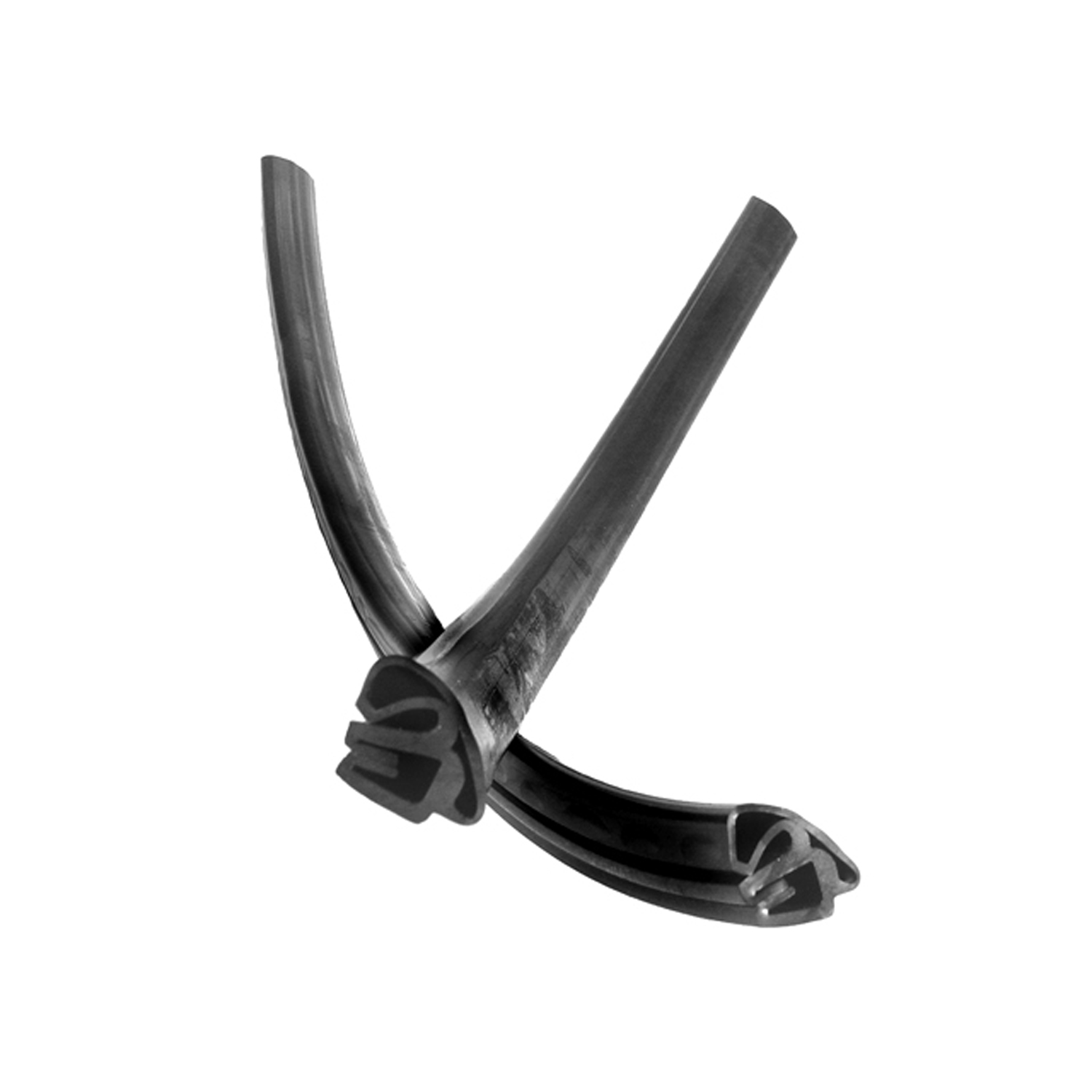 1959 Fiat 1200 Vertical Seals. Pair-VS 20Vertical Seals. Pair
Why Choose Metro?
For over 100 years, Metro Moulded Parts has been the pinnacle of quality in classic car restoration parts. Our commitment to precision and authenticity in every component ensures a perfect fit and an OEM-level appearance.
- Expert Craftsmanship & Quality: Each part is a testament to our dedication to reliability and perfection, crafted from original designs and thoroughly tested.
- Advanced Technology: We use cutting-edge techniques to create flawless, long-lasting parts that surpass others in performance.
- SuperSoft Sponge – The Ultimate Door Seal: Not only are our door seals 30% softer than competitors', but they're also guaranteed to never leak. They effectively reduce wind and road noise, enhancing your classic car's comfort and driving experience.
- Proudly American: Our parts are a product of American craftsmanship, made in the USA with a spirit of excellence and heritage.
- Unrivaled Warranty: We back our products with a 30-year industry-leading warranty, a testament to our confidence in their quality.
Join us in preserving the legacy of classic cars with parts that are crafted for perfection, not just made.