

Image of 1932 Ford Model B, Note: These illustrations use artistic license and may differ from actual historical models.
Performance Metrics
Fundamental Metrics
Emotional Appeal
MMP Rating
| Engine Specifications | |
|---|---|
| Engine: | 4-cylinder |
| Displacement: | 201 cu in (3.3 L) |
| Horsepower: | 50 HP |
| Torque: | Estimated at 94 lb-ft |
| Compression Ratio: | 4.22:1 |
| Ignition System: | Distributor and coil |
| Cooling System: | Water pump |
| Performance Specifications | |
| 0-60 Time: | Not available due to the age of the vehicle |
| 1/4 Mile Time: | Not available due to the age of the vehicle |
| Top Speed: | 65 mph |
| Transmission and Drive | |
| Drive Type: | Rear-wheel drive |
| Transmission Type: | 3-speed manual |
| Fuel and Efficiency | |
| Fuel System Type: | Carburetor |
| MPG: | Estimated at 17-20 MPG |
| Dimensions and Brakes | |
| Brakes: | Mechanical drum brakes |
| Wheelbase: | 106 in (2,692 mm) |
| Weight: | 2,020 lbs |
Note: Specifications for classic cars are given to the best of our ability, considering the limited and variant data available.
1932 Ford Model B: The Four-Cylinder Ford Beside the Famous V8
The 1932 Ford Model B arrived at a turning point for Ford: it brought fresh styling, a modernized chassis, and a choice of engines to buyers living through the Great Depression. Built by the Ford Motor Company, the Model B was the four-cylinder member of Ford’s new 1932 lineup, sold alongside the celebrated Ford V8, also known as the Model 18. The V8 often gets the headlines, but the Model B has its own appeal: it offered familiar, economical power in one of Ford’s most memorable designs.
One intriguing detail is that Ford introduced the Model B and its V8 sibling at the same time, giving customers a choice between a conventional four-cylinder engine and a comparatively powerful, affordable V8. That makes the 1932 Ford more than a handsome old car. It marks the beginning of a new chapter in mass-market American motoring.
Streamlined Style and Cabin Craft
The 1932 Ford’s appearance is easy to recognize. Its tall, V-shaped grille gives the front end a purposeful look, while the long hood, slim horizontal louvers, rounded fenders, and separate headlamps create a graceful profile. The design feels more modern and streamlined than the boxier cars of the previous decade, yet it retains the upright stance and exposed details that make a prewar Ford unmistakable. The sweeping front fenders and rear-mounted spare tire, on some body styles, add to its classic proportions.
Inside, the Model B was straightforward rather than luxurious. The cabin typically featured a painted metal dashboard, a large steering wheel, simple gauges, and durable cloth upholstery. Higher-grade trims and particular body styles could use richer fabrics or leather, while open cars had their own upholstery and trim specifications. Materials and details varied by model, but the general emphasis was on practical, hard-wearing construction rather than expensive ornament.
Ford offered a broad range of paint and trim combinations, with colors varying by body style and production details. Period colors included shades such as Washington Blue, Brewster Green, and Tacoma Cream, alongside darker finishes and black. The bold blues and greens suit the car’s flowing fenders especially well, though black remains a popular choice among restorers seeking a traditional look.
Body styles included roadster, phaeton, coupe, Tudor and Fordor sedans, cabriolet, Victoria, and station wagon, with commercial versions available as well. The Tudor sedan was a practical, popular choice, while the roadster and three-window coupe have become especially iconic among collectors and hot rodders. Each gives the same basic design a different character, from family transport to open-air motoring.
Why the 1932 Ford Matters
The Model B’s historical significance comes partly from its place in Ford’s 1932 range. The company offered a new, stronger-looking car and paired it with a more capable chassis, while also debuting the V8-powered Model 18. The four-cylinder Model B was the more familiar and economical option, but it shared the year’s major styling and engineering advances.
Ford’s 1932 V8 is often credited with helping make V8 power attainable for ordinary buyers. The Model B, meanwhile, carried forward the practical side of Ford’s mission: simple mechanicals, broad availability, and a comparatively accessible purchase price. Together, the two models helped establish a template for offering different levels of performance within a common model range.
The 1932 Ford’s lasting influence is especially visible in hot-rodding culture. Its sturdy frame, relatively light body, straightforward layout, and recognizable styling made it a favored foundation for modified cars. The Model B’s four-cylinder engine, often nicknamed the “banger” in hot-rodding circles, has its own following among enthusiasts who enjoy traditional, period-style builds.
Model B Performance and Road Manners
The Model B used a 200.5-cubic-inch, or 3.3-liter, L-head four-cylinder engine. Factory output was about 50 horsepower, sent to the rear wheels through a three-speed manual transmission. That figure is sometimes confused with the V8’s output, but the Model B was the lower-powered choice. Its mechanical brakes and period suspension are reminders that this was a car designed before modern power steering, independent front suspension, and hydraulic braking became commonplace.
Top speed depended on body style, gearing, condition, and tuning, but a healthy Model B could reach roughly 65 to 70 mph under favorable conditions. Reaching 60 mph was a much more leisurely affair. A reasonable estimate is around 25 to 30 seconds, though there was no single modern-style factory acceleration figure for every configuration. The car’s strength was steady, usable low-speed performance, not rapid acceleration.
On a smooth road, the Model B feels composed by the standards of its era. Over bumps, its solid front axle and leaf springs deliver a firm, sometimes busy ride, and rough pavement can keep the body moving after the wheels have hit an irregularity. On winding roads, the high seating position, large steering wheel, and relatively narrow tires make for a deliberate driving experience. The driver needs to anticipate corners and allow plenty of room for braking.
Behind the wheel, the four-cylinder engine produces a distinct, rhythmic exhaust note rather than the deeper rumble associated with the V8. The manual gearbox, mechanical controls, and unassisted steering keep the driver closely involved. It is not a modern car made old-fashioned in appearance. It is genuinely vintage machinery, rewarding smooth inputs and an unhurried pace.
Living With a 1932 Ford
Today, most Model Bs are enjoyed as show cars, weekend cruisers, touring vehicles, or hot rods rather than everyday transportation. A carefully maintained example can handle local drives and club events, but modern traffic speeds, limited braking performance, and the scarcity of some original parts make regular commuting a demanding proposition.
Routine maintenance is approachable for an owner comfortable with basic mechanical work. The engine bay is relatively accessible, and many service tasks can be done with ordinary tools and period knowledge. Owners should pay close attention to ignition and fuel systems, cooling, lubrication, brakes, steering, and the condition of the wiring. Mechanical brakes require correct adjustment, and old tires, worn steering components, or neglected suspension parts can quickly undermine safety.
Parts availability is generally good for common restoration and service needs, thanks to the large Ford enthusiast community and reproduction-parts suppliers. However, some Model B-specific engine components and correct original details may take more effort to find than parts for the better-known V8. As with any prewar car, a thorough inspection before purchase is essential. A shiny restoration can still hide worn mechanicals, improvised repairs, or structural rust.
1932 Ford Facts and Common Complaints
The 1932 Ford is often remembered for its V8, but the four-cylinder Model B was a genuine production model, not simply a low-cost curiosity. It shared much of the new car’s visual identity while offering a less expensive engine choice. The two models are frequently mixed up in conversation, so confirming the engine, chassis details, and documentation is important when buying or researching one.
Ford’s 1932 cars became a defining canvas for American hot rodding. Enthusiasts modified them for speed and individuality, and the three-window coupe became one of the movement’s most enduring shapes. A Model B could also be transformed into a period-style “banger” hot rod, preserving the character of the four-cylinder engine instead of replacing it with a V8.
There is no single universally accepted production figure for every Model B body and commercial derivative. A reasonable estimate is roughly 100,000 to 110,000 four-cylinder Model B vehicles for 1932, with totals varying according to what production categories are included. That makes the Model B less common in many collector circles than the better-known V8-powered Ford, although surviving numbers are difficult to establish because cars were heavily modified, used hard, and scrapped over the decades.
Common criticisms are typical of prewar cars: modest acceleration, limited braking performance, a firm ride over poor roads, and less protection from weather and crashes than a modern vehicle. The Model B’s original four-cylinder power can also feel slow beside a V8-powered hot rod. For enthusiasts who value originality, however, its simpler engine is part of the charm.
Collector Values and Market Outlook
Values vary widely with body style, originality, restoration quality, and mechanical condition. As a broad 2026 estimate, a project or incomplete car might sell for about $10,000 to $20,000. A usable driver-quality example may fall around $20,000 to $40,000, while a well-restored car can bring roughly $40,000 to $80,000 or more. Rare body styles, exceptional restorations, and historically significant cars can exceed that range. Modified hot rods follow their own market and can sell for less or considerably more depending on build quality and buyer appeal.
The Model B is not uniformly rare, but particular body styles and highly original examples can be difficult to locate. The coupe and sedan are more visible in the market than certain open or specialty bodies. Buyers should compare cars by condition and documentation rather than relying on a single price guide figure, since an older restoration and a fresh, professionally documented restoration can occupy very different value brackets.
In recent years, the market has generally favored well-presented, usable prewar cars, but prices depend heavily on condition and the wider collector-car economy. The Model B has a dedicated following, though it can be overshadowed by the 1932 Ford V8 and by hot rods. That can make original four-cylinder cars an appealing choice for collectors who want the iconic shape without paying a premium simply for V8 identity.
A Classic Ford With Its Own Identity
The 1932 Ford Model B combines striking early-1930s styling with simple four-cylinder mechanicals and an important place in Ford history. It was practical beside the new V8, but it was never insignificant: it helped bring Ford’s fresh design into reach for buyers who wanted dependable, economical transportation.
Whether preserved as an original sedan, enjoyed as a weekend roadster, or built into a traditional hot rod, the Model B carries the spirit of a pivotal year in American motoring. Its story is not only about the V8 that made 1932 famous. It is also about the four-cylinder Ford that helped make the whole transformation possible.
1932 Ford Model B Catalog of Parts
 1932 Ford Model B Windshield Post Pads. 3-1/4" wide X 4-1/2" long. Pair R&L-MP 683Windshield Post Pads. 3-1/4" wide X 4-1/2" long. Pair R&L
 1932 Ford Model B Door Handle Pads. 1-1/2" wide X 2-1/4" long. Pair-MP 690-ADoor Handle Pads. 1-1/2" wide X 2-1/4" long. Pair
 1932 Ford Model B Cowl Light Pad. 1-1/4" wide X 1-7/8" long. Each-MP 701Cowl Light Pad. 1-1/4" wide X 1-7/8" long. Each
 1932 Ford Model B Headlight Bar Pads. 2-1/8" wide X 3-3/4" long. Pair-MP 712-AHeadlight Bar Pads. 2-1/8" wide X 3-3/4" long. Pair
 1932 Ford Model B Side Window Anti-Rattle Pad. 1/4" wide X 1" long. Each-SB 73-ASide Window Anti-Rattle Pad. 1/4" wide X 1" long. Each
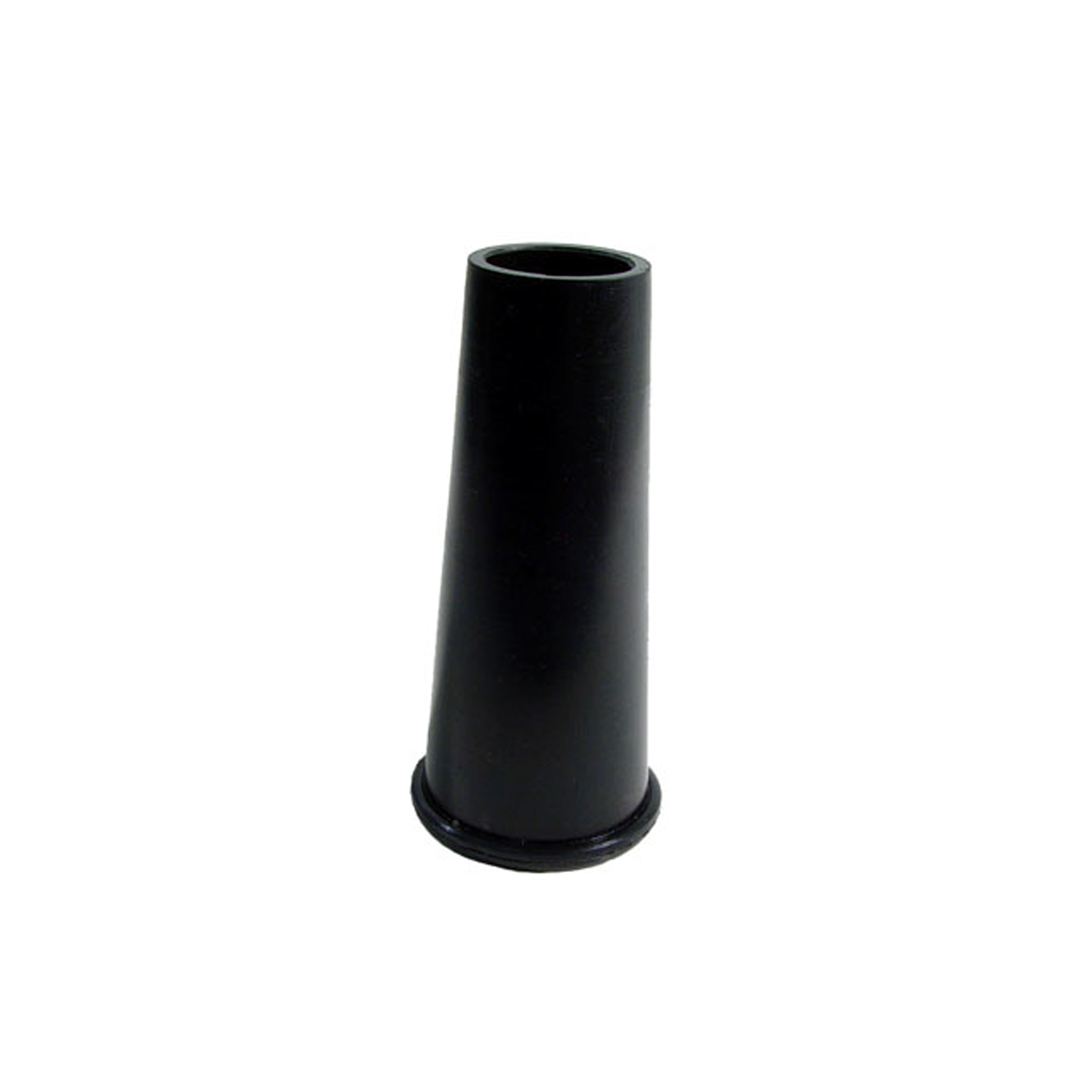 1932 Ford Model B Distributor Ignition Boot. 3-1/8", 1-1/4" O.D., 3/4" I.D-SM 65-DDistributor Ignition Boot. 3-1/8", 1-1/4" O.D., 3/4" I.D. Each
Why Choose Metro?
For over 100 years, Metro Moulded Parts has been the pinnacle of quality in classic car restoration parts. Our commitment to precision and authenticity in every component ensures a perfect fit and an OEM-level appearance.
- Expert Craftsmanship & Quality: Each part is a testament to our dedication to reliability and perfection, crafted from original designs and thoroughly tested.
- Advanced Technology: We use cutting-edge techniques to create flawless, long-lasting parts that surpass others in performance.
- SuperSoft Sponge – The Ultimate Door Seal: Not only are our door seals 30% softer than competitors', but they're also guaranteed to never leak. They effectively reduce wind and road noise, enhancing your classic car's comfort and driving experience.
- Proudly American: Our parts are a product of American craftsmanship, made in the USA with a spirit of excellence and heritage.
- Unrivaled Warranty: We back our products with a 30-year industry-leading warranty, a testament to our confidence in their quality.
Join us in preserving the legacy of classic cars with parts that are crafted for perfection, not just made.