

Image of 1933 Ford Model 40, Note: These illustrations use artistic license and may differ from actual historical models.
Performance Metrics
Fundamental Metrics
Emotional Appeal
MMP Rating
| Engine Specifications | |
|---|---|
| Engine: | Ford Flathead V8 |
| Displacement: | 221 cubic inches (3.6 liters) |
| Horsepower: | 75 hp |
| Torque: | 130 lb-ft |
| Compression Ratio: | 6.3:1 |
| Ignition System: | Distributor and coil |
| Cooling System: | Water-cooled |
| Performance Specifications | |
| 0-60 Time: | Estimated at around 20 seconds |
| 1/4 Mile Time: | Not available |
| Top Speed: | 80 mph |
| Transmission and Drive | |
| Drive Type: | Rear-wheel drive |
| Transmission Type: | 3-speed manual |
| Fuel and Efficiency | |
| Fuel System Type: | Carburetor |
| MPG: | Estimated at around 14-17 mpg |
| Dimensions and Brakes | |
| Brakes: | Mechanical drum brakes |
| Wheelbase: | 112 inches |
| Weight: | 2,570 lbs |
Note: Specifications for classic cars are given to the best of our ability, considering the limited and variant data available.
1933 Ford Model 40: The V8 That Put Power Within Reach
The 1933 Ford Model 40 made V8 performance feel less like a luxury and more like something an ordinary driver could own. Built by the Ford Motor Company in the depths of the Great Depression, it paired a low-priced, mass-produced V8 with fresh styling and a broad range of body choices. The result was a car that could serve as family transport, a workaday runabout, or the starting point for a hot rod.
Ford introduced its affordable flathead V8 in 1932, and the Model 40 carried that idea into a more thoroughly redesigned 1933 range. Its 221-cubic-inch engine was rated at about 75 horsepower, a useful increase over the previous year's 65-horsepower version. A memorable piece of Model 40 lore is its connection to the outlaw-era image of the Ford V8. The famous car associated with Bonnie and Clyde was a 1934 Ford, not a 1933 Model 40, but the story helped cement the early Ford V8's reputation as a fast, tough car of its time.
Streamlined Styling and a Broad Model Range
The 1933 Ford looked more rounded and flowing than the upright cars of the late 1920s. Its tall, V-shaped grille gave the nose a distinctive point, while sweeping front fenders, curved body sides, and flowing running boards created a more unified silhouette. Headlamps sat on either side of the grille, and a long hood emphasized the presence of the V8 beneath it. The design was still unmistakably a practical Ford, but it had a more modern, streamlined character.
Inside, the Model 40 favored durable, straightforward materials over luxury-car ornament. Upholstery and trim varied by body style and equipment level, with cloth and mohair among the materials used across the range. The cabin featured a simple instrument panel, a broad steering wheel, and controls designed to be operated without fuss. Compared with an expensive contemporary sedan, the finish was modest, but it suited the car's purpose: useful transportation that was easy to live with.
Ford offered a wide selection of bodies, including Tudor and Fordor sedans, coupes, roadsters, phaetons, and cabriolets, with commercial versions also available in the broader Ford lineup. Closed sedans were popular practical choices, while the three-window coupe and open roadster became enduring favorites with collectors and hot rodders. Exact body availability and trim depended on the production series and market.
Factory paint choices varied by body and trim combination. Buyers could choose from period colors that included dark blues, greens, maroons, and other subdued shades, while black remained a familiar and practical option. Surviving cars are also often seen in bright custom colors, though those may reflect later restorations rather than original factory finishes. For an accurate restoration, paint and upholstery should be checked against the car's body style and original specifications.
Flathead V8 Technology and Historical Impact
The Model 40's most important feature was its 221-cubic-inch, L-head V8. In a flathead design, the valves sit in the block beside the cylinders rather than in the cylinder head. The layout was compact and relatively straightforward to manufacture, helping Ford offer eight-cylinder power at a mass-market price. The engine used a single carburetor and sent power through a three-speed manual transmission to the rear wheels.
It was not the first V8 ever built, but Ford's low-cost, high-volume approach made V8 power far more accessible than it had been for many buyers. That mattered in an era when many affordable cars still relied on four-cylinder engines. The V8 gave the Ford brisker acceleration and strong flexibility for highway driving, while its large production numbers encouraged the development of an aftermarket parts industry.
The Model 40 also arrived during a difficult economic period. Buyers wanted value, but they did not necessarily want a car that felt outdated or underpowered. Ford answered with a modern-looking body and a notably capable engine. Its combination of affordable performance, simple construction, and widespread parts availability helped shape the American idea of the performance car and laid groundwork for the hot-rod culture that followed.
Performance and Road Manners
A sound, correctly tuned Model 40 can generally reach an estimated top speed in the neighborhood of 65 to 70 mph. A 0-to-60-mph time is less certain because period testing, vehicle condition, gearing, and body style all affect the result. A reasonable estimate for a standard example is roughly 20 to 25 seconds. These are period-car figures, not modern performance numbers, and an unrestored car may be considerably slower.
On the road, the V8's main appeal is its smooth, confident pull compared with many small-engined cars of the day. The engine produces a deep, distinctive exhaust note, while the three-speed gearbox asks the driver to make deliberate shifts. Braking is by mechanical drums, so stopping distances and pedal feel are very different from those of a modern car. Drivers need to plan ahead and leave generous space.
The Model 40 uses solid axles and transverse leaf springs, a robust arrangement for its era. It can feel firm over sharp bumps, and body movement is more noticeable on uneven roads than in a modern car. On winding routes, the car rewards measured steering inputs rather than quick corrections. Its ride, steering, and brakes all remind the driver that this is a machine from the early 1930s, not a contemporary daily driver.
Living With a Model 40
Today, most Model 40s are used as show cars, weekend cruisers, parade vehicles, or hot-rod projects. A carefully maintained, mostly original car can still take part in local touring events, but regular high-speed commuting is not its natural role. Modern traffic, limited braking performance, and the demands of maintaining an older cooling and electrical system make a Model 40 best suited to planned drives on suitable roads.
Routine work is manageable for an owner with basic mechanical skills. The flathead V8 has a straightforward layout, and replacement parts, reproduction components, and specialist knowledge remain widely available. Common areas to inspect include the cooling system, ignition, fuel delivery, clutch, brakes, steering, and the condition of the engine's internal passages. Age and past repairs matter more than the model's basic design: a poorly maintained car can require extensive work, while a properly restored one can be dependable for occasional use.
Originality can complicate repairs. A car that retains correct period components may need specialized parts or careful sourcing, while a hot rod may use a later engine, modern brakes, or updated electrical equipment. Before buying, establish whether the car is stock, restored, modified, or a mixture of all three. Those differences affect both the driving experience and the car's value.
Ford V8 Trivia and Common Misconceptions
The Model 40 belongs to the first years of Ford's mass-market flathead V8 era, a period that gave the engine an outsized place in American car culture. Early Ford V8s became popular foundations for hot rods because they were plentiful, relatively simple, and supported by a growing supply of speed equipment. A modified Model 40 may therefore look very different from the car Ford originally sold.
One common mix-up is the association with Bonnie and Clyde's notorious Ford. Their best-known car was a 1934 Ford V8 Fordor sedan, not a 1933 Model 40. The connection is still relevant as cultural context: the early Ford V8 became famous for its speed and durability, though popular stories often blur the details between model years.
The Model 40 is not generally known for a single headline speed or endurance record. Its significance lies instead in putting a capable V8 into a high-volume, affordable car. Common criticisms include the mechanical brakes, relatively basic cabin, and ride comfort, all of which reflect the standards of the period. Collectors should also be alert to modern hot rods advertised as original cars and to restorations that combine parts from different years.
Collector Values and Availability
There is no single price for a 1933 Ford Model 40. Body style, originality, restoration quality, documentation, and mechanical condition all make a substantial difference. As a broad current-market guide, a project or incomplete car might fall around $10,000 to $20,000. A sound driver or competent restoration may bring roughly $20,000 to $45,000, while a high-quality, well-documented example, especially a desirable open body style, can reach $50,000 to $90,000 or more. Exceptional cars and carefully built hot rods can exceed those ranges, but modifications do not automatically increase value.
Exact production totals for the Model 40 alone are difficult to establish because period figures may combine body styles or distinguish cars from commercial vehicles differently. A reasonable estimate is that Ford built several hundred thousand V8 passenger cars for the 1933 model year, perhaps around 250,000 to 300,000, although that figure should be treated as an estimate rather than a definitive Model 40 count. Production was high for a classic car, but surviving examples vary greatly in condition and originality, and some body styles are much harder to find than others.
Values have generally been supported by steady interest in early Ford V8s, but the market is selective. Original, correctly restored cars and desirable open models tend to attract the strongest competition. Project cars and heavily modified builds can be more sensitive to taste and market conditions. The best purchase is not necessarily the rarest or most expensive one; it is the car with the clearest history, sound structure, and condition that matches the buyer's plans.
Why the 1933 Ford Model 40 Still Matters
The 1933 Ford Model 40 brought together a more modern-looking body, practical construction, and an affordable flathead V8 at a moment when American drivers needed value and capability. It was not a luxury car, nor did it have the braking or ride refinement of a modern vehicle. Its importance came from making eight-cylinder performance accessible and helping establish the early Ford V8 as a lasting fixture of American automotive culture.
More than nine decades later, a Model 40 still has an unmistakable presence: the peaked grille, the long hood, and the rumble of its flathead make it instantly recognizable. Whether preserved as a period car or reshaped into a hot rod, it remains a vivid reminder of the year Ford helped turn V8 power from a costly distinction into a popular American tradition.
1933 Ford Model 40 Catalog of Parts
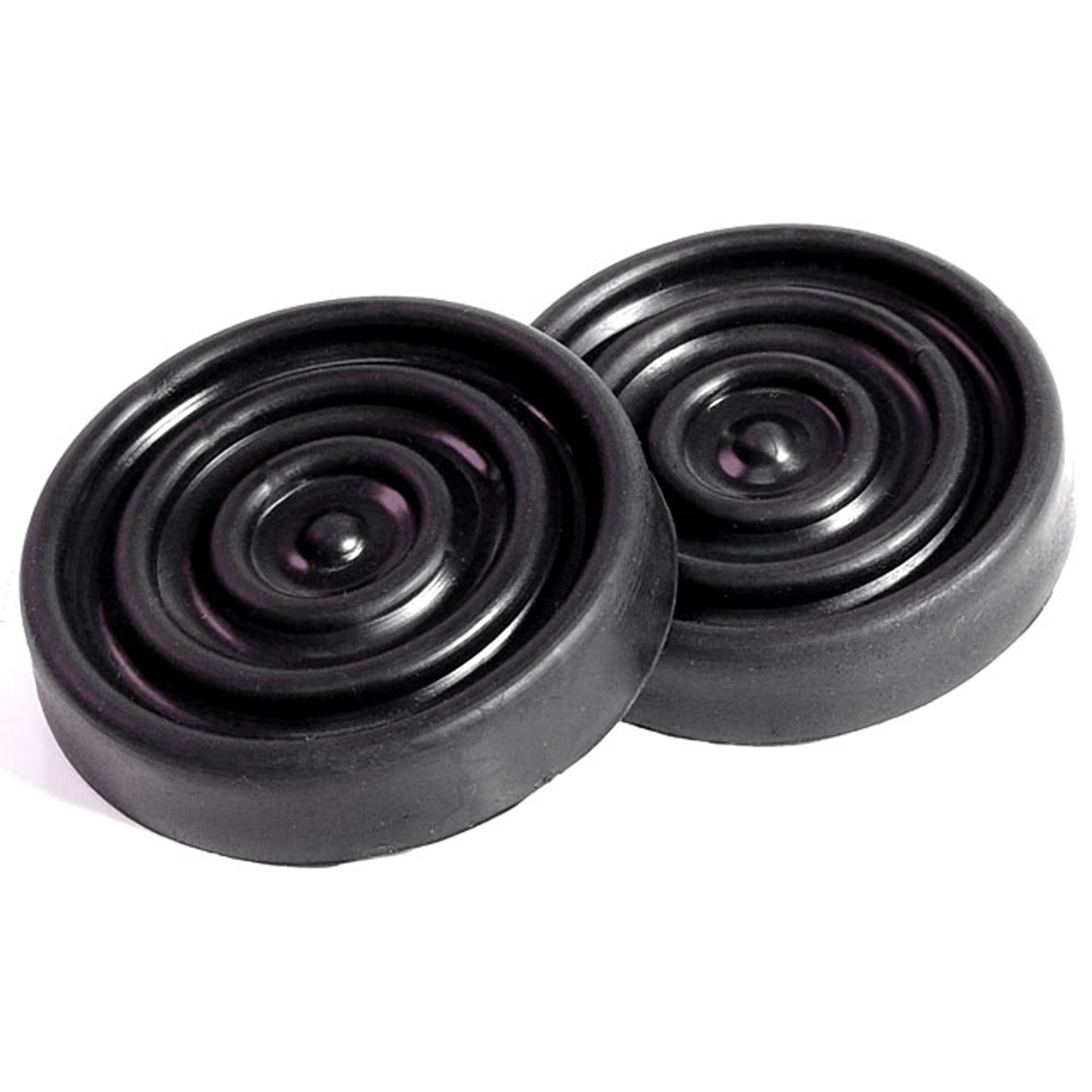 1933 Ford Model 40 Clutch and Brake Pedal Pads-CB 106Clutch and Brake Pedal Pads. Made with molded steel core and threaded stud. 3" diameter. Pair
 1933 Ford Model 40 Headlight Pads. 6-5/8" wide X 5-7/8" long. Pair-MP 680Headlight Pads. 6-5/8" wide X 5-7/8" long. Pair
 1933 Ford Model 40 Hood latch pad. 1-1/4 in. wide X 2-1/4 in. long. Each.-MP 683-BHood latch pad. 1-1/4 in. wide X 2-1/4 in. long. Each.
 1933 Ford Model 40 Trunk Handle Pad. 2" O.D. Each-MP 683-CTrunk Handle Pad. 2" O.D. Each
 1933 Ford Model 40 Tail-light Pads. 3-1/8" wide X 3-5/8" long. Pair-MP 690Tail-light Pads. 3-1/8" wide X 3-5/8" long. Pair
 1933 Ford Model 40 Door Handle Pads. 1-1/2" wide X 2-1/4" long. Pair-MP 690-ADoor Handle Pads. 1-1/2" wide X 2-1/4" long. Pair
 1933 Ford Model 40 Spare Mount Pad. Each-MP 690-DSpare Mount Pad. Each
 1933 Ford Model 40 Body to Rear Bumper Pad. 2-1/4" wide X 3-1/4" long. Each-MP 690-EBody to Rear Bumper Pad. 2-1/4" wide X 3-1/4" long. Each
 1933 Ford Model 40 Trunk Hinge and Latch Pads-MP 690-FTrunk Hinge and Latch Pads. 1-1/2" wide X 15-3/8" long & 1-1/4" wide X 5-3/4" long. Set
 1933 Ford Model 40 Windshield Post Pads. 2-1/2" wide X 3-3/4" long. Pair-MP 700Windshield Post Pads. 2-1/2" wide X 3-3/4" long. Pair
 1933 Ford Model 40 Side Window Anti-Rattle Pad. 1/4" wide X 1" long. Each-SB 73-ASide Window Anti-Rattle Pad. 1/4" wide X 1" long. Each
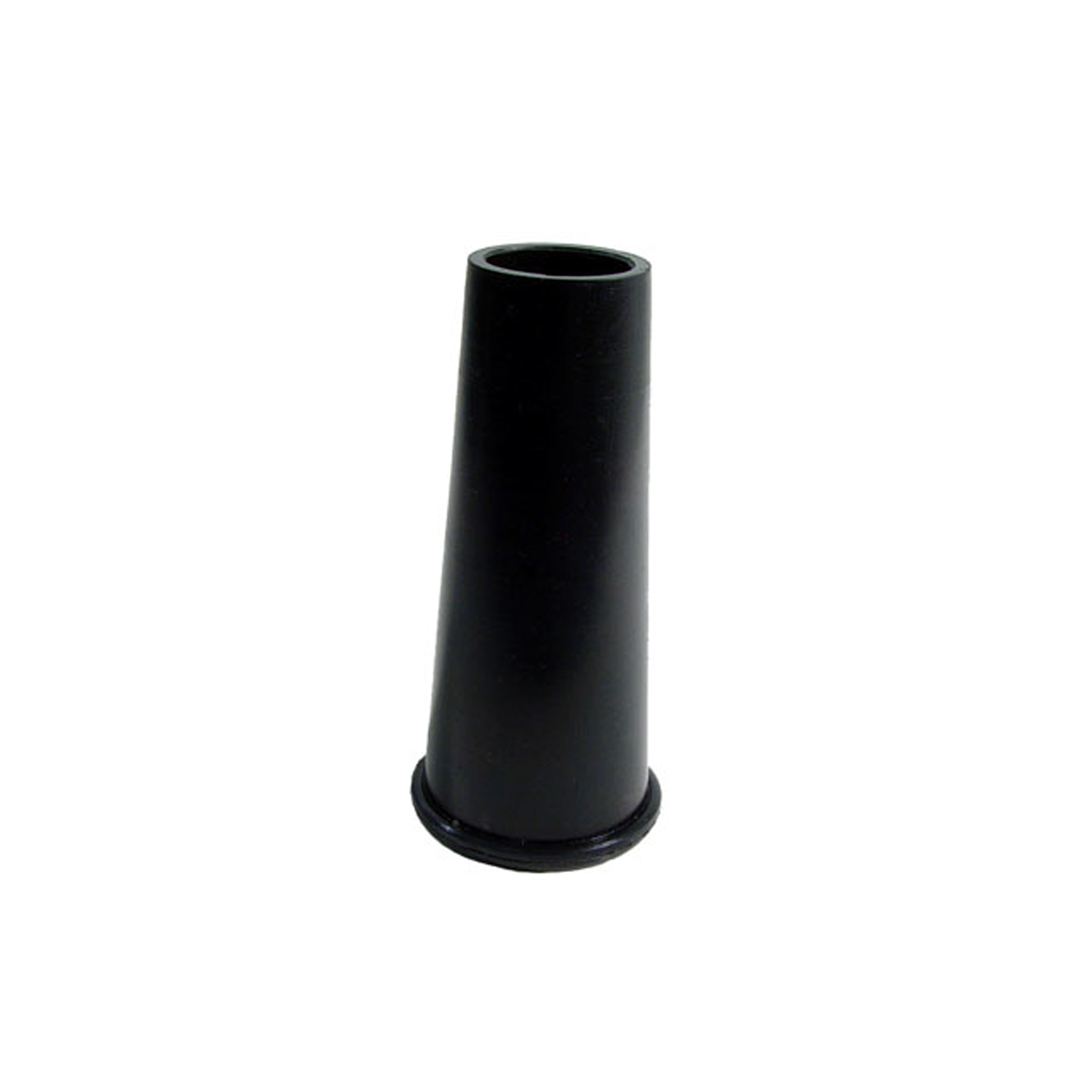 1933 Ford Model 40 Distributor Ignition Boot. 3-1/8", 1-1/4" O.D., 3/4" I.D-SM 65-DDistributor Ignition Boot. 3-1/8", 1-1/4" O.D., 3/4" I.D. Each
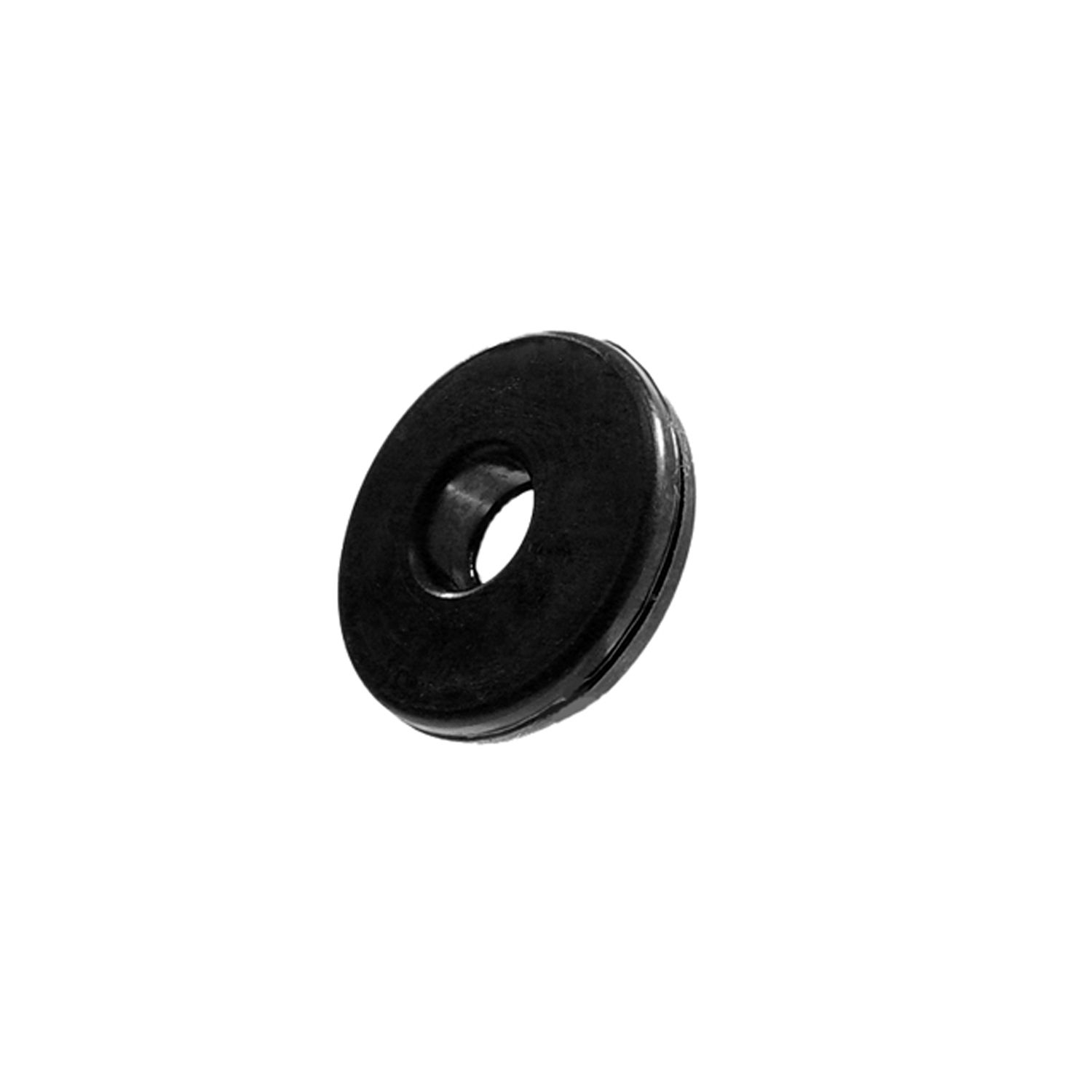 1933 Ford Model 40 Headlight Wires through Inner Splash Pan, Front Fenders-SM 96Headlight Wires through Inner Splash Pan, Front Fenders. Two used per car. 3/8" I.D., 1-5/16" O.D. Each
Why Choose Metro?
For over 100 years, Metro Moulded Parts has been the pinnacle of quality in classic car restoration parts. Our commitment to precision and authenticity in every component ensures a perfect fit and an OEM-level appearance.
- Expert Craftsmanship & Quality: Each part is a testament to our dedication to reliability and perfection, crafted from original designs and thoroughly tested.
- Advanced Technology: We use cutting-edge techniques to create flawless, long-lasting parts that surpass others in performance.
- SuperSoft Sponge – The Ultimate Door Seal: Not only are our door seals 30% softer than competitors', but they're also guaranteed to never leak. They effectively reduce wind and road noise, enhancing your classic car's comfort and driving experience.
- Proudly American: Our parts are a product of American craftsmanship, made in the USA with a spirit of excellence and heritage.
- Unrivaled Warranty: We back our products with a 30-year industry-leading warranty, a testament to our confidence in their quality.
Join us in preserving the legacy of classic cars with parts that are crafted for perfection, not just made.