

Image of 1934 Ford Model 40, Note: These illustrations use artistic license and may differ from actual historical models.
Performance Metrics
Fundamental Metrics
Emotional Appeal
MMP Rating
| Engine Specifications | |
|---|---|
| Engine: | Ford Flathead V8 |
| Displacement: | 221 cubic inches (3.6 liters) |
| Horsepower: | 85 hp |
| Torque: | 144 lb-ft |
| Compression Ratio: | 6.3:1 |
| Ignition System: | Distributor and coil |
| Cooling System: | Water-cooled |
| Performance Specifications | |
| 0-60 Time: | Estimated at around 20 seconds |
| 1/4 Mile Time: | Not available |
| Top Speed: | 65-70 mph |
| Transmission and Drive | |
| Drive Type: | Rear-wheel drive |
| Transmission Type: | 3-speed manual |
| Fuel and Efficiency | |
| Fuel System Type: | Carburetor |
| MPG: | Estimated at around 15-20 mpg |
| Dimensions and Brakes | |
| Brakes: | Mechanical drum brakes |
| Wheelbase: | 112 inches |
| Weight: | 2,570 lbs |
Note: Specifications for classic cars are given to the best of our ability, considering the limited and variant data available.
1934 Ford Model 40: The Flathead V8 Comes of Age
The 1934 Ford Model 40 put a V8 within reach of ordinary American drivers, pairing a lively engine with the familiar look of a practical family car. Built by the Ford Motor Company in the United States, it was part of the company’s 1933-34 Model 40 series and a standout example of how Ford made eight-cylinder performance accessible beyond the luxury-car market.
Its most famous association is with outlaws Bonnie and Clyde. The Fordor sedan they were riding in when they were killed in Louisiana in May 1934 was a 1934 Ford V8. The connection cemented the car’s place in popular culture, though its reputation rests on more than notoriety: the Model 40 was a capable, widely sold car that helped make the flathead Ford V8 an American motoring icon.
V-Shaped Grille, Broad Fenders, and Cabin Details
The 1934 Ford has a purposeful, forward-leaning stance. Its V-shaped grille sits between rounded front fenders, while the long hood is marked by rows of ventilation louvers. Large headlamps stand on the fenders, and the rear fenders flow around the body’s back wheels. Compared with the 1933 Ford, the 1934’s grille and front-end treatment look sharper and more unified, giving the car a distinctive face without sacrificing its solid, upright proportions.
Inside, the Model 40 was straightforward rather than lavish. A painted metal dashboard, large round instruments, a broad steering wheel, and simple controls made the cabin easy to understand. Upholstery and trim depended on body style and equipment level, with cloth commonly used in closed cars and more finely finished materials offered on better-appointed models. Open cars had a folding fabric top and side curtains for weather protection. Today, original interior condition can vary substantially because many cars have been retrimmed over the decades.
Ford offered the 1934 in a broad range of bodies, including Tudor and Fordor sedans, coupes, roadsters, phaetons, cabriolets, and Victoria-style models. Exact names and equipment differed between standard and Deluxe offerings. The Tudor sedan and coupes were practical favorites, while the three-window coupe, with its clean roofline and compact cabin, became one of the most recognizable versions among collectors and hot rodders.
Factory paint choices varied by model and trim. Buyers could choose from period colors such as black, dark blues, greens, browns, and other subdued shades, with combinations depending on the body and equipment. Black remains a familiar choice on surviving cars, but restored examples in rich greens, blues, or two-tone schemes show off the Ford’s curves particularly well. Paint availability should be checked against the specific body and original sales literature, since not every color was offered on every version.
Flathead V8 Technology and Ford’s Big Move
The Model 40’s defining feature was its 221-cubic-inch (3.6-liter) side-valve V8. For 1934, the engine was rated at about 85 horsepower, a notable improvement over the earlier 1932 V8 and its 1933 evolution. Its compact design helped Ford offer V8 power in an affordable car, rather than reserving eight cylinders for expensive marques.
Power went through a three-speed manual transmission to a solid rear axle. The car used transverse leaf springs at the front and rear, mechanical four-wheel brakes, and a six-volt electrical system. These were conventional, serviceable solutions for the era, but they require a modern driver to plan ahead: the brakes do not have the power assistance or feel of a later hydraulic system, and the suspension is built around narrow tires and relatively modest speeds.
Ford did not invent the V8, but it changed the scale at which a V8 could be sold. The Model 40 helped establish a lasting formula: a relatively light car, a robust engine, and a price ordinary buyers could consider. Its influence continued through later flathead Fords and the huge aftermarket that grew around them.
Performance and Road Manners
Period cars were not routinely tested using today’s standardized acceleration procedures, so performance figures are best treated as estimates. A healthy, stock 1934 Model 40 may reach roughly 70 to 75 mph under favorable conditions. Depending on body style, gearing, tune, and road surface, a 0-60 mph run might take around 20 to 25 seconds. Those figures describe a well-running example, not a promise for every surviving car.
The V8 delivers a distinctive low, burbling exhaust note and useful pulling power for its time. It feels strongest when allowed to build speed smoothly rather than being hurried through the gears. The three-speed transmission and relatively upright driving position make the driver an active participant: you steer, shift, listen, and anticipate rather than relying on modern assistance.
On ordinary roads, the transverse springs give the Ford a compliant feel, though sharp bumps can unsettle its solid axles and narrow tires. On winding roads, it is best driven at a measured pace. Steering is heavier and less precise than in a modern car, body roll is noticeable, and mechanical brakes demand more stopping distance and firm, deliberate pedal pressure. A well-maintained Model 40 can be enjoyable on scenic drives, but it is not suited to modern highway traffic at contemporary speeds.
Living With a 1934 Ford
Today, most Model 40s serve as show cars, weekend cruisers, parade vehicles, or the basis for traditional hot rods. A sound, mostly original car can also be used for local touring, provided its brakes, tires, cooling system, and steering are in good order. Regular high-speed commuting is a poor match for its age and equipment.
Mechanical simplicity is one of the Ford’s strengths. The flathead V8 is well known, and parts, service information, and specialist support remain widely available. Routine work is approachable for an experienced home mechanic, although a full restoration or engine rebuild calls for proper tools and knowledge. Common areas to inspect include cooling performance, oil leaks, ignition condition, brake linkage, steering wear, and corrosion in the body and frame. Original six-volt systems can work reliably when correctly maintained, while some cars have been converted to 12 volts.
Reliability depends heavily on upkeep and restoration quality. A freshly painted car may still need careful mechanical sorting, and modifications can make parts compatibility less straightforward. Before buying, check whether the engine, transmission, brakes, and body are original or changed, and look for documentation that explains the work.
Bonnie and Clyde, and Other Model 40 Trivia
The Bonnie and Clyde Ford is the Model 40’s best-known historical association. The notorious couple were killed in a 1934 Ford Fordor sedan, and the vehicle later became a traveling attraction. A letter attributed to Clyde Barrow and addressed to Henry Ford is also widely quoted for praising the Ford V8’s speed and reliability. The story is part of the car’s lore, though accounts of the letter and its wording should be treated with care rather than as a factory performance endorsement.
The Model 40 also became a favorite foundation for hot rods. Its V8 could be modified, and Ford’s broad production meant that used parts and donor cars were available to early builders. A hot-rodded Model 40 can be a very different driving experience from an original car, with modern brakes, steering, suspension, or a later engine often replacing the stock setup.
One common criticism is that the original car’s mechanical brakes and handling feel dated by modern standards. Its flathead V8 can also run hot if the cooling system is neglected or the engine is poorly rebuilt. These are real considerations, but they are part of owning a prewar car rather than evidence that the Model 40 was unusually deficient for its time.
1934 Ford Model 40 Values and Availability
Exact production totals depend on how sources group body styles and trim levels. A reasonable estimate is roughly 560,000 Ford V8 cars built for the 1934 model year, with the Model 40 range accounting for the great majority. That large original production run means the Model 40 is not exceptionally rare as a nameplate, but surviving examples vary greatly in condition and originality. Roadsters, phaetons, cabriolets, and other open or less common bodies are harder to find than standard sedans and coupes.
As a broad 2026 market estimate in the United States, a project car might sell for about $15,000 to $30,000. A usable driver could fall around $30,000 to $55,000, while a well-restored example often brings roughly $60,000 to $100,000. Exceptional restorations, desirable body styles, and cars with strong provenance can exceed that range, sometimes reaching $100,000 to $150,000 or more. Hot rods follow a separate market, where build quality, components, and buyer taste matter as much as the original body.
Values have generally been strongest for well-documented, high-quality cars, while ordinary examples can be more sensitive to restoration costs and changing collector demand. The Model 40 remains an established classic rather than a speculative rarity. Condition, authenticity, body style, and the quality of any modifications are the main factors behind its price.
Why the 1934 Ford Still Matters
The 1934 Ford Model 40 combines a memorable design, accessible V8 power, and a direct connection to a formative period in American motoring. Its broad range of body styles made it useful to families and enthusiasts alike, while its simple engineering has kept it maintainable and adaptable for generations.
More than a famous outlaw’s car or a popular hot-rod platform, the Model 40 represents Ford’s achievement in making V8 performance part of everyday life. Its flathead rumble and unmistakable grille still turn an ordinary drive into a small piece of automotive history.
1934 Ford Model 40 Catalog of Parts
 1934 Ford Model 40 Front Bumper Arm Grommets-BG 80Front Bumper Arm Grommets. 3-1/4" wide X 2-5/16" long, with 1-1/2" I.D. Pair
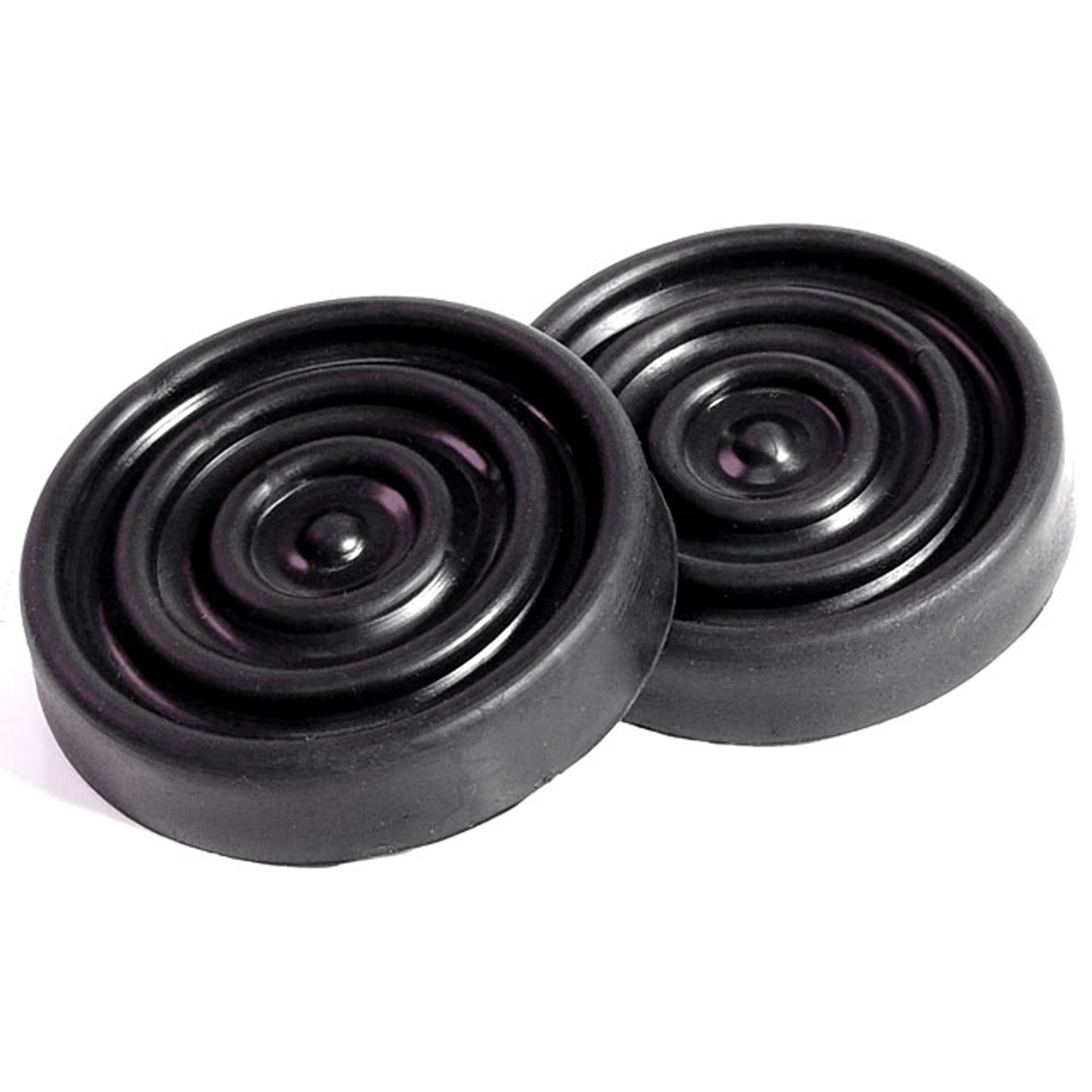 1934 Ford Model 40 Clutch and Brake Pedal Pads-CB 106Clutch and Brake Pedal Pads. Made with molded steel core and threaded stud. 3" diameter. Pair
 1934 Ford Model 40 Headlight Pads. 6-5/8" wide X 5-7/8" long. Pair-MP 680Headlight Pads. 6-5/8" wide X 5-7/8" long. Pair
 1934 Ford Model 40 Hood latch pad. 1-1/4 in. wide X 2-1/4 in. long. Each.-MP 683-BHood latch pad. 1-1/4 in. wide X 2-1/4 in. long. Each.
 1934 Ford Model 40 Trunk Handle Pad. 2" O.D. Each-MP 683-CTrunk Handle Pad. 2" O.D. Each
 1934 Ford Model 40 Tail-light Pads. 3-1/8" wide X 3-5/8" long. Pair-MP 690Tail-light Pads. 3-1/8" wide X 3-5/8" long. Pair
 1934 Ford Model 40 Door Handle Pads. 1-1/2" wide X 2-1/4" long. Pair-MP 690-ADoor Handle Pads. 1-1/2" wide X 2-1/4" long. Pair
 1934 Ford Model 40 Body to Rear Bumper Pad. 2-1/4" wide X 3-1/4" long. Each-MP 690-EBody to Rear Bumper Pad. 2-1/4" wide X 3-1/4" long. Each
 1934 Ford Model 40 Trunk Hinge and Latch Pads-MP 690-FTrunk Hinge and Latch Pads. 1-1/2" wide X 15-3/8" long & 1-1/4" wide X 5-3/4" long. Set
 1934 Ford Model 40 Windshield Post Pads. 2-1/2" wide X 3-3/4" long. Pair-MP 700Windshield Post Pads. 2-1/2" wide X 3-3/4" long. Pair
 1934 Ford Model 40 Side Arm Pad. 1-1/8" wide X 2-5/8" long. Each-MP 702Side Arm Pad. 1-1/8" wide X 2-5/8" long. Each
 1934 Ford Model 40 Side Window Anti-Rattle Pad. 1/4" wide X 1" long. Each-SB 73-ASide Window Anti-Rattle Pad. 1/4" wide X 1" long. Each
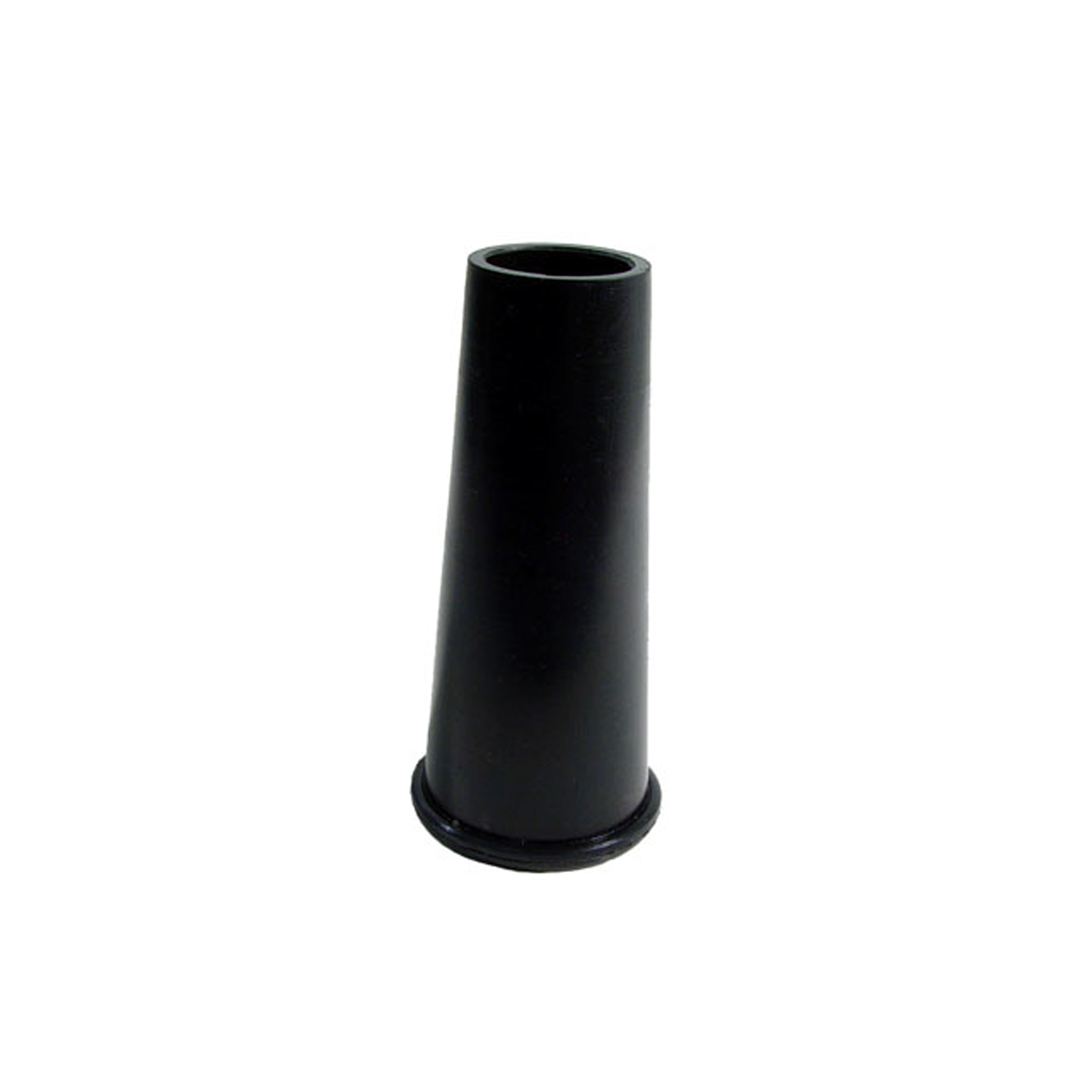 1934 Ford Model 40 Distributor Ignition Boot. 3-1/8", 1-1/4" O.D., 3/4" I.D-SM 65-DDistributor Ignition Boot. 3-1/8", 1-1/4" O.D., 3/4" I.D. Each
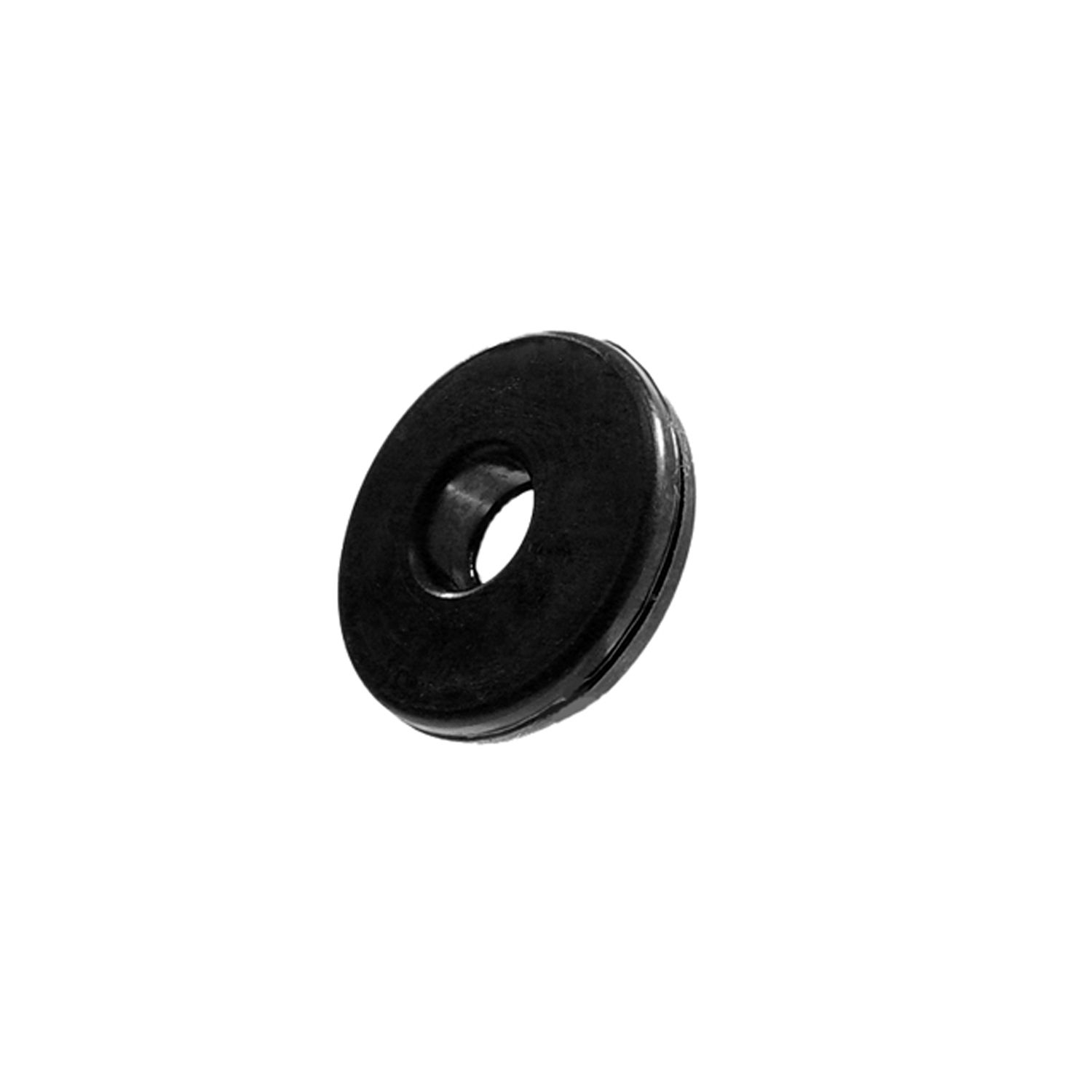 1934 Ford Model 40 Headlight Wires through Inner Splash Pan, Front Fenders-SM 96Headlight Wires through Inner Splash Pan, Front Fenders. Two used per car. 3/8" I.D., 1-5/16" O.D. Each
Why Choose Metro?
For over 100 years, Metro Moulded Parts has been the pinnacle of quality in classic car restoration parts. Our commitment to precision and authenticity in every component ensures a perfect fit and an OEM-level appearance.
- Expert Craftsmanship & Quality: Each part is a testament to our dedication to reliability and perfection, crafted from original designs and thoroughly tested.
- Advanced Technology: We use cutting-edge techniques to create flawless, long-lasting parts that surpass others in performance.
- SuperSoft Sponge – The Ultimate Door Seal: Not only are our door seals 30% softer than competitors', but they're also guaranteed to never leak. They effectively reduce wind and road noise, enhancing your classic car's comfort and driving experience.
- Proudly American: Our parts are a product of American craftsmanship, made in the USA with a spirit of excellence and heritage.
- Unrivaled Warranty: We back our products with a 30-year industry-leading warranty, a testament to our confidence in their quality.
Join us in preserving the legacy of classic cars with parts that are crafted for perfection, not just made.